Nigerian Firms Build EV Charging Networks to Unlock 6.8% Growth
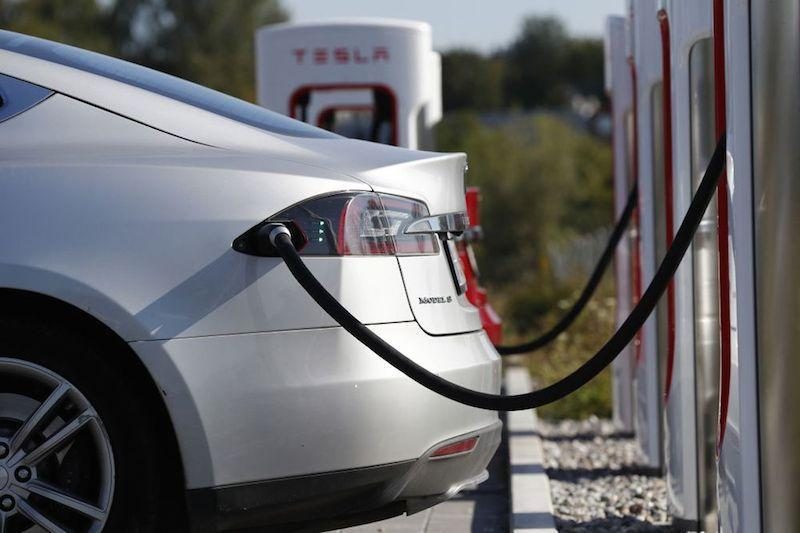
A cluster of Nigerian companies is rapidly deploying EV charging and battery-swapping networks, tackling the power reliability bottleneck that will determine whether the country's electric vehicle market can achieve its projected 6.8% compound annual growth through 2031.
A group of early-stage companies is racing to build electric vehicle charging networks across Nigeria, directly tackling the power reliability issues that threaten to stall the sector's growth.
The capital deployment comes as the country’s electric vehicle market is projected to expand at a compound annual growth rate of roughly 6.8 percent between 2025 and 2031, according to data from 6Wresearch. However, analysts note that vehicle imports and local sales alone will not dictate this trajectory. In a market plagued by chronic grid instability, the availability of dependable charging infrastructure is the critical bottleneck that will determine the pace of broader adoption. Without extensive networks, concerns over driving range and power reliability will continue to suppress demand.
Quoray Mobility and Energies Limited, founded by Olabanjo Alimi, currently leads in footprint by operating the country’s first publicly accessible commercial EV charging station. The company supplies Electric Vehicle Supply Equipment that safely interfaces with the local power grid. Its network of cross-brand charging and battery-swap locations spans high-traffic commercial zones in Lagos, including hotels and malls in Ikeja and Victoria Island, as well as swap stations in northern states like Kano and Adamawa.
NEV Electric, led by Mosope Olaosebikan, is targeting a different segment by installing high-capacity 160kW fast chargers along major transport corridors in Lagos and Abuja. These large-scale hubs are specifically designed to reduce range anxiety for commercial fleet operators transitioning to zero-emission mass transit. NEV is coupling its infrastructure buildout with local vehicle assembly and financing models to lower the barrier to entry.
Vertically integrated manufacturers are also securing proprietary infrastructure to support their products. Roxettes Motors, a subsidiary of the Roxettes Group and a licensed assembler of electric, hybrid, and compressed natural gas vehicles, has established five charging stations across Lagos and the southeast. Nigus International is taking a similar approach, deploying stations built to accommodate both private EV owners and commercial fleets.
Spiro is bypassing traditional plug-in infrastructure entirely to focus on the commercial motorcycle segment. The company currently operates a network of over 100 battery-swapping stations that allow riders to exchange depleted batteries for fully charged ones in minutes, eliminating the wait times associated with conventional charging. Spiro intends to scale its infrastructure to 2,000 locations nationwide.
For market participants, the primary investable thesis in Nigeria’s emerging electric mobility sector currently lies in these infrastructure networks. Automakers are bringing vehicles to market, but it is the charging and swapping operators that are building the essential ecosystem required to make those vehicles economically viable.