Oil hits $90 as depleted inventories leave market exposed
The renewed closure of the Strait of Hormuz has pushed crude to $90 a barrel, but without the emergency reserves and demand destruction that cushioned earlier shocks, the market faces a highly vulnerable supply crunch.
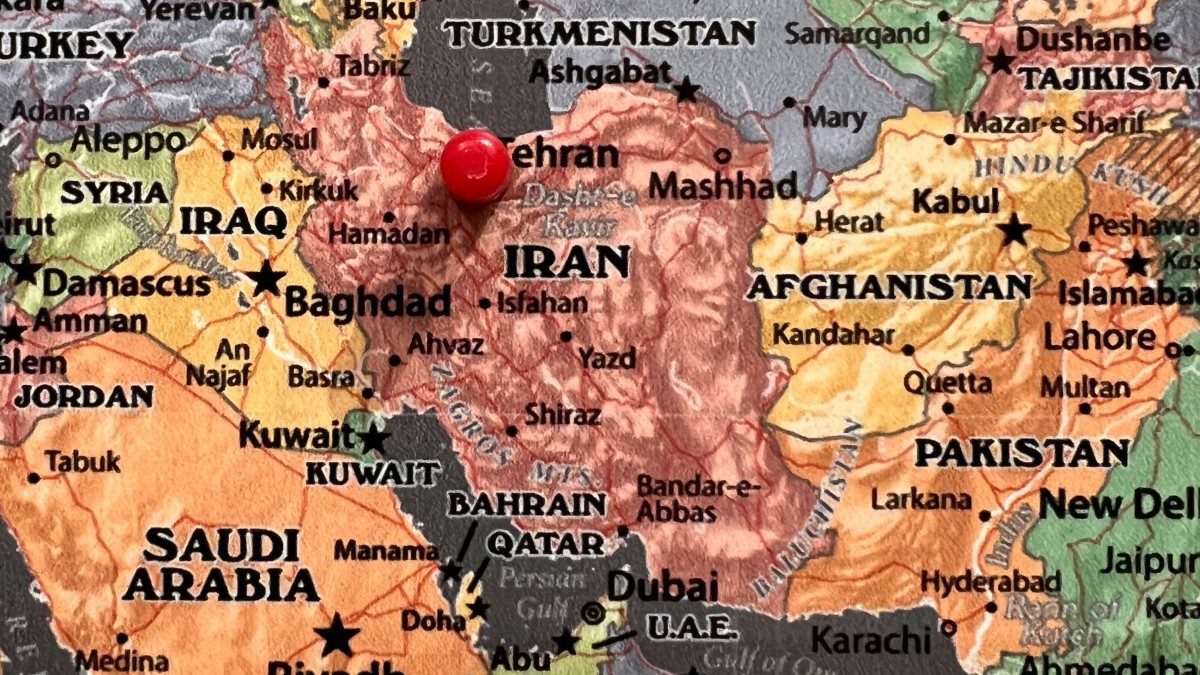
Oil prices surged to $90 a barrel on Monday after the renewed closure of the Strait of Hormuz shattered market expectations that a U.S.-Iran memorandum of understanding would restore flows by the end of the third quarter. Tanker traffic evacuating the Persian Gulf has abruptly halted, dropping back to levels seen before the now-defunct agreement.
For weeks, traders had priced in a steady recovery, but the physical reality of a closed chokepoint has triggered a rapid reassessment. This latest re-escalation finds the market fundamentally stripped of the defensive buffers that absorbed the initial shock of the conflict earlier this year. When prices breached $100 in the first and second quarters, the impact was blunted by a combination of increased output in the Americas, aggressive Asian demand destruction, and massive inventory drawdowns.
That cushion is now effectively exhausted. “The estimated market deficit of about 4.0 million barrels a day in March–May was met almost entirely by drawing down global stocks, including commercial inventories in China and strategic reserves,” economists at the International Monetary Fund noted last week.
The scale of that depletion is unprecedented in modern market history. The U.S. Strategic Petroleum Reserve (SPR) has been drawn down to 316.5 million barrels as of July 10—its lowest weekly level since the first half of 1983—following a 172-million-barrel release in the second quarter. Commercial and strategic stockpiles across other major consuming economies have seen similarly steep declines.
Even China, which entered the conflict with an estimated 1.3 billion barrels of cached crude, has been forced to tap its strategic reserves. Beijing has slashed its crude imports to their lowest level since 2018, leaning on fuel-saving measures and coal switching to manage high prices and constrained Middle Eastern flows.
This leaves the global market entering its busiest demand season with a severely compromised safety net. “As tensions flare again in the Strait of Hormuz, that room is now smaller and shrinking further as spare capacity has been deployed, demand has compressed, and inventories have been drawn down,” the IMF warned.
The situation is poised to deteriorate further as official emergency interventions expire. “The issue for the oil market is that SPR releases, which have offered some relief during the war, are set to cease around the end of this month,” ING commodities strategists Warren Patterson and Ewa Manthey wrote on Monday. Unless inventories are replenished rapidly, any prolonged closure of the strait leaves prices with a clear path to eclipse previous highs.