Oil traders bet on peace despite US strike on Iran nuclear plant
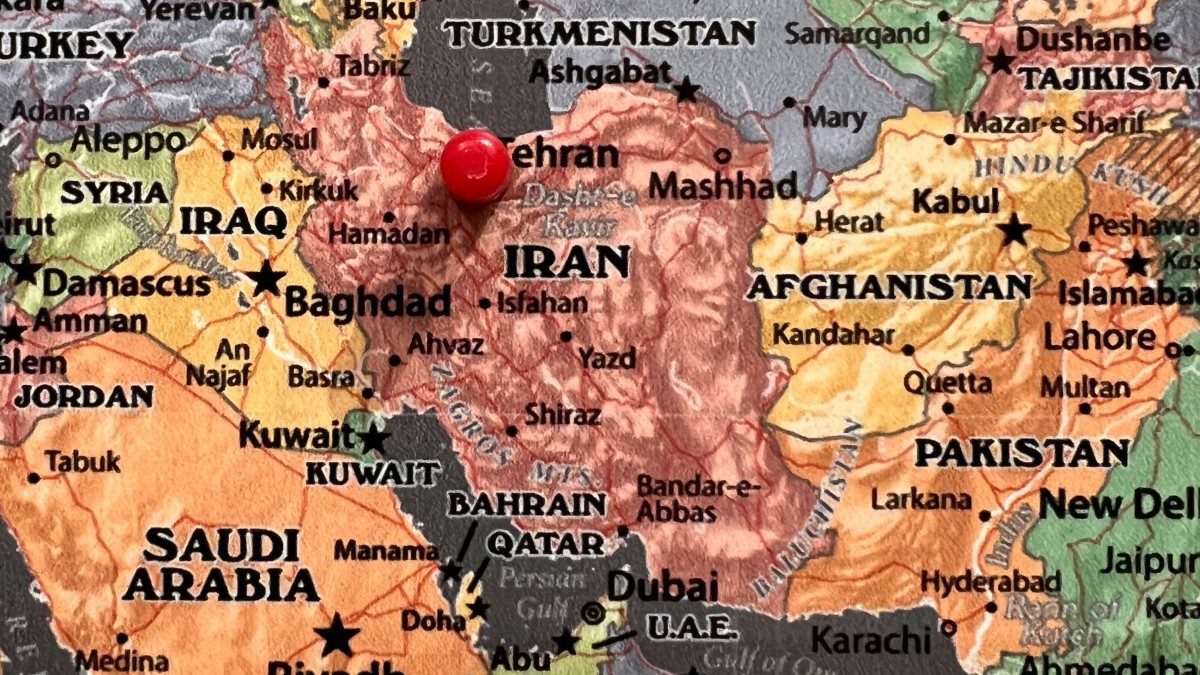
Oil traders are betting on a diplomatic resolution to the US-Iran conflict despite a US missile strike on an unfinished Iranian nuclear plant and the closure of the Strait of Hormuz.
US forces fired multiple missiles at the under-construction Karun nuclear power plant in Iran's southwestern Khuzestan province. The strike marks a significant military escalation in the ongoing conflict between Washington and Tehran.
The attack on the facility, also known as Darkhovin, was part of the 18th wave of US missile strikes against Iranian targets. The International Atomic Energy Agency noted that the site posed no risk of a nuclear fuel release because construction, which began in December 2022, was in its early stages and contained no fuel at the time of the agency's last inspection. The facility has a planned nameplate capacity of 300 MW.
Iran’s UN ambassador Amir Saeid Iravani detailed the strike in a letter to the Security Council cited by Mehr news agency. Iravani stated the plant was under IAEA safeguards and that all activities were "exclusively peaceful, fully transparent and in complete conformity" with the nuclear deal Iran agreed upon with Western powers. He urged the UN to condemn the strike as a violation of international law, which explicitly prohibits attacks on civil nuclear facilities, attributing the attacks to the "inaction and double standards of the Security Council."
For commodities markets, the primary financial concern is not nuclear fallout but the trajectory of global oil supply. This military strike on a civilian site significantly complicates fresh efforts to negotiate a peace agreement between the two nations.
The broader geopolitical picture has already seen severe disruptions to critical energy infrastructure. Iran has once again shut down the Strait of Hormuz, a vital transit chokepoint for global oil markets. Simultaneously, the US has reinstated its naval blockade on Iranian ports.
These combined actions severely restrict the physical flow of crude and heighten the risk of a prolonged supply crunch. However, oil traders are currently exhibiting a notable disconnect from these ground realities. Rather than pricing in a sustained escalation or supply shortage, the market appears optimistic, actively betting on an increasingly unlikely peace deal.