Nigerian Real Estate Loses Diaspora Billions to Fraud Fears
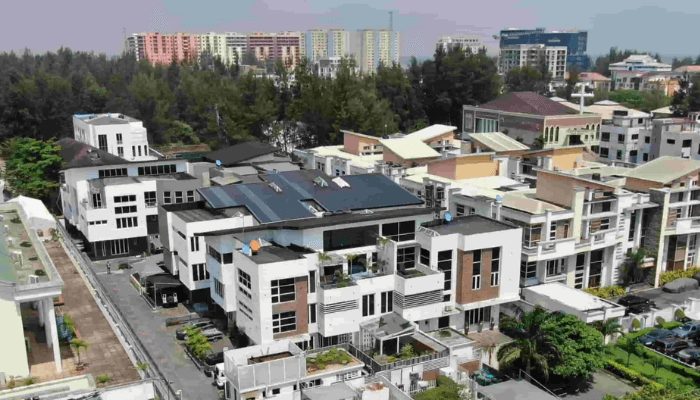
Nigeria’s real estate developers must adopt global transparency standards or risk losing billions in annual diaspora remittances to competing markets, industry executives warn.
Obinna Anthony Chukwuneta, managing director of Attarhi Nigeria Limited, says a fundamental trust deficit is blocking foreign capital from entering the country’s housing market. He is urging developers to abandon informal referral networks in favor of verifiable, globally recognized governance standards to attract overseas buyers.
The financial incentives for these investors are substantial. Nigeria’s diaspora remittances reached an estimated $23 billion in 2025, representing one of the nation’s largest sources of foreign exchange. Property has become a preferred asset class for these investors, with premium residential transactions in Lagos offering annual capital appreciation of between 18 and 25 percent.
“The diaspora buyer is not short of appetite. The money is there, the emotional connection to home is there, and Lagos pricing remains attractive by any international comparison,” Chukwuneta said. “What is missing is a system that allows someone in London or Houston to verify what they are buying with the same confidence they would have if they were standing on the site.”
The primary friction points are operational and legal. Fraudulent transactions, defective land titles, and stalled developments heavily penalize remote buyers. Between 2025 and 2026, the Lagos State Real Estate Regulatory Authority recovered more than N270 million from fraudulent estate agents, illustrating the regulatory hurdles undermining market confidence.
To unlock this capital, Chukwuneta said credible developers must differentiate themselves by making documentation independently verifiable. “A diaspora buyer should be able to see your LASBCA documentation, your Certificate of Occupancy status, your construction milestones and your completed projects before committing a single naira,” he said.
The failure to establish voluntary standards carries both regulatory and macroeconomic risks. “If a developer cannot provide that level of transparency, the buyer should walk away. And if the industry does not establish that standard voluntarily, regulation will eventually impose it.” Furthermore, persistent fraud damages the broader market by raising the cost of capital for legitimate operators. “Every buyer who has been defrauded makes the next transaction harder for every legitimate developer in the market,” he noted.
As Nigeria contends with a widening housing deficit, institutionalizing transparency could accelerate housing delivery by giving developers access to a deeper pool of long-term funding. “Building trust is not a marketing exercise. It is infrastructure, just as roads and drainage are. Without it, the capital that should be building homes remains in foreign bank accounts because people are too afraid to deploy it.”