Nigeria pension exclusion risks deepening poverty, bank executive warns

Millions of Nigerian informal workers lack retirement savings, threatening long-term economic stability and demanding urgent pension reforms.
Elias Igbinakenzua, co-founder of Globus Bank, has urged Nigeria to overhaul its pension system to incorporate millions of informal workers currently excluded from the Contributory Pension Scheme. Speaking at the 9th Professor Adebayo Akerele Memorial Lecture Series at the University of Benin, he warned that failing to address this coverage gap risks deepening old-age poverty across the country.
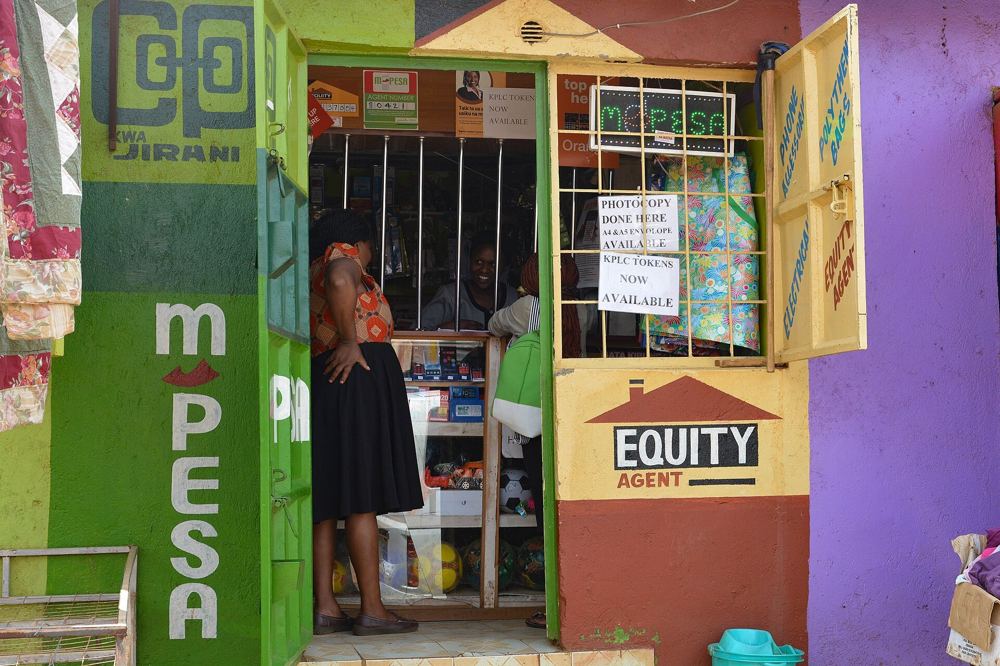
Nigeria's predominantly youthful workforce is heavily concentrated in the informal sector, leaving a vast portion of the labor force without structured retirement savings. For investors and market professionals, this exclusion represents a critical structural bottleneck. Robust pension systems typically act as deep pools of domestic capital, providing stable, long-term funding for government bonds and equities. By leaving millions of workers outside the formal net, Nigeria is limiting the potential scale and stability of its domestic capital markets.
Expanding pension coverage to all workers, regardless of their employment status, must become a national priority, Igbinakenzua argued. He advocated for stricter enforcement of statutory pension remittances by employers, alongside greater transparency and accountability in the management of Retirement Savings Accounts. Such measures are necessary to build public trust and encourage voluntary participation among informal workers who currently view the system as inaccessible.
The banking executive also highlighted how macroeconomic pressures, specifically inflation, erode retirement outcomes. Inadequate earnings, particularly within the academic sector, severely limit employees' capacity to accumulate meaningful savings. Because pension contributions are tied to current salaries, low wages inevitably result in diminished long-term benefits, a problem Igbinakenzua suggested requires inflation-indexed wages and improved financial literacy.
Until comprehensive structural reforms are implemented, Igbinakenzua advised individuals to take proactive measures. He urged workers to begin planning early, regularly monitor their pension contributions, and invest in income-generating assets. Addressing these systemic weaknesses, he concluded, is essential to building a more inclusive and resilient financial framework for Africa's largest economy.