Cuban pitches tax breaks to expand employee stock ownership
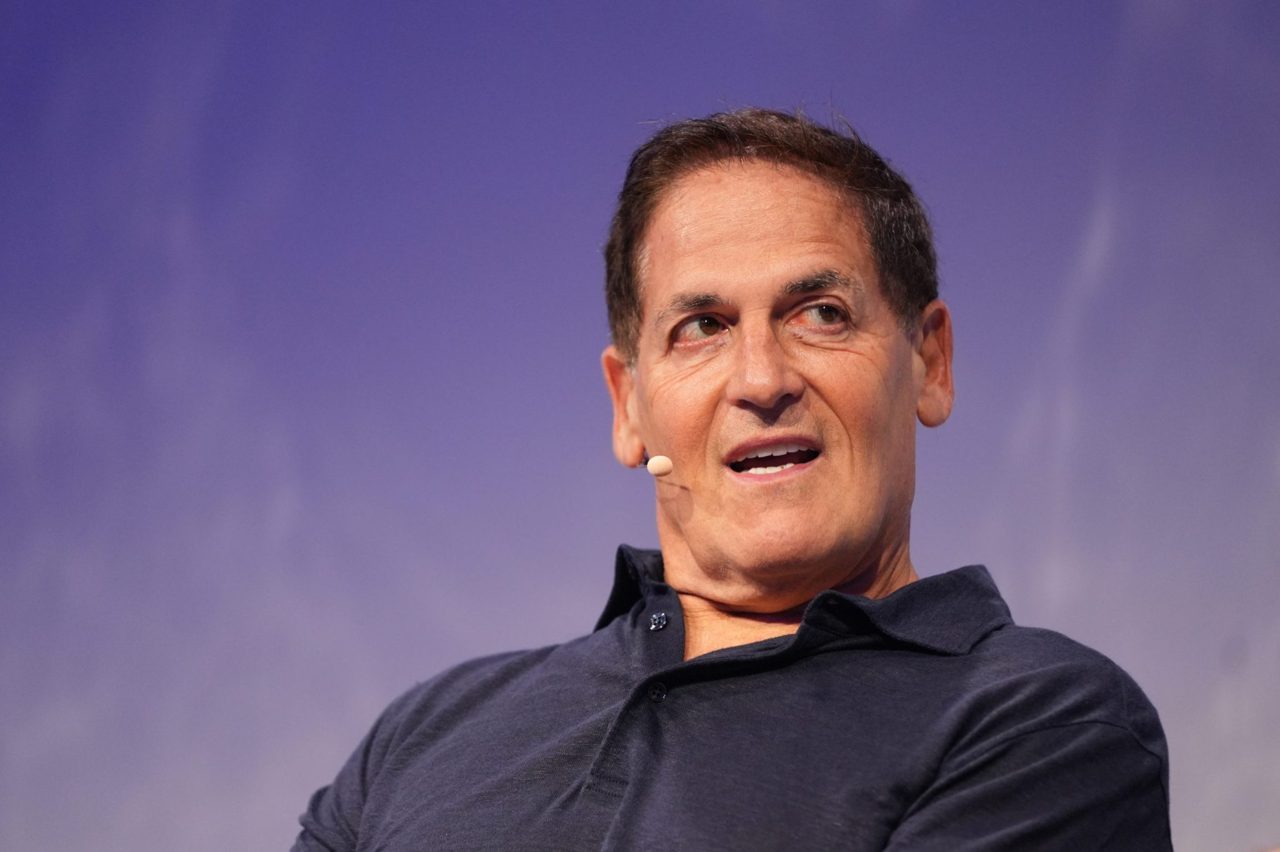
Billionaire investor Mark Cuban is proposing a corporate tax reduction for companies that grant all employees the same percentage of stock as their chief executives, a model that could reshape compensation structures and address rising wealth disparities.
Following SpaceX’s $1.77 trillion initial public offering, which reportedly minted at least 4,400 millionaires and turned former welder Juan Hernandez’s hourly wage into an $880,000 windfall, Mark Cuban is pushing to make such outcomes standard. The billionaire investor outlined a plan to use the tax code to incentivize companies to grant stock to every worker, from the chief executive down to the janitor, at identical percentage ratios.
Under Cuban’s proposal, a CEO earning $1 million in cash who receives $100,000 in stock would be required to grant a worker earning $50,000 a $5,000 equity stake. To encourage adoption, he suggested governments offer participating companies a corporate tax rate lower than the current 21%. "The way you’re going to reduce income inequality for anybody who works with somebody is making sure they get shares of stock and then they benefit," Cuban said on the "What It Takes" podcast.
The proposal emerges as U.S. income inequality remains an acute pressure point for the economy. S&P 500 CEOs earned 285 times the median worker's pay in 2024, up from 268 times the prior year, according to AFL-CIO data, with average chief executive compensation reaching $18.9 million. Cuban frames broad-based equity compensation as a free-market alternative to government social services or the affordability platforms championed by democratic socialist politicians like New York City Mayor Zohran Mamdani.
For investors and executives, the appeal of Cuban's model extends beyond public relations into measurable corporate performance. A 2004 Rutgers University study found that companies offering employees an ownership stake of at least 5% have higher survival rates than those that do not. Harvard Business School research indicates that broader ownership aligns incentives, driving productivity and reducing turnover. "When you have an equity stake, all of a sudden you have a claim on the upside," said Ethan Rouen, a Harvard Business School professor.
The macroeconomic implications of widespread adoption are substantial. A 2021 Harvard study projected that if all U.S. private firms became 30% employee-owned, national household wealth would effectively double. This expansion would come at the expense of the top 1%, whose net wealth would decrease by an average of 14%. Cuban has a personal track record with this model, having made 300 of his 330 Broadcast.com employees millionaires when Yahoo acquired the company for $5.7 billion in 1999. Elon Musk, whose wealth grew by $215 billion in 2025, has similarly endorsed the incentive-aligning merits of universal employee stock grants.