Panama Detects 34 Malaria Cases in Capital
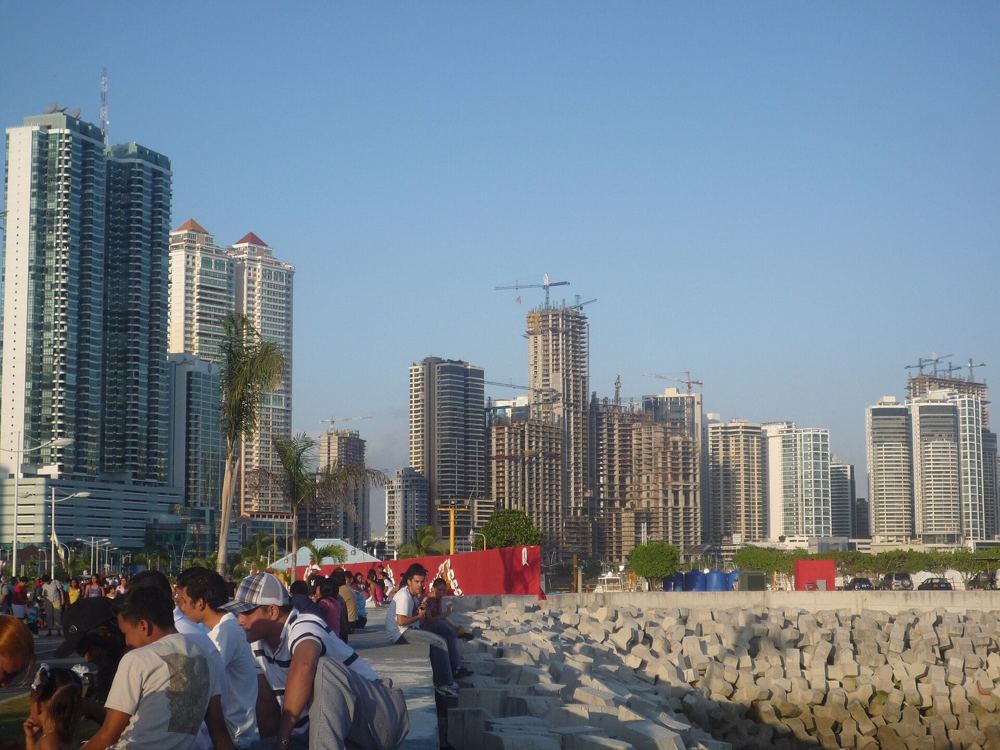
Panama's health ministry confirmed 34 malaria cases among informal workers near the Merca Panamá food market in Panama City on 14 October. The post Panama Detects 34 Malaria Cases in Capital appeared first on The Rio Times .
Panama’s health ministry has confirmed 34 malaria cases among informal workers at a food market in the capital. It says malaria cannot be caught from food and that mosquito control is under way.
Panama’s health ministry (Minsa) confirmed 34 malaria cases on Wednesday night, 14 October, among informal workers near Merca Panamá. The food market stands on Vía Centenario in Ancón, Panama City, and Minsa links the cases to arrivals from endemic provinces.
The cluster matters to US readers because US health guidance lists no malaria transmission in Panama City. Minsa says food sold at the market is not a route of infection, and it is fumigating the area.
Minsa said its Metropolitan Health Region found the cases through epidemiological surveillance, meaning the tracking of disease in the population. La Estrella, Eco TV, Crítica and La Prensa carried the statement, which Minsa also posted on X.
The 34 people are informal workers who stay around the main Merca Panamá site on Vía Centenario, in the Ancón ward (corregimiento). La Prensa, a Panama City daily, calls Merca Panamá the capital’s food distribution market.
Minsa’s investigation links the cases to people who came from endemic provinces and did not know they were infected. Staying overnight at the market may have exposed them to bites from Anopheles mosquitoes, the insects that spread malaria.
The ministry also said investigators identified risk areas around the market that need stronger surveillance and mosquito control. Those findings point to possible exposure sites outside the market grounds, Minsa said.
Since the first cases were identified, health teams have searched for people with symptoms and taken samples for diagnosis. They have also followed up patients, given treatment and fumigated to cut the number of mosquitoes.
Minsa urges night workers at the market to use repellent and wear clothing that covers arms and legs. The Anopheles mosquito bites mainly between dusk and dawn, the ministry noted.
Health authorities list fever, chills, sweating and headache as symptoms, and La Prensa adds vomiting in some cases. They ask people not to self-medicate and to go to a health facility for testing and treatment.
Merca Panamá said on Thursday, 15 October, that it keeps preventive health measures in place and coordinates with the health authorities. It stressed that malaria is not spread by buying, eating or handling food.
The market also said it has stepped up cleaning, disinfection and waste handling, La Prensa wrote. None of the statements carried by the outlets mentions a closure or a trading restriction.
Minsa says malaria in Panama has historically concentrated in Darién and the Indigenous territories called comarcas. It also occurs in parts of Bocas del Toro, Veraguas and Panamá Este, and Panama City is not on that list.
The US Centers for Disease Control and Prevention (CDC) lists no malaria transmission in the Canal Zone or Panama City. That federal health agency recommends malaria pills only for travellers to certain areas, including Darién, Guna Yala and Bocas del Toro.
That CDC malaria guidance predates this cluster, which Minsa announced on 14 October. Check the CDC page before you travel.
Telemetro and TVN reported on 3 September that Minsa counted 5,298 malaria cases nationwide up to epidemiological week 34 of 2026. Minsa’s latest regional breakdown located, for 2 January to 27 August 2022, listed 66 cases in the Panama Metro region.
Flights from the United States land at Tocumen airport in Panama City, which the CDC lists as free of malaria transmission. The State Department’s Panama advisory is Level 2, Exercise Increased Caution, updated 19 August 2026, and cites crime, not health.
Anyone who works or sleeps near the Merca Panamá site and develops symptoms should go to a health facility, as Minsa advises. Mosquito precautions at dusk and dawn are still sensible, and any fever after travel in a malaria-risk area deserves medical care.
Related guides cover flights to Panama from the United States and safety for expats in Panama . For the wider picture, see Panama Explained and the Panama City expat guide .
The statement does not say which malaria species caused the cases or how many workers were tested. It also names no provinces of origin and does not mention hospital admissions or deaths.
Minsa does not say where the 34 people were infected or whether any case began in Panama City. It says people staying at the market may be more exposed to bites and notes possible exposure sites outside its grounds.
No outlet that carried the statement names a visitor or tourist among the cases. The figure of 34 dates from Wednesday night, and the ministry gave no date for ending the fumigation.
Minsa says surveillance, diagnosis, treatment and mosquito control around the market will continue. Further case counts would come from the Metropolitan Health Region.
The ministry’s statement does not mention travel guidance for visitors. A new case count or a change in US guidance would be the next signal.
No, Minsa says malaria spreads mainly through bites from infected Anopheles mosquitoes. It stresses that buying, eating or handling food is not a route of infection.
The CDC’s Panama page lists no malaria transmission in the Canal Zone or Panama City. Check the page before you travel, because guidance can change.
Health authorities list fever, chills, sweating and headache, and in some cases vomiting. They advise against self-medication and tell people to go to a health facility.
Minsa says transmission has historically centred on Darién, the Indigenous comarcas, and parts of Bocas del Toro, Veraguas and Panamá Este. The CDC lists Plasmodium vivax as the species in 97% of Panama’s cases.
The CDC tells travellers to malaria-risk areas to seek medical care for a fever, even up to a year after returning. Tell the doctor where and when you travelled.
Sources: Minsa statement of 14 October 2026 as carried by La Prensa , La Estrella de Panamá , Eco TV and Crítica ; La Prensa on the Merca Panamá response ; CDC Travelers’ Health, Panama ; US State Department, Panama travel advisory ; Telemetro on Minsa’s 2026 malaria count and TVN malaria coverage ; Minsa weekly malaria report, week 34 of 2022 (all accessed 15 October 2026).
Editorial responsibility: Matthias Camenzind , Editor-in-Chief · Editorial standards · Report an error