Lula Builds 25-State Coalition for 2026, Signalling Policy Continuity
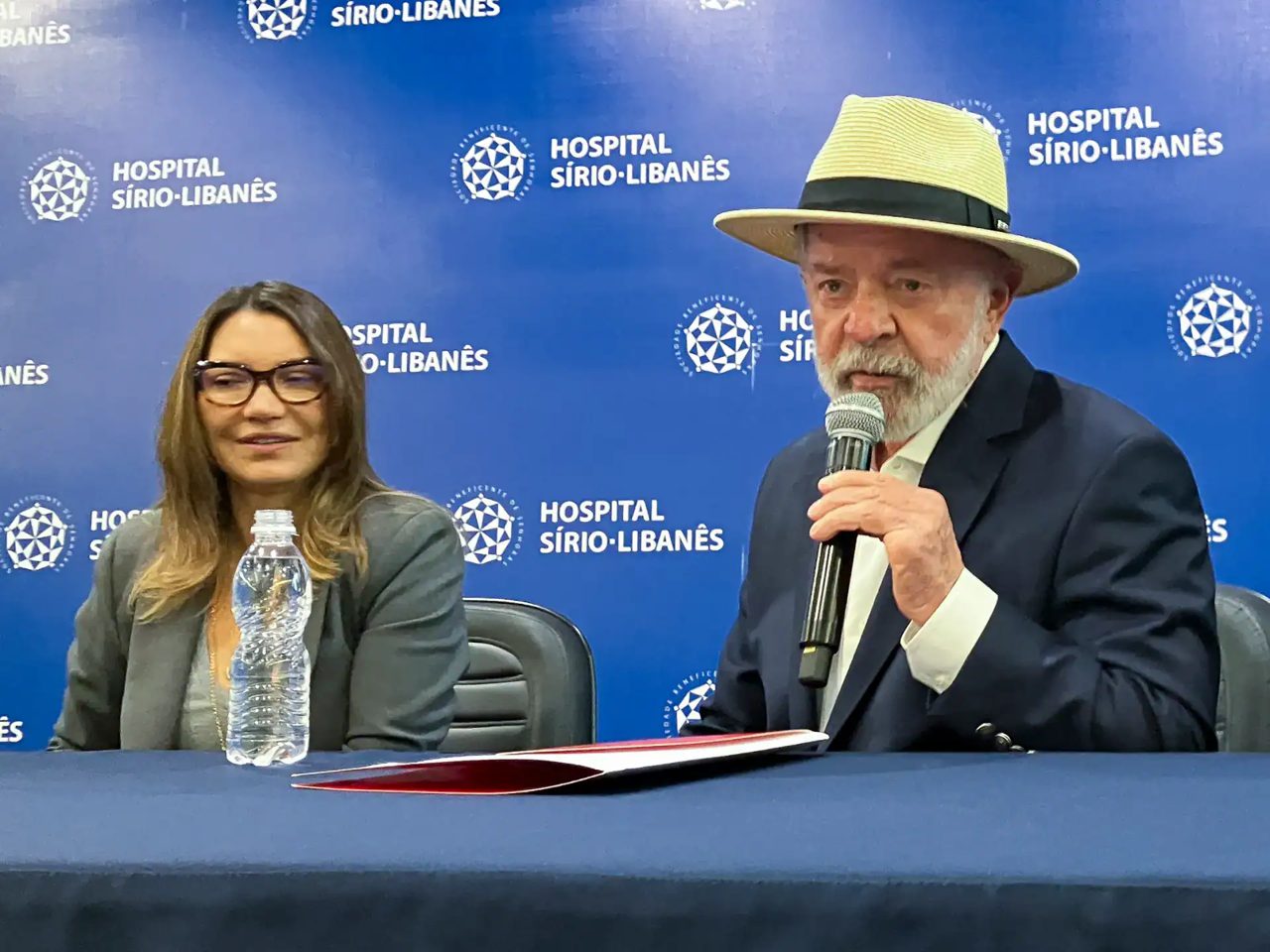
President Luiz Inácio Lula da Silva has secured pre-candidacy alliances across 25 Brazilian states, building a centrist coalition that signals policy continuity and market-friendly governance for a potential 2026 term.
President Luiz Inácio Lula da Silva has locked in pre-candidacy alliances across 25 states and the Federal District for the 2026 election, leaving his main challenger with a fragmented political map. Party conventions run from July 20 to August 5, meaning this organizational gap is essentially final ahead of the October 4 vote.
In Brazil’s federal system, gubernatorial candidates function as local campaign managers who control voter mobilization and share television and radio advertising time. By securing 25 state platforms, Lula is guaranteed a dominant share of free airtime when official campaigning begins on August 16.
In a country where television still drives voter decisions, particularly among lower-income demographics, this visibility gap could prove decisive. Flávio Bolsonaro has defined alliances in only 14 to 15 states, severely restricting his national reach.
For investors, the structural makeup of Lula’s coalition matters more than the raw state count. Rather than relying solely on his Workers’ Party, the president built this front by backing center-party candidates like João Campos of the PSB, Omar Aziz of the PSD, and Hana Ghassan of the MDB.
The core alliance relies heavily on the PSD, MDB, and PSB, supplemented by the PP, PDT, União Brasil, and Republicans in specific regions. A victory engineered through this broad centrist framework points toward policy continuity rather than ideological shifts.
Markets typically view a heavy reliance on PSD and MDB governors as a constraint on abrupt leftward policy swings, suggesting a pragmatic governing style. Lula’s team learned from the 2022 race, where thin ground game in agricultural heartlands forced a narrow runoff victory against former President Jair Bolsonaro.
This time, the administration traded early federal budget commitments and cabinet positions to secure centrist backing. Furthermore, broad-based state coalitions generally facilitate smoother political transitions, which can stabilize local business climates.
Bolsonaro’s organizational path is notably narrower, betting heavily on at least 11 Liberal Party gubernatorial bids supported only by the PP, Republicans, and Podemos. He remains deadlocked in six states, including Alagoas and Maranhão, and lacks consensus in key battlegrounds like Goiás and Espírito Santo.
The only unresolved piece for Lula is Minas Gerais. Both campaigns are awaiting a decision between potential allies Marília and Cleitinho Azevedo.