World Bank targets $5.79bn in private capital for Nigeria in 2026
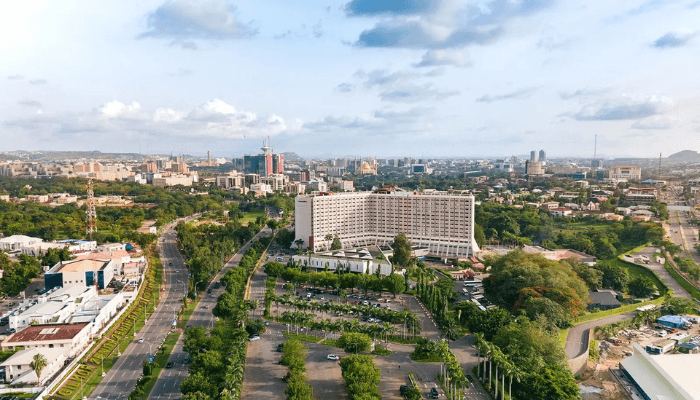
The World Bank Group is helping mobilise up to $5.79 billion in private financing for Nigeria in fiscal year 2026,
The World Bank Group is helping mobilise up to $5.79 billion in private financing for Nigeria in fiscal year 2026, targeting investments in digital infrastructure, agriculture, small-business lending and domestic fertiliser production. Read also: Latest World Bank reports confirm reforms are delivering results, Tinubu In a report published on Sunday, the Bank said it was combining policy reforms, investment platforms, risk mitigation and commercial financing to attract private capital into sectors critical to Nigeria’s economic transformation. “Turning these everyday constraints into pathways for opportunity requires more than a single investment,” it said, noting that institutions must improve market rules, create investable projects, reduce risks and attract capital at scale. The financing drive comes as Africa’s most populous nation seeks to close infrastructure and funding gaps while expanding private-sector participation in economic development. Since mid-2023, the country has undertaken reforms covering foreign-exchange management, public finances and fuel subsidies. The World Bank said these measures, supported partly by its RESET and NAIJA development policy financing programmes, are helping strengthen policy credibility and create more predictable conditions for investment. Read also: Debt interest exceeds health education spending in four fifths of African countries, World Bank says Further reforms are aimed at deepening capital markets, expanding digital trade and enabling greater private participation in electricity. The Bank’s strategy combines the World Bank’s policy and development financing with investments from the International Finance Corporation (IFC) and risk guarantees from the Multilateral Investment Guarantee Agency (MIGA). In digital infrastructure, the Building Resilient Digital Infrastructure for Growth (BRIDGE) project is expected to mobilise at least $156 million in private equity during its first investor-selection round, with subsequent financing rounds potentially unlocking $1.1 billion by 2030. The project aims to expand affordable broadband access from 92 million people in 2025 to 150 million by 2030. It also plans to connect 38,800 public schools, 16,900 health facilities and 3,400 local government offices to high-speed internet. Agriculture is another focus. The Agricultural Value Chains for Growth (AGROW) project targets one million smallholder farmers by improving seed and fertiliser systems, digital services and access to markets. The initiative is expected to mobilise about $220 million from agribusiness companies and another $22 million from certified seed producers. The IFC is also helping expand domestic fertiliser production through financing for Dangote Industries and Indorama Fertiliser. The World Bank said the IFC helped mobilise $1.02 billion for Dangote through refinancing and financing from development institutions and commercial lenders, alongside $282.5 million for Indorama through syndicated financing. The two projects have a combined production capacity of 6.8 million metric tonnes annually and are expected to improve access to agricultural inputs for more than 10 million smallholder farmers. Small businesses are another beneficiary of the financing strategy. Read also: World Bank raises Africa’s 2026 growth forecast to 4.3 The Fostering Inclusive Finance for MSMEs in Nigeria (FINCLUDE) programme aims to expand access to finance for more than 250,000 micro, small and medium-sized enterprises, with 30 percent of financing targeted at women-led businesses. A $500 million financing package from the International Bank for Reconstruction and Development and the International Development Association combines funding and risk-sharing instruments to encourage financial institutions to lend to underserved businesses. The programme is expected to mobilise nearly $1.89 billion in private financing and support an estimated 850,000 direct and indirect jobs. In telecommunications, the IFC acted as an anchor investor in a $1.2 billion bond issuance by IHS Towers, helping mobilise more than $1.1 billion from private investors. The World Bank said the broader strategy demonstrates how development institutions can use public resources to attract larger pools of private capital. “The significance of that figure lies in what it can deliver: more affordable broadband, stronger agricultural value chains, better access to finance for small businesses, and more opportunities for women and young people,” it said. Related News Low-code AI offers Nigerian mid-market firms a way to tackle tech talent shortages How Nigeria’s presidential candidates plan to shape tax system Beyond local content: Can Nigeria turn participation into industrial capacity? Faith Omoboye Faith Omoboye is a foreign affairs correspondent with background in History and International relations. Her work focuses on African politics, diplomacy, and global governance. Share
Read also: Latest World Bank reports confirm reforms are delivering results, Tinubu In a report published on Sunday, the Bank said it was combining policy reforms, investment platforms, risk mitigation and commercial financing to attract private capital into sectors critical to Nigeria’s economic transformation. “Turning these everyday constraints into pathways for opportunity requires more than a single investment,” it said, noting that institutions must improve market rules, create investable projects, reduce risks and attract capital at scale. The financing drive comes as Africa’s most populous nation seeks to close infrastructure and funding gaps while expanding private-sector participation in economic development. Since mid-2023, the country has undertaken reforms covering foreign-exchange management, public finances and fuel subsidies. The World Bank said these measures, supported partly by its RESET and NAIJA development policy financing programmes, are helping strengthen policy credibility and create more predictable conditions for investment. Read also: Debt interest exceeds health education spending in four fifths of African countries, World Bank says Further reforms are aimed at deepening capital markets, expanding digital trade and enabling greater private participation in electricity. The Bank’s strategy combines the World Bank’s policy and development financing with investments from the International Finance Corporation (IFC) and risk guarantees from the Multilateral Investment Guarantee Agency (MIGA). In digital infrastructure, the Building Resilient Digital Infrastructure for Growth (BRIDGE) project is expected to mobilise at least $156 million in private equity during its first investor-selection round, with subsequent financing rounds potentially unlocking $1.1 billion by 2030. The project aims to expand affordable broadband access from 92 million people in 2025 to 150 million by 2030. It also plans to connect 38,800 public schools, 16,900 health facilities and 3,400 local government offices to high-speed internet. Agriculture is another focus. The Agricultural Value Chains for Growth (AGROW) project targets one million smallholder farmers by improving seed and fertiliser systems, digital services and access to markets. The initiative is expected to mobilise about $220 million from agribusiness companies and another $22 million from certified seed producers. The IFC is also helping expand domestic fertiliser production through financing for Dangote Industries and Indorama Fertiliser. The World Bank said the IFC helped mobilise $1.02 billion for Dangote through refinancing and financing from development institutions and commercial lenders, alongside $282.5 million for Indorama through syndicated financing. The two projects have a combined production capacity of 6.8 million metric tonnes annually and are expected to improve access to agricultural inputs for more than 10 million smallholder farmers. Small businesses are another beneficiary of the financing strategy. Read also: World Bank raises Africa’s 2026 growth forecast to 4.3 The Fostering Inclusive Finance for MSMEs in Nigeria (FINCLUDE) programme aims to expand access to finance for more than 250,000 micro, small and medium-sized enterprises, with 30 percent of financing targeted at women-led businesses. A $500 million financing package from the International Bank for Reconstruction and Development and the International Development Association combines funding and risk-sharing instruments to encourage financial institutions to lend to underserved businesses. The programme is expected to mobilise nearly $1.89 billion in private financing and support an estimated 850,000 direct and indirect jobs. In telecommunications, the IFC acted as an anchor investor in a $1.2 billion bond issuance by IHS Towers, helping mobilise more than $1.1 billion from private investors. The World Bank said the broader strategy demonstrates how development institutions can use public resources to attract larger pools of private capital. “The significance of that figure lies in what it can deliver: more affordable broadband, stronger agricultural value chains, better access to finance for small businesses, and more opportunities for women and young people,” it said. Related News Low-code AI offers Nigerian mid-market firms a way to tackle tech talent shortages How Nigeria’s presidential candidates plan to shape tax system Beyond local content: Can Nigeria turn participation into industrial capacity? Faith Omoboye Faith Omoboye is a foreign affairs correspondent with background in History and International relations. Her work focuses on African politics, diplomacy, and global governance. Share
In a report published on Sunday, the Bank said it was combining policy reforms, investment platforms, risk mitigation and commercial financing to attract private capital into sectors critical to Nigeria’s economic transformation. “Turning these everyday constraints into pathways for opportunity requires more than a single investment,” it said, noting that institutions must improve market rules, create investable projects, reduce risks and attract capital at scale. The financing drive comes as Africa’s most populous nation seeks to close infrastructure and funding gaps while expanding private-sector participation in economic development. Since mid-2023, the country has undertaken reforms covering foreign-exchange management, public finances and fuel subsidies. The World Bank said these measures, supported partly by its RESET and NAIJA development policy financing programmes, are helping strengthen policy credibility and create more predictable conditions for investment. Read also: Debt interest exceeds health education spending in four fifths of African countries, World Bank says Further reforms are aimed at deepening capital markets, expanding digital trade and enabling greater private participation in electricity. The Bank’s strategy combines the World Bank’s policy and development financing with investments from the International Finance Corporation (IFC) and risk guarantees from the Multilateral Investment Guarantee Agency (MIGA). In digital infrastructure, the Building Resilient Digital Infrastructure for Growth (BRIDGE) project is expected to mobilise at least $156 million in private equity during its first investor-selection round, with subsequent financing rounds potentially unlocking $1.1 billion by 2030. The project aims to expand affordable broadband access from 92 million people in 2025 to 150 million by 2030. It also plans to connect 38,800 public schools, 16,900 health facilities and 3,400 local government offices to high-speed internet. Agriculture is another focus. The Agricultural Value Chains for Growth (AGROW) project targets one million smallholder farmers by improving seed and fertiliser systems, digital services and access to markets. The initiative is expected to mobilise about $220 million from agribusiness companies and another $22 million from certified seed producers. The IFC is also helping expand domestic fertiliser production through financing for Dangote Industries and Indorama Fertiliser. The World Bank said the IFC helped mobilise $1.02 billion for Dangote through refinancing and financing from development institutions and commercial lenders, alongside $282.5 million for Indorama through syndicated financing. The two projects have a combined production capacity of 6.8 million metric tonnes annually and are expected to improve access to agricultural inputs for more than 10 million smallholder farmers. Small businesses are another beneficiary of the financing strategy. Read also: World Bank raises Africa’s 2026 growth forecast to 4.3 The Fostering Inclusive Finance for MSMEs in Nigeria (FINCLUDE) programme aims to expand access to finance for more than 250,000 micro, small and medium-sized enterprises, with 30 percent of financing targeted at women-led businesses. A $500 million financing package from the International Bank for Reconstruction and Development and the International Development Association combines funding and risk-sharing instruments to encourage financial institutions to lend to underserved businesses. The programme is expected to mobilise nearly $1.89 billion in private financing and support an estimated 850,000 direct and indirect jobs. In telecommunications, the IFC acted as an anchor investor in a $1.2 billion bond issuance by IHS Towers, helping mobilise more than $1.1 billion from private investors. The World Bank said the broader strategy demonstrates how development institutions can use public resources to attract larger pools of private capital. “The significance of that figure lies in what it can deliver: more affordable broadband, stronger agricultural value chains, better access to finance for small businesses, and more opportunities for women and young people,” it said. Related News Low-code AI offers Nigerian mid-market firms a way to tackle tech talent shortages How Nigeria’s presidential candidates plan to shape tax system Beyond local content: Can Nigeria turn participation into industrial capacity? Faith Omoboye Faith Omoboye is a foreign affairs correspondent with background in History and International relations. Her work focuses on African politics, diplomacy, and global governance. Share
“Turning these everyday constraints into pathways for opportunity requires more than a single investment,” it said, noting that institutions must improve market rules, create investable projects, reduce risks and attract capital at scale. The financing drive comes as Africa’s most populous nation seeks to close infrastructure and funding gaps while expanding private-sector participation in economic development. Since mid-2023, the country has undertaken reforms covering foreign-exchange management, public finances and fuel subsidies. The World Bank said these measures, supported partly by its RESET and NAIJA development policy financing programmes, are helping strengthen policy credibility and create more predictable conditions for investment. Read also: Debt interest exceeds health education spending in four fifths of African countries, World Bank says Further reforms are aimed at deepening capital markets, expanding digital trade and enabling greater private participation in electricity. The Bank’s strategy combines the World Bank’s policy and development financing with investments from the International Finance Corporation (IFC) and risk guarantees from the Multilateral Investment Guarantee Agency (MIGA). In digital infrastructure, the Building Resilient Digital Infrastructure for Growth (BRIDGE) project is expected to mobilise at least $156 million in private equity during its first investor-selection round, with subsequent financing rounds potentially unlocking $1.1 billion by 2030. The project aims to expand affordable broadband access from 92 million people in 2025 to 150 million by 2030. It also plans to connect 38,800 public schools, 16,900 health facilities and 3,400 local government offices to high-speed internet. Agriculture is another focus. The Agricultural Value Chains for Growth (AGROW) project targets one million smallholder farmers by improving seed and fertiliser systems, digital services and access to markets. The initiative is expected to mobilise about $220 million from agribusiness companies and another $22 million from certified seed producers. The IFC is also helping expand domestic fertiliser production through financing for Dangote Industries and Indorama Fertiliser. The World Bank said the IFC helped mobilise $1.02 billion for Dangote through refinancing and financing from development institutions and commercial lenders, alongside $282.5 million for Indorama through syndicated financing. The two projects have a combined production capacity of 6.8 million metric tonnes annually and are expected to improve access to agricultural inputs for more than 10 million smallholder farmers. Small businesses are another beneficiary of the financing strategy. Read also: World Bank raises Africa’s 2026 growth forecast to 4.3 The Fostering Inclusive Finance for MSMEs in Nigeria (FINCLUDE) programme aims to expand access to finance for more than 250,000 micro, small and medium-sized enterprises, with 30 percent of financing targeted at women-led businesses. A $500 million financing package from the International Bank for Reconstruction and Development and the International Development Association combines funding and risk-sharing instruments to encourage financial institutions to lend to underserved businesses. The programme is expected to mobilise nearly $1.89 billion in private financing and support an estimated 850,000 direct and indirect jobs. In telecommunications, the IFC acted as an anchor investor in a $1.2 billion bond issuance by IHS Towers, helping mobilise more than $1.1 billion from private investors. The World Bank said the broader strategy demonstrates how development institutions can use public resources to attract larger pools of private capital. “The significance of that figure lies in what it can deliver: more affordable broadband, stronger agricultural value chains, better access to finance for small businesses, and more opportunities for women and young people,” it said. Related News Low-code AI offers Nigerian mid-market firms a way to tackle tech talent shortages How Nigeria’s presidential candidates plan to shape tax system Beyond local content: Can Nigeria turn participation into industrial capacity? Faith Omoboye Faith Omoboye is a foreign affairs correspondent with background in History and International relations. Her work focuses on African politics, diplomacy, and global governance. Share
The financing drive comes as Africa’s most populous nation seeks to close infrastructure and funding gaps while expanding private-sector participation in economic development. Since mid-2023, the country has undertaken reforms covering foreign-exchange management, public finances and fuel subsidies. The World Bank said these measures, supported partly by its RESET and NAIJA development policy financing programmes, are helping strengthen policy credibility and create more predictable conditions for investment. Read also: Debt interest exceeds health education spending in four fifths of African countries, World Bank says Further reforms are aimed at deepening capital markets, expanding digital trade and enabling greater private participation in electricity. The Bank’s strategy combines the World Bank’s policy and development financing with investments from the International Finance Corporation (IFC) and risk guarantees from the Multilateral Investment Guarantee Agency (MIGA). In digital infrastructure, the Building Resilient Digital Infrastructure for Growth (BRIDGE) project is expected to mobilise at least $156 million in private equity during its first investor-selection round, with subsequent financing rounds potentially unlocking $1.1 billion by 2030. The project aims to expand affordable broadband access from 92 million people in 2025 to 150 million by 2030. It also plans to connect 38,800 public schools, 16,900 health facilities and 3,400 local government offices to high-speed internet. Agriculture is another focus. The Agricultural Value Chains for Growth (AGROW) project targets one million smallholder farmers by improving seed and fertiliser systems, digital services and access to markets. The initiative is expected to mobilise about $220 million from agribusiness companies and another $22 million from certified seed producers. The IFC is also helping expand domestic fertiliser production through financing for Dangote Industries and Indorama Fertiliser. The World Bank said the IFC helped mobilise $1.02 billion for Dangote through refinancing and financing from development institutions and commercial lenders, alongside $282.5 million for Indorama through syndicated financing. The two projects have a combined production capacity of 6.8 million metric tonnes annually and are expected to improve access to agricultural inputs for more than 10 million smallholder farmers. Small businesses are another beneficiary of the financing strategy. Read also: World Bank raises Africa’s 2026 growth forecast to 4.3 The Fostering Inclusive Finance for MSMEs in Nigeria (FINCLUDE) programme aims to expand access to finance for more than 250,000 micro, small and medium-sized enterprises, with 30 percent of financing targeted at women-led businesses. A $500 million financing package from the International Bank for Reconstruction and Development and the International Development Association combines funding and risk-sharing instruments to encourage financial institutions to lend to underserved businesses. The programme is expected to mobilise nearly $1.89 billion in private financing and support an estimated 850,000 direct and indirect jobs. In telecommunications, the IFC acted as an anchor investor in a $1.2 billion bond issuance by IHS Towers, helping mobilise more than $1.1 billion from private investors. The World Bank said the broader strategy demonstrates how development institutions can use public resources to attract larger pools of private capital. “The significance of that figure lies in what it can deliver: more affordable broadband, stronger agricultural value chains, better access to finance for small businesses, and more opportunities for women and young people,” it said. Related News Low-code AI offers Nigerian mid-market firms a way to tackle tech talent shortages How Nigeria’s presidential candidates plan to shape tax system Beyond local content: Can Nigeria turn participation into industrial capacity? Faith Omoboye Faith Omoboye is a foreign affairs correspondent with background in History and International relations. Her work focuses on African politics, diplomacy, and global governance. Share
Since mid-2023, the country has undertaken reforms covering foreign-exchange management, public finances and fuel subsidies. The World Bank said these measures, supported partly by its RESET and NAIJA development policy financing programmes, are helping strengthen policy credibility and create more predictable conditions for investment. Read also: Debt interest exceeds health education spending in four fifths of African countries, World Bank says Further reforms are aimed at deepening capital markets, expanding digital trade and enabling greater private participation in electricity. The Bank’s strategy combines the World Bank’s policy and development financing with investments from the International Finance Corporation (IFC) and risk guarantees from the Multilateral Investment Guarantee Agency (MIGA). In digital infrastructure, the Building Resilient Digital Infrastructure for Growth (BRIDGE) project is expected to mobilise at least $156 million in private equity during its first investor-selection round, with subsequent financing rounds potentially unlocking $1.1 billion by 2030. The project aims to expand affordable broadband access from 92 million people in 2025 to 150 million by 2030. It also plans to connect 38,800 public schools, 16,900 health facilities and 3,400 local government offices to high-speed internet. Agriculture is another focus. The Agricultural Value Chains for Growth (AGROW) project targets one million smallholder farmers by improving seed and fertiliser systems, digital services and access to markets. The initiative is expected to mobilise about $220 million from agribusiness companies and another $22 million from certified seed producers. The IFC is also helping expand domestic fertiliser production through financing for Dangote Industries and Indorama Fertiliser. The World Bank said the IFC helped mobilise $1.02 billion for Dangote through refinancing and financing from development institutions and commercial lenders, alongside $282.5 million for Indorama through syndicated financing. The two projects have a combined production capacity of 6.8 million metric tonnes annually and are expected to improve access to agricultural inputs for more than 10 million smallholder farmers. Small businesses are another beneficiary of the financing strategy. Read also: World Bank raises Africa’s 2026 growth forecast to 4.3 The Fostering Inclusive Finance for MSMEs in Nigeria (FINCLUDE) programme aims to expand access to finance for more than 250,000 micro, small and medium-sized enterprises, with 30 percent of financing targeted at women-led businesses. A $500 million financing package from the International Bank for Reconstruction and Development and the International Development Association combines funding and risk-sharing instruments to encourage financial institutions to lend to underserved businesses. The programme is expected to mobilise nearly $1.89 billion in private financing and support an estimated 850,000 direct and indirect jobs. In telecommunications, the IFC acted as an anchor investor in a $1.2 billion bond issuance by IHS Towers, helping mobilise more than $1.1 billion from private investors. The World Bank said the broader strategy demonstrates how development institutions can use public resources to attract larger pools of private capital. “The significance of that figure lies in what it can deliver: more affordable broadband, stronger agricultural value chains, better access to finance for small businesses, and more opportunities for women and young people,” it said. Related News Low-code AI offers Nigerian mid-market firms a way to tackle tech talent shortages How Nigeria’s presidential candidates plan to shape tax system Beyond local content: Can Nigeria turn participation into industrial capacity? Faith Omoboye Faith Omoboye is a foreign affairs correspondent with background in History and International relations. Her work focuses on African politics, diplomacy, and global governance. Share
Read also: Debt interest exceeds health education spending in four fifths of African countries, World Bank says Further reforms are aimed at deepening capital markets, expanding digital trade and enabling greater private participation in electricity. The Bank’s strategy combines the World Bank’s policy and development financing with investments from the International Finance Corporation (IFC) and risk guarantees from the Multilateral Investment Guarantee Agency (MIGA). In digital infrastructure, the Building Resilient Digital Infrastructure for Growth (BRIDGE) project is expected to mobilise at least $156 million in private equity during its first investor-selection round, with subsequent financing rounds potentially unlocking $1.1 billion by 2030. The project aims to expand affordable broadband access from 92 million people in 2025 to 150 million by 2030. It also plans to connect 38,800 public schools, 16,900 health facilities and 3,400 local government offices to high-speed internet. Agriculture is another focus. The Agricultural Value Chains for Growth (AGROW) project targets one million smallholder farmers by improving seed and fertiliser systems, digital services and access to markets. The initiative is expected to mobilise about $220 million from agribusiness companies and another $22 million from certified seed producers. The IFC is also helping expand domestic fertiliser production through financing for Dangote Industries and Indorama Fertiliser. The World Bank said the IFC helped mobilise $1.02 billion for Dangote through refinancing and financing from development institutions and commercial lenders, alongside $282.5 million for Indorama through syndicated financing. The two projects have a combined production capacity of 6.8 million metric tonnes annually and are expected to improve access to agricultural inputs for more than 10 million smallholder farmers. Small businesses are another beneficiary of the financing strategy. Read also: World Bank raises Africa’s 2026 growth forecast to 4.3 The Fostering Inclusive Finance for MSMEs in Nigeria (FINCLUDE) programme aims to expand access to finance for more than 250,000 micro, small and medium-sized enterprises, with 30 percent of financing targeted at women-led businesses. A $500 million financing package from the International Bank for Reconstruction and Development and the International Development Association combines funding and risk-sharing instruments to encourage financial institutions to lend to underserved businesses. The programme is expected to mobilise nearly $1.89 billion in private financing and support an estimated 850,000 direct and indirect jobs. In telecommunications, the IFC acted as an anchor investor in a $1.2 billion bond issuance by IHS Towers, helping mobilise more than $1.1 billion from private investors. The World Bank said the broader strategy demonstrates how development institutions can use public resources to attract larger pools of private capital. “The significance of that figure lies in what it can deliver: more affordable broadband, stronger agricultural value chains, better access to finance for small businesses, and more opportunities for women and young people,” it said. Related News Low-code AI offers Nigerian mid-market firms a way to tackle tech talent shortages How Nigeria’s presidential candidates plan to shape tax system Beyond local content: Can Nigeria turn participation into industrial capacity? Faith Omoboye Faith Omoboye is a foreign affairs correspondent with background in History and International relations. Her work focuses on African politics, diplomacy, and global governance. Share
Further reforms are aimed at deepening capital markets, expanding digital trade and enabling greater private participation in electricity. The Bank’s strategy combines the World Bank’s policy and development financing with investments from the International Finance Corporation (IFC) and risk guarantees from the Multilateral Investment Guarantee Agency (MIGA). In digital infrastructure, the Building Resilient Digital Infrastructure for Growth (BRIDGE) project is expected to mobilise at least $156 million in private equity during its first investor-selection round, with subsequent financing rounds potentially unlocking $1.1 billion by 2030. The project aims to expand affordable broadband access from 92 million people in 2025 to 150 million by 2030. It also plans to connect 38,800 public schools, 16,900 health facilities and 3,400 local government offices to high-speed internet. Agriculture is another focus. The Agricultural Value Chains for Growth (AGROW) project targets one million smallholder farmers by improving seed and fertiliser systems, digital services and access to markets. The initiative is expected to mobilise about $220 million from agribusiness companies and another $22 million from certified seed producers. The IFC is also helping expand domestic fertiliser production through financing for Dangote Industries and Indorama Fertiliser. The World Bank said the IFC helped mobilise $1.02 billion for Dangote through refinancing and financing from development institutions and commercial lenders, alongside $282.5 million for Indorama through syndicated financing. The two projects have a combined production capacity of 6.8 million metric tonnes annually and are expected to improve access to agricultural inputs for more than 10 million smallholder farmers. Small businesses are another beneficiary of the financing strategy. Read also: World Bank raises Africa’s 2026 growth forecast to 4.3 The Fostering Inclusive Finance for MSMEs in Nigeria (FINCLUDE) programme aims to expand access to finance for more than 250,000 micro, small and medium-sized enterprises, with 30 percent of financing targeted at women-led businesses. A $500 million financing package from the International Bank for Reconstruction and Development and the International Development Association combines funding and risk-sharing instruments to encourage financial institutions to lend to underserved businesses. The programme is expected to mobilise nearly $1.89 billion in private financing and support an estimated 850,000 direct and indirect jobs. In telecommunications, the IFC acted as an anchor investor in a $1.2 billion bond issuance by IHS Towers, helping mobilise more than $1.1 billion from private investors. The World Bank said the broader strategy demonstrates how development institutions can use public resources to attract larger pools of private capital. “The significance of that figure lies in what it can deliver: more affordable broadband, stronger agricultural value chains, better access to finance for small businesses, and more opportunities for women and young people,” it said. Related News Low-code AI offers Nigerian mid-market firms a way to tackle tech talent shortages How Nigeria’s presidential candidates plan to shape tax system Beyond local content: Can Nigeria turn participation into industrial capacity? Faith Omoboye Faith Omoboye is a foreign affairs correspondent with background in History and International relations. Her work focuses on African politics, diplomacy, and global governance. Share
The Bank’s strategy combines the World Bank’s policy and development financing with investments from the International Finance Corporation (IFC) and risk guarantees from the Multilateral Investment Guarantee Agency (MIGA). In digital infrastructure, the Building Resilient Digital Infrastructure for Growth (BRIDGE) project is expected to mobilise at least $156 million in private equity during its first investor-selection round, with subsequent financing rounds potentially unlocking $1.1 billion by 2030. The project aims to expand affordable broadband access from 92 million people in 2025 to 150 million by 2030. It also plans to connect 38,800 public schools, 16,900 health facilities and 3,400 local government offices to high-speed internet. Agriculture is another focus. The Agricultural Value Chains for Growth (AGROW) project targets one million smallholder farmers by improving seed and fertiliser systems, digital services and access to markets. The initiative is expected to mobilise about $220 million from agribusiness companies and another $22 million from certified seed producers. The IFC is also helping expand domestic fertiliser production through financing for Dangote Industries and Indorama Fertiliser. The World Bank said the IFC helped mobilise $1.02 billion for Dangote through refinancing and financing from development institutions and commercial lenders, alongside $282.5 million for Indorama through syndicated financing. The two projects have a combined production capacity of 6.8 million metric tonnes annually and are expected to improve access to agricultural inputs for more than 10 million smallholder farmers. Small businesses are another beneficiary of the financing strategy. Read also: World Bank raises Africa’s 2026 growth forecast to 4.3 The Fostering Inclusive Finance for MSMEs in Nigeria (FINCLUDE) programme aims to expand access to finance for more than 250,000 micro, small and medium-sized enterprises, with 30 percent of financing targeted at women-led businesses. A $500 million financing package from the International Bank for Reconstruction and Development and the International Development Association combines funding and risk-sharing instruments to encourage financial institutions to lend to underserved businesses. The programme is expected to mobilise nearly $1.89 billion in private financing and support an estimated 850,000 direct and indirect jobs. In telecommunications, the IFC acted as an anchor investor in a $1.2 billion bond issuance by IHS Towers, helping mobilise more than $1.1 billion from private investors. The World Bank said the broader strategy demonstrates how development institutions can use public resources to attract larger pools of private capital. “The significance of that figure lies in what it can deliver: more affordable broadband, stronger agricultural value chains, better access to finance for small businesses, and more opportunities for women and young people,” it said. Related News Low-code AI offers Nigerian mid-market firms a way to tackle tech talent shortages How Nigeria’s presidential candidates plan to shape tax system Beyond local content: Can Nigeria turn participation into industrial capacity? Faith Omoboye Faith Omoboye is a foreign affairs correspondent with background in History and International relations. Her work focuses on African politics, diplomacy, and global governance. Share
In digital infrastructure, the Building Resilient Digital Infrastructure for Growth (BRIDGE) project is expected to mobilise at least $156 million in private equity during its first investor-selection round, with subsequent financing rounds potentially unlocking $1.1 billion by 2030. The project aims to expand affordable broadband access from 92 million people in 2025 to 150 million by 2030. It also plans to connect 38,800 public schools, 16,900 health facilities and 3,400 local government offices to high-speed internet. Agriculture is another focus. The Agricultural Value Chains for Growth (AGROW) project targets one million smallholder farmers by improving seed and fertiliser systems, digital services and access to markets. The initiative is expected to mobilise about $220 million from agribusiness companies and another $22 million from certified seed producers. The IFC is also helping expand domestic fertiliser production through financing for Dangote Industries and Indorama Fertiliser. The World Bank said the IFC helped mobilise $1.02 billion for Dangote through refinancing and financing from development institutions and commercial lenders, alongside $282.5 million for Indorama through syndicated financing. The two projects have a combined production capacity of 6.8 million metric tonnes annually and are expected to improve access to agricultural inputs for more than 10 million smallholder farmers. Small businesses are another beneficiary of the financing strategy. Read also: World Bank raises Africa’s 2026 growth forecast to 4.3 The Fostering Inclusive Finance for MSMEs in Nigeria (FINCLUDE) programme aims to expand access to finance for more than 250,000 micro, small and medium-sized enterprises, with 30 percent of financing targeted at women-led businesses. A $500 million financing package from the International Bank for Reconstruction and Development and the International Development Association combines funding and risk-sharing instruments to encourage financial institutions to lend to underserved businesses. The programme is expected to mobilise nearly $1.89 billion in private financing and support an estimated 850,000 direct and indirect jobs. In telecommunications, the IFC acted as an anchor investor in a $1.2 billion bond issuance by IHS Towers, helping mobilise more than $1.1 billion from private investors. The World Bank said the broader strategy demonstrates how development institutions can use public resources to attract larger pools of private capital. “The significance of that figure lies in what it can deliver: more affordable broadband, stronger agricultural value chains, better access to finance for small businesses, and more opportunities for women and young people,” it said. Related News Low-code AI offers Nigerian mid-market firms a way to tackle tech talent shortages How Nigeria’s presidential candidates plan to shape tax system Beyond local content: Can Nigeria turn participation into industrial capacity? Faith Omoboye Faith Omoboye is a foreign affairs correspondent with background in History and International relations. Her work focuses on African politics, diplomacy, and global governance. Share
The project aims to expand affordable broadband access from 92 million people in 2025 to 150 million by 2030. It also plans to connect 38,800 public schools, 16,900 health facilities and 3,400 local government offices to high-speed internet. Agriculture is another focus. The Agricultural Value Chains for Growth (AGROW) project targets one million smallholder farmers by improving seed and fertiliser systems, digital services and access to markets. The initiative is expected to mobilise about $220 million from agribusiness companies and another $22 million from certified seed producers. The IFC is also helping expand domestic fertiliser production through financing for Dangote Industries and Indorama Fertiliser. The World Bank said the IFC helped mobilise $1.02 billion for Dangote through refinancing and financing from development institutions and commercial lenders, alongside $282.5 million for Indorama through syndicated financing. The two projects have a combined production capacity of 6.8 million metric tonnes annually and are expected to improve access to agricultural inputs for more than 10 million smallholder farmers. Small businesses are another beneficiary of the financing strategy. Read also: World Bank raises Africa’s 2026 growth forecast to 4.3 The Fostering Inclusive Finance for MSMEs in Nigeria (FINCLUDE) programme aims to expand access to finance for more than 250,000 micro, small and medium-sized enterprises, with 30 percent of financing targeted at women-led businesses. A $500 million financing package from the International Bank for Reconstruction and Development and the International Development Association combines funding and risk-sharing instruments to encourage financial institutions to lend to underserved businesses. The programme is expected to mobilise nearly $1.89 billion in private financing and support an estimated 850,000 direct and indirect jobs. In telecommunications, the IFC acted as an anchor investor in a $1.2 billion bond issuance by IHS Towers, helping mobilise more than $1.1 billion from private investors. The World Bank said the broader strategy demonstrates how development institutions can use public resources to attract larger pools of private capital. “The significance of that figure lies in what it can deliver: more affordable broadband, stronger agricultural value chains, better access to finance for small businesses, and more opportunities for women and young people,” it said. Related News Low-code AI offers Nigerian mid-market firms a way to tackle tech talent shortages How Nigeria’s presidential candidates plan to shape tax system Beyond local content: Can Nigeria turn participation into industrial capacity? Faith Omoboye Faith Omoboye is a foreign affairs correspondent with background in History and International relations. Her work focuses on African politics, diplomacy, and global governance. Share
Agriculture is another focus. The Agricultural Value Chains for Growth (AGROW) project targets one million smallholder farmers by improving seed and fertiliser systems, digital services and access to markets. The initiative is expected to mobilise about $220 million from agribusiness companies and another $22 million from certified seed producers. The IFC is also helping expand domestic fertiliser production through financing for Dangote Industries and Indorama Fertiliser. The World Bank said the IFC helped mobilise $1.02 billion for Dangote through refinancing and financing from development institutions and commercial lenders, alongside $282.5 million for Indorama through syndicated financing. The two projects have a combined production capacity of 6.8 million metric tonnes annually and are expected to improve access to agricultural inputs for more than 10 million smallholder farmers. Small businesses are another beneficiary of the financing strategy. Read also: World Bank raises Africa’s 2026 growth forecast to 4.3 The Fostering Inclusive Finance for MSMEs in Nigeria (FINCLUDE) programme aims to expand access to finance for more than 250,000 micro, small and medium-sized enterprises, with 30 percent of financing targeted at women-led businesses. A $500 million financing package from the International Bank for Reconstruction and Development and the International Development Association combines funding and risk-sharing instruments to encourage financial institutions to lend to underserved businesses. The programme is expected to mobilise nearly $1.89 billion in private financing and support an estimated 850,000 direct and indirect jobs. In telecommunications, the IFC acted as an anchor investor in a $1.2 billion bond issuance by IHS Towers, helping mobilise more than $1.1 billion from private investors. The World Bank said the broader strategy demonstrates how development institutions can use public resources to attract larger pools of private capital. “The significance of that figure lies in what it can deliver: more affordable broadband, stronger agricultural value chains, better access to finance for small businesses, and more opportunities for women and young people,” it said. Related News Low-code AI offers Nigerian mid-market firms a way to tackle tech talent shortages How Nigeria’s presidential candidates plan to shape tax system Beyond local content: Can Nigeria turn participation into industrial capacity? Faith Omoboye Faith Omoboye is a foreign affairs correspondent with background in History and International relations. Her work focuses on African politics, diplomacy, and global governance. Share
The Agricultural Value Chains for Growth (AGROW) project targets one million smallholder farmers by improving seed and fertiliser systems, digital services and access to markets. The initiative is expected to mobilise about $220 million from agribusiness companies and another $22 million from certified seed producers. The IFC is also helping expand domestic fertiliser production through financing for Dangote Industries and Indorama Fertiliser. The World Bank said the IFC helped mobilise $1.02 billion for Dangote through refinancing and financing from development institutions and commercial lenders, alongside $282.5 million for Indorama through syndicated financing. The two projects have a combined production capacity of 6.8 million metric tonnes annually and are expected to improve access to agricultural inputs for more than 10 million smallholder farmers. Small businesses are another beneficiary of the financing strategy. Read also: World Bank raises Africa’s 2026 growth forecast to 4.3 The Fostering Inclusive Finance for MSMEs in Nigeria (FINCLUDE) programme aims to expand access to finance for more than 250,000 micro, small and medium-sized enterprises, with 30 percent of financing targeted at women-led businesses. A $500 million financing package from the International Bank for Reconstruction and Development and the International Development Association combines funding and risk-sharing instruments to encourage financial institutions to lend to underserved businesses. The programme is expected to mobilise nearly $1.89 billion in private financing and support an estimated 850,000 direct and indirect jobs. In telecommunications, the IFC acted as an anchor investor in a $1.2 billion bond issuance by IHS Towers, helping mobilise more than $1.1 billion from private investors. The World Bank said the broader strategy demonstrates how development institutions can use public resources to attract larger pools of private capital. “The significance of that figure lies in what it can deliver: more affordable broadband, stronger agricultural value chains, better access to finance for small businesses, and more opportunities for women and young people,” it said. Related News Low-code AI offers Nigerian mid-market firms a way to tackle tech talent shortages How Nigeria’s presidential candidates plan to shape tax system Beyond local content: Can Nigeria turn participation into industrial capacity? Faith Omoboye Faith Omoboye is a foreign affairs correspondent with background in History and International relations. Her work focuses on African politics, diplomacy, and global governance. Share
The initiative is expected to mobilise about $220 million from agribusiness companies and another $22 million from certified seed producers. The IFC is also helping expand domestic fertiliser production through financing for Dangote Industries and Indorama Fertiliser. The World Bank said the IFC helped mobilise $1.02 billion for Dangote through refinancing and financing from development institutions and commercial lenders, alongside $282.5 million for Indorama through syndicated financing. The two projects have a combined production capacity of 6.8 million metric tonnes annually and are expected to improve access to agricultural inputs for more than 10 million smallholder farmers. Small businesses are another beneficiary of the financing strategy. Read also: World Bank raises Africa’s 2026 growth forecast to 4.3 The Fostering Inclusive Finance for MSMEs in Nigeria (FINCLUDE) programme aims to expand access to finance for more than 250,000 micro, small and medium-sized enterprises, with 30 percent of financing targeted at women-led businesses. A $500 million financing package from the International Bank for Reconstruction and Development and the International Development Association combines funding and risk-sharing instruments to encourage financial institutions to lend to underserved businesses. The programme is expected to mobilise nearly $1.89 billion in private financing and support an estimated 850,000 direct and indirect jobs. In telecommunications, the IFC acted as an anchor investor in a $1.2 billion bond issuance by IHS Towers, helping mobilise more than $1.1 billion from private investors. The World Bank said the broader strategy demonstrates how development institutions can use public resources to attract larger pools of private capital. “The significance of that figure lies in what it can deliver: more affordable broadband, stronger agricultural value chains, better access to finance for small businesses, and more opportunities for women and young people,” it said. Related News Low-code AI offers Nigerian mid-market firms a way to tackle tech talent shortages How Nigeria’s presidential candidates plan to shape tax system Beyond local content: Can Nigeria turn participation into industrial capacity? Faith Omoboye Faith Omoboye is a foreign affairs correspondent with background in History and International relations. Her work focuses on African politics, diplomacy, and global governance. Share
The IFC is also helping expand domestic fertiliser production through financing for Dangote Industries and Indorama Fertiliser. The World Bank said the IFC helped mobilise $1.02 billion for Dangote through refinancing and financing from development institutions and commercial lenders, alongside $282.5 million for Indorama through syndicated financing. The two projects have a combined production capacity of 6.8 million metric tonnes annually and are expected to improve access to agricultural inputs for more than 10 million smallholder farmers. Small businesses are another beneficiary of the financing strategy. Read also: World Bank raises Africa’s 2026 growth forecast to 4.3 The Fostering Inclusive Finance for MSMEs in Nigeria (FINCLUDE) programme aims to expand access to finance for more than 250,000 micro, small and medium-sized enterprises, with 30 percent of financing targeted at women-led businesses. A $500 million financing package from the International Bank for Reconstruction and Development and the International Development Association combines funding and risk-sharing instruments to encourage financial institutions to lend to underserved businesses. The programme is expected to mobilise nearly $1.89 billion in private financing and support an estimated 850,000 direct and indirect jobs. In telecommunications, the IFC acted as an anchor investor in a $1.2 billion bond issuance by IHS Towers, helping mobilise more than $1.1 billion from private investors. The World Bank said the broader strategy demonstrates how development institutions can use public resources to attract larger pools of private capital. “The significance of that figure lies in what it can deliver: more affordable broadband, stronger agricultural value chains, better access to finance for small businesses, and more opportunities for women and young people,” it said. Related News Low-code AI offers Nigerian mid-market firms a way to tackle tech talent shortages How Nigeria’s presidential candidates plan to shape tax system Beyond local content: Can Nigeria turn participation into industrial capacity? Faith Omoboye Faith Omoboye is a foreign affairs correspondent with background in History and International relations. Her work focuses on African politics, diplomacy, and global governance. Share
The two projects have a combined production capacity of 6.8 million metric tonnes annually and are expected to improve access to agricultural inputs for more than 10 million smallholder farmers. Small businesses are another beneficiary of the financing strategy. Read also: World Bank raises Africa’s 2026 growth forecast to 4.3 The Fostering Inclusive Finance for MSMEs in Nigeria (FINCLUDE) programme aims to expand access to finance for more than 250,000 micro, small and medium-sized enterprises, with 30 percent of financing targeted at women-led businesses. A $500 million financing package from the International Bank for Reconstruction and Development and the International Development Association combines funding and risk-sharing instruments to encourage financial institutions to lend to underserved businesses. The programme is expected to mobilise nearly $1.89 billion in private financing and support an estimated 850,000 direct and indirect jobs. In telecommunications, the IFC acted as an anchor investor in a $1.2 billion bond issuance by IHS Towers, helping mobilise more than $1.1 billion from private investors. The World Bank said the broader strategy demonstrates how development institutions can use public resources to attract larger pools of private capital. “The significance of that figure lies in what it can deliver: more affordable broadband, stronger agricultural value chains, better access to finance for small businesses, and more opportunities for women and young people,” it said. Related News Low-code AI offers Nigerian mid-market firms a way to tackle tech talent shortages How Nigeria’s presidential candidates plan to shape tax system Beyond local content: Can Nigeria turn participation into industrial capacity? Faith Omoboye Faith Omoboye is a foreign affairs correspondent with background in History and International relations. Her work focuses on African politics, diplomacy, and global governance. Share
Read also: World Bank raises Africa’s 2026 growth forecast to 4.3 The Fostering Inclusive Finance for MSMEs in Nigeria (FINCLUDE) programme aims to expand access to finance for more than 250,000 micro, small and medium-sized enterprises, with 30 percent of financing targeted at women-led businesses. A $500 million financing package from the International Bank for Reconstruction and Development and the International Development Association combines funding and risk-sharing instruments to encourage financial institutions to lend to underserved businesses. The programme is expected to mobilise nearly $1.89 billion in private financing and support an estimated 850,000 direct and indirect jobs. In telecommunications, the IFC acted as an anchor investor in a $1.2 billion bond issuance by IHS Towers, helping mobilise more than $1.1 billion from private investors. The World Bank said the broader strategy demonstrates how development institutions can use public resources to attract larger pools of private capital. “The significance of that figure lies in what it can deliver: more affordable broadband, stronger agricultural value chains, better access to finance for small businesses, and more opportunities for women and young people,” it said. Related News Low-code AI offers Nigerian mid-market firms a way to tackle tech talent shortages How Nigeria’s presidential candidates plan to shape tax system Beyond local content: Can Nigeria turn participation into industrial capacity? Faith Omoboye Faith Omoboye is a foreign affairs correspondent with background in History and International relations. Her work focuses on African politics, diplomacy, and global governance. Share
The Fostering Inclusive Finance for MSMEs in Nigeria (FINCLUDE) programme aims to expand access to finance for more than 250,000 micro, small and medium-sized enterprises, with 30 percent of financing targeted at women-led businesses. A $500 million financing package from the International Bank for Reconstruction and Development and the International Development Association combines funding and risk-sharing instruments to encourage financial institutions to lend to underserved businesses. The programme is expected to mobilise nearly $1.89 billion in private financing and support an estimated 850,000 direct and indirect jobs. In telecommunications, the IFC acted as an anchor investor in a $1.2 billion bond issuance by IHS Towers, helping mobilise more than $1.1 billion from private investors. The World Bank said the broader strategy demonstrates how development institutions can use public resources to attract larger pools of private capital. “The significance of that figure lies in what it can deliver: more affordable broadband, stronger agricultural value chains, better access to finance for small businesses, and more opportunities for women and young people,” it said. Related News Low-code AI offers Nigerian mid-market firms a way to tackle tech talent shortages How Nigeria’s presidential candidates plan to shape tax system Beyond local content: Can Nigeria turn participation into industrial capacity? Faith Omoboye Faith Omoboye is a foreign affairs correspondent with background in History and International relations. Her work focuses on African politics, diplomacy, and global governance. Share
A $500 million financing package from the International Bank for Reconstruction and Development and the International Development Association combines funding and risk-sharing instruments to encourage financial institutions to lend to underserved businesses. The programme is expected to mobilise nearly $1.89 billion in private financing and support an estimated 850,000 direct and indirect jobs. In telecommunications, the IFC acted as an anchor investor in a $1.2 billion bond issuance by IHS Towers, helping mobilise more than $1.1 billion from private investors. The World Bank said the broader strategy demonstrates how development institutions can use public resources to attract larger pools of private capital. “The significance of that figure lies in what it can deliver: more affordable broadband, stronger agricultural value chains, better access to finance for small businesses, and more opportunities for women and young people,” it said. Related News Low-code AI offers Nigerian mid-market firms a way to tackle tech talent shortages How Nigeria’s presidential candidates plan to shape tax system Beyond local content: Can Nigeria turn participation into industrial capacity? Faith Omoboye Faith Omoboye is a foreign affairs correspondent with background in History and International relations. Her work focuses on African politics, diplomacy, and global governance. Share
The programme is expected to mobilise nearly $1.89 billion in private financing and support an estimated 850,000 direct and indirect jobs. In telecommunications, the IFC acted as an anchor investor in a $1.2 billion bond issuance by IHS Towers, helping mobilise more than $1.1 billion from private investors. The World Bank said the broader strategy demonstrates how development institutions can use public resources to attract larger pools of private capital. “The significance of that figure lies in what it can deliver: more affordable broadband, stronger agricultural value chains, better access to finance for small businesses, and more opportunities for women and young people,” it said. Related News Low-code AI offers Nigerian mid-market firms a way to tackle tech talent shortages How Nigeria’s presidential candidates plan to shape tax system Beyond local content: Can Nigeria turn participation into industrial capacity? Faith Omoboye Faith Omoboye is a foreign affairs correspondent with background in History and International relations. Her work focuses on African politics, diplomacy, and global governance. Share
In telecommunications, the IFC acted as an anchor investor in a $1.2 billion bond issuance by IHS Towers, helping mobilise more than $1.1 billion from private investors. The World Bank said the broader strategy demonstrates how development institutions can use public resources to attract larger pools of private capital. “The significance of that figure lies in what it can deliver: more affordable broadband, stronger agricultural value chains, better access to finance for small businesses, and more opportunities for women and young people,” it said. Related News Low-code AI offers Nigerian mid-market firms a way to tackle tech talent shortages How Nigeria’s presidential candidates plan to shape tax system Beyond local content: Can Nigeria turn participation into industrial capacity? Faith Omoboye Faith Omoboye is a foreign affairs correspondent with background in History and International relations. Her work focuses on African politics, diplomacy, and global governance. Share
The World Bank said the broader strategy demonstrates how development institutions can use public resources to attract larger pools of private capital. “The significance of that figure lies in what it can deliver: more affordable broadband, stronger agricultural value chains, better access to finance for small businesses, and more opportunities for women and young people,” it said. Related News Low-code AI offers Nigerian mid-market firms a way to tackle tech talent shortages How Nigeria’s presidential candidates plan to shape tax system Beyond local content: Can Nigeria turn participation into industrial capacity? Faith Omoboye Faith Omoboye is a foreign affairs correspondent with background in History and International relations. Her work focuses on African politics, diplomacy, and global governance. Share
“The significance of that figure lies in what it can deliver: more affordable broadband, stronger agricultural value chains, better access to finance for small businesses, and more opportunities for women and young people,” it said. Related News Low-code AI offers Nigerian mid-market firms a way to tackle tech talent shortages How Nigeria’s presidential candidates plan to shape tax system Beyond local content: Can Nigeria turn participation into industrial capacity? Faith Omoboye Faith Omoboye is a foreign affairs correspondent with background in History and International relations. Her work focuses on African politics, diplomacy, and global governance. Share
Faith Omoboye is a foreign affairs correspondent with background in History and International relations. Her work focuses on African politics, diplomacy, and global governance.