Miner equities slip despite steady iron ore on weak China demand
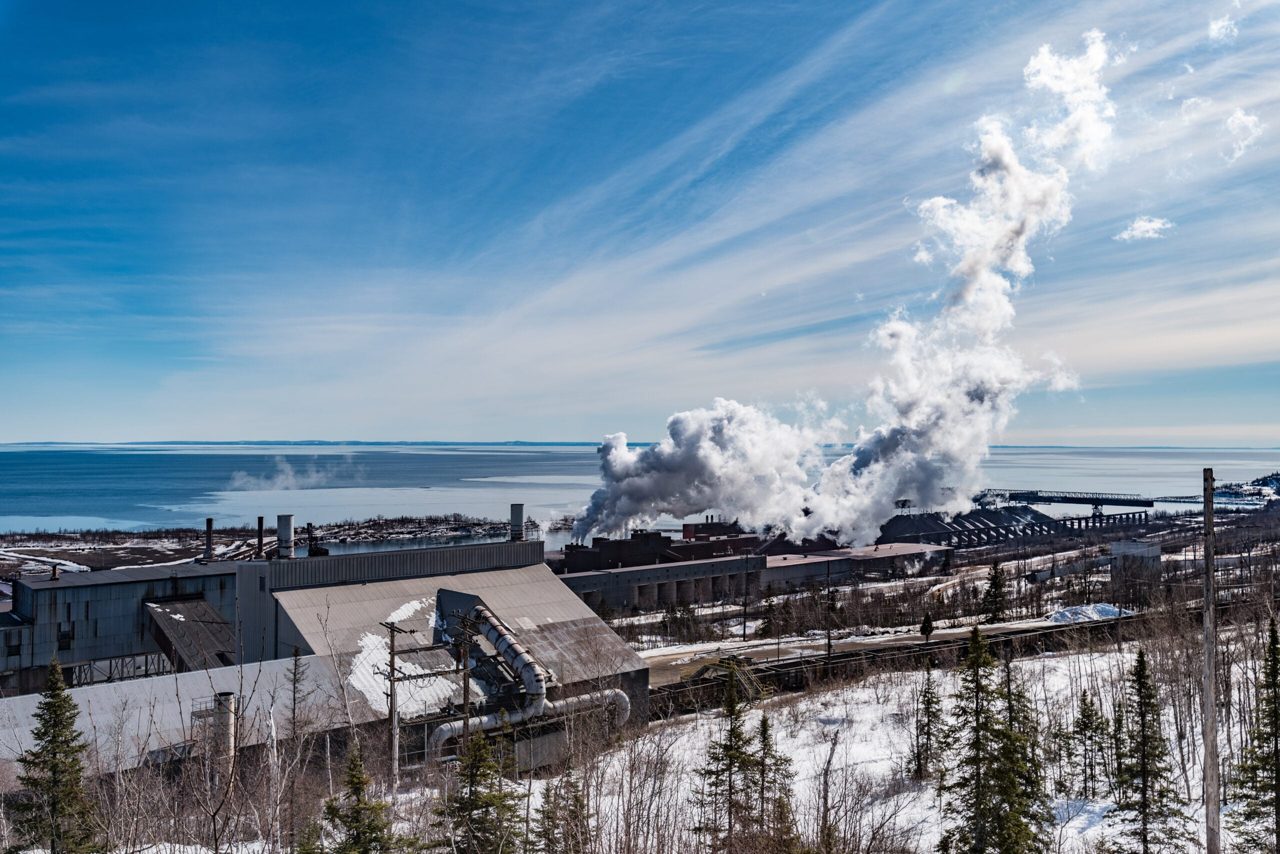
Shares of Vale, CSN Mineração and Rio Tinto fell on July 17 despite flat iron ore prices, as equity investors priced in sluggish Chinese steel demand and ample supply.
Iron ore futures edged up 0.07% to $98.88 a tonne on July 17, but the listed producers that track the commodity moved in the opposite direction. Vale closed down 0.21% at $14.19, while smaller Brazilian peer CSN Mineração fell 1.00% to $0.99. Global giant Rio Tinto also declined, dropping 0.57% to close at $90.15.
This divergence between a steady spot market and softer equities suggests investors are looking past current pricing to anticipate weaker near-term earnings. Equity markets typically price in forward expectations, and the synchronized declines across major producers indicate traders are positioning for a prolonged period of constrained margins rather than reacting to an immediate supply shock.
The primary constraint remains the Chinese steel sector, which absorbs the vast majority of global seaborne iron ore. Market data indicates domestic rebar recently traded at 3,060 yuan a tonne and hot-rolled coil at 3,330 yuan a tonne, both trailing previous highs. Furthermore, Chinese steel inventories are reportedly up 20% year-on-year. When steel prices drift sideways and stockpiles build, the incentive for mills to restock diminishes, effectively capping any upside momentum for ore.
For Latin American markets, this dynamic is particularly significant. As the region's flagship iron ore exporter, Vale serves as the primary barometer for local investor sentiment toward the commodity cycle. The fact that CSN Mineração mirrored Vale's downward move reinforces that the weakness is a broad sectoral retreat, meaning the commodity narrative is still being dictated by Beijing rather than by conditions in Minas Gerais.
The broader demand outlook does little to support a breakout. The World Steel Association forecasts global steel demand will grow a marginal 0.3% in 2026 to reach 1,724 million tonnes, a figure heavily weighed down by China's stagnation. Until there is concrete evidence that Chinese steel demand is firming enough to absorb current inventories, iron ore is expected to remain range-bound with a mild bearish bias. Market professionals are largely sidelined, waiting for a definitive shift in mill purchasing behavior before committing to a directional trade.