Latin America stablecoin volumes hit $324bn amid flat crypto markets
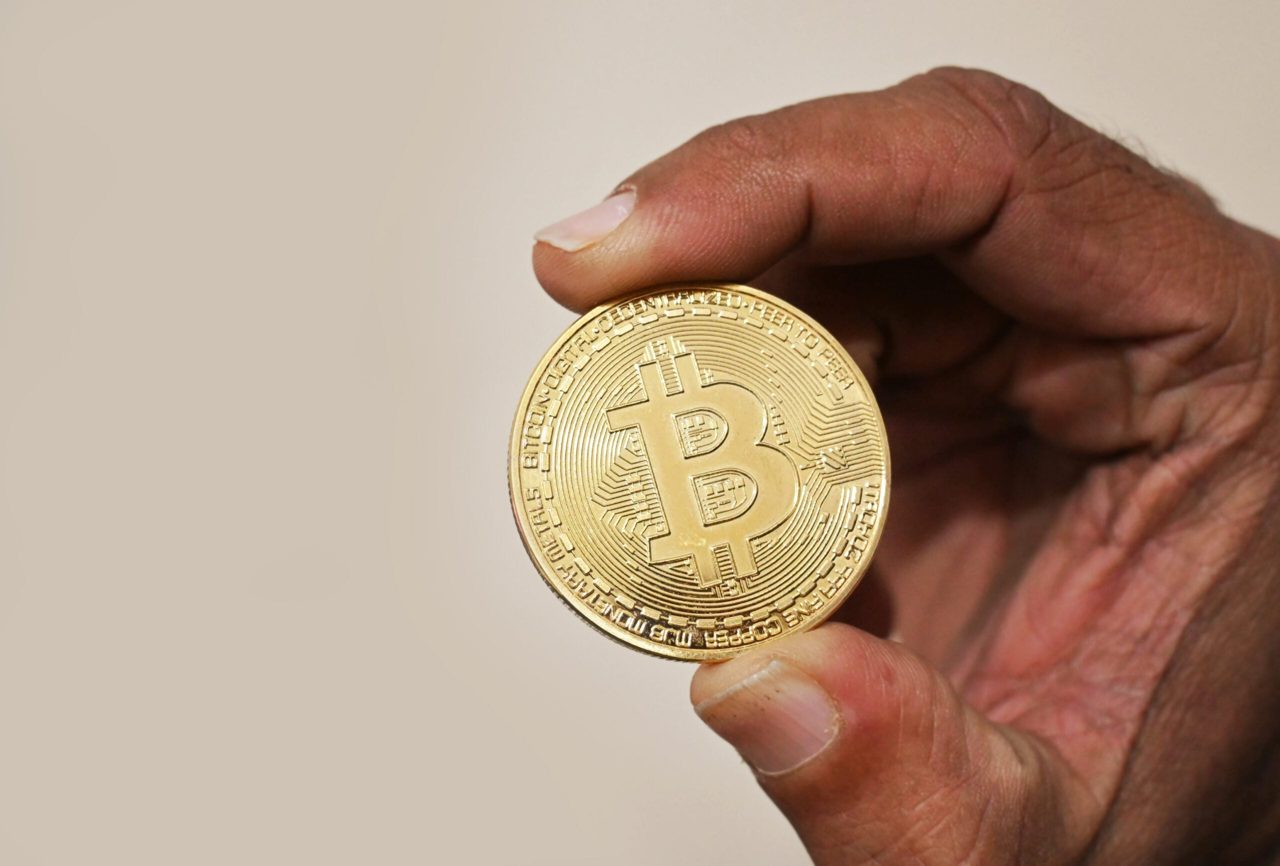
Major cryptocurrencies traded sideways, but the underlying financial story is Latin America's rapid shift toward stablecoins, with regional volumes surging 89% to $324 billion as businesses and consumers bypass traditional banking rails.
Bitcoin closed at $64,740, up 0.08%, while Ethereum settled at $1,876 with a 0.23% gain. Solana and XRP posted slightly stronger momentum, rising 1.19% to $76.36 and 0.34% to $1.0959 respectively. The major cryptocurrencies remain stuck in tight ranges as traders weigh geopolitical tensions against speculation surrounding state-level Bitcoin reserve schemes.
This price inertia reflects competing institutional forces. Profit-taking by large listed holders, including recent Bitcoin sales by Strategy Inc., is acting as a drag on the market. That pressure is being offset by continued accumulation from long-term investors, leaving prices becalmed but not broken.
The real action is in Latin America
While headline prices drift, a structural transformation is accelerating below the surface. Latin America processed roughly $1.5 trillion in crypto transactions between mid-2022 and mid-2025. Stablecoins drove this expansion, with volumes surging 89% year-on-year to hit $324 billion in 2025. These dollar-pegged tokens now account for up to 48% of all regional crypto activity.
Brazil stands as the regional volume heavyweight, recording $318.8 billion in total crypto transactions last year. Over 90% of Brazilian crypto flows are now tied to stablecoins. In Argentina, inflation running north of 100% has pushed crypto adoption into the mid-20% range of the population. Argentines generated $91 billion in on-chain volumes, relying heavily on stablecoins as de facto savings accounts to escape peso volatility.
This migration is fundamentally disrupting cross-border finance. The region received $174 billion in remittances in 2025, and a growing portion is now settling on stablecoin rails. These digital dollars offer near-instant transfers for fees below 2%, sharply undercutting the 5% to 7% costs typical of traditional remittance providers. Exchanges like Bitso are processing billions of dollars in these cross-border flows.
Institutional adoption is reinforcing this trend, with 71% of regional institutions now utilizing stablecoins for payments. For investors and executives, the critical metric is no longer the daily drift of Bitcoin, but whether regulatory frameworks in Brazil and Argentina will legitimize these digital dollar networks or constrain their encroachment on traditional banking infrastructure.