Brazil's $18bn farm loans flagged for deforestation alerts
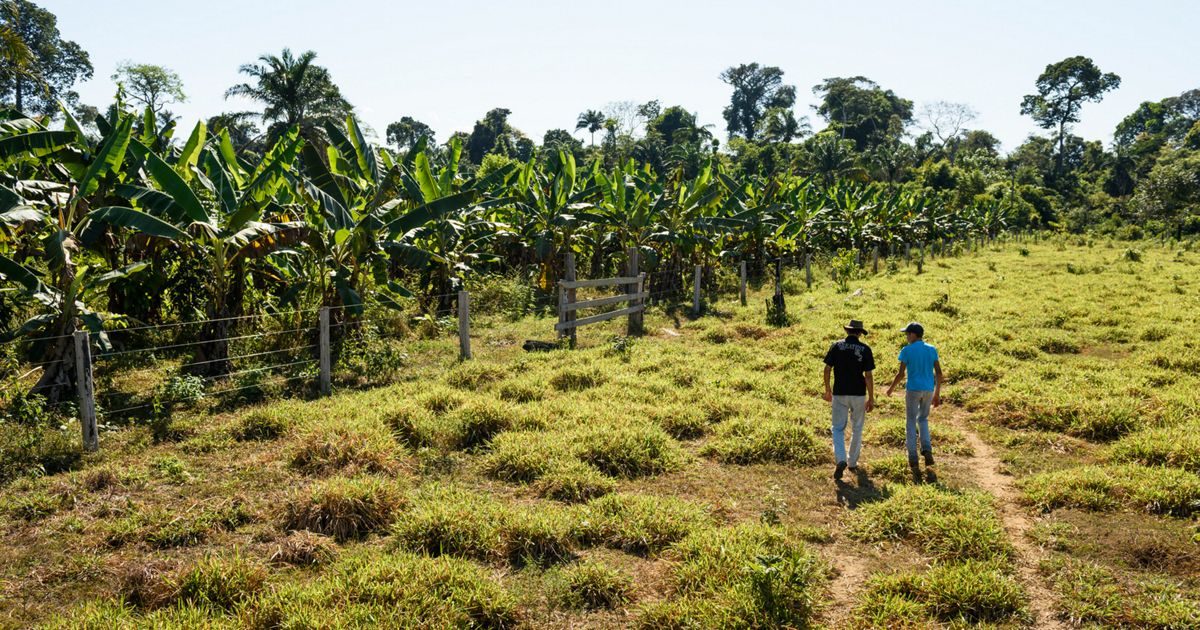
A new study linking $18 billion in Brazilian state-backed farm loans to deforestation alerts piles pressure on a handful of public banks to tighten environmental screening amid rising global supply chain demands.
Roughly 15% of Brazil’s public rural credit between 2019 and 2025, totaling R$92.4 billion ($18 billion) across 831,000 operations, financed rural properties carrying active environmental alerts. According to a new analysis by the MapBiomas network, these funds flowed to land where satellite imagery detected deforestation or the degradation of native vegetation.
The findings expose a critical friction point in Brazilian finance: the state is simultaneously bankrolling a historic agricultural export boom and trying to honor international commitments to curb Amazon deforestation. Cheap, subsidized rural credit remains the government's most powerful lever over land use, making the lending pipeline a primary target for environmental policy.
This credit exposure is highly concentrated among a few institutions. Banco do Brasil, Banco do Nordeste, Banco da Amazônia, Sicredi, and Banrisul accounted for 60% of the total flagged lending. Because these are mostly public or cooperative banks managing state-subsidized programs, they shoulder the bulk of the environmental risk, but also possess the power to shift industry practices rapidly if they tighten underwriting standards.
For investors and risk officers, however, the metric requires careful interpretation. An environmental alert indicates that land clearing occurred on a financed property, but it is not proof of illegal activity or a regulatory breach. Some deforestation is legally permitted under Brazilian law, and alerts may predate the specific loan issuance.
Despite these legal nuances, the sheer volume of the overlap, nearly one in every seven reals lent, carries significant market implications. European buyers and global institutional investors are tightening due diligence on supply chains to meet their own deforestation-free mandates. Quantifiable links between Brazilian farm credit and land clearing provide external critics with concrete data, potentially elevating compliance costs for the broader agricultural sector.
The MapBiomas monitor cross-references the central bank's Sicor lending registry with satellite maps, updating monthly. This continuous visibility leaves the five dominant lenders with little room to ignore the overlap. Whether this transparency translates into stricter borrower screening before funds are released will dictate the future cost of capital for Brazilian agriculture.