After the rallies, who will make Nigeria work?
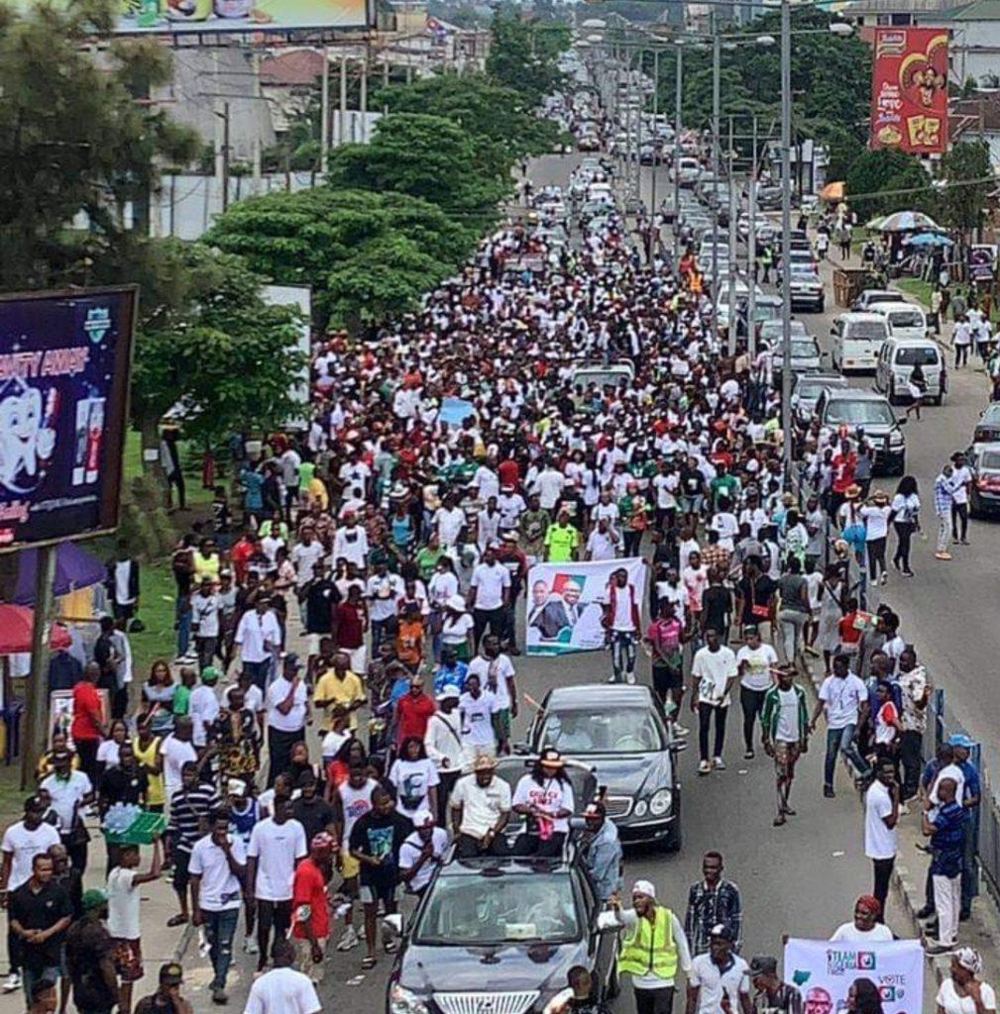
Nigeria’s election season is again filling the country with familiar promises about security, food, electricity, jobs, housing and the cost read more After the rallies, who will make Nigeria work?
Nigeria’s election season is again filling the country with familiar promises about security, food, electricity, jobs, housing and the cost of living. But Nigerians already know the problems. The more important question is whether those seeking power can explain what they will do, how much it will cost, how it will be financed and when citizens should expect measurable results. The next election should therefore be a contest not simply over what candidates promise, but over how those promises will be delivered. Every major pledge should have a cost, funding source, timetable, responsible institution and measurable outcome. Without these, manifestos risk becoming inventories of public frustrations rather than credible plans for governing a complex economy. “The next government must therefore focus on the foundations of domestic production: reliable electricity and gas, functioning transport, predictable regulation, competitive finance and industrial facilities that actually operate.” Nigeria’s problems are also interconnected. A farmer cannot separate insecurity from food prices. A manufacturer cannot separate electricity from production costs and the exchange rate. A household cannot separate petrol prices from transport fares, school fees and the weekly food bill. Treating these pressures as separate manifesto promises obscures how they reinforce one another. Agriculture provides a clear test. In parts of northern Nigeria, farmers have faced demands for money from armed groups before reaching their farms or harvesting crops. For someone already paying for fertiliser, labour and transport, paying armed groups simply to cultivate land becomes another production cost. When farms become inaccessible, food supply suffers; when roads become dangerous, distribution costs rise; and when communities are displaced, productive land and livelihoods are lost. Security is therefore economic policy as much as law enforcement. A serious government should identify priority agricultural areas and commercial routes, explain how they will be secured, and report whether attacks are falling and displaced farming households are returning to productive activity. The food outlook makes this urgent. The US Department of Agriculture’s Foreign Agricultural Service projects Nigeria’s 2026/27 rice production at 8.3 million tonnes, six percent below the previous season, while maize production is projected to fall by five percent, with insecurity, high input costs and climate variability among the pressures. Farmers also need storage, functioning rural roads, processing capacity and reliable markets. Agricultural policy should ultimately be judged by whether farmers can produce safely and profitably while consumers gain access to food at more affordable prices. Energy and industry require the same discipline. Nigeria imports about $4 billion of steel products annually, roughly 70 percent of its steel needs, while petrol imports remain substantial despite expanding domestic refining. These dependencies leave businesses and consumers exposed to foreign exchange pressures, global prices and international supply disruptions. The next government must therefore focus on the foundations of domestic production: reliable electricity and gas, functioning transport, predictable regulation, competitive finance and industrial facilities that actually operate. Reopening a refinery or steel plant is not an economic achievement if its output is too expensive, unreliable or uncompetitive. What matters is whether productive assets operate consistently, businesses expand, jobs are created and consumers face lower costs. The same discipline should apply to economic reform. No government can control crude-oil prices or eliminate every external shock. It can determine whether Nigeria enters those shocks with stronger domestic production, healthier public finances and less dependence on imports. Inflation may be slowing, but slower price increases do not mean prices have returned to earlier levels. Average inflation was 15.51 percent in the first half of 2026, while household purchasing power remained under pressure. Macroeconomic stability matters because it creates conditions for investment and production. But it is not the final measure of economic success. If subsidy reforms generated N15.8 trillion in savings between June 2023 and December 2025, the important question is how that fiscal space is being converted into productive investment, infrastructure and services that improve household welfare. Candidates should explain what they would retain, change or replace, what their alternatives would cost and what risks they would create. That standard must apply equally to opposition parties. Identifying hardship is necessary but insufficient. A candidate promising to reverse an existing policy should explain what replaces it, how it will be financed, what it is expected to do to prices and revenues, and what happens if the assumptions prove wrong. Political competition is useful when voters are offered credible choices, not simply different sets of promises. Nigeria also needs a better mechanism for testing promises before election day. Existing civil-society organisations and public institutions already scrutinise budgets and fiscal proposals. Their capabilities could be brought together in an independent pre-election costing framework that assesses major campaign pledges using a common methodology. Each assessment should disclose the estimated cost, funding source, implementation period, assumptions, affected population and principal risks. The same commitments should then be tracked after the election. Political parties should publish implementation scorecards with baselines, annual targets and delivery dates. Government should report not merely how much has been spent but what that spending has produced: kilometres of roads completed, improvements in electricity reliability, increases in agricultural production, jobs created and reductions in costs for households and businesses. This would impose discipline on incumbents as well. Stronger growth, higher reserves or lower inflation are important indicators, but governments should explain how such improvements translate into better services, lower production costs, higher real incomes and greater economic security. The election should ultimately be a conversation about how Nigeria will work after the rallies have ended. Can farmers cultivate safely? Can businesses obtain dependable power at a competitive cost? Can industries produce without excessive dependence on imports? Can public spending raise productivity? Can economic growth improve living standards? These are not questions for one party. They are the minimum questions for anyone asking Nigerians to entrust them with the country’s future. The rallies will end, campaign posters will disappear and governments will change. What will remain are the farms, factories, households and institutions that citizens depend on. The real measure of the next election should therefore be neither the size of the rallies nor the ambition of the manifestos, but whether those elected can convert promises into results that Nigerians can see, measure and feel. Related News Premier League Charges: Lineker urges Man City to accept punishment Igbokoda crash: Keyamo, Air Chief move to strengthen aviation safety cooperation Arteta promises more success after signing new Arsenal contract The Editorial Board comment is free Send 800word comments to [email protected] Share
The next election should therefore be a contest not simply over what candidates promise, but over how those promises will be delivered. Every major pledge should have a cost, funding source, timetable, responsible institution and measurable outcome. Without these, manifestos risk becoming inventories of public frustrations rather than credible plans for governing a complex economy. “The next government must therefore focus on the foundations of domestic production: reliable electricity and gas, functioning transport, predictable regulation, competitive finance and industrial facilities that actually operate.” Nigeria’s problems are also interconnected. A farmer cannot separate insecurity from food prices. A manufacturer cannot separate electricity from production costs and the exchange rate. A household cannot separate petrol prices from transport fares, school fees and the weekly food bill. Treating these pressures as separate manifesto promises obscures how they reinforce one another. Agriculture provides a clear test. In parts of northern Nigeria, farmers have faced demands for money from armed groups before reaching their farms or harvesting crops. For someone already paying for fertiliser, labour and transport, paying armed groups simply to cultivate land becomes another production cost. When farms become inaccessible, food supply suffers; when roads become dangerous, distribution costs rise; and when communities are displaced, productive land and livelihoods are lost. Security is therefore economic policy as much as law enforcement. A serious government should identify priority agricultural areas and commercial routes, explain how they will be secured, and report whether attacks are falling and displaced farming households are returning to productive activity. The food outlook makes this urgent. The US Department of Agriculture’s Foreign Agricultural Service projects Nigeria’s 2026/27 rice production at 8.3 million tonnes, six percent below the previous season, while maize production is projected to fall by five percent, with insecurity, high input costs and climate variability among the pressures. Farmers also need storage, functioning rural roads, processing capacity and reliable markets. Agricultural policy should ultimately be judged by whether farmers can produce safely and profitably while consumers gain access to food at more affordable prices. Energy and industry require the same discipline. Nigeria imports about $4 billion of steel products annually, roughly 70 percent of its steel needs, while petrol imports remain substantial despite expanding domestic refining. These dependencies leave businesses and consumers exposed to foreign exchange pressures, global prices and international supply disruptions. The next government must therefore focus on the foundations of domestic production: reliable electricity and gas, functioning transport, predictable regulation, competitive finance and industrial facilities that actually operate. Reopening a refinery or steel plant is not an economic achievement if its output is too expensive, unreliable or uncompetitive. What matters is whether productive assets operate consistently, businesses expand, jobs are created and consumers face lower costs. The same discipline should apply to economic reform. No government can control crude-oil prices or eliminate every external shock. It can determine whether Nigeria enters those shocks with stronger domestic production, healthier public finances and less dependence on imports. Inflation may be slowing, but slower price increases do not mean prices have returned to earlier levels. Average inflation was 15.51 percent in the first half of 2026, while household purchasing power remained under pressure. Macroeconomic stability matters because it creates conditions for investment and production. But it is not the final measure of economic success. If subsidy reforms generated N15.8 trillion in savings between June 2023 and December 2025, the important question is how that fiscal space is being converted into productive investment, infrastructure and services that improve household welfare. Candidates should explain what they would retain, change or replace, what their alternatives would cost and what risks they would create. That standard must apply equally to opposition parties. Identifying hardship is necessary but insufficient. A candidate promising to reverse an existing policy should explain what replaces it, how it will be financed, what it is expected to do to prices and revenues, and what happens if the assumptions prove wrong. Political competition is useful when voters are offered credible choices, not simply different sets of promises. Nigeria also needs a better mechanism for testing promises before election day. Existing civil-society organisations and public institutions already scrutinise budgets and fiscal proposals. Their capabilities could be brought together in an independent pre-election costing framework that assesses major campaign pledges using a common methodology. Each assessment should disclose the estimated cost, funding source, implementation period, assumptions, affected population and principal risks. The same commitments should then be tracked after the election. Political parties should publish implementation scorecards with baselines, annual targets and delivery dates. Government should report not merely how much has been spent but what that spending has produced: kilometres of roads completed, improvements in electricity reliability, increases in agricultural production, jobs created and reductions in costs for households and businesses. This would impose discipline on incumbents as well. Stronger growth, higher reserves or lower inflation are important indicators, but governments should explain how such improvements translate into better services, lower production costs, higher real incomes and greater economic security. The election should ultimately be a conversation about how Nigeria will work after the rallies have ended. Can farmers cultivate safely? Can businesses obtain dependable power at a competitive cost? Can industries produce without excessive dependence on imports? Can public spending raise productivity? Can economic growth improve living standards? These are not questions for one party. They are the minimum questions for anyone asking Nigerians to entrust them with the country’s future. The rallies will end, campaign posters will disappear and governments will change. What will remain are the farms, factories, households and institutions that citizens depend on. The real measure of the next election should therefore be neither the size of the rallies nor the ambition of the manifestos, but whether those elected can convert promises into results that Nigerians can see, measure and feel. Related News Premier League Charges: Lineker urges Man City to accept punishment Igbokoda crash: Keyamo, Air Chief move to strengthen aviation safety cooperation Arteta promises more success after signing new Arsenal contract The Editorial Board comment is free Send 800word comments to [email protected] Share
“The next government must therefore focus on the foundations of domestic production: reliable electricity and gas, functioning transport, predictable regulation, competitive finance and industrial facilities that actually operate.”
Nigeria’s problems are also interconnected. A farmer cannot separate insecurity from food prices. A manufacturer cannot separate electricity from production costs and the exchange rate. A household cannot separate petrol prices from transport fares, school fees and the weekly food bill. Treating these pressures as separate manifesto promises obscures how they reinforce one another. Agriculture provides a clear test. In parts of northern Nigeria, farmers have faced demands for money from armed groups before reaching their farms or harvesting crops. For someone already paying for fertiliser, labour and transport, paying armed groups simply to cultivate land becomes another production cost. When farms become inaccessible, food supply suffers; when roads become dangerous, distribution costs rise; and when communities are displaced, productive land and livelihoods are lost. Security is therefore economic policy as much as law enforcement. A serious government should identify priority agricultural areas and commercial routes, explain how they will be secured, and report whether attacks are falling and displaced farming households are returning to productive activity. The food outlook makes this urgent. The US Department of Agriculture’s Foreign Agricultural Service projects Nigeria’s 2026/27 rice production at 8.3 million tonnes, six percent below the previous season, while maize production is projected to fall by five percent, with insecurity, high input costs and climate variability among the pressures. Farmers also need storage, functioning rural roads, processing capacity and reliable markets. Agricultural policy should ultimately be judged by whether farmers can produce safely and profitably while consumers gain access to food at more affordable prices. Energy and industry require the same discipline. Nigeria imports about $4 billion of steel products annually, roughly 70 percent of its steel needs, while petrol imports remain substantial despite expanding domestic refining. These dependencies leave businesses and consumers exposed to foreign exchange pressures, global prices and international supply disruptions. The next government must therefore focus on the foundations of domestic production: reliable electricity and gas, functioning transport, predictable regulation, competitive finance and industrial facilities that actually operate. Reopening a refinery or steel plant is not an economic achievement if its output is too expensive, unreliable or uncompetitive. What matters is whether productive assets operate consistently, businesses expand, jobs are created and consumers face lower costs. The same discipline should apply to economic reform. No government can control crude-oil prices or eliminate every external shock. It can determine whether Nigeria enters those shocks with stronger domestic production, healthier public finances and less dependence on imports. Inflation may be slowing, but slower price increases do not mean prices have returned to earlier levels. Average inflation was 15.51 percent in the first half of 2026, while household purchasing power remained under pressure. Macroeconomic stability matters because it creates conditions for investment and production. But it is not the final measure of economic success. If subsidy reforms generated N15.8 trillion in savings between June 2023 and December 2025, the important question is how that fiscal space is being converted into productive investment, infrastructure and services that improve household welfare. Candidates should explain what they would retain, change or replace, what their alternatives would cost and what risks they would create. That standard must apply equally to opposition parties. Identifying hardship is necessary but insufficient. A candidate promising to reverse an existing policy should explain what replaces it, how it will be financed, what it is expected to do to prices and revenues, and what happens if the assumptions prove wrong. Political competition is useful when voters are offered credible choices, not simply different sets of promises. Nigeria also needs a better mechanism for testing promises before election day. Existing civil-society organisations and public institutions already scrutinise budgets and fiscal proposals. Their capabilities could be brought together in an independent pre-election costing framework that assesses major campaign pledges using a common methodology. Each assessment should disclose the estimated cost, funding source, implementation period, assumptions, affected population and principal risks. The same commitments should then be tracked after the election. Political parties should publish implementation scorecards with baselines, annual targets and delivery dates. Government should report not merely how much has been spent but what that spending has produced: kilometres of roads completed, improvements in electricity reliability, increases in agricultural production, jobs created and reductions in costs for households and businesses. This would impose discipline on incumbents as well. Stronger growth, higher reserves or lower inflation are important indicators, but governments should explain how such improvements translate into better services, lower production costs, higher real incomes and greater economic security. The election should ultimately be a conversation about how Nigeria will work after the rallies have ended. Can farmers cultivate safely? Can businesses obtain dependable power at a competitive cost? Can industries produce without excessive dependence on imports? Can public spending raise productivity? Can economic growth improve living standards? These are not questions for one party. They are the minimum questions for anyone asking Nigerians to entrust them with the country’s future. The rallies will end, campaign posters will disappear and governments will change. What will remain are the farms, factories, households and institutions that citizens depend on. The real measure of the next election should therefore be neither the size of the rallies nor the ambition of the manifestos, but whether those elected can convert promises into results that Nigerians can see, measure and feel. Related News Premier League Charges: Lineker urges Man City to accept punishment Igbokoda crash: Keyamo, Air Chief move to strengthen aviation safety cooperation Arteta promises more success after signing new Arsenal contract The Editorial Board comment is free Send 800word comments to [email protected] Share
Agriculture provides a clear test. In parts of northern Nigeria, farmers have faced demands for money from armed groups before reaching their farms or harvesting crops. For someone already paying for fertiliser, labour and transport, paying armed groups simply to cultivate land becomes another production cost. When farms become inaccessible, food supply suffers; when roads become dangerous, distribution costs rise; and when communities are displaced, productive land and livelihoods are lost. Security is therefore economic policy as much as law enforcement. A serious government should identify priority agricultural areas and commercial routes, explain how they will be secured, and report whether attacks are falling and displaced farming households are returning to productive activity. The food outlook makes this urgent. The US Department of Agriculture’s Foreign Agricultural Service projects Nigeria’s 2026/27 rice production at 8.3 million tonnes, six percent below the previous season, while maize production is projected to fall by five percent, with insecurity, high input costs and climate variability among the pressures. Farmers also need storage, functioning rural roads, processing capacity and reliable markets. Agricultural policy should ultimately be judged by whether farmers can produce safely and profitably while consumers gain access to food at more affordable prices. Energy and industry require the same discipline. Nigeria imports about $4 billion of steel products annually, roughly 70 percent of its steel needs, while petrol imports remain substantial despite expanding domestic refining. These dependencies leave businesses and consumers exposed to foreign exchange pressures, global prices and international supply disruptions. The next government must therefore focus on the foundations of domestic production: reliable electricity and gas, functioning transport, predictable regulation, competitive finance and industrial facilities that actually operate. Reopening a refinery or steel plant is not an economic achievement if its output is too expensive, unreliable or uncompetitive. What matters is whether productive assets operate consistently, businesses expand, jobs are created and consumers face lower costs. The same discipline should apply to economic reform. No government can control crude-oil prices or eliminate every external shock. It can determine whether Nigeria enters those shocks with stronger domestic production, healthier public finances and less dependence on imports. Inflation may be slowing, but slower price increases do not mean prices have returned to earlier levels. Average inflation was 15.51 percent in the first half of 2026, while household purchasing power remained under pressure. Macroeconomic stability matters because it creates conditions for investment and production. But it is not the final measure of economic success. If subsidy reforms generated N15.8 trillion in savings between June 2023 and December 2025, the important question is how that fiscal space is being converted into productive investment, infrastructure and services that improve household welfare. Candidates should explain what they would retain, change or replace, what their alternatives would cost and what risks they would create. That standard must apply equally to opposition parties. Identifying hardship is necessary but insufficient. A candidate promising to reverse an existing policy should explain what replaces it, how it will be financed, what it is expected to do to prices and revenues, and what happens if the assumptions prove wrong. Political competition is useful when voters are offered credible choices, not simply different sets of promises. Nigeria also needs a better mechanism for testing promises before election day. Existing civil-society organisations and public institutions already scrutinise budgets and fiscal proposals. Their capabilities could be brought together in an independent pre-election costing framework that assesses major campaign pledges using a common methodology. Each assessment should disclose the estimated cost, funding source, implementation period, assumptions, affected population and principal risks. The same commitments should then be tracked after the election. Political parties should publish implementation scorecards with baselines, annual targets and delivery dates. Government should report not merely how much has been spent but what that spending has produced: kilometres of roads completed, improvements in electricity reliability, increases in agricultural production, jobs created and reductions in costs for households and businesses. This would impose discipline on incumbents as well. Stronger growth, higher reserves or lower inflation are important indicators, but governments should explain how such improvements translate into better services, lower production costs, higher real incomes and greater economic security. The election should ultimately be a conversation about how Nigeria will work after the rallies have ended. Can farmers cultivate safely? Can businesses obtain dependable power at a competitive cost? Can industries produce without excessive dependence on imports? Can public spending raise productivity? Can economic growth improve living standards? These are not questions for one party. They are the minimum questions for anyone asking Nigerians to entrust them with the country’s future. The rallies will end, campaign posters will disappear and governments will change. What will remain are the farms, factories, households and institutions that citizens depend on. The real measure of the next election should therefore be neither the size of the rallies nor the ambition of the manifestos, but whether those elected can convert promises into results that Nigerians can see, measure and feel. Related News Premier League Charges: Lineker urges Man City to accept punishment Igbokoda crash: Keyamo, Air Chief move to strengthen aviation safety cooperation Arteta promises more success after signing new Arsenal contract The Editorial Board comment is free Send 800word comments to [email protected] Share
Security is therefore economic policy as much as law enforcement. A serious government should identify priority agricultural areas and commercial routes, explain how they will be secured, and report whether attacks are falling and displaced farming households are returning to productive activity. The food outlook makes this urgent. The US Department of Agriculture’s Foreign Agricultural Service projects Nigeria’s 2026/27 rice production at 8.3 million tonnes, six percent below the previous season, while maize production is projected to fall by five percent, with insecurity, high input costs and climate variability among the pressures. Farmers also need storage, functioning rural roads, processing capacity and reliable markets. Agricultural policy should ultimately be judged by whether farmers can produce safely and profitably while consumers gain access to food at more affordable prices. Energy and industry require the same discipline. Nigeria imports about $4 billion of steel products annually, roughly 70 percent of its steel needs, while petrol imports remain substantial despite expanding domestic refining. These dependencies leave businesses and consumers exposed to foreign exchange pressures, global prices and international supply disruptions. The next government must therefore focus on the foundations of domestic production: reliable electricity and gas, functioning transport, predictable regulation, competitive finance and industrial facilities that actually operate. Reopening a refinery or steel plant is not an economic achievement if its output is too expensive, unreliable or uncompetitive. What matters is whether productive assets operate consistently, businesses expand, jobs are created and consumers face lower costs. The same discipline should apply to economic reform. No government can control crude-oil prices or eliminate every external shock. It can determine whether Nigeria enters those shocks with stronger domestic production, healthier public finances and less dependence on imports. Inflation may be slowing, but slower price increases do not mean prices have returned to earlier levels. Average inflation was 15.51 percent in the first half of 2026, while household purchasing power remained under pressure. Macroeconomic stability matters because it creates conditions for investment and production. But it is not the final measure of economic success. If subsidy reforms generated N15.8 trillion in savings between June 2023 and December 2025, the important question is how that fiscal space is being converted into productive investment, infrastructure and services that improve household welfare. Candidates should explain what they would retain, change or replace, what their alternatives would cost and what risks they would create. That standard must apply equally to opposition parties. Identifying hardship is necessary but insufficient. A candidate promising to reverse an existing policy should explain what replaces it, how it will be financed, what it is expected to do to prices and revenues, and what happens if the assumptions prove wrong. Political competition is useful when voters are offered credible choices, not simply different sets of promises. Nigeria also needs a better mechanism for testing promises before election day. Existing civil-society organisations and public institutions already scrutinise budgets and fiscal proposals. Their capabilities could be brought together in an independent pre-election costing framework that assesses major campaign pledges using a common methodology. Each assessment should disclose the estimated cost, funding source, implementation period, assumptions, affected population and principal risks. The same commitments should then be tracked after the election. Political parties should publish implementation scorecards with baselines, annual targets and delivery dates. Government should report not merely how much has been spent but what that spending has produced: kilometres of roads completed, improvements in electricity reliability, increases in agricultural production, jobs created and reductions in costs for households and businesses. This would impose discipline on incumbents as well. Stronger growth, higher reserves or lower inflation are important indicators, but governments should explain how such improvements translate into better services, lower production costs, higher real incomes and greater economic security. The election should ultimately be a conversation about how Nigeria will work after the rallies have ended. Can farmers cultivate safely? Can businesses obtain dependable power at a competitive cost? Can industries produce without excessive dependence on imports? Can public spending raise productivity? Can economic growth improve living standards? These are not questions for one party. They are the minimum questions for anyone asking Nigerians to entrust them with the country’s future. The rallies will end, campaign posters will disappear and governments will change. What will remain are the farms, factories, households and institutions that citizens depend on. The real measure of the next election should therefore be neither the size of the rallies nor the ambition of the manifestos, but whether those elected can convert promises into results that Nigerians can see, measure and feel. Related News Premier League Charges: Lineker urges Man City to accept punishment Igbokoda crash: Keyamo, Air Chief move to strengthen aviation safety cooperation Arteta promises more success after signing new Arsenal contract The Editorial Board comment is free Send 800word comments to [email protected] Share
The food outlook makes this urgent. The US Department of Agriculture’s Foreign Agricultural Service projects Nigeria’s 2026/27 rice production at 8.3 million tonnes, six percent below the previous season, while maize production is projected to fall by five percent, with insecurity, high input costs and climate variability among the pressures. Farmers also need storage, functioning rural roads, processing capacity and reliable markets. Agricultural policy should ultimately be judged by whether farmers can produce safely and profitably while consumers gain access to food at more affordable prices. Energy and industry require the same discipline. Nigeria imports about $4 billion of steel products annually, roughly 70 percent of its steel needs, while petrol imports remain substantial despite expanding domestic refining. These dependencies leave businesses and consumers exposed to foreign exchange pressures, global prices and international supply disruptions. The next government must therefore focus on the foundations of domestic production: reliable electricity and gas, functioning transport, predictable regulation, competitive finance and industrial facilities that actually operate. Reopening a refinery or steel plant is not an economic achievement if its output is too expensive, unreliable or uncompetitive. What matters is whether productive assets operate consistently, businesses expand, jobs are created and consumers face lower costs. The same discipline should apply to economic reform. No government can control crude-oil prices or eliminate every external shock. It can determine whether Nigeria enters those shocks with stronger domestic production, healthier public finances and less dependence on imports. Inflation may be slowing, but slower price increases do not mean prices have returned to earlier levels. Average inflation was 15.51 percent in the first half of 2026, while household purchasing power remained under pressure. Macroeconomic stability matters because it creates conditions for investment and production. But it is not the final measure of economic success. If subsidy reforms generated N15.8 trillion in savings between June 2023 and December 2025, the important question is how that fiscal space is being converted into productive investment, infrastructure and services that improve household welfare. Candidates should explain what they would retain, change or replace, what their alternatives would cost and what risks they would create. That standard must apply equally to opposition parties. Identifying hardship is necessary but insufficient. A candidate promising to reverse an existing policy should explain what replaces it, how it will be financed, what it is expected to do to prices and revenues, and what happens if the assumptions prove wrong. Political competition is useful when voters are offered credible choices, not simply different sets of promises. Nigeria also needs a better mechanism for testing promises before election day. Existing civil-society organisations and public institutions already scrutinise budgets and fiscal proposals. Their capabilities could be brought together in an independent pre-election costing framework that assesses major campaign pledges using a common methodology. Each assessment should disclose the estimated cost, funding source, implementation period, assumptions, affected population and principal risks. The same commitments should then be tracked after the election. Political parties should publish implementation scorecards with baselines, annual targets and delivery dates. Government should report not merely how much has been spent but what that spending has produced: kilometres of roads completed, improvements in electricity reliability, increases in agricultural production, jobs created and reductions in costs for households and businesses. This would impose discipline on incumbents as well. Stronger growth, higher reserves or lower inflation are important indicators, but governments should explain how such improvements translate into better services, lower production costs, higher real incomes and greater economic security. The election should ultimately be a conversation about how Nigeria will work after the rallies have ended. Can farmers cultivate safely? Can businesses obtain dependable power at a competitive cost? Can industries produce without excessive dependence on imports? Can public spending raise productivity? Can economic growth improve living standards? These are not questions for one party. They are the minimum questions for anyone asking Nigerians to entrust them with the country’s future. The rallies will end, campaign posters will disappear and governments will change. What will remain are the farms, factories, households and institutions that citizens depend on. The real measure of the next election should therefore be neither the size of the rallies nor the ambition of the manifestos, but whether those elected can convert promises into results that Nigerians can see, measure and feel. Related News Premier League Charges: Lineker urges Man City to accept punishment Igbokoda crash: Keyamo, Air Chief move to strengthen aviation safety cooperation Arteta promises more success after signing new Arsenal contract The Editorial Board comment is free Send 800word comments to [email protected] Share
Energy and industry require the same discipline. Nigeria imports about $4 billion of steel products annually, roughly 70 percent of its steel needs, while petrol imports remain substantial despite expanding domestic refining. These dependencies leave businesses and consumers exposed to foreign exchange pressures, global prices and international supply disruptions. The next government must therefore focus on the foundations of domestic production: reliable electricity and gas, functioning transport, predictable regulation, competitive finance and industrial facilities that actually operate. Reopening a refinery or steel plant is not an economic achievement if its output is too expensive, unreliable or uncompetitive. What matters is whether productive assets operate consistently, businesses expand, jobs are created and consumers face lower costs. The same discipline should apply to economic reform. No government can control crude-oil prices or eliminate every external shock. It can determine whether Nigeria enters those shocks with stronger domestic production, healthier public finances and less dependence on imports. Inflation may be slowing, but slower price increases do not mean prices have returned to earlier levels. Average inflation was 15.51 percent in the first half of 2026, while household purchasing power remained under pressure. Macroeconomic stability matters because it creates conditions for investment and production. But it is not the final measure of economic success. If subsidy reforms generated N15.8 trillion in savings between June 2023 and December 2025, the important question is how that fiscal space is being converted into productive investment, infrastructure and services that improve household welfare. Candidates should explain what they would retain, change or replace, what their alternatives would cost and what risks they would create. That standard must apply equally to opposition parties. Identifying hardship is necessary but insufficient. A candidate promising to reverse an existing policy should explain what replaces it, how it will be financed, what it is expected to do to prices and revenues, and what happens if the assumptions prove wrong. Political competition is useful when voters are offered credible choices, not simply different sets of promises. Nigeria also needs a better mechanism for testing promises before election day. Existing civil-society organisations and public institutions already scrutinise budgets and fiscal proposals. Their capabilities could be brought together in an independent pre-election costing framework that assesses major campaign pledges using a common methodology. Each assessment should disclose the estimated cost, funding source, implementation period, assumptions, affected population and principal risks. The same commitments should then be tracked after the election. Political parties should publish implementation scorecards with baselines, annual targets and delivery dates. Government should report not merely how much has been spent but what that spending has produced: kilometres of roads completed, improvements in electricity reliability, increases in agricultural production, jobs created and reductions in costs for households and businesses. This would impose discipline on incumbents as well. Stronger growth, higher reserves or lower inflation are important indicators, but governments should explain how such improvements translate into better services, lower production costs, higher real incomes and greater economic security. The election should ultimately be a conversation about how Nigeria will work after the rallies have ended. Can farmers cultivate safely? Can businesses obtain dependable power at a competitive cost? Can industries produce without excessive dependence on imports? Can public spending raise productivity? Can economic growth improve living standards? These are not questions for one party. They are the minimum questions for anyone asking Nigerians to entrust them with the country’s future. The rallies will end, campaign posters will disappear and governments will change. What will remain are the farms, factories, households and institutions that citizens depend on. The real measure of the next election should therefore be neither the size of the rallies nor the ambition of the manifestos, but whether those elected can convert promises into results that Nigerians can see, measure and feel. Related News Premier League Charges: Lineker urges Man City to accept punishment Igbokoda crash: Keyamo, Air Chief move to strengthen aviation safety cooperation Arteta promises more success after signing new Arsenal contract The Editorial Board comment is free Send 800word comments to [email protected] Share
The next government must therefore focus on the foundations of domestic production: reliable electricity and gas, functioning transport, predictable regulation, competitive finance and industrial facilities that actually operate. Reopening a refinery or steel plant is not an economic achievement if its output is too expensive, unreliable or uncompetitive. What matters is whether productive assets operate consistently, businesses expand, jobs are created and consumers face lower costs. The same discipline should apply to economic reform. No government can control crude-oil prices or eliminate every external shock. It can determine whether Nigeria enters those shocks with stronger domestic production, healthier public finances and less dependence on imports. Inflation may be slowing, but slower price increases do not mean prices have returned to earlier levels. Average inflation was 15.51 percent in the first half of 2026, while household purchasing power remained under pressure. Macroeconomic stability matters because it creates conditions for investment and production. But it is not the final measure of economic success. If subsidy reforms generated N15.8 trillion in savings between June 2023 and December 2025, the important question is how that fiscal space is being converted into productive investment, infrastructure and services that improve household welfare. Candidates should explain what they would retain, change or replace, what their alternatives would cost and what risks they would create. That standard must apply equally to opposition parties. Identifying hardship is necessary but insufficient. A candidate promising to reverse an existing policy should explain what replaces it, how it will be financed, what it is expected to do to prices and revenues, and what happens if the assumptions prove wrong. Political competition is useful when voters are offered credible choices, not simply different sets of promises. Nigeria also needs a better mechanism for testing promises before election day. Existing civil-society organisations and public institutions already scrutinise budgets and fiscal proposals. Their capabilities could be brought together in an independent pre-election costing framework that assesses major campaign pledges using a common methodology. Each assessment should disclose the estimated cost, funding source, implementation period, assumptions, affected population and principal risks. The same commitments should then be tracked after the election. Political parties should publish implementation scorecards with baselines, annual targets and delivery dates. Government should report not merely how much has been spent but what that spending has produced: kilometres of roads completed, improvements in electricity reliability, increases in agricultural production, jobs created and reductions in costs for households and businesses. This would impose discipline on incumbents as well. Stronger growth, higher reserves or lower inflation are important indicators, but governments should explain how such improvements translate into better services, lower production costs, higher real incomes and greater economic security. The election should ultimately be a conversation about how Nigeria will work after the rallies have ended. Can farmers cultivate safely? Can businesses obtain dependable power at a competitive cost? Can industries produce without excessive dependence on imports? Can public spending raise productivity? Can economic growth improve living standards? These are not questions for one party. They are the minimum questions for anyone asking Nigerians to entrust them with the country’s future. The rallies will end, campaign posters will disappear and governments will change. What will remain are the farms, factories, households and institutions that citizens depend on. The real measure of the next election should therefore be neither the size of the rallies nor the ambition of the manifestos, but whether those elected can convert promises into results that Nigerians can see, measure and feel. Related News Premier League Charges: Lineker urges Man City to accept punishment Igbokoda crash: Keyamo, Air Chief move to strengthen aviation safety cooperation Arteta promises more success after signing new Arsenal contract The Editorial Board comment is free Send 800word comments to [email protected] Share
The same discipline should apply to economic reform. No government can control crude-oil prices or eliminate every external shock. It can determine whether Nigeria enters those shocks with stronger domestic production, healthier public finances and less dependence on imports. Inflation may be slowing, but slower price increases do not mean prices have returned to earlier levels. Average inflation was 15.51 percent in the first half of 2026, while household purchasing power remained under pressure. Macroeconomic stability matters because it creates conditions for investment and production. But it is not the final measure of economic success. If subsidy reforms generated N15.8 trillion in savings between June 2023 and December 2025, the important question is how that fiscal space is being converted into productive investment, infrastructure and services that improve household welfare. Candidates should explain what they would retain, change or replace, what their alternatives would cost and what risks they would create. That standard must apply equally to opposition parties. Identifying hardship is necessary but insufficient. A candidate promising to reverse an existing policy should explain what replaces it, how it will be financed, what it is expected to do to prices and revenues, and what happens if the assumptions prove wrong. Political competition is useful when voters are offered credible choices, not simply different sets of promises. Nigeria also needs a better mechanism for testing promises before election day. Existing civil-society organisations and public institutions already scrutinise budgets and fiscal proposals. Their capabilities could be brought together in an independent pre-election costing framework that assesses major campaign pledges using a common methodology. Each assessment should disclose the estimated cost, funding source, implementation period, assumptions, affected population and principal risks. The same commitments should then be tracked after the election. Political parties should publish implementation scorecards with baselines, annual targets and delivery dates. Government should report not merely how much has been spent but what that spending has produced: kilometres of roads completed, improvements in electricity reliability, increases in agricultural production, jobs created and reductions in costs for households and businesses. This would impose discipline on incumbents as well. Stronger growth, higher reserves or lower inflation are important indicators, but governments should explain how such improvements translate into better services, lower production costs, higher real incomes and greater economic security. The election should ultimately be a conversation about how Nigeria will work after the rallies have ended. Can farmers cultivate safely? Can businesses obtain dependable power at a competitive cost? Can industries produce without excessive dependence on imports? Can public spending raise productivity? Can economic growth improve living standards? These are not questions for one party. They are the minimum questions for anyone asking Nigerians to entrust them with the country’s future. The rallies will end, campaign posters will disappear and governments will change. What will remain are the farms, factories, households and institutions that citizens depend on. The real measure of the next election should therefore be neither the size of the rallies nor the ambition of the manifestos, but whether those elected can convert promises into results that Nigerians can see, measure and feel. Related News Premier League Charges: Lineker urges Man City to accept punishment Igbokoda crash: Keyamo, Air Chief move to strengthen aviation safety cooperation Arteta promises more success after signing new Arsenal contract The Editorial Board comment is free Send 800word comments to [email protected] Share
Macroeconomic stability matters because it creates conditions for investment and production. But it is not the final measure of economic success. If subsidy reforms generated N15.8 trillion in savings between June 2023 and December 2025, the important question is how that fiscal space is being converted into productive investment, infrastructure and services that improve household welfare. Candidates should explain what they would retain, change or replace, what their alternatives would cost and what risks they would create. That standard must apply equally to opposition parties. Identifying hardship is necessary but insufficient. A candidate promising to reverse an existing policy should explain what replaces it, how it will be financed, what it is expected to do to prices and revenues, and what happens if the assumptions prove wrong. Political competition is useful when voters are offered credible choices, not simply different sets of promises. Nigeria also needs a better mechanism for testing promises before election day. Existing civil-society organisations and public institutions already scrutinise budgets and fiscal proposals. Their capabilities could be brought together in an independent pre-election costing framework that assesses major campaign pledges using a common methodology. Each assessment should disclose the estimated cost, funding source, implementation period, assumptions, affected population and principal risks. The same commitments should then be tracked after the election. Political parties should publish implementation scorecards with baselines, annual targets and delivery dates. Government should report not merely how much has been spent but what that spending has produced: kilometres of roads completed, improvements in electricity reliability, increases in agricultural production, jobs created and reductions in costs for households and businesses. This would impose discipline on incumbents as well. Stronger growth, higher reserves or lower inflation are important indicators, but governments should explain how such improvements translate into better services, lower production costs, higher real incomes and greater economic security. The election should ultimately be a conversation about how Nigeria will work after the rallies have ended. Can farmers cultivate safely? Can businesses obtain dependable power at a competitive cost? Can industries produce without excessive dependence on imports? Can public spending raise productivity? Can economic growth improve living standards? These are not questions for one party. They are the minimum questions for anyone asking Nigerians to entrust them with the country’s future. The rallies will end, campaign posters will disappear and governments will change. What will remain are the farms, factories, households and institutions that citizens depend on. The real measure of the next election should therefore be neither the size of the rallies nor the ambition of the manifestos, but whether those elected can convert promises into results that Nigerians can see, measure and feel. Related News Premier League Charges: Lineker urges Man City to accept punishment Igbokoda crash: Keyamo, Air Chief move to strengthen aviation safety cooperation Arteta promises more success after signing new Arsenal contract The Editorial Board comment is free Send 800word comments to [email protected] Share
That standard must apply equally to opposition parties. Identifying hardship is necessary but insufficient. A candidate promising to reverse an existing policy should explain what replaces it, how it will be financed, what it is expected to do to prices and revenues, and what happens if the assumptions prove wrong. Political competition is useful when voters are offered credible choices, not simply different sets of promises. Nigeria also needs a better mechanism for testing promises before election day. Existing civil-society organisations and public institutions already scrutinise budgets and fiscal proposals. Their capabilities could be brought together in an independent pre-election costing framework that assesses major campaign pledges using a common methodology. Each assessment should disclose the estimated cost, funding source, implementation period, assumptions, affected population and principal risks. The same commitments should then be tracked after the election. Political parties should publish implementation scorecards with baselines, annual targets and delivery dates. Government should report not merely how much has been spent but what that spending has produced: kilometres of roads completed, improvements in electricity reliability, increases in agricultural production, jobs created and reductions in costs for households and businesses. This would impose discipline on incumbents as well. Stronger growth, higher reserves or lower inflation are important indicators, but governments should explain how such improvements translate into better services, lower production costs, higher real incomes and greater economic security. The election should ultimately be a conversation about how Nigeria will work after the rallies have ended. Can farmers cultivate safely? Can businesses obtain dependable power at a competitive cost? Can industries produce without excessive dependence on imports? Can public spending raise productivity? Can economic growth improve living standards? These are not questions for one party. They are the minimum questions for anyone asking Nigerians to entrust them with the country’s future. The rallies will end, campaign posters will disappear and governments will change. What will remain are the farms, factories, households and institutions that citizens depend on. The real measure of the next election should therefore be neither the size of the rallies nor the ambition of the manifestos, but whether those elected can convert promises into results that Nigerians can see, measure and feel. Related News Premier League Charges: Lineker urges Man City to accept punishment Igbokoda crash: Keyamo, Air Chief move to strengthen aviation safety cooperation Arteta promises more success after signing new Arsenal contract The Editorial Board comment is free Send 800word comments to [email protected] Share
Nigeria also needs a better mechanism for testing promises before election day. Existing civil-society organisations and public institutions already scrutinise budgets and fiscal proposals. Their capabilities could be brought together in an independent pre-election costing framework that assesses major campaign pledges using a common methodology. Each assessment should disclose the estimated cost, funding source, implementation period, assumptions, affected population and principal risks. The same commitments should then be tracked after the election. Political parties should publish implementation scorecards with baselines, annual targets and delivery dates. Government should report not merely how much has been spent but what that spending has produced: kilometres of roads completed, improvements in electricity reliability, increases in agricultural production, jobs created and reductions in costs for households and businesses. This would impose discipline on incumbents as well. Stronger growth, higher reserves or lower inflation are important indicators, but governments should explain how such improvements translate into better services, lower production costs, higher real incomes and greater economic security. The election should ultimately be a conversation about how Nigeria will work after the rallies have ended. Can farmers cultivate safely? Can businesses obtain dependable power at a competitive cost? Can industries produce without excessive dependence on imports? Can public spending raise productivity? Can economic growth improve living standards? These are not questions for one party. They are the minimum questions for anyone asking Nigerians to entrust them with the country’s future. The rallies will end, campaign posters will disappear and governments will change. What will remain are the farms, factories, households and institutions that citizens depend on. The real measure of the next election should therefore be neither the size of the rallies nor the ambition of the manifestos, but whether those elected can convert promises into results that Nigerians can see, measure and feel. Related News Premier League Charges: Lineker urges Man City to accept punishment Igbokoda crash: Keyamo, Air Chief move to strengthen aviation safety cooperation Arteta promises more success after signing new Arsenal contract The Editorial Board comment is free Send 800word comments to [email protected] Share
The same commitments should then be tracked after the election. Political parties should publish implementation scorecards with baselines, annual targets and delivery dates. Government should report not merely how much has been spent but what that spending has produced: kilometres of roads completed, improvements in electricity reliability, increases in agricultural production, jobs created and reductions in costs for households and businesses. This would impose discipline on incumbents as well. Stronger growth, higher reserves or lower inflation are important indicators, but governments should explain how such improvements translate into better services, lower production costs, higher real incomes and greater economic security. The election should ultimately be a conversation about how Nigeria will work after the rallies have ended. Can farmers cultivate safely? Can businesses obtain dependable power at a competitive cost? Can industries produce without excessive dependence on imports? Can public spending raise productivity? Can economic growth improve living standards? These are not questions for one party. They are the minimum questions for anyone asking Nigerians to entrust them with the country’s future. The rallies will end, campaign posters will disappear and governments will change. What will remain are the farms, factories, households and institutions that citizens depend on. The real measure of the next election should therefore be neither the size of the rallies nor the ambition of the manifestos, but whether those elected can convert promises into results that Nigerians can see, measure and feel. Related News Premier League Charges: Lineker urges Man City to accept punishment Igbokoda crash: Keyamo, Air Chief move to strengthen aviation safety cooperation Arteta promises more success after signing new Arsenal contract The Editorial Board comment is free Send 800word comments to [email protected] Share
This would impose discipline on incumbents as well. Stronger growth, higher reserves or lower inflation are important indicators, but governments should explain how such improvements translate into better services, lower production costs, higher real incomes and greater economic security. The election should ultimately be a conversation about how Nigeria will work after the rallies have ended. Can farmers cultivate safely? Can businesses obtain dependable power at a competitive cost? Can industries produce without excessive dependence on imports? Can public spending raise productivity? Can economic growth improve living standards? These are not questions for one party. They are the minimum questions for anyone asking Nigerians to entrust them with the country’s future. The rallies will end, campaign posters will disappear and governments will change. What will remain are the farms, factories, households and institutions that citizens depend on. The real measure of the next election should therefore be neither the size of the rallies nor the ambition of the manifestos, but whether those elected can convert promises into results that Nigerians can see, measure and feel. Related News Premier League Charges: Lineker urges Man City to accept punishment Igbokoda crash: Keyamo, Air Chief move to strengthen aviation safety cooperation Arteta promises more success after signing new Arsenal contract The Editorial Board comment is free Send 800word comments to [email protected] Share
The election should ultimately be a conversation about how Nigeria will work after the rallies have ended. Can farmers cultivate safely? Can businesses obtain dependable power at a competitive cost? Can industries produce without excessive dependence on imports? Can public spending raise productivity? Can economic growth improve living standards? These are not questions for one party. They are the minimum questions for anyone asking Nigerians to entrust them with the country’s future. The rallies will end, campaign posters will disappear and governments will change. What will remain are the farms, factories, households and institutions that citizens depend on. The real measure of the next election should therefore be neither the size of the rallies nor the ambition of the manifestos, but whether those elected can convert promises into results that Nigerians can see, measure and feel. Related News Premier League Charges: Lineker urges Man City to accept punishment Igbokoda crash: Keyamo, Air Chief move to strengthen aviation safety cooperation Arteta promises more success after signing new Arsenal contract The Editorial Board comment is free Send 800word comments to [email protected] Share
These are not questions for one party. They are the minimum questions for anyone asking Nigerians to entrust them with the country’s future. The rallies will end, campaign posters will disappear and governments will change. What will remain are the farms, factories, households and institutions that citizens depend on. The real measure of the next election should therefore be neither the size of the rallies nor the ambition of the manifestos, but whether those elected can convert promises into results that Nigerians can see, measure and feel. Related News Premier League Charges: Lineker urges Man City to accept punishment Igbokoda crash: Keyamo, Air Chief move to strengthen aviation safety cooperation Arteta promises more success after signing new Arsenal contract The Editorial Board comment is free Send 800word comments to [email protected] Share
The real measure of the next election should therefore be neither the size of the rallies nor the ambition of the manifestos, but whether those elected can convert promises into results that Nigerians can see, measure and feel. Related News Premier League Charges: Lineker urges Man City to accept punishment Igbokoda crash: Keyamo, Air Chief move to strengthen aviation safety cooperation Arteta promises more success after signing new Arsenal contract The Editorial Board comment is free Send 800word comments to [email protected] Share