Playing the devil’s advocate: Should Nigeria rethink its refineries?
Now that Dangote Industries has again emphasised the importance of domestic refining to industrialisation, job creation and more efficient logistics, read more Playing the devil’s advocate: Should Nigeria rethink its refineries?
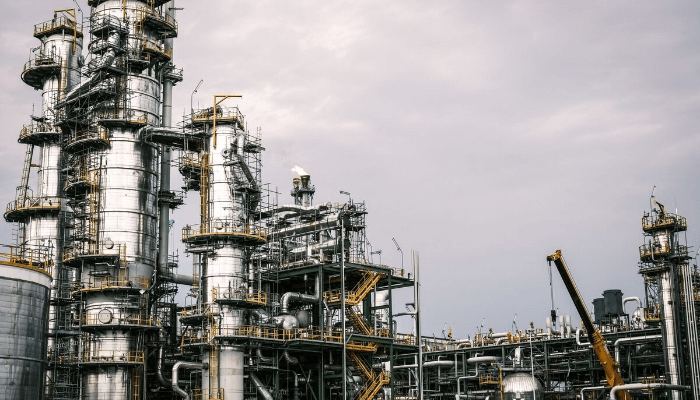
Now that Dangote Industries has again emphasised the importance of domestic refining to industrialisation, job creation and more efficient logistics, perhaps Nigeria should begin asking a serious question: What should the nation do with its outdated refineries, and who is best positioned to make them commercially viable? This is where two separate thoughts begin to intersect within. First is Dangote Refinery’s next phase. The company has planned to expand its refinery from its current 700,000 barrels per day (bpd) capacity to 1.4 million bpd by 2029, alongside a broader petrochemical and industrial expansion. Its Initial Public Offering, launched in September, has attracted what the company described as enormous investor demand. Dangote is also moving ahead with plans for a new 700,000-bpd refinery in Kenya, demonstrating that its next growth frontier is increasingly continental. “Nigeria, therefore, has a previous experience from which it can learn. Any new arrangement would have to be transparent, independently valued, commercially structured and insulated from the political controversies that damaged the earlier exercise. The economic logic, however, is worth considering.” The second is Nigeria’s unresolved refinery question. For decades, our nation has struggled to turn its state-owned refineries into profitable and reliable ventures. The Port Harcourt, Warri and Kaduna refineries have consumed enormous policy attention, rehabilitation expenses and public expectations. The situation is changing, but the government is still pursuing technical partnerships to complete and operate some of the facilities. In May 2026, NNPC Limited signed a memorandum of understanding with Chinese companies for potential technical-equity partnerships involving the Port Harcourt and Warri refineries. So, here is the devil’s advocate proposition. Should Nigeria at least examine the possibility of allowing Dangote Refinery to acquire, lease, manage or enter a strategic equity partnership involving some of these public refineries? This is not an opinion for a rushed sale but an opinion for a different way of thinking about public assets. The history of our refineries is instructive. In 2007, the government sold 51 percent stakes in the Port Harcourt and Kaduna refineries to BlueStar, a consortium involving Dangote Oil and Gas and other Nigerian firms. The transactions were subsequently abandoned after intense controversy, including labour opposition, and the assets were returned to government control. Nigeria, therefore, has a previous experience from which it can learn. Any new arrangement would have to be transparent, independently valued, commercially structured and insulated from the political controversies that damaged the earlier exercise. The economic logic, however, is worth considering. If Dangote is prepared to expand internationally while Nigeria still struggles to get full value from its existing refinery infrastructure, bringing proven private-sector refining expertise into selected government assets could create a stronger domestic refining ecosystem. The objective should not simply be ownership; it should be operational efficiency, accountability and capacity utilisation. The benefits could be important in many ways. We could preserve and expand refining capacity at home rather than allowing our nation’s refining debate to remain permanently trapped between rehabilitation and repeated shutdowns. Also, employment and technical skills could expand. A larger domestic refining network would require engineers, technicians, logistics operators, marine workers, laboratory specialists, transporters and thousands of businesses within the wider supply chain. Dangote itself says its refinery ecosystem has created tens of thousands of direct and indirect jobs. Likewise, logistics costs could fall. Refining closer to where petroleum products are consumed reduces dependence on long-distance imports, shipping arrangements and foreign exchange for imported products. A network of functioning domestic refineries could also distribute production geographically, reducing pressure on a single facility and easing transportation bottlenecks. Similarly, our nation could retain more value from its crude oil. Instead of primarily exporting crude and importing refined products, more of the value chain could remain within the nation through refining, petrochemicals, plastics, aviation fuel, lubricants and related industries. But none of this will work without addressing the biggest issue, crude supply. A refinery cannot operate sustainably without reliable feedstock at commercially viable terms. Nigeria’s crude production has improved, with NNPC reporting 1.71 million bpd in mid-2026, but the question remains how much crude can be reliably committed to domestic refining. This is where the government needs consistency and transparency. The crude-for-naira deal and other domestic crude supply arrangements should be governed by clear, publicly understandable rules that give local refiners predictable access without creating opaque advantages for any particular company. The government and Dangote also already have an important foundation for such cooperation. NNPC holds a stake in Dangote Refinery, while both organisations have publicly discussed deeper collaboration across assets, infrastructure, capital, markets, gas supply and trading. Labour unions should equally be participants rather than opponents from the outset. Their legitimate concerns about employment, pensions, severance, job security and local content can be incorporated into any transaction through binding worker-protection provisions, retraining and transition agreements. The ultimate question, therefore, is not whether the government should surrender public assets or whether Dangote should acquire them. It is whether the Federal Government can design a transparent commercial structure under which underperforming assets are put in the hands of operators capable of making them productive, while the public retains adequate safeguards. And this deserves serious examination. We have already watched too many refinery rehabilitation programmes become recurring expenditure without corresponding reliability. Meanwhile, Dangote is demonstrating its willingness to commit capital to refining not only in Nigeria but across Africa. The better approach may therefore be to stop treating the refinery question solely as an ownership dispute and begin treating it as an industrial strategy. If government assets can be made productive, workers protected, crude supply guaranteed, regulation made transparent and competition preserved, then a new government-private sector arrangement could potentially deliver something our nation has long needed: refineries that actually refine, industries that actually process, and an oil economy that creates more value before its crude leaves the nation. Related News When policy exists but access still fails: The gap between reproductive health policy and practice in Lagos After the rallies, who will make Nigeria work? Premier League Charges: Lineker urges Man City to accept punishment Osa Victor Obayagbona Socio-cultural Affairs Share
This is where two separate thoughts begin to intersect within. First is Dangote Refinery’s next phase. The company has planned to expand its refinery from its current 700,000 barrels per day (bpd) capacity to 1.4 million bpd by 2029, alongside a broader petrochemical and industrial expansion. Its Initial Public Offering, launched in September, has attracted what the company described as enormous investor demand. Dangote is also moving ahead with plans for a new 700,000-bpd refinery in Kenya, demonstrating that its next growth frontier is increasingly continental. “Nigeria, therefore, has a previous experience from which it can learn. Any new arrangement would have to be transparent, independently valued, commercially structured and insulated from the political controversies that damaged the earlier exercise. The economic logic, however, is worth considering.” The second is Nigeria’s unresolved refinery question. For decades, our nation has struggled to turn its state-owned refineries into profitable and reliable ventures. The Port Harcourt, Warri and Kaduna refineries have consumed enormous policy attention, rehabilitation expenses and public expectations. The situation is changing, but the government is still pursuing technical partnerships to complete and operate some of the facilities. In May 2026, NNPC Limited signed a memorandum of understanding with Chinese companies for potential technical-equity partnerships involving the Port Harcourt and Warri refineries. So, here is the devil’s advocate proposition. Should Nigeria at least examine the possibility of allowing Dangote Refinery to acquire, lease, manage or enter a strategic equity partnership involving some of these public refineries? This is not an opinion for a rushed sale but an opinion for a different way of thinking about public assets. The history of our refineries is instructive. In 2007, the government sold 51 percent stakes in the Port Harcourt and Kaduna refineries to BlueStar, a consortium involving Dangote Oil and Gas and other Nigerian firms. The transactions were subsequently abandoned after intense controversy, including labour opposition, and the assets were returned to government control. Nigeria, therefore, has a previous experience from which it can learn. Any new arrangement would have to be transparent, independently valued, commercially structured and insulated from the political controversies that damaged the earlier exercise. The economic logic, however, is worth considering. If Dangote is prepared to expand internationally while Nigeria still struggles to get full value from its existing refinery infrastructure, bringing proven private-sector refining expertise into selected government assets could create a stronger domestic refining ecosystem. The objective should not simply be ownership; it should be operational efficiency, accountability and capacity utilisation. The benefits could be important in many ways. We could preserve and expand refining capacity at home rather than allowing our nation’s refining debate to remain permanently trapped between rehabilitation and repeated shutdowns. Also, employment and technical skills could expand. A larger domestic refining network would require engineers, technicians, logistics operators, marine workers, laboratory specialists, transporters and thousands of businesses within the wider supply chain. Dangote itself says its refinery ecosystem has created tens of thousands of direct and indirect jobs. Likewise, logistics costs could fall. Refining closer to where petroleum products are consumed reduces dependence on long-distance imports, shipping arrangements and foreign exchange for imported products. A network of functioning domestic refineries could also distribute production geographically, reducing pressure on a single facility and easing transportation bottlenecks. Similarly, our nation could retain more value from its crude oil. Instead of primarily exporting crude and importing refined products, more of the value chain could remain within the nation through refining, petrochemicals, plastics, aviation fuel, lubricants and related industries. But none of this will work without addressing the biggest issue, crude supply. A refinery cannot operate sustainably without reliable feedstock at commercially viable terms. Nigeria’s crude production has improved, with NNPC reporting 1.71 million bpd in mid-2026, but the question remains how much crude can be reliably committed to domestic refining. This is where the government needs consistency and transparency. The crude-for-naira deal and other domestic crude supply arrangements should be governed by clear, publicly understandable rules that give local refiners predictable access without creating opaque advantages for any particular company. The government and Dangote also already have an important foundation for such cooperation. NNPC holds a stake in Dangote Refinery, while both organisations have publicly discussed deeper collaboration across assets, infrastructure, capital, markets, gas supply and trading. Labour unions should equally be participants rather than opponents from the outset. Their legitimate concerns about employment, pensions, severance, job security and local content can be incorporated into any transaction through binding worker-protection provisions, retraining and transition agreements. The ultimate question, therefore, is not whether the government should surrender public assets or whether Dangote should acquire them. It is whether the Federal Government can design a transparent commercial structure under which underperforming assets are put in the hands of operators capable of making them productive, while the public retains adequate safeguards. And this deserves serious examination. We have already watched too many refinery rehabilitation programmes become recurring expenditure without corresponding reliability. Meanwhile, Dangote is demonstrating its willingness to commit capital to refining not only in Nigeria but across Africa. The better approach may therefore be to stop treating the refinery question solely as an ownership dispute and begin treating it as an industrial strategy. If government assets can be made productive, workers protected, crude supply guaranteed, regulation made transparent and competition preserved, then a new government-private sector arrangement could potentially deliver something our nation has long needed: refineries that actually refine, industries that actually process, and an oil economy that creates more value before its crude leaves the nation. Related News When policy exists but access still fails: The gap between reproductive health policy and practice in Lagos After the rallies, who will make Nigeria work? Premier League Charges: Lineker urges Man City to accept punishment Osa Victor Obayagbona Socio-cultural Affairs Share
First is Dangote Refinery’s next phase. The company has planned to expand its refinery from its current 700,000 barrels per day (bpd) capacity to 1.4 million bpd by 2029, alongside a broader petrochemical and industrial expansion. Its Initial Public Offering, launched in September, has attracted what the company described as enormous investor demand. Dangote is also moving ahead with plans for a new 700,000-bpd refinery in Kenya, demonstrating that its next growth frontier is increasingly continental. “Nigeria, therefore, has a previous experience from which it can learn. Any new arrangement would have to be transparent, independently valued, commercially structured and insulated from the political controversies that damaged the earlier exercise. The economic logic, however, is worth considering.” The second is Nigeria’s unresolved refinery question. For decades, our nation has struggled to turn its state-owned refineries into profitable and reliable ventures. The Port Harcourt, Warri and Kaduna refineries have consumed enormous policy attention, rehabilitation expenses and public expectations. The situation is changing, but the government is still pursuing technical partnerships to complete and operate some of the facilities. In May 2026, NNPC Limited signed a memorandum of understanding with Chinese companies for potential technical-equity partnerships involving the Port Harcourt and Warri refineries. So, here is the devil’s advocate proposition. Should Nigeria at least examine the possibility of allowing Dangote Refinery to acquire, lease, manage or enter a strategic equity partnership involving some of these public refineries? This is not an opinion for a rushed sale but an opinion for a different way of thinking about public assets. The history of our refineries is instructive. In 2007, the government sold 51 percent stakes in the Port Harcourt and Kaduna refineries to BlueStar, a consortium involving Dangote Oil and Gas and other Nigerian firms. The transactions were subsequently abandoned after intense controversy, including labour opposition, and the assets were returned to government control. Nigeria, therefore, has a previous experience from which it can learn. Any new arrangement would have to be transparent, independently valued, commercially structured and insulated from the political controversies that damaged the earlier exercise. The economic logic, however, is worth considering. If Dangote is prepared to expand internationally while Nigeria still struggles to get full value from its existing refinery infrastructure, bringing proven private-sector refining expertise into selected government assets could create a stronger domestic refining ecosystem. The objective should not simply be ownership; it should be operational efficiency, accountability and capacity utilisation. The benefits could be important in many ways. We could preserve and expand refining capacity at home rather than allowing our nation’s refining debate to remain permanently trapped between rehabilitation and repeated shutdowns. Also, employment and technical skills could expand. A larger domestic refining network would require engineers, technicians, logistics operators, marine workers, laboratory specialists, transporters and thousands of businesses within the wider supply chain. Dangote itself says its refinery ecosystem has created tens of thousands of direct and indirect jobs. Likewise, logistics costs could fall. Refining closer to where petroleum products are consumed reduces dependence on long-distance imports, shipping arrangements and foreign exchange for imported products. A network of functioning domestic refineries could also distribute production geographically, reducing pressure on a single facility and easing transportation bottlenecks. Similarly, our nation could retain more value from its crude oil. Instead of primarily exporting crude and importing refined products, more of the value chain could remain within the nation through refining, petrochemicals, plastics, aviation fuel, lubricants and related industries. But none of this will work without addressing the biggest issue, crude supply. A refinery cannot operate sustainably without reliable feedstock at commercially viable terms. Nigeria’s crude production has improved, with NNPC reporting 1.71 million bpd in mid-2026, but the question remains how much crude can be reliably committed to domestic refining. This is where the government needs consistency and transparency. The crude-for-naira deal and other domestic crude supply arrangements should be governed by clear, publicly understandable rules that give local refiners predictable access without creating opaque advantages for any particular company. The government and Dangote also already have an important foundation for such cooperation. NNPC holds a stake in Dangote Refinery, while both organisations have publicly discussed deeper collaboration across assets, infrastructure, capital, markets, gas supply and trading. Labour unions should equally be participants rather than opponents from the outset. Their legitimate concerns about employment, pensions, severance, job security and local content can be incorporated into any transaction through binding worker-protection provisions, retraining and transition agreements. The ultimate question, therefore, is not whether the government should surrender public assets or whether Dangote should acquire them. It is whether the Federal Government can design a transparent commercial structure under which underperforming assets are put in the hands of operators capable of making them productive, while the public retains adequate safeguards. And this deserves serious examination. We have already watched too many refinery rehabilitation programmes become recurring expenditure without corresponding reliability. Meanwhile, Dangote is demonstrating its willingness to commit capital to refining not only in Nigeria but across Africa. The better approach may therefore be to stop treating the refinery question solely as an ownership dispute and begin treating it as an industrial strategy. If government assets can be made productive, workers protected, crude supply guaranteed, regulation made transparent and competition preserved, then a new government-private sector arrangement could potentially deliver something our nation has long needed: refineries that actually refine, industries that actually process, and an oil economy that creates more value before its crude leaves the nation. Related News When policy exists but access still fails: The gap between reproductive health policy and practice in Lagos After the rallies, who will make Nigeria work? Premier League Charges: Lineker urges Man City to accept punishment Osa Victor Obayagbona Socio-cultural Affairs Share
“Nigeria, therefore, has a previous experience from which it can learn. Any new arrangement would have to be transparent, independently valued, commercially structured and insulated from the political controversies that damaged the earlier exercise. The economic logic, however, is worth considering.”
The second is Nigeria’s unresolved refinery question. For decades, our nation has struggled to turn its state-owned refineries into profitable and reliable ventures. The Port Harcourt, Warri and Kaduna refineries have consumed enormous policy attention, rehabilitation expenses and public expectations. The situation is changing, but the government is still pursuing technical partnerships to complete and operate some of the facilities. In May 2026, NNPC Limited signed a memorandum of understanding with Chinese companies for potential technical-equity partnerships involving the Port Harcourt and Warri refineries. So, here is the devil’s advocate proposition. Should Nigeria at least examine the possibility of allowing Dangote Refinery to acquire, lease, manage or enter a strategic equity partnership involving some of these public refineries? This is not an opinion for a rushed sale but an opinion for a different way of thinking about public assets. The history of our refineries is instructive. In 2007, the government sold 51 percent stakes in the Port Harcourt and Kaduna refineries to BlueStar, a consortium involving Dangote Oil and Gas and other Nigerian firms. The transactions were subsequently abandoned after intense controversy, including labour opposition, and the assets were returned to government control. Nigeria, therefore, has a previous experience from which it can learn. Any new arrangement would have to be transparent, independently valued, commercially structured and insulated from the political controversies that damaged the earlier exercise. The economic logic, however, is worth considering. If Dangote is prepared to expand internationally while Nigeria still struggles to get full value from its existing refinery infrastructure, bringing proven private-sector refining expertise into selected government assets could create a stronger domestic refining ecosystem. The objective should not simply be ownership; it should be operational efficiency, accountability and capacity utilisation. The benefits could be important in many ways. We could preserve and expand refining capacity at home rather than allowing our nation’s refining debate to remain permanently trapped between rehabilitation and repeated shutdowns. Also, employment and technical skills could expand. A larger domestic refining network would require engineers, technicians, logistics operators, marine workers, laboratory specialists, transporters and thousands of businesses within the wider supply chain. Dangote itself says its refinery ecosystem has created tens of thousands of direct and indirect jobs. Likewise, logistics costs could fall. Refining closer to where petroleum products are consumed reduces dependence on long-distance imports, shipping arrangements and foreign exchange for imported products. A network of functioning domestic refineries could also distribute production geographically, reducing pressure on a single facility and easing transportation bottlenecks. Similarly, our nation could retain more value from its crude oil. Instead of primarily exporting crude and importing refined products, more of the value chain could remain within the nation through refining, petrochemicals, plastics, aviation fuel, lubricants and related industries. But none of this will work without addressing the biggest issue, crude supply. A refinery cannot operate sustainably without reliable feedstock at commercially viable terms. Nigeria’s crude production has improved, with NNPC reporting 1.71 million bpd in mid-2026, but the question remains how much crude can be reliably committed to domestic refining. This is where the government needs consistency and transparency. The crude-for-naira deal and other domestic crude supply arrangements should be governed by clear, publicly understandable rules that give local refiners predictable access without creating opaque advantages for any particular company. The government and Dangote also already have an important foundation for such cooperation. NNPC holds a stake in Dangote Refinery, while both organisations have publicly discussed deeper collaboration across assets, infrastructure, capital, markets, gas supply and trading. Labour unions should equally be participants rather than opponents from the outset. Their legitimate concerns about employment, pensions, severance, job security and local content can be incorporated into any transaction through binding worker-protection provisions, retraining and transition agreements. The ultimate question, therefore, is not whether the government should surrender public assets or whether Dangote should acquire them. It is whether the Federal Government can design a transparent commercial structure under which underperforming assets are put in the hands of operators capable of making them productive, while the public retains adequate safeguards. And this deserves serious examination. We have already watched too many refinery rehabilitation programmes become recurring expenditure without corresponding reliability. Meanwhile, Dangote is demonstrating its willingness to commit capital to refining not only in Nigeria but across Africa. The better approach may therefore be to stop treating the refinery question solely as an ownership dispute and begin treating it as an industrial strategy. If government assets can be made productive, workers protected, crude supply guaranteed, regulation made transparent and competition preserved, then a new government-private sector arrangement could potentially deliver something our nation has long needed: refineries that actually refine, industries that actually process, and an oil economy that creates more value before its crude leaves the nation. Related News When policy exists but access still fails: The gap between reproductive health policy and practice in Lagos After the rallies, who will make Nigeria work? Premier League Charges: Lineker urges Man City to accept punishment Osa Victor Obayagbona Socio-cultural Affairs Share
So, here is the devil’s advocate proposition. Should Nigeria at least examine the possibility of allowing Dangote Refinery to acquire, lease, manage or enter a strategic equity partnership involving some of these public refineries? This is not an opinion for a rushed sale but an opinion for a different way of thinking about public assets. The history of our refineries is instructive. In 2007, the government sold 51 percent stakes in the Port Harcourt and Kaduna refineries to BlueStar, a consortium involving Dangote Oil and Gas and other Nigerian firms. The transactions were subsequently abandoned after intense controversy, including labour opposition, and the assets were returned to government control. Nigeria, therefore, has a previous experience from which it can learn. Any new arrangement would have to be transparent, independently valued, commercially structured and insulated from the political controversies that damaged the earlier exercise. The economic logic, however, is worth considering. If Dangote is prepared to expand internationally while Nigeria still struggles to get full value from its existing refinery infrastructure, bringing proven private-sector refining expertise into selected government assets could create a stronger domestic refining ecosystem. The objective should not simply be ownership; it should be operational efficiency, accountability and capacity utilisation. The benefits could be important in many ways. We could preserve and expand refining capacity at home rather than allowing our nation’s refining debate to remain permanently trapped between rehabilitation and repeated shutdowns. Also, employment and technical skills could expand. A larger domestic refining network would require engineers, technicians, logistics operators, marine workers, laboratory specialists, transporters and thousands of businesses within the wider supply chain. Dangote itself says its refinery ecosystem has created tens of thousands of direct and indirect jobs. Likewise, logistics costs could fall. Refining closer to where petroleum products are consumed reduces dependence on long-distance imports, shipping arrangements and foreign exchange for imported products. A network of functioning domestic refineries could also distribute production geographically, reducing pressure on a single facility and easing transportation bottlenecks. Similarly, our nation could retain more value from its crude oil. Instead of primarily exporting crude and importing refined products, more of the value chain could remain within the nation through refining, petrochemicals, plastics, aviation fuel, lubricants and related industries. But none of this will work without addressing the biggest issue, crude supply. A refinery cannot operate sustainably without reliable feedstock at commercially viable terms. Nigeria’s crude production has improved, with NNPC reporting 1.71 million bpd in mid-2026, but the question remains how much crude can be reliably committed to domestic refining. This is where the government needs consistency and transparency. The crude-for-naira deal and other domestic crude supply arrangements should be governed by clear, publicly understandable rules that give local refiners predictable access without creating opaque advantages for any particular company. The government and Dangote also already have an important foundation for such cooperation. NNPC holds a stake in Dangote Refinery, while both organisations have publicly discussed deeper collaboration across assets, infrastructure, capital, markets, gas supply and trading. Labour unions should equally be participants rather than opponents from the outset. Their legitimate concerns about employment, pensions, severance, job security and local content can be incorporated into any transaction through binding worker-protection provisions, retraining and transition agreements. The ultimate question, therefore, is not whether the government should surrender public assets or whether Dangote should acquire them. It is whether the Federal Government can design a transparent commercial structure under which underperforming assets are put in the hands of operators capable of making them productive, while the public retains adequate safeguards. And this deserves serious examination. We have already watched too many refinery rehabilitation programmes become recurring expenditure without corresponding reliability. Meanwhile, Dangote is demonstrating its willingness to commit capital to refining not only in Nigeria but across Africa. The better approach may therefore be to stop treating the refinery question solely as an ownership dispute and begin treating it as an industrial strategy. If government assets can be made productive, workers protected, crude supply guaranteed, regulation made transparent and competition preserved, then a new government-private sector arrangement could potentially deliver something our nation has long needed: refineries that actually refine, industries that actually process, and an oil economy that creates more value before its crude leaves the nation. Related News When policy exists but access still fails: The gap between reproductive health policy and practice in Lagos After the rallies, who will make Nigeria work? Premier League Charges: Lineker urges Man City to accept punishment Osa Victor Obayagbona Socio-cultural Affairs Share
This is not an opinion for a rushed sale but an opinion for a different way of thinking about public assets. The history of our refineries is instructive. In 2007, the government sold 51 percent stakes in the Port Harcourt and Kaduna refineries to BlueStar, a consortium involving Dangote Oil and Gas and other Nigerian firms. The transactions were subsequently abandoned after intense controversy, including labour opposition, and the assets were returned to government control. Nigeria, therefore, has a previous experience from which it can learn. Any new arrangement would have to be transparent, independently valued, commercially structured and insulated from the political controversies that damaged the earlier exercise. The economic logic, however, is worth considering. If Dangote is prepared to expand internationally while Nigeria still struggles to get full value from its existing refinery infrastructure, bringing proven private-sector refining expertise into selected government assets could create a stronger domestic refining ecosystem. The objective should not simply be ownership; it should be operational efficiency, accountability and capacity utilisation. The benefits could be important in many ways. We could preserve and expand refining capacity at home rather than allowing our nation’s refining debate to remain permanently trapped between rehabilitation and repeated shutdowns. Also, employment and technical skills could expand. A larger domestic refining network would require engineers, technicians, logistics operators, marine workers, laboratory specialists, transporters and thousands of businesses within the wider supply chain. Dangote itself says its refinery ecosystem has created tens of thousands of direct and indirect jobs. Likewise, logistics costs could fall. Refining closer to where petroleum products are consumed reduces dependence on long-distance imports, shipping arrangements and foreign exchange for imported products. A network of functioning domestic refineries could also distribute production geographically, reducing pressure on a single facility and easing transportation bottlenecks. Similarly, our nation could retain more value from its crude oil. Instead of primarily exporting crude and importing refined products, more of the value chain could remain within the nation through refining, petrochemicals, plastics, aviation fuel, lubricants and related industries. But none of this will work without addressing the biggest issue, crude supply. A refinery cannot operate sustainably without reliable feedstock at commercially viable terms. Nigeria’s crude production has improved, with NNPC reporting 1.71 million bpd in mid-2026, but the question remains how much crude can be reliably committed to domestic refining. This is where the government needs consistency and transparency. The crude-for-naira deal and other domestic crude supply arrangements should be governed by clear, publicly understandable rules that give local refiners predictable access without creating opaque advantages for any particular company. The government and Dangote also already have an important foundation for such cooperation. NNPC holds a stake in Dangote Refinery, while both organisations have publicly discussed deeper collaboration across assets, infrastructure, capital, markets, gas supply and trading. Labour unions should equally be participants rather than opponents from the outset. Their legitimate concerns about employment, pensions, severance, job security and local content can be incorporated into any transaction through binding worker-protection provisions, retraining and transition agreements. The ultimate question, therefore, is not whether the government should surrender public assets or whether Dangote should acquire them. It is whether the Federal Government can design a transparent commercial structure under which underperforming assets are put in the hands of operators capable of making them productive, while the public retains adequate safeguards. And this deserves serious examination. We have already watched too many refinery rehabilitation programmes become recurring expenditure without corresponding reliability. Meanwhile, Dangote is demonstrating its willingness to commit capital to refining not only in Nigeria but across Africa. The better approach may therefore be to stop treating the refinery question solely as an ownership dispute and begin treating it as an industrial strategy. If government assets can be made productive, workers protected, crude supply guaranteed, regulation made transparent and competition preserved, then a new government-private sector arrangement could potentially deliver something our nation has long needed: refineries that actually refine, industries that actually process, and an oil economy that creates more value before its crude leaves the nation. Related News When policy exists but access still fails: The gap between reproductive health policy and practice in Lagos After the rallies, who will make Nigeria work? Premier League Charges: Lineker urges Man City to accept punishment Osa Victor Obayagbona Socio-cultural Affairs Share
The history of our refineries is instructive. In 2007, the government sold 51 percent stakes in the Port Harcourt and Kaduna refineries to BlueStar, a consortium involving Dangote Oil and Gas and other Nigerian firms. The transactions were subsequently abandoned after intense controversy, including labour opposition, and the assets were returned to government control. Nigeria, therefore, has a previous experience from which it can learn. Any new arrangement would have to be transparent, independently valued, commercially structured and insulated from the political controversies that damaged the earlier exercise. The economic logic, however, is worth considering. If Dangote is prepared to expand internationally while Nigeria still struggles to get full value from its existing refinery infrastructure, bringing proven private-sector refining expertise into selected government assets could create a stronger domestic refining ecosystem. The objective should not simply be ownership; it should be operational efficiency, accountability and capacity utilisation. The benefits could be important in many ways. We could preserve and expand refining capacity at home rather than allowing our nation’s refining debate to remain permanently trapped between rehabilitation and repeated shutdowns. Also, employment and technical skills could expand. A larger domestic refining network would require engineers, technicians, logistics operators, marine workers, laboratory specialists, transporters and thousands of businesses within the wider supply chain. Dangote itself says its refinery ecosystem has created tens of thousands of direct and indirect jobs. Likewise, logistics costs could fall. Refining closer to where petroleum products are consumed reduces dependence on long-distance imports, shipping arrangements and foreign exchange for imported products. A network of functioning domestic refineries could also distribute production geographically, reducing pressure on a single facility and easing transportation bottlenecks. Similarly, our nation could retain more value from its crude oil. Instead of primarily exporting crude and importing refined products, more of the value chain could remain within the nation through refining, petrochemicals, plastics, aviation fuel, lubricants and related industries. But none of this will work without addressing the biggest issue, crude supply. A refinery cannot operate sustainably without reliable feedstock at commercially viable terms. Nigeria’s crude production has improved, with NNPC reporting 1.71 million bpd in mid-2026, but the question remains how much crude can be reliably committed to domestic refining. This is where the government needs consistency and transparency. The crude-for-naira deal and other domestic crude supply arrangements should be governed by clear, publicly understandable rules that give local refiners predictable access without creating opaque advantages for any particular company. The government and Dangote also already have an important foundation for such cooperation. NNPC holds a stake in Dangote Refinery, while both organisations have publicly discussed deeper collaboration across assets, infrastructure, capital, markets, gas supply and trading. Labour unions should equally be participants rather than opponents from the outset. Their legitimate concerns about employment, pensions, severance, job security and local content can be incorporated into any transaction through binding worker-protection provisions, retraining and transition agreements. The ultimate question, therefore, is not whether the government should surrender public assets or whether Dangote should acquire them. It is whether the Federal Government can design a transparent commercial structure under which underperforming assets are put in the hands of operators capable of making them productive, while the public retains adequate safeguards. And this deserves serious examination. We have already watched too many refinery rehabilitation programmes become recurring expenditure without corresponding reliability. Meanwhile, Dangote is demonstrating its willingness to commit capital to refining not only in Nigeria but across Africa. The better approach may therefore be to stop treating the refinery question solely as an ownership dispute and begin treating it as an industrial strategy. If government assets can be made productive, workers protected, crude supply guaranteed, regulation made transparent and competition preserved, then a new government-private sector arrangement could potentially deliver something our nation has long needed: refineries that actually refine, industries that actually process, and an oil economy that creates more value before its crude leaves the nation. Related News When policy exists but access still fails: The gap between reproductive health policy and practice in Lagos After the rallies, who will make Nigeria work? Premier League Charges: Lineker urges Man City to accept punishment Osa Victor Obayagbona Socio-cultural Affairs Share
Nigeria, therefore, has a previous experience from which it can learn. Any new arrangement would have to be transparent, independently valued, commercially structured and insulated from the political controversies that damaged the earlier exercise. The economic logic, however, is worth considering. If Dangote is prepared to expand internationally while Nigeria still struggles to get full value from its existing refinery infrastructure, bringing proven private-sector refining expertise into selected government assets could create a stronger domestic refining ecosystem. The objective should not simply be ownership; it should be operational efficiency, accountability and capacity utilisation. The benefits could be important in many ways. We could preserve and expand refining capacity at home rather than allowing our nation’s refining debate to remain permanently trapped between rehabilitation and repeated shutdowns. Also, employment and technical skills could expand. A larger domestic refining network would require engineers, technicians, logistics operators, marine workers, laboratory specialists, transporters and thousands of businesses within the wider supply chain. Dangote itself says its refinery ecosystem has created tens of thousands of direct and indirect jobs. Likewise, logistics costs could fall. Refining closer to where petroleum products are consumed reduces dependence on long-distance imports, shipping arrangements and foreign exchange for imported products. A network of functioning domestic refineries could also distribute production geographically, reducing pressure on a single facility and easing transportation bottlenecks. Similarly, our nation could retain more value from its crude oil. Instead of primarily exporting crude and importing refined products, more of the value chain could remain within the nation through refining, petrochemicals, plastics, aviation fuel, lubricants and related industries. But none of this will work without addressing the biggest issue, crude supply. A refinery cannot operate sustainably without reliable feedstock at commercially viable terms. Nigeria’s crude production has improved, with NNPC reporting 1.71 million bpd in mid-2026, but the question remains how much crude can be reliably committed to domestic refining. This is where the government needs consistency and transparency. The crude-for-naira deal and other domestic crude supply arrangements should be governed by clear, publicly understandable rules that give local refiners predictable access without creating opaque advantages for any particular company. The government and Dangote also already have an important foundation for such cooperation. NNPC holds a stake in Dangote Refinery, while both organisations have publicly discussed deeper collaboration across assets, infrastructure, capital, markets, gas supply and trading. Labour unions should equally be participants rather than opponents from the outset. Their legitimate concerns about employment, pensions, severance, job security and local content can be incorporated into any transaction through binding worker-protection provisions, retraining and transition agreements. The ultimate question, therefore, is not whether the government should surrender public assets or whether Dangote should acquire them. It is whether the Federal Government can design a transparent commercial structure under which underperforming assets are put in the hands of operators capable of making them productive, while the public retains adequate safeguards. And this deserves serious examination. We have already watched too many refinery rehabilitation programmes become recurring expenditure without corresponding reliability. Meanwhile, Dangote is demonstrating its willingness to commit capital to refining not only in Nigeria but across Africa. The better approach may therefore be to stop treating the refinery question solely as an ownership dispute and begin treating it as an industrial strategy. If government assets can be made productive, workers protected, crude supply guaranteed, regulation made transparent and competition preserved, then a new government-private sector arrangement could potentially deliver something our nation has long needed: refineries that actually refine, industries that actually process, and an oil economy that creates more value before its crude leaves the nation. Related News When policy exists but access still fails: The gap between reproductive health policy and practice in Lagos After the rallies, who will make Nigeria work? Premier League Charges: Lineker urges Man City to accept punishment Osa Victor Obayagbona Socio-cultural Affairs Share
If Dangote is prepared to expand internationally while Nigeria still struggles to get full value from its existing refinery infrastructure, bringing proven private-sector refining expertise into selected government assets could create a stronger domestic refining ecosystem. The objective should not simply be ownership; it should be operational efficiency, accountability and capacity utilisation. The benefits could be important in many ways. We could preserve and expand refining capacity at home rather than allowing our nation’s refining debate to remain permanently trapped between rehabilitation and repeated shutdowns. Also, employment and technical skills could expand. A larger domestic refining network would require engineers, technicians, logistics operators, marine workers, laboratory specialists, transporters and thousands of businesses within the wider supply chain. Dangote itself says its refinery ecosystem has created tens of thousands of direct and indirect jobs. Likewise, logistics costs could fall. Refining closer to where petroleum products are consumed reduces dependence on long-distance imports, shipping arrangements and foreign exchange for imported products. A network of functioning domestic refineries could also distribute production geographically, reducing pressure on a single facility and easing transportation bottlenecks. Similarly, our nation could retain more value from its crude oil. Instead of primarily exporting crude and importing refined products, more of the value chain could remain within the nation through refining, petrochemicals, plastics, aviation fuel, lubricants and related industries. But none of this will work without addressing the biggest issue, crude supply. A refinery cannot operate sustainably without reliable feedstock at commercially viable terms. Nigeria’s crude production has improved, with NNPC reporting 1.71 million bpd in mid-2026, but the question remains how much crude can be reliably committed to domestic refining. This is where the government needs consistency and transparency. The crude-for-naira deal and other domestic crude supply arrangements should be governed by clear, publicly understandable rules that give local refiners predictable access without creating opaque advantages for any particular company. The government and Dangote also already have an important foundation for such cooperation. NNPC holds a stake in Dangote Refinery, while both organisations have publicly discussed deeper collaboration across assets, infrastructure, capital, markets, gas supply and trading. Labour unions should equally be participants rather than opponents from the outset. Their legitimate concerns about employment, pensions, severance, job security and local content can be incorporated into any transaction through binding worker-protection provisions, retraining and transition agreements. The ultimate question, therefore, is not whether the government should surrender public assets or whether Dangote should acquire them. It is whether the Federal Government can design a transparent commercial structure under which underperforming assets are put in the hands of operators capable of making them productive, while the public retains adequate safeguards. And this deserves serious examination. We have already watched too many refinery rehabilitation programmes become recurring expenditure without corresponding reliability. Meanwhile, Dangote is demonstrating its willingness to commit capital to refining not only in Nigeria but across Africa. The better approach may therefore be to stop treating the refinery question solely as an ownership dispute and begin treating it as an industrial strategy. If government assets can be made productive, workers protected, crude supply guaranteed, regulation made transparent and competition preserved, then a new government-private sector arrangement could potentially deliver something our nation has long needed: refineries that actually refine, industries that actually process, and an oil economy that creates more value before its crude leaves the nation. Related News When policy exists but access still fails: The gap between reproductive health policy and practice in Lagos After the rallies, who will make Nigeria work? Premier League Charges: Lineker urges Man City to accept punishment Osa Victor Obayagbona Socio-cultural Affairs Share
We could preserve and expand refining capacity at home rather than allowing our nation’s refining debate to remain permanently trapped between rehabilitation and repeated shutdowns. Also, employment and technical skills could expand. A larger domestic refining network would require engineers, technicians, logistics operators, marine workers, laboratory specialists, transporters and thousands of businesses within the wider supply chain. Dangote itself says its refinery ecosystem has created tens of thousands of direct and indirect jobs. Likewise, logistics costs could fall. Refining closer to where petroleum products are consumed reduces dependence on long-distance imports, shipping arrangements and foreign exchange for imported products. A network of functioning domestic refineries could also distribute production geographically, reducing pressure on a single facility and easing transportation bottlenecks. Similarly, our nation could retain more value from its crude oil. Instead of primarily exporting crude and importing refined products, more of the value chain could remain within the nation through refining, petrochemicals, plastics, aviation fuel, lubricants and related industries. But none of this will work without addressing the biggest issue, crude supply. A refinery cannot operate sustainably without reliable feedstock at commercially viable terms. Nigeria’s crude production has improved, with NNPC reporting 1.71 million bpd in mid-2026, but the question remains how much crude can be reliably committed to domestic refining. This is where the government needs consistency and transparency. The crude-for-naira deal and other domestic crude supply arrangements should be governed by clear, publicly understandable rules that give local refiners predictable access without creating opaque advantages for any particular company. The government and Dangote also already have an important foundation for such cooperation. NNPC holds a stake in Dangote Refinery, while both organisations have publicly discussed deeper collaboration across assets, infrastructure, capital, markets, gas supply and trading. Labour unions should equally be participants rather than opponents from the outset. Their legitimate concerns about employment, pensions, severance, job security and local content can be incorporated into any transaction through binding worker-protection provisions, retraining and transition agreements. The ultimate question, therefore, is not whether the government should surrender public assets or whether Dangote should acquire them. It is whether the Federal Government can design a transparent commercial structure under which underperforming assets are put in the hands of operators capable of making them productive, while the public retains adequate safeguards. And this deserves serious examination. We have already watched too many refinery rehabilitation programmes become recurring expenditure without corresponding reliability. Meanwhile, Dangote is demonstrating its willingness to commit capital to refining not only in Nigeria but across Africa. The better approach may therefore be to stop treating the refinery question solely as an ownership dispute and begin treating it as an industrial strategy. If government assets can be made productive, workers protected, crude supply guaranteed, regulation made transparent and competition preserved, then a new government-private sector arrangement could potentially deliver something our nation has long needed: refineries that actually refine, industries that actually process, and an oil economy that creates more value before its crude leaves the nation. Related News When policy exists but access still fails: The gap between reproductive health policy and practice in Lagos After the rallies, who will make Nigeria work? Premier League Charges: Lineker urges Man City to accept punishment Osa Victor Obayagbona Socio-cultural Affairs Share
Also, employment and technical skills could expand. A larger domestic refining network would require engineers, technicians, logistics operators, marine workers, laboratory specialists, transporters and thousands of businesses within the wider supply chain. Dangote itself says its refinery ecosystem has created tens of thousands of direct and indirect jobs. Likewise, logistics costs could fall. Refining closer to where petroleum products are consumed reduces dependence on long-distance imports, shipping arrangements and foreign exchange for imported products. A network of functioning domestic refineries could also distribute production geographically, reducing pressure on a single facility and easing transportation bottlenecks. Similarly, our nation could retain more value from its crude oil. Instead of primarily exporting crude and importing refined products, more of the value chain could remain within the nation through refining, petrochemicals, plastics, aviation fuel, lubricants and related industries. But none of this will work without addressing the biggest issue, crude supply. A refinery cannot operate sustainably without reliable feedstock at commercially viable terms. Nigeria’s crude production has improved, with NNPC reporting 1.71 million bpd in mid-2026, but the question remains how much crude can be reliably committed to domestic refining. This is where the government needs consistency and transparency. The crude-for-naira deal and other domestic crude supply arrangements should be governed by clear, publicly understandable rules that give local refiners predictable access without creating opaque advantages for any particular company. The government and Dangote also already have an important foundation for such cooperation. NNPC holds a stake in Dangote Refinery, while both organisations have publicly discussed deeper collaboration across assets, infrastructure, capital, markets, gas supply and trading. Labour unions should equally be participants rather than opponents from the outset. Their legitimate concerns about employment, pensions, severance, job security and local content can be incorporated into any transaction through binding worker-protection provisions, retraining and transition agreements. The ultimate question, therefore, is not whether the government should surrender public assets or whether Dangote should acquire them. It is whether the Federal Government can design a transparent commercial structure under which underperforming assets are put in the hands of operators capable of making them productive, while the public retains adequate safeguards. And this deserves serious examination. We have already watched too many refinery rehabilitation programmes become recurring expenditure without corresponding reliability. Meanwhile, Dangote is demonstrating its willingness to commit capital to refining not only in Nigeria but across Africa. The better approach may therefore be to stop treating the refinery question solely as an ownership dispute and begin treating it as an industrial strategy. If government assets can be made productive, workers protected, crude supply guaranteed, regulation made transparent and competition preserved, then a new government-private sector arrangement could potentially deliver something our nation has long needed: refineries that actually refine, industries that actually process, and an oil economy that creates more value before its crude leaves the nation. Related News When policy exists but access still fails: The gap between reproductive health policy and practice in Lagos After the rallies, who will make Nigeria work? Premier League Charges: Lineker urges Man City to accept punishment Osa Victor Obayagbona Socio-cultural Affairs Share
Likewise, logistics costs could fall. Refining closer to where petroleum products are consumed reduces dependence on long-distance imports, shipping arrangements and foreign exchange for imported products. A network of functioning domestic refineries could also distribute production geographically, reducing pressure on a single facility and easing transportation bottlenecks. Similarly, our nation could retain more value from its crude oil. Instead of primarily exporting crude and importing refined products, more of the value chain could remain within the nation through refining, petrochemicals, plastics, aviation fuel, lubricants and related industries. But none of this will work without addressing the biggest issue, crude supply. A refinery cannot operate sustainably without reliable feedstock at commercially viable terms. Nigeria’s crude production has improved, with NNPC reporting 1.71 million bpd in mid-2026, but the question remains how much crude can be reliably committed to domestic refining. This is where the government needs consistency and transparency. The crude-for-naira deal and other domestic crude supply arrangements should be governed by clear, publicly understandable rules that give local refiners predictable access without creating opaque advantages for any particular company. The government and Dangote also already have an important foundation for such cooperation. NNPC holds a stake in Dangote Refinery, while both organisations have publicly discussed deeper collaboration across assets, infrastructure, capital, markets, gas supply and trading. Labour unions should equally be participants rather than opponents from the outset. Their legitimate concerns about employment, pensions, severance, job security and local content can be incorporated into any transaction through binding worker-protection provisions, retraining and transition agreements. The ultimate question, therefore, is not whether the government should surrender public assets or whether Dangote should acquire them. It is whether the Federal Government can design a transparent commercial structure under which underperforming assets are put in the hands of operators capable of making them productive, while the public retains adequate safeguards. And this deserves serious examination. We have already watched too many refinery rehabilitation programmes become recurring expenditure without corresponding reliability. Meanwhile, Dangote is demonstrating its willingness to commit capital to refining not only in Nigeria but across Africa. The better approach may therefore be to stop treating the refinery question solely as an ownership dispute and begin treating it as an industrial strategy. If government assets can be made productive, workers protected, crude supply guaranteed, regulation made transparent and competition preserved, then a new government-private sector arrangement could potentially deliver something our nation has long needed: refineries that actually refine, industries that actually process, and an oil economy that creates more value before its crude leaves the nation. Related News When policy exists but access still fails: The gap between reproductive health policy and practice in Lagos After the rallies, who will make Nigeria work? Premier League Charges: Lineker urges Man City to accept punishment Osa Victor Obayagbona Socio-cultural Affairs Share
Similarly, our nation could retain more value from its crude oil. Instead of primarily exporting crude and importing refined products, more of the value chain could remain within the nation through refining, petrochemicals, plastics, aviation fuel, lubricants and related industries. But none of this will work without addressing the biggest issue, crude supply. A refinery cannot operate sustainably without reliable feedstock at commercially viable terms. Nigeria’s crude production has improved, with NNPC reporting 1.71 million bpd in mid-2026, but the question remains how much crude can be reliably committed to domestic refining. This is where the government needs consistency and transparency. The crude-for-naira deal and other domestic crude supply arrangements should be governed by clear, publicly understandable rules that give local refiners predictable access without creating opaque advantages for any particular company. The government and Dangote also already have an important foundation for such cooperation. NNPC holds a stake in Dangote Refinery, while both organisations have publicly discussed deeper collaboration across assets, infrastructure, capital, markets, gas supply and trading. Labour unions should equally be participants rather than opponents from the outset. Their legitimate concerns about employment, pensions, severance, job security and local content can be incorporated into any transaction through binding worker-protection provisions, retraining and transition agreements. The ultimate question, therefore, is not whether the government should surrender public assets or whether Dangote should acquire them. It is whether the Federal Government can design a transparent commercial structure under which underperforming assets are put in the hands of operators capable of making them productive, while the public retains adequate safeguards. And this deserves serious examination. We have already watched too many refinery rehabilitation programmes become recurring expenditure without corresponding reliability. Meanwhile, Dangote is demonstrating its willingness to commit capital to refining not only in Nigeria but across Africa. The better approach may therefore be to stop treating the refinery question solely as an ownership dispute and begin treating it as an industrial strategy. If government assets can be made productive, workers protected, crude supply guaranteed, regulation made transparent and competition preserved, then a new government-private sector arrangement could potentially deliver something our nation has long needed: refineries that actually refine, industries that actually process, and an oil economy that creates more value before its crude leaves the nation. Related News When policy exists but access still fails: The gap between reproductive health policy and practice in Lagos After the rallies, who will make Nigeria work? Premier League Charges: Lineker urges Man City to accept punishment Osa Victor Obayagbona Socio-cultural Affairs Share
But none of this will work without addressing the biggest issue, crude supply. A refinery cannot operate sustainably without reliable feedstock at commercially viable terms. Nigeria’s crude production has improved, with NNPC reporting 1.71 million bpd in mid-2026, but the question remains how much crude can be reliably committed to domestic refining. This is where the government needs consistency and transparency. The crude-for-naira deal and other domestic crude supply arrangements should be governed by clear, publicly understandable rules that give local refiners predictable access without creating opaque advantages for any particular company. The government and Dangote also already have an important foundation for such cooperation. NNPC holds a stake in Dangote Refinery, while both organisations have publicly discussed deeper collaboration across assets, infrastructure, capital, markets, gas supply and trading. Labour unions should equally be participants rather than opponents from the outset. Their legitimate concerns about employment, pensions, severance, job security and local content can be incorporated into any transaction through binding worker-protection provisions, retraining and transition agreements. The ultimate question, therefore, is not whether the government should surrender public assets or whether Dangote should acquire them. It is whether the Federal Government can design a transparent commercial structure under which underperforming assets are put in the hands of operators capable of making them productive, while the public retains adequate safeguards. And this deserves serious examination. We have already watched too many refinery rehabilitation programmes become recurring expenditure without corresponding reliability. Meanwhile, Dangote is demonstrating its willingness to commit capital to refining not only in Nigeria but across Africa. The better approach may therefore be to stop treating the refinery question solely as an ownership dispute and begin treating it as an industrial strategy. If government assets can be made productive, workers protected, crude supply guaranteed, regulation made transparent and competition preserved, then a new government-private sector arrangement could potentially deliver something our nation has long needed: refineries that actually refine, industries that actually process, and an oil economy that creates more value before its crude leaves the nation. Related News When policy exists but access still fails: The gap between reproductive health policy and practice in Lagos After the rallies, who will make Nigeria work? Premier League Charges: Lineker urges Man City to accept punishment Osa Victor Obayagbona Socio-cultural Affairs Share
A refinery cannot operate sustainably without reliable feedstock at commercially viable terms. Nigeria’s crude production has improved, with NNPC reporting 1.71 million bpd in mid-2026, but the question remains how much crude can be reliably committed to domestic refining. This is where the government needs consistency and transparency. The crude-for-naira deal and other domestic crude supply arrangements should be governed by clear, publicly understandable rules that give local refiners predictable access without creating opaque advantages for any particular company. The government and Dangote also already have an important foundation for such cooperation. NNPC holds a stake in Dangote Refinery, while both organisations have publicly discussed deeper collaboration across assets, infrastructure, capital, markets, gas supply and trading. Labour unions should equally be participants rather than opponents from the outset. Their legitimate concerns about employment, pensions, severance, job security and local content can be incorporated into any transaction through binding worker-protection provisions, retraining and transition agreements. The ultimate question, therefore, is not whether the government should surrender public assets or whether Dangote should acquire them. It is whether the Federal Government can design a transparent commercial structure under which underperforming assets are put in the hands of operators capable of making them productive, while the public retains adequate safeguards. And this deserves serious examination. We have already watched too many refinery rehabilitation programmes become recurring expenditure without corresponding reliability. Meanwhile, Dangote is demonstrating its willingness to commit capital to refining not only in Nigeria but across Africa. The better approach may therefore be to stop treating the refinery question solely as an ownership dispute and begin treating it as an industrial strategy. If government assets can be made productive, workers protected, crude supply guaranteed, regulation made transparent and competition preserved, then a new government-private sector arrangement could potentially deliver something our nation has long needed: refineries that actually refine, industries that actually process, and an oil economy that creates more value before its crude leaves the nation. Related News When policy exists but access still fails: The gap between reproductive health policy and practice in Lagos After the rallies, who will make Nigeria work? Premier League Charges: Lineker urges Man City to accept punishment Osa Victor Obayagbona Socio-cultural Affairs Share
This is where the government needs consistency and transparency. The crude-for-naira deal and other domestic crude supply arrangements should be governed by clear, publicly understandable rules that give local refiners predictable access without creating opaque advantages for any particular company. The government and Dangote also already have an important foundation for such cooperation. NNPC holds a stake in Dangote Refinery, while both organisations have publicly discussed deeper collaboration across assets, infrastructure, capital, markets, gas supply and trading. Labour unions should equally be participants rather than opponents from the outset. Their legitimate concerns about employment, pensions, severance, job security and local content can be incorporated into any transaction through binding worker-protection provisions, retraining and transition agreements. The ultimate question, therefore, is not whether the government should surrender public assets or whether Dangote should acquire them. It is whether the Federal Government can design a transparent commercial structure under which underperforming assets are put in the hands of operators capable of making them productive, while the public retains adequate safeguards. And this deserves serious examination. We have already watched too many refinery rehabilitation programmes become recurring expenditure without corresponding reliability. Meanwhile, Dangote is demonstrating its willingness to commit capital to refining not only in Nigeria but across Africa. The better approach may therefore be to stop treating the refinery question solely as an ownership dispute and begin treating it as an industrial strategy. If government assets can be made productive, workers protected, crude supply guaranteed, regulation made transparent and competition preserved, then a new government-private sector arrangement could potentially deliver something our nation has long needed: refineries that actually refine, industries that actually process, and an oil economy that creates more value before its crude leaves the nation. Related News When policy exists but access still fails: The gap between reproductive health policy and practice in Lagos After the rallies, who will make Nigeria work? Premier League Charges: Lineker urges Man City to accept punishment Osa Victor Obayagbona Socio-cultural Affairs Share
The government and Dangote also already have an important foundation for such cooperation. NNPC holds a stake in Dangote Refinery, while both organisations have publicly discussed deeper collaboration across assets, infrastructure, capital, markets, gas supply and trading. Labour unions should equally be participants rather than opponents from the outset. Their legitimate concerns about employment, pensions, severance, job security and local content can be incorporated into any transaction through binding worker-protection provisions, retraining and transition agreements. The ultimate question, therefore, is not whether the government should surrender public assets or whether Dangote should acquire them. It is whether the Federal Government can design a transparent commercial structure under which underperforming assets are put in the hands of operators capable of making them productive, while the public retains adequate safeguards. And this deserves serious examination. We have already watched too many refinery rehabilitation programmes become recurring expenditure without corresponding reliability. Meanwhile, Dangote is demonstrating its willingness to commit capital to refining not only in Nigeria but across Africa. The better approach may therefore be to stop treating the refinery question solely as an ownership dispute and begin treating it as an industrial strategy. If government assets can be made productive, workers protected, crude supply guaranteed, regulation made transparent and competition preserved, then a new government-private sector arrangement could potentially deliver something our nation has long needed: refineries that actually refine, industries that actually process, and an oil economy that creates more value before its crude leaves the nation. Related News When policy exists but access still fails: The gap between reproductive health policy and practice in Lagos After the rallies, who will make Nigeria work? Premier League Charges: Lineker urges Man City to accept punishment Osa Victor Obayagbona Socio-cultural Affairs Share
Labour unions should equally be participants rather than opponents from the outset. Their legitimate concerns about employment, pensions, severance, job security and local content can be incorporated into any transaction through binding worker-protection provisions, retraining and transition agreements. The ultimate question, therefore, is not whether the government should surrender public assets or whether Dangote should acquire them. It is whether the Federal Government can design a transparent commercial structure under which underperforming assets are put in the hands of operators capable of making them productive, while the public retains adequate safeguards. And this deserves serious examination. We have already watched too many refinery rehabilitation programmes become recurring expenditure without corresponding reliability. Meanwhile, Dangote is demonstrating its willingness to commit capital to refining not only in Nigeria but across Africa. The better approach may therefore be to stop treating the refinery question solely as an ownership dispute and begin treating it as an industrial strategy. If government assets can be made productive, workers protected, crude supply guaranteed, regulation made transparent and competition preserved, then a new government-private sector arrangement could potentially deliver something our nation has long needed: refineries that actually refine, industries that actually process, and an oil economy that creates more value before its crude leaves the nation. Related News When policy exists but access still fails: The gap between reproductive health policy and practice in Lagos After the rallies, who will make Nigeria work? Premier League Charges: Lineker urges Man City to accept punishment Osa Victor Obayagbona Socio-cultural Affairs Share
The ultimate question, therefore, is not whether the government should surrender public assets or whether Dangote should acquire them. It is whether the Federal Government can design a transparent commercial structure under which underperforming assets are put in the hands of operators capable of making them productive, while the public retains adequate safeguards. And this deserves serious examination. We have already watched too many refinery rehabilitation programmes become recurring expenditure without corresponding reliability. Meanwhile, Dangote is demonstrating its willingness to commit capital to refining not only in Nigeria but across Africa. The better approach may therefore be to stop treating the refinery question solely as an ownership dispute and begin treating it as an industrial strategy. If government assets can be made productive, workers protected, crude supply guaranteed, regulation made transparent and competition preserved, then a new government-private sector arrangement could potentially deliver something our nation has long needed: refineries that actually refine, industries that actually process, and an oil economy that creates more value before its crude leaves the nation. Related News When policy exists but access still fails: The gap between reproductive health policy and practice in Lagos After the rallies, who will make Nigeria work? Premier League Charges: Lineker urges Man City to accept punishment Osa Victor Obayagbona Socio-cultural Affairs Share
We have already watched too many refinery rehabilitation programmes become recurring expenditure without corresponding reliability. Meanwhile, Dangote is demonstrating its willingness to commit capital to refining not only in Nigeria but across Africa. The better approach may therefore be to stop treating the refinery question solely as an ownership dispute and begin treating it as an industrial strategy. If government assets can be made productive, workers protected, crude supply guaranteed, regulation made transparent and competition preserved, then a new government-private sector arrangement could potentially deliver something our nation has long needed: refineries that actually refine, industries that actually process, and an oil economy that creates more value before its crude leaves the nation. Related News When policy exists but access still fails: The gap between reproductive health policy and practice in Lagos After the rallies, who will make Nigeria work? Premier League Charges: Lineker urges Man City to accept punishment Osa Victor Obayagbona Socio-cultural Affairs Share
If government assets can be made productive, workers protected, crude supply guaranteed, regulation made transparent and competition preserved, then a new government-private sector arrangement could potentially deliver something our nation has long needed: refineries that actually refine, industries that actually process, and an oil economy that creates more value before its crude leaves the nation. Related News When policy exists but access still fails: The gap between reproductive health policy and practice in Lagos After the rallies, who will make Nigeria work? Premier League Charges: Lineker urges Man City to accept punishment Osa Victor Obayagbona Socio-cultural Affairs Share