Hormuz Tanker Traffic Hits Two-Month Low Amid Iranian Attacks
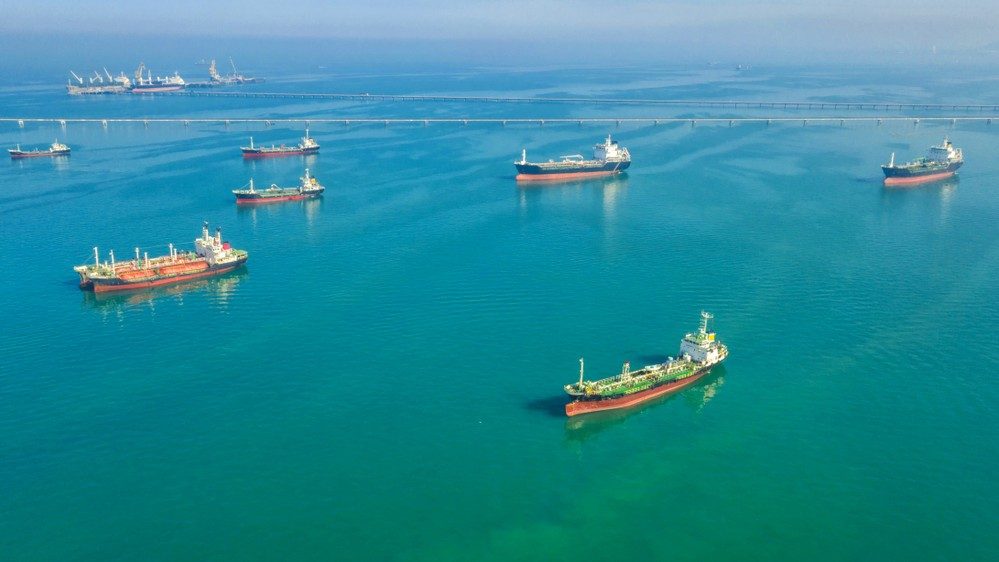
Tanker operators are halting transits through the Strait of Hormuz after Iranian forces targeted vessels, driving traffic to a two-month low and stoking supply fears during peak summer demand.
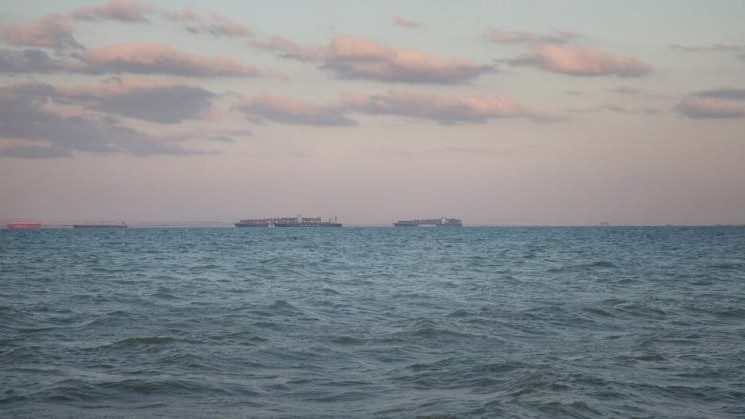
The Strait of Hormuz has effectively become a no-go zone for commercial oil tankers following the collapse of a ceasefire and the resumption of Iranian hostilities. Operators have all but ceased attempts to move vessels through the critical waterway over the past week as the risk of interception by Iranian forces escalates.
The paralysis in the shipping lanes was highlighted on Monday when the Kavomaleas, a Malta-flagged, Greece-managed oil products tanker, dropped anchor empty near the tip of Oman’s Musandam Peninsula. The vessel had been chartered to load a cargo of oil from within the Persian Gulf, according to tanker fixtures. However, the ship appeared to halt its journey before completing its pickup.
Bloomberg tracking data indicates the Kavomaleas switched off its automatic identification system on Sunday while in the Gulf of Oman, attempting to enter the Persian Gulf undetected. Turning off transponders—a practice known as dark mode—has become a common defensive tactic for vessels trying to avoid detection. However, the strategy is proving insufficient against Iranian patrols.
Iran’s Islamic Revolutionary Guard Corps Navy announced late last week that it intercepted four ships attempting dark transits through the strait. The Revolutionary Guards stated that two of those targeted vessels “were met with accidents and were stopped in their tracks.”
The physical dangers in the region were further underscored by a fresh alert from the United Kingdom Maritime Trade Operations on Monday. The agency reported receiving information from a verified source regarding a vessel on fire eight nautical miles northwest of Kumzar, Oman. “The cause of the fire has not been verified as this time,” the UKMTO said, advising vessels “to transit with caution and report any suspicious activity to UKMTO while authorities investigate.”
For energy markets, the sudden drop in transit volumes presents a severe supply risk precisely when global oil consumption enters its seasonal summer peak. Tanker traffic through Hormuz has now collapsed to a two-month low, immediately reigniting fears of physical supply shortages in the near term.
The disruption forces a difficult calculus for shipping executives and commodity traders. With the UKMTO warning of ongoing hazards while authorities investigate, charterers must now decide whether to absorb the costs and delays of routing around the Arabian Peninsula or risk losing a vessel and its cargo in the strait.