Kano’s rice boom signals shift from trading hub to agro-industrial powerhouse
Kano is beginning to leverage its agricultural base to build a new industrial economy, with expanding investments in rice production read more Kano’s rice boom signals shift from trading hub to agro-industrial powerhouse
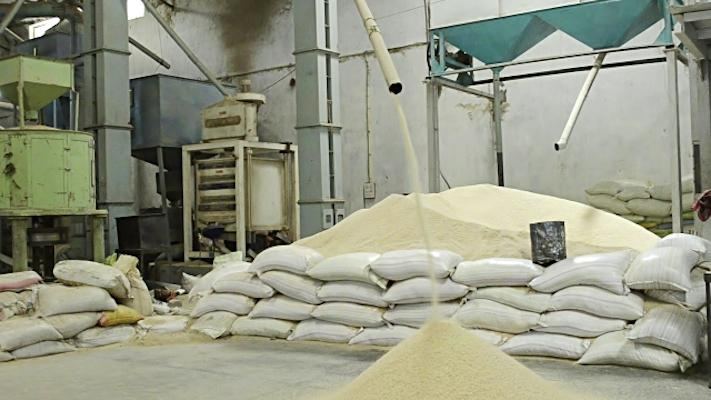
Kano is beginning to leverage its agricultural base to build a new industrial economy, with expanding investments in rice production and processing creating a value chain that could reposition the state beyond its traditional identity as Nigeria’s commercial hub. At the centre of the emerging agro-industrial push is the rapid expansion of rice processing, with major investments by companies such as Azman Rice Mill and Farms Limited, Umza Rice, Al-Hamsad Rice, BUA Rice Mill, Kura Brothers, Tiamin Rice, Crescent Rice Mill, GT Rice Mills and Supreme Rice Mills. The growing concentration of rice mills is strengthening the connection between Kano’s farmers and consumers, while creating opportunities for aggregators, transporters, equipment suppliers, processors, packaging companies, wholesalers and retailers. Azman Rice Mill and Farms Limited, an investment associated with Abdulmunaf Yunusa Sarina, founder of the Azman Group, is among the major investments underpinning the transformation. The facility was conceived as part of a multi-billion-naira investment in rice production and processing, with machinery sourced internationally. The investment covers different stages of the rice value chain, including the sourcing of locally produced paddy, processing and distribution of finished products. But the significance of Kano’s rice industry goes beyond the number of mills operating in the state. A Federal Government assessment previously identified Kano as having 11 of Nigeria’s 34 integrated rice mills, alongside 20 rice clusters, placing the state among the country’s most concentrated rice-processing locations. Read also: 17 communities face healthcare crisis in Edo as Sabongidda Ora General Hospital rot away The development is creating an industrial link between rural production and urban markets. Farmers produce paddy, aggregators move it to processing centres, mills convert it into marketable products, while transporters, packaging firms, distributors and retailers complete the chain before the products reach consumers. This means that increased rice production and processing can generate economic activity at several stages simultaneously, potentially widening the impact of agricultural investments on employment and household incomes. Kano’s advantage also lies in its established commercial infrastructure and large consumer market, which provide a ready platform for agricultural products to move from farms into domestic and regional markets. The state’s agricultural potential extends beyond rice, with farming, irrigation and livestock activities providing raw materials that could support wider agro-processing industries. However, unlocking the full potential of the sector will require sustained investment in irrigation, storage, rural roads, electricity, mechanisation, modern processing equipment and access to finance. The availability of reliable infrastructure is particularly important because agricultural production without adequate storage and processing capacity can expose farmers to post-harvest losses and weaken their bargaining power. For Kano, the opportunity is therefore to move further up the agricultural value chain, from producing commodities to processing, packaging and marketing finished products. Such a transition could deepen industrial activity in the state while reducing the extent to which Kano’s agricultural economy depends on the movement of unprocessed commodities. It could also strengthen the state’s role in Nigeria’s food-security strategy at a time when rising food demand is increasing the importance of domestic production and local processing. The emerging rice industry suggests that Kano’s long-established reputation as a centre of commerce is evolving. Rather than merely serving as a marketplace where agricultural commodities change hands, the state is increasingly becoming a place where agricultural products are produced, processed, packaged and distributed. The transformation could ultimately redefine Kano’s economic profile, from a traditional trading centre into a major northern agro-industrial hub. For investors, policymakers and farmers, the opportunity is increasingly clear: Kano’s farms are not only sources of raw materials; they are potential foundations for an industrial economy capable of creating jobs, supporting businesses and generating greater value from what the state produces. Related News 2028 Olympics: Eguavoen unfazed by Oshoala, Plumptre withdrawals ahead of Comoros clash Court strikes out Kyari defence witness’s evidence over repeated absence Man City punishment for Premier League financial breaches leaked Share
At the centre of the emerging agro-industrial push is the rapid expansion of rice processing, with major investments by companies such as Azman Rice Mill and Farms Limited, Umza Rice, Al-Hamsad Rice, BUA Rice Mill, Kura Brothers, Tiamin Rice, Crescent Rice Mill, GT Rice Mills and Supreme Rice Mills. The growing concentration of rice mills is strengthening the connection between Kano’s farmers and consumers, while creating opportunities for aggregators, transporters, equipment suppliers, processors, packaging companies, wholesalers and retailers. Azman Rice Mill and Farms Limited, an investment associated with Abdulmunaf Yunusa Sarina, founder of the Azman Group, is among the major investments underpinning the transformation. The facility was conceived as part of a multi-billion-naira investment in rice production and processing, with machinery sourced internationally. The investment covers different stages of the rice value chain, including the sourcing of locally produced paddy, processing and distribution of finished products. But the significance of Kano’s rice industry goes beyond the number of mills operating in the state. A Federal Government assessment previously identified Kano as having 11 of Nigeria’s 34 integrated rice mills, alongside 20 rice clusters, placing the state among the country’s most concentrated rice-processing locations. Read also: 17 communities face healthcare crisis in Edo as Sabongidda Ora General Hospital rot away The development is creating an industrial link between rural production and urban markets. Farmers produce paddy, aggregators move it to processing centres, mills convert it into marketable products, while transporters, packaging firms, distributors and retailers complete the chain before the products reach consumers. This means that increased rice production and processing can generate economic activity at several stages simultaneously, potentially widening the impact of agricultural investments on employment and household incomes. Kano’s advantage also lies in its established commercial infrastructure and large consumer market, which provide a ready platform for agricultural products to move from farms into domestic and regional markets. The state’s agricultural potential extends beyond rice, with farming, irrigation and livestock activities providing raw materials that could support wider agro-processing industries. However, unlocking the full potential of the sector will require sustained investment in irrigation, storage, rural roads, electricity, mechanisation, modern processing equipment and access to finance. The availability of reliable infrastructure is particularly important because agricultural production without adequate storage and processing capacity can expose farmers to post-harvest losses and weaken their bargaining power. For Kano, the opportunity is therefore to move further up the agricultural value chain, from producing commodities to processing, packaging and marketing finished products. Such a transition could deepen industrial activity in the state while reducing the extent to which Kano’s agricultural economy depends on the movement of unprocessed commodities. It could also strengthen the state’s role in Nigeria’s food-security strategy at a time when rising food demand is increasing the importance of domestic production and local processing. The emerging rice industry suggests that Kano’s long-established reputation as a centre of commerce is evolving. Rather than merely serving as a marketplace where agricultural commodities change hands, the state is increasingly becoming a place where agricultural products are produced, processed, packaged and distributed. The transformation could ultimately redefine Kano’s economic profile, from a traditional trading centre into a major northern agro-industrial hub. For investors, policymakers and farmers, the opportunity is increasingly clear: Kano’s farms are not only sources of raw materials; they are potential foundations for an industrial economy capable of creating jobs, supporting businesses and generating greater value from what the state produces. Related News 2028 Olympics: Eguavoen unfazed by Oshoala, Plumptre withdrawals ahead of Comoros clash Court strikes out Kyari defence witness’s evidence over repeated absence Man City punishment for Premier League financial breaches leaked Share
The growing concentration of rice mills is strengthening the connection between Kano’s farmers and consumers, while creating opportunities for aggregators, transporters, equipment suppliers, processors, packaging companies, wholesalers and retailers. Azman Rice Mill and Farms Limited, an investment associated with Abdulmunaf Yunusa Sarina, founder of the Azman Group, is among the major investments underpinning the transformation. The facility was conceived as part of a multi-billion-naira investment in rice production and processing, with machinery sourced internationally. The investment covers different stages of the rice value chain, including the sourcing of locally produced paddy, processing and distribution of finished products. But the significance of Kano’s rice industry goes beyond the number of mills operating in the state. A Federal Government assessment previously identified Kano as having 11 of Nigeria’s 34 integrated rice mills, alongside 20 rice clusters, placing the state among the country’s most concentrated rice-processing locations. Read also: 17 communities face healthcare crisis in Edo as Sabongidda Ora General Hospital rot away The development is creating an industrial link between rural production and urban markets. Farmers produce paddy, aggregators move it to processing centres, mills convert it into marketable products, while transporters, packaging firms, distributors and retailers complete the chain before the products reach consumers. This means that increased rice production and processing can generate economic activity at several stages simultaneously, potentially widening the impact of agricultural investments on employment and household incomes. Kano’s advantage also lies in its established commercial infrastructure and large consumer market, which provide a ready platform for agricultural products to move from farms into domestic and regional markets. The state’s agricultural potential extends beyond rice, with farming, irrigation and livestock activities providing raw materials that could support wider agro-processing industries. However, unlocking the full potential of the sector will require sustained investment in irrigation, storage, rural roads, electricity, mechanisation, modern processing equipment and access to finance. The availability of reliable infrastructure is particularly important because agricultural production without adequate storage and processing capacity can expose farmers to post-harvest losses and weaken their bargaining power. For Kano, the opportunity is therefore to move further up the agricultural value chain, from producing commodities to processing, packaging and marketing finished products. Such a transition could deepen industrial activity in the state while reducing the extent to which Kano’s agricultural economy depends on the movement of unprocessed commodities. It could also strengthen the state’s role in Nigeria’s food-security strategy at a time when rising food demand is increasing the importance of domestic production and local processing. The emerging rice industry suggests that Kano’s long-established reputation as a centre of commerce is evolving. Rather than merely serving as a marketplace where agricultural commodities change hands, the state is increasingly becoming a place where agricultural products are produced, processed, packaged and distributed. The transformation could ultimately redefine Kano’s economic profile, from a traditional trading centre into a major northern agro-industrial hub. For investors, policymakers and farmers, the opportunity is increasingly clear: Kano’s farms are not only sources of raw materials; they are potential foundations for an industrial economy capable of creating jobs, supporting businesses and generating greater value from what the state produces. Related News 2028 Olympics: Eguavoen unfazed by Oshoala, Plumptre withdrawals ahead of Comoros clash Court strikes out Kyari defence witness’s evidence over repeated absence Man City punishment for Premier League financial breaches leaked Share
Azman Rice Mill and Farms Limited, an investment associated with Abdulmunaf Yunusa Sarina, founder of the Azman Group, is among the major investments underpinning the transformation. The facility was conceived as part of a multi-billion-naira investment in rice production and processing, with machinery sourced internationally. The investment covers different stages of the rice value chain, including the sourcing of locally produced paddy, processing and distribution of finished products. But the significance of Kano’s rice industry goes beyond the number of mills operating in the state. A Federal Government assessment previously identified Kano as having 11 of Nigeria’s 34 integrated rice mills, alongside 20 rice clusters, placing the state among the country’s most concentrated rice-processing locations. Read also: 17 communities face healthcare crisis in Edo as Sabongidda Ora General Hospital rot away The development is creating an industrial link between rural production and urban markets. Farmers produce paddy, aggregators move it to processing centres, mills convert it into marketable products, while transporters, packaging firms, distributors and retailers complete the chain before the products reach consumers. This means that increased rice production and processing can generate economic activity at several stages simultaneously, potentially widening the impact of agricultural investments on employment and household incomes. Kano’s advantage also lies in its established commercial infrastructure and large consumer market, which provide a ready platform for agricultural products to move from farms into domestic and regional markets. The state’s agricultural potential extends beyond rice, with farming, irrigation and livestock activities providing raw materials that could support wider agro-processing industries. However, unlocking the full potential of the sector will require sustained investment in irrigation, storage, rural roads, electricity, mechanisation, modern processing equipment and access to finance. The availability of reliable infrastructure is particularly important because agricultural production without adequate storage and processing capacity can expose farmers to post-harvest losses and weaken their bargaining power. For Kano, the opportunity is therefore to move further up the agricultural value chain, from producing commodities to processing, packaging and marketing finished products. Such a transition could deepen industrial activity in the state while reducing the extent to which Kano’s agricultural economy depends on the movement of unprocessed commodities. It could also strengthen the state’s role in Nigeria’s food-security strategy at a time when rising food demand is increasing the importance of domestic production and local processing. The emerging rice industry suggests that Kano’s long-established reputation as a centre of commerce is evolving. Rather than merely serving as a marketplace where agricultural commodities change hands, the state is increasingly becoming a place where agricultural products are produced, processed, packaged and distributed. The transformation could ultimately redefine Kano’s economic profile, from a traditional trading centre into a major northern agro-industrial hub. For investors, policymakers and farmers, the opportunity is increasingly clear: Kano’s farms are not only sources of raw materials; they are potential foundations for an industrial economy capable of creating jobs, supporting businesses and generating greater value from what the state produces. Related News 2028 Olympics: Eguavoen unfazed by Oshoala, Plumptre withdrawals ahead of Comoros clash Court strikes out Kyari defence witness’s evidence over repeated absence Man City punishment for Premier League financial breaches leaked Share
The facility was conceived as part of a multi-billion-naira investment in rice production and processing, with machinery sourced internationally. The investment covers different stages of the rice value chain, including the sourcing of locally produced paddy, processing and distribution of finished products. But the significance of Kano’s rice industry goes beyond the number of mills operating in the state. A Federal Government assessment previously identified Kano as having 11 of Nigeria’s 34 integrated rice mills, alongside 20 rice clusters, placing the state among the country’s most concentrated rice-processing locations. Read also: 17 communities face healthcare crisis in Edo as Sabongidda Ora General Hospital rot away The development is creating an industrial link between rural production and urban markets. Farmers produce paddy, aggregators move it to processing centres, mills convert it into marketable products, while transporters, packaging firms, distributors and retailers complete the chain before the products reach consumers. This means that increased rice production and processing can generate economic activity at several stages simultaneously, potentially widening the impact of agricultural investments on employment and household incomes. Kano’s advantage also lies in its established commercial infrastructure and large consumer market, which provide a ready platform for agricultural products to move from farms into domestic and regional markets. The state’s agricultural potential extends beyond rice, with farming, irrigation and livestock activities providing raw materials that could support wider agro-processing industries. However, unlocking the full potential of the sector will require sustained investment in irrigation, storage, rural roads, electricity, mechanisation, modern processing equipment and access to finance. The availability of reliable infrastructure is particularly important because agricultural production without adequate storage and processing capacity can expose farmers to post-harvest losses and weaken their bargaining power. For Kano, the opportunity is therefore to move further up the agricultural value chain, from producing commodities to processing, packaging and marketing finished products. Such a transition could deepen industrial activity in the state while reducing the extent to which Kano’s agricultural economy depends on the movement of unprocessed commodities. It could also strengthen the state’s role in Nigeria’s food-security strategy at a time when rising food demand is increasing the importance of domestic production and local processing. The emerging rice industry suggests that Kano’s long-established reputation as a centre of commerce is evolving. Rather than merely serving as a marketplace where agricultural commodities change hands, the state is increasingly becoming a place where agricultural products are produced, processed, packaged and distributed. The transformation could ultimately redefine Kano’s economic profile, from a traditional trading centre into a major northern agro-industrial hub. For investors, policymakers and farmers, the opportunity is increasingly clear: Kano’s farms are not only sources of raw materials; they are potential foundations for an industrial economy capable of creating jobs, supporting businesses and generating greater value from what the state produces. Related News 2028 Olympics: Eguavoen unfazed by Oshoala, Plumptre withdrawals ahead of Comoros clash Court strikes out Kyari defence witness’s evidence over repeated absence Man City punishment for Premier League financial breaches leaked Share
But the significance of Kano’s rice industry goes beyond the number of mills operating in the state. A Federal Government assessment previously identified Kano as having 11 of Nigeria’s 34 integrated rice mills, alongside 20 rice clusters, placing the state among the country’s most concentrated rice-processing locations. Read also: 17 communities face healthcare crisis in Edo as Sabongidda Ora General Hospital rot away The development is creating an industrial link between rural production and urban markets. Farmers produce paddy, aggregators move it to processing centres, mills convert it into marketable products, while transporters, packaging firms, distributors and retailers complete the chain before the products reach consumers. This means that increased rice production and processing can generate economic activity at several stages simultaneously, potentially widening the impact of agricultural investments on employment and household incomes. Kano’s advantage also lies in its established commercial infrastructure and large consumer market, which provide a ready platform for agricultural products to move from farms into domestic and regional markets. The state’s agricultural potential extends beyond rice, with farming, irrigation and livestock activities providing raw materials that could support wider agro-processing industries. However, unlocking the full potential of the sector will require sustained investment in irrigation, storage, rural roads, electricity, mechanisation, modern processing equipment and access to finance. The availability of reliable infrastructure is particularly important because agricultural production without adequate storage and processing capacity can expose farmers to post-harvest losses and weaken their bargaining power. For Kano, the opportunity is therefore to move further up the agricultural value chain, from producing commodities to processing, packaging and marketing finished products. Such a transition could deepen industrial activity in the state while reducing the extent to which Kano’s agricultural economy depends on the movement of unprocessed commodities. It could also strengthen the state’s role in Nigeria’s food-security strategy at a time when rising food demand is increasing the importance of domestic production and local processing. The emerging rice industry suggests that Kano’s long-established reputation as a centre of commerce is evolving. Rather than merely serving as a marketplace where agricultural commodities change hands, the state is increasingly becoming a place where agricultural products are produced, processed, packaged and distributed. The transformation could ultimately redefine Kano’s economic profile, from a traditional trading centre into a major northern agro-industrial hub. For investors, policymakers and farmers, the opportunity is increasingly clear: Kano’s farms are not only sources of raw materials; they are potential foundations for an industrial economy capable of creating jobs, supporting businesses and generating greater value from what the state produces. Related News 2028 Olympics: Eguavoen unfazed by Oshoala, Plumptre withdrawals ahead of Comoros clash Court strikes out Kyari defence witness’s evidence over repeated absence Man City punishment for Premier League financial breaches leaked Share
A Federal Government assessment previously identified Kano as having 11 of Nigeria’s 34 integrated rice mills, alongside 20 rice clusters, placing the state among the country’s most concentrated rice-processing locations. Read also: 17 communities face healthcare crisis in Edo as Sabongidda Ora General Hospital rot away The development is creating an industrial link between rural production and urban markets. Farmers produce paddy, aggregators move it to processing centres, mills convert it into marketable products, while transporters, packaging firms, distributors and retailers complete the chain before the products reach consumers. This means that increased rice production and processing can generate economic activity at several stages simultaneously, potentially widening the impact of agricultural investments on employment and household incomes. Kano’s advantage also lies in its established commercial infrastructure and large consumer market, which provide a ready platform for agricultural products to move from farms into domestic and regional markets. The state’s agricultural potential extends beyond rice, with farming, irrigation and livestock activities providing raw materials that could support wider agro-processing industries. However, unlocking the full potential of the sector will require sustained investment in irrigation, storage, rural roads, electricity, mechanisation, modern processing equipment and access to finance. The availability of reliable infrastructure is particularly important because agricultural production without adequate storage and processing capacity can expose farmers to post-harvest losses and weaken their bargaining power. For Kano, the opportunity is therefore to move further up the agricultural value chain, from producing commodities to processing, packaging and marketing finished products. Such a transition could deepen industrial activity in the state while reducing the extent to which Kano’s agricultural economy depends on the movement of unprocessed commodities. It could also strengthen the state’s role in Nigeria’s food-security strategy at a time when rising food demand is increasing the importance of domestic production and local processing. The emerging rice industry suggests that Kano’s long-established reputation as a centre of commerce is evolving. Rather than merely serving as a marketplace where agricultural commodities change hands, the state is increasingly becoming a place where agricultural products are produced, processed, packaged and distributed. The transformation could ultimately redefine Kano’s economic profile, from a traditional trading centre into a major northern agro-industrial hub. For investors, policymakers and farmers, the opportunity is increasingly clear: Kano’s farms are not only sources of raw materials; they are potential foundations for an industrial economy capable of creating jobs, supporting businesses and generating greater value from what the state produces. Related News 2028 Olympics: Eguavoen unfazed by Oshoala, Plumptre withdrawals ahead of Comoros clash Court strikes out Kyari defence witness’s evidence over repeated absence Man City punishment for Premier League financial breaches leaked Share
Read also: 17 communities face healthcare crisis in Edo as Sabongidda Ora General Hospital rot away The development is creating an industrial link between rural production and urban markets. Farmers produce paddy, aggregators move it to processing centres, mills convert it into marketable products, while transporters, packaging firms, distributors and retailers complete the chain before the products reach consumers. This means that increased rice production and processing can generate economic activity at several stages simultaneously, potentially widening the impact of agricultural investments on employment and household incomes. Kano’s advantage also lies in its established commercial infrastructure and large consumer market, which provide a ready platform for agricultural products to move from farms into domestic and regional markets. The state’s agricultural potential extends beyond rice, with farming, irrigation and livestock activities providing raw materials that could support wider agro-processing industries. However, unlocking the full potential of the sector will require sustained investment in irrigation, storage, rural roads, electricity, mechanisation, modern processing equipment and access to finance. The availability of reliable infrastructure is particularly important because agricultural production without adequate storage and processing capacity can expose farmers to post-harvest losses and weaken their bargaining power. For Kano, the opportunity is therefore to move further up the agricultural value chain, from producing commodities to processing, packaging and marketing finished products. Such a transition could deepen industrial activity in the state while reducing the extent to which Kano’s agricultural economy depends on the movement of unprocessed commodities. It could also strengthen the state’s role in Nigeria’s food-security strategy at a time when rising food demand is increasing the importance of domestic production and local processing. The emerging rice industry suggests that Kano’s long-established reputation as a centre of commerce is evolving. Rather than merely serving as a marketplace where agricultural commodities change hands, the state is increasingly becoming a place where agricultural products are produced, processed, packaged and distributed. The transformation could ultimately redefine Kano’s economic profile, from a traditional trading centre into a major northern agro-industrial hub. For investors, policymakers and farmers, the opportunity is increasingly clear: Kano’s farms are not only sources of raw materials; they are potential foundations for an industrial economy capable of creating jobs, supporting businesses and generating greater value from what the state produces. Related News 2028 Olympics: Eguavoen unfazed by Oshoala, Plumptre withdrawals ahead of Comoros clash Court strikes out Kyari defence witness’s evidence over repeated absence Man City punishment for Premier League financial breaches leaked Share
The development is creating an industrial link between rural production and urban markets. Farmers produce paddy, aggregators move it to processing centres, mills convert it into marketable products, while transporters, packaging firms, distributors and retailers complete the chain before the products reach consumers. This means that increased rice production and processing can generate economic activity at several stages simultaneously, potentially widening the impact of agricultural investments on employment and household incomes. Kano’s advantage also lies in its established commercial infrastructure and large consumer market, which provide a ready platform for agricultural products to move from farms into domestic and regional markets. The state’s agricultural potential extends beyond rice, with farming, irrigation and livestock activities providing raw materials that could support wider agro-processing industries. However, unlocking the full potential of the sector will require sustained investment in irrigation, storage, rural roads, electricity, mechanisation, modern processing equipment and access to finance. The availability of reliable infrastructure is particularly important because agricultural production without adequate storage and processing capacity can expose farmers to post-harvest losses and weaken their bargaining power. For Kano, the opportunity is therefore to move further up the agricultural value chain, from producing commodities to processing, packaging and marketing finished products. Such a transition could deepen industrial activity in the state while reducing the extent to which Kano’s agricultural economy depends on the movement of unprocessed commodities. It could also strengthen the state’s role in Nigeria’s food-security strategy at a time when rising food demand is increasing the importance of domestic production and local processing. The emerging rice industry suggests that Kano’s long-established reputation as a centre of commerce is evolving. Rather than merely serving as a marketplace where agricultural commodities change hands, the state is increasingly becoming a place where agricultural products are produced, processed, packaged and distributed. The transformation could ultimately redefine Kano’s economic profile, from a traditional trading centre into a major northern agro-industrial hub. For investors, policymakers and farmers, the opportunity is increasingly clear: Kano’s farms are not only sources of raw materials; they are potential foundations for an industrial economy capable of creating jobs, supporting businesses and generating greater value from what the state produces. Related News 2028 Olympics: Eguavoen unfazed by Oshoala, Plumptre withdrawals ahead of Comoros clash Court strikes out Kyari defence witness’s evidence over repeated absence Man City punishment for Premier League financial breaches leaked Share
Farmers produce paddy, aggregators move it to processing centres, mills convert it into marketable products, while transporters, packaging firms, distributors and retailers complete the chain before the products reach consumers. This means that increased rice production and processing can generate economic activity at several stages simultaneously, potentially widening the impact of agricultural investments on employment and household incomes. Kano’s advantage also lies in its established commercial infrastructure and large consumer market, which provide a ready platform for agricultural products to move from farms into domestic and regional markets. The state’s agricultural potential extends beyond rice, with farming, irrigation and livestock activities providing raw materials that could support wider agro-processing industries. However, unlocking the full potential of the sector will require sustained investment in irrigation, storage, rural roads, electricity, mechanisation, modern processing equipment and access to finance. The availability of reliable infrastructure is particularly important because agricultural production without adequate storage and processing capacity can expose farmers to post-harvest losses and weaken their bargaining power. For Kano, the opportunity is therefore to move further up the agricultural value chain, from producing commodities to processing, packaging and marketing finished products. Such a transition could deepen industrial activity in the state while reducing the extent to which Kano’s agricultural economy depends on the movement of unprocessed commodities. It could also strengthen the state’s role in Nigeria’s food-security strategy at a time when rising food demand is increasing the importance of domestic production and local processing. The emerging rice industry suggests that Kano’s long-established reputation as a centre of commerce is evolving. Rather than merely serving as a marketplace where agricultural commodities change hands, the state is increasingly becoming a place where agricultural products are produced, processed, packaged and distributed. The transformation could ultimately redefine Kano’s economic profile, from a traditional trading centre into a major northern agro-industrial hub. For investors, policymakers and farmers, the opportunity is increasingly clear: Kano’s farms are not only sources of raw materials; they are potential foundations for an industrial economy capable of creating jobs, supporting businesses and generating greater value from what the state produces. Related News 2028 Olympics: Eguavoen unfazed by Oshoala, Plumptre withdrawals ahead of Comoros clash Court strikes out Kyari defence witness’s evidence over repeated absence Man City punishment for Premier League financial breaches leaked Share
This means that increased rice production and processing can generate economic activity at several stages simultaneously, potentially widening the impact of agricultural investments on employment and household incomes. Kano’s advantage also lies in its established commercial infrastructure and large consumer market, which provide a ready platform for agricultural products to move from farms into domestic and regional markets. The state’s agricultural potential extends beyond rice, with farming, irrigation and livestock activities providing raw materials that could support wider agro-processing industries. However, unlocking the full potential of the sector will require sustained investment in irrigation, storage, rural roads, electricity, mechanisation, modern processing equipment and access to finance. The availability of reliable infrastructure is particularly important because agricultural production without adequate storage and processing capacity can expose farmers to post-harvest losses and weaken their bargaining power. For Kano, the opportunity is therefore to move further up the agricultural value chain, from producing commodities to processing, packaging and marketing finished products. Such a transition could deepen industrial activity in the state while reducing the extent to which Kano’s agricultural economy depends on the movement of unprocessed commodities. It could also strengthen the state’s role in Nigeria’s food-security strategy at a time when rising food demand is increasing the importance of domestic production and local processing. The emerging rice industry suggests that Kano’s long-established reputation as a centre of commerce is evolving. Rather than merely serving as a marketplace where agricultural commodities change hands, the state is increasingly becoming a place where agricultural products are produced, processed, packaged and distributed. The transformation could ultimately redefine Kano’s economic profile, from a traditional trading centre into a major northern agro-industrial hub. For investors, policymakers and farmers, the opportunity is increasingly clear: Kano’s farms are not only sources of raw materials; they are potential foundations for an industrial economy capable of creating jobs, supporting businesses and generating greater value from what the state produces. Related News 2028 Olympics: Eguavoen unfazed by Oshoala, Plumptre withdrawals ahead of Comoros clash Court strikes out Kyari defence witness’s evidence over repeated absence Man City punishment for Premier League financial breaches leaked Share
Kano’s advantage also lies in its established commercial infrastructure and large consumer market, which provide a ready platform for agricultural products to move from farms into domestic and regional markets. The state’s agricultural potential extends beyond rice, with farming, irrigation and livestock activities providing raw materials that could support wider agro-processing industries. However, unlocking the full potential of the sector will require sustained investment in irrigation, storage, rural roads, electricity, mechanisation, modern processing equipment and access to finance. The availability of reliable infrastructure is particularly important because agricultural production without adequate storage and processing capacity can expose farmers to post-harvest losses and weaken their bargaining power. For Kano, the opportunity is therefore to move further up the agricultural value chain, from producing commodities to processing, packaging and marketing finished products. Such a transition could deepen industrial activity in the state while reducing the extent to which Kano’s agricultural economy depends on the movement of unprocessed commodities. It could also strengthen the state’s role in Nigeria’s food-security strategy at a time when rising food demand is increasing the importance of domestic production and local processing. The emerging rice industry suggests that Kano’s long-established reputation as a centre of commerce is evolving. Rather than merely serving as a marketplace where agricultural commodities change hands, the state is increasingly becoming a place where agricultural products are produced, processed, packaged and distributed. The transformation could ultimately redefine Kano’s economic profile, from a traditional trading centre into a major northern agro-industrial hub. For investors, policymakers and farmers, the opportunity is increasingly clear: Kano’s farms are not only sources of raw materials; they are potential foundations for an industrial economy capable of creating jobs, supporting businesses and generating greater value from what the state produces. Related News 2028 Olympics: Eguavoen unfazed by Oshoala, Plumptre withdrawals ahead of Comoros clash Court strikes out Kyari defence witness’s evidence over repeated absence Man City punishment for Premier League financial breaches leaked Share
The state’s agricultural potential extends beyond rice, with farming, irrigation and livestock activities providing raw materials that could support wider agro-processing industries. However, unlocking the full potential of the sector will require sustained investment in irrigation, storage, rural roads, electricity, mechanisation, modern processing equipment and access to finance. The availability of reliable infrastructure is particularly important because agricultural production without adequate storage and processing capacity can expose farmers to post-harvest losses and weaken their bargaining power. For Kano, the opportunity is therefore to move further up the agricultural value chain, from producing commodities to processing, packaging and marketing finished products. Such a transition could deepen industrial activity in the state while reducing the extent to which Kano’s agricultural economy depends on the movement of unprocessed commodities. It could also strengthen the state’s role in Nigeria’s food-security strategy at a time when rising food demand is increasing the importance of domestic production and local processing. The emerging rice industry suggests that Kano’s long-established reputation as a centre of commerce is evolving. Rather than merely serving as a marketplace where agricultural commodities change hands, the state is increasingly becoming a place where agricultural products are produced, processed, packaged and distributed. The transformation could ultimately redefine Kano’s economic profile, from a traditional trading centre into a major northern agro-industrial hub. For investors, policymakers and farmers, the opportunity is increasingly clear: Kano’s farms are not only sources of raw materials; they are potential foundations for an industrial economy capable of creating jobs, supporting businesses and generating greater value from what the state produces. Related News 2028 Olympics: Eguavoen unfazed by Oshoala, Plumptre withdrawals ahead of Comoros clash Court strikes out Kyari defence witness’s evidence over repeated absence Man City punishment for Premier League financial breaches leaked Share
However, unlocking the full potential of the sector will require sustained investment in irrigation, storage, rural roads, electricity, mechanisation, modern processing equipment and access to finance. The availability of reliable infrastructure is particularly important because agricultural production without adequate storage and processing capacity can expose farmers to post-harvest losses and weaken their bargaining power. For Kano, the opportunity is therefore to move further up the agricultural value chain, from producing commodities to processing, packaging and marketing finished products. Such a transition could deepen industrial activity in the state while reducing the extent to which Kano’s agricultural economy depends on the movement of unprocessed commodities. It could also strengthen the state’s role in Nigeria’s food-security strategy at a time when rising food demand is increasing the importance of domestic production and local processing. The emerging rice industry suggests that Kano’s long-established reputation as a centre of commerce is evolving. Rather than merely serving as a marketplace where agricultural commodities change hands, the state is increasingly becoming a place where agricultural products are produced, processed, packaged and distributed. The transformation could ultimately redefine Kano’s economic profile, from a traditional trading centre into a major northern agro-industrial hub. For investors, policymakers and farmers, the opportunity is increasingly clear: Kano’s farms are not only sources of raw materials; they are potential foundations for an industrial economy capable of creating jobs, supporting businesses and generating greater value from what the state produces. Related News 2028 Olympics: Eguavoen unfazed by Oshoala, Plumptre withdrawals ahead of Comoros clash Court strikes out Kyari defence witness’s evidence over repeated absence Man City punishment for Premier League financial breaches leaked Share
The availability of reliable infrastructure is particularly important because agricultural production without adequate storage and processing capacity can expose farmers to post-harvest losses and weaken their bargaining power. For Kano, the opportunity is therefore to move further up the agricultural value chain, from producing commodities to processing, packaging and marketing finished products. Such a transition could deepen industrial activity in the state while reducing the extent to which Kano’s agricultural economy depends on the movement of unprocessed commodities. It could also strengthen the state’s role in Nigeria’s food-security strategy at a time when rising food demand is increasing the importance of domestic production and local processing. The emerging rice industry suggests that Kano’s long-established reputation as a centre of commerce is evolving. Rather than merely serving as a marketplace where agricultural commodities change hands, the state is increasingly becoming a place where agricultural products are produced, processed, packaged and distributed. The transformation could ultimately redefine Kano’s economic profile, from a traditional trading centre into a major northern agro-industrial hub. For investors, policymakers and farmers, the opportunity is increasingly clear: Kano’s farms are not only sources of raw materials; they are potential foundations for an industrial economy capable of creating jobs, supporting businesses and generating greater value from what the state produces. Related News 2028 Olympics: Eguavoen unfazed by Oshoala, Plumptre withdrawals ahead of Comoros clash Court strikes out Kyari defence witness’s evidence over repeated absence Man City punishment for Premier League financial breaches leaked Share
For Kano, the opportunity is therefore to move further up the agricultural value chain, from producing commodities to processing, packaging and marketing finished products. Such a transition could deepen industrial activity in the state while reducing the extent to which Kano’s agricultural economy depends on the movement of unprocessed commodities. It could also strengthen the state’s role in Nigeria’s food-security strategy at a time when rising food demand is increasing the importance of domestic production and local processing. The emerging rice industry suggests that Kano’s long-established reputation as a centre of commerce is evolving. Rather than merely serving as a marketplace where agricultural commodities change hands, the state is increasingly becoming a place where agricultural products are produced, processed, packaged and distributed. The transformation could ultimately redefine Kano’s economic profile, from a traditional trading centre into a major northern agro-industrial hub. For investors, policymakers and farmers, the opportunity is increasingly clear: Kano’s farms are not only sources of raw materials; they are potential foundations for an industrial economy capable of creating jobs, supporting businesses and generating greater value from what the state produces. Related News 2028 Olympics: Eguavoen unfazed by Oshoala, Plumptre withdrawals ahead of Comoros clash Court strikes out Kyari defence witness’s evidence over repeated absence Man City punishment for Premier League financial breaches leaked Share
Such a transition could deepen industrial activity in the state while reducing the extent to which Kano’s agricultural economy depends on the movement of unprocessed commodities. It could also strengthen the state’s role in Nigeria’s food-security strategy at a time when rising food demand is increasing the importance of domestic production and local processing. The emerging rice industry suggests that Kano’s long-established reputation as a centre of commerce is evolving. Rather than merely serving as a marketplace where agricultural commodities change hands, the state is increasingly becoming a place where agricultural products are produced, processed, packaged and distributed. The transformation could ultimately redefine Kano’s economic profile, from a traditional trading centre into a major northern agro-industrial hub. For investors, policymakers and farmers, the opportunity is increasingly clear: Kano’s farms are not only sources of raw materials; they are potential foundations for an industrial economy capable of creating jobs, supporting businesses and generating greater value from what the state produces. Related News 2028 Olympics: Eguavoen unfazed by Oshoala, Plumptre withdrawals ahead of Comoros clash Court strikes out Kyari defence witness’s evidence over repeated absence Man City punishment for Premier League financial breaches leaked Share
It could also strengthen the state’s role in Nigeria’s food-security strategy at a time when rising food demand is increasing the importance of domestic production and local processing. The emerging rice industry suggests that Kano’s long-established reputation as a centre of commerce is evolving. Rather than merely serving as a marketplace where agricultural commodities change hands, the state is increasingly becoming a place where agricultural products are produced, processed, packaged and distributed. The transformation could ultimately redefine Kano’s economic profile, from a traditional trading centre into a major northern agro-industrial hub. For investors, policymakers and farmers, the opportunity is increasingly clear: Kano’s farms are not only sources of raw materials; they are potential foundations for an industrial economy capable of creating jobs, supporting businesses and generating greater value from what the state produces. Related News 2028 Olympics: Eguavoen unfazed by Oshoala, Plumptre withdrawals ahead of Comoros clash Court strikes out Kyari defence witness’s evidence over repeated absence Man City punishment for Premier League financial breaches leaked Share
The emerging rice industry suggests that Kano’s long-established reputation as a centre of commerce is evolving. Rather than merely serving as a marketplace where agricultural commodities change hands, the state is increasingly becoming a place where agricultural products are produced, processed, packaged and distributed. The transformation could ultimately redefine Kano’s economic profile, from a traditional trading centre into a major northern agro-industrial hub. For investors, policymakers and farmers, the opportunity is increasingly clear: Kano’s farms are not only sources of raw materials; they are potential foundations for an industrial economy capable of creating jobs, supporting businesses and generating greater value from what the state produces. Related News 2028 Olympics: Eguavoen unfazed by Oshoala, Plumptre withdrawals ahead of Comoros clash Court strikes out Kyari defence witness’s evidence over repeated absence Man City punishment for Premier League financial breaches leaked Share
Rather than merely serving as a marketplace where agricultural commodities change hands, the state is increasingly becoming a place where agricultural products are produced, processed, packaged and distributed. The transformation could ultimately redefine Kano’s economic profile, from a traditional trading centre into a major northern agro-industrial hub. For investors, policymakers and farmers, the opportunity is increasingly clear: Kano’s farms are not only sources of raw materials; they are potential foundations for an industrial economy capable of creating jobs, supporting businesses and generating greater value from what the state produces. Related News 2028 Olympics: Eguavoen unfazed by Oshoala, Plumptre withdrawals ahead of Comoros clash Court strikes out Kyari defence witness’s evidence over repeated absence Man City punishment for Premier League financial breaches leaked Share
The transformation could ultimately redefine Kano’s economic profile, from a traditional trading centre into a major northern agro-industrial hub. For investors, policymakers and farmers, the opportunity is increasingly clear: Kano’s farms are not only sources of raw materials; they are potential foundations for an industrial economy capable of creating jobs, supporting businesses and generating greater value from what the state produces. Related News 2028 Olympics: Eguavoen unfazed by Oshoala, Plumptre withdrawals ahead of Comoros clash Court strikes out Kyari defence witness’s evidence over repeated absence Man City punishment for Premier League financial breaches leaked Share
For investors, policymakers and farmers, the opportunity is increasingly clear: Kano’s farms are not only sources of raw materials; they are potential foundations for an industrial economy capable of creating jobs, supporting businesses and generating greater value from what the state produces. Related News 2028 Olympics: Eguavoen unfazed by Oshoala, Plumptre withdrawals ahead of Comoros clash Court strikes out Kyari defence witness’s evidence over repeated absence Man City punishment for Premier League financial breaches leaked Share