Africa’s currency recovery reverses as more currencies weaken in September
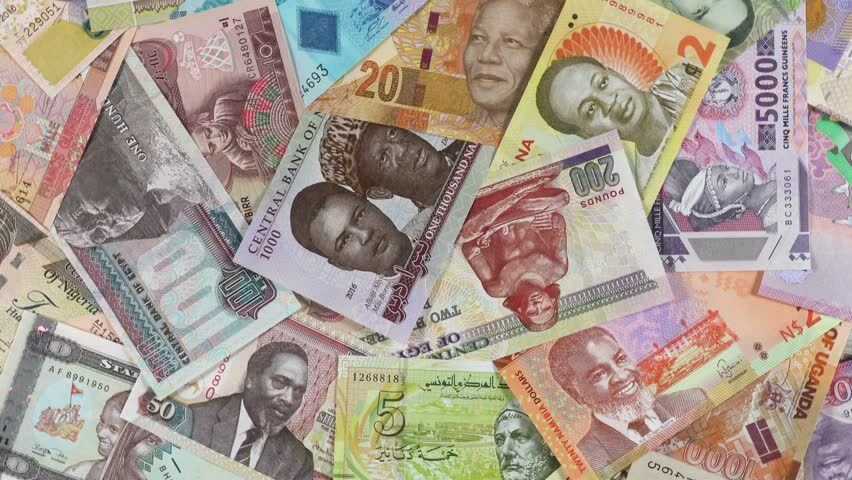
Africa’s currency recovery reversed sharply in September as 12 of the 17 major currencies tracked weakened against the US dollar, read more Africa’s currency recovery reverses as more currencies weaken in September
Africa’s currency recovery reversed sharply in September as 12 of the 17 major currencies tracked weakened against the US dollar, compared with just four in August, as a stronger dollar and rising oil prices renewed pressure on foreign exchange markets. The reversal marks a significant change from the broad-based improvement recorded in August, when 13 of the 17 currencies appreciated against the dollar, according to data compiled by real-time trading platform African Markets. Read also: Here are 13 African currencies that beat the dollar in August despite renewed Iran tensions The September deterioration also comes after a relatively strong performance by African currencies in 2025, when a weaker US dollar and improved domestic conditions supported gains across much of the continent. The African Development Bank said 28 African currencies appreciated against the dollar between January and December 2025, while 21 depreciated. The US Dollar Index fell about 6.5 percent during the year, largely because of increased economic policy uncertainty in the United States. The Ghanaian cedi, for example, appreciated 13 percent in 2025, supported by increased foreign exchange inflows from strong gold and cocoa prices. But some currencies continued to weaken, including the Zimbabwean dollar, Egyptian pound, Sudanese pound and Nigerian naira, although the pace of depreciation slowed in several cases. That broader history makes the September reversal more significant. African currencies are now facing a markedly different external environment, with the dollar strengthening at the same time that global oil prices have risen sharply. Brent crude rose from $94.65 per barrel on September 1 to $103.50 by September 30, a 9 percent increase, as the US-Iran conflict raised concerns about potential disruptions to supplies through the Strait of Hormuz. Read also: Here are the seven African currencies that outperformed the dollar in July For Africa’s oil-importing economies, higher crude prices increase the cost of fuel and other imports, raising demand for dollars and putting pressure on local currencies. The stronger dollar adds to the strain by increasing the local-currency cost of dollar-denominated imports and external debt. The Federal Reserve’s rate increase during the month further strengthened the dollar and tightened global financial conditions, adding to the pressure on emerging and frontier-market currencies. Oil shock threatens inflation gains The currency reversal is occurring alongside a broadening disinflation trend in Africa, creating a new challenge for policymakers. Nine of the 16 economies tracked recorded lower annual inflation in August than in July, compared with eight in July. But the renewed surge in oil prices above $100 a barrel threatens to reverse some of those gains by increasing transport, energy and food costs. The World Bank warned that inflation risks remain tilted to the upside. “Looking ahead, inflation risks remain tilted to the upside. A renewed escalation of geopolitical tensions in the Middle East could raise energy and food prices and heighten exchange rate risks, with the largest effects likely in countries characterized by weak currencies, limited reserve buffers, and high import dependence,” the World Bank said. The warning is particularly relevant as the latest currency movements show that the impact of the external shock is already becoming more pronounced in several African markets. In its latest Africa Economic Update, the World Bank noted that the escalation of the Middle East conflict initially placed broad-based pressure on African currencies. “Most countries with available daily exchange rate data recorded currency depreciations during the second quarter of 2026 relative to end-February, before the conflict intensified. In seven of the 22 countries monitored (excluding the CFA franc zone), the maximum depreciation exceeded 5 percent, including in the Democratic Republic of Congo, Ghana, the Seychelles, and South Africa.” Read also: Four African currencies that outperformed in the first half of 2026 By the end of August, however, much of that pressure had eased, with only 10 currencies remaining weaker than their end-February levels. The World Bank attributed the different outcomes to the interaction between global shocks and domestic vulnerabilities. Higher energy prices increased import bills and dollar demand in net energy-importing countries, while geopolitical uncertainty encouraged investors to move capital towards safer assets. Countries with limited foreign exchange buffers and high external financing needs faced greater pressure, while commodity exporters were better positioned to absorb the shock. September exposes different levels of resilience The sharpest September decline was recorded by Uganda’s shilling, which fell 4.51 percent from 3,718.79 per dollar at the beginning of the month to 3,894.59 by month-end. The Moroccan dirham followed with a 3.81 percent decline despite strong tourism receipts and sizeable foreign exchange reserves. Morocco welcomed nearly 9.4 million visitors in the first half of 2026, while travel receipts increased 15.9 percent to 64.9 billion dirhams. Ghana’s cedi weakened 3.75 percent, reversing part of its 3.72 percent gain in August. The reversal illustrates how quickly currency gains can disappear when foreign exchange supply comes under pressure. The Bank of Ghana had prioritised rebuilding reserves, while disruptions to gold shipments by state buyer GoldBod affected an important source of foreign exchange. Zambia’s kwacha fell 3 percent as higher oil prices increased pressure on its import bill. The country subsequently approved a roughly 24 percent increase in petrol and diesel prices, citing higher global oil prices, the weaker kwacha and the reinstatement of fuel excise duties. The CFA franc declined 2.17 percent, largely reflecting the weakness of the euro, to which it is pegged. The euro fell about 2.5 percent against the dollar during September. The Botswana pula and Egyptian pound each weakened 2.11 percent, while Tunisia’s dinar declined 2.02 percent despite stronger tourism and remittance inflows. South Africa’s rand fell 1.64 percent as higher oil prices increased concerns about the country’s import bill and weaker precious-metal prices threatened export earnings. The Namibian dollar, which is linked to the rand through the Common Monetary Area, declined 1.58 percent, while the Mauritian rupee fell 1.43 percent. Tanzania’s shilling was the most resilient among the currencies that weakened, losing just 0.34 percent. Naira bucks the reversal The September reversal was not universal. Nigeria’s naira gained 0.25 percent during the month, supported by stronger foreign exchange liquidity and improved external buffers. Nigeria’s reserves climbed above $54 billion during September, reaching $54.60 billion by mid-month. Higher oil receipts, improved dollar liquidity and foreign portfolio inflows supported the currency. Second-quarter remittances also rose to $5.82 billion, helping push the current account surplus to $7.54 billion. Zimbabwe’s ZiG was the strongest performer, gaining 0.48 percent, while the Malawian kwacha rose 0.23 percent and the Kenyan shilling gained 0.16 percent. Kenya benefited from strong diaspora remittances, which rose to about $451.8 million in August from $436.6 million in July. The inflows helped offset some of the pressure from higher oil import costs. The Rwandan franc was virtually unchanged. The contrasting performances reinforce the World Bank’s assessment that the impact of global shocks across Africa is uneven. Energy importers with weak external positions remain more vulnerable, while countries with strong commodity export earnings or larger foreign exchange buffers have greater capacity to absorb external pressure. The September reversal therefore represents more than a rise in the number of currencies losing value. It marks a sharp change in direction from August, when only four currencies depreciated and 13 gained. It also highlights the limits of the currency gains recorded over the past year. African currencies benefited in 2025 from a weaker dollar and improving domestic conditions, but September shows that those gains remain vulnerable to global shocks. The number of depreciating currencies in September was the same as in June, at 12. But the more significant comparison is with August, when only four currencies weakened. The shift from four decliners to 12 in a single month underscores how quickly Africa’s currency recovery can reverse when oil prices rise, the dollar strengthens and global investors become more risk-averse. Related News IFC takes 6.5% stake in Quickmart through KSh15bn IPO World Bank warns of election risks, lifts growth forecast to 4.3% Dangote IPO widens African reach as Uganda joins regional investors Faith Omoboye Faith Omoboye is a foreign affairs correspondent with background in History and International relations. Her work focuses on African politics, diplomacy, and global governance. Share
The reversal marks a significant change from the broad-based improvement recorded in August, when 13 of the 17 currencies appreciated against the dollar, according to data compiled by real-time trading platform African Markets. Read also: Here are 13 African currencies that beat the dollar in August despite renewed Iran tensions The September deterioration also comes after a relatively strong performance by African currencies in 2025, when a weaker US dollar and improved domestic conditions supported gains across much of the continent. The African Development Bank said 28 African currencies appreciated against the dollar between January and December 2025, while 21 depreciated. The US Dollar Index fell about 6.5 percent during the year, largely because of increased economic policy uncertainty in the United States. The Ghanaian cedi, for example, appreciated 13 percent in 2025, supported by increased foreign exchange inflows from strong gold and cocoa prices. But some currencies continued to weaken, including the Zimbabwean dollar, Egyptian pound, Sudanese pound and Nigerian naira, although the pace of depreciation slowed in several cases. That broader history makes the September reversal more significant. African currencies are now facing a markedly different external environment, with the dollar strengthening at the same time that global oil prices have risen sharply. Brent crude rose from $94.65 per barrel on September 1 to $103.50 by September 30, a 9 percent increase, as the US-Iran conflict raised concerns about potential disruptions to supplies through the Strait of Hormuz. Read also: Here are the seven African currencies that outperformed the dollar in July For Africa’s oil-importing economies, higher crude prices increase the cost of fuel and other imports, raising demand for dollars and putting pressure on local currencies. The stronger dollar adds to the strain by increasing the local-currency cost of dollar-denominated imports and external debt. The Federal Reserve’s rate increase during the month further strengthened the dollar and tightened global financial conditions, adding to the pressure on emerging and frontier-market currencies. Oil shock threatens inflation gains The currency reversal is occurring alongside a broadening disinflation trend in Africa, creating a new challenge for policymakers. Nine of the 16 economies tracked recorded lower annual inflation in August than in July, compared with eight in July. But the renewed surge in oil prices above $100 a barrel threatens to reverse some of those gains by increasing transport, energy and food costs. The World Bank warned that inflation risks remain tilted to the upside. “Looking ahead, inflation risks remain tilted to the upside. A renewed escalation of geopolitical tensions in the Middle East could raise energy and food prices and heighten exchange rate risks, with the largest effects likely in countries characterized by weak currencies, limited reserve buffers, and high import dependence,” the World Bank said. The warning is particularly relevant as the latest currency movements show that the impact of the external shock is already becoming more pronounced in several African markets. In its latest Africa Economic Update, the World Bank noted that the escalation of the Middle East conflict initially placed broad-based pressure on African currencies. “Most countries with available daily exchange rate data recorded currency depreciations during the second quarter of 2026 relative to end-February, before the conflict intensified. In seven of the 22 countries monitored (excluding the CFA franc zone), the maximum depreciation exceeded 5 percent, including in the Democratic Republic of Congo, Ghana, the Seychelles, and South Africa.” Read also: Four African currencies that outperformed in the first half of 2026 By the end of August, however, much of that pressure had eased, with only 10 currencies remaining weaker than their end-February levels. The World Bank attributed the different outcomes to the interaction between global shocks and domestic vulnerabilities. Higher energy prices increased import bills and dollar demand in net energy-importing countries, while geopolitical uncertainty encouraged investors to move capital towards safer assets. Countries with limited foreign exchange buffers and high external financing needs faced greater pressure, while commodity exporters were better positioned to absorb the shock. September exposes different levels of resilience The sharpest September decline was recorded by Uganda’s shilling, which fell 4.51 percent from 3,718.79 per dollar at the beginning of the month to 3,894.59 by month-end. The Moroccan dirham followed with a 3.81 percent decline despite strong tourism receipts and sizeable foreign exchange reserves. Morocco welcomed nearly 9.4 million visitors in the first half of 2026, while travel receipts increased 15.9 percent to 64.9 billion dirhams. Ghana’s cedi weakened 3.75 percent, reversing part of its 3.72 percent gain in August. The reversal illustrates how quickly currency gains can disappear when foreign exchange supply comes under pressure. The Bank of Ghana had prioritised rebuilding reserves, while disruptions to gold shipments by state buyer GoldBod affected an important source of foreign exchange. Zambia’s kwacha fell 3 percent as higher oil prices increased pressure on its import bill. The country subsequently approved a roughly 24 percent increase in petrol and diesel prices, citing higher global oil prices, the weaker kwacha and the reinstatement of fuel excise duties. The CFA franc declined 2.17 percent, largely reflecting the weakness of the euro, to which it is pegged. The euro fell about 2.5 percent against the dollar during September. The Botswana pula and Egyptian pound each weakened 2.11 percent, while Tunisia’s dinar declined 2.02 percent despite stronger tourism and remittance inflows. South Africa’s rand fell 1.64 percent as higher oil prices increased concerns about the country’s import bill and weaker precious-metal prices threatened export earnings. The Namibian dollar, which is linked to the rand through the Common Monetary Area, declined 1.58 percent, while the Mauritian rupee fell 1.43 percent. Tanzania’s shilling was the most resilient among the currencies that weakened, losing just 0.34 percent. Naira bucks the reversal The September reversal was not universal. Nigeria’s naira gained 0.25 percent during the month, supported by stronger foreign exchange liquidity and improved external buffers. Nigeria’s reserves climbed above $54 billion during September, reaching $54.60 billion by mid-month. Higher oil receipts, improved dollar liquidity and foreign portfolio inflows supported the currency. Second-quarter remittances also rose to $5.82 billion, helping push the current account surplus to $7.54 billion. Zimbabwe’s ZiG was the strongest performer, gaining 0.48 percent, while the Malawian kwacha rose 0.23 percent and the Kenyan shilling gained 0.16 percent. Kenya benefited from strong diaspora remittances, which rose to about $451.8 million in August from $436.6 million in July. The inflows helped offset some of the pressure from higher oil import costs. The Rwandan franc was virtually unchanged. The contrasting performances reinforce the World Bank’s assessment that the impact of global shocks across Africa is uneven. Energy importers with weak external positions remain more vulnerable, while countries with strong commodity export earnings or larger foreign exchange buffers have greater capacity to absorb external pressure. The September reversal therefore represents more than a rise in the number of currencies losing value. It marks a sharp change in direction from August, when only four currencies depreciated and 13 gained. It also highlights the limits of the currency gains recorded over the past year. African currencies benefited in 2025 from a weaker dollar and improving domestic conditions, but September shows that those gains remain vulnerable to global shocks. The number of depreciating currencies in September was the same as in June, at 12. But the more significant comparison is with August, when only four currencies weakened. The shift from four decliners to 12 in a single month underscores how quickly Africa’s currency recovery can reverse when oil prices rise, the dollar strengthens and global investors become more risk-averse. Related News IFC takes 6.5% stake in Quickmart through KSh15bn IPO World Bank warns of election risks, lifts growth forecast to 4.3% Dangote IPO widens African reach as Uganda joins regional investors Faith Omoboye Faith Omoboye is a foreign affairs correspondent with background in History and International relations. Her work focuses on African politics, diplomacy, and global governance. Share
Read also: Here are 13 African currencies that beat the dollar in August despite renewed Iran tensions The September deterioration also comes after a relatively strong performance by African currencies in 2025, when a weaker US dollar and improved domestic conditions supported gains across much of the continent. The African Development Bank said 28 African currencies appreciated against the dollar between January and December 2025, while 21 depreciated. The US Dollar Index fell about 6.5 percent during the year, largely because of increased economic policy uncertainty in the United States. The Ghanaian cedi, for example, appreciated 13 percent in 2025, supported by increased foreign exchange inflows from strong gold and cocoa prices. But some currencies continued to weaken, including the Zimbabwean dollar, Egyptian pound, Sudanese pound and Nigerian naira, although the pace of depreciation slowed in several cases. That broader history makes the September reversal more significant. African currencies are now facing a markedly different external environment, with the dollar strengthening at the same time that global oil prices have risen sharply. Brent crude rose from $94.65 per barrel on September 1 to $103.50 by September 30, a 9 percent increase, as the US-Iran conflict raised concerns about potential disruptions to supplies through the Strait of Hormuz. Read also: Here are the seven African currencies that outperformed the dollar in July For Africa’s oil-importing economies, higher crude prices increase the cost of fuel and other imports, raising demand for dollars and putting pressure on local currencies. The stronger dollar adds to the strain by increasing the local-currency cost of dollar-denominated imports and external debt. The Federal Reserve’s rate increase during the month further strengthened the dollar and tightened global financial conditions, adding to the pressure on emerging and frontier-market currencies. Oil shock threatens inflation gains The currency reversal is occurring alongside a broadening disinflation trend in Africa, creating a new challenge for policymakers. Nine of the 16 economies tracked recorded lower annual inflation in August than in July, compared with eight in July. But the renewed surge in oil prices above $100 a barrel threatens to reverse some of those gains by increasing transport, energy and food costs. The World Bank warned that inflation risks remain tilted to the upside. “Looking ahead, inflation risks remain tilted to the upside. A renewed escalation of geopolitical tensions in the Middle East could raise energy and food prices and heighten exchange rate risks, with the largest effects likely in countries characterized by weak currencies, limited reserve buffers, and high import dependence,” the World Bank said. The warning is particularly relevant as the latest currency movements show that the impact of the external shock is already becoming more pronounced in several African markets. In its latest Africa Economic Update, the World Bank noted that the escalation of the Middle East conflict initially placed broad-based pressure on African currencies. “Most countries with available daily exchange rate data recorded currency depreciations during the second quarter of 2026 relative to end-February, before the conflict intensified. In seven of the 22 countries monitored (excluding the CFA franc zone), the maximum depreciation exceeded 5 percent, including in the Democratic Republic of Congo, Ghana, the Seychelles, and South Africa.” Read also: Four African currencies that outperformed in the first half of 2026 By the end of August, however, much of that pressure had eased, with only 10 currencies remaining weaker than their end-February levels. The World Bank attributed the different outcomes to the interaction between global shocks and domestic vulnerabilities. Higher energy prices increased import bills and dollar demand in net energy-importing countries, while geopolitical uncertainty encouraged investors to move capital towards safer assets. Countries with limited foreign exchange buffers and high external financing needs faced greater pressure, while commodity exporters were better positioned to absorb the shock. September exposes different levels of resilience The sharpest September decline was recorded by Uganda’s shilling, which fell 4.51 percent from 3,718.79 per dollar at the beginning of the month to 3,894.59 by month-end. The Moroccan dirham followed with a 3.81 percent decline despite strong tourism receipts and sizeable foreign exchange reserves. Morocco welcomed nearly 9.4 million visitors in the first half of 2026, while travel receipts increased 15.9 percent to 64.9 billion dirhams. Ghana’s cedi weakened 3.75 percent, reversing part of its 3.72 percent gain in August. The reversal illustrates how quickly currency gains can disappear when foreign exchange supply comes under pressure. The Bank of Ghana had prioritised rebuilding reserves, while disruptions to gold shipments by state buyer GoldBod affected an important source of foreign exchange. Zambia’s kwacha fell 3 percent as higher oil prices increased pressure on its import bill. The country subsequently approved a roughly 24 percent increase in petrol and diesel prices, citing higher global oil prices, the weaker kwacha and the reinstatement of fuel excise duties. The CFA franc declined 2.17 percent, largely reflecting the weakness of the euro, to which it is pegged. The euro fell about 2.5 percent against the dollar during September. The Botswana pula and Egyptian pound each weakened 2.11 percent, while Tunisia’s dinar declined 2.02 percent despite stronger tourism and remittance inflows. South Africa’s rand fell 1.64 percent as higher oil prices increased concerns about the country’s import bill and weaker precious-metal prices threatened export earnings. The Namibian dollar, which is linked to the rand through the Common Monetary Area, declined 1.58 percent, while the Mauritian rupee fell 1.43 percent. Tanzania’s shilling was the most resilient among the currencies that weakened, losing just 0.34 percent. Naira bucks the reversal The September reversal was not universal. Nigeria’s naira gained 0.25 percent during the month, supported by stronger foreign exchange liquidity and improved external buffers. Nigeria’s reserves climbed above $54 billion during September, reaching $54.60 billion by mid-month. Higher oil receipts, improved dollar liquidity and foreign portfolio inflows supported the currency. Second-quarter remittances also rose to $5.82 billion, helping push the current account surplus to $7.54 billion. Zimbabwe’s ZiG was the strongest performer, gaining 0.48 percent, while the Malawian kwacha rose 0.23 percent and the Kenyan shilling gained 0.16 percent. Kenya benefited from strong diaspora remittances, which rose to about $451.8 million in August from $436.6 million in July. The inflows helped offset some of the pressure from higher oil import costs. The Rwandan franc was virtually unchanged. The contrasting performances reinforce the World Bank’s assessment that the impact of global shocks across Africa is uneven. Energy importers with weak external positions remain more vulnerable, while countries with strong commodity export earnings or larger foreign exchange buffers have greater capacity to absorb external pressure. The September reversal therefore represents more than a rise in the number of currencies losing value. It marks a sharp change in direction from August, when only four currencies depreciated and 13 gained. It also highlights the limits of the currency gains recorded over the past year. African currencies benefited in 2025 from a weaker dollar and improving domestic conditions, but September shows that those gains remain vulnerable to global shocks. The number of depreciating currencies in September was the same as in June, at 12. But the more significant comparison is with August, when only four currencies weakened. The shift from four decliners to 12 in a single month underscores how quickly Africa’s currency recovery can reverse when oil prices rise, the dollar strengthens and global investors become more risk-averse. Related News IFC takes 6.5% stake in Quickmart through KSh15bn IPO World Bank warns of election risks, lifts growth forecast to 4.3% Dangote IPO widens African reach as Uganda joins regional investors Faith Omoboye Faith Omoboye is a foreign affairs correspondent with background in History and International relations. Her work focuses on African politics, diplomacy, and global governance. Share
The September deterioration also comes after a relatively strong performance by African currencies in 2025, when a weaker US dollar and improved domestic conditions supported gains across much of the continent. The African Development Bank said 28 African currencies appreciated against the dollar between January and December 2025, while 21 depreciated. The US Dollar Index fell about 6.5 percent during the year, largely because of increased economic policy uncertainty in the United States. The Ghanaian cedi, for example, appreciated 13 percent in 2025, supported by increased foreign exchange inflows from strong gold and cocoa prices. But some currencies continued to weaken, including the Zimbabwean dollar, Egyptian pound, Sudanese pound and Nigerian naira, although the pace of depreciation slowed in several cases. That broader history makes the September reversal more significant. African currencies are now facing a markedly different external environment, with the dollar strengthening at the same time that global oil prices have risen sharply. Brent crude rose from $94.65 per barrel on September 1 to $103.50 by September 30, a 9 percent increase, as the US-Iran conflict raised concerns about potential disruptions to supplies through the Strait of Hormuz. Read also: Here are the seven African currencies that outperformed the dollar in July For Africa’s oil-importing economies, higher crude prices increase the cost of fuel and other imports, raising demand for dollars and putting pressure on local currencies. The stronger dollar adds to the strain by increasing the local-currency cost of dollar-denominated imports and external debt. The Federal Reserve’s rate increase during the month further strengthened the dollar and tightened global financial conditions, adding to the pressure on emerging and frontier-market currencies. Oil shock threatens inflation gains The currency reversal is occurring alongside a broadening disinflation trend in Africa, creating a new challenge for policymakers. Nine of the 16 economies tracked recorded lower annual inflation in August than in July, compared with eight in July. But the renewed surge in oil prices above $100 a barrel threatens to reverse some of those gains by increasing transport, energy and food costs. The World Bank warned that inflation risks remain tilted to the upside. “Looking ahead, inflation risks remain tilted to the upside. A renewed escalation of geopolitical tensions in the Middle East could raise energy and food prices and heighten exchange rate risks, with the largest effects likely in countries characterized by weak currencies, limited reserve buffers, and high import dependence,” the World Bank said. The warning is particularly relevant as the latest currency movements show that the impact of the external shock is already becoming more pronounced in several African markets. In its latest Africa Economic Update, the World Bank noted that the escalation of the Middle East conflict initially placed broad-based pressure on African currencies. “Most countries with available daily exchange rate data recorded currency depreciations during the second quarter of 2026 relative to end-February, before the conflict intensified. In seven of the 22 countries monitored (excluding the CFA franc zone), the maximum depreciation exceeded 5 percent, including in the Democratic Republic of Congo, Ghana, the Seychelles, and South Africa.” Read also: Four African currencies that outperformed in the first half of 2026 By the end of August, however, much of that pressure had eased, with only 10 currencies remaining weaker than their end-February levels. The World Bank attributed the different outcomes to the interaction between global shocks and domestic vulnerabilities. Higher energy prices increased import bills and dollar demand in net energy-importing countries, while geopolitical uncertainty encouraged investors to move capital towards safer assets. Countries with limited foreign exchange buffers and high external financing needs faced greater pressure, while commodity exporters were better positioned to absorb the shock. September exposes different levels of resilience The sharpest September decline was recorded by Uganda’s shilling, which fell 4.51 percent from 3,718.79 per dollar at the beginning of the month to 3,894.59 by month-end. The Moroccan dirham followed with a 3.81 percent decline despite strong tourism receipts and sizeable foreign exchange reserves. Morocco welcomed nearly 9.4 million visitors in the first half of 2026, while travel receipts increased 15.9 percent to 64.9 billion dirhams. Ghana’s cedi weakened 3.75 percent, reversing part of its 3.72 percent gain in August. The reversal illustrates how quickly currency gains can disappear when foreign exchange supply comes under pressure. The Bank of Ghana had prioritised rebuilding reserves, while disruptions to gold shipments by state buyer GoldBod affected an important source of foreign exchange. Zambia’s kwacha fell 3 percent as higher oil prices increased pressure on its import bill. The country subsequently approved a roughly 24 percent increase in petrol and diesel prices, citing higher global oil prices, the weaker kwacha and the reinstatement of fuel excise duties. The CFA franc declined 2.17 percent, largely reflecting the weakness of the euro, to which it is pegged. The euro fell about 2.5 percent against the dollar during September. The Botswana pula and Egyptian pound each weakened 2.11 percent, while Tunisia’s dinar declined 2.02 percent despite stronger tourism and remittance inflows. South Africa’s rand fell 1.64 percent as higher oil prices increased concerns about the country’s import bill and weaker precious-metal prices threatened export earnings. The Namibian dollar, which is linked to the rand through the Common Monetary Area, declined 1.58 percent, while the Mauritian rupee fell 1.43 percent. Tanzania’s shilling was the most resilient among the currencies that weakened, losing just 0.34 percent. Naira bucks the reversal The September reversal was not universal. Nigeria’s naira gained 0.25 percent during the month, supported by stronger foreign exchange liquidity and improved external buffers. Nigeria’s reserves climbed above $54 billion during September, reaching $54.60 billion by mid-month. Higher oil receipts, improved dollar liquidity and foreign portfolio inflows supported the currency. Second-quarter remittances also rose to $5.82 billion, helping push the current account surplus to $7.54 billion. Zimbabwe’s ZiG was the strongest performer, gaining 0.48 percent, while the Malawian kwacha rose 0.23 percent and the Kenyan shilling gained 0.16 percent. Kenya benefited from strong diaspora remittances, which rose to about $451.8 million in August from $436.6 million in July. The inflows helped offset some of the pressure from higher oil import costs. The Rwandan franc was virtually unchanged. The contrasting performances reinforce the World Bank’s assessment that the impact of global shocks across Africa is uneven. Energy importers with weak external positions remain more vulnerable, while countries with strong commodity export earnings or larger foreign exchange buffers have greater capacity to absorb external pressure. The September reversal therefore represents more than a rise in the number of currencies losing value. It marks a sharp change in direction from August, when only four currencies depreciated and 13 gained. It also highlights the limits of the currency gains recorded over the past year. African currencies benefited in 2025 from a weaker dollar and improving domestic conditions, but September shows that those gains remain vulnerable to global shocks. The number of depreciating currencies in September was the same as in June, at 12. But the more significant comparison is with August, when only four currencies weakened. The shift from four decliners to 12 in a single month underscores how quickly Africa’s currency recovery can reverse when oil prices rise, the dollar strengthens and global investors become more risk-averse. Related News IFC takes 6.5% stake in Quickmart through KSh15bn IPO World Bank warns of election risks, lifts growth forecast to 4.3% Dangote IPO widens African reach as Uganda joins regional investors Faith Omoboye Faith Omoboye is a foreign affairs correspondent with background in History and International relations. Her work focuses on African politics, diplomacy, and global governance. Share
The African Development Bank said 28 African currencies appreciated against the dollar between January and December 2025, while 21 depreciated. The US Dollar Index fell about 6.5 percent during the year, largely because of increased economic policy uncertainty in the United States. The Ghanaian cedi, for example, appreciated 13 percent in 2025, supported by increased foreign exchange inflows from strong gold and cocoa prices. But some currencies continued to weaken, including the Zimbabwean dollar, Egyptian pound, Sudanese pound and Nigerian naira, although the pace of depreciation slowed in several cases. That broader history makes the September reversal more significant. African currencies are now facing a markedly different external environment, with the dollar strengthening at the same time that global oil prices have risen sharply. Brent crude rose from $94.65 per barrel on September 1 to $103.50 by September 30, a 9 percent increase, as the US-Iran conflict raised concerns about potential disruptions to supplies through the Strait of Hormuz. Read also: Here are the seven African currencies that outperformed the dollar in July For Africa’s oil-importing economies, higher crude prices increase the cost of fuel and other imports, raising demand for dollars and putting pressure on local currencies. The stronger dollar adds to the strain by increasing the local-currency cost of dollar-denominated imports and external debt. The Federal Reserve’s rate increase during the month further strengthened the dollar and tightened global financial conditions, adding to the pressure on emerging and frontier-market currencies. Oil shock threatens inflation gains The currency reversal is occurring alongside a broadening disinflation trend in Africa, creating a new challenge for policymakers. Nine of the 16 economies tracked recorded lower annual inflation in August than in July, compared with eight in July. But the renewed surge in oil prices above $100 a barrel threatens to reverse some of those gains by increasing transport, energy and food costs. The World Bank warned that inflation risks remain tilted to the upside. “Looking ahead, inflation risks remain tilted to the upside. A renewed escalation of geopolitical tensions in the Middle East could raise energy and food prices and heighten exchange rate risks, with the largest effects likely in countries characterized by weak currencies, limited reserve buffers, and high import dependence,” the World Bank said. The warning is particularly relevant as the latest currency movements show that the impact of the external shock is already becoming more pronounced in several African markets. In its latest Africa Economic Update, the World Bank noted that the escalation of the Middle East conflict initially placed broad-based pressure on African currencies. “Most countries with available daily exchange rate data recorded currency depreciations during the second quarter of 2026 relative to end-February, before the conflict intensified. In seven of the 22 countries monitored (excluding the CFA franc zone), the maximum depreciation exceeded 5 percent, including in the Democratic Republic of Congo, Ghana, the Seychelles, and South Africa.” Read also: Four African currencies that outperformed in the first half of 2026 By the end of August, however, much of that pressure had eased, with only 10 currencies remaining weaker than their end-February levels. The World Bank attributed the different outcomes to the interaction between global shocks and domestic vulnerabilities. Higher energy prices increased import bills and dollar demand in net energy-importing countries, while geopolitical uncertainty encouraged investors to move capital towards safer assets. Countries with limited foreign exchange buffers and high external financing needs faced greater pressure, while commodity exporters were better positioned to absorb the shock. September exposes different levels of resilience The sharpest September decline was recorded by Uganda’s shilling, which fell 4.51 percent from 3,718.79 per dollar at the beginning of the month to 3,894.59 by month-end. The Moroccan dirham followed with a 3.81 percent decline despite strong tourism receipts and sizeable foreign exchange reserves. Morocco welcomed nearly 9.4 million visitors in the first half of 2026, while travel receipts increased 15.9 percent to 64.9 billion dirhams. Ghana’s cedi weakened 3.75 percent, reversing part of its 3.72 percent gain in August. The reversal illustrates how quickly currency gains can disappear when foreign exchange supply comes under pressure. The Bank of Ghana had prioritised rebuilding reserves, while disruptions to gold shipments by state buyer GoldBod affected an important source of foreign exchange. Zambia’s kwacha fell 3 percent as higher oil prices increased pressure on its import bill. The country subsequently approved a roughly 24 percent increase in petrol and diesel prices, citing higher global oil prices, the weaker kwacha and the reinstatement of fuel excise duties. The CFA franc declined 2.17 percent, largely reflecting the weakness of the euro, to which it is pegged. The euro fell about 2.5 percent against the dollar during September. The Botswana pula and Egyptian pound each weakened 2.11 percent, while Tunisia’s dinar declined 2.02 percent despite stronger tourism and remittance inflows. South Africa’s rand fell 1.64 percent as higher oil prices increased concerns about the country’s import bill and weaker precious-metal prices threatened export earnings. The Namibian dollar, which is linked to the rand through the Common Monetary Area, declined 1.58 percent, while the Mauritian rupee fell 1.43 percent. Tanzania’s shilling was the most resilient among the currencies that weakened, losing just 0.34 percent. Naira bucks the reversal The September reversal was not universal. Nigeria’s naira gained 0.25 percent during the month, supported by stronger foreign exchange liquidity and improved external buffers. Nigeria’s reserves climbed above $54 billion during September, reaching $54.60 billion by mid-month. Higher oil receipts, improved dollar liquidity and foreign portfolio inflows supported the currency. Second-quarter remittances also rose to $5.82 billion, helping push the current account surplus to $7.54 billion. Zimbabwe’s ZiG was the strongest performer, gaining 0.48 percent, while the Malawian kwacha rose 0.23 percent and the Kenyan shilling gained 0.16 percent. Kenya benefited from strong diaspora remittances, which rose to about $451.8 million in August from $436.6 million in July. The inflows helped offset some of the pressure from higher oil import costs. The Rwandan franc was virtually unchanged. The contrasting performances reinforce the World Bank’s assessment that the impact of global shocks across Africa is uneven. Energy importers with weak external positions remain more vulnerable, while countries with strong commodity export earnings or larger foreign exchange buffers have greater capacity to absorb external pressure. The September reversal therefore represents more than a rise in the number of currencies losing value. It marks a sharp change in direction from August, when only four currencies depreciated and 13 gained. It also highlights the limits of the currency gains recorded over the past year. African currencies benefited in 2025 from a weaker dollar and improving domestic conditions, but September shows that those gains remain vulnerable to global shocks. The number of depreciating currencies in September was the same as in June, at 12. But the more significant comparison is with August, when only four currencies weakened. The shift from four decliners to 12 in a single month underscores how quickly Africa’s currency recovery can reverse when oil prices rise, the dollar strengthens and global investors become more risk-averse. Related News IFC takes 6.5% stake in Quickmart through KSh15bn IPO World Bank warns of election risks, lifts growth forecast to 4.3% Dangote IPO widens African reach as Uganda joins regional investors Faith Omoboye Faith Omoboye is a foreign affairs correspondent with background in History and International relations. Her work focuses on African politics, diplomacy, and global governance. Share
The Ghanaian cedi, for example, appreciated 13 percent in 2025, supported by increased foreign exchange inflows from strong gold and cocoa prices. But some currencies continued to weaken, including the Zimbabwean dollar, Egyptian pound, Sudanese pound and Nigerian naira, although the pace of depreciation slowed in several cases. That broader history makes the September reversal more significant. African currencies are now facing a markedly different external environment, with the dollar strengthening at the same time that global oil prices have risen sharply. Brent crude rose from $94.65 per barrel on September 1 to $103.50 by September 30, a 9 percent increase, as the US-Iran conflict raised concerns about potential disruptions to supplies through the Strait of Hormuz. Read also: Here are the seven African currencies that outperformed the dollar in July For Africa’s oil-importing economies, higher crude prices increase the cost of fuel and other imports, raising demand for dollars and putting pressure on local currencies. The stronger dollar adds to the strain by increasing the local-currency cost of dollar-denominated imports and external debt. The Federal Reserve’s rate increase during the month further strengthened the dollar and tightened global financial conditions, adding to the pressure on emerging and frontier-market currencies. Oil shock threatens inflation gains The currency reversal is occurring alongside a broadening disinflation trend in Africa, creating a new challenge for policymakers. Nine of the 16 economies tracked recorded lower annual inflation in August than in July, compared with eight in July. But the renewed surge in oil prices above $100 a barrel threatens to reverse some of those gains by increasing transport, energy and food costs. The World Bank warned that inflation risks remain tilted to the upside. “Looking ahead, inflation risks remain tilted to the upside. A renewed escalation of geopolitical tensions in the Middle East could raise energy and food prices and heighten exchange rate risks, with the largest effects likely in countries characterized by weak currencies, limited reserve buffers, and high import dependence,” the World Bank said. The warning is particularly relevant as the latest currency movements show that the impact of the external shock is already becoming more pronounced in several African markets. In its latest Africa Economic Update, the World Bank noted that the escalation of the Middle East conflict initially placed broad-based pressure on African currencies. “Most countries with available daily exchange rate data recorded currency depreciations during the second quarter of 2026 relative to end-February, before the conflict intensified. In seven of the 22 countries monitored (excluding the CFA franc zone), the maximum depreciation exceeded 5 percent, including in the Democratic Republic of Congo, Ghana, the Seychelles, and South Africa.” Read also: Four African currencies that outperformed in the first half of 2026 By the end of August, however, much of that pressure had eased, with only 10 currencies remaining weaker than their end-February levels. The World Bank attributed the different outcomes to the interaction between global shocks and domestic vulnerabilities. Higher energy prices increased import bills and dollar demand in net energy-importing countries, while geopolitical uncertainty encouraged investors to move capital towards safer assets. Countries with limited foreign exchange buffers and high external financing needs faced greater pressure, while commodity exporters were better positioned to absorb the shock. September exposes different levels of resilience The sharpest September decline was recorded by Uganda’s shilling, which fell 4.51 percent from 3,718.79 per dollar at the beginning of the month to 3,894.59 by month-end. The Moroccan dirham followed with a 3.81 percent decline despite strong tourism receipts and sizeable foreign exchange reserves. Morocco welcomed nearly 9.4 million visitors in the first half of 2026, while travel receipts increased 15.9 percent to 64.9 billion dirhams. Ghana’s cedi weakened 3.75 percent, reversing part of its 3.72 percent gain in August. The reversal illustrates how quickly currency gains can disappear when foreign exchange supply comes under pressure. The Bank of Ghana had prioritised rebuilding reserves, while disruptions to gold shipments by state buyer GoldBod affected an important source of foreign exchange. Zambia’s kwacha fell 3 percent as higher oil prices increased pressure on its import bill. The country subsequently approved a roughly 24 percent increase in petrol and diesel prices, citing higher global oil prices, the weaker kwacha and the reinstatement of fuel excise duties. The CFA franc declined 2.17 percent, largely reflecting the weakness of the euro, to which it is pegged. The euro fell about 2.5 percent against the dollar during September. The Botswana pula and Egyptian pound each weakened 2.11 percent, while Tunisia’s dinar declined 2.02 percent despite stronger tourism and remittance inflows. South Africa’s rand fell 1.64 percent as higher oil prices increased concerns about the country’s import bill and weaker precious-metal prices threatened export earnings. The Namibian dollar, which is linked to the rand through the Common Monetary Area, declined 1.58 percent, while the Mauritian rupee fell 1.43 percent. Tanzania’s shilling was the most resilient among the currencies that weakened, losing just 0.34 percent. Naira bucks the reversal The September reversal was not universal. Nigeria’s naira gained 0.25 percent during the month, supported by stronger foreign exchange liquidity and improved external buffers. Nigeria’s reserves climbed above $54 billion during September, reaching $54.60 billion by mid-month. Higher oil receipts, improved dollar liquidity and foreign portfolio inflows supported the currency. Second-quarter remittances also rose to $5.82 billion, helping push the current account surplus to $7.54 billion. Zimbabwe’s ZiG was the strongest performer, gaining 0.48 percent, while the Malawian kwacha rose 0.23 percent and the Kenyan shilling gained 0.16 percent. Kenya benefited from strong diaspora remittances, which rose to about $451.8 million in August from $436.6 million in July. The inflows helped offset some of the pressure from higher oil import costs. The Rwandan franc was virtually unchanged. The contrasting performances reinforce the World Bank’s assessment that the impact of global shocks across Africa is uneven. Energy importers with weak external positions remain more vulnerable, while countries with strong commodity export earnings or larger foreign exchange buffers have greater capacity to absorb external pressure. The September reversal therefore represents more than a rise in the number of currencies losing value. It marks a sharp change in direction from August, when only four currencies depreciated and 13 gained. It also highlights the limits of the currency gains recorded over the past year. African currencies benefited in 2025 from a weaker dollar and improving domestic conditions, but September shows that those gains remain vulnerable to global shocks. The number of depreciating currencies in September was the same as in June, at 12. But the more significant comparison is with August, when only four currencies weakened. The shift from four decliners to 12 in a single month underscores how quickly Africa’s currency recovery can reverse when oil prices rise, the dollar strengthens and global investors become more risk-averse. Related News IFC takes 6.5% stake in Quickmart through KSh15bn IPO World Bank warns of election risks, lifts growth forecast to 4.3% Dangote IPO widens African reach as Uganda joins regional investors Faith Omoboye Faith Omoboye is a foreign affairs correspondent with background in History and International relations. Her work focuses on African politics, diplomacy, and global governance. Share
That broader history makes the September reversal more significant. African currencies are now facing a markedly different external environment, with the dollar strengthening at the same time that global oil prices have risen sharply. Brent crude rose from $94.65 per barrel on September 1 to $103.50 by September 30, a 9 percent increase, as the US-Iran conflict raised concerns about potential disruptions to supplies through the Strait of Hormuz. Read also: Here are the seven African currencies that outperformed the dollar in July For Africa’s oil-importing economies, higher crude prices increase the cost of fuel and other imports, raising demand for dollars and putting pressure on local currencies. The stronger dollar adds to the strain by increasing the local-currency cost of dollar-denominated imports and external debt. The Federal Reserve’s rate increase during the month further strengthened the dollar and tightened global financial conditions, adding to the pressure on emerging and frontier-market currencies. Oil shock threatens inflation gains The currency reversal is occurring alongside a broadening disinflation trend in Africa, creating a new challenge for policymakers. Nine of the 16 economies tracked recorded lower annual inflation in August than in July, compared with eight in July. But the renewed surge in oil prices above $100 a barrel threatens to reverse some of those gains by increasing transport, energy and food costs. The World Bank warned that inflation risks remain tilted to the upside. “Looking ahead, inflation risks remain tilted to the upside. A renewed escalation of geopolitical tensions in the Middle East could raise energy and food prices and heighten exchange rate risks, with the largest effects likely in countries characterized by weak currencies, limited reserve buffers, and high import dependence,” the World Bank said. The warning is particularly relevant as the latest currency movements show that the impact of the external shock is already becoming more pronounced in several African markets. In its latest Africa Economic Update, the World Bank noted that the escalation of the Middle East conflict initially placed broad-based pressure on African currencies. “Most countries with available daily exchange rate data recorded currency depreciations during the second quarter of 2026 relative to end-February, before the conflict intensified. In seven of the 22 countries monitored (excluding the CFA franc zone), the maximum depreciation exceeded 5 percent, including in the Democratic Republic of Congo, Ghana, the Seychelles, and South Africa.” Read also: Four African currencies that outperformed in the first half of 2026 By the end of August, however, much of that pressure had eased, with only 10 currencies remaining weaker than their end-February levels. The World Bank attributed the different outcomes to the interaction between global shocks and domestic vulnerabilities. Higher energy prices increased import bills and dollar demand in net energy-importing countries, while geopolitical uncertainty encouraged investors to move capital towards safer assets. Countries with limited foreign exchange buffers and high external financing needs faced greater pressure, while commodity exporters were better positioned to absorb the shock. September exposes different levels of resilience The sharpest September decline was recorded by Uganda’s shilling, which fell 4.51 percent from 3,718.79 per dollar at the beginning of the month to 3,894.59 by month-end. The Moroccan dirham followed with a 3.81 percent decline despite strong tourism receipts and sizeable foreign exchange reserves. Morocco welcomed nearly 9.4 million visitors in the first half of 2026, while travel receipts increased 15.9 percent to 64.9 billion dirhams. Ghana’s cedi weakened 3.75 percent, reversing part of its 3.72 percent gain in August. The reversal illustrates how quickly currency gains can disappear when foreign exchange supply comes under pressure. The Bank of Ghana had prioritised rebuilding reserves, while disruptions to gold shipments by state buyer GoldBod affected an important source of foreign exchange. Zambia’s kwacha fell 3 percent as higher oil prices increased pressure on its import bill. The country subsequently approved a roughly 24 percent increase in petrol and diesel prices, citing higher global oil prices, the weaker kwacha and the reinstatement of fuel excise duties. The CFA franc declined 2.17 percent, largely reflecting the weakness of the euro, to which it is pegged. The euro fell about 2.5 percent against the dollar during September. The Botswana pula and Egyptian pound each weakened 2.11 percent, while Tunisia’s dinar declined 2.02 percent despite stronger tourism and remittance inflows. South Africa’s rand fell 1.64 percent as higher oil prices increased concerns about the country’s import bill and weaker precious-metal prices threatened export earnings. The Namibian dollar, which is linked to the rand through the Common Monetary Area, declined 1.58 percent, while the Mauritian rupee fell 1.43 percent. Tanzania’s shilling was the most resilient among the currencies that weakened, losing just 0.34 percent. Naira bucks the reversal The September reversal was not universal. Nigeria’s naira gained 0.25 percent during the month, supported by stronger foreign exchange liquidity and improved external buffers. Nigeria’s reserves climbed above $54 billion during September, reaching $54.60 billion by mid-month. Higher oil receipts, improved dollar liquidity and foreign portfolio inflows supported the currency. Second-quarter remittances also rose to $5.82 billion, helping push the current account surplus to $7.54 billion. Zimbabwe’s ZiG was the strongest performer, gaining 0.48 percent, while the Malawian kwacha rose 0.23 percent and the Kenyan shilling gained 0.16 percent. Kenya benefited from strong diaspora remittances, which rose to about $451.8 million in August from $436.6 million in July. The inflows helped offset some of the pressure from higher oil import costs. The Rwandan franc was virtually unchanged. The contrasting performances reinforce the World Bank’s assessment that the impact of global shocks across Africa is uneven. Energy importers with weak external positions remain more vulnerable, while countries with strong commodity export earnings or larger foreign exchange buffers have greater capacity to absorb external pressure. The September reversal therefore represents more than a rise in the number of currencies losing value. It marks a sharp change in direction from August, when only four currencies depreciated and 13 gained. It also highlights the limits of the currency gains recorded over the past year. African currencies benefited in 2025 from a weaker dollar and improving domestic conditions, but September shows that those gains remain vulnerable to global shocks. The number of depreciating currencies in September was the same as in June, at 12. But the more significant comparison is with August, when only four currencies weakened. The shift from four decliners to 12 in a single month underscores how quickly Africa’s currency recovery can reverse when oil prices rise, the dollar strengthens and global investors become more risk-averse. Related News IFC takes 6.5% stake in Quickmart through KSh15bn IPO World Bank warns of election risks, lifts growth forecast to 4.3% Dangote IPO widens African reach as Uganda joins regional investors Faith Omoboye Faith Omoboye is a foreign affairs correspondent with background in History and International relations. Her work focuses on African politics, diplomacy, and global governance. Share
Brent crude rose from $94.65 per barrel on September 1 to $103.50 by September 30, a 9 percent increase, as the US-Iran conflict raised concerns about potential disruptions to supplies through the Strait of Hormuz. Read also: Here are the seven African currencies that outperformed the dollar in July For Africa’s oil-importing economies, higher crude prices increase the cost of fuel and other imports, raising demand for dollars and putting pressure on local currencies. The stronger dollar adds to the strain by increasing the local-currency cost of dollar-denominated imports and external debt. The Federal Reserve’s rate increase during the month further strengthened the dollar and tightened global financial conditions, adding to the pressure on emerging and frontier-market currencies. Oil shock threatens inflation gains The currency reversal is occurring alongside a broadening disinflation trend in Africa, creating a new challenge for policymakers. Nine of the 16 economies tracked recorded lower annual inflation in August than in July, compared with eight in July. But the renewed surge in oil prices above $100 a barrel threatens to reverse some of those gains by increasing transport, energy and food costs. The World Bank warned that inflation risks remain tilted to the upside. “Looking ahead, inflation risks remain tilted to the upside. A renewed escalation of geopolitical tensions in the Middle East could raise energy and food prices and heighten exchange rate risks, with the largest effects likely in countries characterized by weak currencies, limited reserve buffers, and high import dependence,” the World Bank said. The warning is particularly relevant as the latest currency movements show that the impact of the external shock is already becoming more pronounced in several African markets. In its latest Africa Economic Update, the World Bank noted that the escalation of the Middle East conflict initially placed broad-based pressure on African currencies. “Most countries with available daily exchange rate data recorded currency depreciations during the second quarter of 2026 relative to end-February, before the conflict intensified. In seven of the 22 countries monitored (excluding the CFA franc zone), the maximum depreciation exceeded 5 percent, including in the Democratic Republic of Congo, Ghana, the Seychelles, and South Africa.” Read also: Four African currencies that outperformed in the first half of 2026 By the end of August, however, much of that pressure had eased, with only 10 currencies remaining weaker than their end-February levels. The World Bank attributed the different outcomes to the interaction between global shocks and domestic vulnerabilities. Higher energy prices increased import bills and dollar demand in net energy-importing countries, while geopolitical uncertainty encouraged investors to move capital towards safer assets. Countries with limited foreign exchange buffers and high external financing needs faced greater pressure, while commodity exporters were better positioned to absorb the shock. September exposes different levels of resilience The sharpest September decline was recorded by Uganda’s shilling, which fell 4.51 percent from 3,718.79 per dollar at the beginning of the month to 3,894.59 by month-end. The Moroccan dirham followed with a 3.81 percent decline despite strong tourism receipts and sizeable foreign exchange reserves. Morocco welcomed nearly 9.4 million visitors in the first half of 2026, while travel receipts increased 15.9 percent to 64.9 billion dirhams. Ghana’s cedi weakened 3.75 percent, reversing part of its 3.72 percent gain in August. The reversal illustrates how quickly currency gains can disappear when foreign exchange supply comes under pressure. The Bank of Ghana had prioritised rebuilding reserves, while disruptions to gold shipments by state buyer GoldBod affected an important source of foreign exchange. Zambia’s kwacha fell 3 percent as higher oil prices increased pressure on its import bill. The country subsequently approved a roughly 24 percent increase in petrol and diesel prices, citing higher global oil prices, the weaker kwacha and the reinstatement of fuel excise duties. The CFA franc declined 2.17 percent, largely reflecting the weakness of the euro, to which it is pegged. The euro fell about 2.5 percent against the dollar during September. The Botswana pula and Egyptian pound each weakened 2.11 percent, while Tunisia’s dinar declined 2.02 percent despite stronger tourism and remittance inflows. South Africa’s rand fell 1.64 percent as higher oil prices increased concerns about the country’s import bill and weaker precious-metal prices threatened export earnings. The Namibian dollar, which is linked to the rand through the Common Monetary Area, declined 1.58 percent, while the Mauritian rupee fell 1.43 percent. Tanzania’s shilling was the most resilient among the currencies that weakened, losing just 0.34 percent. Naira bucks the reversal The September reversal was not universal. Nigeria’s naira gained 0.25 percent during the month, supported by stronger foreign exchange liquidity and improved external buffers. Nigeria’s reserves climbed above $54 billion during September, reaching $54.60 billion by mid-month. Higher oil receipts, improved dollar liquidity and foreign portfolio inflows supported the currency. Second-quarter remittances also rose to $5.82 billion, helping push the current account surplus to $7.54 billion. Zimbabwe’s ZiG was the strongest performer, gaining 0.48 percent, while the Malawian kwacha rose 0.23 percent and the Kenyan shilling gained 0.16 percent. Kenya benefited from strong diaspora remittances, which rose to about $451.8 million in August from $436.6 million in July. The inflows helped offset some of the pressure from higher oil import costs. The Rwandan franc was virtually unchanged. The contrasting performances reinforce the World Bank’s assessment that the impact of global shocks across Africa is uneven. Energy importers with weak external positions remain more vulnerable, while countries with strong commodity export earnings or larger foreign exchange buffers have greater capacity to absorb external pressure. The September reversal therefore represents more than a rise in the number of currencies losing value. It marks a sharp change in direction from August, when only four currencies depreciated and 13 gained. It also highlights the limits of the currency gains recorded over the past year. African currencies benefited in 2025 from a weaker dollar and improving domestic conditions, but September shows that those gains remain vulnerable to global shocks. The number of depreciating currencies in September was the same as in June, at 12. But the more significant comparison is with August, when only four currencies weakened. The shift from four decliners to 12 in a single month underscores how quickly Africa’s currency recovery can reverse when oil prices rise, the dollar strengthens and global investors become more risk-averse. Related News IFC takes 6.5% stake in Quickmart through KSh15bn IPO World Bank warns of election risks, lifts growth forecast to 4.3% Dangote IPO widens African reach as Uganda joins regional investors Faith Omoboye Faith Omoboye is a foreign affairs correspondent with background in History and International relations. Her work focuses on African politics, diplomacy, and global governance. Share
Read also: Here are the seven African currencies that outperformed the dollar in July For Africa’s oil-importing economies, higher crude prices increase the cost of fuel and other imports, raising demand for dollars and putting pressure on local currencies. The stronger dollar adds to the strain by increasing the local-currency cost of dollar-denominated imports and external debt. The Federal Reserve’s rate increase during the month further strengthened the dollar and tightened global financial conditions, adding to the pressure on emerging and frontier-market currencies. Oil shock threatens inflation gains The currency reversal is occurring alongside a broadening disinflation trend in Africa, creating a new challenge for policymakers. Nine of the 16 economies tracked recorded lower annual inflation in August than in July, compared with eight in July. But the renewed surge in oil prices above $100 a barrel threatens to reverse some of those gains by increasing transport, energy and food costs. The World Bank warned that inflation risks remain tilted to the upside. “Looking ahead, inflation risks remain tilted to the upside. A renewed escalation of geopolitical tensions in the Middle East could raise energy and food prices and heighten exchange rate risks, with the largest effects likely in countries characterized by weak currencies, limited reserve buffers, and high import dependence,” the World Bank said. The warning is particularly relevant as the latest currency movements show that the impact of the external shock is already becoming more pronounced in several African markets. In its latest Africa Economic Update, the World Bank noted that the escalation of the Middle East conflict initially placed broad-based pressure on African currencies. “Most countries with available daily exchange rate data recorded currency depreciations during the second quarter of 2026 relative to end-February, before the conflict intensified. In seven of the 22 countries monitored (excluding the CFA franc zone), the maximum depreciation exceeded 5 percent, including in the Democratic Republic of Congo, Ghana, the Seychelles, and South Africa.” Read also: Four African currencies that outperformed in the first half of 2026 By the end of August, however, much of that pressure had eased, with only 10 currencies remaining weaker than their end-February levels. The World Bank attributed the different outcomes to the interaction between global shocks and domestic vulnerabilities. Higher energy prices increased import bills and dollar demand in net energy-importing countries, while geopolitical uncertainty encouraged investors to move capital towards safer assets. Countries with limited foreign exchange buffers and high external financing needs faced greater pressure, while commodity exporters were better positioned to absorb the shock. September exposes different levels of resilience The sharpest September decline was recorded by Uganda’s shilling, which fell 4.51 percent from 3,718.79 per dollar at the beginning of the month to 3,894.59 by month-end. The Moroccan dirham followed with a 3.81 percent decline despite strong tourism receipts and sizeable foreign exchange reserves. Morocco welcomed nearly 9.4 million visitors in the first half of 2026, while travel receipts increased 15.9 percent to 64.9 billion dirhams. Ghana’s cedi weakened 3.75 percent, reversing part of its 3.72 percent gain in August. The reversal illustrates how quickly currency gains can disappear when foreign exchange supply comes under pressure. The Bank of Ghana had prioritised rebuilding reserves, while disruptions to gold shipments by state buyer GoldBod affected an important source of foreign exchange. Zambia’s kwacha fell 3 percent as higher oil prices increased pressure on its import bill. The country subsequently approved a roughly 24 percent increase in petrol and diesel prices, citing higher global oil prices, the weaker kwacha and the reinstatement of fuel excise duties. The CFA franc declined 2.17 percent, largely reflecting the weakness of the euro, to which it is pegged. The euro fell about 2.5 percent against the dollar during September. The Botswana pula and Egyptian pound each weakened 2.11 percent, while Tunisia’s dinar declined 2.02 percent despite stronger tourism and remittance inflows. South Africa’s rand fell 1.64 percent as higher oil prices increased concerns about the country’s import bill and weaker precious-metal prices threatened export earnings. The Namibian dollar, which is linked to the rand through the Common Monetary Area, declined 1.58 percent, while the Mauritian rupee fell 1.43 percent. Tanzania’s shilling was the most resilient among the currencies that weakened, losing just 0.34 percent. Naira bucks the reversal The September reversal was not universal. Nigeria’s naira gained 0.25 percent during the month, supported by stronger foreign exchange liquidity and improved external buffers. Nigeria’s reserves climbed above $54 billion during September, reaching $54.60 billion by mid-month. Higher oil receipts, improved dollar liquidity and foreign portfolio inflows supported the currency. Second-quarter remittances also rose to $5.82 billion, helping push the current account surplus to $7.54 billion. Zimbabwe’s ZiG was the strongest performer, gaining 0.48 percent, while the Malawian kwacha rose 0.23 percent and the Kenyan shilling gained 0.16 percent. Kenya benefited from strong diaspora remittances, which rose to about $451.8 million in August from $436.6 million in July. The inflows helped offset some of the pressure from higher oil import costs. The Rwandan franc was virtually unchanged. The contrasting performances reinforce the World Bank’s assessment that the impact of global shocks across Africa is uneven. Energy importers with weak external positions remain more vulnerable, while countries with strong commodity export earnings or larger foreign exchange buffers have greater capacity to absorb external pressure. The September reversal therefore represents more than a rise in the number of currencies losing value. It marks a sharp change in direction from August, when only four currencies depreciated and 13 gained. It also highlights the limits of the currency gains recorded over the past year. African currencies benefited in 2025 from a weaker dollar and improving domestic conditions, but September shows that those gains remain vulnerable to global shocks. The number of depreciating currencies in September was the same as in June, at 12. But the more significant comparison is with August, when only four currencies weakened. The shift from four decliners to 12 in a single month underscores how quickly Africa’s currency recovery can reverse when oil prices rise, the dollar strengthens and global investors become more risk-averse. Related News IFC takes 6.5% stake in Quickmart through KSh15bn IPO World Bank warns of election risks, lifts growth forecast to 4.3% Dangote IPO widens African reach as Uganda joins regional investors Faith Omoboye Faith Omoboye is a foreign affairs correspondent with background in History and International relations. Her work focuses on African politics, diplomacy, and global governance. Share
For Africa’s oil-importing economies, higher crude prices increase the cost of fuel and other imports, raising demand for dollars and putting pressure on local currencies. The stronger dollar adds to the strain by increasing the local-currency cost of dollar-denominated imports and external debt. The Federal Reserve’s rate increase during the month further strengthened the dollar and tightened global financial conditions, adding to the pressure on emerging and frontier-market currencies. Oil shock threatens inflation gains The currency reversal is occurring alongside a broadening disinflation trend in Africa, creating a new challenge for policymakers. Nine of the 16 economies tracked recorded lower annual inflation in August than in July, compared with eight in July. But the renewed surge in oil prices above $100 a barrel threatens to reverse some of those gains by increasing transport, energy and food costs. The World Bank warned that inflation risks remain tilted to the upside. “Looking ahead, inflation risks remain tilted to the upside. A renewed escalation of geopolitical tensions in the Middle East could raise energy and food prices and heighten exchange rate risks, with the largest effects likely in countries characterized by weak currencies, limited reserve buffers, and high import dependence,” the World Bank said. The warning is particularly relevant as the latest currency movements show that the impact of the external shock is already becoming more pronounced in several African markets. In its latest Africa Economic Update, the World Bank noted that the escalation of the Middle East conflict initially placed broad-based pressure on African currencies. “Most countries with available daily exchange rate data recorded currency depreciations during the second quarter of 2026 relative to end-February, before the conflict intensified. In seven of the 22 countries monitored (excluding the CFA franc zone), the maximum depreciation exceeded 5 percent, including in the Democratic Republic of Congo, Ghana, the Seychelles, and South Africa.” Read also: Four African currencies that outperformed in the first half of 2026 By the end of August, however, much of that pressure had eased, with only 10 currencies remaining weaker than their end-February levels. The World Bank attributed the different outcomes to the interaction between global shocks and domestic vulnerabilities. Higher energy prices increased import bills and dollar demand in net energy-importing countries, while geopolitical uncertainty encouraged investors to move capital towards safer assets. Countries with limited foreign exchange buffers and high external financing needs faced greater pressure, while commodity exporters were better positioned to absorb the shock. September exposes different levels of resilience The sharpest September decline was recorded by Uganda’s shilling, which fell 4.51 percent from 3,718.79 per dollar at the beginning of the month to 3,894.59 by month-end. The Moroccan dirham followed with a 3.81 percent decline despite strong tourism receipts and sizeable foreign exchange reserves. Morocco welcomed nearly 9.4 million visitors in the first half of 2026, while travel receipts increased 15.9 percent to 64.9 billion dirhams. Ghana’s cedi weakened 3.75 percent, reversing part of its 3.72 percent gain in August. The reversal illustrates how quickly currency gains can disappear when foreign exchange supply comes under pressure. The Bank of Ghana had prioritised rebuilding reserves, while disruptions to gold shipments by state buyer GoldBod affected an important source of foreign exchange. Zambia’s kwacha fell 3 percent as higher oil prices increased pressure on its import bill. The country subsequently approved a roughly 24 percent increase in petrol and diesel prices, citing higher global oil prices, the weaker kwacha and the reinstatement of fuel excise duties. The CFA franc declined 2.17 percent, largely reflecting the weakness of the euro, to which it is pegged. The euro fell about 2.5 percent against the dollar during September. The Botswana pula and Egyptian pound each weakened 2.11 percent, while Tunisia’s dinar declined 2.02 percent despite stronger tourism and remittance inflows. South Africa’s rand fell 1.64 percent as higher oil prices increased concerns about the country’s import bill and weaker precious-metal prices threatened export earnings. The Namibian dollar, which is linked to the rand through the Common Monetary Area, declined 1.58 percent, while the Mauritian rupee fell 1.43 percent. Tanzania’s shilling was the most resilient among the currencies that weakened, losing just 0.34 percent. Naira bucks the reversal The September reversal was not universal. Nigeria’s naira gained 0.25 percent during the month, supported by stronger foreign exchange liquidity and improved external buffers. Nigeria’s reserves climbed above $54 billion during September, reaching $54.60 billion by mid-month. Higher oil receipts, improved dollar liquidity and foreign portfolio inflows supported the currency. Second-quarter remittances also rose to $5.82 billion, helping push the current account surplus to $7.54 billion. Zimbabwe’s ZiG was the strongest performer, gaining 0.48 percent, while the Malawian kwacha rose 0.23 percent and the Kenyan shilling gained 0.16 percent. Kenya benefited from strong diaspora remittances, which rose to about $451.8 million in August from $436.6 million in July. The inflows helped offset some of the pressure from higher oil import costs. The Rwandan franc was virtually unchanged. The contrasting performances reinforce the World Bank’s assessment that the impact of global shocks across Africa is uneven. Energy importers with weak external positions remain more vulnerable, while countries with strong commodity export earnings or larger foreign exchange buffers have greater capacity to absorb external pressure. The September reversal therefore represents more than a rise in the number of currencies losing value. It marks a sharp change in direction from August, when only four currencies depreciated and 13 gained. It also highlights the limits of the currency gains recorded over the past year. African currencies benefited in 2025 from a weaker dollar and improving domestic conditions, but September shows that those gains remain vulnerable to global shocks. The number of depreciating currencies in September was the same as in June, at 12. But the more significant comparison is with August, when only four currencies weakened. The shift from four decliners to 12 in a single month underscores how quickly Africa’s currency recovery can reverse when oil prices rise, the dollar strengthens and global investors become more risk-averse. Related News IFC takes 6.5% stake in Quickmart through KSh15bn IPO World Bank warns of election risks, lifts growth forecast to 4.3% Dangote IPO widens African reach as Uganda joins regional investors Faith Omoboye Faith Omoboye is a foreign affairs correspondent with background in History and International relations. Her work focuses on African politics, diplomacy, and global governance. Share
The Federal Reserve’s rate increase during the month further strengthened the dollar and tightened global financial conditions, adding to the pressure on emerging and frontier-market currencies. Oil shock threatens inflation gains The currency reversal is occurring alongside a broadening disinflation trend in Africa, creating a new challenge for policymakers. Nine of the 16 economies tracked recorded lower annual inflation in August than in July, compared with eight in July. But the renewed surge in oil prices above $100 a barrel threatens to reverse some of those gains by increasing transport, energy and food costs. The World Bank warned that inflation risks remain tilted to the upside. “Looking ahead, inflation risks remain tilted to the upside. A renewed escalation of geopolitical tensions in the Middle East could raise energy and food prices and heighten exchange rate risks, with the largest effects likely in countries characterized by weak currencies, limited reserve buffers, and high import dependence,” the World Bank said. The warning is particularly relevant as the latest currency movements show that the impact of the external shock is already becoming more pronounced in several African markets. In its latest Africa Economic Update, the World Bank noted that the escalation of the Middle East conflict initially placed broad-based pressure on African currencies. “Most countries with available daily exchange rate data recorded currency depreciations during the second quarter of 2026 relative to end-February, before the conflict intensified. In seven of the 22 countries monitored (excluding the CFA franc zone), the maximum depreciation exceeded 5 percent, including in the Democratic Republic of Congo, Ghana, the Seychelles, and South Africa.” Read also: Four African currencies that outperformed in the first half of 2026 By the end of August, however, much of that pressure had eased, with only 10 currencies remaining weaker than their end-February levels. The World Bank attributed the different outcomes to the interaction between global shocks and domestic vulnerabilities. Higher energy prices increased import bills and dollar demand in net energy-importing countries, while geopolitical uncertainty encouraged investors to move capital towards safer assets. Countries with limited foreign exchange buffers and high external financing needs faced greater pressure, while commodity exporters were better positioned to absorb the shock. September exposes different levels of resilience The sharpest September decline was recorded by Uganda’s shilling, which fell 4.51 percent from 3,718.79 per dollar at the beginning of the month to 3,894.59 by month-end. The Moroccan dirham followed with a 3.81 percent decline despite strong tourism receipts and sizeable foreign exchange reserves. Morocco welcomed nearly 9.4 million visitors in the first half of 2026, while travel receipts increased 15.9 percent to 64.9 billion dirhams. Ghana’s cedi weakened 3.75 percent, reversing part of its 3.72 percent gain in August. The reversal illustrates how quickly currency gains can disappear when foreign exchange supply comes under pressure. The Bank of Ghana had prioritised rebuilding reserves, while disruptions to gold shipments by state buyer GoldBod affected an important source of foreign exchange. Zambia’s kwacha fell 3 percent as higher oil prices increased pressure on its import bill. The country subsequently approved a roughly 24 percent increase in petrol and diesel prices, citing higher global oil prices, the weaker kwacha and the reinstatement of fuel excise duties. The CFA franc declined 2.17 percent, largely reflecting the weakness of the euro, to which it is pegged. The euro fell about 2.5 percent against the dollar during September. The Botswana pula and Egyptian pound each weakened 2.11 percent, while Tunisia’s dinar declined 2.02 percent despite stronger tourism and remittance inflows. South Africa’s rand fell 1.64 percent as higher oil prices increased concerns about the country’s import bill and weaker precious-metal prices threatened export earnings. The Namibian dollar, which is linked to the rand through the Common Monetary Area, declined 1.58 percent, while the Mauritian rupee fell 1.43 percent. Tanzania’s shilling was the most resilient among the currencies that weakened, losing just 0.34 percent. Naira bucks the reversal The September reversal was not universal. Nigeria’s naira gained 0.25 percent during the month, supported by stronger foreign exchange liquidity and improved external buffers. Nigeria’s reserves climbed above $54 billion during September, reaching $54.60 billion by mid-month. Higher oil receipts, improved dollar liquidity and foreign portfolio inflows supported the currency. Second-quarter remittances also rose to $5.82 billion, helping push the current account surplus to $7.54 billion. Zimbabwe’s ZiG was the strongest performer, gaining 0.48 percent, while the Malawian kwacha rose 0.23 percent and the Kenyan shilling gained 0.16 percent. Kenya benefited from strong diaspora remittances, which rose to about $451.8 million in August from $436.6 million in July. The inflows helped offset some of the pressure from higher oil import costs. The Rwandan franc was virtually unchanged. The contrasting performances reinforce the World Bank’s assessment that the impact of global shocks across Africa is uneven. Energy importers with weak external positions remain more vulnerable, while countries with strong commodity export earnings or larger foreign exchange buffers have greater capacity to absorb external pressure. The September reversal therefore represents more than a rise in the number of currencies losing value. It marks a sharp change in direction from August, when only four currencies depreciated and 13 gained. It also highlights the limits of the currency gains recorded over the past year. African currencies benefited in 2025 from a weaker dollar and improving domestic conditions, but September shows that those gains remain vulnerable to global shocks. The number of depreciating currencies in September was the same as in June, at 12. But the more significant comparison is with August, when only four currencies weakened. The shift from four decliners to 12 in a single month underscores how quickly Africa’s currency recovery can reverse when oil prices rise, the dollar strengthens and global investors become more risk-averse. Related News IFC takes 6.5% stake in Quickmart through KSh15bn IPO World Bank warns of election risks, lifts growth forecast to 4.3% Dangote IPO widens African reach as Uganda joins regional investors Faith Omoboye Faith Omoboye is a foreign affairs correspondent with background in History and International relations. Her work focuses on African politics, diplomacy, and global governance. Share
The currency reversal is occurring alongside a broadening disinflation trend in Africa, creating a new challenge for policymakers. Nine of the 16 economies tracked recorded lower annual inflation in August than in July, compared with eight in July. But the renewed surge in oil prices above $100 a barrel threatens to reverse some of those gains by increasing transport, energy and food costs. The World Bank warned that inflation risks remain tilted to the upside. “Looking ahead, inflation risks remain tilted to the upside. A renewed escalation of geopolitical tensions in the Middle East could raise energy and food prices and heighten exchange rate risks, with the largest effects likely in countries characterized by weak currencies, limited reserve buffers, and high import dependence,” the World Bank said. The warning is particularly relevant as the latest currency movements show that the impact of the external shock is already becoming more pronounced in several African markets. In its latest Africa Economic Update, the World Bank noted that the escalation of the Middle East conflict initially placed broad-based pressure on African currencies. “Most countries with available daily exchange rate data recorded currency depreciations during the second quarter of 2026 relative to end-February, before the conflict intensified. In seven of the 22 countries monitored (excluding the CFA franc zone), the maximum depreciation exceeded 5 percent, including in the Democratic Republic of Congo, Ghana, the Seychelles, and South Africa.” Read also: Four African currencies that outperformed in the first half of 2026 By the end of August, however, much of that pressure had eased, with only 10 currencies remaining weaker than their end-February levels. The World Bank attributed the different outcomes to the interaction between global shocks and domestic vulnerabilities. Higher energy prices increased import bills and dollar demand in net energy-importing countries, while geopolitical uncertainty encouraged investors to move capital towards safer assets. Countries with limited foreign exchange buffers and high external financing needs faced greater pressure, while commodity exporters were better positioned to absorb the shock. September exposes different levels of resilience The sharpest September decline was recorded by Uganda’s shilling, which fell 4.51 percent from 3,718.79 per dollar at the beginning of the month to 3,894.59 by month-end. The Moroccan dirham followed with a 3.81 percent decline despite strong tourism receipts and sizeable foreign exchange reserves. Morocco welcomed nearly 9.4 million visitors in the first half of 2026, while travel receipts increased 15.9 percent to 64.9 billion dirhams. Ghana’s cedi weakened 3.75 percent, reversing part of its 3.72 percent gain in August. The reversal illustrates how quickly currency gains can disappear when foreign exchange supply comes under pressure. The Bank of Ghana had prioritised rebuilding reserves, while disruptions to gold shipments by state buyer GoldBod affected an important source of foreign exchange. Zambia’s kwacha fell 3 percent as higher oil prices increased pressure on its import bill. The country subsequently approved a roughly 24 percent increase in petrol and diesel prices, citing higher global oil prices, the weaker kwacha and the reinstatement of fuel excise duties. The CFA franc declined 2.17 percent, largely reflecting the weakness of the euro, to which it is pegged. The euro fell about 2.5 percent against the dollar during September. The Botswana pula and Egyptian pound each weakened 2.11 percent, while Tunisia’s dinar declined 2.02 percent despite stronger tourism and remittance inflows. South Africa’s rand fell 1.64 percent as higher oil prices increased concerns about the country’s import bill and weaker precious-metal prices threatened export earnings. The Namibian dollar, which is linked to the rand through the Common Monetary Area, declined 1.58 percent, while the Mauritian rupee fell 1.43 percent. Tanzania’s shilling was the most resilient among the currencies that weakened, losing just 0.34 percent. Naira bucks the reversal The September reversal was not universal. Nigeria’s naira gained 0.25 percent during the month, supported by stronger foreign exchange liquidity and improved external buffers. Nigeria’s reserves climbed above $54 billion during September, reaching $54.60 billion by mid-month. Higher oil receipts, improved dollar liquidity and foreign portfolio inflows supported the currency. Second-quarter remittances also rose to $5.82 billion, helping push the current account surplus to $7.54 billion. Zimbabwe’s ZiG was the strongest performer, gaining 0.48 percent, while the Malawian kwacha rose 0.23 percent and the Kenyan shilling gained 0.16 percent. Kenya benefited from strong diaspora remittances, which rose to about $451.8 million in August from $436.6 million in July. The inflows helped offset some of the pressure from higher oil import costs. The Rwandan franc was virtually unchanged. The contrasting performances reinforce the World Bank’s assessment that the impact of global shocks across Africa is uneven. Energy importers with weak external positions remain more vulnerable, while countries with strong commodity export earnings or larger foreign exchange buffers have greater capacity to absorb external pressure. The September reversal therefore represents more than a rise in the number of currencies losing value. It marks a sharp change in direction from August, when only four currencies depreciated and 13 gained. It also highlights the limits of the currency gains recorded over the past year. African currencies benefited in 2025 from a weaker dollar and improving domestic conditions, but September shows that those gains remain vulnerable to global shocks. The number of depreciating currencies in September was the same as in June, at 12. But the more significant comparison is with August, when only four currencies weakened. The shift from four decliners to 12 in a single month underscores how quickly Africa’s currency recovery can reverse when oil prices rise, the dollar strengthens and global investors become more risk-averse. Related News IFC takes 6.5% stake in Quickmart through KSh15bn IPO World Bank warns of election risks, lifts growth forecast to 4.3% Dangote IPO widens African reach as Uganda joins regional investors Faith Omoboye Faith Omoboye is a foreign affairs correspondent with background in History and International relations. Her work focuses on African politics, diplomacy, and global governance. Share
Nine of the 16 economies tracked recorded lower annual inflation in August than in July, compared with eight in July. But the renewed surge in oil prices above $100 a barrel threatens to reverse some of those gains by increasing transport, energy and food costs. The World Bank warned that inflation risks remain tilted to the upside. “Looking ahead, inflation risks remain tilted to the upside. A renewed escalation of geopolitical tensions in the Middle East could raise energy and food prices and heighten exchange rate risks, with the largest effects likely in countries characterized by weak currencies, limited reserve buffers, and high import dependence,” the World Bank said. The warning is particularly relevant as the latest currency movements show that the impact of the external shock is already becoming more pronounced in several African markets. In its latest Africa Economic Update, the World Bank noted that the escalation of the Middle East conflict initially placed broad-based pressure on African currencies. “Most countries with available daily exchange rate data recorded currency depreciations during the second quarter of 2026 relative to end-February, before the conflict intensified. In seven of the 22 countries monitored (excluding the CFA franc zone), the maximum depreciation exceeded 5 percent, including in the Democratic Republic of Congo, Ghana, the Seychelles, and South Africa.” Read also: Four African currencies that outperformed in the first half of 2026 By the end of August, however, much of that pressure had eased, with only 10 currencies remaining weaker than their end-February levels. The World Bank attributed the different outcomes to the interaction between global shocks and domestic vulnerabilities. Higher energy prices increased import bills and dollar demand in net energy-importing countries, while geopolitical uncertainty encouraged investors to move capital towards safer assets. Countries with limited foreign exchange buffers and high external financing needs faced greater pressure, while commodity exporters were better positioned to absorb the shock. September exposes different levels of resilience The sharpest September decline was recorded by Uganda’s shilling, which fell 4.51 percent from 3,718.79 per dollar at the beginning of the month to 3,894.59 by month-end. The Moroccan dirham followed with a 3.81 percent decline despite strong tourism receipts and sizeable foreign exchange reserves. Morocco welcomed nearly 9.4 million visitors in the first half of 2026, while travel receipts increased 15.9 percent to 64.9 billion dirhams. Ghana’s cedi weakened 3.75 percent, reversing part of its 3.72 percent gain in August. The reversal illustrates how quickly currency gains can disappear when foreign exchange supply comes under pressure. The Bank of Ghana had prioritised rebuilding reserves, while disruptions to gold shipments by state buyer GoldBod affected an important source of foreign exchange. Zambia’s kwacha fell 3 percent as higher oil prices increased pressure on its import bill. The country subsequently approved a roughly 24 percent increase in petrol and diesel prices, citing higher global oil prices, the weaker kwacha and the reinstatement of fuel excise duties. The CFA franc declined 2.17 percent, largely reflecting the weakness of the euro, to which it is pegged. The euro fell about 2.5 percent against the dollar during September. The Botswana pula and Egyptian pound each weakened 2.11 percent, while Tunisia’s dinar declined 2.02 percent despite stronger tourism and remittance inflows. South Africa’s rand fell 1.64 percent as higher oil prices increased concerns about the country’s import bill and weaker precious-metal prices threatened export earnings. The Namibian dollar, which is linked to the rand through the Common Monetary Area, declined 1.58 percent, while the Mauritian rupee fell 1.43 percent. Tanzania’s shilling was the most resilient among the currencies that weakened, losing just 0.34 percent. Naira bucks the reversal The September reversal was not universal. Nigeria’s naira gained 0.25 percent during the month, supported by stronger foreign exchange liquidity and improved external buffers. Nigeria’s reserves climbed above $54 billion during September, reaching $54.60 billion by mid-month. Higher oil receipts, improved dollar liquidity and foreign portfolio inflows supported the currency. Second-quarter remittances also rose to $5.82 billion, helping push the current account surplus to $7.54 billion. Zimbabwe’s ZiG was the strongest performer, gaining 0.48 percent, while the Malawian kwacha rose 0.23 percent and the Kenyan shilling gained 0.16 percent. Kenya benefited from strong diaspora remittances, which rose to about $451.8 million in August from $436.6 million in July. The inflows helped offset some of the pressure from higher oil import costs. The Rwandan franc was virtually unchanged. The contrasting performances reinforce the World Bank’s assessment that the impact of global shocks across Africa is uneven. Energy importers with weak external positions remain more vulnerable, while countries with strong commodity export earnings or larger foreign exchange buffers have greater capacity to absorb external pressure. The September reversal therefore represents more than a rise in the number of currencies losing value. It marks a sharp change in direction from August, when only four currencies depreciated and 13 gained. It also highlights the limits of the currency gains recorded over the past year. African currencies benefited in 2025 from a weaker dollar and improving domestic conditions, but September shows that those gains remain vulnerable to global shocks. The number of depreciating currencies in September was the same as in June, at 12. But the more significant comparison is with August, when only four currencies weakened. The shift from four decliners to 12 in a single month underscores how quickly Africa’s currency recovery can reverse when oil prices rise, the dollar strengthens and global investors become more risk-averse. Related News IFC takes 6.5% stake in Quickmart through KSh15bn IPO World Bank warns of election risks, lifts growth forecast to 4.3% Dangote IPO widens African reach as Uganda joins regional investors Faith Omoboye Faith Omoboye is a foreign affairs correspondent with background in History and International relations. Her work focuses on African politics, diplomacy, and global governance. Share
The World Bank warned that inflation risks remain tilted to the upside. “Looking ahead, inflation risks remain tilted to the upside. A renewed escalation of geopolitical tensions in the Middle East could raise energy and food prices and heighten exchange rate risks, with the largest effects likely in countries characterized by weak currencies, limited reserve buffers, and high import dependence,” the World Bank said. The warning is particularly relevant as the latest currency movements show that the impact of the external shock is already becoming more pronounced in several African markets. In its latest Africa Economic Update, the World Bank noted that the escalation of the Middle East conflict initially placed broad-based pressure on African currencies. “Most countries with available daily exchange rate data recorded currency depreciations during the second quarter of 2026 relative to end-February, before the conflict intensified. In seven of the 22 countries monitored (excluding the CFA franc zone), the maximum depreciation exceeded 5 percent, including in the Democratic Republic of Congo, Ghana, the Seychelles, and South Africa.” Read also: Four African currencies that outperformed in the first half of 2026 By the end of August, however, much of that pressure had eased, with only 10 currencies remaining weaker than their end-February levels. The World Bank attributed the different outcomes to the interaction between global shocks and domestic vulnerabilities. Higher energy prices increased import bills and dollar demand in net energy-importing countries, while geopolitical uncertainty encouraged investors to move capital towards safer assets. Countries with limited foreign exchange buffers and high external financing needs faced greater pressure, while commodity exporters were better positioned to absorb the shock. September exposes different levels of resilience The sharpest September decline was recorded by Uganda’s shilling, which fell 4.51 percent from 3,718.79 per dollar at the beginning of the month to 3,894.59 by month-end. The Moroccan dirham followed with a 3.81 percent decline despite strong tourism receipts and sizeable foreign exchange reserves. Morocco welcomed nearly 9.4 million visitors in the first half of 2026, while travel receipts increased 15.9 percent to 64.9 billion dirhams. Ghana’s cedi weakened 3.75 percent, reversing part of its 3.72 percent gain in August. The reversal illustrates how quickly currency gains can disappear when foreign exchange supply comes under pressure. The Bank of Ghana had prioritised rebuilding reserves, while disruptions to gold shipments by state buyer GoldBod affected an important source of foreign exchange. Zambia’s kwacha fell 3 percent as higher oil prices increased pressure on its import bill. The country subsequently approved a roughly 24 percent increase in petrol and diesel prices, citing higher global oil prices, the weaker kwacha and the reinstatement of fuel excise duties. The CFA franc declined 2.17 percent, largely reflecting the weakness of the euro, to which it is pegged. The euro fell about 2.5 percent against the dollar during September. The Botswana pula and Egyptian pound each weakened 2.11 percent, while Tunisia’s dinar declined 2.02 percent despite stronger tourism and remittance inflows. South Africa’s rand fell 1.64 percent as higher oil prices increased concerns about the country’s import bill and weaker precious-metal prices threatened export earnings. The Namibian dollar, which is linked to the rand through the Common Monetary Area, declined 1.58 percent, while the Mauritian rupee fell 1.43 percent. Tanzania’s shilling was the most resilient among the currencies that weakened, losing just 0.34 percent. Naira bucks the reversal The September reversal was not universal. Nigeria’s naira gained 0.25 percent during the month, supported by stronger foreign exchange liquidity and improved external buffers. Nigeria’s reserves climbed above $54 billion during September, reaching $54.60 billion by mid-month. Higher oil receipts, improved dollar liquidity and foreign portfolio inflows supported the currency. Second-quarter remittances also rose to $5.82 billion, helping push the current account surplus to $7.54 billion. Zimbabwe’s ZiG was the strongest performer, gaining 0.48 percent, while the Malawian kwacha rose 0.23 percent and the Kenyan shilling gained 0.16 percent. Kenya benefited from strong diaspora remittances, which rose to about $451.8 million in August from $436.6 million in July. The inflows helped offset some of the pressure from higher oil import costs. The Rwandan franc was virtually unchanged. The contrasting performances reinforce the World Bank’s assessment that the impact of global shocks across Africa is uneven. Energy importers with weak external positions remain more vulnerable, while countries with strong commodity export earnings or larger foreign exchange buffers have greater capacity to absorb external pressure. The September reversal therefore represents more than a rise in the number of currencies losing value. It marks a sharp change in direction from August, when only four currencies depreciated and 13 gained. It also highlights the limits of the currency gains recorded over the past year. African currencies benefited in 2025 from a weaker dollar and improving domestic conditions, but September shows that those gains remain vulnerable to global shocks. The number of depreciating currencies in September was the same as in June, at 12. But the more significant comparison is with August, when only four currencies weakened. The shift from four decliners to 12 in a single month underscores how quickly Africa’s currency recovery can reverse when oil prices rise, the dollar strengthens and global investors become more risk-averse. Related News IFC takes 6.5% stake in Quickmart through KSh15bn IPO World Bank warns of election risks, lifts growth forecast to 4.3% Dangote IPO widens African reach as Uganda joins regional investors Faith Omoboye Faith Omoboye is a foreign affairs correspondent with background in History and International relations. Her work focuses on African politics, diplomacy, and global governance. Share
“Looking ahead, inflation risks remain tilted to the upside. A renewed escalation of geopolitical tensions in the Middle East could raise energy and food prices and heighten exchange rate risks, with the largest effects likely in countries characterized by weak currencies, limited reserve buffers, and high import dependence,” the World Bank said. The warning is particularly relevant as the latest currency movements show that the impact of the external shock is already becoming more pronounced in several African markets. In its latest Africa Economic Update, the World Bank noted that the escalation of the Middle East conflict initially placed broad-based pressure on African currencies. “Most countries with available daily exchange rate data recorded currency depreciations during the second quarter of 2026 relative to end-February, before the conflict intensified. In seven of the 22 countries monitored (excluding the CFA franc zone), the maximum depreciation exceeded 5 percent, including in the Democratic Republic of Congo, Ghana, the Seychelles, and South Africa.” Read also: Four African currencies that outperformed in the first half of 2026 By the end of August, however, much of that pressure had eased, with only 10 currencies remaining weaker than their end-February levels. The World Bank attributed the different outcomes to the interaction between global shocks and domestic vulnerabilities. Higher energy prices increased import bills and dollar demand in net energy-importing countries, while geopolitical uncertainty encouraged investors to move capital towards safer assets. Countries with limited foreign exchange buffers and high external financing needs faced greater pressure, while commodity exporters were better positioned to absorb the shock. September exposes different levels of resilience The sharpest September decline was recorded by Uganda’s shilling, which fell 4.51 percent from 3,718.79 per dollar at the beginning of the month to 3,894.59 by month-end. The Moroccan dirham followed with a 3.81 percent decline despite strong tourism receipts and sizeable foreign exchange reserves. Morocco welcomed nearly 9.4 million visitors in the first half of 2026, while travel receipts increased 15.9 percent to 64.9 billion dirhams. Ghana’s cedi weakened 3.75 percent, reversing part of its 3.72 percent gain in August. The reversal illustrates how quickly currency gains can disappear when foreign exchange supply comes under pressure. The Bank of Ghana had prioritised rebuilding reserves, while disruptions to gold shipments by state buyer GoldBod affected an important source of foreign exchange. Zambia’s kwacha fell 3 percent as higher oil prices increased pressure on its import bill. The country subsequently approved a roughly 24 percent increase in petrol and diesel prices, citing higher global oil prices, the weaker kwacha and the reinstatement of fuel excise duties. The CFA franc declined 2.17 percent, largely reflecting the weakness of the euro, to which it is pegged. The euro fell about 2.5 percent against the dollar during September. The Botswana pula and Egyptian pound each weakened 2.11 percent, while Tunisia’s dinar declined 2.02 percent despite stronger tourism and remittance inflows. South Africa’s rand fell 1.64 percent as higher oil prices increased concerns about the country’s import bill and weaker precious-metal prices threatened export earnings. The Namibian dollar, which is linked to the rand through the Common Monetary Area, declined 1.58 percent, while the Mauritian rupee fell 1.43 percent. Tanzania’s shilling was the most resilient among the currencies that weakened, losing just 0.34 percent. Naira bucks the reversal The September reversal was not universal. Nigeria’s naira gained 0.25 percent during the month, supported by stronger foreign exchange liquidity and improved external buffers. Nigeria’s reserves climbed above $54 billion during September, reaching $54.60 billion by mid-month. Higher oil receipts, improved dollar liquidity and foreign portfolio inflows supported the currency. Second-quarter remittances also rose to $5.82 billion, helping push the current account surplus to $7.54 billion. Zimbabwe’s ZiG was the strongest performer, gaining 0.48 percent, while the Malawian kwacha rose 0.23 percent and the Kenyan shilling gained 0.16 percent. Kenya benefited from strong diaspora remittances, which rose to about $451.8 million in August from $436.6 million in July. The inflows helped offset some of the pressure from higher oil import costs. The Rwandan franc was virtually unchanged. The contrasting performances reinforce the World Bank’s assessment that the impact of global shocks across Africa is uneven. Energy importers with weak external positions remain more vulnerable, while countries with strong commodity export earnings or larger foreign exchange buffers have greater capacity to absorb external pressure. The September reversal therefore represents more than a rise in the number of currencies losing value. It marks a sharp change in direction from August, when only four currencies depreciated and 13 gained. It also highlights the limits of the currency gains recorded over the past year. African currencies benefited in 2025 from a weaker dollar and improving domestic conditions, but September shows that those gains remain vulnerable to global shocks. The number of depreciating currencies in September was the same as in June, at 12. But the more significant comparison is with August, when only four currencies weakened. The shift from four decliners to 12 in a single month underscores how quickly Africa’s currency recovery can reverse when oil prices rise, the dollar strengthens and global investors become more risk-averse. Related News IFC takes 6.5% stake in Quickmart through KSh15bn IPO World Bank warns of election risks, lifts growth forecast to 4.3% Dangote IPO widens African reach as Uganda joins regional investors Faith Omoboye Faith Omoboye is a foreign affairs correspondent with background in History and International relations. Her work focuses on African politics, diplomacy, and global governance. Share
The warning is particularly relevant as the latest currency movements show that the impact of the external shock is already becoming more pronounced in several African markets. In its latest Africa Economic Update, the World Bank noted that the escalation of the Middle East conflict initially placed broad-based pressure on African currencies. “Most countries with available daily exchange rate data recorded currency depreciations during the second quarter of 2026 relative to end-February, before the conflict intensified. In seven of the 22 countries monitored (excluding the CFA franc zone), the maximum depreciation exceeded 5 percent, including in the Democratic Republic of Congo, Ghana, the Seychelles, and South Africa.” Read also: Four African currencies that outperformed in the first half of 2026 By the end of August, however, much of that pressure had eased, with only 10 currencies remaining weaker than their end-February levels. The World Bank attributed the different outcomes to the interaction between global shocks and domestic vulnerabilities. Higher energy prices increased import bills and dollar demand in net energy-importing countries, while geopolitical uncertainty encouraged investors to move capital towards safer assets. Countries with limited foreign exchange buffers and high external financing needs faced greater pressure, while commodity exporters were better positioned to absorb the shock. September exposes different levels of resilience The sharpest September decline was recorded by Uganda’s shilling, which fell 4.51 percent from 3,718.79 per dollar at the beginning of the month to 3,894.59 by month-end. The Moroccan dirham followed with a 3.81 percent decline despite strong tourism receipts and sizeable foreign exchange reserves. Morocco welcomed nearly 9.4 million visitors in the first half of 2026, while travel receipts increased 15.9 percent to 64.9 billion dirhams. Ghana’s cedi weakened 3.75 percent, reversing part of its 3.72 percent gain in August. The reversal illustrates how quickly currency gains can disappear when foreign exchange supply comes under pressure. The Bank of Ghana had prioritised rebuilding reserves, while disruptions to gold shipments by state buyer GoldBod affected an important source of foreign exchange. Zambia’s kwacha fell 3 percent as higher oil prices increased pressure on its import bill. The country subsequently approved a roughly 24 percent increase in petrol and diesel prices, citing higher global oil prices, the weaker kwacha and the reinstatement of fuel excise duties. The CFA franc declined 2.17 percent, largely reflecting the weakness of the euro, to which it is pegged. The euro fell about 2.5 percent against the dollar during September. The Botswana pula and Egyptian pound each weakened 2.11 percent, while Tunisia’s dinar declined 2.02 percent despite stronger tourism and remittance inflows. South Africa’s rand fell 1.64 percent as higher oil prices increased concerns about the country’s import bill and weaker precious-metal prices threatened export earnings. The Namibian dollar, which is linked to the rand through the Common Monetary Area, declined 1.58 percent, while the Mauritian rupee fell 1.43 percent. Tanzania’s shilling was the most resilient among the currencies that weakened, losing just 0.34 percent. Naira bucks the reversal The September reversal was not universal. Nigeria’s naira gained 0.25 percent during the month, supported by stronger foreign exchange liquidity and improved external buffers. Nigeria’s reserves climbed above $54 billion during September, reaching $54.60 billion by mid-month. Higher oil receipts, improved dollar liquidity and foreign portfolio inflows supported the currency. Second-quarter remittances also rose to $5.82 billion, helping push the current account surplus to $7.54 billion. Zimbabwe’s ZiG was the strongest performer, gaining 0.48 percent, while the Malawian kwacha rose 0.23 percent and the Kenyan shilling gained 0.16 percent. Kenya benefited from strong diaspora remittances, which rose to about $451.8 million in August from $436.6 million in July. The inflows helped offset some of the pressure from higher oil import costs. The Rwandan franc was virtually unchanged. The contrasting performances reinforce the World Bank’s assessment that the impact of global shocks across Africa is uneven. Energy importers with weak external positions remain more vulnerable, while countries with strong commodity export earnings or larger foreign exchange buffers have greater capacity to absorb external pressure. The September reversal therefore represents more than a rise in the number of currencies losing value. It marks a sharp change in direction from August, when only four currencies depreciated and 13 gained. It also highlights the limits of the currency gains recorded over the past year. African currencies benefited in 2025 from a weaker dollar and improving domestic conditions, but September shows that those gains remain vulnerable to global shocks. The number of depreciating currencies in September was the same as in June, at 12. But the more significant comparison is with August, when only four currencies weakened. The shift from four decliners to 12 in a single month underscores how quickly Africa’s currency recovery can reverse when oil prices rise, the dollar strengthens and global investors become more risk-averse. Related News IFC takes 6.5% stake in Quickmart through KSh15bn IPO World Bank warns of election risks, lifts growth forecast to 4.3% Dangote IPO widens African reach as Uganda joins regional investors Faith Omoboye Faith Omoboye is a foreign affairs correspondent with background in History and International relations. Her work focuses on African politics, diplomacy, and global governance. Share
In its latest Africa Economic Update, the World Bank noted that the escalation of the Middle East conflict initially placed broad-based pressure on African currencies. “Most countries with available daily exchange rate data recorded currency depreciations during the second quarter of 2026 relative to end-February, before the conflict intensified. In seven of the 22 countries monitored (excluding the CFA franc zone), the maximum depreciation exceeded 5 percent, including in the Democratic Republic of Congo, Ghana, the Seychelles, and South Africa.” Read also: Four African currencies that outperformed in the first half of 2026 By the end of August, however, much of that pressure had eased, with only 10 currencies remaining weaker than their end-February levels. The World Bank attributed the different outcomes to the interaction between global shocks and domestic vulnerabilities. Higher energy prices increased import bills and dollar demand in net energy-importing countries, while geopolitical uncertainty encouraged investors to move capital towards safer assets. Countries with limited foreign exchange buffers and high external financing needs faced greater pressure, while commodity exporters were better positioned to absorb the shock. September exposes different levels of resilience The sharpest September decline was recorded by Uganda’s shilling, which fell 4.51 percent from 3,718.79 per dollar at the beginning of the month to 3,894.59 by month-end. The Moroccan dirham followed with a 3.81 percent decline despite strong tourism receipts and sizeable foreign exchange reserves. Morocco welcomed nearly 9.4 million visitors in the first half of 2026, while travel receipts increased 15.9 percent to 64.9 billion dirhams. Ghana’s cedi weakened 3.75 percent, reversing part of its 3.72 percent gain in August. The reversal illustrates how quickly currency gains can disappear when foreign exchange supply comes under pressure. The Bank of Ghana had prioritised rebuilding reserves, while disruptions to gold shipments by state buyer GoldBod affected an important source of foreign exchange. Zambia’s kwacha fell 3 percent as higher oil prices increased pressure on its import bill. The country subsequently approved a roughly 24 percent increase in petrol and diesel prices, citing higher global oil prices, the weaker kwacha and the reinstatement of fuel excise duties. The CFA franc declined 2.17 percent, largely reflecting the weakness of the euro, to which it is pegged. The euro fell about 2.5 percent against the dollar during September. The Botswana pula and Egyptian pound each weakened 2.11 percent, while Tunisia’s dinar declined 2.02 percent despite stronger tourism and remittance inflows. South Africa’s rand fell 1.64 percent as higher oil prices increased concerns about the country’s import bill and weaker precious-metal prices threatened export earnings. The Namibian dollar, which is linked to the rand through the Common Monetary Area, declined 1.58 percent, while the Mauritian rupee fell 1.43 percent. Tanzania’s shilling was the most resilient among the currencies that weakened, losing just 0.34 percent. Naira bucks the reversal The September reversal was not universal. Nigeria’s naira gained 0.25 percent during the month, supported by stronger foreign exchange liquidity and improved external buffers. Nigeria’s reserves climbed above $54 billion during September, reaching $54.60 billion by mid-month. Higher oil receipts, improved dollar liquidity and foreign portfolio inflows supported the currency. Second-quarter remittances also rose to $5.82 billion, helping push the current account surplus to $7.54 billion. Zimbabwe’s ZiG was the strongest performer, gaining 0.48 percent, while the Malawian kwacha rose 0.23 percent and the Kenyan shilling gained 0.16 percent. Kenya benefited from strong diaspora remittances, which rose to about $451.8 million in August from $436.6 million in July. The inflows helped offset some of the pressure from higher oil import costs. The Rwandan franc was virtually unchanged. The contrasting performances reinforce the World Bank’s assessment that the impact of global shocks across Africa is uneven. Energy importers with weak external positions remain more vulnerable, while countries with strong commodity export earnings or larger foreign exchange buffers have greater capacity to absorb external pressure. The September reversal therefore represents more than a rise in the number of currencies losing value. It marks a sharp change in direction from August, when only four currencies depreciated and 13 gained. It also highlights the limits of the currency gains recorded over the past year. African currencies benefited in 2025 from a weaker dollar and improving domestic conditions, but September shows that those gains remain vulnerable to global shocks. The number of depreciating currencies in September was the same as in June, at 12. But the more significant comparison is with August, when only four currencies weakened. The shift from four decliners to 12 in a single month underscores how quickly Africa’s currency recovery can reverse when oil prices rise, the dollar strengthens and global investors become more risk-averse. Related News IFC takes 6.5% stake in Quickmart through KSh15bn IPO World Bank warns of election risks, lifts growth forecast to 4.3% Dangote IPO widens African reach as Uganda joins regional investors Faith Omoboye Faith Omoboye is a foreign affairs correspondent with background in History and International relations. Her work focuses on African politics, diplomacy, and global governance. Share
“Most countries with available daily exchange rate data recorded currency depreciations during the second quarter of 2026 relative to end-February, before the conflict intensified. In seven of the 22 countries monitored (excluding the CFA franc zone), the maximum depreciation exceeded 5 percent, including in the Democratic Republic of Congo, Ghana, the Seychelles, and South Africa.” Read also: Four African currencies that outperformed in the first half of 2026 By the end of August, however, much of that pressure had eased, with only 10 currencies remaining weaker than their end-February levels. The World Bank attributed the different outcomes to the interaction between global shocks and domestic vulnerabilities. Higher energy prices increased import bills and dollar demand in net energy-importing countries, while geopolitical uncertainty encouraged investors to move capital towards safer assets. Countries with limited foreign exchange buffers and high external financing needs faced greater pressure, while commodity exporters were better positioned to absorb the shock. September exposes different levels of resilience The sharpest September decline was recorded by Uganda’s shilling, which fell 4.51 percent from 3,718.79 per dollar at the beginning of the month to 3,894.59 by month-end. The Moroccan dirham followed with a 3.81 percent decline despite strong tourism receipts and sizeable foreign exchange reserves. Morocco welcomed nearly 9.4 million visitors in the first half of 2026, while travel receipts increased 15.9 percent to 64.9 billion dirhams. Ghana’s cedi weakened 3.75 percent, reversing part of its 3.72 percent gain in August. The reversal illustrates how quickly currency gains can disappear when foreign exchange supply comes under pressure. The Bank of Ghana had prioritised rebuilding reserves, while disruptions to gold shipments by state buyer GoldBod affected an important source of foreign exchange. Zambia’s kwacha fell 3 percent as higher oil prices increased pressure on its import bill. The country subsequently approved a roughly 24 percent increase in petrol and diesel prices, citing higher global oil prices, the weaker kwacha and the reinstatement of fuel excise duties. The CFA franc declined 2.17 percent, largely reflecting the weakness of the euro, to which it is pegged. The euro fell about 2.5 percent against the dollar during September. The Botswana pula and Egyptian pound each weakened 2.11 percent, while Tunisia’s dinar declined 2.02 percent despite stronger tourism and remittance inflows. South Africa’s rand fell 1.64 percent as higher oil prices increased concerns about the country’s import bill and weaker precious-metal prices threatened export earnings. The Namibian dollar, which is linked to the rand through the Common Monetary Area, declined 1.58 percent, while the Mauritian rupee fell 1.43 percent. Tanzania’s shilling was the most resilient among the currencies that weakened, losing just 0.34 percent. Naira bucks the reversal The September reversal was not universal. Nigeria’s naira gained 0.25 percent during the month, supported by stronger foreign exchange liquidity and improved external buffers. Nigeria’s reserves climbed above $54 billion during September, reaching $54.60 billion by mid-month. Higher oil receipts, improved dollar liquidity and foreign portfolio inflows supported the currency. Second-quarter remittances also rose to $5.82 billion, helping push the current account surplus to $7.54 billion. Zimbabwe’s ZiG was the strongest performer, gaining 0.48 percent, while the Malawian kwacha rose 0.23 percent and the Kenyan shilling gained 0.16 percent. Kenya benefited from strong diaspora remittances, which rose to about $451.8 million in August from $436.6 million in July. The inflows helped offset some of the pressure from higher oil import costs. The Rwandan franc was virtually unchanged. The contrasting performances reinforce the World Bank’s assessment that the impact of global shocks across Africa is uneven. Energy importers with weak external positions remain more vulnerable, while countries with strong commodity export earnings or larger foreign exchange buffers have greater capacity to absorb external pressure. The September reversal therefore represents more than a rise in the number of currencies losing value. It marks a sharp change in direction from August, when only four currencies depreciated and 13 gained. It also highlights the limits of the currency gains recorded over the past year. African currencies benefited in 2025 from a weaker dollar and improving domestic conditions, but September shows that those gains remain vulnerable to global shocks. The number of depreciating currencies in September was the same as in June, at 12. But the more significant comparison is with August, when only four currencies weakened. The shift from four decliners to 12 in a single month underscores how quickly Africa’s currency recovery can reverse when oil prices rise, the dollar strengthens and global investors become more risk-averse. Related News IFC takes 6.5% stake in Quickmart through KSh15bn IPO World Bank warns of election risks, lifts growth forecast to 4.3% Dangote IPO widens African reach as Uganda joins regional investors Faith Omoboye Faith Omoboye is a foreign affairs correspondent with background in History and International relations. Her work focuses on African politics, diplomacy, and global governance. Share
Read also: Four African currencies that outperformed in the first half of 2026 By the end of August, however, much of that pressure had eased, with only 10 currencies remaining weaker than their end-February levels. The World Bank attributed the different outcomes to the interaction between global shocks and domestic vulnerabilities. Higher energy prices increased import bills and dollar demand in net energy-importing countries, while geopolitical uncertainty encouraged investors to move capital towards safer assets. Countries with limited foreign exchange buffers and high external financing needs faced greater pressure, while commodity exporters were better positioned to absorb the shock. September exposes different levels of resilience The sharpest September decline was recorded by Uganda’s shilling, which fell 4.51 percent from 3,718.79 per dollar at the beginning of the month to 3,894.59 by month-end. The Moroccan dirham followed with a 3.81 percent decline despite strong tourism receipts and sizeable foreign exchange reserves. Morocco welcomed nearly 9.4 million visitors in the first half of 2026, while travel receipts increased 15.9 percent to 64.9 billion dirhams. Ghana’s cedi weakened 3.75 percent, reversing part of its 3.72 percent gain in August. The reversal illustrates how quickly currency gains can disappear when foreign exchange supply comes under pressure. The Bank of Ghana had prioritised rebuilding reserves, while disruptions to gold shipments by state buyer GoldBod affected an important source of foreign exchange. Zambia’s kwacha fell 3 percent as higher oil prices increased pressure on its import bill. The country subsequently approved a roughly 24 percent increase in petrol and diesel prices, citing higher global oil prices, the weaker kwacha and the reinstatement of fuel excise duties. The CFA franc declined 2.17 percent, largely reflecting the weakness of the euro, to which it is pegged. The euro fell about 2.5 percent against the dollar during September. The Botswana pula and Egyptian pound each weakened 2.11 percent, while Tunisia’s dinar declined 2.02 percent despite stronger tourism and remittance inflows. South Africa’s rand fell 1.64 percent as higher oil prices increased concerns about the country’s import bill and weaker precious-metal prices threatened export earnings. The Namibian dollar, which is linked to the rand through the Common Monetary Area, declined 1.58 percent, while the Mauritian rupee fell 1.43 percent. Tanzania’s shilling was the most resilient among the currencies that weakened, losing just 0.34 percent. Naira bucks the reversal The September reversal was not universal. Nigeria’s naira gained 0.25 percent during the month, supported by stronger foreign exchange liquidity and improved external buffers. Nigeria’s reserves climbed above $54 billion during September, reaching $54.60 billion by mid-month. Higher oil receipts, improved dollar liquidity and foreign portfolio inflows supported the currency. Second-quarter remittances also rose to $5.82 billion, helping push the current account surplus to $7.54 billion. Zimbabwe’s ZiG was the strongest performer, gaining 0.48 percent, while the Malawian kwacha rose 0.23 percent and the Kenyan shilling gained 0.16 percent. Kenya benefited from strong diaspora remittances, which rose to about $451.8 million in August from $436.6 million in July. The inflows helped offset some of the pressure from higher oil import costs. The Rwandan franc was virtually unchanged. The contrasting performances reinforce the World Bank’s assessment that the impact of global shocks across Africa is uneven. Energy importers with weak external positions remain more vulnerable, while countries with strong commodity export earnings or larger foreign exchange buffers have greater capacity to absorb external pressure. The September reversal therefore represents more than a rise in the number of currencies losing value. It marks a sharp change in direction from August, when only four currencies depreciated and 13 gained. It also highlights the limits of the currency gains recorded over the past year. African currencies benefited in 2025 from a weaker dollar and improving domestic conditions, but September shows that those gains remain vulnerable to global shocks. The number of depreciating currencies in September was the same as in June, at 12. But the more significant comparison is with August, when only four currencies weakened. The shift from four decliners to 12 in a single month underscores how quickly Africa’s currency recovery can reverse when oil prices rise, the dollar strengthens and global investors become more risk-averse. Related News IFC takes 6.5% stake in Quickmart through KSh15bn IPO World Bank warns of election risks, lifts growth forecast to 4.3% Dangote IPO widens African reach as Uganda joins regional investors Faith Omoboye Faith Omoboye is a foreign affairs correspondent with background in History and International relations. Her work focuses on African politics, diplomacy, and global governance. Share
By the end of August, however, much of that pressure had eased, with only 10 currencies remaining weaker than their end-February levels. The World Bank attributed the different outcomes to the interaction between global shocks and domestic vulnerabilities. Higher energy prices increased import bills and dollar demand in net energy-importing countries, while geopolitical uncertainty encouraged investors to move capital towards safer assets. Countries with limited foreign exchange buffers and high external financing needs faced greater pressure, while commodity exporters were better positioned to absorb the shock. September exposes different levels of resilience The sharpest September decline was recorded by Uganda’s shilling, which fell 4.51 percent from 3,718.79 per dollar at the beginning of the month to 3,894.59 by month-end. The Moroccan dirham followed with a 3.81 percent decline despite strong tourism receipts and sizeable foreign exchange reserves. Morocco welcomed nearly 9.4 million visitors in the first half of 2026, while travel receipts increased 15.9 percent to 64.9 billion dirhams. Ghana’s cedi weakened 3.75 percent, reversing part of its 3.72 percent gain in August. The reversal illustrates how quickly currency gains can disappear when foreign exchange supply comes under pressure. The Bank of Ghana had prioritised rebuilding reserves, while disruptions to gold shipments by state buyer GoldBod affected an important source of foreign exchange. Zambia’s kwacha fell 3 percent as higher oil prices increased pressure on its import bill. The country subsequently approved a roughly 24 percent increase in petrol and diesel prices, citing higher global oil prices, the weaker kwacha and the reinstatement of fuel excise duties. The CFA franc declined 2.17 percent, largely reflecting the weakness of the euro, to which it is pegged. The euro fell about 2.5 percent against the dollar during September. The Botswana pula and Egyptian pound each weakened 2.11 percent, while Tunisia’s dinar declined 2.02 percent despite stronger tourism and remittance inflows. South Africa’s rand fell 1.64 percent as higher oil prices increased concerns about the country’s import bill and weaker precious-metal prices threatened export earnings. The Namibian dollar, which is linked to the rand through the Common Monetary Area, declined 1.58 percent, while the Mauritian rupee fell 1.43 percent. Tanzania’s shilling was the most resilient among the currencies that weakened, losing just 0.34 percent. Naira bucks the reversal The September reversal was not universal. Nigeria’s naira gained 0.25 percent during the month, supported by stronger foreign exchange liquidity and improved external buffers. Nigeria’s reserves climbed above $54 billion during September, reaching $54.60 billion by mid-month. Higher oil receipts, improved dollar liquidity and foreign portfolio inflows supported the currency. Second-quarter remittances also rose to $5.82 billion, helping push the current account surplus to $7.54 billion. Zimbabwe’s ZiG was the strongest performer, gaining 0.48 percent, while the Malawian kwacha rose 0.23 percent and the Kenyan shilling gained 0.16 percent. Kenya benefited from strong diaspora remittances, which rose to about $451.8 million in August from $436.6 million in July. The inflows helped offset some of the pressure from higher oil import costs. The Rwandan franc was virtually unchanged. The contrasting performances reinforce the World Bank’s assessment that the impact of global shocks across Africa is uneven. Energy importers with weak external positions remain more vulnerable, while countries with strong commodity export earnings or larger foreign exchange buffers have greater capacity to absorb external pressure. The September reversal therefore represents more than a rise in the number of currencies losing value. It marks a sharp change in direction from August, when only four currencies depreciated and 13 gained. It also highlights the limits of the currency gains recorded over the past year. African currencies benefited in 2025 from a weaker dollar and improving domestic conditions, but September shows that those gains remain vulnerable to global shocks. The number of depreciating currencies in September was the same as in June, at 12. But the more significant comparison is with August, when only four currencies weakened. The shift from four decliners to 12 in a single month underscores how quickly Africa’s currency recovery can reverse when oil prices rise, the dollar strengthens and global investors become more risk-averse. Related News IFC takes 6.5% stake in Quickmart through KSh15bn IPO World Bank warns of election risks, lifts growth forecast to 4.3% Dangote IPO widens African reach as Uganda joins regional investors Faith Omoboye Faith Omoboye is a foreign affairs correspondent with background in History and International relations. Her work focuses on African politics, diplomacy, and global governance. Share
The World Bank attributed the different outcomes to the interaction between global shocks and domestic vulnerabilities. Higher energy prices increased import bills and dollar demand in net energy-importing countries, while geopolitical uncertainty encouraged investors to move capital towards safer assets. Countries with limited foreign exchange buffers and high external financing needs faced greater pressure, while commodity exporters were better positioned to absorb the shock. September exposes different levels of resilience The sharpest September decline was recorded by Uganda’s shilling, which fell 4.51 percent from 3,718.79 per dollar at the beginning of the month to 3,894.59 by month-end. The Moroccan dirham followed with a 3.81 percent decline despite strong tourism receipts and sizeable foreign exchange reserves. Morocco welcomed nearly 9.4 million visitors in the first half of 2026, while travel receipts increased 15.9 percent to 64.9 billion dirhams. Ghana’s cedi weakened 3.75 percent, reversing part of its 3.72 percent gain in August. The reversal illustrates how quickly currency gains can disappear when foreign exchange supply comes under pressure. The Bank of Ghana had prioritised rebuilding reserves, while disruptions to gold shipments by state buyer GoldBod affected an important source of foreign exchange. Zambia’s kwacha fell 3 percent as higher oil prices increased pressure on its import bill. The country subsequently approved a roughly 24 percent increase in petrol and diesel prices, citing higher global oil prices, the weaker kwacha and the reinstatement of fuel excise duties. The CFA franc declined 2.17 percent, largely reflecting the weakness of the euro, to which it is pegged. The euro fell about 2.5 percent against the dollar during September. The Botswana pula and Egyptian pound each weakened 2.11 percent, while Tunisia’s dinar declined 2.02 percent despite stronger tourism and remittance inflows. South Africa’s rand fell 1.64 percent as higher oil prices increased concerns about the country’s import bill and weaker precious-metal prices threatened export earnings. The Namibian dollar, which is linked to the rand through the Common Monetary Area, declined 1.58 percent, while the Mauritian rupee fell 1.43 percent. Tanzania’s shilling was the most resilient among the currencies that weakened, losing just 0.34 percent. Naira bucks the reversal The September reversal was not universal. Nigeria’s naira gained 0.25 percent during the month, supported by stronger foreign exchange liquidity and improved external buffers. Nigeria’s reserves climbed above $54 billion during September, reaching $54.60 billion by mid-month. Higher oil receipts, improved dollar liquidity and foreign portfolio inflows supported the currency. Second-quarter remittances also rose to $5.82 billion, helping push the current account surplus to $7.54 billion. Zimbabwe’s ZiG was the strongest performer, gaining 0.48 percent, while the Malawian kwacha rose 0.23 percent and the Kenyan shilling gained 0.16 percent. Kenya benefited from strong diaspora remittances, which rose to about $451.8 million in August from $436.6 million in July. The inflows helped offset some of the pressure from higher oil import costs. The Rwandan franc was virtually unchanged. The contrasting performances reinforce the World Bank’s assessment that the impact of global shocks across Africa is uneven. Energy importers with weak external positions remain more vulnerable, while countries with strong commodity export earnings or larger foreign exchange buffers have greater capacity to absorb external pressure. The September reversal therefore represents more than a rise in the number of currencies losing value. It marks a sharp change in direction from August, when only four currencies depreciated and 13 gained. It also highlights the limits of the currency gains recorded over the past year. African currencies benefited in 2025 from a weaker dollar and improving domestic conditions, but September shows that those gains remain vulnerable to global shocks. The number of depreciating currencies in September was the same as in June, at 12. But the more significant comparison is with August, when only four currencies weakened. The shift from four decliners to 12 in a single month underscores how quickly Africa’s currency recovery can reverse when oil prices rise, the dollar strengthens and global investors become more risk-averse. Related News IFC takes 6.5% stake in Quickmart through KSh15bn IPO World Bank warns of election risks, lifts growth forecast to 4.3% Dangote IPO widens African reach as Uganda joins regional investors Faith Omoboye Faith Omoboye is a foreign affairs correspondent with background in History and International relations. Her work focuses on African politics, diplomacy, and global governance. Share
Countries with limited foreign exchange buffers and high external financing needs faced greater pressure, while commodity exporters were better positioned to absorb the shock. September exposes different levels of resilience The sharpest September decline was recorded by Uganda’s shilling, which fell 4.51 percent from 3,718.79 per dollar at the beginning of the month to 3,894.59 by month-end. The Moroccan dirham followed with a 3.81 percent decline despite strong tourism receipts and sizeable foreign exchange reserves. Morocco welcomed nearly 9.4 million visitors in the first half of 2026, while travel receipts increased 15.9 percent to 64.9 billion dirhams. Ghana’s cedi weakened 3.75 percent, reversing part of its 3.72 percent gain in August. The reversal illustrates how quickly currency gains can disappear when foreign exchange supply comes under pressure. The Bank of Ghana had prioritised rebuilding reserves, while disruptions to gold shipments by state buyer GoldBod affected an important source of foreign exchange. Zambia’s kwacha fell 3 percent as higher oil prices increased pressure on its import bill. The country subsequently approved a roughly 24 percent increase in petrol and diesel prices, citing higher global oil prices, the weaker kwacha and the reinstatement of fuel excise duties. The CFA franc declined 2.17 percent, largely reflecting the weakness of the euro, to which it is pegged. The euro fell about 2.5 percent against the dollar during September. The Botswana pula and Egyptian pound each weakened 2.11 percent, while Tunisia’s dinar declined 2.02 percent despite stronger tourism and remittance inflows. South Africa’s rand fell 1.64 percent as higher oil prices increased concerns about the country’s import bill and weaker precious-metal prices threatened export earnings. The Namibian dollar, which is linked to the rand through the Common Monetary Area, declined 1.58 percent, while the Mauritian rupee fell 1.43 percent. Tanzania’s shilling was the most resilient among the currencies that weakened, losing just 0.34 percent. Naira bucks the reversal The September reversal was not universal. Nigeria’s naira gained 0.25 percent during the month, supported by stronger foreign exchange liquidity and improved external buffers. Nigeria’s reserves climbed above $54 billion during September, reaching $54.60 billion by mid-month. Higher oil receipts, improved dollar liquidity and foreign portfolio inflows supported the currency. Second-quarter remittances also rose to $5.82 billion, helping push the current account surplus to $7.54 billion. Zimbabwe’s ZiG was the strongest performer, gaining 0.48 percent, while the Malawian kwacha rose 0.23 percent and the Kenyan shilling gained 0.16 percent. Kenya benefited from strong diaspora remittances, which rose to about $451.8 million in August from $436.6 million in July. The inflows helped offset some of the pressure from higher oil import costs. The Rwandan franc was virtually unchanged. The contrasting performances reinforce the World Bank’s assessment that the impact of global shocks across Africa is uneven. Energy importers with weak external positions remain more vulnerable, while countries with strong commodity export earnings or larger foreign exchange buffers have greater capacity to absorb external pressure. The September reversal therefore represents more than a rise in the number of currencies losing value. It marks a sharp change in direction from August, when only four currencies depreciated and 13 gained. It also highlights the limits of the currency gains recorded over the past year. African currencies benefited in 2025 from a weaker dollar and improving domestic conditions, but September shows that those gains remain vulnerable to global shocks. The number of depreciating currencies in September was the same as in June, at 12. But the more significant comparison is with August, when only four currencies weakened. The shift from four decliners to 12 in a single month underscores how quickly Africa’s currency recovery can reverse when oil prices rise, the dollar strengthens and global investors become more risk-averse. Related News IFC takes 6.5% stake in Quickmart through KSh15bn IPO World Bank warns of election risks, lifts growth forecast to 4.3% Dangote IPO widens African reach as Uganda joins regional investors Faith Omoboye Faith Omoboye is a foreign affairs correspondent with background in History and International relations. Her work focuses on African politics, diplomacy, and global governance. Share
September exposes different levels of resilience The sharpest September decline was recorded by Uganda’s shilling, which fell 4.51 percent from 3,718.79 per dollar at the beginning of the month to 3,894.59 by month-end. The Moroccan dirham followed with a 3.81 percent decline despite strong tourism receipts and sizeable foreign exchange reserves. Morocco welcomed nearly 9.4 million visitors in the first half of 2026, while travel receipts increased 15.9 percent to 64.9 billion dirhams. Ghana’s cedi weakened 3.75 percent, reversing part of its 3.72 percent gain in August. The reversal illustrates how quickly currency gains can disappear when foreign exchange supply comes under pressure. The Bank of Ghana had prioritised rebuilding reserves, while disruptions to gold shipments by state buyer GoldBod affected an important source of foreign exchange. Zambia’s kwacha fell 3 percent as higher oil prices increased pressure on its import bill. The country subsequently approved a roughly 24 percent increase in petrol and diesel prices, citing higher global oil prices, the weaker kwacha and the reinstatement of fuel excise duties. The CFA franc declined 2.17 percent, largely reflecting the weakness of the euro, to which it is pegged. The euro fell about 2.5 percent against the dollar during September. The Botswana pula and Egyptian pound each weakened 2.11 percent, while Tunisia’s dinar declined 2.02 percent despite stronger tourism and remittance inflows. South Africa’s rand fell 1.64 percent as higher oil prices increased concerns about the country’s import bill and weaker precious-metal prices threatened export earnings. The Namibian dollar, which is linked to the rand through the Common Monetary Area, declined 1.58 percent, while the Mauritian rupee fell 1.43 percent. Tanzania’s shilling was the most resilient among the currencies that weakened, losing just 0.34 percent. Naira bucks the reversal The September reversal was not universal. Nigeria’s naira gained 0.25 percent during the month, supported by stronger foreign exchange liquidity and improved external buffers. Nigeria’s reserves climbed above $54 billion during September, reaching $54.60 billion by mid-month. Higher oil receipts, improved dollar liquidity and foreign portfolio inflows supported the currency. Second-quarter remittances also rose to $5.82 billion, helping push the current account surplus to $7.54 billion. Zimbabwe’s ZiG was the strongest performer, gaining 0.48 percent, while the Malawian kwacha rose 0.23 percent and the Kenyan shilling gained 0.16 percent. Kenya benefited from strong diaspora remittances, which rose to about $451.8 million in August from $436.6 million in July. The inflows helped offset some of the pressure from higher oil import costs. The Rwandan franc was virtually unchanged. The contrasting performances reinforce the World Bank’s assessment that the impact of global shocks across Africa is uneven. Energy importers with weak external positions remain more vulnerable, while countries with strong commodity export earnings or larger foreign exchange buffers have greater capacity to absorb external pressure. The September reversal therefore represents more than a rise in the number of currencies losing value. It marks a sharp change in direction from August, when only four currencies depreciated and 13 gained. It also highlights the limits of the currency gains recorded over the past year. African currencies benefited in 2025 from a weaker dollar and improving domestic conditions, but September shows that those gains remain vulnerable to global shocks. The number of depreciating currencies in September was the same as in June, at 12. But the more significant comparison is with August, when only four currencies weakened. The shift from four decliners to 12 in a single month underscores how quickly Africa’s currency recovery can reverse when oil prices rise, the dollar strengthens and global investors become more risk-averse. Related News IFC takes 6.5% stake in Quickmart through KSh15bn IPO World Bank warns of election risks, lifts growth forecast to 4.3% Dangote IPO widens African reach as Uganda joins regional investors Faith Omoboye Faith Omoboye is a foreign affairs correspondent with background in History and International relations. Her work focuses on African politics, diplomacy, and global governance. Share
The sharpest September decline was recorded by Uganda’s shilling, which fell 4.51 percent from 3,718.79 per dollar at the beginning of the month to 3,894.59 by month-end. The Moroccan dirham followed with a 3.81 percent decline despite strong tourism receipts and sizeable foreign exchange reserves. Morocco welcomed nearly 9.4 million visitors in the first half of 2026, while travel receipts increased 15.9 percent to 64.9 billion dirhams. Ghana’s cedi weakened 3.75 percent, reversing part of its 3.72 percent gain in August. The reversal illustrates how quickly currency gains can disappear when foreign exchange supply comes under pressure. The Bank of Ghana had prioritised rebuilding reserves, while disruptions to gold shipments by state buyer GoldBod affected an important source of foreign exchange. Zambia’s kwacha fell 3 percent as higher oil prices increased pressure on its import bill. The country subsequently approved a roughly 24 percent increase in petrol and diesel prices, citing higher global oil prices, the weaker kwacha and the reinstatement of fuel excise duties. The CFA franc declined 2.17 percent, largely reflecting the weakness of the euro, to which it is pegged. The euro fell about 2.5 percent against the dollar during September. The Botswana pula and Egyptian pound each weakened 2.11 percent, while Tunisia’s dinar declined 2.02 percent despite stronger tourism and remittance inflows. South Africa’s rand fell 1.64 percent as higher oil prices increased concerns about the country’s import bill and weaker precious-metal prices threatened export earnings. The Namibian dollar, which is linked to the rand through the Common Monetary Area, declined 1.58 percent, while the Mauritian rupee fell 1.43 percent. Tanzania’s shilling was the most resilient among the currencies that weakened, losing just 0.34 percent. Naira bucks the reversal The September reversal was not universal. Nigeria’s naira gained 0.25 percent during the month, supported by stronger foreign exchange liquidity and improved external buffers. Nigeria’s reserves climbed above $54 billion during September, reaching $54.60 billion by mid-month. Higher oil receipts, improved dollar liquidity and foreign portfolio inflows supported the currency. Second-quarter remittances also rose to $5.82 billion, helping push the current account surplus to $7.54 billion. Zimbabwe’s ZiG was the strongest performer, gaining 0.48 percent, while the Malawian kwacha rose 0.23 percent and the Kenyan shilling gained 0.16 percent. Kenya benefited from strong diaspora remittances, which rose to about $451.8 million in August from $436.6 million in July. The inflows helped offset some of the pressure from higher oil import costs. The Rwandan franc was virtually unchanged. The contrasting performances reinforce the World Bank’s assessment that the impact of global shocks across Africa is uneven. Energy importers with weak external positions remain more vulnerable, while countries with strong commodity export earnings or larger foreign exchange buffers have greater capacity to absorb external pressure. The September reversal therefore represents more than a rise in the number of currencies losing value. It marks a sharp change in direction from August, when only four currencies depreciated and 13 gained. It also highlights the limits of the currency gains recorded over the past year. African currencies benefited in 2025 from a weaker dollar and improving domestic conditions, but September shows that those gains remain vulnerable to global shocks. The number of depreciating currencies in September was the same as in June, at 12. But the more significant comparison is with August, when only four currencies weakened. The shift from four decliners to 12 in a single month underscores how quickly Africa’s currency recovery can reverse when oil prices rise, the dollar strengthens and global investors become more risk-averse. Related News IFC takes 6.5% stake in Quickmart through KSh15bn IPO World Bank warns of election risks, lifts growth forecast to 4.3% Dangote IPO widens African reach as Uganda joins regional investors Faith Omoboye Faith Omoboye is a foreign affairs correspondent with background in History and International relations. Her work focuses on African politics, diplomacy, and global governance. Share
The Moroccan dirham followed with a 3.81 percent decline despite strong tourism receipts and sizeable foreign exchange reserves. Morocco welcomed nearly 9.4 million visitors in the first half of 2026, while travel receipts increased 15.9 percent to 64.9 billion dirhams. Ghana’s cedi weakened 3.75 percent, reversing part of its 3.72 percent gain in August. The reversal illustrates how quickly currency gains can disappear when foreign exchange supply comes under pressure. The Bank of Ghana had prioritised rebuilding reserves, while disruptions to gold shipments by state buyer GoldBod affected an important source of foreign exchange. Zambia’s kwacha fell 3 percent as higher oil prices increased pressure on its import bill. The country subsequently approved a roughly 24 percent increase in petrol and diesel prices, citing higher global oil prices, the weaker kwacha and the reinstatement of fuel excise duties. The CFA franc declined 2.17 percent, largely reflecting the weakness of the euro, to which it is pegged. The euro fell about 2.5 percent against the dollar during September. The Botswana pula and Egyptian pound each weakened 2.11 percent, while Tunisia’s dinar declined 2.02 percent despite stronger tourism and remittance inflows. South Africa’s rand fell 1.64 percent as higher oil prices increased concerns about the country’s import bill and weaker precious-metal prices threatened export earnings. The Namibian dollar, which is linked to the rand through the Common Monetary Area, declined 1.58 percent, while the Mauritian rupee fell 1.43 percent. Tanzania’s shilling was the most resilient among the currencies that weakened, losing just 0.34 percent. Naira bucks the reversal The September reversal was not universal. Nigeria’s naira gained 0.25 percent during the month, supported by stronger foreign exchange liquidity and improved external buffers. Nigeria’s reserves climbed above $54 billion during September, reaching $54.60 billion by mid-month. Higher oil receipts, improved dollar liquidity and foreign portfolio inflows supported the currency. Second-quarter remittances also rose to $5.82 billion, helping push the current account surplus to $7.54 billion. Zimbabwe’s ZiG was the strongest performer, gaining 0.48 percent, while the Malawian kwacha rose 0.23 percent and the Kenyan shilling gained 0.16 percent. Kenya benefited from strong diaspora remittances, which rose to about $451.8 million in August from $436.6 million in July. The inflows helped offset some of the pressure from higher oil import costs. The Rwandan franc was virtually unchanged. The contrasting performances reinforce the World Bank’s assessment that the impact of global shocks across Africa is uneven. Energy importers with weak external positions remain more vulnerable, while countries with strong commodity export earnings or larger foreign exchange buffers have greater capacity to absorb external pressure. The September reversal therefore represents more than a rise in the number of currencies losing value. It marks a sharp change in direction from August, when only four currencies depreciated and 13 gained. It also highlights the limits of the currency gains recorded over the past year. African currencies benefited in 2025 from a weaker dollar and improving domestic conditions, but September shows that those gains remain vulnerable to global shocks. The number of depreciating currencies in September was the same as in June, at 12. But the more significant comparison is with August, when only four currencies weakened. The shift from four decliners to 12 in a single month underscores how quickly Africa’s currency recovery can reverse when oil prices rise, the dollar strengthens and global investors become more risk-averse. Related News IFC takes 6.5% stake in Quickmart through KSh15bn IPO World Bank warns of election risks, lifts growth forecast to 4.3% Dangote IPO widens African reach as Uganda joins regional investors Faith Omoboye Faith Omoboye is a foreign affairs correspondent with background in History and International relations. Her work focuses on African politics, diplomacy, and global governance. Share
Ghana’s cedi weakened 3.75 percent, reversing part of its 3.72 percent gain in August. The reversal illustrates how quickly currency gains can disappear when foreign exchange supply comes under pressure. The Bank of Ghana had prioritised rebuilding reserves, while disruptions to gold shipments by state buyer GoldBod affected an important source of foreign exchange. Zambia’s kwacha fell 3 percent as higher oil prices increased pressure on its import bill. The country subsequently approved a roughly 24 percent increase in petrol and diesel prices, citing higher global oil prices, the weaker kwacha and the reinstatement of fuel excise duties. The CFA franc declined 2.17 percent, largely reflecting the weakness of the euro, to which it is pegged. The euro fell about 2.5 percent against the dollar during September. The Botswana pula and Egyptian pound each weakened 2.11 percent, while Tunisia’s dinar declined 2.02 percent despite stronger tourism and remittance inflows. South Africa’s rand fell 1.64 percent as higher oil prices increased concerns about the country’s import bill and weaker precious-metal prices threatened export earnings. The Namibian dollar, which is linked to the rand through the Common Monetary Area, declined 1.58 percent, while the Mauritian rupee fell 1.43 percent. Tanzania’s shilling was the most resilient among the currencies that weakened, losing just 0.34 percent. Naira bucks the reversal The September reversal was not universal. Nigeria’s naira gained 0.25 percent during the month, supported by stronger foreign exchange liquidity and improved external buffers. Nigeria’s reserves climbed above $54 billion during September, reaching $54.60 billion by mid-month. Higher oil receipts, improved dollar liquidity and foreign portfolio inflows supported the currency. Second-quarter remittances also rose to $5.82 billion, helping push the current account surplus to $7.54 billion. Zimbabwe’s ZiG was the strongest performer, gaining 0.48 percent, while the Malawian kwacha rose 0.23 percent and the Kenyan shilling gained 0.16 percent. Kenya benefited from strong diaspora remittances, which rose to about $451.8 million in August from $436.6 million in July. The inflows helped offset some of the pressure from higher oil import costs. The Rwandan franc was virtually unchanged. The contrasting performances reinforce the World Bank’s assessment that the impact of global shocks across Africa is uneven. Energy importers with weak external positions remain more vulnerable, while countries with strong commodity export earnings or larger foreign exchange buffers have greater capacity to absorb external pressure. The September reversal therefore represents more than a rise in the number of currencies losing value. It marks a sharp change in direction from August, when only four currencies depreciated and 13 gained. It also highlights the limits of the currency gains recorded over the past year. African currencies benefited in 2025 from a weaker dollar and improving domestic conditions, but September shows that those gains remain vulnerable to global shocks. The number of depreciating currencies in September was the same as in June, at 12. But the more significant comparison is with August, when only four currencies weakened. The shift from four decliners to 12 in a single month underscores how quickly Africa’s currency recovery can reverse when oil prices rise, the dollar strengthens and global investors become more risk-averse. Related News IFC takes 6.5% stake in Quickmart through KSh15bn IPO World Bank warns of election risks, lifts growth forecast to 4.3% Dangote IPO widens African reach as Uganda joins regional investors Faith Omoboye Faith Omoboye is a foreign affairs correspondent with background in History and International relations. Her work focuses on African politics, diplomacy, and global governance. Share
The Bank of Ghana had prioritised rebuilding reserves, while disruptions to gold shipments by state buyer GoldBod affected an important source of foreign exchange. Zambia’s kwacha fell 3 percent as higher oil prices increased pressure on its import bill. The country subsequently approved a roughly 24 percent increase in petrol and diesel prices, citing higher global oil prices, the weaker kwacha and the reinstatement of fuel excise duties. The CFA franc declined 2.17 percent, largely reflecting the weakness of the euro, to which it is pegged. The euro fell about 2.5 percent against the dollar during September. The Botswana pula and Egyptian pound each weakened 2.11 percent, while Tunisia’s dinar declined 2.02 percent despite stronger tourism and remittance inflows. South Africa’s rand fell 1.64 percent as higher oil prices increased concerns about the country’s import bill and weaker precious-metal prices threatened export earnings. The Namibian dollar, which is linked to the rand through the Common Monetary Area, declined 1.58 percent, while the Mauritian rupee fell 1.43 percent. Tanzania’s shilling was the most resilient among the currencies that weakened, losing just 0.34 percent. Naira bucks the reversal The September reversal was not universal. Nigeria’s naira gained 0.25 percent during the month, supported by stronger foreign exchange liquidity and improved external buffers. Nigeria’s reserves climbed above $54 billion during September, reaching $54.60 billion by mid-month. Higher oil receipts, improved dollar liquidity and foreign portfolio inflows supported the currency. Second-quarter remittances also rose to $5.82 billion, helping push the current account surplus to $7.54 billion. Zimbabwe’s ZiG was the strongest performer, gaining 0.48 percent, while the Malawian kwacha rose 0.23 percent and the Kenyan shilling gained 0.16 percent. Kenya benefited from strong diaspora remittances, which rose to about $451.8 million in August from $436.6 million in July. The inflows helped offset some of the pressure from higher oil import costs. The Rwandan franc was virtually unchanged. The contrasting performances reinforce the World Bank’s assessment that the impact of global shocks across Africa is uneven. Energy importers with weak external positions remain more vulnerable, while countries with strong commodity export earnings or larger foreign exchange buffers have greater capacity to absorb external pressure. The September reversal therefore represents more than a rise in the number of currencies losing value. It marks a sharp change in direction from August, when only four currencies depreciated and 13 gained. It also highlights the limits of the currency gains recorded over the past year. African currencies benefited in 2025 from a weaker dollar and improving domestic conditions, but September shows that those gains remain vulnerable to global shocks. The number of depreciating currencies in September was the same as in June, at 12. But the more significant comparison is with August, when only four currencies weakened. The shift from four decliners to 12 in a single month underscores how quickly Africa’s currency recovery can reverse when oil prices rise, the dollar strengthens and global investors become more risk-averse. Related News IFC takes 6.5% stake in Quickmart through KSh15bn IPO World Bank warns of election risks, lifts growth forecast to 4.3% Dangote IPO widens African reach as Uganda joins regional investors Faith Omoboye Faith Omoboye is a foreign affairs correspondent with background in History and International relations. Her work focuses on African politics, diplomacy, and global governance. Share
Zambia’s kwacha fell 3 percent as higher oil prices increased pressure on its import bill. The country subsequently approved a roughly 24 percent increase in petrol and diesel prices, citing higher global oil prices, the weaker kwacha and the reinstatement of fuel excise duties. The CFA franc declined 2.17 percent, largely reflecting the weakness of the euro, to which it is pegged. The euro fell about 2.5 percent against the dollar during September. The Botswana pula and Egyptian pound each weakened 2.11 percent, while Tunisia’s dinar declined 2.02 percent despite stronger tourism and remittance inflows. South Africa’s rand fell 1.64 percent as higher oil prices increased concerns about the country’s import bill and weaker precious-metal prices threatened export earnings. The Namibian dollar, which is linked to the rand through the Common Monetary Area, declined 1.58 percent, while the Mauritian rupee fell 1.43 percent. Tanzania’s shilling was the most resilient among the currencies that weakened, losing just 0.34 percent. Naira bucks the reversal The September reversal was not universal. Nigeria’s naira gained 0.25 percent during the month, supported by stronger foreign exchange liquidity and improved external buffers. Nigeria’s reserves climbed above $54 billion during September, reaching $54.60 billion by mid-month. Higher oil receipts, improved dollar liquidity and foreign portfolio inflows supported the currency. Second-quarter remittances also rose to $5.82 billion, helping push the current account surplus to $7.54 billion. Zimbabwe’s ZiG was the strongest performer, gaining 0.48 percent, while the Malawian kwacha rose 0.23 percent and the Kenyan shilling gained 0.16 percent. Kenya benefited from strong diaspora remittances, which rose to about $451.8 million in August from $436.6 million in July. The inflows helped offset some of the pressure from higher oil import costs. The Rwandan franc was virtually unchanged. The contrasting performances reinforce the World Bank’s assessment that the impact of global shocks across Africa is uneven. Energy importers with weak external positions remain more vulnerable, while countries with strong commodity export earnings or larger foreign exchange buffers have greater capacity to absorb external pressure. The September reversal therefore represents more than a rise in the number of currencies losing value. It marks a sharp change in direction from August, when only four currencies depreciated and 13 gained. It also highlights the limits of the currency gains recorded over the past year. African currencies benefited in 2025 from a weaker dollar and improving domestic conditions, but September shows that those gains remain vulnerable to global shocks. The number of depreciating currencies in September was the same as in June, at 12. But the more significant comparison is with August, when only four currencies weakened. The shift from four decliners to 12 in a single month underscores how quickly Africa’s currency recovery can reverse when oil prices rise, the dollar strengthens and global investors become more risk-averse. Related News IFC takes 6.5% stake in Quickmart through KSh15bn IPO World Bank warns of election risks, lifts growth forecast to 4.3% Dangote IPO widens African reach as Uganda joins regional investors Faith Omoboye Faith Omoboye is a foreign affairs correspondent with background in History and International relations. Her work focuses on African politics, diplomacy, and global governance. Share
The CFA franc declined 2.17 percent, largely reflecting the weakness of the euro, to which it is pegged. The euro fell about 2.5 percent against the dollar during September. The Botswana pula and Egyptian pound each weakened 2.11 percent, while Tunisia’s dinar declined 2.02 percent despite stronger tourism and remittance inflows. South Africa’s rand fell 1.64 percent as higher oil prices increased concerns about the country’s import bill and weaker precious-metal prices threatened export earnings. The Namibian dollar, which is linked to the rand through the Common Monetary Area, declined 1.58 percent, while the Mauritian rupee fell 1.43 percent. Tanzania’s shilling was the most resilient among the currencies that weakened, losing just 0.34 percent. Naira bucks the reversal The September reversal was not universal. Nigeria’s naira gained 0.25 percent during the month, supported by stronger foreign exchange liquidity and improved external buffers. Nigeria’s reserves climbed above $54 billion during September, reaching $54.60 billion by mid-month. Higher oil receipts, improved dollar liquidity and foreign portfolio inflows supported the currency. Second-quarter remittances also rose to $5.82 billion, helping push the current account surplus to $7.54 billion. Zimbabwe’s ZiG was the strongest performer, gaining 0.48 percent, while the Malawian kwacha rose 0.23 percent and the Kenyan shilling gained 0.16 percent. Kenya benefited from strong diaspora remittances, which rose to about $451.8 million in August from $436.6 million in July. The inflows helped offset some of the pressure from higher oil import costs. The Rwandan franc was virtually unchanged. The contrasting performances reinforce the World Bank’s assessment that the impact of global shocks across Africa is uneven. Energy importers with weak external positions remain more vulnerable, while countries with strong commodity export earnings or larger foreign exchange buffers have greater capacity to absorb external pressure. The September reversal therefore represents more than a rise in the number of currencies losing value. It marks a sharp change in direction from August, when only four currencies depreciated and 13 gained. It also highlights the limits of the currency gains recorded over the past year. African currencies benefited in 2025 from a weaker dollar and improving domestic conditions, but September shows that those gains remain vulnerable to global shocks. The number of depreciating currencies in September was the same as in June, at 12. But the more significant comparison is with August, when only four currencies weakened. The shift from four decliners to 12 in a single month underscores how quickly Africa’s currency recovery can reverse when oil prices rise, the dollar strengthens and global investors become more risk-averse. Related News IFC takes 6.5% stake in Quickmart through KSh15bn IPO World Bank warns of election risks, lifts growth forecast to 4.3% Dangote IPO widens African reach as Uganda joins regional investors Faith Omoboye Faith Omoboye is a foreign affairs correspondent with background in History and International relations. Her work focuses on African politics, diplomacy, and global governance. Share
The Botswana pula and Egyptian pound each weakened 2.11 percent, while Tunisia’s dinar declined 2.02 percent despite stronger tourism and remittance inflows. South Africa’s rand fell 1.64 percent as higher oil prices increased concerns about the country’s import bill and weaker precious-metal prices threatened export earnings. The Namibian dollar, which is linked to the rand through the Common Monetary Area, declined 1.58 percent, while the Mauritian rupee fell 1.43 percent. Tanzania’s shilling was the most resilient among the currencies that weakened, losing just 0.34 percent. Naira bucks the reversal The September reversal was not universal. Nigeria’s naira gained 0.25 percent during the month, supported by stronger foreign exchange liquidity and improved external buffers. Nigeria’s reserves climbed above $54 billion during September, reaching $54.60 billion by mid-month. Higher oil receipts, improved dollar liquidity and foreign portfolio inflows supported the currency. Second-quarter remittances also rose to $5.82 billion, helping push the current account surplus to $7.54 billion. Zimbabwe’s ZiG was the strongest performer, gaining 0.48 percent, while the Malawian kwacha rose 0.23 percent and the Kenyan shilling gained 0.16 percent. Kenya benefited from strong diaspora remittances, which rose to about $451.8 million in August from $436.6 million in July. The inflows helped offset some of the pressure from higher oil import costs. The Rwandan franc was virtually unchanged. The contrasting performances reinforce the World Bank’s assessment that the impact of global shocks across Africa is uneven. Energy importers with weak external positions remain more vulnerable, while countries with strong commodity export earnings or larger foreign exchange buffers have greater capacity to absorb external pressure. The September reversal therefore represents more than a rise in the number of currencies losing value. It marks a sharp change in direction from August, when only four currencies depreciated and 13 gained. It also highlights the limits of the currency gains recorded over the past year. African currencies benefited in 2025 from a weaker dollar and improving domestic conditions, but September shows that those gains remain vulnerable to global shocks. The number of depreciating currencies in September was the same as in June, at 12. But the more significant comparison is with August, when only four currencies weakened. The shift from four decliners to 12 in a single month underscores how quickly Africa’s currency recovery can reverse when oil prices rise, the dollar strengthens and global investors become more risk-averse. Related News IFC takes 6.5% stake in Quickmart through KSh15bn IPO World Bank warns of election risks, lifts growth forecast to 4.3% Dangote IPO widens African reach as Uganda joins regional investors Faith Omoboye Faith Omoboye is a foreign affairs correspondent with background in History and International relations. Her work focuses on African politics, diplomacy, and global governance. Share
South Africa’s rand fell 1.64 percent as higher oil prices increased concerns about the country’s import bill and weaker precious-metal prices threatened export earnings. The Namibian dollar, which is linked to the rand through the Common Monetary Area, declined 1.58 percent, while the Mauritian rupee fell 1.43 percent. Tanzania’s shilling was the most resilient among the currencies that weakened, losing just 0.34 percent. Naira bucks the reversal The September reversal was not universal. Nigeria’s naira gained 0.25 percent during the month, supported by stronger foreign exchange liquidity and improved external buffers. Nigeria’s reserves climbed above $54 billion during September, reaching $54.60 billion by mid-month. Higher oil receipts, improved dollar liquidity and foreign portfolio inflows supported the currency. Second-quarter remittances also rose to $5.82 billion, helping push the current account surplus to $7.54 billion. Zimbabwe’s ZiG was the strongest performer, gaining 0.48 percent, while the Malawian kwacha rose 0.23 percent and the Kenyan shilling gained 0.16 percent. Kenya benefited from strong diaspora remittances, which rose to about $451.8 million in August from $436.6 million in July. The inflows helped offset some of the pressure from higher oil import costs. The Rwandan franc was virtually unchanged. The contrasting performances reinforce the World Bank’s assessment that the impact of global shocks across Africa is uneven. Energy importers with weak external positions remain more vulnerable, while countries with strong commodity export earnings or larger foreign exchange buffers have greater capacity to absorb external pressure. The September reversal therefore represents more than a rise in the number of currencies losing value. It marks a sharp change in direction from August, when only four currencies depreciated and 13 gained. It also highlights the limits of the currency gains recorded over the past year. African currencies benefited in 2025 from a weaker dollar and improving domestic conditions, but September shows that those gains remain vulnerable to global shocks. The number of depreciating currencies in September was the same as in June, at 12. But the more significant comparison is with August, when only four currencies weakened. The shift from four decliners to 12 in a single month underscores how quickly Africa’s currency recovery can reverse when oil prices rise, the dollar strengthens and global investors become more risk-averse. Related News IFC takes 6.5% stake in Quickmart through KSh15bn IPO World Bank warns of election risks, lifts growth forecast to 4.3% Dangote IPO widens African reach as Uganda joins regional investors Faith Omoboye Faith Omoboye is a foreign affairs correspondent with background in History and International relations. Her work focuses on African politics, diplomacy, and global governance. Share
The Namibian dollar, which is linked to the rand through the Common Monetary Area, declined 1.58 percent, while the Mauritian rupee fell 1.43 percent. Tanzania’s shilling was the most resilient among the currencies that weakened, losing just 0.34 percent. Naira bucks the reversal The September reversal was not universal. Nigeria’s naira gained 0.25 percent during the month, supported by stronger foreign exchange liquidity and improved external buffers. Nigeria’s reserves climbed above $54 billion during September, reaching $54.60 billion by mid-month. Higher oil receipts, improved dollar liquidity and foreign portfolio inflows supported the currency. Second-quarter remittances also rose to $5.82 billion, helping push the current account surplus to $7.54 billion. Zimbabwe’s ZiG was the strongest performer, gaining 0.48 percent, while the Malawian kwacha rose 0.23 percent and the Kenyan shilling gained 0.16 percent. Kenya benefited from strong diaspora remittances, which rose to about $451.8 million in August from $436.6 million in July. The inflows helped offset some of the pressure from higher oil import costs. The Rwandan franc was virtually unchanged. The contrasting performances reinforce the World Bank’s assessment that the impact of global shocks across Africa is uneven. Energy importers with weak external positions remain more vulnerable, while countries with strong commodity export earnings or larger foreign exchange buffers have greater capacity to absorb external pressure. The September reversal therefore represents more than a rise in the number of currencies losing value. It marks a sharp change in direction from August, when only four currencies depreciated and 13 gained. It also highlights the limits of the currency gains recorded over the past year. African currencies benefited in 2025 from a weaker dollar and improving domestic conditions, but September shows that those gains remain vulnerable to global shocks. The number of depreciating currencies in September was the same as in June, at 12. But the more significant comparison is with August, when only four currencies weakened. The shift from four decliners to 12 in a single month underscores how quickly Africa’s currency recovery can reverse when oil prices rise, the dollar strengthens and global investors become more risk-averse. Related News IFC takes 6.5% stake in Quickmart through KSh15bn IPO World Bank warns of election risks, lifts growth forecast to 4.3% Dangote IPO widens African reach as Uganda joins regional investors Faith Omoboye Faith Omoboye is a foreign affairs correspondent with background in History and International relations. Her work focuses on African politics, diplomacy, and global governance. Share
Naira bucks the reversal The September reversal was not universal. Nigeria’s naira gained 0.25 percent during the month, supported by stronger foreign exchange liquidity and improved external buffers. Nigeria’s reserves climbed above $54 billion during September, reaching $54.60 billion by mid-month. Higher oil receipts, improved dollar liquidity and foreign portfolio inflows supported the currency. Second-quarter remittances also rose to $5.82 billion, helping push the current account surplus to $7.54 billion. Zimbabwe’s ZiG was the strongest performer, gaining 0.48 percent, while the Malawian kwacha rose 0.23 percent and the Kenyan shilling gained 0.16 percent. Kenya benefited from strong diaspora remittances, which rose to about $451.8 million in August from $436.6 million in July. The inflows helped offset some of the pressure from higher oil import costs. The Rwandan franc was virtually unchanged. The contrasting performances reinforce the World Bank’s assessment that the impact of global shocks across Africa is uneven. Energy importers with weak external positions remain more vulnerable, while countries with strong commodity export earnings or larger foreign exchange buffers have greater capacity to absorb external pressure. The September reversal therefore represents more than a rise in the number of currencies losing value. It marks a sharp change in direction from August, when only four currencies depreciated and 13 gained. It also highlights the limits of the currency gains recorded over the past year. African currencies benefited in 2025 from a weaker dollar and improving domestic conditions, but September shows that those gains remain vulnerable to global shocks. The number of depreciating currencies in September was the same as in June, at 12. But the more significant comparison is with August, when only four currencies weakened. The shift from four decliners to 12 in a single month underscores how quickly Africa’s currency recovery can reverse when oil prices rise, the dollar strengthens and global investors become more risk-averse. Related News IFC takes 6.5% stake in Quickmart through KSh15bn IPO World Bank warns of election risks, lifts growth forecast to 4.3% Dangote IPO widens African reach as Uganda joins regional investors Faith Omoboye Faith Omoboye is a foreign affairs correspondent with background in History and International relations. Her work focuses on African politics, diplomacy, and global governance. Share
The September reversal was not universal. Nigeria’s naira gained 0.25 percent during the month, supported by stronger foreign exchange liquidity and improved external buffers. Nigeria’s reserves climbed above $54 billion during September, reaching $54.60 billion by mid-month. Higher oil receipts, improved dollar liquidity and foreign portfolio inflows supported the currency. Second-quarter remittances also rose to $5.82 billion, helping push the current account surplus to $7.54 billion. Zimbabwe’s ZiG was the strongest performer, gaining 0.48 percent, while the Malawian kwacha rose 0.23 percent and the Kenyan shilling gained 0.16 percent. Kenya benefited from strong diaspora remittances, which rose to about $451.8 million in August from $436.6 million in July. The inflows helped offset some of the pressure from higher oil import costs. The Rwandan franc was virtually unchanged. The contrasting performances reinforce the World Bank’s assessment that the impact of global shocks across Africa is uneven. Energy importers with weak external positions remain more vulnerable, while countries with strong commodity export earnings or larger foreign exchange buffers have greater capacity to absorb external pressure. The September reversal therefore represents more than a rise in the number of currencies losing value. It marks a sharp change in direction from August, when only four currencies depreciated and 13 gained. It also highlights the limits of the currency gains recorded over the past year. African currencies benefited in 2025 from a weaker dollar and improving domestic conditions, but September shows that those gains remain vulnerable to global shocks. The number of depreciating currencies in September was the same as in June, at 12. But the more significant comparison is with August, when only four currencies weakened. The shift from four decliners to 12 in a single month underscores how quickly Africa’s currency recovery can reverse when oil prices rise, the dollar strengthens and global investors become more risk-averse. Related News IFC takes 6.5% stake in Quickmart through KSh15bn IPO World Bank warns of election risks, lifts growth forecast to 4.3% Dangote IPO widens African reach as Uganda joins regional investors Faith Omoboye Faith Omoboye is a foreign affairs correspondent with background in History and International relations. Her work focuses on African politics, diplomacy, and global governance. Share
Nigeria’s reserves climbed above $54 billion during September, reaching $54.60 billion by mid-month. Higher oil receipts, improved dollar liquidity and foreign portfolio inflows supported the currency. Second-quarter remittances also rose to $5.82 billion, helping push the current account surplus to $7.54 billion. Zimbabwe’s ZiG was the strongest performer, gaining 0.48 percent, while the Malawian kwacha rose 0.23 percent and the Kenyan shilling gained 0.16 percent. Kenya benefited from strong diaspora remittances, which rose to about $451.8 million in August from $436.6 million in July. The inflows helped offset some of the pressure from higher oil import costs. The Rwandan franc was virtually unchanged. The contrasting performances reinforce the World Bank’s assessment that the impact of global shocks across Africa is uneven. Energy importers with weak external positions remain more vulnerable, while countries with strong commodity export earnings or larger foreign exchange buffers have greater capacity to absorb external pressure. The September reversal therefore represents more than a rise in the number of currencies losing value. It marks a sharp change in direction from August, when only four currencies depreciated and 13 gained. It also highlights the limits of the currency gains recorded over the past year. African currencies benefited in 2025 from a weaker dollar and improving domestic conditions, but September shows that those gains remain vulnerable to global shocks. The number of depreciating currencies in September was the same as in June, at 12. But the more significant comparison is with August, when only four currencies weakened. The shift from four decliners to 12 in a single month underscores how quickly Africa’s currency recovery can reverse when oil prices rise, the dollar strengthens and global investors become more risk-averse. Related News IFC takes 6.5% stake in Quickmart through KSh15bn IPO World Bank warns of election risks, lifts growth forecast to 4.3% Dangote IPO widens African reach as Uganda joins regional investors Faith Omoboye Faith Omoboye is a foreign affairs correspondent with background in History and International relations. Her work focuses on African politics, diplomacy, and global governance. Share
Second-quarter remittances also rose to $5.82 billion, helping push the current account surplus to $7.54 billion. Zimbabwe’s ZiG was the strongest performer, gaining 0.48 percent, while the Malawian kwacha rose 0.23 percent and the Kenyan shilling gained 0.16 percent. Kenya benefited from strong diaspora remittances, which rose to about $451.8 million in August from $436.6 million in July. The inflows helped offset some of the pressure from higher oil import costs. The Rwandan franc was virtually unchanged. The contrasting performances reinforce the World Bank’s assessment that the impact of global shocks across Africa is uneven. Energy importers with weak external positions remain more vulnerable, while countries with strong commodity export earnings or larger foreign exchange buffers have greater capacity to absorb external pressure. The September reversal therefore represents more than a rise in the number of currencies losing value. It marks a sharp change in direction from August, when only four currencies depreciated and 13 gained. It also highlights the limits of the currency gains recorded over the past year. African currencies benefited in 2025 from a weaker dollar and improving domestic conditions, but September shows that those gains remain vulnerable to global shocks. The number of depreciating currencies in September was the same as in June, at 12. But the more significant comparison is with August, when only four currencies weakened. The shift from four decliners to 12 in a single month underscores how quickly Africa’s currency recovery can reverse when oil prices rise, the dollar strengthens and global investors become more risk-averse. Related News IFC takes 6.5% stake in Quickmart through KSh15bn IPO World Bank warns of election risks, lifts growth forecast to 4.3% Dangote IPO widens African reach as Uganda joins regional investors Faith Omoboye Faith Omoboye is a foreign affairs correspondent with background in History and International relations. Her work focuses on African politics, diplomacy, and global governance. Share
Zimbabwe’s ZiG was the strongest performer, gaining 0.48 percent, while the Malawian kwacha rose 0.23 percent and the Kenyan shilling gained 0.16 percent. Kenya benefited from strong diaspora remittances, which rose to about $451.8 million in August from $436.6 million in July. The inflows helped offset some of the pressure from higher oil import costs. The Rwandan franc was virtually unchanged. The contrasting performances reinforce the World Bank’s assessment that the impact of global shocks across Africa is uneven. Energy importers with weak external positions remain more vulnerable, while countries with strong commodity export earnings or larger foreign exchange buffers have greater capacity to absorb external pressure. The September reversal therefore represents more than a rise in the number of currencies losing value. It marks a sharp change in direction from August, when only four currencies depreciated and 13 gained. It also highlights the limits of the currency gains recorded over the past year. African currencies benefited in 2025 from a weaker dollar and improving domestic conditions, but September shows that those gains remain vulnerable to global shocks. The number of depreciating currencies in September was the same as in June, at 12. But the more significant comparison is with August, when only four currencies weakened. The shift from four decliners to 12 in a single month underscores how quickly Africa’s currency recovery can reverse when oil prices rise, the dollar strengthens and global investors become more risk-averse. Related News IFC takes 6.5% stake in Quickmart through KSh15bn IPO World Bank warns of election risks, lifts growth forecast to 4.3% Dangote IPO widens African reach as Uganda joins regional investors Faith Omoboye Faith Omoboye is a foreign affairs correspondent with background in History and International relations. Her work focuses on African politics, diplomacy, and global governance. Share
Kenya benefited from strong diaspora remittances, which rose to about $451.8 million in August from $436.6 million in July. The inflows helped offset some of the pressure from higher oil import costs. The Rwandan franc was virtually unchanged. The contrasting performances reinforce the World Bank’s assessment that the impact of global shocks across Africa is uneven. Energy importers with weak external positions remain more vulnerable, while countries with strong commodity export earnings or larger foreign exchange buffers have greater capacity to absorb external pressure. The September reversal therefore represents more than a rise in the number of currencies losing value. It marks a sharp change in direction from August, when only four currencies depreciated and 13 gained. It also highlights the limits of the currency gains recorded over the past year. African currencies benefited in 2025 from a weaker dollar and improving domestic conditions, but September shows that those gains remain vulnerable to global shocks. The number of depreciating currencies in September was the same as in June, at 12. But the more significant comparison is with August, when only four currencies weakened. The shift from four decliners to 12 in a single month underscores how quickly Africa’s currency recovery can reverse when oil prices rise, the dollar strengthens and global investors become more risk-averse. Related News IFC takes 6.5% stake in Quickmart through KSh15bn IPO World Bank warns of election risks, lifts growth forecast to 4.3% Dangote IPO widens African reach as Uganda joins regional investors Faith Omoboye Faith Omoboye is a foreign affairs correspondent with background in History and International relations. Her work focuses on African politics, diplomacy, and global governance. Share
The Rwandan franc was virtually unchanged. The contrasting performances reinforce the World Bank’s assessment that the impact of global shocks across Africa is uneven. Energy importers with weak external positions remain more vulnerable, while countries with strong commodity export earnings or larger foreign exchange buffers have greater capacity to absorb external pressure. The September reversal therefore represents more than a rise in the number of currencies losing value. It marks a sharp change in direction from August, when only four currencies depreciated and 13 gained. It also highlights the limits of the currency gains recorded over the past year. African currencies benefited in 2025 from a weaker dollar and improving domestic conditions, but September shows that those gains remain vulnerable to global shocks. The number of depreciating currencies in September was the same as in June, at 12. But the more significant comparison is with August, when only four currencies weakened. The shift from four decliners to 12 in a single month underscores how quickly Africa’s currency recovery can reverse when oil prices rise, the dollar strengthens and global investors become more risk-averse. Related News IFC takes 6.5% stake in Quickmart through KSh15bn IPO World Bank warns of election risks, lifts growth forecast to 4.3% Dangote IPO widens African reach as Uganda joins regional investors Faith Omoboye Faith Omoboye is a foreign affairs correspondent with background in History and International relations. Her work focuses on African politics, diplomacy, and global governance. Share
The contrasting performances reinforce the World Bank’s assessment that the impact of global shocks across Africa is uneven. Energy importers with weak external positions remain more vulnerable, while countries with strong commodity export earnings or larger foreign exchange buffers have greater capacity to absorb external pressure. The September reversal therefore represents more than a rise in the number of currencies losing value. It marks a sharp change in direction from August, when only four currencies depreciated and 13 gained. It also highlights the limits of the currency gains recorded over the past year. African currencies benefited in 2025 from a weaker dollar and improving domestic conditions, but September shows that those gains remain vulnerable to global shocks. The number of depreciating currencies in September was the same as in June, at 12. But the more significant comparison is with August, when only four currencies weakened. The shift from four decliners to 12 in a single month underscores how quickly Africa’s currency recovery can reverse when oil prices rise, the dollar strengthens and global investors become more risk-averse. Related News IFC takes 6.5% stake in Quickmart through KSh15bn IPO World Bank warns of election risks, lifts growth forecast to 4.3% Dangote IPO widens African reach as Uganda joins regional investors Faith Omoboye Faith Omoboye is a foreign affairs correspondent with background in History and International relations. Her work focuses on African politics, diplomacy, and global governance. Share