FG to prioritise gas for industrial clusters, says no factory can compete in dark
Nigeria will prioritise gas supply and reliable power for industrial clusters, President Bola Tinubu said on Tuesday, declaring that no read more FG to prioritise gas for industrial clusters, says no factory can compete in dark
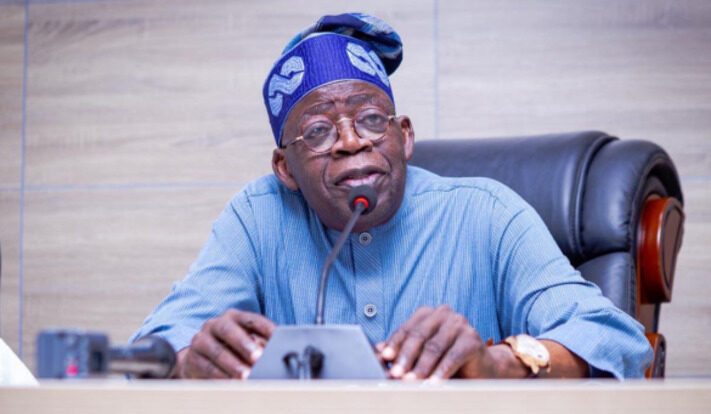
Nigeria will prioritise gas supply and reliable power for industrial clusters, President Bola Tinubu said on Tuesday, declaring that no factory can compete in the dark. Tinubu, represented by John Enoh, minister of state for Industry, Trade and Investment, at the 54th annual general meeting of the Manufacturers Association of Nigeria in Lagos, said the cost of energy is the cost of everything produced in the country. The pledge is central to the government’s plan to lift manufacturing’s share of real GDP to between 20 percent and 25 percent by 2030 from below 9 percent in 2024, and to reverse three decades of deindustrialisation that saw the sector’s contribution fall from more than one-fifth in the early 1990s. “We will continue to prioritise gas for industry and provide reliable power for industrial clusters because the cost of energy is the cost of everything we make,” Tinubu said. He added that the government will work with the Bank of Industry and development financiers to channel patient, affordable, long-term finance to productive enterprise. He noted that the government will anchor the target on four sectors where it holds advantage, metals and solid minerals, oil and gas, construction and manufacturing, and channel up to 5 percent of GDP into industrial financing. Tinubu acknowledged the strain on producers, citing data from the National Bureau of Statistics that manufacturing grew 3.29 percent in the first quarter and 3.24 percent in the second, its strongest performance in four years, even as its share of GDP slipped to 7.72 percent. Read also: Nigeria current account surplus to hit 6% of GDP in 2026, World Bank He said unsold inventory in the sector stands at just under N2 trillion, with some firms selling below cost to keep gates open. He said macroeconomic conditions are stabilising to support industry, with headline inflation easing for three consecutive months to 15.39 percent in August and external reserves at $55.25 billion as of September 18, the highest in 18 years. And MPR at 23 percent. According to him, his administration has set up an Industrial Revolution Work Group chaired by the minister of state and co-chaired by the president of MAN to track delivery in factories reopened, capacity utilisation, jobs created and exports shipped, while public procurement will favour Nigerian-made goods under the Renewed Hope Nigeria First policy. Tinubu said Nigeria will no longer be Africa’s warehouse storing what others make, but Africa’s workshop. He noted that while Africa is home to nearly one-fifth of humanity, it produced only 3.2 percent of global GDP and 2 percent of manufacturing value added in 2024, leaving the position of the continent’s industrial hub open. The President said that despite non-oil exports hitting a record $6.1 billion in 2025, only 3.4 percent went to ECOWAS member states, meaning Nigeria is not yet serving the market on its doorstep. He said the African Continental Free Trade Area, with 1.4 billion people and a combined GDP of about $3.4 trillion, raises the question of who will make what the market buys. “For too long we exported our cocoa and imported our chocolate. We exported our crude and imported fuel.” “We exported our cotton and imported our clothes,” Tinubu said. “That chapter is closing. We are writing a new one and we are writing it in factories.” He outlined four compacts to back the plan. The first is to deliver competitive power and gas to industrial clusters and special economic zones to lower production costs. The second is to unlock patient capital for machinery, raw materials and expansion. The third is to enforce patronage of Nigerian-made goods through the Nigeria First policy that makes local products the default in all public procurement, while the fourth is to open markets by harmonising standards, slashing border delays and positioning Nigerian manufacturers to supply the AfCFTA market of 1.4 billion people. In his welcome address, Francis Meshioye, MAN president, said the Nigeria Industrial Policy 2025 provides a strategic opportunity to accelerate industrial development and position Nigeria as a globally competitive manufacturing economy, but its significance depends on consistent implementation and measurable outcomes. He said Nigeria is exporting more but not adding enough industrial value, citing NBS data that total exports rose to N85.13 trillion in 2025, yet manufactured exports accounted for only N2.50 trillion, or 2.94 percent of the total, a share broadly unchanged over four years. Meshioye listed seven structural constraints undermining the policy, including inadequate and costly power, high cost of inputs and logistics, low contribution of manufacturing to exports, weak protection against unfair trade practices, policy and regulatory uncertainty, poor infrastructure, and a skills, technology and innovation gap compounded by multiple taxation. He urged the Federal Government to fast-track the industrial policy with clear timelines and accountability, empower the Industrial Revolution Work Group, create a Nigeria First Industrial Fund for long-term concessionary financing, and review industrial electricity pricing with dedicated feeders and embedded generation for manufacturers. He also called for foreign-exchange support for productive manufacturers, stronger trade-defence mechanisms against dumping and substandard imports, and a stop to retroactive application of the 2025 Tax Acts, which he said is illegal and amounts to a breach of trust, The MAN president urged the government to prioritise gas allocation to manufacturing and clear outstanding foreign-exchange forward obligations. Related News The Third Intelligence: We taught women to be excellent. Nobody taught us institutional intelligence Credibility concerns threaten Africa’s rating revolution as AfCRA launches NITDA’s mandatory software testing rules trigger push for risk-based enforcement Josephine Okojie-Okeiyi Josephine Okojie-Okeiyi is a journalist with over five years’ reporting experience. She writes on industry, agriculture, commodities, climate change, and environmental issues. She is fellow of Thomson Reuters Foundation and Bloomberg Media Initiative for Africa. Share
Tinubu, represented by John Enoh, minister of state for Industry, Trade and Investment, at the 54th annual general meeting of the Manufacturers Association of Nigeria in Lagos, said the cost of energy is the cost of everything produced in the country. The pledge is central to the government’s plan to lift manufacturing’s share of real GDP to between 20 percent and 25 percent by 2030 from below 9 percent in 2024, and to reverse three decades of deindustrialisation that saw the sector’s contribution fall from more than one-fifth in the early 1990s. “We will continue to prioritise gas for industry and provide reliable power for industrial clusters because the cost of energy is the cost of everything we make,” Tinubu said. He added that the government will work with the Bank of Industry and development financiers to channel patient, affordable, long-term finance to productive enterprise. He noted that the government will anchor the target on four sectors where it holds advantage, metals and solid minerals, oil and gas, construction and manufacturing, and channel up to 5 percent of GDP into industrial financing. Tinubu acknowledged the strain on producers, citing data from the National Bureau of Statistics that manufacturing grew 3.29 percent in the first quarter and 3.24 percent in the second, its strongest performance in four years, even as its share of GDP slipped to 7.72 percent. Read also: Nigeria current account surplus to hit 6% of GDP in 2026, World Bank He said unsold inventory in the sector stands at just under N2 trillion, with some firms selling below cost to keep gates open. He said macroeconomic conditions are stabilising to support industry, with headline inflation easing for three consecutive months to 15.39 percent in August and external reserves at $55.25 billion as of September 18, the highest in 18 years. And MPR at 23 percent. According to him, his administration has set up an Industrial Revolution Work Group chaired by the minister of state and co-chaired by the president of MAN to track delivery in factories reopened, capacity utilisation, jobs created and exports shipped, while public procurement will favour Nigerian-made goods under the Renewed Hope Nigeria First policy. Tinubu said Nigeria will no longer be Africa’s warehouse storing what others make, but Africa’s workshop. He noted that while Africa is home to nearly one-fifth of humanity, it produced only 3.2 percent of global GDP and 2 percent of manufacturing value added in 2024, leaving the position of the continent’s industrial hub open. The President said that despite non-oil exports hitting a record $6.1 billion in 2025, only 3.4 percent went to ECOWAS member states, meaning Nigeria is not yet serving the market on its doorstep. He said the African Continental Free Trade Area, with 1.4 billion people and a combined GDP of about $3.4 trillion, raises the question of who will make what the market buys. “For too long we exported our cocoa and imported our chocolate. We exported our crude and imported fuel.” “We exported our cotton and imported our clothes,” Tinubu said. “That chapter is closing. We are writing a new one and we are writing it in factories.” He outlined four compacts to back the plan. The first is to deliver competitive power and gas to industrial clusters and special economic zones to lower production costs. The second is to unlock patient capital for machinery, raw materials and expansion. The third is to enforce patronage of Nigerian-made goods through the Nigeria First policy that makes local products the default in all public procurement, while the fourth is to open markets by harmonising standards, slashing border delays and positioning Nigerian manufacturers to supply the AfCFTA market of 1.4 billion people. In his welcome address, Francis Meshioye, MAN president, said the Nigeria Industrial Policy 2025 provides a strategic opportunity to accelerate industrial development and position Nigeria as a globally competitive manufacturing economy, but its significance depends on consistent implementation and measurable outcomes. He said Nigeria is exporting more but not adding enough industrial value, citing NBS data that total exports rose to N85.13 trillion in 2025, yet manufactured exports accounted for only N2.50 trillion, or 2.94 percent of the total, a share broadly unchanged over four years. Meshioye listed seven structural constraints undermining the policy, including inadequate and costly power, high cost of inputs and logistics, low contribution of manufacturing to exports, weak protection against unfair trade practices, policy and regulatory uncertainty, poor infrastructure, and a skills, technology and innovation gap compounded by multiple taxation. He urged the Federal Government to fast-track the industrial policy with clear timelines and accountability, empower the Industrial Revolution Work Group, create a Nigeria First Industrial Fund for long-term concessionary financing, and review industrial electricity pricing with dedicated feeders and embedded generation for manufacturers. He also called for foreign-exchange support for productive manufacturers, stronger trade-defence mechanisms against dumping and substandard imports, and a stop to retroactive application of the 2025 Tax Acts, which he said is illegal and amounts to a breach of trust, The MAN president urged the government to prioritise gas allocation to manufacturing and clear outstanding foreign-exchange forward obligations. Related News The Third Intelligence: We taught women to be excellent. Nobody taught us institutional intelligence Credibility concerns threaten Africa’s rating revolution as AfCRA launches NITDA’s mandatory software testing rules trigger push for risk-based enforcement Josephine Okojie-Okeiyi Josephine Okojie-Okeiyi is a journalist with over five years’ reporting experience. She writes on industry, agriculture, commodities, climate change, and environmental issues. She is fellow of Thomson Reuters Foundation and Bloomberg Media Initiative for Africa. Share
The pledge is central to the government’s plan to lift manufacturing’s share of real GDP to between 20 percent and 25 percent by 2030 from below 9 percent in 2024, and to reverse three decades of deindustrialisation that saw the sector’s contribution fall from more than one-fifth in the early 1990s. “We will continue to prioritise gas for industry and provide reliable power for industrial clusters because the cost of energy is the cost of everything we make,” Tinubu said. He added that the government will work with the Bank of Industry and development financiers to channel patient, affordable, long-term finance to productive enterprise. He noted that the government will anchor the target on four sectors where it holds advantage, metals and solid minerals, oil and gas, construction and manufacturing, and channel up to 5 percent of GDP into industrial financing. Tinubu acknowledged the strain on producers, citing data from the National Bureau of Statistics that manufacturing grew 3.29 percent in the first quarter and 3.24 percent in the second, its strongest performance in four years, even as its share of GDP slipped to 7.72 percent. Read also: Nigeria current account surplus to hit 6% of GDP in 2026, World Bank He said unsold inventory in the sector stands at just under N2 trillion, with some firms selling below cost to keep gates open. He said macroeconomic conditions are stabilising to support industry, with headline inflation easing for three consecutive months to 15.39 percent in August and external reserves at $55.25 billion as of September 18, the highest in 18 years. And MPR at 23 percent. According to him, his administration has set up an Industrial Revolution Work Group chaired by the minister of state and co-chaired by the president of MAN to track delivery in factories reopened, capacity utilisation, jobs created and exports shipped, while public procurement will favour Nigerian-made goods under the Renewed Hope Nigeria First policy. Tinubu said Nigeria will no longer be Africa’s warehouse storing what others make, but Africa’s workshop. He noted that while Africa is home to nearly one-fifth of humanity, it produced only 3.2 percent of global GDP and 2 percent of manufacturing value added in 2024, leaving the position of the continent’s industrial hub open. The President said that despite non-oil exports hitting a record $6.1 billion in 2025, only 3.4 percent went to ECOWAS member states, meaning Nigeria is not yet serving the market on its doorstep. He said the African Continental Free Trade Area, with 1.4 billion people and a combined GDP of about $3.4 trillion, raises the question of who will make what the market buys. “For too long we exported our cocoa and imported our chocolate. We exported our crude and imported fuel.” “We exported our cotton and imported our clothes,” Tinubu said. “That chapter is closing. We are writing a new one and we are writing it in factories.” He outlined four compacts to back the plan. The first is to deliver competitive power and gas to industrial clusters and special economic zones to lower production costs. The second is to unlock patient capital for machinery, raw materials and expansion. The third is to enforce patronage of Nigerian-made goods through the Nigeria First policy that makes local products the default in all public procurement, while the fourth is to open markets by harmonising standards, slashing border delays and positioning Nigerian manufacturers to supply the AfCFTA market of 1.4 billion people. In his welcome address, Francis Meshioye, MAN president, said the Nigeria Industrial Policy 2025 provides a strategic opportunity to accelerate industrial development and position Nigeria as a globally competitive manufacturing economy, but its significance depends on consistent implementation and measurable outcomes. He said Nigeria is exporting more but not adding enough industrial value, citing NBS data that total exports rose to N85.13 trillion in 2025, yet manufactured exports accounted for only N2.50 trillion, or 2.94 percent of the total, a share broadly unchanged over four years. Meshioye listed seven structural constraints undermining the policy, including inadequate and costly power, high cost of inputs and logistics, low contribution of manufacturing to exports, weak protection against unfair trade practices, policy and regulatory uncertainty, poor infrastructure, and a skills, technology and innovation gap compounded by multiple taxation. He urged the Federal Government to fast-track the industrial policy with clear timelines and accountability, empower the Industrial Revolution Work Group, create a Nigeria First Industrial Fund for long-term concessionary financing, and review industrial electricity pricing with dedicated feeders and embedded generation for manufacturers. He also called for foreign-exchange support for productive manufacturers, stronger trade-defence mechanisms against dumping and substandard imports, and a stop to retroactive application of the 2025 Tax Acts, which he said is illegal and amounts to a breach of trust, The MAN president urged the government to prioritise gas allocation to manufacturing and clear outstanding foreign-exchange forward obligations. Related News The Third Intelligence: We taught women to be excellent. Nobody taught us institutional intelligence Credibility concerns threaten Africa’s rating revolution as AfCRA launches NITDA’s mandatory software testing rules trigger push for risk-based enforcement Josephine Okojie-Okeiyi Josephine Okojie-Okeiyi is a journalist with over five years’ reporting experience. She writes on industry, agriculture, commodities, climate change, and environmental issues. She is fellow of Thomson Reuters Foundation and Bloomberg Media Initiative for Africa. Share
“We will continue to prioritise gas for industry and provide reliable power for industrial clusters because the cost of energy is the cost of everything we make,” Tinubu said. He added that the government will work with the Bank of Industry and development financiers to channel patient, affordable, long-term finance to productive enterprise. He noted that the government will anchor the target on four sectors where it holds advantage, metals and solid minerals, oil and gas, construction and manufacturing, and channel up to 5 percent of GDP into industrial financing. Tinubu acknowledged the strain on producers, citing data from the National Bureau of Statistics that manufacturing grew 3.29 percent in the first quarter and 3.24 percent in the second, its strongest performance in four years, even as its share of GDP slipped to 7.72 percent. Read also: Nigeria current account surplus to hit 6% of GDP in 2026, World Bank He said unsold inventory in the sector stands at just under N2 trillion, with some firms selling below cost to keep gates open. He said macroeconomic conditions are stabilising to support industry, with headline inflation easing for three consecutive months to 15.39 percent in August and external reserves at $55.25 billion as of September 18, the highest in 18 years. And MPR at 23 percent. According to him, his administration has set up an Industrial Revolution Work Group chaired by the minister of state and co-chaired by the president of MAN to track delivery in factories reopened, capacity utilisation, jobs created and exports shipped, while public procurement will favour Nigerian-made goods under the Renewed Hope Nigeria First policy. Tinubu said Nigeria will no longer be Africa’s warehouse storing what others make, but Africa’s workshop. He noted that while Africa is home to nearly one-fifth of humanity, it produced only 3.2 percent of global GDP and 2 percent of manufacturing value added in 2024, leaving the position of the continent’s industrial hub open. The President said that despite non-oil exports hitting a record $6.1 billion in 2025, only 3.4 percent went to ECOWAS member states, meaning Nigeria is not yet serving the market on its doorstep. He said the African Continental Free Trade Area, with 1.4 billion people and a combined GDP of about $3.4 trillion, raises the question of who will make what the market buys. “For too long we exported our cocoa and imported our chocolate. We exported our crude and imported fuel.” “We exported our cotton and imported our clothes,” Tinubu said. “That chapter is closing. We are writing a new one and we are writing it in factories.” He outlined four compacts to back the plan. The first is to deliver competitive power and gas to industrial clusters and special economic zones to lower production costs. The second is to unlock patient capital for machinery, raw materials and expansion. The third is to enforce patronage of Nigerian-made goods through the Nigeria First policy that makes local products the default in all public procurement, while the fourth is to open markets by harmonising standards, slashing border delays and positioning Nigerian manufacturers to supply the AfCFTA market of 1.4 billion people. In his welcome address, Francis Meshioye, MAN president, said the Nigeria Industrial Policy 2025 provides a strategic opportunity to accelerate industrial development and position Nigeria as a globally competitive manufacturing economy, but its significance depends on consistent implementation and measurable outcomes. He said Nigeria is exporting more but not adding enough industrial value, citing NBS data that total exports rose to N85.13 trillion in 2025, yet manufactured exports accounted for only N2.50 trillion, or 2.94 percent of the total, a share broadly unchanged over four years. Meshioye listed seven structural constraints undermining the policy, including inadequate and costly power, high cost of inputs and logistics, low contribution of manufacturing to exports, weak protection against unfair trade practices, policy and regulatory uncertainty, poor infrastructure, and a skills, technology and innovation gap compounded by multiple taxation. He urged the Federal Government to fast-track the industrial policy with clear timelines and accountability, empower the Industrial Revolution Work Group, create a Nigeria First Industrial Fund for long-term concessionary financing, and review industrial electricity pricing with dedicated feeders and embedded generation for manufacturers. He also called for foreign-exchange support for productive manufacturers, stronger trade-defence mechanisms against dumping and substandard imports, and a stop to retroactive application of the 2025 Tax Acts, which he said is illegal and amounts to a breach of trust, The MAN president urged the government to prioritise gas allocation to manufacturing and clear outstanding foreign-exchange forward obligations. Related News The Third Intelligence: We taught women to be excellent. Nobody taught us institutional intelligence Credibility concerns threaten Africa’s rating revolution as AfCRA launches NITDA’s mandatory software testing rules trigger push for risk-based enforcement Josephine Okojie-Okeiyi Josephine Okojie-Okeiyi is a journalist with over five years’ reporting experience. She writes on industry, agriculture, commodities, climate change, and environmental issues. She is fellow of Thomson Reuters Foundation and Bloomberg Media Initiative for Africa. Share
He added that the government will work with the Bank of Industry and development financiers to channel patient, affordable, long-term finance to productive enterprise. He noted that the government will anchor the target on four sectors where it holds advantage, metals and solid minerals, oil and gas, construction and manufacturing, and channel up to 5 percent of GDP into industrial financing. Tinubu acknowledged the strain on producers, citing data from the National Bureau of Statistics that manufacturing grew 3.29 percent in the first quarter and 3.24 percent in the second, its strongest performance in four years, even as its share of GDP slipped to 7.72 percent. Read also: Nigeria current account surplus to hit 6% of GDP in 2026, World Bank He said unsold inventory in the sector stands at just under N2 trillion, with some firms selling below cost to keep gates open. He said macroeconomic conditions are stabilising to support industry, with headline inflation easing for three consecutive months to 15.39 percent in August and external reserves at $55.25 billion as of September 18, the highest in 18 years. And MPR at 23 percent. According to him, his administration has set up an Industrial Revolution Work Group chaired by the minister of state and co-chaired by the president of MAN to track delivery in factories reopened, capacity utilisation, jobs created and exports shipped, while public procurement will favour Nigerian-made goods under the Renewed Hope Nigeria First policy. Tinubu said Nigeria will no longer be Africa’s warehouse storing what others make, but Africa’s workshop. He noted that while Africa is home to nearly one-fifth of humanity, it produced only 3.2 percent of global GDP and 2 percent of manufacturing value added in 2024, leaving the position of the continent’s industrial hub open. The President said that despite non-oil exports hitting a record $6.1 billion in 2025, only 3.4 percent went to ECOWAS member states, meaning Nigeria is not yet serving the market on its doorstep. He said the African Continental Free Trade Area, with 1.4 billion people and a combined GDP of about $3.4 trillion, raises the question of who will make what the market buys. “For too long we exported our cocoa and imported our chocolate. We exported our crude and imported fuel.” “We exported our cotton and imported our clothes,” Tinubu said. “That chapter is closing. We are writing a new one and we are writing it in factories.” He outlined four compacts to back the plan. The first is to deliver competitive power and gas to industrial clusters and special economic zones to lower production costs. The second is to unlock patient capital for machinery, raw materials and expansion. The third is to enforce patronage of Nigerian-made goods through the Nigeria First policy that makes local products the default in all public procurement, while the fourth is to open markets by harmonising standards, slashing border delays and positioning Nigerian manufacturers to supply the AfCFTA market of 1.4 billion people. In his welcome address, Francis Meshioye, MAN president, said the Nigeria Industrial Policy 2025 provides a strategic opportunity to accelerate industrial development and position Nigeria as a globally competitive manufacturing economy, but its significance depends on consistent implementation and measurable outcomes. He said Nigeria is exporting more but not adding enough industrial value, citing NBS data that total exports rose to N85.13 trillion in 2025, yet manufactured exports accounted for only N2.50 trillion, or 2.94 percent of the total, a share broadly unchanged over four years. Meshioye listed seven structural constraints undermining the policy, including inadequate and costly power, high cost of inputs and logistics, low contribution of manufacturing to exports, weak protection against unfair trade practices, policy and regulatory uncertainty, poor infrastructure, and a skills, technology and innovation gap compounded by multiple taxation. He urged the Federal Government to fast-track the industrial policy with clear timelines and accountability, empower the Industrial Revolution Work Group, create a Nigeria First Industrial Fund for long-term concessionary financing, and review industrial electricity pricing with dedicated feeders and embedded generation for manufacturers. He also called for foreign-exchange support for productive manufacturers, stronger trade-defence mechanisms against dumping and substandard imports, and a stop to retroactive application of the 2025 Tax Acts, which he said is illegal and amounts to a breach of trust, The MAN president urged the government to prioritise gas allocation to manufacturing and clear outstanding foreign-exchange forward obligations. Related News The Third Intelligence: We taught women to be excellent. Nobody taught us institutional intelligence Credibility concerns threaten Africa’s rating revolution as AfCRA launches NITDA’s mandatory software testing rules trigger push for risk-based enforcement Josephine Okojie-Okeiyi Josephine Okojie-Okeiyi is a journalist with over five years’ reporting experience. She writes on industry, agriculture, commodities, climate change, and environmental issues. She is fellow of Thomson Reuters Foundation and Bloomberg Media Initiative for Africa. Share
He noted that the government will anchor the target on four sectors where it holds advantage, metals and solid minerals, oil and gas, construction and manufacturing, and channel up to 5 percent of GDP into industrial financing. Tinubu acknowledged the strain on producers, citing data from the National Bureau of Statistics that manufacturing grew 3.29 percent in the first quarter and 3.24 percent in the second, its strongest performance in four years, even as its share of GDP slipped to 7.72 percent. Read also: Nigeria current account surplus to hit 6% of GDP in 2026, World Bank He said unsold inventory in the sector stands at just under N2 trillion, with some firms selling below cost to keep gates open. He said macroeconomic conditions are stabilising to support industry, with headline inflation easing for three consecutive months to 15.39 percent in August and external reserves at $55.25 billion as of September 18, the highest in 18 years. And MPR at 23 percent. According to him, his administration has set up an Industrial Revolution Work Group chaired by the minister of state and co-chaired by the president of MAN to track delivery in factories reopened, capacity utilisation, jobs created and exports shipped, while public procurement will favour Nigerian-made goods under the Renewed Hope Nigeria First policy. Tinubu said Nigeria will no longer be Africa’s warehouse storing what others make, but Africa’s workshop. He noted that while Africa is home to nearly one-fifth of humanity, it produced only 3.2 percent of global GDP and 2 percent of manufacturing value added in 2024, leaving the position of the continent’s industrial hub open. The President said that despite non-oil exports hitting a record $6.1 billion in 2025, only 3.4 percent went to ECOWAS member states, meaning Nigeria is not yet serving the market on its doorstep. He said the African Continental Free Trade Area, with 1.4 billion people and a combined GDP of about $3.4 trillion, raises the question of who will make what the market buys. “For too long we exported our cocoa and imported our chocolate. We exported our crude and imported fuel.” “We exported our cotton and imported our clothes,” Tinubu said. “That chapter is closing. We are writing a new one and we are writing it in factories.” He outlined four compacts to back the plan. The first is to deliver competitive power and gas to industrial clusters and special economic zones to lower production costs. The second is to unlock patient capital for machinery, raw materials and expansion. The third is to enforce patronage of Nigerian-made goods through the Nigeria First policy that makes local products the default in all public procurement, while the fourth is to open markets by harmonising standards, slashing border delays and positioning Nigerian manufacturers to supply the AfCFTA market of 1.4 billion people. In his welcome address, Francis Meshioye, MAN president, said the Nigeria Industrial Policy 2025 provides a strategic opportunity to accelerate industrial development and position Nigeria as a globally competitive manufacturing economy, but its significance depends on consistent implementation and measurable outcomes. He said Nigeria is exporting more but not adding enough industrial value, citing NBS data that total exports rose to N85.13 trillion in 2025, yet manufactured exports accounted for only N2.50 trillion, or 2.94 percent of the total, a share broadly unchanged over four years. Meshioye listed seven structural constraints undermining the policy, including inadequate and costly power, high cost of inputs and logistics, low contribution of manufacturing to exports, weak protection against unfair trade practices, policy and regulatory uncertainty, poor infrastructure, and a skills, technology and innovation gap compounded by multiple taxation. He urged the Federal Government to fast-track the industrial policy with clear timelines and accountability, empower the Industrial Revolution Work Group, create a Nigeria First Industrial Fund for long-term concessionary financing, and review industrial electricity pricing with dedicated feeders and embedded generation for manufacturers. He also called for foreign-exchange support for productive manufacturers, stronger trade-defence mechanisms against dumping and substandard imports, and a stop to retroactive application of the 2025 Tax Acts, which he said is illegal and amounts to a breach of trust, The MAN president urged the government to prioritise gas allocation to manufacturing and clear outstanding foreign-exchange forward obligations. Related News The Third Intelligence: We taught women to be excellent. Nobody taught us institutional intelligence Credibility concerns threaten Africa’s rating revolution as AfCRA launches NITDA’s mandatory software testing rules trigger push for risk-based enforcement Josephine Okojie-Okeiyi Josephine Okojie-Okeiyi is a journalist with over five years’ reporting experience. She writes on industry, agriculture, commodities, climate change, and environmental issues. She is fellow of Thomson Reuters Foundation and Bloomberg Media Initiative for Africa. Share
Tinubu acknowledged the strain on producers, citing data from the National Bureau of Statistics that manufacturing grew 3.29 percent in the first quarter and 3.24 percent in the second, its strongest performance in four years, even as its share of GDP slipped to 7.72 percent. Read also: Nigeria current account surplus to hit 6% of GDP in 2026, World Bank He said unsold inventory in the sector stands at just under N2 trillion, with some firms selling below cost to keep gates open. He said macroeconomic conditions are stabilising to support industry, with headline inflation easing for three consecutive months to 15.39 percent in August and external reserves at $55.25 billion as of September 18, the highest in 18 years. And MPR at 23 percent. According to him, his administration has set up an Industrial Revolution Work Group chaired by the minister of state and co-chaired by the president of MAN to track delivery in factories reopened, capacity utilisation, jobs created and exports shipped, while public procurement will favour Nigerian-made goods under the Renewed Hope Nigeria First policy. Tinubu said Nigeria will no longer be Africa’s warehouse storing what others make, but Africa’s workshop. He noted that while Africa is home to nearly one-fifth of humanity, it produced only 3.2 percent of global GDP and 2 percent of manufacturing value added in 2024, leaving the position of the continent’s industrial hub open. The President said that despite non-oil exports hitting a record $6.1 billion in 2025, only 3.4 percent went to ECOWAS member states, meaning Nigeria is not yet serving the market on its doorstep. He said the African Continental Free Trade Area, with 1.4 billion people and a combined GDP of about $3.4 trillion, raises the question of who will make what the market buys. “For too long we exported our cocoa and imported our chocolate. We exported our crude and imported fuel.” “We exported our cotton and imported our clothes,” Tinubu said. “That chapter is closing. We are writing a new one and we are writing it in factories.” He outlined four compacts to back the plan. The first is to deliver competitive power and gas to industrial clusters and special economic zones to lower production costs. The second is to unlock patient capital for machinery, raw materials and expansion. The third is to enforce patronage of Nigerian-made goods through the Nigeria First policy that makes local products the default in all public procurement, while the fourth is to open markets by harmonising standards, slashing border delays and positioning Nigerian manufacturers to supply the AfCFTA market of 1.4 billion people. In his welcome address, Francis Meshioye, MAN president, said the Nigeria Industrial Policy 2025 provides a strategic opportunity to accelerate industrial development and position Nigeria as a globally competitive manufacturing economy, but its significance depends on consistent implementation and measurable outcomes. He said Nigeria is exporting more but not adding enough industrial value, citing NBS data that total exports rose to N85.13 trillion in 2025, yet manufactured exports accounted for only N2.50 trillion, or 2.94 percent of the total, a share broadly unchanged over four years. Meshioye listed seven structural constraints undermining the policy, including inadequate and costly power, high cost of inputs and logistics, low contribution of manufacturing to exports, weak protection against unfair trade practices, policy and regulatory uncertainty, poor infrastructure, and a skills, technology and innovation gap compounded by multiple taxation. He urged the Federal Government to fast-track the industrial policy with clear timelines and accountability, empower the Industrial Revolution Work Group, create a Nigeria First Industrial Fund for long-term concessionary financing, and review industrial electricity pricing with dedicated feeders and embedded generation for manufacturers. He also called for foreign-exchange support for productive manufacturers, stronger trade-defence mechanisms against dumping and substandard imports, and a stop to retroactive application of the 2025 Tax Acts, which he said is illegal and amounts to a breach of trust, The MAN president urged the government to prioritise gas allocation to manufacturing and clear outstanding foreign-exchange forward obligations. Related News The Third Intelligence: We taught women to be excellent. Nobody taught us institutional intelligence Credibility concerns threaten Africa’s rating revolution as AfCRA launches NITDA’s mandatory software testing rules trigger push for risk-based enforcement Josephine Okojie-Okeiyi Josephine Okojie-Okeiyi is a journalist with over five years’ reporting experience. She writes on industry, agriculture, commodities, climate change, and environmental issues. She is fellow of Thomson Reuters Foundation and Bloomberg Media Initiative for Africa. Share
Read also: Nigeria current account surplus to hit 6% of GDP in 2026, World Bank He said unsold inventory in the sector stands at just under N2 trillion, with some firms selling below cost to keep gates open. He said macroeconomic conditions are stabilising to support industry, with headline inflation easing for three consecutive months to 15.39 percent in August and external reserves at $55.25 billion as of September 18, the highest in 18 years. And MPR at 23 percent. According to him, his administration has set up an Industrial Revolution Work Group chaired by the minister of state and co-chaired by the president of MAN to track delivery in factories reopened, capacity utilisation, jobs created and exports shipped, while public procurement will favour Nigerian-made goods under the Renewed Hope Nigeria First policy. Tinubu said Nigeria will no longer be Africa’s warehouse storing what others make, but Africa’s workshop. He noted that while Africa is home to nearly one-fifth of humanity, it produced only 3.2 percent of global GDP and 2 percent of manufacturing value added in 2024, leaving the position of the continent’s industrial hub open. The President said that despite non-oil exports hitting a record $6.1 billion in 2025, only 3.4 percent went to ECOWAS member states, meaning Nigeria is not yet serving the market on its doorstep. He said the African Continental Free Trade Area, with 1.4 billion people and a combined GDP of about $3.4 trillion, raises the question of who will make what the market buys. “For too long we exported our cocoa and imported our chocolate. We exported our crude and imported fuel.” “We exported our cotton and imported our clothes,” Tinubu said. “That chapter is closing. We are writing a new one and we are writing it in factories.” He outlined four compacts to back the plan. The first is to deliver competitive power and gas to industrial clusters and special economic zones to lower production costs. The second is to unlock patient capital for machinery, raw materials and expansion. The third is to enforce patronage of Nigerian-made goods through the Nigeria First policy that makes local products the default in all public procurement, while the fourth is to open markets by harmonising standards, slashing border delays and positioning Nigerian manufacturers to supply the AfCFTA market of 1.4 billion people. In his welcome address, Francis Meshioye, MAN president, said the Nigeria Industrial Policy 2025 provides a strategic opportunity to accelerate industrial development and position Nigeria as a globally competitive manufacturing economy, but its significance depends on consistent implementation and measurable outcomes. He said Nigeria is exporting more but not adding enough industrial value, citing NBS data that total exports rose to N85.13 trillion in 2025, yet manufactured exports accounted for only N2.50 trillion, or 2.94 percent of the total, a share broadly unchanged over four years. Meshioye listed seven structural constraints undermining the policy, including inadequate and costly power, high cost of inputs and logistics, low contribution of manufacturing to exports, weak protection against unfair trade practices, policy and regulatory uncertainty, poor infrastructure, and a skills, technology and innovation gap compounded by multiple taxation. He urged the Federal Government to fast-track the industrial policy with clear timelines and accountability, empower the Industrial Revolution Work Group, create a Nigeria First Industrial Fund for long-term concessionary financing, and review industrial electricity pricing with dedicated feeders and embedded generation for manufacturers. He also called for foreign-exchange support for productive manufacturers, stronger trade-defence mechanisms against dumping and substandard imports, and a stop to retroactive application of the 2025 Tax Acts, which he said is illegal and amounts to a breach of trust, The MAN president urged the government to prioritise gas allocation to manufacturing and clear outstanding foreign-exchange forward obligations. Related News The Third Intelligence: We taught women to be excellent. Nobody taught us institutional intelligence Credibility concerns threaten Africa’s rating revolution as AfCRA launches NITDA’s mandatory software testing rules trigger push for risk-based enforcement Josephine Okojie-Okeiyi Josephine Okojie-Okeiyi is a journalist with over five years’ reporting experience. She writes on industry, agriculture, commodities, climate change, and environmental issues. She is fellow of Thomson Reuters Foundation and Bloomberg Media Initiative for Africa. Share
He said unsold inventory in the sector stands at just under N2 trillion, with some firms selling below cost to keep gates open. He said macroeconomic conditions are stabilising to support industry, with headline inflation easing for three consecutive months to 15.39 percent in August and external reserves at $55.25 billion as of September 18, the highest in 18 years. And MPR at 23 percent. According to him, his administration has set up an Industrial Revolution Work Group chaired by the minister of state and co-chaired by the president of MAN to track delivery in factories reopened, capacity utilisation, jobs created and exports shipped, while public procurement will favour Nigerian-made goods under the Renewed Hope Nigeria First policy. Tinubu said Nigeria will no longer be Africa’s warehouse storing what others make, but Africa’s workshop. He noted that while Africa is home to nearly one-fifth of humanity, it produced only 3.2 percent of global GDP and 2 percent of manufacturing value added in 2024, leaving the position of the continent’s industrial hub open. The President said that despite non-oil exports hitting a record $6.1 billion in 2025, only 3.4 percent went to ECOWAS member states, meaning Nigeria is not yet serving the market on its doorstep. He said the African Continental Free Trade Area, with 1.4 billion people and a combined GDP of about $3.4 trillion, raises the question of who will make what the market buys. “For too long we exported our cocoa and imported our chocolate. We exported our crude and imported fuel.” “We exported our cotton and imported our clothes,” Tinubu said. “That chapter is closing. We are writing a new one and we are writing it in factories.” He outlined four compacts to back the plan. The first is to deliver competitive power and gas to industrial clusters and special economic zones to lower production costs. The second is to unlock patient capital for machinery, raw materials and expansion. The third is to enforce patronage of Nigerian-made goods through the Nigeria First policy that makes local products the default in all public procurement, while the fourth is to open markets by harmonising standards, slashing border delays and positioning Nigerian manufacturers to supply the AfCFTA market of 1.4 billion people. In his welcome address, Francis Meshioye, MAN president, said the Nigeria Industrial Policy 2025 provides a strategic opportunity to accelerate industrial development and position Nigeria as a globally competitive manufacturing economy, but its significance depends on consistent implementation and measurable outcomes. He said Nigeria is exporting more but not adding enough industrial value, citing NBS data that total exports rose to N85.13 trillion in 2025, yet manufactured exports accounted for only N2.50 trillion, or 2.94 percent of the total, a share broadly unchanged over four years. Meshioye listed seven structural constraints undermining the policy, including inadequate and costly power, high cost of inputs and logistics, low contribution of manufacturing to exports, weak protection against unfair trade practices, policy and regulatory uncertainty, poor infrastructure, and a skills, technology and innovation gap compounded by multiple taxation. He urged the Federal Government to fast-track the industrial policy with clear timelines and accountability, empower the Industrial Revolution Work Group, create a Nigeria First Industrial Fund for long-term concessionary financing, and review industrial electricity pricing with dedicated feeders and embedded generation for manufacturers. He also called for foreign-exchange support for productive manufacturers, stronger trade-defence mechanisms against dumping and substandard imports, and a stop to retroactive application of the 2025 Tax Acts, which he said is illegal and amounts to a breach of trust, The MAN president urged the government to prioritise gas allocation to manufacturing and clear outstanding foreign-exchange forward obligations. Related News The Third Intelligence: We taught women to be excellent. Nobody taught us institutional intelligence Credibility concerns threaten Africa’s rating revolution as AfCRA launches NITDA’s mandatory software testing rules trigger push for risk-based enforcement Josephine Okojie-Okeiyi Josephine Okojie-Okeiyi is a journalist with over five years’ reporting experience. She writes on industry, agriculture, commodities, climate change, and environmental issues. She is fellow of Thomson Reuters Foundation and Bloomberg Media Initiative for Africa. Share
He said macroeconomic conditions are stabilising to support industry, with headline inflation easing for three consecutive months to 15.39 percent in August and external reserves at $55.25 billion as of September 18, the highest in 18 years. And MPR at 23 percent. According to him, his administration has set up an Industrial Revolution Work Group chaired by the minister of state and co-chaired by the president of MAN to track delivery in factories reopened, capacity utilisation, jobs created and exports shipped, while public procurement will favour Nigerian-made goods under the Renewed Hope Nigeria First policy. Tinubu said Nigeria will no longer be Africa’s warehouse storing what others make, but Africa’s workshop. He noted that while Africa is home to nearly one-fifth of humanity, it produced only 3.2 percent of global GDP and 2 percent of manufacturing value added in 2024, leaving the position of the continent’s industrial hub open. The President said that despite non-oil exports hitting a record $6.1 billion in 2025, only 3.4 percent went to ECOWAS member states, meaning Nigeria is not yet serving the market on its doorstep. He said the African Continental Free Trade Area, with 1.4 billion people and a combined GDP of about $3.4 trillion, raises the question of who will make what the market buys. “For too long we exported our cocoa and imported our chocolate. We exported our crude and imported fuel.” “We exported our cotton and imported our clothes,” Tinubu said. “That chapter is closing. We are writing a new one and we are writing it in factories.” He outlined four compacts to back the plan. The first is to deliver competitive power and gas to industrial clusters and special economic zones to lower production costs. The second is to unlock patient capital for machinery, raw materials and expansion. The third is to enforce patronage of Nigerian-made goods through the Nigeria First policy that makes local products the default in all public procurement, while the fourth is to open markets by harmonising standards, slashing border delays and positioning Nigerian manufacturers to supply the AfCFTA market of 1.4 billion people. In his welcome address, Francis Meshioye, MAN president, said the Nigeria Industrial Policy 2025 provides a strategic opportunity to accelerate industrial development and position Nigeria as a globally competitive manufacturing economy, but its significance depends on consistent implementation and measurable outcomes. He said Nigeria is exporting more but not adding enough industrial value, citing NBS data that total exports rose to N85.13 trillion in 2025, yet manufactured exports accounted for only N2.50 trillion, or 2.94 percent of the total, a share broadly unchanged over four years. Meshioye listed seven structural constraints undermining the policy, including inadequate and costly power, high cost of inputs and logistics, low contribution of manufacturing to exports, weak protection against unfair trade practices, policy and regulatory uncertainty, poor infrastructure, and a skills, technology and innovation gap compounded by multiple taxation. He urged the Federal Government to fast-track the industrial policy with clear timelines and accountability, empower the Industrial Revolution Work Group, create a Nigeria First Industrial Fund for long-term concessionary financing, and review industrial electricity pricing with dedicated feeders and embedded generation for manufacturers. He also called for foreign-exchange support for productive manufacturers, stronger trade-defence mechanisms against dumping and substandard imports, and a stop to retroactive application of the 2025 Tax Acts, which he said is illegal and amounts to a breach of trust, The MAN president urged the government to prioritise gas allocation to manufacturing and clear outstanding foreign-exchange forward obligations. Related News The Third Intelligence: We taught women to be excellent. Nobody taught us institutional intelligence Credibility concerns threaten Africa’s rating revolution as AfCRA launches NITDA’s mandatory software testing rules trigger push for risk-based enforcement Josephine Okojie-Okeiyi Josephine Okojie-Okeiyi is a journalist with over five years’ reporting experience. She writes on industry, agriculture, commodities, climate change, and environmental issues. She is fellow of Thomson Reuters Foundation and Bloomberg Media Initiative for Africa. Share
According to him, his administration has set up an Industrial Revolution Work Group chaired by the minister of state and co-chaired by the president of MAN to track delivery in factories reopened, capacity utilisation, jobs created and exports shipped, while public procurement will favour Nigerian-made goods under the Renewed Hope Nigeria First policy. Tinubu said Nigeria will no longer be Africa’s warehouse storing what others make, but Africa’s workshop. He noted that while Africa is home to nearly one-fifth of humanity, it produced only 3.2 percent of global GDP and 2 percent of manufacturing value added in 2024, leaving the position of the continent’s industrial hub open. The President said that despite non-oil exports hitting a record $6.1 billion in 2025, only 3.4 percent went to ECOWAS member states, meaning Nigeria is not yet serving the market on its doorstep. He said the African Continental Free Trade Area, with 1.4 billion people and a combined GDP of about $3.4 trillion, raises the question of who will make what the market buys. “For too long we exported our cocoa and imported our chocolate. We exported our crude and imported fuel.” “We exported our cotton and imported our clothes,” Tinubu said. “That chapter is closing. We are writing a new one and we are writing it in factories.” He outlined four compacts to back the plan. The first is to deliver competitive power and gas to industrial clusters and special economic zones to lower production costs. The second is to unlock patient capital for machinery, raw materials and expansion. The third is to enforce patronage of Nigerian-made goods through the Nigeria First policy that makes local products the default in all public procurement, while the fourth is to open markets by harmonising standards, slashing border delays and positioning Nigerian manufacturers to supply the AfCFTA market of 1.4 billion people. In his welcome address, Francis Meshioye, MAN president, said the Nigeria Industrial Policy 2025 provides a strategic opportunity to accelerate industrial development and position Nigeria as a globally competitive manufacturing economy, but its significance depends on consistent implementation and measurable outcomes. He said Nigeria is exporting more but not adding enough industrial value, citing NBS data that total exports rose to N85.13 trillion in 2025, yet manufactured exports accounted for only N2.50 trillion, or 2.94 percent of the total, a share broadly unchanged over four years. Meshioye listed seven structural constraints undermining the policy, including inadequate and costly power, high cost of inputs and logistics, low contribution of manufacturing to exports, weak protection against unfair trade practices, policy and regulatory uncertainty, poor infrastructure, and a skills, technology and innovation gap compounded by multiple taxation. He urged the Federal Government to fast-track the industrial policy with clear timelines and accountability, empower the Industrial Revolution Work Group, create a Nigeria First Industrial Fund for long-term concessionary financing, and review industrial electricity pricing with dedicated feeders and embedded generation for manufacturers. He also called for foreign-exchange support for productive manufacturers, stronger trade-defence mechanisms against dumping and substandard imports, and a stop to retroactive application of the 2025 Tax Acts, which he said is illegal and amounts to a breach of trust, The MAN president urged the government to prioritise gas allocation to manufacturing and clear outstanding foreign-exchange forward obligations. Related News The Third Intelligence: We taught women to be excellent. Nobody taught us institutional intelligence Credibility concerns threaten Africa’s rating revolution as AfCRA launches NITDA’s mandatory software testing rules trigger push for risk-based enforcement Josephine Okojie-Okeiyi Josephine Okojie-Okeiyi is a journalist with over five years’ reporting experience. She writes on industry, agriculture, commodities, climate change, and environmental issues. She is fellow of Thomson Reuters Foundation and Bloomberg Media Initiative for Africa. Share
Tinubu said Nigeria will no longer be Africa’s warehouse storing what others make, but Africa’s workshop. He noted that while Africa is home to nearly one-fifth of humanity, it produced only 3.2 percent of global GDP and 2 percent of manufacturing value added in 2024, leaving the position of the continent’s industrial hub open. The President said that despite non-oil exports hitting a record $6.1 billion in 2025, only 3.4 percent went to ECOWAS member states, meaning Nigeria is not yet serving the market on its doorstep. He said the African Continental Free Trade Area, with 1.4 billion people and a combined GDP of about $3.4 trillion, raises the question of who will make what the market buys. “For too long we exported our cocoa and imported our chocolate. We exported our crude and imported fuel.” “We exported our cotton and imported our clothes,” Tinubu said. “That chapter is closing. We are writing a new one and we are writing it in factories.” He outlined four compacts to back the plan. The first is to deliver competitive power and gas to industrial clusters and special economic zones to lower production costs. The second is to unlock patient capital for machinery, raw materials and expansion. The third is to enforce patronage of Nigerian-made goods through the Nigeria First policy that makes local products the default in all public procurement, while the fourth is to open markets by harmonising standards, slashing border delays and positioning Nigerian manufacturers to supply the AfCFTA market of 1.4 billion people. In his welcome address, Francis Meshioye, MAN president, said the Nigeria Industrial Policy 2025 provides a strategic opportunity to accelerate industrial development and position Nigeria as a globally competitive manufacturing economy, but its significance depends on consistent implementation and measurable outcomes. He said Nigeria is exporting more but not adding enough industrial value, citing NBS data that total exports rose to N85.13 trillion in 2025, yet manufactured exports accounted for only N2.50 trillion, or 2.94 percent of the total, a share broadly unchanged over four years. Meshioye listed seven structural constraints undermining the policy, including inadequate and costly power, high cost of inputs and logistics, low contribution of manufacturing to exports, weak protection against unfair trade practices, policy and regulatory uncertainty, poor infrastructure, and a skills, technology and innovation gap compounded by multiple taxation. He urged the Federal Government to fast-track the industrial policy with clear timelines and accountability, empower the Industrial Revolution Work Group, create a Nigeria First Industrial Fund for long-term concessionary financing, and review industrial electricity pricing with dedicated feeders and embedded generation for manufacturers. He also called for foreign-exchange support for productive manufacturers, stronger trade-defence mechanisms against dumping and substandard imports, and a stop to retroactive application of the 2025 Tax Acts, which he said is illegal and amounts to a breach of trust, The MAN president urged the government to prioritise gas allocation to manufacturing and clear outstanding foreign-exchange forward obligations. Related News The Third Intelligence: We taught women to be excellent. Nobody taught us institutional intelligence Credibility concerns threaten Africa’s rating revolution as AfCRA launches NITDA’s mandatory software testing rules trigger push for risk-based enforcement Josephine Okojie-Okeiyi Josephine Okojie-Okeiyi is a journalist with over five years’ reporting experience. She writes on industry, agriculture, commodities, climate change, and environmental issues. She is fellow of Thomson Reuters Foundation and Bloomberg Media Initiative for Africa. Share
He noted that while Africa is home to nearly one-fifth of humanity, it produced only 3.2 percent of global GDP and 2 percent of manufacturing value added in 2024, leaving the position of the continent’s industrial hub open. The President said that despite non-oil exports hitting a record $6.1 billion in 2025, only 3.4 percent went to ECOWAS member states, meaning Nigeria is not yet serving the market on its doorstep. He said the African Continental Free Trade Area, with 1.4 billion people and a combined GDP of about $3.4 trillion, raises the question of who will make what the market buys. “For too long we exported our cocoa and imported our chocolate. We exported our crude and imported fuel.” “We exported our cotton and imported our clothes,” Tinubu said. “That chapter is closing. We are writing a new one and we are writing it in factories.” He outlined four compacts to back the plan. The first is to deliver competitive power and gas to industrial clusters and special economic zones to lower production costs. The second is to unlock patient capital for machinery, raw materials and expansion. The third is to enforce patronage of Nigerian-made goods through the Nigeria First policy that makes local products the default in all public procurement, while the fourth is to open markets by harmonising standards, slashing border delays and positioning Nigerian manufacturers to supply the AfCFTA market of 1.4 billion people. In his welcome address, Francis Meshioye, MAN president, said the Nigeria Industrial Policy 2025 provides a strategic opportunity to accelerate industrial development and position Nigeria as a globally competitive manufacturing economy, but its significance depends on consistent implementation and measurable outcomes. He said Nigeria is exporting more but not adding enough industrial value, citing NBS data that total exports rose to N85.13 trillion in 2025, yet manufactured exports accounted for only N2.50 trillion, or 2.94 percent of the total, a share broadly unchanged over four years. Meshioye listed seven structural constraints undermining the policy, including inadequate and costly power, high cost of inputs and logistics, low contribution of manufacturing to exports, weak protection against unfair trade practices, policy and regulatory uncertainty, poor infrastructure, and a skills, technology and innovation gap compounded by multiple taxation. He urged the Federal Government to fast-track the industrial policy with clear timelines and accountability, empower the Industrial Revolution Work Group, create a Nigeria First Industrial Fund for long-term concessionary financing, and review industrial electricity pricing with dedicated feeders and embedded generation for manufacturers. He also called for foreign-exchange support for productive manufacturers, stronger trade-defence mechanisms against dumping and substandard imports, and a stop to retroactive application of the 2025 Tax Acts, which he said is illegal and amounts to a breach of trust, The MAN president urged the government to prioritise gas allocation to manufacturing and clear outstanding foreign-exchange forward obligations. Related News The Third Intelligence: We taught women to be excellent. Nobody taught us institutional intelligence Credibility concerns threaten Africa’s rating revolution as AfCRA launches NITDA’s mandatory software testing rules trigger push for risk-based enforcement Josephine Okojie-Okeiyi Josephine Okojie-Okeiyi is a journalist with over five years’ reporting experience. She writes on industry, agriculture, commodities, climate change, and environmental issues. She is fellow of Thomson Reuters Foundation and Bloomberg Media Initiative for Africa. Share
The President said that despite non-oil exports hitting a record $6.1 billion in 2025, only 3.4 percent went to ECOWAS member states, meaning Nigeria is not yet serving the market on its doorstep. He said the African Continental Free Trade Area, with 1.4 billion people and a combined GDP of about $3.4 trillion, raises the question of who will make what the market buys. “For too long we exported our cocoa and imported our chocolate. We exported our crude and imported fuel.” “We exported our cotton and imported our clothes,” Tinubu said. “That chapter is closing. We are writing a new one and we are writing it in factories.” He outlined four compacts to back the plan. The first is to deliver competitive power and gas to industrial clusters and special economic zones to lower production costs. The second is to unlock patient capital for machinery, raw materials and expansion. The third is to enforce patronage of Nigerian-made goods through the Nigeria First policy that makes local products the default in all public procurement, while the fourth is to open markets by harmonising standards, slashing border delays and positioning Nigerian manufacturers to supply the AfCFTA market of 1.4 billion people. In his welcome address, Francis Meshioye, MAN president, said the Nigeria Industrial Policy 2025 provides a strategic opportunity to accelerate industrial development and position Nigeria as a globally competitive manufacturing economy, but its significance depends on consistent implementation and measurable outcomes. He said Nigeria is exporting more but not adding enough industrial value, citing NBS data that total exports rose to N85.13 trillion in 2025, yet manufactured exports accounted for only N2.50 trillion, or 2.94 percent of the total, a share broadly unchanged over four years. Meshioye listed seven structural constraints undermining the policy, including inadequate and costly power, high cost of inputs and logistics, low contribution of manufacturing to exports, weak protection against unfair trade practices, policy and regulatory uncertainty, poor infrastructure, and a skills, technology and innovation gap compounded by multiple taxation. He urged the Federal Government to fast-track the industrial policy with clear timelines and accountability, empower the Industrial Revolution Work Group, create a Nigeria First Industrial Fund for long-term concessionary financing, and review industrial electricity pricing with dedicated feeders and embedded generation for manufacturers. He also called for foreign-exchange support for productive manufacturers, stronger trade-defence mechanisms against dumping and substandard imports, and a stop to retroactive application of the 2025 Tax Acts, which he said is illegal and amounts to a breach of trust, The MAN president urged the government to prioritise gas allocation to manufacturing and clear outstanding foreign-exchange forward obligations. Related News The Third Intelligence: We taught women to be excellent. Nobody taught us institutional intelligence Credibility concerns threaten Africa’s rating revolution as AfCRA launches NITDA’s mandatory software testing rules trigger push for risk-based enforcement Josephine Okojie-Okeiyi Josephine Okojie-Okeiyi is a journalist with over five years’ reporting experience. She writes on industry, agriculture, commodities, climate change, and environmental issues. She is fellow of Thomson Reuters Foundation and Bloomberg Media Initiative for Africa. Share
He said the African Continental Free Trade Area, with 1.4 billion people and a combined GDP of about $3.4 trillion, raises the question of who will make what the market buys. “For too long we exported our cocoa and imported our chocolate. We exported our crude and imported fuel.” “We exported our cotton and imported our clothes,” Tinubu said. “That chapter is closing. We are writing a new one and we are writing it in factories.” He outlined four compacts to back the plan. The first is to deliver competitive power and gas to industrial clusters and special economic zones to lower production costs. The second is to unlock patient capital for machinery, raw materials and expansion. The third is to enforce patronage of Nigerian-made goods through the Nigeria First policy that makes local products the default in all public procurement, while the fourth is to open markets by harmonising standards, slashing border delays and positioning Nigerian manufacturers to supply the AfCFTA market of 1.4 billion people. In his welcome address, Francis Meshioye, MAN president, said the Nigeria Industrial Policy 2025 provides a strategic opportunity to accelerate industrial development and position Nigeria as a globally competitive manufacturing economy, but its significance depends on consistent implementation and measurable outcomes. He said Nigeria is exporting more but not adding enough industrial value, citing NBS data that total exports rose to N85.13 trillion in 2025, yet manufactured exports accounted for only N2.50 trillion, or 2.94 percent of the total, a share broadly unchanged over four years. Meshioye listed seven structural constraints undermining the policy, including inadequate and costly power, high cost of inputs and logistics, low contribution of manufacturing to exports, weak protection against unfair trade practices, policy and regulatory uncertainty, poor infrastructure, and a skills, technology and innovation gap compounded by multiple taxation. He urged the Federal Government to fast-track the industrial policy with clear timelines and accountability, empower the Industrial Revolution Work Group, create a Nigeria First Industrial Fund for long-term concessionary financing, and review industrial electricity pricing with dedicated feeders and embedded generation for manufacturers. He also called for foreign-exchange support for productive manufacturers, stronger trade-defence mechanisms against dumping and substandard imports, and a stop to retroactive application of the 2025 Tax Acts, which he said is illegal and amounts to a breach of trust, The MAN president urged the government to prioritise gas allocation to manufacturing and clear outstanding foreign-exchange forward obligations. Related News The Third Intelligence: We taught women to be excellent. Nobody taught us institutional intelligence Credibility concerns threaten Africa’s rating revolution as AfCRA launches NITDA’s mandatory software testing rules trigger push for risk-based enforcement Josephine Okojie-Okeiyi Josephine Okojie-Okeiyi is a journalist with over five years’ reporting experience. She writes on industry, agriculture, commodities, climate change, and environmental issues. She is fellow of Thomson Reuters Foundation and Bloomberg Media Initiative for Africa. Share
“For too long we exported our cocoa and imported our chocolate. We exported our crude and imported fuel.” “We exported our cotton and imported our clothes,” Tinubu said. “That chapter is closing. We are writing a new one and we are writing it in factories.” He outlined four compacts to back the plan. The first is to deliver competitive power and gas to industrial clusters and special economic zones to lower production costs. The second is to unlock patient capital for machinery, raw materials and expansion. The third is to enforce patronage of Nigerian-made goods through the Nigeria First policy that makes local products the default in all public procurement, while the fourth is to open markets by harmonising standards, slashing border delays and positioning Nigerian manufacturers to supply the AfCFTA market of 1.4 billion people. In his welcome address, Francis Meshioye, MAN president, said the Nigeria Industrial Policy 2025 provides a strategic opportunity to accelerate industrial development and position Nigeria as a globally competitive manufacturing economy, but its significance depends on consistent implementation and measurable outcomes. He said Nigeria is exporting more but not adding enough industrial value, citing NBS data that total exports rose to N85.13 trillion in 2025, yet manufactured exports accounted for only N2.50 trillion, or 2.94 percent of the total, a share broadly unchanged over four years. Meshioye listed seven structural constraints undermining the policy, including inadequate and costly power, high cost of inputs and logistics, low contribution of manufacturing to exports, weak protection against unfair trade practices, policy and regulatory uncertainty, poor infrastructure, and a skills, technology and innovation gap compounded by multiple taxation. He urged the Federal Government to fast-track the industrial policy with clear timelines and accountability, empower the Industrial Revolution Work Group, create a Nigeria First Industrial Fund for long-term concessionary financing, and review industrial electricity pricing with dedicated feeders and embedded generation for manufacturers. He also called for foreign-exchange support for productive manufacturers, stronger trade-defence mechanisms against dumping and substandard imports, and a stop to retroactive application of the 2025 Tax Acts, which he said is illegal and amounts to a breach of trust, The MAN president urged the government to prioritise gas allocation to manufacturing and clear outstanding foreign-exchange forward obligations. Related News The Third Intelligence: We taught women to be excellent. Nobody taught us institutional intelligence Credibility concerns threaten Africa’s rating revolution as AfCRA launches NITDA’s mandatory software testing rules trigger push for risk-based enforcement Josephine Okojie-Okeiyi Josephine Okojie-Okeiyi is a journalist with over five years’ reporting experience. She writes on industry, agriculture, commodities, climate change, and environmental issues. She is fellow of Thomson Reuters Foundation and Bloomberg Media Initiative for Africa. Share
“We exported our cotton and imported our clothes,” Tinubu said. “That chapter is closing. We are writing a new one and we are writing it in factories.” He outlined four compacts to back the plan. The first is to deliver competitive power and gas to industrial clusters and special economic zones to lower production costs. The second is to unlock patient capital for machinery, raw materials and expansion. The third is to enforce patronage of Nigerian-made goods through the Nigeria First policy that makes local products the default in all public procurement, while the fourth is to open markets by harmonising standards, slashing border delays and positioning Nigerian manufacturers to supply the AfCFTA market of 1.4 billion people. In his welcome address, Francis Meshioye, MAN president, said the Nigeria Industrial Policy 2025 provides a strategic opportunity to accelerate industrial development and position Nigeria as a globally competitive manufacturing economy, but its significance depends on consistent implementation and measurable outcomes. He said Nigeria is exporting more but not adding enough industrial value, citing NBS data that total exports rose to N85.13 trillion in 2025, yet manufactured exports accounted for only N2.50 trillion, or 2.94 percent of the total, a share broadly unchanged over four years. Meshioye listed seven structural constraints undermining the policy, including inadequate and costly power, high cost of inputs and logistics, low contribution of manufacturing to exports, weak protection against unfair trade practices, policy and regulatory uncertainty, poor infrastructure, and a skills, technology and innovation gap compounded by multiple taxation. He urged the Federal Government to fast-track the industrial policy with clear timelines and accountability, empower the Industrial Revolution Work Group, create a Nigeria First Industrial Fund for long-term concessionary financing, and review industrial electricity pricing with dedicated feeders and embedded generation for manufacturers. He also called for foreign-exchange support for productive manufacturers, stronger trade-defence mechanisms against dumping and substandard imports, and a stop to retroactive application of the 2025 Tax Acts, which he said is illegal and amounts to a breach of trust, The MAN president urged the government to prioritise gas allocation to manufacturing and clear outstanding foreign-exchange forward obligations. Related News The Third Intelligence: We taught women to be excellent. Nobody taught us institutional intelligence Credibility concerns threaten Africa’s rating revolution as AfCRA launches NITDA’s mandatory software testing rules trigger push for risk-based enforcement Josephine Okojie-Okeiyi Josephine Okojie-Okeiyi is a journalist with over five years’ reporting experience. She writes on industry, agriculture, commodities, climate change, and environmental issues. She is fellow of Thomson Reuters Foundation and Bloomberg Media Initiative for Africa. Share
He outlined four compacts to back the plan. The first is to deliver competitive power and gas to industrial clusters and special economic zones to lower production costs. The second is to unlock patient capital for machinery, raw materials and expansion. The third is to enforce patronage of Nigerian-made goods through the Nigeria First policy that makes local products the default in all public procurement, while the fourth is to open markets by harmonising standards, slashing border delays and positioning Nigerian manufacturers to supply the AfCFTA market of 1.4 billion people. In his welcome address, Francis Meshioye, MAN president, said the Nigeria Industrial Policy 2025 provides a strategic opportunity to accelerate industrial development and position Nigeria as a globally competitive manufacturing economy, but its significance depends on consistent implementation and measurable outcomes. He said Nigeria is exporting more but not adding enough industrial value, citing NBS data that total exports rose to N85.13 trillion in 2025, yet manufactured exports accounted for only N2.50 trillion, or 2.94 percent of the total, a share broadly unchanged over four years. Meshioye listed seven structural constraints undermining the policy, including inadequate and costly power, high cost of inputs and logistics, low contribution of manufacturing to exports, weak protection against unfair trade practices, policy and regulatory uncertainty, poor infrastructure, and a skills, technology and innovation gap compounded by multiple taxation. He urged the Federal Government to fast-track the industrial policy with clear timelines and accountability, empower the Industrial Revolution Work Group, create a Nigeria First Industrial Fund for long-term concessionary financing, and review industrial electricity pricing with dedicated feeders and embedded generation for manufacturers. He also called for foreign-exchange support for productive manufacturers, stronger trade-defence mechanisms against dumping and substandard imports, and a stop to retroactive application of the 2025 Tax Acts, which he said is illegal and amounts to a breach of trust, The MAN president urged the government to prioritise gas allocation to manufacturing and clear outstanding foreign-exchange forward obligations. Related News The Third Intelligence: We taught women to be excellent. Nobody taught us institutional intelligence Credibility concerns threaten Africa’s rating revolution as AfCRA launches NITDA’s mandatory software testing rules trigger push for risk-based enforcement Josephine Okojie-Okeiyi Josephine Okojie-Okeiyi is a journalist with over five years’ reporting experience. She writes on industry, agriculture, commodities, climate change, and environmental issues. She is fellow of Thomson Reuters Foundation and Bloomberg Media Initiative for Africa. Share
The second is to unlock patient capital for machinery, raw materials and expansion. The third is to enforce patronage of Nigerian-made goods through the Nigeria First policy that makes local products the default in all public procurement, while the fourth is to open markets by harmonising standards, slashing border delays and positioning Nigerian manufacturers to supply the AfCFTA market of 1.4 billion people. In his welcome address, Francis Meshioye, MAN president, said the Nigeria Industrial Policy 2025 provides a strategic opportunity to accelerate industrial development and position Nigeria as a globally competitive manufacturing economy, but its significance depends on consistent implementation and measurable outcomes. He said Nigeria is exporting more but not adding enough industrial value, citing NBS data that total exports rose to N85.13 trillion in 2025, yet manufactured exports accounted for only N2.50 trillion, or 2.94 percent of the total, a share broadly unchanged over four years. Meshioye listed seven structural constraints undermining the policy, including inadequate and costly power, high cost of inputs and logistics, low contribution of manufacturing to exports, weak protection against unfair trade practices, policy and regulatory uncertainty, poor infrastructure, and a skills, technology and innovation gap compounded by multiple taxation. He urged the Federal Government to fast-track the industrial policy with clear timelines and accountability, empower the Industrial Revolution Work Group, create a Nigeria First Industrial Fund for long-term concessionary financing, and review industrial electricity pricing with dedicated feeders and embedded generation for manufacturers. He also called for foreign-exchange support for productive manufacturers, stronger trade-defence mechanisms against dumping and substandard imports, and a stop to retroactive application of the 2025 Tax Acts, which he said is illegal and amounts to a breach of trust, The MAN president urged the government to prioritise gas allocation to manufacturing and clear outstanding foreign-exchange forward obligations. Related News The Third Intelligence: We taught women to be excellent. Nobody taught us institutional intelligence Credibility concerns threaten Africa’s rating revolution as AfCRA launches NITDA’s mandatory software testing rules trigger push for risk-based enforcement Josephine Okojie-Okeiyi Josephine Okojie-Okeiyi is a journalist with over five years’ reporting experience. She writes on industry, agriculture, commodities, climate change, and environmental issues. She is fellow of Thomson Reuters Foundation and Bloomberg Media Initiative for Africa. Share
The third is to enforce patronage of Nigerian-made goods through the Nigeria First policy that makes local products the default in all public procurement, while the fourth is to open markets by harmonising standards, slashing border delays and positioning Nigerian manufacturers to supply the AfCFTA market of 1.4 billion people. In his welcome address, Francis Meshioye, MAN president, said the Nigeria Industrial Policy 2025 provides a strategic opportunity to accelerate industrial development and position Nigeria as a globally competitive manufacturing economy, but its significance depends on consistent implementation and measurable outcomes. He said Nigeria is exporting more but not adding enough industrial value, citing NBS data that total exports rose to N85.13 trillion in 2025, yet manufactured exports accounted for only N2.50 trillion, or 2.94 percent of the total, a share broadly unchanged over four years. Meshioye listed seven structural constraints undermining the policy, including inadequate and costly power, high cost of inputs and logistics, low contribution of manufacturing to exports, weak protection against unfair trade practices, policy and regulatory uncertainty, poor infrastructure, and a skills, technology and innovation gap compounded by multiple taxation. He urged the Federal Government to fast-track the industrial policy with clear timelines and accountability, empower the Industrial Revolution Work Group, create a Nigeria First Industrial Fund for long-term concessionary financing, and review industrial electricity pricing with dedicated feeders and embedded generation for manufacturers. He also called for foreign-exchange support for productive manufacturers, stronger trade-defence mechanisms against dumping and substandard imports, and a stop to retroactive application of the 2025 Tax Acts, which he said is illegal and amounts to a breach of trust, The MAN president urged the government to prioritise gas allocation to manufacturing and clear outstanding foreign-exchange forward obligations. Related News The Third Intelligence: We taught women to be excellent. Nobody taught us institutional intelligence Credibility concerns threaten Africa’s rating revolution as AfCRA launches NITDA’s mandatory software testing rules trigger push for risk-based enforcement Josephine Okojie-Okeiyi Josephine Okojie-Okeiyi is a journalist with over five years’ reporting experience. She writes on industry, agriculture, commodities, climate change, and environmental issues. She is fellow of Thomson Reuters Foundation and Bloomberg Media Initiative for Africa. Share
In his welcome address, Francis Meshioye, MAN president, said the Nigeria Industrial Policy 2025 provides a strategic opportunity to accelerate industrial development and position Nigeria as a globally competitive manufacturing economy, but its significance depends on consistent implementation and measurable outcomes. He said Nigeria is exporting more but not adding enough industrial value, citing NBS data that total exports rose to N85.13 trillion in 2025, yet manufactured exports accounted for only N2.50 trillion, or 2.94 percent of the total, a share broadly unchanged over four years. Meshioye listed seven structural constraints undermining the policy, including inadequate and costly power, high cost of inputs and logistics, low contribution of manufacturing to exports, weak protection against unfair trade practices, policy and regulatory uncertainty, poor infrastructure, and a skills, technology and innovation gap compounded by multiple taxation. He urged the Federal Government to fast-track the industrial policy with clear timelines and accountability, empower the Industrial Revolution Work Group, create a Nigeria First Industrial Fund for long-term concessionary financing, and review industrial electricity pricing with dedicated feeders and embedded generation for manufacturers. He also called for foreign-exchange support for productive manufacturers, stronger trade-defence mechanisms against dumping and substandard imports, and a stop to retroactive application of the 2025 Tax Acts, which he said is illegal and amounts to a breach of trust, The MAN president urged the government to prioritise gas allocation to manufacturing and clear outstanding foreign-exchange forward obligations. Related News The Third Intelligence: We taught women to be excellent. Nobody taught us institutional intelligence Credibility concerns threaten Africa’s rating revolution as AfCRA launches NITDA’s mandatory software testing rules trigger push for risk-based enforcement Josephine Okojie-Okeiyi Josephine Okojie-Okeiyi is a journalist with over five years’ reporting experience. She writes on industry, agriculture, commodities, climate change, and environmental issues. She is fellow of Thomson Reuters Foundation and Bloomberg Media Initiative for Africa. Share
He said Nigeria is exporting more but not adding enough industrial value, citing NBS data that total exports rose to N85.13 trillion in 2025, yet manufactured exports accounted for only N2.50 trillion, or 2.94 percent of the total, a share broadly unchanged over four years. Meshioye listed seven structural constraints undermining the policy, including inadequate and costly power, high cost of inputs and logistics, low contribution of manufacturing to exports, weak protection against unfair trade practices, policy and regulatory uncertainty, poor infrastructure, and a skills, technology and innovation gap compounded by multiple taxation. He urged the Federal Government to fast-track the industrial policy with clear timelines and accountability, empower the Industrial Revolution Work Group, create a Nigeria First Industrial Fund for long-term concessionary financing, and review industrial electricity pricing with dedicated feeders and embedded generation for manufacturers. He also called for foreign-exchange support for productive manufacturers, stronger trade-defence mechanisms against dumping and substandard imports, and a stop to retroactive application of the 2025 Tax Acts, which he said is illegal and amounts to a breach of trust, The MAN president urged the government to prioritise gas allocation to manufacturing and clear outstanding foreign-exchange forward obligations. Related News The Third Intelligence: We taught women to be excellent. Nobody taught us institutional intelligence Credibility concerns threaten Africa’s rating revolution as AfCRA launches NITDA’s mandatory software testing rules trigger push for risk-based enforcement Josephine Okojie-Okeiyi Josephine Okojie-Okeiyi is a journalist with over five years’ reporting experience. She writes on industry, agriculture, commodities, climate change, and environmental issues. She is fellow of Thomson Reuters Foundation and Bloomberg Media Initiative for Africa. Share
Meshioye listed seven structural constraints undermining the policy, including inadequate and costly power, high cost of inputs and logistics, low contribution of manufacturing to exports, weak protection against unfair trade practices, policy and regulatory uncertainty, poor infrastructure, and a skills, technology and innovation gap compounded by multiple taxation. He urged the Federal Government to fast-track the industrial policy with clear timelines and accountability, empower the Industrial Revolution Work Group, create a Nigeria First Industrial Fund for long-term concessionary financing, and review industrial electricity pricing with dedicated feeders and embedded generation for manufacturers. He also called for foreign-exchange support for productive manufacturers, stronger trade-defence mechanisms against dumping and substandard imports, and a stop to retroactive application of the 2025 Tax Acts, which he said is illegal and amounts to a breach of trust, The MAN president urged the government to prioritise gas allocation to manufacturing and clear outstanding foreign-exchange forward obligations. Related News The Third Intelligence: We taught women to be excellent. Nobody taught us institutional intelligence Credibility concerns threaten Africa’s rating revolution as AfCRA launches NITDA’s mandatory software testing rules trigger push for risk-based enforcement Josephine Okojie-Okeiyi Josephine Okojie-Okeiyi is a journalist with over five years’ reporting experience. She writes on industry, agriculture, commodities, climate change, and environmental issues. She is fellow of Thomson Reuters Foundation and Bloomberg Media Initiative for Africa. Share
He urged the Federal Government to fast-track the industrial policy with clear timelines and accountability, empower the Industrial Revolution Work Group, create a Nigeria First Industrial Fund for long-term concessionary financing, and review industrial electricity pricing with dedicated feeders and embedded generation for manufacturers. He also called for foreign-exchange support for productive manufacturers, stronger trade-defence mechanisms against dumping and substandard imports, and a stop to retroactive application of the 2025 Tax Acts, which he said is illegal and amounts to a breach of trust, The MAN president urged the government to prioritise gas allocation to manufacturing and clear outstanding foreign-exchange forward obligations. Related News The Third Intelligence: We taught women to be excellent. Nobody taught us institutional intelligence Credibility concerns threaten Africa’s rating revolution as AfCRA launches NITDA’s mandatory software testing rules trigger push for risk-based enforcement Josephine Okojie-Okeiyi Josephine Okojie-Okeiyi is a journalist with over five years’ reporting experience. She writes on industry, agriculture, commodities, climate change, and environmental issues. She is fellow of Thomson Reuters Foundation and Bloomberg Media Initiative for Africa. Share
He also called for foreign-exchange support for productive manufacturers, stronger trade-defence mechanisms against dumping and substandard imports, and a stop to retroactive application of the 2025 Tax Acts, which he said is illegal and amounts to a breach of trust, The MAN president urged the government to prioritise gas allocation to manufacturing and clear outstanding foreign-exchange forward obligations. Related News The Third Intelligence: We taught women to be excellent. Nobody taught us institutional intelligence Credibility concerns threaten Africa’s rating revolution as AfCRA launches NITDA’s mandatory software testing rules trigger push for risk-based enforcement Josephine Okojie-Okeiyi Josephine Okojie-Okeiyi is a journalist with over five years’ reporting experience. She writes on industry, agriculture, commodities, climate change, and environmental issues. She is fellow of Thomson Reuters Foundation and Bloomberg Media Initiative for Africa. Share
The MAN president urged the government to prioritise gas allocation to manufacturing and clear outstanding foreign-exchange forward obligations. Related News The Third Intelligence: We taught women to be excellent. Nobody taught us institutional intelligence Credibility concerns threaten Africa’s rating revolution as AfCRA launches NITDA’s mandatory software testing rules trigger push for risk-based enforcement Josephine Okojie-Okeiyi Josephine Okojie-Okeiyi is a journalist with over five years’ reporting experience. She writes on industry, agriculture, commodities, climate change, and environmental issues. She is fellow of Thomson Reuters Foundation and Bloomberg Media Initiative for Africa. Share
Josephine Okojie-Okeiyi is a journalist with over five years’ reporting experience. She writes on industry, agriculture, commodities, climate change, and environmental issues. She is fellow of Thomson Reuters Foundation and Bloomberg Media Initiative for Africa.