N32trn pension funds face shortage of investable assets, Ike Chioke
Nigeria’s N32 trillion pension industry is facing a growing shortage of investable products capable of channelling long-term savings... read more N32trn pension funds face shortage of investable assets — Ike Chioke
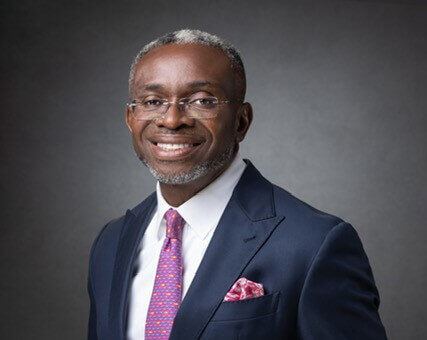
Nigeria’s N32 trillion pension industry is facing a growing shortage of investable products capable of channelling long-term savings into productive sectors of the economy, Ike Chioke, group managing director of Afrinvest (West Africa), has said. Chioke spoke at the Association of Issuing Houses of Nigeria (AIHN) symposium marking its 30th anniversary, where speakers called for deeper capital market development, more innovative financing instruments and a stronger pipeline of bankable projects. He said the challenge facing Nigeria’s capital market was increasingly not the availability of capital, but the ability to create investment products capable of absorbing the funds productively. “Yes, N32 trillion in the pension industry, the capital is not the issue. It’s actually the investable product,” Chioke said. He said the scale of Nigeria’s infrastructure needs presented significant opportunities for issuing houses to develop products that could channel pension assets into roads, power, housing, ports and other projects. “Looking at the massive need for Nigeria, the challenge for AIHN is to create more products to address infrastructure development,” he said. According to him, infrastructure financing provides enough opportunities for issuing houses to develop specialised products without competing for a limited number of large transactions. “It could just be a bridge in an estate that you can toll, or it could be something more inclusive like a state that wants to do a toll road. It could be bigger things like you’re trying to look at a port,” Chioke said. Adama Babaduko, deputy director, Securities and Investment Services Department at the Securities and Exchange Commission (SEC), similarly said Nigeria already had several capital market instruments capable of supporting infrastructure financing. She listed infrastructure bonds, real estate investment trusts, green and sustainability bonds, state and principal bonds and crowdfunding for small and medium-sized businesses among the instruments available. “What is needed is the pipeline of bankable, well-structured deals, and that’s where AIHN members come in,” Babaduko said. She said issuing houses had an important role to play in connecting pension funds with productive investment opportunities. “Issuing houses build a bridge between the pension pool and the projects,” he said. The comments came as the SEC reiterated the need for a capital market that could mobilise long-term capital for infrastructure, small and medium-sized enterprises and other productive sectors of the economy. Emomotimi Agama, director-general of the SEC, said the success of the capital market should ultimately be measured by how effectively it enables Nigerians to participate in wealth creation and provides enterprises with access to capital. He said small and medium-sized businesses, which are important to the economy, needed patient capital, crowdfunding channels and listing pathways suited to their size. “Small and medium businesses, the engine of our economy, need patient capital, crowdfunding channels, and listing pathways that fit their size,” Agama said. He added that government and private-sector sponsors also needed deep and credible markets to finance infrastructure such as roads, power, housing and ports. Kemi Awodein, president of AIHN, said issuing houses had over three decades played a pivotal role in mobilising long-term capital through public offerings, rights issues, debt issuances, mergers and acquisitions and other capital market transactions. She said there was a compelling need to expand access to capital for SMEs, infrastructure projects and emerging sectors of the economy. “A vibrant capital market remains one of the most effective mechanisms for mobilising domestic and international investment needed to unlock Nigeria’s enormous economic potential,” Awodein said. The panel also urged companies seeking funding to look beyond equity as the sole source of capital. An AIHN panellist said equities were often the most expensive form of financing for companies and encouraged issuers to consider debt instruments, preference shares, commercial paper and other financing structures. “Equities are actually the most expensive form of financing for every company in the marketplace,” the panellist said. He explained that unlike equity financing, where investors retain ownership indefinitely, debt instruments allow companies to repay investors over a defined period while retaining ownership of the underlying business. He also pointed to commercial paper and other instruments as potential sources of short-term funding for companies seeking to scale. The panel further discussed innovative structures for financing SMEs, including pooled private bonds that could aggregate businesses within the same sector and spread risks across several companies. Chioke said such structures could help overcome the challenges associated with financing individual SMEs, particularly those relating to governance, key-person risk and limited financial history. The discussions formed part of the AIHN’s 30th anniversary symposium, themed around three decades of catalysing capital, pioneering the future and enabling wealth. Related News Why products fail (Part XIII) InnovateNaija finalists showcase homegrown solutions to Nigeria’s energy, transport challenges Can Nigeria build a forest economy? Hope Moses-Ashike Hope Moses-Ashike is an Associate Editor, Banking and Finance, with more than a decade of experience reporting on Nigeria’s financial system and broader economy. She closely tracks market movements, monetary policy decisions, company disclosures, regulatory actions, economic indicators, and global developments, and interprets what they mean for businesses, investors, policymakers, and households. Her reporting helps readers understand complex issues such as inflation trends, foreign exchange market dynamics, interest rate decisions, bank performance, and investment risks. She also covers major international events and periodically travels to Washington, D.C., to report on the World Bank/IMF Spring and Annual Meetings. Her dedication to financial journalism has earned her multiple recognitions and invitations to high-level professional development programmes. She is an alumna of the International Visitors Leadership Programme (IVLP) in the United States and holds an Advanced Financial Journalism Certificate from the Press Association Training in London, UK. Her other notable achievements include completing the Lagos Business School CMC Programme, the Bloomberg Media Africa Initiative Programme, and a Master Class in Journalism at Rhodes University in South Africa. Share
Chioke spoke at the Association of Issuing Houses of Nigeria (AIHN) symposium marking its 30th anniversary, where speakers called for deeper capital market development, more innovative financing instruments and a stronger pipeline of bankable projects. He said the challenge facing Nigeria’s capital market was increasingly not the availability of capital, but the ability to create investment products capable of absorbing the funds productively. “Yes, N32 trillion in the pension industry, the capital is not the issue. It’s actually the investable product,” Chioke said. He said the scale of Nigeria’s infrastructure needs presented significant opportunities for issuing houses to develop products that could channel pension assets into roads, power, housing, ports and other projects. “Looking at the massive need for Nigeria, the challenge for AIHN is to create more products to address infrastructure development,” he said. According to him, infrastructure financing provides enough opportunities for issuing houses to develop specialised products without competing for a limited number of large transactions. “It could just be a bridge in an estate that you can toll, or it could be something more inclusive like a state that wants to do a toll road. It could be bigger things like you’re trying to look at a port,” Chioke said. Adama Babaduko, deputy director, Securities and Investment Services Department at the Securities and Exchange Commission (SEC), similarly said Nigeria already had several capital market instruments capable of supporting infrastructure financing. She listed infrastructure bonds, real estate investment trusts, green and sustainability bonds, state and principal bonds and crowdfunding for small and medium-sized businesses among the instruments available. “What is needed is the pipeline of bankable, well-structured deals, and that’s where AIHN members come in,” Babaduko said. She said issuing houses had an important role to play in connecting pension funds with productive investment opportunities. “Issuing houses build a bridge between the pension pool and the projects,” he said. The comments came as the SEC reiterated the need for a capital market that could mobilise long-term capital for infrastructure, small and medium-sized enterprises and other productive sectors of the economy. Emomotimi Agama, director-general of the SEC, said the success of the capital market should ultimately be measured by how effectively it enables Nigerians to participate in wealth creation and provides enterprises with access to capital. He said small and medium-sized businesses, which are important to the economy, needed patient capital, crowdfunding channels and listing pathways suited to their size. “Small and medium businesses, the engine of our economy, need patient capital, crowdfunding channels, and listing pathways that fit their size,” Agama said. He added that government and private-sector sponsors also needed deep and credible markets to finance infrastructure such as roads, power, housing and ports. Kemi Awodein, president of AIHN, said issuing houses had over three decades played a pivotal role in mobilising long-term capital through public offerings, rights issues, debt issuances, mergers and acquisitions and other capital market transactions. She said there was a compelling need to expand access to capital for SMEs, infrastructure projects and emerging sectors of the economy. “A vibrant capital market remains one of the most effective mechanisms for mobilising domestic and international investment needed to unlock Nigeria’s enormous economic potential,” Awodein said. The panel also urged companies seeking funding to look beyond equity as the sole source of capital. An AIHN panellist said equities were often the most expensive form of financing for companies and encouraged issuers to consider debt instruments, preference shares, commercial paper and other financing structures. “Equities are actually the most expensive form of financing for every company in the marketplace,” the panellist said. He explained that unlike equity financing, where investors retain ownership indefinitely, debt instruments allow companies to repay investors over a defined period while retaining ownership of the underlying business. He also pointed to commercial paper and other instruments as potential sources of short-term funding for companies seeking to scale. The panel further discussed innovative structures for financing SMEs, including pooled private bonds that could aggregate businesses within the same sector and spread risks across several companies. Chioke said such structures could help overcome the challenges associated with financing individual SMEs, particularly those relating to governance, key-person risk and limited financial history. The discussions formed part of the AIHN’s 30th anniversary symposium, themed around three decades of catalysing capital, pioneering the future and enabling wealth. Related News Why products fail (Part XIII) InnovateNaija finalists showcase homegrown solutions to Nigeria’s energy, transport challenges Can Nigeria build a forest economy? Hope Moses-Ashike Hope Moses-Ashike is an Associate Editor, Banking and Finance, with more than a decade of experience reporting on Nigeria’s financial system and broader economy. She closely tracks market movements, monetary policy decisions, company disclosures, regulatory actions, economic indicators, and global developments, and interprets what they mean for businesses, investors, policymakers, and households. Her reporting helps readers understand complex issues such as inflation trends, foreign exchange market dynamics, interest rate decisions, bank performance, and investment risks. She also covers major international events and periodically travels to Washington, D.C., to report on the World Bank/IMF Spring and Annual Meetings. Her dedication to financial journalism has earned her multiple recognitions and invitations to high-level professional development programmes. She is an alumna of the International Visitors Leadership Programme (IVLP) in the United States and holds an Advanced Financial Journalism Certificate from the Press Association Training in London, UK. Her other notable achievements include completing the Lagos Business School CMC Programme, the Bloomberg Media Africa Initiative Programme, and a Master Class in Journalism at Rhodes University in South Africa. Share
He said the challenge facing Nigeria’s capital market was increasingly not the availability of capital, but the ability to create investment products capable of absorbing the funds productively. “Yes, N32 trillion in the pension industry, the capital is not the issue. It’s actually the investable product,” Chioke said. He said the scale of Nigeria’s infrastructure needs presented significant opportunities for issuing houses to develop products that could channel pension assets into roads, power, housing, ports and other projects. “Looking at the massive need for Nigeria, the challenge for AIHN is to create more products to address infrastructure development,” he said. According to him, infrastructure financing provides enough opportunities for issuing houses to develop specialised products without competing for a limited number of large transactions. “It could just be a bridge in an estate that you can toll, or it could be something more inclusive like a state that wants to do a toll road. It could be bigger things like you’re trying to look at a port,” Chioke said. Adama Babaduko, deputy director, Securities and Investment Services Department at the Securities and Exchange Commission (SEC), similarly said Nigeria already had several capital market instruments capable of supporting infrastructure financing. She listed infrastructure bonds, real estate investment trusts, green and sustainability bonds, state and principal bonds and crowdfunding for small and medium-sized businesses among the instruments available. “What is needed is the pipeline of bankable, well-structured deals, and that’s where AIHN members come in,” Babaduko said. She said issuing houses had an important role to play in connecting pension funds with productive investment opportunities. “Issuing houses build a bridge between the pension pool and the projects,” he said. The comments came as the SEC reiterated the need for a capital market that could mobilise long-term capital for infrastructure, small and medium-sized enterprises and other productive sectors of the economy. Emomotimi Agama, director-general of the SEC, said the success of the capital market should ultimately be measured by how effectively it enables Nigerians to participate in wealth creation and provides enterprises with access to capital. He said small and medium-sized businesses, which are important to the economy, needed patient capital, crowdfunding channels and listing pathways suited to their size. “Small and medium businesses, the engine of our economy, need patient capital, crowdfunding channels, and listing pathways that fit their size,” Agama said. He added that government and private-sector sponsors also needed deep and credible markets to finance infrastructure such as roads, power, housing and ports. Kemi Awodein, president of AIHN, said issuing houses had over three decades played a pivotal role in mobilising long-term capital through public offerings, rights issues, debt issuances, mergers and acquisitions and other capital market transactions. She said there was a compelling need to expand access to capital for SMEs, infrastructure projects and emerging sectors of the economy. “A vibrant capital market remains one of the most effective mechanisms for mobilising domestic and international investment needed to unlock Nigeria’s enormous economic potential,” Awodein said. The panel also urged companies seeking funding to look beyond equity as the sole source of capital. An AIHN panellist said equities were often the most expensive form of financing for companies and encouraged issuers to consider debt instruments, preference shares, commercial paper and other financing structures. “Equities are actually the most expensive form of financing for every company in the marketplace,” the panellist said. He explained that unlike equity financing, where investors retain ownership indefinitely, debt instruments allow companies to repay investors over a defined period while retaining ownership of the underlying business. He also pointed to commercial paper and other instruments as potential sources of short-term funding for companies seeking to scale. The panel further discussed innovative structures for financing SMEs, including pooled private bonds that could aggregate businesses within the same sector and spread risks across several companies. Chioke said such structures could help overcome the challenges associated with financing individual SMEs, particularly those relating to governance, key-person risk and limited financial history. The discussions formed part of the AIHN’s 30th anniversary symposium, themed around three decades of catalysing capital, pioneering the future and enabling wealth. Related News Why products fail (Part XIII) InnovateNaija finalists showcase homegrown solutions to Nigeria’s energy, transport challenges Can Nigeria build a forest economy? Hope Moses-Ashike Hope Moses-Ashike is an Associate Editor, Banking and Finance, with more than a decade of experience reporting on Nigeria’s financial system and broader economy. She closely tracks market movements, monetary policy decisions, company disclosures, regulatory actions, economic indicators, and global developments, and interprets what they mean for businesses, investors, policymakers, and households. Her reporting helps readers understand complex issues such as inflation trends, foreign exchange market dynamics, interest rate decisions, bank performance, and investment risks. She also covers major international events and periodically travels to Washington, D.C., to report on the World Bank/IMF Spring and Annual Meetings. Her dedication to financial journalism has earned her multiple recognitions and invitations to high-level professional development programmes. She is an alumna of the International Visitors Leadership Programme (IVLP) in the United States and holds an Advanced Financial Journalism Certificate from the Press Association Training in London, UK. Her other notable achievements include completing the Lagos Business School CMC Programme, the Bloomberg Media Africa Initiative Programme, and a Master Class in Journalism at Rhodes University in South Africa. Share
“Yes, N32 trillion in the pension industry, the capital is not the issue. It’s actually the investable product,” Chioke said. He said the scale of Nigeria’s infrastructure needs presented significant opportunities for issuing houses to develop products that could channel pension assets into roads, power, housing, ports and other projects. “Looking at the massive need for Nigeria, the challenge for AIHN is to create more products to address infrastructure development,” he said. According to him, infrastructure financing provides enough opportunities for issuing houses to develop specialised products without competing for a limited number of large transactions. “It could just be a bridge in an estate that you can toll, or it could be something more inclusive like a state that wants to do a toll road. It could be bigger things like you’re trying to look at a port,” Chioke said. Adama Babaduko, deputy director, Securities and Investment Services Department at the Securities and Exchange Commission (SEC), similarly said Nigeria already had several capital market instruments capable of supporting infrastructure financing. She listed infrastructure bonds, real estate investment trusts, green and sustainability bonds, state and principal bonds and crowdfunding for small and medium-sized businesses among the instruments available. “What is needed is the pipeline of bankable, well-structured deals, and that’s where AIHN members come in,” Babaduko said. She said issuing houses had an important role to play in connecting pension funds with productive investment opportunities. “Issuing houses build a bridge between the pension pool and the projects,” he said. The comments came as the SEC reiterated the need for a capital market that could mobilise long-term capital for infrastructure, small and medium-sized enterprises and other productive sectors of the economy. Emomotimi Agama, director-general of the SEC, said the success of the capital market should ultimately be measured by how effectively it enables Nigerians to participate in wealth creation and provides enterprises with access to capital. He said small and medium-sized businesses, which are important to the economy, needed patient capital, crowdfunding channels and listing pathways suited to their size. “Small and medium businesses, the engine of our economy, need patient capital, crowdfunding channels, and listing pathways that fit their size,” Agama said. He added that government and private-sector sponsors also needed deep and credible markets to finance infrastructure such as roads, power, housing and ports. Kemi Awodein, president of AIHN, said issuing houses had over three decades played a pivotal role in mobilising long-term capital through public offerings, rights issues, debt issuances, mergers and acquisitions and other capital market transactions. She said there was a compelling need to expand access to capital for SMEs, infrastructure projects and emerging sectors of the economy. “A vibrant capital market remains one of the most effective mechanisms for mobilising domestic and international investment needed to unlock Nigeria’s enormous economic potential,” Awodein said. The panel also urged companies seeking funding to look beyond equity as the sole source of capital. An AIHN panellist said equities were often the most expensive form of financing for companies and encouraged issuers to consider debt instruments, preference shares, commercial paper and other financing structures. “Equities are actually the most expensive form of financing for every company in the marketplace,” the panellist said. He explained that unlike equity financing, where investors retain ownership indefinitely, debt instruments allow companies to repay investors over a defined period while retaining ownership of the underlying business. He also pointed to commercial paper and other instruments as potential sources of short-term funding for companies seeking to scale. The panel further discussed innovative structures for financing SMEs, including pooled private bonds that could aggregate businesses within the same sector and spread risks across several companies. Chioke said such structures could help overcome the challenges associated with financing individual SMEs, particularly those relating to governance, key-person risk and limited financial history. The discussions formed part of the AIHN’s 30th anniversary symposium, themed around three decades of catalysing capital, pioneering the future and enabling wealth. Related News Why products fail (Part XIII) InnovateNaija finalists showcase homegrown solutions to Nigeria’s energy, transport challenges Can Nigeria build a forest economy? Hope Moses-Ashike Hope Moses-Ashike is an Associate Editor, Banking and Finance, with more than a decade of experience reporting on Nigeria’s financial system and broader economy. She closely tracks market movements, monetary policy decisions, company disclosures, regulatory actions, economic indicators, and global developments, and interprets what they mean for businesses, investors, policymakers, and households. Her reporting helps readers understand complex issues such as inflation trends, foreign exchange market dynamics, interest rate decisions, bank performance, and investment risks. She also covers major international events and periodically travels to Washington, D.C., to report on the World Bank/IMF Spring and Annual Meetings. Her dedication to financial journalism has earned her multiple recognitions and invitations to high-level professional development programmes. She is an alumna of the International Visitors Leadership Programme (IVLP) in the United States and holds an Advanced Financial Journalism Certificate from the Press Association Training in London, UK. Her other notable achievements include completing the Lagos Business School CMC Programme, the Bloomberg Media Africa Initiative Programme, and a Master Class in Journalism at Rhodes University in South Africa. Share
He said the scale of Nigeria’s infrastructure needs presented significant opportunities for issuing houses to develop products that could channel pension assets into roads, power, housing, ports and other projects. “Looking at the massive need for Nigeria, the challenge for AIHN is to create more products to address infrastructure development,” he said. According to him, infrastructure financing provides enough opportunities for issuing houses to develop specialised products without competing for a limited number of large transactions. “It could just be a bridge in an estate that you can toll, or it could be something more inclusive like a state that wants to do a toll road. It could be bigger things like you’re trying to look at a port,” Chioke said. Adama Babaduko, deputy director, Securities and Investment Services Department at the Securities and Exchange Commission (SEC), similarly said Nigeria already had several capital market instruments capable of supporting infrastructure financing. She listed infrastructure bonds, real estate investment trusts, green and sustainability bonds, state and principal bonds and crowdfunding for small and medium-sized businesses among the instruments available. “What is needed is the pipeline of bankable, well-structured deals, and that’s where AIHN members come in,” Babaduko said. She said issuing houses had an important role to play in connecting pension funds with productive investment opportunities. “Issuing houses build a bridge between the pension pool and the projects,” he said. The comments came as the SEC reiterated the need for a capital market that could mobilise long-term capital for infrastructure, small and medium-sized enterprises and other productive sectors of the economy. Emomotimi Agama, director-general of the SEC, said the success of the capital market should ultimately be measured by how effectively it enables Nigerians to participate in wealth creation and provides enterprises with access to capital. He said small and medium-sized businesses, which are important to the economy, needed patient capital, crowdfunding channels and listing pathways suited to their size. “Small and medium businesses, the engine of our economy, need patient capital, crowdfunding channels, and listing pathways that fit their size,” Agama said. He added that government and private-sector sponsors also needed deep and credible markets to finance infrastructure such as roads, power, housing and ports. Kemi Awodein, president of AIHN, said issuing houses had over three decades played a pivotal role in mobilising long-term capital through public offerings, rights issues, debt issuances, mergers and acquisitions and other capital market transactions. She said there was a compelling need to expand access to capital for SMEs, infrastructure projects and emerging sectors of the economy. “A vibrant capital market remains one of the most effective mechanisms for mobilising domestic and international investment needed to unlock Nigeria’s enormous economic potential,” Awodein said. The panel also urged companies seeking funding to look beyond equity as the sole source of capital. An AIHN panellist said equities were often the most expensive form of financing for companies and encouraged issuers to consider debt instruments, preference shares, commercial paper and other financing structures. “Equities are actually the most expensive form of financing for every company in the marketplace,” the panellist said. He explained that unlike equity financing, where investors retain ownership indefinitely, debt instruments allow companies to repay investors over a defined period while retaining ownership of the underlying business. He also pointed to commercial paper and other instruments as potential sources of short-term funding for companies seeking to scale. The panel further discussed innovative structures for financing SMEs, including pooled private bonds that could aggregate businesses within the same sector and spread risks across several companies. Chioke said such structures could help overcome the challenges associated with financing individual SMEs, particularly those relating to governance, key-person risk and limited financial history. The discussions formed part of the AIHN’s 30th anniversary symposium, themed around three decades of catalysing capital, pioneering the future and enabling wealth. Related News Why products fail (Part XIII) InnovateNaija finalists showcase homegrown solutions to Nigeria’s energy, transport challenges Can Nigeria build a forest economy? Hope Moses-Ashike Hope Moses-Ashike is an Associate Editor, Banking and Finance, with more than a decade of experience reporting on Nigeria’s financial system and broader economy. She closely tracks market movements, monetary policy decisions, company disclosures, regulatory actions, economic indicators, and global developments, and interprets what they mean for businesses, investors, policymakers, and households. Her reporting helps readers understand complex issues such as inflation trends, foreign exchange market dynamics, interest rate decisions, bank performance, and investment risks. She also covers major international events and periodically travels to Washington, D.C., to report on the World Bank/IMF Spring and Annual Meetings. Her dedication to financial journalism has earned her multiple recognitions and invitations to high-level professional development programmes. She is an alumna of the International Visitors Leadership Programme (IVLP) in the United States and holds an Advanced Financial Journalism Certificate from the Press Association Training in London, UK. Her other notable achievements include completing the Lagos Business School CMC Programme, the Bloomberg Media Africa Initiative Programme, and a Master Class in Journalism at Rhodes University in South Africa. Share
“Looking at the massive need for Nigeria, the challenge for AIHN is to create more products to address infrastructure development,” he said. According to him, infrastructure financing provides enough opportunities for issuing houses to develop specialised products without competing for a limited number of large transactions. “It could just be a bridge in an estate that you can toll, or it could be something more inclusive like a state that wants to do a toll road. It could be bigger things like you’re trying to look at a port,” Chioke said. Adama Babaduko, deputy director, Securities and Investment Services Department at the Securities and Exchange Commission (SEC), similarly said Nigeria already had several capital market instruments capable of supporting infrastructure financing. She listed infrastructure bonds, real estate investment trusts, green and sustainability bonds, state and principal bonds and crowdfunding for small and medium-sized businesses among the instruments available. “What is needed is the pipeline of bankable, well-structured deals, and that’s where AIHN members come in,” Babaduko said. She said issuing houses had an important role to play in connecting pension funds with productive investment opportunities. “Issuing houses build a bridge between the pension pool and the projects,” he said. The comments came as the SEC reiterated the need for a capital market that could mobilise long-term capital for infrastructure, small and medium-sized enterprises and other productive sectors of the economy. Emomotimi Agama, director-general of the SEC, said the success of the capital market should ultimately be measured by how effectively it enables Nigerians to participate in wealth creation and provides enterprises with access to capital. He said small and medium-sized businesses, which are important to the economy, needed patient capital, crowdfunding channels and listing pathways suited to their size. “Small and medium businesses, the engine of our economy, need patient capital, crowdfunding channels, and listing pathways that fit their size,” Agama said. He added that government and private-sector sponsors also needed deep and credible markets to finance infrastructure such as roads, power, housing and ports. Kemi Awodein, president of AIHN, said issuing houses had over three decades played a pivotal role in mobilising long-term capital through public offerings, rights issues, debt issuances, mergers and acquisitions and other capital market transactions. She said there was a compelling need to expand access to capital for SMEs, infrastructure projects and emerging sectors of the economy. “A vibrant capital market remains one of the most effective mechanisms for mobilising domestic and international investment needed to unlock Nigeria’s enormous economic potential,” Awodein said. The panel also urged companies seeking funding to look beyond equity as the sole source of capital. An AIHN panellist said equities were often the most expensive form of financing for companies and encouraged issuers to consider debt instruments, preference shares, commercial paper and other financing structures. “Equities are actually the most expensive form of financing for every company in the marketplace,” the panellist said. He explained that unlike equity financing, where investors retain ownership indefinitely, debt instruments allow companies to repay investors over a defined period while retaining ownership of the underlying business. He also pointed to commercial paper and other instruments as potential sources of short-term funding for companies seeking to scale. The panel further discussed innovative structures for financing SMEs, including pooled private bonds that could aggregate businesses within the same sector and spread risks across several companies. Chioke said such structures could help overcome the challenges associated with financing individual SMEs, particularly those relating to governance, key-person risk and limited financial history. The discussions formed part of the AIHN’s 30th anniversary symposium, themed around three decades of catalysing capital, pioneering the future and enabling wealth. Related News Why products fail (Part XIII) InnovateNaija finalists showcase homegrown solutions to Nigeria’s energy, transport challenges Can Nigeria build a forest economy? Hope Moses-Ashike Hope Moses-Ashike is an Associate Editor, Banking and Finance, with more than a decade of experience reporting on Nigeria’s financial system and broader economy. She closely tracks market movements, monetary policy decisions, company disclosures, regulatory actions, economic indicators, and global developments, and interprets what they mean for businesses, investors, policymakers, and households. Her reporting helps readers understand complex issues such as inflation trends, foreign exchange market dynamics, interest rate decisions, bank performance, and investment risks. She also covers major international events and periodically travels to Washington, D.C., to report on the World Bank/IMF Spring and Annual Meetings. Her dedication to financial journalism has earned her multiple recognitions and invitations to high-level professional development programmes. She is an alumna of the International Visitors Leadership Programme (IVLP) in the United States and holds an Advanced Financial Journalism Certificate from the Press Association Training in London, UK. Her other notable achievements include completing the Lagos Business School CMC Programme, the Bloomberg Media Africa Initiative Programme, and a Master Class in Journalism at Rhodes University in South Africa. Share
According to him, infrastructure financing provides enough opportunities for issuing houses to develop specialised products without competing for a limited number of large transactions. “It could just be a bridge in an estate that you can toll, or it could be something more inclusive like a state that wants to do a toll road. It could be bigger things like you’re trying to look at a port,” Chioke said. Adama Babaduko, deputy director, Securities and Investment Services Department at the Securities and Exchange Commission (SEC), similarly said Nigeria already had several capital market instruments capable of supporting infrastructure financing. She listed infrastructure bonds, real estate investment trusts, green and sustainability bonds, state and principal bonds and crowdfunding for small and medium-sized businesses among the instruments available. “What is needed is the pipeline of bankable, well-structured deals, and that’s where AIHN members come in,” Babaduko said. She said issuing houses had an important role to play in connecting pension funds with productive investment opportunities. “Issuing houses build a bridge between the pension pool and the projects,” he said. The comments came as the SEC reiterated the need for a capital market that could mobilise long-term capital for infrastructure, small and medium-sized enterprises and other productive sectors of the economy. Emomotimi Agama, director-general of the SEC, said the success of the capital market should ultimately be measured by how effectively it enables Nigerians to participate in wealth creation and provides enterprises with access to capital. He said small and medium-sized businesses, which are important to the economy, needed patient capital, crowdfunding channels and listing pathways suited to their size. “Small and medium businesses, the engine of our economy, need patient capital, crowdfunding channels, and listing pathways that fit their size,” Agama said. He added that government and private-sector sponsors also needed deep and credible markets to finance infrastructure such as roads, power, housing and ports. Kemi Awodein, president of AIHN, said issuing houses had over three decades played a pivotal role in mobilising long-term capital through public offerings, rights issues, debt issuances, mergers and acquisitions and other capital market transactions. She said there was a compelling need to expand access to capital for SMEs, infrastructure projects and emerging sectors of the economy. “A vibrant capital market remains one of the most effective mechanisms for mobilising domestic and international investment needed to unlock Nigeria’s enormous economic potential,” Awodein said. The panel also urged companies seeking funding to look beyond equity as the sole source of capital. An AIHN panellist said equities were often the most expensive form of financing for companies and encouraged issuers to consider debt instruments, preference shares, commercial paper and other financing structures. “Equities are actually the most expensive form of financing for every company in the marketplace,” the panellist said. He explained that unlike equity financing, where investors retain ownership indefinitely, debt instruments allow companies to repay investors over a defined period while retaining ownership of the underlying business. He also pointed to commercial paper and other instruments as potential sources of short-term funding for companies seeking to scale. The panel further discussed innovative structures for financing SMEs, including pooled private bonds that could aggregate businesses within the same sector and spread risks across several companies. Chioke said such structures could help overcome the challenges associated with financing individual SMEs, particularly those relating to governance, key-person risk and limited financial history. The discussions formed part of the AIHN’s 30th anniversary symposium, themed around three decades of catalysing capital, pioneering the future and enabling wealth. Related News Why products fail (Part XIII) InnovateNaija finalists showcase homegrown solutions to Nigeria’s energy, transport challenges Can Nigeria build a forest economy? Hope Moses-Ashike Hope Moses-Ashike is an Associate Editor, Banking and Finance, with more than a decade of experience reporting on Nigeria’s financial system and broader economy. She closely tracks market movements, monetary policy decisions, company disclosures, regulatory actions, economic indicators, and global developments, and interprets what they mean for businesses, investors, policymakers, and households. Her reporting helps readers understand complex issues such as inflation trends, foreign exchange market dynamics, interest rate decisions, bank performance, and investment risks. She also covers major international events and periodically travels to Washington, D.C., to report on the World Bank/IMF Spring and Annual Meetings. Her dedication to financial journalism has earned her multiple recognitions and invitations to high-level professional development programmes. She is an alumna of the International Visitors Leadership Programme (IVLP) in the United States and holds an Advanced Financial Journalism Certificate from the Press Association Training in London, UK. Her other notable achievements include completing the Lagos Business School CMC Programme, the Bloomberg Media Africa Initiative Programme, and a Master Class in Journalism at Rhodes University in South Africa. Share
“It could just be a bridge in an estate that you can toll, or it could be something more inclusive like a state that wants to do a toll road. It could be bigger things like you’re trying to look at a port,” Chioke said. Adama Babaduko, deputy director, Securities and Investment Services Department at the Securities and Exchange Commission (SEC), similarly said Nigeria already had several capital market instruments capable of supporting infrastructure financing. She listed infrastructure bonds, real estate investment trusts, green and sustainability bonds, state and principal bonds and crowdfunding for small and medium-sized businesses among the instruments available. “What is needed is the pipeline of bankable, well-structured deals, and that’s where AIHN members come in,” Babaduko said. She said issuing houses had an important role to play in connecting pension funds with productive investment opportunities. “Issuing houses build a bridge between the pension pool and the projects,” he said. The comments came as the SEC reiterated the need for a capital market that could mobilise long-term capital for infrastructure, small and medium-sized enterprises and other productive sectors of the economy. Emomotimi Agama, director-general of the SEC, said the success of the capital market should ultimately be measured by how effectively it enables Nigerians to participate in wealth creation and provides enterprises with access to capital. He said small and medium-sized businesses, which are important to the economy, needed patient capital, crowdfunding channels and listing pathways suited to their size. “Small and medium businesses, the engine of our economy, need patient capital, crowdfunding channels, and listing pathways that fit their size,” Agama said. He added that government and private-sector sponsors also needed deep and credible markets to finance infrastructure such as roads, power, housing and ports. Kemi Awodein, president of AIHN, said issuing houses had over three decades played a pivotal role in mobilising long-term capital through public offerings, rights issues, debt issuances, mergers and acquisitions and other capital market transactions. She said there was a compelling need to expand access to capital for SMEs, infrastructure projects and emerging sectors of the economy. “A vibrant capital market remains one of the most effective mechanisms for mobilising domestic and international investment needed to unlock Nigeria’s enormous economic potential,” Awodein said. The panel also urged companies seeking funding to look beyond equity as the sole source of capital. An AIHN panellist said equities were often the most expensive form of financing for companies and encouraged issuers to consider debt instruments, preference shares, commercial paper and other financing structures. “Equities are actually the most expensive form of financing for every company in the marketplace,” the panellist said. He explained that unlike equity financing, where investors retain ownership indefinitely, debt instruments allow companies to repay investors over a defined period while retaining ownership of the underlying business. He also pointed to commercial paper and other instruments as potential sources of short-term funding for companies seeking to scale. The panel further discussed innovative structures for financing SMEs, including pooled private bonds that could aggregate businesses within the same sector and spread risks across several companies. Chioke said such structures could help overcome the challenges associated with financing individual SMEs, particularly those relating to governance, key-person risk and limited financial history. The discussions formed part of the AIHN’s 30th anniversary symposium, themed around three decades of catalysing capital, pioneering the future and enabling wealth. Related News Why products fail (Part XIII) InnovateNaija finalists showcase homegrown solutions to Nigeria’s energy, transport challenges Can Nigeria build a forest economy? Hope Moses-Ashike Hope Moses-Ashike is an Associate Editor, Banking and Finance, with more than a decade of experience reporting on Nigeria’s financial system and broader economy. She closely tracks market movements, monetary policy decisions, company disclosures, regulatory actions, economic indicators, and global developments, and interprets what they mean for businesses, investors, policymakers, and households. Her reporting helps readers understand complex issues such as inflation trends, foreign exchange market dynamics, interest rate decisions, bank performance, and investment risks. She also covers major international events and periodically travels to Washington, D.C., to report on the World Bank/IMF Spring and Annual Meetings. Her dedication to financial journalism has earned her multiple recognitions and invitations to high-level professional development programmes. She is an alumna of the International Visitors Leadership Programme (IVLP) in the United States and holds an Advanced Financial Journalism Certificate from the Press Association Training in London, UK. Her other notable achievements include completing the Lagos Business School CMC Programme, the Bloomberg Media Africa Initiative Programme, and a Master Class in Journalism at Rhodes University in South Africa. Share
Adama Babaduko, deputy director, Securities and Investment Services Department at the Securities and Exchange Commission (SEC), similarly said Nigeria already had several capital market instruments capable of supporting infrastructure financing. She listed infrastructure bonds, real estate investment trusts, green and sustainability bonds, state and principal bonds and crowdfunding for small and medium-sized businesses among the instruments available. “What is needed is the pipeline of bankable, well-structured deals, and that’s where AIHN members come in,” Babaduko said. She said issuing houses had an important role to play in connecting pension funds with productive investment opportunities. “Issuing houses build a bridge between the pension pool and the projects,” he said. The comments came as the SEC reiterated the need for a capital market that could mobilise long-term capital for infrastructure, small and medium-sized enterprises and other productive sectors of the economy. Emomotimi Agama, director-general of the SEC, said the success of the capital market should ultimately be measured by how effectively it enables Nigerians to participate in wealth creation and provides enterprises with access to capital. He said small and medium-sized businesses, which are important to the economy, needed patient capital, crowdfunding channels and listing pathways suited to their size. “Small and medium businesses, the engine of our economy, need patient capital, crowdfunding channels, and listing pathways that fit their size,” Agama said. He added that government and private-sector sponsors also needed deep and credible markets to finance infrastructure such as roads, power, housing and ports. Kemi Awodein, president of AIHN, said issuing houses had over three decades played a pivotal role in mobilising long-term capital through public offerings, rights issues, debt issuances, mergers and acquisitions and other capital market transactions. She said there was a compelling need to expand access to capital for SMEs, infrastructure projects and emerging sectors of the economy. “A vibrant capital market remains one of the most effective mechanisms for mobilising domestic and international investment needed to unlock Nigeria’s enormous economic potential,” Awodein said. The panel also urged companies seeking funding to look beyond equity as the sole source of capital. An AIHN panellist said equities were often the most expensive form of financing for companies and encouraged issuers to consider debt instruments, preference shares, commercial paper and other financing structures. “Equities are actually the most expensive form of financing for every company in the marketplace,” the panellist said. He explained that unlike equity financing, where investors retain ownership indefinitely, debt instruments allow companies to repay investors over a defined period while retaining ownership of the underlying business. He also pointed to commercial paper and other instruments as potential sources of short-term funding for companies seeking to scale. The panel further discussed innovative structures for financing SMEs, including pooled private bonds that could aggregate businesses within the same sector and spread risks across several companies. Chioke said such structures could help overcome the challenges associated with financing individual SMEs, particularly those relating to governance, key-person risk and limited financial history. The discussions formed part of the AIHN’s 30th anniversary symposium, themed around three decades of catalysing capital, pioneering the future and enabling wealth. Related News Why products fail (Part XIII) InnovateNaija finalists showcase homegrown solutions to Nigeria’s energy, transport challenges Can Nigeria build a forest economy? Hope Moses-Ashike Hope Moses-Ashike is an Associate Editor, Banking and Finance, with more than a decade of experience reporting on Nigeria’s financial system and broader economy. She closely tracks market movements, monetary policy decisions, company disclosures, regulatory actions, economic indicators, and global developments, and interprets what they mean for businesses, investors, policymakers, and households. Her reporting helps readers understand complex issues such as inflation trends, foreign exchange market dynamics, interest rate decisions, bank performance, and investment risks. She also covers major international events and periodically travels to Washington, D.C., to report on the World Bank/IMF Spring and Annual Meetings. Her dedication to financial journalism has earned her multiple recognitions and invitations to high-level professional development programmes. She is an alumna of the International Visitors Leadership Programme (IVLP) in the United States and holds an Advanced Financial Journalism Certificate from the Press Association Training in London, UK. Her other notable achievements include completing the Lagos Business School CMC Programme, the Bloomberg Media Africa Initiative Programme, and a Master Class in Journalism at Rhodes University in South Africa. Share
She listed infrastructure bonds, real estate investment trusts, green and sustainability bonds, state and principal bonds and crowdfunding for small and medium-sized businesses among the instruments available. “What is needed is the pipeline of bankable, well-structured deals, and that’s where AIHN members come in,” Babaduko said. She said issuing houses had an important role to play in connecting pension funds with productive investment opportunities. “Issuing houses build a bridge between the pension pool and the projects,” he said. The comments came as the SEC reiterated the need for a capital market that could mobilise long-term capital for infrastructure, small and medium-sized enterprises and other productive sectors of the economy. Emomotimi Agama, director-general of the SEC, said the success of the capital market should ultimately be measured by how effectively it enables Nigerians to participate in wealth creation and provides enterprises with access to capital. He said small and medium-sized businesses, which are important to the economy, needed patient capital, crowdfunding channels and listing pathways suited to their size. “Small and medium businesses, the engine of our economy, need patient capital, crowdfunding channels, and listing pathways that fit their size,” Agama said. He added that government and private-sector sponsors also needed deep and credible markets to finance infrastructure such as roads, power, housing and ports. Kemi Awodein, president of AIHN, said issuing houses had over three decades played a pivotal role in mobilising long-term capital through public offerings, rights issues, debt issuances, mergers and acquisitions and other capital market transactions. She said there was a compelling need to expand access to capital for SMEs, infrastructure projects and emerging sectors of the economy. “A vibrant capital market remains one of the most effective mechanisms for mobilising domestic and international investment needed to unlock Nigeria’s enormous economic potential,” Awodein said. The panel also urged companies seeking funding to look beyond equity as the sole source of capital. An AIHN panellist said equities were often the most expensive form of financing for companies and encouraged issuers to consider debt instruments, preference shares, commercial paper and other financing structures. “Equities are actually the most expensive form of financing for every company in the marketplace,” the panellist said. He explained that unlike equity financing, where investors retain ownership indefinitely, debt instruments allow companies to repay investors over a defined period while retaining ownership of the underlying business. He also pointed to commercial paper and other instruments as potential sources of short-term funding for companies seeking to scale. The panel further discussed innovative structures for financing SMEs, including pooled private bonds that could aggregate businesses within the same sector and spread risks across several companies. Chioke said such structures could help overcome the challenges associated with financing individual SMEs, particularly those relating to governance, key-person risk and limited financial history. The discussions formed part of the AIHN’s 30th anniversary symposium, themed around three decades of catalysing capital, pioneering the future and enabling wealth. Related News Why products fail (Part XIII) InnovateNaija finalists showcase homegrown solutions to Nigeria’s energy, transport challenges Can Nigeria build a forest economy? Hope Moses-Ashike Hope Moses-Ashike is an Associate Editor, Banking and Finance, with more than a decade of experience reporting on Nigeria’s financial system and broader economy. She closely tracks market movements, monetary policy decisions, company disclosures, regulatory actions, economic indicators, and global developments, and interprets what they mean for businesses, investors, policymakers, and households. Her reporting helps readers understand complex issues such as inflation trends, foreign exchange market dynamics, interest rate decisions, bank performance, and investment risks. She also covers major international events and periodically travels to Washington, D.C., to report on the World Bank/IMF Spring and Annual Meetings. Her dedication to financial journalism has earned her multiple recognitions and invitations to high-level professional development programmes. She is an alumna of the International Visitors Leadership Programme (IVLP) in the United States and holds an Advanced Financial Journalism Certificate from the Press Association Training in London, UK. Her other notable achievements include completing the Lagos Business School CMC Programme, the Bloomberg Media Africa Initiative Programme, and a Master Class in Journalism at Rhodes University in South Africa. Share
“What is needed is the pipeline of bankable, well-structured deals, and that’s where AIHN members come in,” Babaduko said. She said issuing houses had an important role to play in connecting pension funds with productive investment opportunities. “Issuing houses build a bridge between the pension pool and the projects,” he said. The comments came as the SEC reiterated the need for a capital market that could mobilise long-term capital for infrastructure, small and medium-sized enterprises and other productive sectors of the economy. Emomotimi Agama, director-general of the SEC, said the success of the capital market should ultimately be measured by how effectively it enables Nigerians to participate in wealth creation and provides enterprises with access to capital. He said small and medium-sized businesses, which are important to the economy, needed patient capital, crowdfunding channels and listing pathways suited to their size. “Small and medium businesses, the engine of our economy, need patient capital, crowdfunding channels, and listing pathways that fit their size,” Agama said. He added that government and private-sector sponsors also needed deep and credible markets to finance infrastructure such as roads, power, housing and ports. Kemi Awodein, president of AIHN, said issuing houses had over three decades played a pivotal role in mobilising long-term capital through public offerings, rights issues, debt issuances, mergers and acquisitions and other capital market transactions. She said there was a compelling need to expand access to capital for SMEs, infrastructure projects and emerging sectors of the economy. “A vibrant capital market remains one of the most effective mechanisms for mobilising domestic and international investment needed to unlock Nigeria’s enormous economic potential,” Awodein said. The panel also urged companies seeking funding to look beyond equity as the sole source of capital. An AIHN panellist said equities were often the most expensive form of financing for companies and encouraged issuers to consider debt instruments, preference shares, commercial paper and other financing structures. “Equities are actually the most expensive form of financing for every company in the marketplace,” the panellist said. He explained that unlike equity financing, where investors retain ownership indefinitely, debt instruments allow companies to repay investors over a defined period while retaining ownership of the underlying business. He also pointed to commercial paper and other instruments as potential sources of short-term funding for companies seeking to scale. The panel further discussed innovative structures for financing SMEs, including pooled private bonds that could aggregate businesses within the same sector and spread risks across several companies. Chioke said such structures could help overcome the challenges associated with financing individual SMEs, particularly those relating to governance, key-person risk and limited financial history. The discussions formed part of the AIHN’s 30th anniversary symposium, themed around three decades of catalysing capital, pioneering the future and enabling wealth. Related News Why products fail (Part XIII) InnovateNaija finalists showcase homegrown solutions to Nigeria’s energy, transport challenges Can Nigeria build a forest economy? Hope Moses-Ashike Hope Moses-Ashike is an Associate Editor, Banking and Finance, with more than a decade of experience reporting on Nigeria’s financial system and broader economy. She closely tracks market movements, monetary policy decisions, company disclosures, regulatory actions, economic indicators, and global developments, and interprets what they mean for businesses, investors, policymakers, and households. Her reporting helps readers understand complex issues such as inflation trends, foreign exchange market dynamics, interest rate decisions, bank performance, and investment risks. She also covers major international events and periodically travels to Washington, D.C., to report on the World Bank/IMF Spring and Annual Meetings. Her dedication to financial journalism has earned her multiple recognitions and invitations to high-level professional development programmes. She is an alumna of the International Visitors Leadership Programme (IVLP) in the United States and holds an Advanced Financial Journalism Certificate from the Press Association Training in London, UK. Her other notable achievements include completing the Lagos Business School CMC Programme, the Bloomberg Media Africa Initiative Programme, and a Master Class in Journalism at Rhodes University in South Africa. Share
She said issuing houses had an important role to play in connecting pension funds with productive investment opportunities. “Issuing houses build a bridge between the pension pool and the projects,” he said. The comments came as the SEC reiterated the need for a capital market that could mobilise long-term capital for infrastructure, small and medium-sized enterprises and other productive sectors of the economy. Emomotimi Agama, director-general of the SEC, said the success of the capital market should ultimately be measured by how effectively it enables Nigerians to participate in wealth creation and provides enterprises with access to capital. He said small and medium-sized businesses, which are important to the economy, needed patient capital, crowdfunding channels and listing pathways suited to their size. “Small and medium businesses, the engine of our economy, need patient capital, crowdfunding channels, and listing pathways that fit their size,” Agama said. He added that government and private-sector sponsors also needed deep and credible markets to finance infrastructure such as roads, power, housing and ports. Kemi Awodein, president of AIHN, said issuing houses had over three decades played a pivotal role in mobilising long-term capital through public offerings, rights issues, debt issuances, mergers and acquisitions and other capital market transactions. She said there was a compelling need to expand access to capital for SMEs, infrastructure projects and emerging sectors of the economy. “A vibrant capital market remains one of the most effective mechanisms for mobilising domestic and international investment needed to unlock Nigeria’s enormous economic potential,” Awodein said. The panel also urged companies seeking funding to look beyond equity as the sole source of capital. An AIHN panellist said equities were often the most expensive form of financing for companies and encouraged issuers to consider debt instruments, preference shares, commercial paper and other financing structures. “Equities are actually the most expensive form of financing for every company in the marketplace,” the panellist said. He explained that unlike equity financing, where investors retain ownership indefinitely, debt instruments allow companies to repay investors over a defined period while retaining ownership of the underlying business. He also pointed to commercial paper and other instruments as potential sources of short-term funding for companies seeking to scale. The panel further discussed innovative structures for financing SMEs, including pooled private bonds that could aggregate businesses within the same sector and spread risks across several companies. Chioke said such structures could help overcome the challenges associated with financing individual SMEs, particularly those relating to governance, key-person risk and limited financial history. The discussions formed part of the AIHN’s 30th anniversary symposium, themed around three decades of catalysing capital, pioneering the future and enabling wealth. Related News Why products fail (Part XIII) InnovateNaija finalists showcase homegrown solutions to Nigeria’s energy, transport challenges Can Nigeria build a forest economy? Hope Moses-Ashike Hope Moses-Ashike is an Associate Editor, Banking and Finance, with more than a decade of experience reporting on Nigeria’s financial system and broader economy. She closely tracks market movements, monetary policy decisions, company disclosures, regulatory actions, economic indicators, and global developments, and interprets what they mean for businesses, investors, policymakers, and households. Her reporting helps readers understand complex issues such as inflation trends, foreign exchange market dynamics, interest rate decisions, bank performance, and investment risks. She also covers major international events and periodically travels to Washington, D.C., to report on the World Bank/IMF Spring and Annual Meetings. Her dedication to financial journalism has earned her multiple recognitions and invitations to high-level professional development programmes. She is an alumna of the International Visitors Leadership Programme (IVLP) in the United States and holds an Advanced Financial Journalism Certificate from the Press Association Training in London, UK. Her other notable achievements include completing the Lagos Business School CMC Programme, the Bloomberg Media Africa Initiative Programme, and a Master Class in Journalism at Rhodes University in South Africa. Share
“Issuing houses build a bridge between the pension pool and the projects,” he said. The comments came as the SEC reiterated the need for a capital market that could mobilise long-term capital for infrastructure, small and medium-sized enterprises and other productive sectors of the economy. Emomotimi Agama, director-general of the SEC, said the success of the capital market should ultimately be measured by how effectively it enables Nigerians to participate in wealth creation and provides enterprises with access to capital. He said small and medium-sized businesses, which are important to the economy, needed patient capital, crowdfunding channels and listing pathways suited to their size. “Small and medium businesses, the engine of our economy, need patient capital, crowdfunding channels, and listing pathways that fit their size,” Agama said. He added that government and private-sector sponsors also needed deep and credible markets to finance infrastructure such as roads, power, housing and ports. Kemi Awodein, president of AIHN, said issuing houses had over three decades played a pivotal role in mobilising long-term capital through public offerings, rights issues, debt issuances, mergers and acquisitions and other capital market transactions. She said there was a compelling need to expand access to capital for SMEs, infrastructure projects and emerging sectors of the economy. “A vibrant capital market remains one of the most effective mechanisms for mobilising domestic and international investment needed to unlock Nigeria’s enormous economic potential,” Awodein said. The panel also urged companies seeking funding to look beyond equity as the sole source of capital. An AIHN panellist said equities were often the most expensive form of financing for companies and encouraged issuers to consider debt instruments, preference shares, commercial paper and other financing structures. “Equities are actually the most expensive form of financing for every company in the marketplace,” the panellist said. He explained that unlike equity financing, where investors retain ownership indefinitely, debt instruments allow companies to repay investors over a defined period while retaining ownership of the underlying business. He also pointed to commercial paper and other instruments as potential sources of short-term funding for companies seeking to scale. The panel further discussed innovative structures for financing SMEs, including pooled private bonds that could aggregate businesses within the same sector and spread risks across several companies. Chioke said such structures could help overcome the challenges associated with financing individual SMEs, particularly those relating to governance, key-person risk and limited financial history. The discussions formed part of the AIHN’s 30th anniversary symposium, themed around three decades of catalysing capital, pioneering the future and enabling wealth. Related News Why products fail (Part XIII) InnovateNaija finalists showcase homegrown solutions to Nigeria’s energy, transport challenges Can Nigeria build a forest economy? Hope Moses-Ashike Hope Moses-Ashike is an Associate Editor, Banking and Finance, with more than a decade of experience reporting on Nigeria’s financial system and broader economy. She closely tracks market movements, monetary policy decisions, company disclosures, regulatory actions, economic indicators, and global developments, and interprets what they mean for businesses, investors, policymakers, and households. Her reporting helps readers understand complex issues such as inflation trends, foreign exchange market dynamics, interest rate decisions, bank performance, and investment risks. She also covers major international events and periodically travels to Washington, D.C., to report on the World Bank/IMF Spring and Annual Meetings. Her dedication to financial journalism has earned her multiple recognitions and invitations to high-level professional development programmes. She is an alumna of the International Visitors Leadership Programme (IVLP) in the United States and holds an Advanced Financial Journalism Certificate from the Press Association Training in London, UK. Her other notable achievements include completing the Lagos Business School CMC Programme, the Bloomberg Media Africa Initiative Programme, and a Master Class in Journalism at Rhodes University in South Africa. Share
The comments came as the SEC reiterated the need for a capital market that could mobilise long-term capital for infrastructure, small and medium-sized enterprises and other productive sectors of the economy. Emomotimi Agama, director-general of the SEC, said the success of the capital market should ultimately be measured by how effectively it enables Nigerians to participate in wealth creation and provides enterprises with access to capital. He said small and medium-sized businesses, which are important to the economy, needed patient capital, crowdfunding channels and listing pathways suited to their size. “Small and medium businesses, the engine of our economy, need patient capital, crowdfunding channels, and listing pathways that fit their size,” Agama said. He added that government and private-sector sponsors also needed deep and credible markets to finance infrastructure such as roads, power, housing and ports. Kemi Awodein, president of AIHN, said issuing houses had over three decades played a pivotal role in mobilising long-term capital through public offerings, rights issues, debt issuances, mergers and acquisitions and other capital market transactions. She said there was a compelling need to expand access to capital for SMEs, infrastructure projects and emerging sectors of the economy. “A vibrant capital market remains one of the most effective mechanisms for mobilising domestic and international investment needed to unlock Nigeria’s enormous economic potential,” Awodein said. The panel also urged companies seeking funding to look beyond equity as the sole source of capital. An AIHN panellist said equities were often the most expensive form of financing for companies and encouraged issuers to consider debt instruments, preference shares, commercial paper and other financing structures. “Equities are actually the most expensive form of financing for every company in the marketplace,” the panellist said. He explained that unlike equity financing, where investors retain ownership indefinitely, debt instruments allow companies to repay investors over a defined period while retaining ownership of the underlying business. He also pointed to commercial paper and other instruments as potential sources of short-term funding for companies seeking to scale. The panel further discussed innovative structures for financing SMEs, including pooled private bonds that could aggregate businesses within the same sector and spread risks across several companies. Chioke said such structures could help overcome the challenges associated with financing individual SMEs, particularly those relating to governance, key-person risk and limited financial history. The discussions formed part of the AIHN’s 30th anniversary symposium, themed around three decades of catalysing capital, pioneering the future and enabling wealth. Related News Why products fail (Part XIII) InnovateNaija finalists showcase homegrown solutions to Nigeria’s energy, transport challenges Can Nigeria build a forest economy? Hope Moses-Ashike Hope Moses-Ashike is an Associate Editor, Banking and Finance, with more than a decade of experience reporting on Nigeria’s financial system and broader economy. She closely tracks market movements, monetary policy decisions, company disclosures, regulatory actions, economic indicators, and global developments, and interprets what they mean for businesses, investors, policymakers, and households. Her reporting helps readers understand complex issues such as inflation trends, foreign exchange market dynamics, interest rate decisions, bank performance, and investment risks. She also covers major international events and periodically travels to Washington, D.C., to report on the World Bank/IMF Spring and Annual Meetings. Her dedication to financial journalism has earned her multiple recognitions and invitations to high-level professional development programmes. She is an alumna of the International Visitors Leadership Programme (IVLP) in the United States and holds an Advanced Financial Journalism Certificate from the Press Association Training in London, UK. Her other notable achievements include completing the Lagos Business School CMC Programme, the Bloomberg Media Africa Initiative Programme, and a Master Class in Journalism at Rhodes University in South Africa. Share
Emomotimi Agama, director-general of the SEC, said the success of the capital market should ultimately be measured by how effectively it enables Nigerians to participate in wealth creation and provides enterprises with access to capital. He said small and medium-sized businesses, which are important to the economy, needed patient capital, crowdfunding channels and listing pathways suited to their size. “Small and medium businesses, the engine of our economy, need patient capital, crowdfunding channels, and listing pathways that fit their size,” Agama said. He added that government and private-sector sponsors also needed deep and credible markets to finance infrastructure such as roads, power, housing and ports. Kemi Awodein, president of AIHN, said issuing houses had over three decades played a pivotal role in mobilising long-term capital through public offerings, rights issues, debt issuances, mergers and acquisitions and other capital market transactions. She said there was a compelling need to expand access to capital for SMEs, infrastructure projects and emerging sectors of the economy. “A vibrant capital market remains one of the most effective mechanisms for mobilising domestic and international investment needed to unlock Nigeria’s enormous economic potential,” Awodein said. The panel also urged companies seeking funding to look beyond equity as the sole source of capital. An AIHN panellist said equities were often the most expensive form of financing for companies and encouraged issuers to consider debt instruments, preference shares, commercial paper and other financing structures. “Equities are actually the most expensive form of financing for every company in the marketplace,” the panellist said. He explained that unlike equity financing, where investors retain ownership indefinitely, debt instruments allow companies to repay investors over a defined period while retaining ownership of the underlying business. He also pointed to commercial paper and other instruments as potential sources of short-term funding for companies seeking to scale. The panel further discussed innovative structures for financing SMEs, including pooled private bonds that could aggregate businesses within the same sector and spread risks across several companies. Chioke said such structures could help overcome the challenges associated with financing individual SMEs, particularly those relating to governance, key-person risk and limited financial history. The discussions formed part of the AIHN’s 30th anniversary symposium, themed around three decades of catalysing capital, pioneering the future and enabling wealth. Related News Why products fail (Part XIII) InnovateNaija finalists showcase homegrown solutions to Nigeria’s energy, transport challenges Can Nigeria build a forest economy? Hope Moses-Ashike Hope Moses-Ashike is an Associate Editor, Banking and Finance, with more than a decade of experience reporting on Nigeria’s financial system and broader economy. She closely tracks market movements, monetary policy decisions, company disclosures, regulatory actions, economic indicators, and global developments, and interprets what they mean for businesses, investors, policymakers, and households. Her reporting helps readers understand complex issues such as inflation trends, foreign exchange market dynamics, interest rate decisions, bank performance, and investment risks. She also covers major international events and periodically travels to Washington, D.C., to report on the World Bank/IMF Spring and Annual Meetings. Her dedication to financial journalism has earned her multiple recognitions and invitations to high-level professional development programmes. She is an alumna of the International Visitors Leadership Programme (IVLP) in the United States and holds an Advanced Financial Journalism Certificate from the Press Association Training in London, UK. Her other notable achievements include completing the Lagos Business School CMC Programme, the Bloomberg Media Africa Initiative Programme, and a Master Class in Journalism at Rhodes University in South Africa. Share
He said small and medium-sized businesses, which are important to the economy, needed patient capital, crowdfunding channels and listing pathways suited to their size. “Small and medium businesses, the engine of our economy, need patient capital, crowdfunding channels, and listing pathways that fit their size,” Agama said. He added that government and private-sector sponsors also needed deep and credible markets to finance infrastructure such as roads, power, housing and ports. Kemi Awodein, president of AIHN, said issuing houses had over three decades played a pivotal role in mobilising long-term capital through public offerings, rights issues, debt issuances, mergers and acquisitions and other capital market transactions. She said there was a compelling need to expand access to capital for SMEs, infrastructure projects and emerging sectors of the economy. “A vibrant capital market remains one of the most effective mechanisms for mobilising domestic and international investment needed to unlock Nigeria’s enormous economic potential,” Awodein said. The panel also urged companies seeking funding to look beyond equity as the sole source of capital. An AIHN panellist said equities were often the most expensive form of financing for companies and encouraged issuers to consider debt instruments, preference shares, commercial paper and other financing structures. “Equities are actually the most expensive form of financing for every company in the marketplace,” the panellist said. He explained that unlike equity financing, where investors retain ownership indefinitely, debt instruments allow companies to repay investors over a defined period while retaining ownership of the underlying business. He also pointed to commercial paper and other instruments as potential sources of short-term funding for companies seeking to scale. The panel further discussed innovative structures for financing SMEs, including pooled private bonds that could aggregate businesses within the same sector and spread risks across several companies. Chioke said such structures could help overcome the challenges associated with financing individual SMEs, particularly those relating to governance, key-person risk and limited financial history. The discussions formed part of the AIHN’s 30th anniversary symposium, themed around three decades of catalysing capital, pioneering the future and enabling wealth. Related News Why products fail (Part XIII) InnovateNaija finalists showcase homegrown solutions to Nigeria’s energy, transport challenges Can Nigeria build a forest economy? Hope Moses-Ashike Hope Moses-Ashike is an Associate Editor, Banking and Finance, with more than a decade of experience reporting on Nigeria’s financial system and broader economy. She closely tracks market movements, monetary policy decisions, company disclosures, regulatory actions, economic indicators, and global developments, and interprets what they mean for businesses, investors, policymakers, and households. Her reporting helps readers understand complex issues such as inflation trends, foreign exchange market dynamics, interest rate decisions, bank performance, and investment risks. She also covers major international events and periodically travels to Washington, D.C., to report on the World Bank/IMF Spring and Annual Meetings. Her dedication to financial journalism has earned her multiple recognitions and invitations to high-level professional development programmes. She is an alumna of the International Visitors Leadership Programme (IVLP) in the United States and holds an Advanced Financial Journalism Certificate from the Press Association Training in London, UK. Her other notable achievements include completing the Lagos Business School CMC Programme, the Bloomberg Media Africa Initiative Programme, and a Master Class in Journalism at Rhodes University in South Africa. Share
“Small and medium businesses, the engine of our economy, need patient capital, crowdfunding channels, and listing pathways that fit their size,” Agama said. He added that government and private-sector sponsors also needed deep and credible markets to finance infrastructure such as roads, power, housing and ports. Kemi Awodein, president of AIHN, said issuing houses had over three decades played a pivotal role in mobilising long-term capital through public offerings, rights issues, debt issuances, mergers and acquisitions and other capital market transactions. She said there was a compelling need to expand access to capital for SMEs, infrastructure projects and emerging sectors of the economy. “A vibrant capital market remains one of the most effective mechanisms for mobilising domestic and international investment needed to unlock Nigeria’s enormous economic potential,” Awodein said. The panel also urged companies seeking funding to look beyond equity as the sole source of capital. An AIHN panellist said equities were often the most expensive form of financing for companies and encouraged issuers to consider debt instruments, preference shares, commercial paper and other financing structures. “Equities are actually the most expensive form of financing for every company in the marketplace,” the panellist said. He explained that unlike equity financing, where investors retain ownership indefinitely, debt instruments allow companies to repay investors over a defined period while retaining ownership of the underlying business. He also pointed to commercial paper and other instruments as potential sources of short-term funding for companies seeking to scale. The panel further discussed innovative structures for financing SMEs, including pooled private bonds that could aggregate businesses within the same sector and spread risks across several companies. Chioke said such structures could help overcome the challenges associated with financing individual SMEs, particularly those relating to governance, key-person risk and limited financial history. The discussions formed part of the AIHN’s 30th anniversary symposium, themed around three decades of catalysing capital, pioneering the future and enabling wealth. Related News Why products fail (Part XIII) InnovateNaija finalists showcase homegrown solutions to Nigeria’s energy, transport challenges Can Nigeria build a forest economy? Hope Moses-Ashike Hope Moses-Ashike is an Associate Editor, Banking and Finance, with more than a decade of experience reporting on Nigeria’s financial system and broader economy. She closely tracks market movements, monetary policy decisions, company disclosures, regulatory actions, economic indicators, and global developments, and interprets what they mean for businesses, investors, policymakers, and households. Her reporting helps readers understand complex issues such as inflation trends, foreign exchange market dynamics, interest rate decisions, bank performance, and investment risks. She also covers major international events and periodically travels to Washington, D.C., to report on the World Bank/IMF Spring and Annual Meetings. Her dedication to financial journalism has earned her multiple recognitions and invitations to high-level professional development programmes. She is an alumna of the International Visitors Leadership Programme (IVLP) in the United States and holds an Advanced Financial Journalism Certificate from the Press Association Training in London, UK. Her other notable achievements include completing the Lagos Business School CMC Programme, the Bloomberg Media Africa Initiative Programme, and a Master Class in Journalism at Rhodes University in South Africa. Share
He added that government and private-sector sponsors also needed deep and credible markets to finance infrastructure such as roads, power, housing and ports. Kemi Awodein, president of AIHN, said issuing houses had over three decades played a pivotal role in mobilising long-term capital through public offerings, rights issues, debt issuances, mergers and acquisitions and other capital market transactions. She said there was a compelling need to expand access to capital for SMEs, infrastructure projects and emerging sectors of the economy. “A vibrant capital market remains one of the most effective mechanisms for mobilising domestic and international investment needed to unlock Nigeria’s enormous economic potential,” Awodein said. The panel also urged companies seeking funding to look beyond equity as the sole source of capital. An AIHN panellist said equities were often the most expensive form of financing for companies and encouraged issuers to consider debt instruments, preference shares, commercial paper and other financing structures. “Equities are actually the most expensive form of financing for every company in the marketplace,” the panellist said. He explained that unlike equity financing, where investors retain ownership indefinitely, debt instruments allow companies to repay investors over a defined period while retaining ownership of the underlying business. He also pointed to commercial paper and other instruments as potential sources of short-term funding for companies seeking to scale. The panel further discussed innovative structures for financing SMEs, including pooled private bonds that could aggregate businesses within the same sector and spread risks across several companies. Chioke said such structures could help overcome the challenges associated with financing individual SMEs, particularly those relating to governance, key-person risk and limited financial history. The discussions formed part of the AIHN’s 30th anniversary symposium, themed around three decades of catalysing capital, pioneering the future and enabling wealth. Related News Why products fail (Part XIII) InnovateNaija finalists showcase homegrown solutions to Nigeria’s energy, transport challenges Can Nigeria build a forest economy? Hope Moses-Ashike Hope Moses-Ashike is an Associate Editor, Banking and Finance, with more than a decade of experience reporting on Nigeria’s financial system and broader economy. She closely tracks market movements, monetary policy decisions, company disclosures, regulatory actions, economic indicators, and global developments, and interprets what they mean for businesses, investors, policymakers, and households. Her reporting helps readers understand complex issues such as inflation trends, foreign exchange market dynamics, interest rate decisions, bank performance, and investment risks. She also covers major international events and periodically travels to Washington, D.C., to report on the World Bank/IMF Spring and Annual Meetings. Her dedication to financial journalism has earned her multiple recognitions and invitations to high-level professional development programmes. She is an alumna of the International Visitors Leadership Programme (IVLP) in the United States and holds an Advanced Financial Journalism Certificate from the Press Association Training in London, UK. Her other notable achievements include completing the Lagos Business School CMC Programme, the Bloomberg Media Africa Initiative Programme, and a Master Class in Journalism at Rhodes University in South Africa. Share
Kemi Awodein, president of AIHN, said issuing houses had over three decades played a pivotal role in mobilising long-term capital through public offerings, rights issues, debt issuances, mergers and acquisitions and other capital market transactions. She said there was a compelling need to expand access to capital for SMEs, infrastructure projects and emerging sectors of the economy. “A vibrant capital market remains one of the most effective mechanisms for mobilising domestic and international investment needed to unlock Nigeria’s enormous economic potential,” Awodein said. The panel also urged companies seeking funding to look beyond equity as the sole source of capital. An AIHN panellist said equities were often the most expensive form of financing for companies and encouraged issuers to consider debt instruments, preference shares, commercial paper and other financing structures. “Equities are actually the most expensive form of financing for every company in the marketplace,” the panellist said. He explained that unlike equity financing, where investors retain ownership indefinitely, debt instruments allow companies to repay investors over a defined period while retaining ownership of the underlying business. He also pointed to commercial paper and other instruments as potential sources of short-term funding for companies seeking to scale. The panel further discussed innovative structures for financing SMEs, including pooled private bonds that could aggregate businesses within the same sector and spread risks across several companies. Chioke said such structures could help overcome the challenges associated with financing individual SMEs, particularly those relating to governance, key-person risk and limited financial history. The discussions formed part of the AIHN’s 30th anniversary symposium, themed around three decades of catalysing capital, pioneering the future and enabling wealth. Related News Why products fail (Part XIII) InnovateNaija finalists showcase homegrown solutions to Nigeria’s energy, transport challenges Can Nigeria build a forest economy? Hope Moses-Ashike Hope Moses-Ashike is an Associate Editor, Banking and Finance, with more than a decade of experience reporting on Nigeria’s financial system and broader economy. She closely tracks market movements, monetary policy decisions, company disclosures, regulatory actions, economic indicators, and global developments, and interprets what they mean for businesses, investors, policymakers, and households. Her reporting helps readers understand complex issues such as inflation trends, foreign exchange market dynamics, interest rate decisions, bank performance, and investment risks. She also covers major international events and periodically travels to Washington, D.C., to report on the World Bank/IMF Spring and Annual Meetings. Her dedication to financial journalism has earned her multiple recognitions and invitations to high-level professional development programmes. She is an alumna of the International Visitors Leadership Programme (IVLP) in the United States and holds an Advanced Financial Journalism Certificate from the Press Association Training in London, UK. Her other notable achievements include completing the Lagos Business School CMC Programme, the Bloomberg Media Africa Initiative Programme, and a Master Class in Journalism at Rhodes University in South Africa. Share
She said there was a compelling need to expand access to capital for SMEs, infrastructure projects and emerging sectors of the economy. “A vibrant capital market remains one of the most effective mechanisms for mobilising domestic and international investment needed to unlock Nigeria’s enormous economic potential,” Awodein said. The panel also urged companies seeking funding to look beyond equity as the sole source of capital. An AIHN panellist said equities were often the most expensive form of financing for companies and encouraged issuers to consider debt instruments, preference shares, commercial paper and other financing structures. “Equities are actually the most expensive form of financing for every company in the marketplace,” the panellist said. He explained that unlike equity financing, where investors retain ownership indefinitely, debt instruments allow companies to repay investors over a defined period while retaining ownership of the underlying business. He also pointed to commercial paper and other instruments as potential sources of short-term funding for companies seeking to scale. The panel further discussed innovative structures for financing SMEs, including pooled private bonds that could aggregate businesses within the same sector and spread risks across several companies. Chioke said such structures could help overcome the challenges associated with financing individual SMEs, particularly those relating to governance, key-person risk and limited financial history. The discussions formed part of the AIHN’s 30th anniversary symposium, themed around three decades of catalysing capital, pioneering the future and enabling wealth. Related News Why products fail (Part XIII) InnovateNaija finalists showcase homegrown solutions to Nigeria’s energy, transport challenges Can Nigeria build a forest economy? Hope Moses-Ashike Hope Moses-Ashike is an Associate Editor, Banking and Finance, with more than a decade of experience reporting on Nigeria’s financial system and broader economy. She closely tracks market movements, monetary policy decisions, company disclosures, regulatory actions, economic indicators, and global developments, and interprets what they mean for businesses, investors, policymakers, and households. Her reporting helps readers understand complex issues such as inflation trends, foreign exchange market dynamics, interest rate decisions, bank performance, and investment risks. She also covers major international events and periodically travels to Washington, D.C., to report on the World Bank/IMF Spring and Annual Meetings. Her dedication to financial journalism has earned her multiple recognitions and invitations to high-level professional development programmes. She is an alumna of the International Visitors Leadership Programme (IVLP) in the United States and holds an Advanced Financial Journalism Certificate from the Press Association Training in London, UK. Her other notable achievements include completing the Lagos Business School CMC Programme, the Bloomberg Media Africa Initiative Programme, and a Master Class in Journalism at Rhodes University in South Africa. Share
“A vibrant capital market remains one of the most effective mechanisms for mobilising domestic and international investment needed to unlock Nigeria’s enormous economic potential,” Awodein said. The panel also urged companies seeking funding to look beyond equity as the sole source of capital. An AIHN panellist said equities were often the most expensive form of financing for companies and encouraged issuers to consider debt instruments, preference shares, commercial paper and other financing structures. “Equities are actually the most expensive form of financing for every company in the marketplace,” the panellist said. He explained that unlike equity financing, where investors retain ownership indefinitely, debt instruments allow companies to repay investors over a defined period while retaining ownership of the underlying business. He also pointed to commercial paper and other instruments as potential sources of short-term funding for companies seeking to scale. The panel further discussed innovative structures for financing SMEs, including pooled private bonds that could aggregate businesses within the same sector and spread risks across several companies. Chioke said such structures could help overcome the challenges associated with financing individual SMEs, particularly those relating to governance, key-person risk and limited financial history. The discussions formed part of the AIHN’s 30th anniversary symposium, themed around three decades of catalysing capital, pioneering the future and enabling wealth. Related News Why products fail (Part XIII) InnovateNaija finalists showcase homegrown solutions to Nigeria’s energy, transport challenges Can Nigeria build a forest economy? Hope Moses-Ashike Hope Moses-Ashike is an Associate Editor, Banking and Finance, with more than a decade of experience reporting on Nigeria’s financial system and broader economy. She closely tracks market movements, monetary policy decisions, company disclosures, regulatory actions, economic indicators, and global developments, and interprets what they mean for businesses, investors, policymakers, and households. Her reporting helps readers understand complex issues such as inflation trends, foreign exchange market dynamics, interest rate decisions, bank performance, and investment risks. She also covers major international events and periodically travels to Washington, D.C., to report on the World Bank/IMF Spring and Annual Meetings. Her dedication to financial journalism has earned her multiple recognitions and invitations to high-level professional development programmes. She is an alumna of the International Visitors Leadership Programme (IVLP) in the United States and holds an Advanced Financial Journalism Certificate from the Press Association Training in London, UK. Her other notable achievements include completing the Lagos Business School CMC Programme, the Bloomberg Media Africa Initiative Programme, and a Master Class in Journalism at Rhodes University in South Africa. Share
The panel also urged companies seeking funding to look beyond equity as the sole source of capital. An AIHN panellist said equities were often the most expensive form of financing for companies and encouraged issuers to consider debt instruments, preference shares, commercial paper and other financing structures. “Equities are actually the most expensive form of financing for every company in the marketplace,” the panellist said. He explained that unlike equity financing, where investors retain ownership indefinitely, debt instruments allow companies to repay investors over a defined period while retaining ownership of the underlying business. He also pointed to commercial paper and other instruments as potential sources of short-term funding for companies seeking to scale. The panel further discussed innovative structures for financing SMEs, including pooled private bonds that could aggregate businesses within the same sector and spread risks across several companies. Chioke said such structures could help overcome the challenges associated with financing individual SMEs, particularly those relating to governance, key-person risk and limited financial history. The discussions formed part of the AIHN’s 30th anniversary symposium, themed around three decades of catalysing capital, pioneering the future and enabling wealth. Related News Why products fail (Part XIII) InnovateNaija finalists showcase homegrown solutions to Nigeria’s energy, transport challenges Can Nigeria build a forest economy? Hope Moses-Ashike Hope Moses-Ashike is an Associate Editor, Banking and Finance, with more than a decade of experience reporting on Nigeria’s financial system and broader economy. She closely tracks market movements, monetary policy decisions, company disclosures, regulatory actions, economic indicators, and global developments, and interprets what they mean for businesses, investors, policymakers, and households. Her reporting helps readers understand complex issues such as inflation trends, foreign exchange market dynamics, interest rate decisions, bank performance, and investment risks. She also covers major international events and periodically travels to Washington, D.C., to report on the World Bank/IMF Spring and Annual Meetings. Her dedication to financial journalism has earned her multiple recognitions and invitations to high-level professional development programmes. She is an alumna of the International Visitors Leadership Programme (IVLP) in the United States and holds an Advanced Financial Journalism Certificate from the Press Association Training in London, UK. Her other notable achievements include completing the Lagos Business School CMC Programme, the Bloomberg Media Africa Initiative Programme, and a Master Class in Journalism at Rhodes University in South Africa. Share
An AIHN panellist said equities were often the most expensive form of financing for companies and encouraged issuers to consider debt instruments, preference shares, commercial paper and other financing structures. “Equities are actually the most expensive form of financing for every company in the marketplace,” the panellist said. He explained that unlike equity financing, where investors retain ownership indefinitely, debt instruments allow companies to repay investors over a defined period while retaining ownership of the underlying business. He also pointed to commercial paper and other instruments as potential sources of short-term funding for companies seeking to scale. The panel further discussed innovative structures for financing SMEs, including pooled private bonds that could aggregate businesses within the same sector and spread risks across several companies. Chioke said such structures could help overcome the challenges associated with financing individual SMEs, particularly those relating to governance, key-person risk and limited financial history. The discussions formed part of the AIHN’s 30th anniversary symposium, themed around three decades of catalysing capital, pioneering the future and enabling wealth. Related News Why products fail (Part XIII) InnovateNaija finalists showcase homegrown solutions to Nigeria’s energy, transport challenges Can Nigeria build a forest economy? Hope Moses-Ashike Hope Moses-Ashike is an Associate Editor, Banking and Finance, with more than a decade of experience reporting on Nigeria’s financial system and broader economy. She closely tracks market movements, monetary policy decisions, company disclosures, regulatory actions, economic indicators, and global developments, and interprets what they mean for businesses, investors, policymakers, and households. Her reporting helps readers understand complex issues such as inflation trends, foreign exchange market dynamics, interest rate decisions, bank performance, and investment risks. She also covers major international events and periodically travels to Washington, D.C., to report on the World Bank/IMF Spring and Annual Meetings. Her dedication to financial journalism has earned her multiple recognitions and invitations to high-level professional development programmes. She is an alumna of the International Visitors Leadership Programme (IVLP) in the United States and holds an Advanced Financial Journalism Certificate from the Press Association Training in London, UK. Her other notable achievements include completing the Lagos Business School CMC Programme, the Bloomberg Media Africa Initiative Programme, and a Master Class in Journalism at Rhodes University in South Africa. Share
“Equities are actually the most expensive form of financing for every company in the marketplace,” the panellist said. He explained that unlike equity financing, where investors retain ownership indefinitely, debt instruments allow companies to repay investors over a defined period while retaining ownership of the underlying business. He also pointed to commercial paper and other instruments as potential sources of short-term funding for companies seeking to scale. The panel further discussed innovative structures for financing SMEs, including pooled private bonds that could aggregate businesses within the same sector and spread risks across several companies. Chioke said such structures could help overcome the challenges associated with financing individual SMEs, particularly those relating to governance, key-person risk and limited financial history. The discussions formed part of the AIHN’s 30th anniversary symposium, themed around three decades of catalysing capital, pioneering the future and enabling wealth. Related News Why products fail (Part XIII) InnovateNaija finalists showcase homegrown solutions to Nigeria’s energy, transport challenges Can Nigeria build a forest economy? Hope Moses-Ashike Hope Moses-Ashike is an Associate Editor, Banking and Finance, with more than a decade of experience reporting on Nigeria’s financial system and broader economy. She closely tracks market movements, monetary policy decisions, company disclosures, regulatory actions, economic indicators, and global developments, and interprets what they mean for businesses, investors, policymakers, and households. Her reporting helps readers understand complex issues such as inflation trends, foreign exchange market dynamics, interest rate decisions, bank performance, and investment risks. She also covers major international events and periodically travels to Washington, D.C., to report on the World Bank/IMF Spring and Annual Meetings. Her dedication to financial journalism has earned her multiple recognitions and invitations to high-level professional development programmes. She is an alumna of the International Visitors Leadership Programme (IVLP) in the United States and holds an Advanced Financial Journalism Certificate from the Press Association Training in London, UK. Her other notable achievements include completing the Lagos Business School CMC Programme, the Bloomberg Media Africa Initiative Programme, and a Master Class in Journalism at Rhodes University in South Africa. Share
He explained that unlike equity financing, where investors retain ownership indefinitely, debt instruments allow companies to repay investors over a defined period while retaining ownership of the underlying business. He also pointed to commercial paper and other instruments as potential sources of short-term funding for companies seeking to scale. The panel further discussed innovative structures for financing SMEs, including pooled private bonds that could aggregate businesses within the same sector and spread risks across several companies. Chioke said such structures could help overcome the challenges associated with financing individual SMEs, particularly those relating to governance, key-person risk and limited financial history. The discussions formed part of the AIHN’s 30th anniversary symposium, themed around three decades of catalysing capital, pioneering the future and enabling wealth. Related News Why products fail (Part XIII) InnovateNaija finalists showcase homegrown solutions to Nigeria’s energy, transport challenges Can Nigeria build a forest economy? Hope Moses-Ashike Hope Moses-Ashike is an Associate Editor, Banking and Finance, with more than a decade of experience reporting on Nigeria’s financial system and broader economy. She closely tracks market movements, monetary policy decisions, company disclosures, regulatory actions, economic indicators, and global developments, and interprets what they mean for businesses, investors, policymakers, and households. Her reporting helps readers understand complex issues such as inflation trends, foreign exchange market dynamics, interest rate decisions, bank performance, and investment risks. She also covers major international events and periodically travels to Washington, D.C., to report on the World Bank/IMF Spring and Annual Meetings. Her dedication to financial journalism has earned her multiple recognitions and invitations to high-level professional development programmes. She is an alumna of the International Visitors Leadership Programme (IVLP) in the United States and holds an Advanced Financial Journalism Certificate from the Press Association Training in London, UK. Her other notable achievements include completing the Lagos Business School CMC Programme, the Bloomberg Media Africa Initiative Programme, and a Master Class in Journalism at Rhodes University in South Africa. Share
He also pointed to commercial paper and other instruments as potential sources of short-term funding for companies seeking to scale. The panel further discussed innovative structures for financing SMEs, including pooled private bonds that could aggregate businesses within the same sector and spread risks across several companies. Chioke said such structures could help overcome the challenges associated with financing individual SMEs, particularly those relating to governance, key-person risk and limited financial history. The discussions formed part of the AIHN’s 30th anniversary symposium, themed around three decades of catalysing capital, pioneering the future and enabling wealth. Related News Why products fail (Part XIII) InnovateNaija finalists showcase homegrown solutions to Nigeria’s energy, transport challenges Can Nigeria build a forest economy? Hope Moses-Ashike Hope Moses-Ashike is an Associate Editor, Banking and Finance, with more than a decade of experience reporting on Nigeria’s financial system and broader economy. She closely tracks market movements, monetary policy decisions, company disclosures, regulatory actions, economic indicators, and global developments, and interprets what they mean for businesses, investors, policymakers, and households. Her reporting helps readers understand complex issues such as inflation trends, foreign exchange market dynamics, interest rate decisions, bank performance, and investment risks. She also covers major international events and periodically travels to Washington, D.C., to report on the World Bank/IMF Spring and Annual Meetings. Her dedication to financial journalism has earned her multiple recognitions and invitations to high-level professional development programmes. She is an alumna of the International Visitors Leadership Programme (IVLP) in the United States and holds an Advanced Financial Journalism Certificate from the Press Association Training in London, UK. Her other notable achievements include completing the Lagos Business School CMC Programme, the Bloomberg Media Africa Initiative Programme, and a Master Class in Journalism at Rhodes University in South Africa. Share
The panel further discussed innovative structures for financing SMEs, including pooled private bonds that could aggregate businesses within the same sector and spread risks across several companies. Chioke said such structures could help overcome the challenges associated with financing individual SMEs, particularly those relating to governance, key-person risk and limited financial history. The discussions formed part of the AIHN’s 30th anniversary symposium, themed around three decades of catalysing capital, pioneering the future and enabling wealth. Related News Why products fail (Part XIII) InnovateNaija finalists showcase homegrown solutions to Nigeria’s energy, transport challenges Can Nigeria build a forest economy? Hope Moses-Ashike Hope Moses-Ashike is an Associate Editor, Banking and Finance, with more than a decade of experience reporting on Nigeria’s financial system and broader economy. She closely tracks market movements, monetary policy decisions, company disclosures, regulatory actions, economic indicators, and global developments, and interprets what they mean for businesses, investors, policymakers, and households. Her reporting helps readers understand complex issues such as inflation trends, foreign exchange market dynamics, interest rate decisions, bank performance, and investment risks. She also covers major international events and periodically travels to Washington, D.C., to report on the World Bank/IMF Spring and Annual Meetings. Her dedication to financial journalism has earned her multiple recognitions and invitations to high-level professional development programmes. She is an alumna of the International Visitors Leadership Programme (IVLP) in the United States and holds an Advanced Financial Journalism Certificate from the Press Association Training in London, UK. Her other notable achievements include completing the Lagos Business School CMC Programme, the Bloomberg Media Africa Initiative Programme, and a Master Class in Journalism at Rhodes University in South Africa. Share
Chioke said such structures could help overcome the challenges associated with financing individual SMEs, particularly those relating to governance, key-person risk and limited financial history. The discussions formed part of the AIHN’s 30th anniversary symposium, themed around three decades of catalysing capital, pioneering the future and enabling wealth. Related News Why products fail (Part XIII) InnovateNaija finalists showcase homegrown solutions to Nigeria’s energy, transport challenges Can Nigeria build a forest economy? Hope Moses-Ashike Hope Moses-Ashike is an Associate Editor, Banking and Finance, with more than a decade of experience reporting on Nigeria’s financial system and broader economy. She closely tracks market movements, monetary policy decisions, company disclosures, regulatory actions, economic indicators, and global developments, and interprets what they mean for businesses, investors, policymakers, and households. Her reporting helps readers understand complex issues such as inflation trends, foreign exchange market dynamics, interest rate decisions, bank performance, and investment risks. She also covers major international events and periodically travels to Washington, D.C., to report on the World Bank/IMF Spring and Annual Meetings. Her dedication to financial journalism has earned her multiple recognitions and invitations to high-level professional development programmes. She is an alumna of the International Visitors Leadership Programme (IVLP) in the United States and holds an Advanced Financial Journalism Certificate from the Press Association Training in London, UK. Her other notable achievements include completing the Lagos Business School CMC Programme, the Bloomberg Media Africa Initiative Programme, and a Master Class in Journalism at Rhodes University in South Africa. Share
The discussions formed part of the AIHN’s 30th anniversary symposium, themed around three decades of catalysing capital, pioneering the future and enabling wealth. Related News Why products fail (Part XIII) InnovateNaija finalists showcase homegrown solutions to Nigeria’s energy, transport challenges Can Nigeria build a forest economy? Hope Moses-Ashike Hope Moses-Ashike is an Associate Editor, Banking and Finance, with more than a decade of experience reporting on Nigeria’s financial system and broader economy. She closely tracks market movements, monetary policy decisions, company disclosures, regulatory actions, economic indicators, and global developments, and interprets what they mean for businesses, investors, policymakers, and households. Her reporting helps readers understand complex issues such as inflation trends, foreign exchange market dynamics, interest rate decisions, bank performance, and investment risks. She also covers major international events and periodically travels to Washington, D.C., to report on the World Bank/IMF Spring and Annual Meetings. Her dedication to financial journalism has earned her multiple recognitions and invitations to high-level professional development programmes. She is an alumna of the International Visitors Leadership Programme (IVLP) in the United States and holds an Advanced Financial Journalism Certificate from the Press Association Training in London, UK. Her other notable achievements include completing the Lagos Business School CMC Programme, the Bloomberg Media Africa Initiative Programme, and a Master Class in Journalism at Rhodes University in South Africa. Share
Hope Moses-Ashike is an Associate Editor, Banking and Finance, with more than a decade of experience reporting on Nigeria’s financial system and broader economy. She closely tracks market movements, monetary policy decisions, company disclosures, regulatory actions, economic indicators, and global developments, and interprets what they mean for businesses, investors, policymakers, and households. Her reporting helps readers understand complex issues such as inflation trends, foreign exchange market dynamics, interest rate decisions, bank performance, and investment risks. She also covers major international events and periodically travels to Washington, D.C., to report on the World Bank/IMF Spring and Annual Meetings. Her dedication to financial journalism has earned her multiple recognitions and invitations to high-level professional development programmes. She is an alumna of the International Visitors Leadership Programme (IVLP) in the United States and holds an Advanced Financial Journalism Certificate from the Press Association Training in London, UK. Her other notable achievements include completing the Lagos Business School CMC Programme, the Bloomberg Media Africa Initiative Programme, and a Master Class in Journalism at Rhodes University in South Africa.