Colombia Diesel Subsidy Nears US$3 Billion a Year
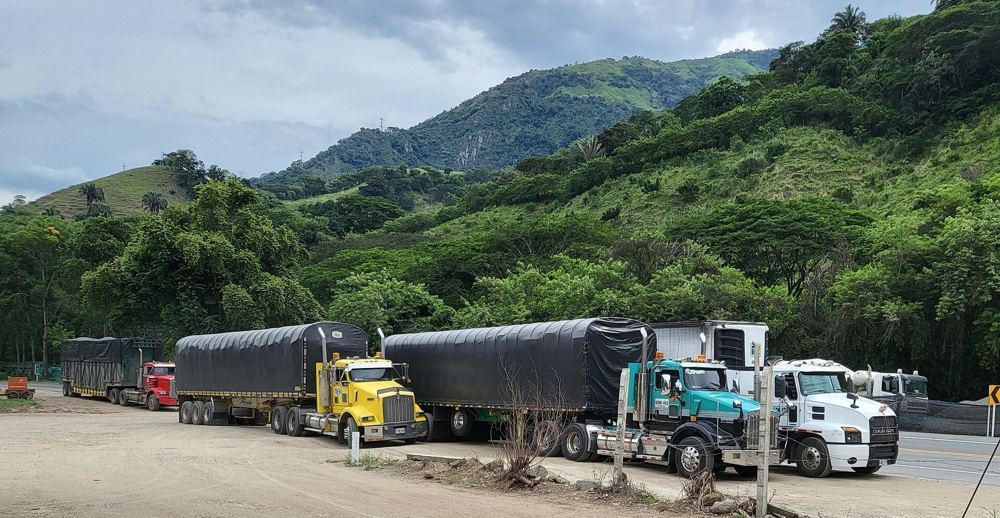
Colombia pays about US$3 billion a year to keep diesel cheap. The government now plans world prices for private, official and diplomatic vehicles. The post Colombia Diesel Subsidy Nears US$3 Billion a Year appeared first on The Rio Times .
Colombia is paying more every month to keep diesel cheap, and the bill is close to US$3 billion a year. Each COP 1,000 (about US$0.31) of price gap per gallon costs the state about COP 1.9 trillion (about US$592 million) a year. That is the scale of the Colombia diesel subsidy. That estimate, from fuel retailers, was published by the Bogotá business daily La República on Tuesday 6 October.
For US readers, the subsidy is a test of Colombian public finances at a delicate moment. It also weighs on Ecopetrol, the state oil company whose shares trade on the New York Stock Exchange under the ticker EC.
The government has a partial answer. On Monday 5 October, Valora Analitik reported that it is moving to end the subsidy for private, official and diplomatic vehicles. Freight lorries and public transport would keep it.
All dollar values use COP 3,211 per US dollar, the rate on Monday 5 October.
Colombia sets fuel prices centrally each month. Diesel, known locally as ACPM, averages COP 11,320 (about US$3.53) a gallon in 13 main cities this month. The Mines and Energy Ministry set that price on 30 September. It has not moved since June.
The world price has moved a great deal. ANIF is a Bogotá economic think tank. It calculates that the international reference rose from about COP 11,900 (about US$3.71) a gallon in January. By Monday 28 September it was COP 19,820 (about US$6.17).
That leaves a gap of roughly COP 8,500 (about US$2.65) a gallon, La República reported. ANIF stresses that the comparison is only a signal, because pump prices also include taxes, margins and freight.
Other estimates are lower. A service station group cited by Portafolio puts the gap nearer COP 5,100 (about US$1.59) a gallon. It uses a different reference. On that basis it puts the yearly cost at about COP 9.7 trillion (about US$3.02 billion).
The gap is covered by the Fuel Price Stabilisation Fund, known as FEPC. Ecopetrol sells fuel below the reference price, and the government later pays it the difference.
Mauricio Salazar directs the Fiscal Observatory at the Javeriana University in Bogotá. He told Blu Radio that the diesel subsidy now costs about COP 9.5 trillion (about US$2.96 billion). The 2026 budget set aside COP 9.6 trillion (about US$2.99 billion) for the fund.
On Wednesday 30 September the Finance and Mines ministries paid COP 684 billion (about US$213 million) of fund debts from late 2025. They paid in TES, Colombia’s peso government bonds, Blu Radio reported.
Salazar also said Ecopetrol’s dividends fell to less than COP 10 trillion (about US$3.1 billion) last year. They had been about COP 30 trillion (about US$9.3 billion). He linked part of that drop to the cash it must advance for the subsidy.
David Jiménez Mejía heads Comce, a confederation of retail fuel distributors. He argues the problem is pricing policy, not the fund itself. “No fracasó el fondo, sino la política de precios,” he told La República. The fund did not fail; the price policy did.
The idea is not new. Decree 1428 of 2025 was issued under former President Gustavo Petro, a leftist, and announced on Wednesday 7 January 2026. It created a separate diesel price for private, official and diplomatic vehicles. Public freight and passenger transport were excluded.
The ministries then had six months to write the pricing method. The De la Espriella government has now asked the Superintendence of Industry and Commerce, Colombia’s competition and consumer regulator, to review it.
According to Valora Analitik and Infobae, the regulator found the measure viable. It asked the Mines and Energy Ministry to clarify how the producer price is calculated. It also wants a follow-up mechanism.
The government estimates direct savings for the fund of about COP 698 billion (about US$217 million) a year. That is useful, but small next to the full Colombia diesel subsidy.
About 1.21 million vehicles in Colombia run on diesel, or 5.68% of the fleet. La República cites the RUNT national vehicle register. Of those, 443,870 are heavy goods vehicles.
For travellers and residents, nothing changes at the pump this month. Diesel in Bogotá stays at COP 11,616 (about US$3.62) a gallon in October, according to the ministry’s price list reported by Portafolio.
If the private-vehicle rule takes effect, owners of diesel SUVs and pickups in the main cities would pay closer to world prices.
For investors, the subsidy matters for Ecopetrol’s cash flow and Colombia’s borrowing needs. Faster payment by the state would ease pressure on the company, but more bonds add to public debt.
Colfecar, the freight hauliers’ federation, has urged the government not to withdraw the diesel subsidy, Blu Radio reported. The government says it is sparing lorries and buses to avoid higher food prices. The gasoline side of the same policy is covered in Colombia Holds Gasoline at US$4.87 a Gallon in October . On trade, see Colombia Exports Rise 15.1% in August on Gold and Coal .
No start date has been given for the private-vehicle diesel price. The final method has not been published. It is also unclear which cities would go first under the new government.
The government has not said whether it will raise diesel for everyone later, or how quickly. The cost estimates differ widely because they use different reference prices, oil prices and exchange rates.
Colombia has opened talks with the International Monetary Fund on its public finances, Portafolio reported. The fund will receive a Finance Ministry delegation in Washington. Whether fuel subsidies will be part of any agreement is not known.
The Fiscal Observatory of Javeriana University puts it at about COP 9.5 trillion (about US$2.96 billion) a year. Each COP 1,000 (about US$0.31) of gap per gallon costs about COP 1.9 trillion (about US$592 million), retailers estimate.
Not in October. The average stays at COP 11,320 (about US$3.53) a gallon in 13 cities. The government plans world prices only for private, official and diplomatic vehicles, with no start date yet.
No. Under Decree 1428 of 2025 and the current plan, public freight and passenger transport keep subsidised diesel. The aim is to protect food prices.
Sources: La República, 6 October 2026 ; Valora Analitik, 5 October 2026 ; Infobae Colombia ; Portafolio ; Portafolio, October fuel prices ; Blu Radio ; Minuto60 (ANIF figures) ; El Tiempo, Decree 1428 ; El Tiempo, analysis .
Editorial responsibility: Matthias Camenzind , Editor-in-Chief · Editorial standards · Report an error
LatAm Markets: Live Signals →, real-time movers, turnover leaders and FX across Latin America.