Chile Budget Cuts Ley Cholito Pet Funds by 86%
Kast's first budget cuts Chile's Ley Cholito pet programme by 86%, drops Calles sin Violencia's line and funds Prodemu only to close it. The post Chile Budget Cuts Ley Cholito Pet Funds by 86% appeared first on The Rio Times .
Chile’s government wants an 86% Ley Cholito budget cut in 2027, gutting the state programme that pays for pet sterilisation and vaccination. The plan sits in President José Antonio Kast’s first budget bill, now before Congress in Valparaíso. For foreign investors it is a test of how far a conservative government can push spending restraint through a divided legislature.
The pet programme is one of several cuts that surfaced on Monday 5 October. That day the Finance Ministry detailed the cuts in the 2027 bill.
The same documents remove the budget line for Calles sin Violencia, the street-crime plan of former President Gabriel Boric. They also fund Prodemu, a women’s foundation, only long enough to close it.
Opposition deputies reacted within hours. Gustavo Gatica, an independent in the Communist Party caucus, called Kast’s administration “the government of setbacks”, La Tercera reported.
The Responsible Pet Ownership Programme, known by its Spanish initials PTRAC, carries out the 2017 Ley Cholito. It is run by Subdere, the undersecretariat for regional development, which passes the money to local councils.
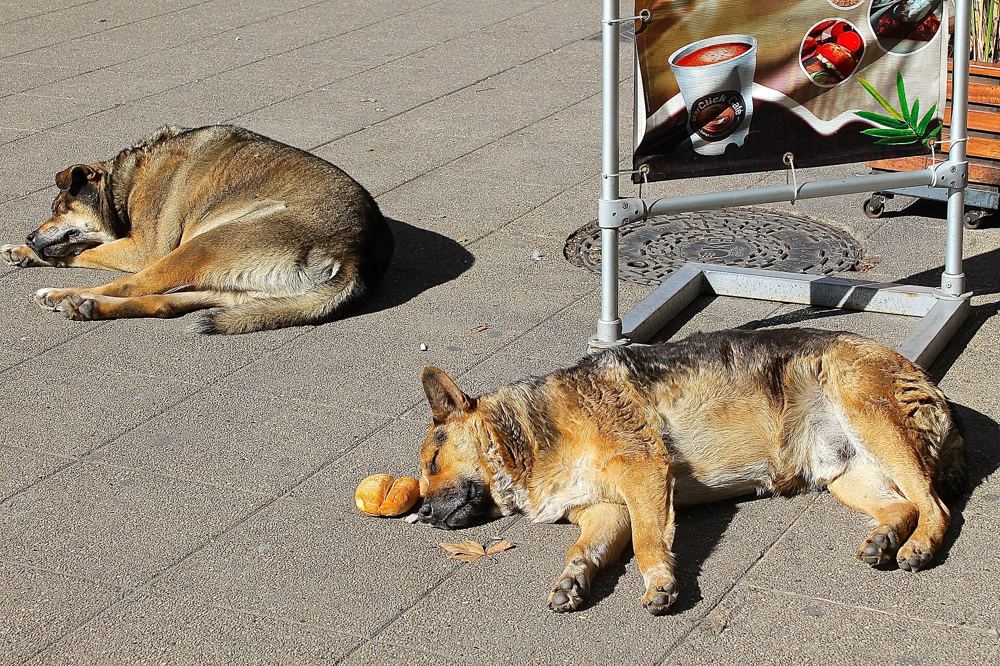
Councils use it for sterilisations, vaccinations, microchips, veterinary care and education. The law takes its name from Cholito, a dog whose abuse and death in Santiago’s Patronato district caused public outrage.
Under the bill, the programme drops from CLP 3.634 billion (about US$3.74 million) in 2026 to CLP 514 million (about US$529,000) in 2027. CNN Chile, The Clinic, El Dínamo and La Tercera all report the same figures.
A competitive fund for animal welfare groups falls from about CLP 630 million (about US$648,000) to at most CLP 150 million (about US$154,000), ADN Radio reported.
BioBioChile calculated that money left for transfers to councils falls from about CLP 2.794 billion (about US$2.87 million) to about CLP 149 million (about US$153,000). That is a drop of almost 95% on its reading of the bill.
Subdere rejects the idea that the work stops. “The investment does not stop,” it told The Clinic, pointing to CLP 3 billion (about US$3.1 million) in projects already under way.
The undersecretariat said the programme had never been evaluated in ten years. It plans pilot projects and an impact study in the first half of 2027, then a review in July.
The cut revived an old record. In May 2017, when the Chamber of Deputies passed the final text of the law, the vote was 100 in favour, one against and two abstentions.
The single vote against came from Kast, then a deputy. At his campaign launch in August 2025, he called it “a bad law” that did not solve animal abandonment, BioBioChile reported.
Jaime Araya, an independent deputy aligned with the centre-left Party for Democracy, said Kast “still has not forgiven” the law. Valentina Cáceres, an independent who sits with Boric’s left-wing Frente Amplio, called the cut “unprecedented”.
Claudio Orrego, governor of the Santiago Metropolitan Region, wrote that the cut means “fewer vaccines, fewer sterilisations, fewer microchips”.
Calles sin Violencia, launched in April 2023, coordinated police and prosecutors against rising homicides. The budget office put its 2026 funding at about CLP 26 billion (about US$26.8 million), CNN Chile and The Clinic reported.
BioBioChile found that a CLP 13.441 billion (about US$13.8 million) line under the Public Security Undersecretariat disappears in 2027. A transfer to prosecutors is renamed Plan FOCO and rises from CLP 12.575 billion (about US$12.9 million) to CLP 26.766 billion (about US$27.5 million).
The undersecretariat told BioBioChile the change is a reformulation, not a cut. Carolina Tohá, Boric’s interior and then public security minister, said a mere rename would be “poor and petty political marketing”.
Prodemu was founded by Leonor Oyarzún, wife of President Patricio Aylwin. The bill funds its running costs only until Wednesday 31 March 2027, after which it “must cease”, BioBioChile reported.
The money also covers closure, liquidation and severance for about 380 staff. The Women’s Ministry says Prodemu’s finances are beyond repair and that 80% of its money went on salaries.
Hotuiti Teao is a pro-government independent in the conservative UDI caucus. He said he is already talking to the government to soften the pet cut, BioBioChile reported. That leaves room for a deal.
For investors, these programmes are small change in the national budget. What matters is whether Kast can hold his overall spending line in Congress, a test for Chile’s fiscal credibility.
For pet owners and animal groups in Chile, free council sterilisation and microchip drives could thin out from 2027. Projects already approved should continue next year, according to Subdere.
Visitors are unlikely to notice change soon. Street dogs are common in Chilean cities, and the effect of a smaller programme would take years to show.
Readers following Chile’s politics should expect the Ley Cholito budget fight to become a bargaining chip. The opposition has promised amendments, and a pro-government deputy is already seeking a softer cut.
We could not check the figures against the bill on the budget office website; they come from consistent reports by several Chilean outlets. Nobody has estimated how many fewer animals would be treated.
It is unclear whether Plan FOCO keeps the full scope of Calles sin Violencia. It is also unknown whether Congress will save the Ley Cholito budget or Prodemu before the 60-day deadline.
Related reading: Kast Raises Chile’s 2027 Spending 1.5% in Budget and Chile Budget Brings Layoff Warnings for State Workers .
It is Law 21.020 on responsible pet ownership, passed in 2017. It set rules for owners and funds sterilisation, vaccination, microchipping and vet care through local councils.
No. It is part of the 2027 budget bill, which Congress is still debating. Lawmakers have 60 days from 30 September, and opposition deputies have said they will try to restore the money.
The plan no longer has its own budget line. The Public Security Undersecretariat says it was reformulated as Plan FOCO with continued funding, while former minister Carolina Tohá says a mere rename would be political marketing.
Sources: BioBioChile (Ley Cholito) · BioBioChile (Calles sin Violencia) · BioBioChile (Prodemu) · La Tercera · The Clinic · CNN Chile · ADN Radio · Law 21.020, Library of Congress of Chile
Editorial responsibility: Matthias Camenzind , Editor-in-Chief · Editorial standards · Report an error