Ethiopia ends credit caps, raises benchmark rate to 16%
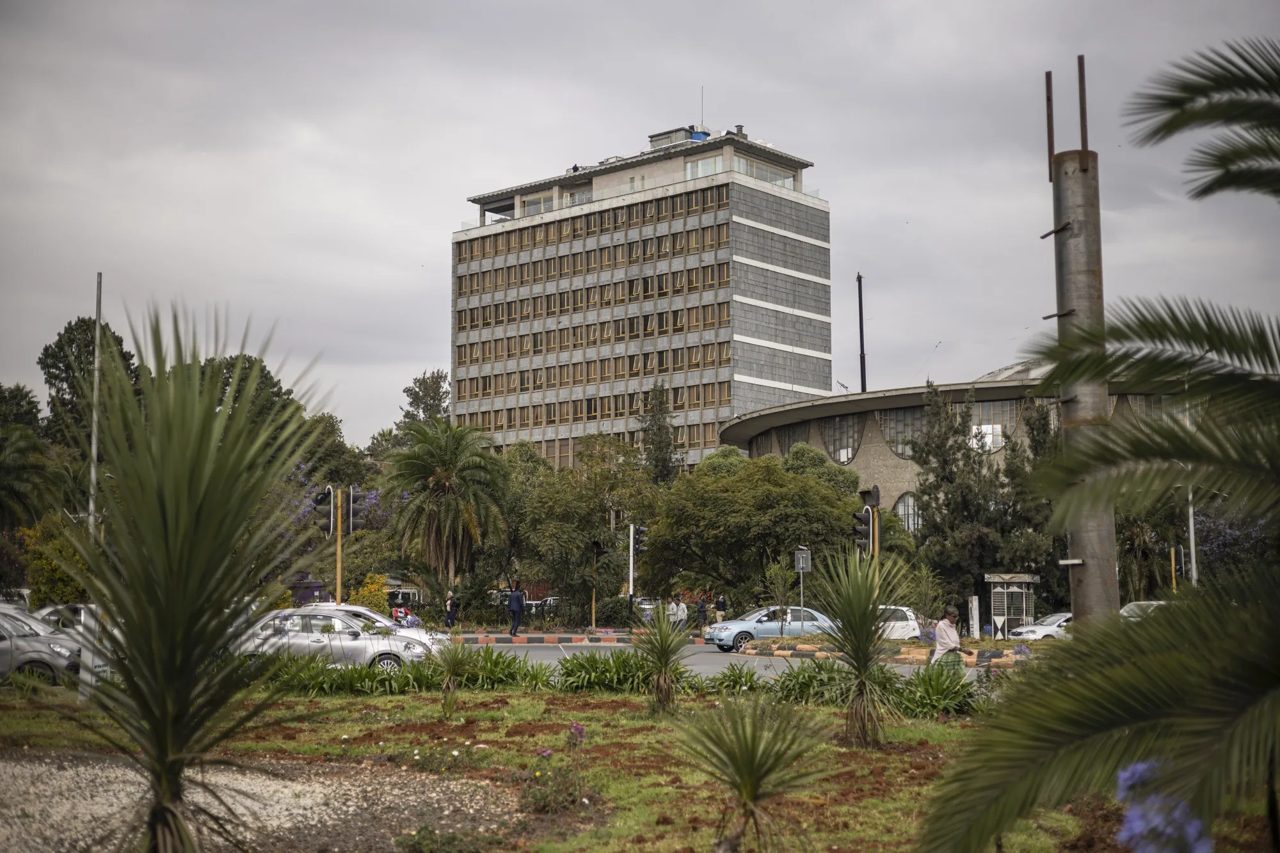
Ethiopia has replaced administrative lending limits with a market-based monetary framework, unlocking a $10 billion international support package and reshaping credit allocation for domestic banks.
The National Bank of Ethiopia fully removed its economy-wide credit growth ceiling on July 13 and raised its benchmark National Bank Rate from 15% to 16%. The ceiling, initially set at 18% in August 2023 and later raised to 24% for the 2025/26 fiscal year, had been the central bank's primary tool for managing excess liquidity. Governor Eyob Tekalign called the abolished cap a "temporary transition instrument" that had achieved its objective.
The monetary overhaul is the linchpin of a broader external support package valued at more than $10 billion from the IMF, World Bank, and other creditors. A four-year IMF Extended Credit Facility worth roughly $3.4 billion anchors this funding, but disbursements are conditioned on adopting market-based frameworks. While the IMF had mandated phasing out the credit cap by December 2026, Ethiopia delivered the reform six months early.
To prevent the removal of volume controls from stoking inflation, the central bank deployed what Tekalign termed a "counter-tightening measure." The 16% policy rate anchors a corridor that allows overnight lending at 19% and deposits at 13%. Rather than a blanket restriction, the NBE introduced targeted reserve requirements for institutions whose lending outpaces their deposit base.
Foreign investors and trading partners received concurrent relief on foreign-exchange rules. Banks must now surrender only 30% of export proceeds, down from 50%, keeping more hard currency on their balance sheets. The NBE also cut FX commission fees from 2.5% to 1.5%, reducing transaction costs and supporting the market-based exchange rate regime launched in mid-2024.
Commercial banks regain significant portfolio autonomy, shifting from a fixed lending quota to competing on loan terms and pricing. This transition pushes lending decisions toward commercial viability, meaning state-owned enterprises and politically favoured projects will face much stiffer scrutiny. Higher funding costs across the system are expected to naturally temper excessive expansion.
The hawkish posture is grounded in Ethiopia's inflation trajectory. After peaking above 30%, inflation fell to roughly 13% by 2025, putting the nominal policy rate firmly in positive real territory. The central bank's stated objective remains driving inflation to single digits, a target that will test the new price-based framework in the coming quarters.