Senegal's Faye Takes ECOWAS Chair Amid Bloc Fragmentation
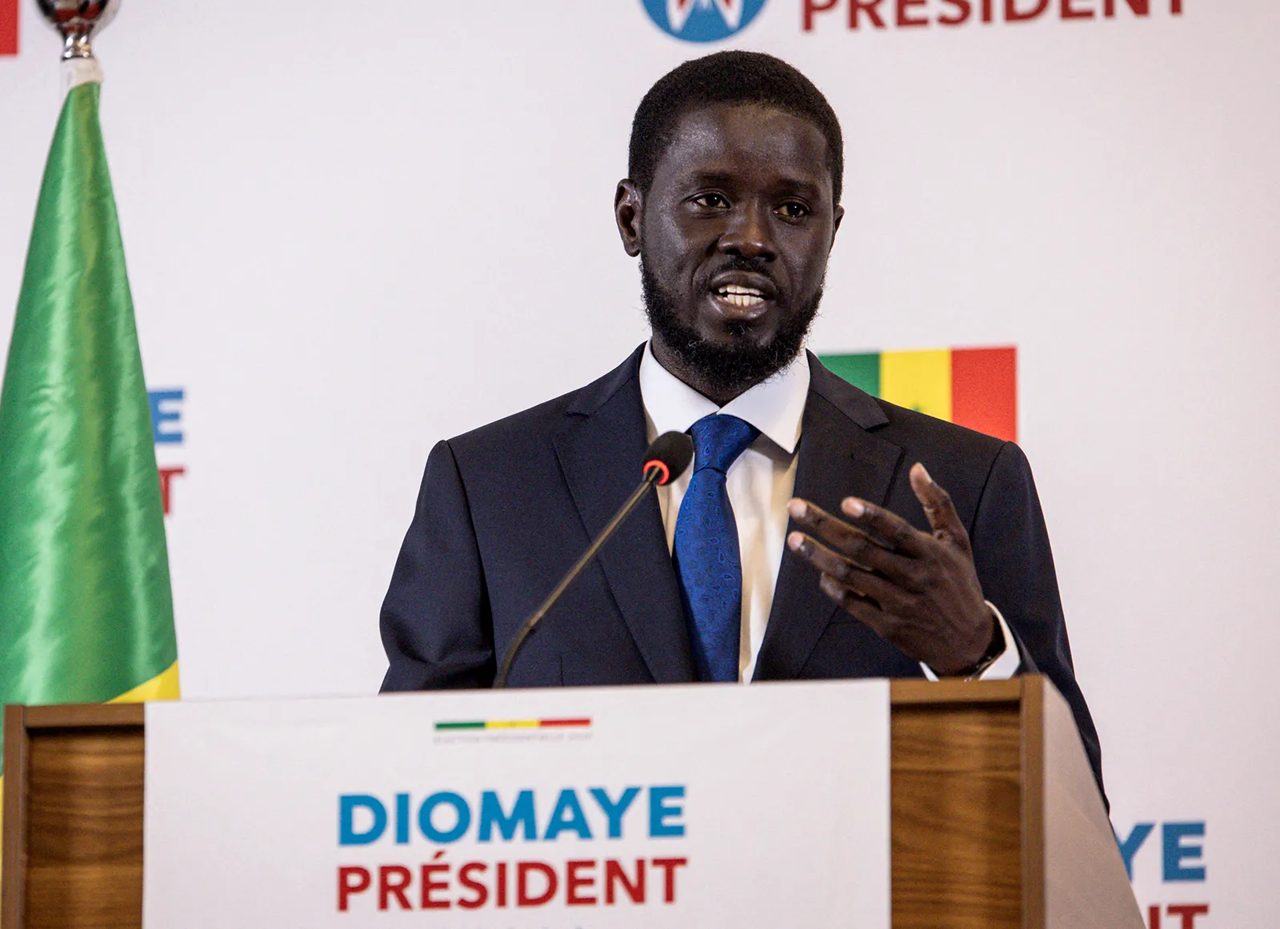
Senegal's President Bassirou Diomaye Faye takes the helm of ECOWAS at a critical juncture for regional markets, facing the economic fallout of member defections and a newly mandated shift toward industrialisation.
Senegal’s President Bassirou Diomaye Faye was elected chairman of the Economic Community of West African States (ECOWAS) on Sunday at the bloc’s 69th Ordinary Session in Sierra Leone. He succeeds Sierra Leone’s President Julius Maada Bio, who completed a mandatory one-year term. The leadership transition also saw Biram Diop appointed as the new President of the ECOWAS Commission, replacing Dr. Omar Touray.
For investors and corporate executives, the change in leadership arrives at a highly volatile moment for West African markets. The regional bloc is actively grappling with the ongoing withdrawal of Mali, Burkina Faso, and Niger. This fragmentation severely disrupts established regional trade flows and integration frameworks, threatening the stability of cross-border supply chains and undermining the bloc's collective economic bargaining power.
Faye inherits a specific economic mandate recently championed by his predecessor, Nigeria’s President Bola Tinubu. At the inauguration of the new ECOWAS headquarters in Abuja, Tinubu urged member states to pivot West Africa away from being a predominantly consumer-driven market toward a production-based economy. Reducing reliance on imported goods and building local manufacturing capacity are now framed as essential prerequisites for achieving long-term economic independence, trade expansion, and sustainable regional growth.
At 46 years old, Faye is one of Africa’s youngest heads of state, a demographic factor analysts expect will shape his policy priorities. He is widely anticipated to push for institutional reforms, strengthen governance, and increase youth participation within the bloc. Market participants will be watching to see if his administration can translate this fresh momentum into tangible regulatory frameworks that attract foreign direct investment.
Navigating this economic transition will require managing persistent security threats and political instability across the region. Handing over the mantle, Bio acknowledged the defining nature of the current period. “After fulfilling my mandatory one-year term as Chairman of the ECOWAS Authority, I am delighted to pass the mantle of leadership to my younger brother, His Excellency Bassirou Diomaye Diakhar Faye, President of the Republic of Senegal,” Bio said.
How Faye balances these immediate security imperatives with the long-term goal of regional industrialisation will determine the investment climate in West Africa for years to come. Rebuilding regional cohesion is now an economic necessity as much as a political one.