FG unveils 5-pillar plan to transform Nigeria’s teaching profession
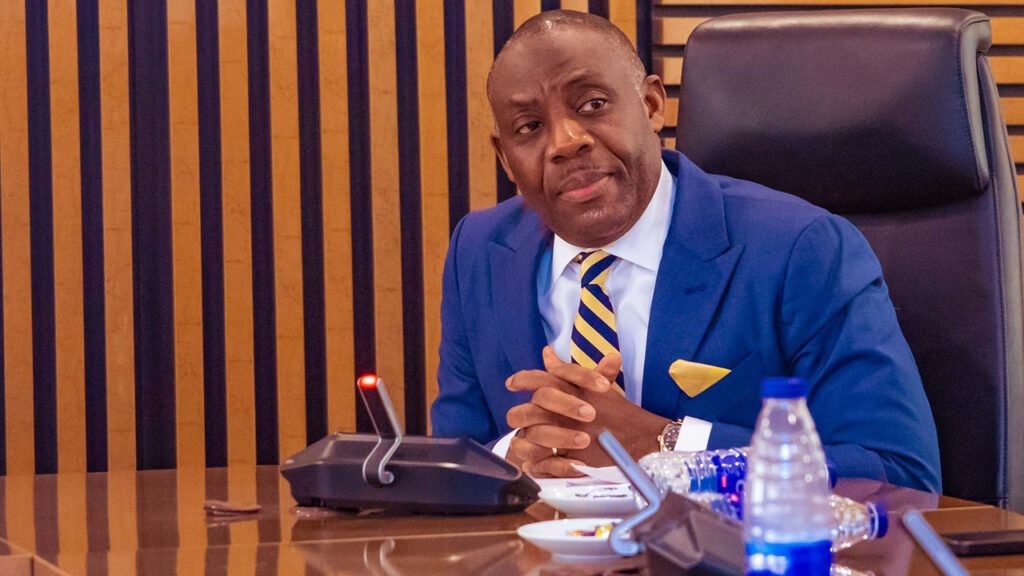
…Nigeria joins others to celebrate World Teachers’ Day 2026 The federal government, through the Federal Ministry of Education (FME), has read more FG unveils 5-pillar plan to transform Nigeria’s teaching profession
…Nigeria joins others to celebrate World Teachers’ Day 2026 The federal government, through the Federal Ministry of Education (FME), has unveiled a five-pillar agenda aimed at transforming Nigeria’s teaching profession, strengthening teachers’ capacity and repositioning them as key drivers of quality education and national development. The ministry disclosed this through a statement by Boriowo Folasade, director of press and public relations at FME, in which she said that Suwaiba Ahmad, the Minister of State for Education, disclosed this in Abuja during a press briefing ahead of the 2026 World Teachers’ Day celebration, scheduled for Monday, October 5, 2026. Speaking on the theme of the 2026 celebration, “Transforming the Teaching Profession for Africa’s Future,” the minister identified innovation, mobility, artificial intelligence, inclusion and professional excellence as five interconnected pillars that would shape discussions and activities during the celebration. “Innovation would promote creative teaching approaches and locally relevant solutions to improve learning, while mobility would encourage professional collaboration and knowledge- sharing across borders. “Artificial intelligence, she noted, would support personalised learning, data-informed decision-making and the reduction of administrative burdens, provided it was deployed responsibly, ethically and inclusively,” the minister said. Ahmad emphasised that technology must complement, not diminish, teachers’ professional role, stressing the importance of preserving teachers’ professional judgement while equipping them with the digital skills needed to navigate the rapidly changing education landscape. On inclusion, she stressed the need to guarantee equitable access to quality education for learners irrespective of gender, ability, socioeconomic circumstances or geographical location. Professional excellence, she added, would require continuous professional development, improved welfare, supportive policies and greater recognition of teachers’ leadership role in national and continental development. Prof. Ahmad said the digitalised selection process, implemented by the Ministry in collaboration with State Ministries of Education and in line with relevant African Union guidelines, would provide a more credible and properly documented framework for identifying and rewarding excellence in the teaching profession. Besides, the minister disclosed that the ministry has digitalised the selection process for the 2026 President’s Teachers’ and Schools Excellence Awards (PTSEA), replacing the manual process with a technology-driven system designed to strengthen transparency, accountability, documentation and confidence in the recognition of outstanding teachers and schools. She explained that the digital system would strengthen the integrity of the process by ensuring reliable records for future reference, while promoting greater transparency, accountability and fairness in the selection of awardees. The initiative was unveiled as Nigeria joined countries across the world to commemorate the 2026 World Teachers’ Day, with renewed calls for greater investment in teachers’ professional development, welfare and working conditions. Moreover, Ahmad stated that the Federal Ministry of Education, in collaboration with the Nigeria Union of Teachers (NUT), coordinates the annual World Teachers’ Day celebration and the associated awards. She disclosed that the 2026 programme would include a symposium bringing together education stakeholders and heads of relevant agencies and institutions to examine the five thematic pillars and develop practical approaches to strengthening the teaching profession. The main celebration on October 5, will bring together teachers from the 36 states and the Federal Capital Territory for a colourful march-past featuring state flags and cultural attire, symbolising Nigeria’s unity, diversity and the collective contribution of teachers to national development. A major highlight will be the presentation of the 2026 World Teachers’ Day and President’s Teachers’ and Schools Excellence Awards, with 14 awardees to be recognised for outstanding contributions to education. The first, second and third-best teachers will receive major prizes, while other award recipients will receive laptops. Outstanding school performance will also be recognised as part of the awards programme. The minister acknowledged the support of state governments, government agencies, development partners, organisations, and individuals who contributed to the celebration’s success, and called on the media to provide accurate, comprehensive coverage that would deepen public appreciation of teachers’ vital role. Folake Olatunji-David, the acting permanent secretary at the Federal Ministry of Education, described teachers as central to national development and commended their dedication to educating and moulding young Nigerians despite the challenges confronting the profession. “World Teachers’ Day provides an important opportunity to recognise teachers’ contributions while renewing commitment to their welfare, professional development and dignity,” she said. Olatunji-David also advocated greater involvement of teachers in education policy and decision- making, noting that their participation would strengthen ownership and implementation of reforms. Gabriel Oluwole, the director of educational support services, highlighted the indispensable role of teachers in delivering quality education and supporting the holistic development of learners. “The planning process involved the review of relevant instruments, coordination of assessment activities, and the collection and verification of applications, with attention to safeguarding, facilities and governance,” he said. He reaffirmed the ministry’s commitment to equipping teachers with modern tools and creating supportive working environments that promote effective teaching. Audu Amba, the national president of the Nigeria Union of Teachers, represented by Kizito Kalu, the NUT deputy national president, said the changing nature of education made it imperative to strengthen rather than diminish the professional role of teachers. He called for sustained investment in teachers’ digital skills, continuous professional development and workplace support, stressing that artificial intelligence and other technologies should complement teachers’ expertise and professional judgement. He reaffirmed the NUT’s commitment to constructive engagement with government and other stakeholders to build a strong, respected and adequately supported teaching profession. Related News Investing in women critical to Nigeria’s economic growth, World Bank We’ve created IDP desk, website to fast-track justice for the vulnerable, Benue UNILORIN emerges topmost Nigerian university in research quality Charles Ogwo Charles Ogwo is a proactive journalist, driving education, and business innovations for over 10 years. He leads initiatives leveraging tech to enhance storytelling and build topnotch performing team. Charles is passionate about harnessing technology to inform, engage and empower communities. Share
The federal government, through the Federal Ministry of Education (FME), has unveiled a five-pillar agenda aimed at transforming Nigeria’s teaching profession, strengthening teachers’ capacity and repositioning them as key drivers of quality education and national development. The ministry disclosed this through a statement by Boriowo Folasade, director of press and public relations at FME, in which she said that Suwaiba Ahmad, the Minister of State for Education, disclosed this in Abuja during a press briefing ahead of the 2026 World Teachers’ Day celebration, scheduled for Monday, October 5, 2026. Speaking on the theme of the 2026 celebration, “Transforming the Teaching Profession for Africa’s Future,” the minister identified innovation, mobility, artificial intelligence, inclusion and professional excellence as five interconnected pillars that would shape discussions and activities during the celebration. “Innovation would promote creative teaching approaches and locally relevant solutions to improve learning, while mobility would encourage professional collaboration and knowledge- sharing across borders. “Artificial intelligence, she noted, would support personalised learning, data-informed decision-making and the reduction of administrative burdens, provided it was deployed responsibly, ethically and inclusively,” the minister said. Ahmad emphasised that technology must complement, not diminish, teachers’ professional role, stressing the importance of preserving teachers’ professional judgement while equipping them with the digital skills needed to navigate the rapidly changing education landscape. On inclusion, she stressed the need to guarantee equitable access to quality education for learners irrespective of gender, ability, socioeconomic circumstances or geographical location. Professional excellence, she added, would require continuous professional development, improved welfare, supportive policies and greater recognition of teachers’ leadership role in national and continental development. Prof. Ahmad said the digitalised selection process, implemented by the Ministry in collaboration with State Ministries of Education and in line with relevant African Union guidelines, would provide a more credible and properly documented framework for identifying and rewarding excellence in the teaching profession. Besides, the minister disclosed that the ministry has digitalised the selection process for the 2026 President’s Teachers’ and Schools Excellence Awards (PTSEA), replacing the manual process with a technology-driven system designed to strengthen transparency, accountability, documentation and confidence in the recognition of outstanding teachers and schools. She explained that the digital system would strengthen the integrity of the process by ensuring reliable records for future reference, while promoting greater transparency, accountability and fairness in the selection of awardees. The initiative was unveiled as Nigeria joined countries across the world to commemorate the 2026 World Teachers’ Day, with renewed calls for greater investment in teachers’ professional development, welfare and working conditions. Moreover, Ahmad stated that the Federal Ministry of Education, in collaboration with the Nigeria Union of Teachers (NUT), coordinates the annual World Teachers’ Day celebration and the associated awards. She disclosed that the 2026 programme would include a symposium bringing together education stakeholders and heads of relevant agencies and institutions to examine the five thematic pillars and develop practical approaches to strengthening the teaching profession. The main celebration on October 5, will bring together teachers from the 36 states and the Federal Capital Territory for a colourful march-past featuring state flags and cultural attire, symbolising Nigeria’s unity, diversity and the collective contribution of teachers to national development. A major highlight will be the presentation of the 2026 World Teachers’ Day and President’s Teachers’ and Schools Excellence Awards, with 14 awardees to be recognised for outstanding contributions to education. The first, second and third-best teachers will receive major prizes, while other award recipients will receive laptops. Outstanding school performance will also be recognised as part of the awards programme. The minister acknowledged the support of state governments, government agencies, development partners, organisations, and individuals who contributed to the celebration’s success, and called on the media to provide accurate, comprehensive coverage that would deepen public appreciation of teachers’ vital role. Folake Olatunji-David, the acting permanent secretary at the Federal Ministry of Education, described teachers as central to national development and commended their dedication to educating and moulding young Nigerians despite the challenges confronting the profession. “World Teachers’ Day provides an important opportunity to recognise teachers’ contributions while renewing commitment to their welfare, professional development and dignity,” she said. Olatunji-David also advocated greater involvement of teachers in education policy and decision- making, noting that their participation would strengthen ownership and implementation of reforms. Gabriel Oluwole, the director of educational support services, highlighted the indispensable role of teachers in delivering quality education and supporting the holistic development of learners. “The planning process involved the review of relevant instruments, coordination of assessment activities, and the collection and verification of applications, with attention to safeguarding, facilities and governance,” he said. He reaffirmed the ministry’s commitment to equipping teachers with modern tools and creating supportive working environments that promote effective teaching. Audu Amba, the national president of the Nigeria Union of Teachers, represented by Kizito Kalu, the NUT deputy national president, said the changing nature of education made it imperative to strengthen rather than diminish the professional role of teachers. He called for sustained investment in teachers’ digital skills, continuous professional development and workplace support, stressing that artificial intelligence and other technologies should complement teachers’ expertise and professional judgement. He reaffirmed the NUT’s commitment to constructive engagement with government and other stakeholders to build a strong, respected and adequately supported teaching profession. Related News Investing in women critical to Nigeria’s economic growth, World Bank We’ve created IDP desk, website to fast-track justice for the vulnerable, Benue UNILORIN emerges topmost Nigerian university in research quality Charles Ogwo Charles Ogwo is a proactive journalist, driving education, and business innovations for over 10 years. He leads initiatives leveraging tech to enhance storytelling and build topnotch performing team. Charles is passionate about harnessing technology to inform, engage and empower communities. Share
The ministry disclosed this through a statement by Boriowo Folasade, director of press and public relations at FME, in which she said that Suwaiba Ahmad, the Minister of State for Education, disclosed this in Abuja during a press briefing ahead of the 2026 World Teachers’ Day celebration, scheduled for Monday, October 5, 2026. Speaking on the theme of the 2026 celebration, “Transforming the Teaching Profession for Africa’s Future,” the minister identified innovation, mobility, artificial intelligence, inclusion and professional excellence as five interconnected pillars that would shape discussions and activities during the celebration. “Innovation would promote creative teaching approaches and locally relevant solutions to improve learning, while mobility would encourage professional collaboration and knowledge- sharing across borders. “Artificial intelligence, she noted, would support personalised learning, data-informed decision-making and the reduction of administrative burdens, provided it was deployed responsibly, ethically and inclusively,” the minister said. Ahmad emphasised that technology must complement, not diminish, teachers’ professional role, stressing the importance of preserving teachers’ professional judgement while equipping them with the digital skills needed to navigate the rapidly changing education landscape. On inclusion, she stressed the need to guarantee equitable access to quality education for learners irrespective of gender, ability, socioeconomic circumstances or geographical location. Professional excellence, she added, would require continuous professional development, improved welfare, supportive policies and greater recognition of teachers’ leadership role in national and continental development. Prof. Ahmad said the digitalised selection process, implemented by the Ministry in collaboration with State Ministries of Education and in line with relevant African Union guidelines, would provide a more credible and properly documented framework for identifying and rewarding excellence in the teaching profession. Besides, the minister disclosed that the ministry has digitalised the selection process for the 2026 President’s Teachers’ and Schools Excellence Awards (PTSEA), replacing the manual process with a technology-driven system designed to strengthen transparency, accountability, documentation and confidence in the recognition of outstanding teachers and schools. She explained that the digital system would strengthen the integrity of the process by ensuring reliable records for future reference, while promoting greater transparency, accountability and fairness in the selection of awardees. The initiative was unveiled as Nigeria joined countries across the world to commemorate the 2026 World Teachers’ Day, with renewed calls for greater investment in teachers’ professional development, welfare and working conditions. Moreover, Ahmad stated that the Federal Ministry of Education, in collaboration with the Nigeria Union of Teachers (NUT), coordinates the annual World Teachers’ Day celebration and the associated awards. She disclosed that the 2026 programme would include a symposium bringing together education stakeholders and heads of relevant agencies and institutions to examine the five thematic pillars and develop practical approaches to strengthening the teaching profession. The main celebration on October 5, will bring together teachers from the 36 states and the Federal Capital Territory for a colourful march-past featuring state flags and cultural attire, symbolising Nigeria’s unity, diversity and the collective contribution of teachers to national development. A major highlight will be the presentation of the 2026 World Teachers’ Day and President’s Teachers’ and Schools Excellence Awards, with 14 awardees to be recognised for outstanding contributions to education. The first, second and third-best teachers will receive major prizes, while other award recipients will receive laptops. Outstanding school performance will also be recognised as part of the awards programme. The minister acknowledged the support of state governments, government agencies, development partners, organisations, and individuals who contributed to the celebration’s success, and called on the media to provide accurate, comprehensive coverage that would deepen public appreciation of teachers’ vital role. Folake Olatunji-David, the acting permanent secretary at the Federal Ministry of Education, described teachers as central to national development and commended their dedication to educating and moulding young Nigerians despite the challenges confronting the profession. “World Teachers’ Day provides an important opportunity to recognise teachers’ contributions while renewing commitment to their welfare, professional development and dignity,” she said. Olatunji-David also advocated greater involvement of teachers in education policy and decision- making, noting that their participation would strengthen ownership and implementation of reforms. Gabriel Oluwole, the director of educational support services, highlighted the indispensable role of teachers in delivering quality education and supporting the holistic development of learners. “The planning process involved the review of relevant instruments, coordination of assessment activities, and the collection and verification of applications, with attention to safeguarding, facilities and governance,” he said. He reaffirmed the ministry’s commitment to equipping teachers with modern tools and creating supportive working environments that promote effective teaching. Audu Amba, the national president of the Nigeria Union of Teachers, represented by Kizito Kalu, the NUT deputy national president, said the changing nature of education made it imperative to strengthen rather than diminish the professional role of teachers. He called for sustained investment in teachers’ digital skills, continuous professional development and workplace support, stressing that artificial intelligence and other technologies should complement teachers’ expertise and professional judgement. He reaffirmed the NUT’s commitment to constructive engagement with government and other stakeholders to build a strong, respected and adequately supported teaching profession. Related News Investing in women critical to Nigeria’s economic growth, World Bank We’ve created IDP desk, website to fast-track justice for the vulnerable, Benue UNILORIN emerges topmost Nigerian university in research quality Charles Ogwo Charles Ogwo is a proactive journalist, driving education, and business innovations for over 10 years. He leads initiatives leveraging tech to enhance storytelling and build topnotch performing team. Charles is passionate about harnessing technology to inform, engage and empower communities. Share
Speaking on the theme of the 2026 celebration, “Transforming the Teaching Profession for Africa’s Future,” the minister identified innovation, mobility, artificial intelligence, inclusion and professional excellence as five interconnected pillars that would shape discussions and activities during the celebration. “Innovation would promote creative teaching approaches and locally relevant solutions to improve learning, while mobility would encourage professional collaboration and knowledge- sharing across borders. “Artificial intelligence, she noted, would support personalised learning, data-informed decision-making and the reduction of administrative burdens, provided it was deployed responsibly, ethically and inclusively,” the minister said. Ahmad emphasised that technology must complement, not diminish, teachers’ professional role, stressing the importance of preserving teachers’ professional judgement while equipping them with the digital skills needed to navigate the rapidly changing education landscape. On inclusion, she stressed the need to guarantee equitable access to quality education for learners irrespective of gender, ability, socioeconomic circumstances or geographical location. Professional excellence, she added, would require continuous professional development, improved welfare, supportive policies and greater recognition of teachers’ leadership role in national and continental development. Prof. Ahmad said the digitalised selection process, implemented by the Ministry in collaboration with State Ministries of Education and in line with relevant African Union guidelines, would provide a more credible and properly documented framework for identifying and rewarding excellence in the teaching profession. Besides, the minister disclosed that the ministry has digitalised the selection process for the 2026 President’s Teachers’ and Schools Excellence Awards (PTSEA), replacing the manual process with a technology-driven system designed to strengthen transparency, accountability, documentation and confidence in the recognition of outstanding teachers and schools. She explained that the digital system would strengthen the integrity of the process by ensuring reliable records for future reference, while promoting greater transparency, accountability and fairness in the selection of awardees. The initiative was unveiled as Nigeria joined countries across the world to commemorate the 2026 World Teachers’ Day, with renewed calls for greater investment in teachers’ professional development, welfare and working conditions. Moreover, Ahmad stated that the Federal Ministry of Education, in collaboration with the Nigeria Union of Teachers (NUT), coordinates the annual World Teachers’ Day celebration and the associated awards. She disclosed that the 2026 programme would include a symposium bringing together education stakeholders and heads of relevant agencies and institutions to examine the five thematic pillars and develop practical approaches to strengthening the teaching profession. The main celebration on October 5, will bring together teachers from the 36 states and the Federal Capital Territory for a colourful march-past featuring state flags and cultural attire, symbolising Nigeria’s unity, diversity and the collective contribution of teachers to national development. A major highlight will be the presentation of the 2026 World Teachers’ Day and President’s Teachers’ and Schools Excellence Awards, with 14 awardees to be recognised for outstanding contributions to education. The first, second and third-best teachers will receive major prizes, while other award recipients will receive laptops. Outstanding school performance will also be recognised as part of the awards programme. The minister acknowledged the support of state governments, government agencies, development partners, organisations, and individuals who contributed to the celebration’s success, and called on the media to provide accurate, comprehensive coverage that would deepen public appreciation of teachers’ vital role. Folake Olatunji-David, the acting permanent secretary at the Federal Ministry of Education, described teachers as central to national development and commended their dedication to educating and moulding young Nigerians despite the challenges confronting the profession. “World Teachers’ Day provides an important opportunity to recognise teachers’ contributions while renewing commitment to their welfare, professional development and dignity,” she said. Olatunji-David also advocated greater involvement of teachers in education policy and decision- making, noting that their participation would strengthen ownership and implementation of reforms. Gabriel Oluwole, the director of educational support services, highlighted the indispensable role of teachers in delivering quality education and supporting the holistic development of learners. “The planning process involved the review of relevant instruments, coordination of assessment activities, and the collection and verification of applications, with attention to safeguarding, facilities and governance,” he said. He reaffirmed the ministry’s commitment to equipping teachers with modern tools and creating supportive working environments that promote effective teaching. Audu Amba, the national president of the Nigeria Union of Teachers, represented by Kizito Kalu, the NUT deputy national president, said the changing nature of education made it imperative to strengthen rather than diminish the professional role of teachers. He called for sustained investment in teachers’ digital skills, continuous professional development and workplace support, stressing that artificial intelligence and other technologies should complement teachers’ expertise and professional judgement. He reaffirmed the NUT’s commitment to constructive engagement with government and other stakeholders to build a strong, respected and adequately supported teaching profession. Related News Investing in women critical to Nigeria’s economic growth, World Bank We’ve created IDP desk, website to fast-track justice for the vulnerable, Benue UNILORIN emerges topmost Nigerian university in research quality Charles Ogwo Charles Ogwo is a proactive journalist, driving education, and business innovations for over 10 years. He leads initiatives leveraging tech to enhance storytelling and build topnotch performing team. Charles is passionate about harnessing technology to inform, engage and empower communities. Share
“Innovation would promote creative teaching approaches and locally relevant solutions to improve learning, while mobility would encourage professional collaboration and knowledge- sharing across borders. “Artificial intelligence, she noted, would support personalised learning, data-informed decision-making and the reduction of administrative burdens, provided it was deployed responsibly, ethically and inclusively,” the minister said. Ahmad emphasised that technology must complement, not diminish, teachers’ professional role, stressing the importance of preserving teachers’ professional judgement while equipping them with the digital skills needed to navigate the rapidly changing education landscape. On inclusion, she stressed the need to guarantee equitable access to quality education for learners irrespective of gender, ability, socioeconomic circumstances or geographical location. Professional excellence, she added, would require continuous professional development, improved welfare, supportive policies and greater recognition of teachers’ leadership role in national and continental development. Prof. Ahmad said the digitalised selection process, implemented by the Ministry in collaboration with State Ministries of Education and in line with relevant African Union guidelines, would provide a more credible and properly documented framework for identifying and rewarding excellence in the teaching profession. Besides, the minister disclosed that the ministry has digitalised the selection process for the 2026 President’s Teachers’ and Schools Excellence Awards (PTSEA), replacing the manual process with a technology-driven system designed to strengthen transparency, accountability, documentation and confidence in the recognition of outstanding teachers and schools. She explained that the digital system would strengthen the integrity of the process by ensuring reliable records for future reference, while promoting greater transparency, accountability and fairness in the selection of awardees. The initiative was unveiled as Nigeria joined countries across the world to commemorate the 2026 World Teachers’ Day, with renewed calls for greater investment in teachers’ professional development, welfare and working conditions. Moreover, Ahmad stated that the Federal Ministry of Education, in collaboration with the Nigeria Union of Teachers (NUT), coordinates the annual World Teachers’ Day celebration and the associated awards. She disclosed that the 2026 programme would include a symposium bringing together education stakeholders and heads of relevant agencies and institutions to examine the five thematic pillars and develop practical approaches to strengthening the teaching profession. The main celebration on October 5, will bring together teachers from the 36 states and the Federal Capital Territory for a colourful march-past featuring state flags and cultural attire, symbolising Nigeria’s unity, diversity and the collective contribution of teachers to national development. A major highlight will be the presentation of the 2026 World Teachers’ Day and President’s Teachers’ and Schools Excellence Awards, with 14 awardees to be recognised for outstanding contributions to education. The first, second and third-best teachers will receive major prizes, while other award recipients will receive laptops. Outstanding school performance will also be recognised as part of the awards programme. The minister acknowledged the support of state governments, government agencies, development partners, organisations, and individuals who contributed to the celebration’s success, and called on the media to provide accurate, comprehensive coverage that would deepen public appreciation of teachers’ vital role. Folake Olatunji-David, the acting permanent secretary at the Federal Ministry of Education, described teachers as central to national development and commended their dedication to educating and moulding young Nigerians despite the challenges confronting the profession. “World Teachers’ Day provides an important opportunity to recognise teachers’ contributions while renewing commitment to their welfare, professional development and dignity,” she said. Olatunji-David also advocated greater involvement of teachers in education policy and decision- making, noting that their participation would strengthen ownership and implementation of reforms. Gabriel Oluwole, the director of educational support services, highlighted the indispensable role of teachers in delivering quality education and supporting the holistic development of learners. “The planning process involved the review of relevant instruments, coordination of assessment activities, and the collection and verification of applications, with attention to safeguarding, facilities and governance,” he said. He reaffirmed the ministry’s commitment to equipping teachers with modern tools and creating supportive working environments that promote effective teaching. Audu Amba, the national president of the Nigeria Union of Teachers, represented by Kizito Kalu, the NUT deputy national president, said the changing nature of education made it imperative to strengthen rather than diminish the professional role of teachers. He called for sustained investment in teachers’ digital skills, continuous professional development and workplace support, stressing that artificial intelligence and other technologies should complement teachers’ expertise and professional judgement. He reaffirmed the NUT’s commitment to constructive engagement with government and other stakeholders to build a strong, respected and adequately supported teaching profession. Related News Investing in women critical to Nigeria’s economic growth, World Bank We’ve created IDP desk, website to fast-track justice for the vulnerable, Benue UNILORIN emerges topmost Nigerian university in research quality Charles Ogwo Charles Ogwo is a proactive journalist, driving education, and business innovations for over 10 years. He leads initiatives leveraging tech to enhance storytelling and build topnotch performing team. Charles is passionate about harnessing technology to inform, engage and empower communities. Share
“Artificial intelligence, she noted, would support personalised learning, data-informed decision-making and the reduction of administrative burdens, provided it was deployed responsibly, ethically and inclusively,” the minister said. Ahmad emphasised that technology must complement, not diminish, teachers’ professional role, stressing the importance of preserving teachers’ professional judgement while equipping them with the digital skills needed to navigate the rapidly changing education landscape. On inclusion, she stressed the need to guarantee equitable access to quality education for learners irrespective of gender, ability, socioeconomic circumstances or geographical location. Professional excellence, she added, would require continuous professional development, improved welfare, supportive policies and greater recognition of teachers’ leadership role in national and continental development. Prof. Ahmad said the digitalised selection process, implemented by the Ministry in collaboration with State Ministries of Education and in line with relevant African Union guidelines, would provide a more credible and properly documented framework for identifying and rewarding excellence in the teaching profession. Besides, the minister disclosed that the ministry has digitalised the selection process for the 2026 President’s Teachers’ and Schools Excellence Awards (PTSEA), replacing the manual process with a technology-driven system designed to strengthen transparency, accountability, documentation and confidence in the recognition of outstanding teachers and schools. She explained that the digital system would strengthen the integrity of the process by ensuring reliable records for future reference, while promoting greater transparency, accountability and fairness in the selection of awardees. The initiative was unveiled as Nigeria joined countries across the world to commemorate the 2026 World Teachers’ Day, with renewed calls for greater investment in teachers’ professional development, welfare and working conditions. Moreover, Ahmad stated that the Federal Ministry of Education, in collaboration with the Nigeria Union of Teachers (NUT), coordinates the annual World Teachers’ Day celebration and the associated awards. She disclosed that the 2026 programme would include a symposium bringing together education stakeholders and heads of relevant agencies and institutions to examine the five thematic pillars and develop practical approaches to strengthening the teaching profession. The main celebration on October 5, will bring together teachers from the 36 states and the Federal Capital Territory for a colourful march-past featuring state flags and cultural attire, symbolising Nigeria’s unity, diversity and the collective contribution of teachers to national development. A major highlight will be the presentation of the 2026 World Teachers’ Day and President’s Teachers’ and Schools Excellence Awards, with 14 awardees to be recognised for outstanding contributions to education. The first, second and third-best teachers will receive major prizes, while other award recipients will receive laptops. Outstanding school performance will also be recognised as part of the awards programme. The minister acknowledged the support of state governments, government agencies, development partners, organisations, and individuals who contributed to the celebration’s success, and called on the media to provide accurate, comprehensive coverage that would deepen public appreciation of teachers’ vital role. Folake Olatunji-David, the acting permanent secretary at the Federal Ministry of Education, described teachers as central to national development and commended their dedication to educating and moulding young Nigerians despite the challenges confronting the profession. “World Teachers’ Day provides an important opportunity to recognise teachers’ contributions while renewing commitment to their welfare, professional development and dignity,” she said. Olatunji-David also advocated greater involvement of teachers in education policy and decision- making, noting that their participation would strengthen ownership and implementation of reforms. Gabriel Oluwole, the director of educational support services, highlighted the indispensable role of teachers in delivering quality education and supporting the holistic development of learners. “The planning process involved the review of relevant instruments, coordination of assessment activities, and the collection and verification of applications, with attention to safeguarding, facilities and governance,” he said. He reaffirmed the ministry’s commitment to equipping teachers with modern tools and creating supportive working environments that promote effective teaching. Audu Amba, the national president of the Nigeria Union of Teachers, represented by Kizito Kalu, the NUT deputy national president, said the changing nature of education made it imperative to strengthen rather than diminish the professional role of teachers. He called for sustained investment in teachers’ digital skills, continuous professional development and workplace support, stressing that artificial intelligence and other technologies should complement teachers’ expertise and professional judgement. He reaffirmed the NUT’s commitment to constructive engagement with government and other stakeholders to build a strong, respected and adequately supported teaching profession. Related News Investing in women critical to Nigeria’s economic growth, World Bank We’ve created IDP desk, website to fast-track justice for the vulnerable, Benue UNILORIN emerges topmost Nigerian university in research quality Charles Ogwo Charles Ogwo is a proactive journalist, driving education, and business innovations for over 10 years. He leads initiatives leveraging tech to enhance storytelling and build topnotch performing team. Charles is passionate about harnessing technology to inform, engage and empower communities. Share
Ahmad emphasised that technology must complement, not diminish, teachers’ professional role, stressing the importance of preserving teachers’ professional judgement while equipping them with the digital skills needed to navigate the rapidly changing education landscape. On inclusion, she stressed the need to guarantee equitable access to quality education for learners irrespective of gender, ability, socioeconomic circumstances or geographical location. Professional excellence, she added, would require continuous professional development, improved welfare, supportive policies and greater recognition of teachers’ leadership role in national and continental development. Prof. Ahmad said the digitalised selection process, implemented by the Ministry in collaboration with State Ministries of Education and in line with relevant African Union guidelines, would provide a more credible and properly documented framework for identifying and rewarding excellence in the teaching profession. Besides, the minister disclosed that the ministry has digitalised the selection process for the 2026 President’s Teachers’ and Schools Excellence Awards (PTSEA), replacing the manual process with a technology-driven system designed to strengthen transparency, accountability, documentation and confidence in the recognition of outstanding teachers and schools. She explained that the digital system would strengthen the integrity of the process by ensuring reliable records for future reference, while promoting greater transparency, accountability and fairness in the selection of awardees. The initiative was unveiled as Nigeria joined countries across the world to commemorate the 2026 World Teachers’ Day, with renewed calls for greater investment in teachers’ professional development, welfare and working conditions. Moreover, Ahmad stated that the Federal Ministry of Education, in collaboration with the Nigeria Union of Teachers (NUT), coordinates the annual World Teachers’ Day celebration and the associated awards. She disclosed that the 2026 programme would include a symposium bringing together education stakeholders and heads of relevant agencies and institutions to examine the five thematic pillars and develop practical approaches to strengthening the teaching profession. The main celebration on October 5, will bring together teachers from the 36 states and the Federal Capital Territory for a colourful march-past featuring state flags and cultural attire, symbolising Nigeria’s unity, diversity and the collective contribution of teachers to national development. A major highlight will be the presentation of the 2026 World Teachers’ Day and President’s Teachers’ and Schools Excellence Awards, with 14 awardees to be recognised for outstanding contributions to education. The first, second and third-best teachers will receive major prizes, while other award recipients will receive laptops. Outstanding school performance will also be recognised as part of the awards programme. The minister acknowledged the support of state governments, government agencies, development partners, organisations, and individuals who contributed to the celebration’s success, and called on the media to provide accurate, comprehensive coverage that would deepen public appreciation of teachers’ vital role. Folake Olatunji-David, the acting permanent secretary at the Federal Ministry of Education, described teachers as central to national development and commended their dedication to educating and moulding young Nigerians despite the challenges confronting the profession. “World Teachers’ Day provides an important opportunity to recognise teachers’ contributions while renewing commitment to their welfare, professional development and dignity,” she said. Olatunji-David also advocated greater involvement of teachers in education policy and decision- making, noting that their participation would strengthen ownership and implementation of reforms. Gabriel Oluwole, the director of educational support services, highlighted the indispensable role of teachers in delivering quality education and supporting the holistic development of learners. “The planning process involved the review of relevant instruments, coordination of assessment activities, and the collection and verification of applications, with attention to safeguarding, facilities and governance,” he said. He reaffirmed the ministry’s commitment to equipping teachers with modern tools and creating supportive working environments that promote effective teaching. Audu Amba, the national president of the Nigeria Union of Teachers, represented by Kizito Kalu, the NUT deputy national president, said the changing nature of education made it imperative to strengthen rather than diminish the professional role of teachers. He called for sustained investment in teachers’ digital skills, continuous professional development and workplace support, stressing that artificial intelligence and other technologies should complement teachers’ expertise and professional judgement. He reaffirmed the NUT’s commitment to constructive engagement with government and other stakeholders to build a strong, respected and adequately supported teaching profession. Related News Investing in women critical to Nigeria’s economic growth, World Bank We’ve created IDP desk, website to fast-track justice for the vulnerable, Benue UNILORIN emerges topmost Nigerian university in research quality Charles Ogwo Charles Ogwo is a proactive journalist, driving education, and business innovations for over 10 years. He leads initiatives leveraging tech to enhance storytelling and build topnotch performing team. Charles is passionate about harnessing technology to inform, engage and empower communities. Share
On inclusion, she stressed the need to guarantee equitable access to quality education for learners irrespective of gender, ability, socioeconomic circumstances or geographical location. Professional excellence, she added, would require continuous professional development, improved welfare, supportive policies and greater recognition of teachers’ leadership role in national and continental development. Prof. Ahmad said the digitalised selection process, implemented by the Ministry in collaboration with State Ministries of Education and in line with relevant African Union guidelines, would provide a more credible and properly documented framework for identifying and rewarding excellence in the teaching profession. Besides, the minister disclosed that the ministry has digitalised the selection process for the 2026 President’s Teachers’ and Schools Excellence Awards (PTSEA), replacing the manual process with a technology-driven system designed to strengthen transparency, accountability, documentation and confidence in the recognition of outstanding teachers and schools. She explained that the digital system would strengthen the integrity of the process by ensuring reliable records for future reference, while promoting greater transparency, accountability and fairness in the selection of awardees. The initiative was unveiled as Nigeria joined countries across the world to commemorate the 2026 World Teachers’ Day, with renewed calls for greater investment in teachers’ professional development, welfare and working conditions. Moreover, Ahmad stated that the Federal Ministry of Education, in collaboration with the Nigeria Union of Teachers (NUT), coordinates the annual World Teachers’ Day celebration and the associated awards. She disclosed that the 2026 programme would include a symposium bringing together education stakeholders and heads of relevant agencies and institutions to examine the five thematic pillars and develop practical approaches to strengthening the teaching profession. The main celebration on October 5, will bring together teachers from the 36 states and the Federal Capital Territory for a colourful march-past featuring state flags and cultural attire, symbolising Nigeria’s unity, diversity and the collective contribution of teachers to national development. A major highlight will be the presentation of the 2026 World Teachers’ Day and President’s Teachers’ and Schools Excellence Awards, with 14 awardees to be recognised for outstanding contributions to education. The first, second and third-best teachers will receive major prizes, while other award recipients will receive laptops. Outstanding school performance will also be recognised as part of the awards programme. The minister acknowledged the support of state governments, government agencies, development partners, organisations, and individuals who contributed to the celebration’s success, and called on the media to provide accurate, comprehensive coverage that would deepen public appreciation of teachers’ vital role. Folake Olatunji-David, the acting permanent secretary at the Federal Ministry of Education, described teachers as central to national development and commended their dedication to educating and moulding young Nigerians despite the challenges confronting the profession. “World Teachers’ Day provides an important opportunity to recognise teachers’ contributions while renewing commitment to their welfare, professional development and dignity,” she said. Olatunji-David also advocated greater involvement of teachers in education policy and decision- making, noting that their participation would strengthen ownership and implementation of reforms. Gabriel Oluwole, the director of educational support services, highlighted the indispensable role of teachers in delivering quality education and supporting the holistic development of learners. “The planning process involved the review of relevant instruments, coordination of assessment activities, and the collection and verification of applications, with attention to safeguarding, facilities and governance,” he said. He reaffirmed the ministry’s commitment to equipping teachers with modern tools and creating supportive working environments that promote effective teaching. Audu Amba, the national president of the Nigeria Union of Teachers, represented by Kizito Kalu, the NUT deputy national president, said the changing nature of education made it imperative to strengthen rather than diminish the professional role of teachers. He called for sustained investment in teachers’ digital skills, continuous professional development and workplace support, stressing that artificial intelligence and other technologies should complement teachers’ expertise and professional judgement. He reaffirmed the NUT’s commitment to constructive engagement with government and other stakeholders to build a strong, respected and adequately supported teaching profession. Related News Investing in women critical to Nigeria’s economic growth, World Bank We’ve created IDP desk, website to fast-track justice for the vulnerable, Benue UNILORIN emerges topmost Nigerian university in research quality Charles Ogwo Charles Ogwo is a proactive journalist, driving education, and business innovations for over 10 years. He leads initiatives leveraging tech to enhance storytelling and build topnotch performing team. Charles is passionate about harnessing technology to inform, engage and empower communities. Share
Professional excellence, she added, would require continuous professional development, improved welfare, supportive policies and greater recognition of teachers’ leadership role in national and continental development. Prof. Ahmad said the digitalised selection process, implemented by the Ministry in collaboration with State Ministries of Education and in line with relevant African Union guidelines, would provide a more credible and properly documented framework for identifying and rewarding excellence in the teaching profession. Besides, the minister disclosed that the ministry has digitalised the selection process for the 2026 President’s Teachers’ and Schools Excellence Awards (PTSEA), replacing the manual process with a technology-driven system designed to strengthen transparency, accountability, documentation and confidence in the recognition of outstanding teachers and schools. She explained that the digital system would strengthen the integrity of the process by ensuring reliable records for future reference, while promoting greater transparency, accountability and fairness in the selection of awardees. The initiative was unveiled as Nigeria joined countries across the world to commemorate the 2026 World Teachers’ Day, with renewed calls for greater investment in teachers’ professional development, welfare and working conditions. Moreover, Ahmad stated that the Federal Ministry of Education, in collaboration with the Nigeria Union of Teachers (NUT), coordinates the annual World Teachers’ Day celebration and the associated awards. She disclosed that the 2026 programme would include a symposium bringing together education stakeholders and heads of relevant agencies and institutions to examine the five thematic pillars and develop practical approaches to strengthening the teaching profession. The main celebration on October 5, will bring together teachers from the 36 states and the Federal Capital Territory for a colourful march-past featuring state flags and cultural attire, symbolising Nigeria’s unity, diversity and the collective contribution of teachers to national development. A major highlight will be the presentation of the 2026 World Teachers’ Day and President’s Teachers’ and Schools Excellence Awards, with 14 awardees to be recognised for outstanding contributions to education. The first, second and third-best teachers will receive major prizes, while other award recipients will receive laptops. Outstanding school performance will also be recognised as part of the awards programme. The minister acknowledged the support of state governments, government agencies, development partners, organisations, and individuals who contributed to the celebration’s success, and called on the media to provide accurate, comprehensive coverage that would deepen public appreciation of teachers’ vital role. Folake Olatunji-David, the acting permanent secretary at the Federal Ministry of Education, described teachers as central to national development and commended their dedication to educating and moulding young Nigerians despite the challenges confronting the profession. “World Teachers’ Day provides an important opportunity to recognise teachers’ contributions while renewing commitment to their welfare, professional development and dignity,” she said. Olatunji-David also advocated greater involvement of teachers in education policy and decision- making, noting that their participation would strengthen ownership and implementation of reforms. Gabriel Oluwole, the director of educational support services, highlighted the indispensable role of teachers in delivering quality education and supporting the holistic development of learners. “The planning process involved the review of relevant instruments, coordination of assessment activities, and the collection and verification of applications, with attention to safeguarding, facilities and governance,” he said. He reaffirmed the ministry’s commitment to equipping teachers with modern tools and creating supportive working environments that promote effective teaching. Audu Amba, the national president of the Nigeria Union of Teachers, represented by Kizito Kalu, the NUT deputy national president, said the changing nature of education made it imperative to strengthen rather than diminish the professional role of teachers. He called for sustained investment in teachers’ digital skills, continuous professional development and workplace support, stressing that artificial intelligence and other technologies should complement teachers’ expertise and professional judgement. He reaffirmed the NUT’s commitment to constructive engagement with government and other stakeholders to build a strong, respected and adequately supported teaching profession. Related News Investing in women critical to Nigeria’s economic growth, World Bank We’ve created IDP desk, website to fast-track justice for the vulnerable, Benue UNILORIN emerges topmost Nigerian university in research quality Charles Ogwo Charles Ogwo is a proactive journalist, driving education, and business innovations for over 10 years. He leads initiatives leveraging tech to enhance storytelling and build topnotch performing team. Charles is passionate about harnessing technology to inform, engage and empower communities. Share
Prof. Ahmad said the digitalised selection process, implemented by the Ministry in collaboration with State Ministries of Education and in line with relevant African Union guidelines, would provide a more credible and properly documented framework for identifying and rewarding excellence in the teaching profession. Besides, the minister disclosed that the ministry has digitalised the selection process for the 2026 President’s Teachers’ and Schools Excellence Awards (PTSEA), replacing the manual process with a technology-driven system designed to strengthen transparency, accountability, documentation and confidence in the recognition of outstanding teachers and schools. She explained that the digital system would strengthen the integrity of the process by ensuring reliable records for future reference, while promoting greater transparency, accountability and fairness in the selection of awardees. The initiative was unveiled as Nigeria joined countries across the world to commemorate the 2026 World Teachers’ Day, with renewed calls for greater investment in teachers’ professional development, welfare and working conditions. Moreover, Ahmad stated that the Federal Ministry of Education, in collaboration with the Nigeria Union of Teachers (NUT), coordinates the annual World Teachers’ Day celebration and the associated awards. She disclosed that the 2026 programme would include a symposium bringing together education stakeholders and heads of relevant agencies and institutions to examine the five thematic pillars and develop practical approaches to strengthening the teaching profession. The main celebration on October 5, will bring together teachers from the 36 states and the Federal Capital Territory for a colourful march-past featuring state flags and cultural attire, symbolising Nigeria’s unity, diversity and the collective contribution of teachers to national development. A major highlight will be the presentation of the 2026 World Teachers’ Day and President’s Teachers’ and Schools Excellence Awards, with 14 awardees to be recognised for outstanding contributions to education. The first, second and third-best teachers will receive major prizes, while other award recipients will receive laptops. Outstanding school performance will also be recognised as part of the awards programme. The minister acknowledged the support of state governments, government agencies, development partners, organisations, and individuals who contributed to the celebration’s success, and called on the media to provide accurate, comprehensive coverage that would deepen public appreciation of teachers’ vital role. Folake Olatunji-David, the acting permanent secretary at the Federal Ministry of Education, described teachers as central to national development and commended their dedication to educating and moulding young Nigerians despite the challenges confronting the profession. “World Teachers’ Day provides an important opportunity to recognise teachers’ contributions while renewing commitment to their welfare, professional development and dignity,” she said. Olatunji-David also advocated greater involvement of teachers in education policy and decision- making, noting that their participation would strengthen ownership and implementation of reforms. Gabriel Oluwole, the director of educational support services, highlighted the indispensable role of teachers in delivering quality education and supporting the holistic development of learners. “The planning process involved the review of relevant instruments, coordination of assessment activities, and the collection and verification of applications, with attention to safeguarding, facilities and governance,” he said. He reaffirmed the ministry’s commitment to equipping teachers with modern tools and creating supportive working environments that promote effective teaching. Audu Amba, the national president of the Nigeria Union of Teachers, represented by Kizito Kalu, the NUT deputy national president, said the changing nature of education made it imperative to strengthen rather than diminish the professional role of teachers. He called for sustained investment in teachers’ digital skills, continuous professional development and workplace support, stressing that artificial intelligence and other technologies should complement teachers’ expertise and professional judgement. He reaffirmed the NUT’s commitment to constructive engagement with government and other stakeholders to build a strong, respected and adequately supported teaching profession. Related News Investing in women critical to Nigeria’s economic growth, World Bank We’ve created IDP desk, website to fast-track justice for the vulnerable, Benue UNILORIN emerges topmost Nigerian university in research quality Charles Ogwo Charles Ogwo is a proactive journalist, driving education, and business innovations for over 10 years. He leads initiatives leveraging tech to enhance storytelling and build topnotch performing team. Charles is passionate about harnessing technology to inform, engage and empower communities. Share
Besides, the minister disclosed that the ministry has digitalised the selection process for the 2026 President’s Teachers’ and Schools Excellence Awards (PTSEA), replacing the manual process with a technology-driven system designed to strengthen transparency, accountability, documentation and confidence in the recognition of outstanding teachers and schools. She explained that the digital system would strengthen the integrity of the process by ensuring reliable records for future reference, while promoting greater transparency, accountability and fairness in the selection of awardees. The initiative was unveiled as Nigeria joined countries across the world to commemorate the 2026 World Teachers’ Day, with renewed calls for greater investment in teachers’ professional development, welfare and working conditions. Moreover, Ahmad stated that the Federal Ministry of Education, in collaboration with the Nigeria Union of Teachers (NUT), coordinates the annual World Teachers’ Day celebration and the associated awards. She disclosed that the 2026 programme would include a symposium bringing together education stakeholders and heads of relevant agencies and institutions to examine the five thematic pillars and develop practical approaches to strengthening the teaching profession. The main celebration on October 5, will bring together teachers from the 36 states and the Federal Capital Territory for a colourful march-past featuring state flags and cultural attire, symbolising Nigeria’s unity, diversity and the collective contribution of teachers to national development. A major highlight will be the presentation of the 2026 World Teachers’ Day and President’s Teachers’ and Schools Excellence Awards, with 14 awardees to be recognised for outstanding contributions to education. The first, second and third-best teachers will receive major prizes, while other award recipients will receive laptops. Outstanding school performance will also be recognised as part of the awards programme. The minister acknowledged the support of state governments, government agencies, development partners, organisations, and individuals who contributed to the celebration’s success, and called on the media to provide accurate, comprehensive coverage that would deepen public appreciation of teachers’ vital role. Folake Olatunji-David, the acting permanent secretary at the Federal Ministry of Education, described teachers as central to national development and commended their dedication to educating and moulding young Nigerians despite the challenges confronting the profession. “World Teachers’ Day provides an important opportunity to recognise teachers’ contributions while renewing commitment to their welfare, professional development and dignity,” she said. Olatunji-David also advocated greater involvement of teachers in education policy and decision- making, noting that their participation would strengthen ownership and implementation of reforms. Gabriel Oluwole, the director of educational support services, highlighted the indispensable role of teachers in delivering quality education and supporting the holistic development of learners. “The planning process involved the review of relevant instruments, coordination of assessment activities, and the collection and verification of applications, with attention to safeguarding, facilities and governance,” he said. He reaffirmed the ministry’s commitment to equipping teachers with modern tools and creating supportive working environments that promote effective teaching. Audu Amba, the national president of the Nigeria Union of Teachers, represented by Kizito Kalu, the NUT deputy national president, said the changing nature of education made it imperative to strengthen rather than diminish the professional role of teachers. He called for sustained investment in teachers’ digital skills, continuous professional development and workplace support, stressing that artificial intelligence and other technologies should complement teachers’ expertise and professional judgement. He reaffirmed the NUT’s commitment to constructive engagement with government and other stakeholders to build a strong, respected and adequately supported teaching profession. Related News Investing in women critical to Nigeria’s economic growth, World Bank We’ve created IDP desk, website to fast-track justice for the vulnerable, Benue UNILORIN emerges topmost Nigerian university in research quality Charles Ogwo Charles Ogwo is a proactive journalist, driving education, and business innovations for over 10 years. He leads initiatives leveraging tech to enhance storytelling and build topnotch performing team. Charles is passionate about harnessing technology to inform, engage and empower communities. Share
She explained that the digital system would strengthen the integrity of the process by ensuring reliable records for future reference, while promoting greater transparency, accountability and fairness in the selection of awardees. The initiative was unveiled as Nigeria joined countries across the world to commemorate the 2026 World Teachers’ Day, with renewed calls for greater investment in teachers’ professional development, welfare and working conditions. Moreover, Ahmad stated that the Federal Ministry of Education, in collaboration with the Nigeria Union of Teachers (NUT), coordinates the annual World Teachers’ Day celebration and the associated awards. She disclosed that the 2026 programme would include a symposium bringing together education stakeholders and heads of relevant agencies and institutions to examine the five thematic pillars and develop practical approaches to strengthening the teaching profession. The main celebration on October 5, will bring together teachers from the 36 states and the Federal Capital Territory for a colourful march-past featuring state flags and cultural attire, symbolising Nigeria’s unity, diversity and the collective contribution of teachers to national development. A major highlight will be the presentation of the 2026 World Teachers’ Day and President’s Teachers’ and Schools Excellence Awards, with 14 awardees to be recognised for outstanding contributions to education. The first, second and third-best teachers will receive major prizes, while other award recipients will receive laptops. Outstanding school performance will also be recognised as part of the awards programme. The minister acknowledged the support of state governments, government agencies, development partners, organisations, and individuals who contributed to the celebration’s success, and called on the media to provide accurate, comprehensive coverage that would deepen public appreciation of teachers’ vital role. Folake Olatunji-David, the acting permanent secretary at the Federal Ministry of Education, described teachers as central to national development and commended their dedication to educating and moulding young Nigerians despite the challenges confronting the profession. “World Teachers’ Day provides an important opportunity to recognise teachers’ contributions while renewing commitment to their welfare, professional development and dignity,” she said. Olatunji-David also advocated greater involvement of teachers in education policy and decision- making, noting that their participation would strengthen ownership and implementation of reforms. Gabriel Oluwole, the director of educational support services, highlighted the indispensable role of teachers in delivering quality education and supporting the holistic development of learners. “The planning process involved the review of relevant instruments, coordination of assessment activities, and the collection and verification of applications, with attention to safeguarding, facilities and governance,” he said. He reaffirmed the ministry’s commitment to equipping teachers with modern tools and creating supportive working environments that promote effective teaching. Audu Amba, the national president of the Nigeria Union of Teachers, represented by Kizito Kalu, the NUT deputy national president, said the changing nature of education made it imperative to strengthen rather than diminish the professional role of teachers. He called for sustained investment in teachers’ digital skills, continuous professional development and workplace support, stressing that artificial intelligence and other technologies should complement teachers’ expertise and professional judgement. He reaffirmed the NUT’s commitment to constructive engagement with government and other stakeholders to build a strong, respected and adequately supported teaching profession. Related News Investing in women critical to Nigeria’s economic growth, World Bank We’ve created IDP desk, website to fast-track justice for the vulnerable, Benue UNILORIN emerges topmost Nigerian university in research quality Charles Ogwo Charles Ogwo is a proactive journalist, driving education, and business innovations for over 10 years. He leads initiatives leveraging tech to enhance storytelling and build topnotch performing team. Charles is passionate about harnessing technology to inform, engage and empower communities. Share
The initiative was unveiled as Nigeria joined countries across the world to commemorate the 2026 World Teachers’ Day, with renewed calls for greater investment in teachers’ professional development, welfare and working conditions. Moreover, Ahmad stated that the Federal Ministry of Education, in collaboration with the Nigeria Union of Teachers (NUT), coordinates the annual World Teachers’ Day celebration and the associated awards. She disclosed that the 2026 programme would include a symposium bringing together education stakeholders and heads of relevant agencies and institutions to examine the five thematic pillars and develop practical approaches to strengthening the teaching profession. The main celebration on October 5, will bring together teachers from the 36 states and the Federal Capital Territory for a colourful march-past featuring state flags and cultural attire, symbolising Nigeria’s unity, diversity and the collective contribution of teachers to national development. A major highlight will be the presentation of the 2026 World Teachers’ Day and President’s Teachers’ and Schools Excellence Awards, with 14 awardees to be recognised for outstanding contributions to education. The first, second and third-best teachers will receive major prizes, while other award recipients will receive laptops. Outstanding school performance will also be recognised as part of the awards programme. The minister acknowledged the support of state governments, government agencies, development partners, organisations, and individuals who contributed to the celebration’s success, and called on the media to provide accurate, comprehensive coverage that would deepen public appreciation of teachers’ vital role. Folake Olatunji-David, the acting permanent secretary at the Federal Ministry of Education, described teachers as central to national development and commended their dedication to educating and moulding young Nigerians despite the challenges confronting the profession. “World Teachers’ Day provides an important opportunity to recognise teachers’ contributions while renewing commitment to their welfare, professional development and dignity,” she said. Olatunji-David also advocated greater involvement of teachers in education policy and decision- making, noting that their participation would strengthen ownership and implementation of reforms. Gabriel Oluwole, the director of educational support services, highlighted the indispensable role of teachers in delivering quality education and supporting the holistic development of learners. “The planning process involved the review of relevant instruments, coordination of assessment activities, and the collection and verification of applications, with attention to safeguarding, facilities and governance,” he said. He reaffirmed the ministry’s commitment to equipping teachers with modern tools and creating supportive working environments that promote effective teaching. Audu Amba, the national president of the Nigeria Union of Teachers, represented by Kizito Kalu, the NUT deputy national president, said the changing nature of education made it imperative to strengthen rather than diminish the professional role of teachers. He called for sustained investment in teachers’ digital skills, continuous professional development and workplace support, stressing that artificial intelligence and other technologies should complement teachers’ expertise and professional judgement. He reaffirmed the NUT’s commitment to constructive engagement with government and other stakeholders to build a strong, respected and adequately supported teaching profession. Related News Investing in women critical to Nigeria’s economic growth, World Bank We’ve created IDP desk, website to fast-track justice for the vulnerable, Benue UNILORIN emerges topmost Nigerian university in research quality Charles Ogwo Charles Ogwo is a proactive journalist, driving education, and business innovations for over 10 years. He leads initiatives leveraging tech to enhance storytelling and build topnotch performing team. Charles is passionate about harnessing technology to inform, engage and empower communities. Share
Moreover, Ahmad stated that the Federal Ministry of Education, in collaboration with the Nigeria Union of Teachers (NUT), coordinates the annual World Teachers’ Day celebration and the associated awards. She disclosed that the 2026 programme would include a symposium bringing together education stakeholders and heads of relevant agencies and institutions to examine the five thematic pillars and develop practical approaches to strengthening the teaching profession. The main celebration on October 5, will bring together teachers from the 36 states and the Federal Capital Territory for a colourful march-past featuring state flags and cultural attire, symbolising Nigeria’s unity, diversity and the collective contribution of teachers to national development. A major highlight will be the presentation of the 2026 World Teachers’ Day and President’s Teachers’ and Schools Excellence Awards, with 14 awardees to be recognised for outstanding contributions to education. The first, second and third-best teachers will receive major prizes, while other award recipients will receive laptops. Outstanding school performance will also be recognised as part of the awards programme. The minister acknowledged the support of state governments, government agencies, development partners, organisations, and individuals who contributed to the celebration’s success, and called on the media to provide accurate, comprehensive coverage that would deepen public appreciation of teachers’ vital role. Folake Olatunji-David, the acting permanent secretary at the Federal Ministry of Education, described teachers as central to national development and commended their dedication to educating and moulding young Nigerians despite the challenges confronting the profession. “World Teachers’ Day provides an important opportunity to recognise teachers’ contributions while renewing commitment to their welfare, professional development and dignity,” she said. Olatunji-David also advocated greater involvement of teachers in education policy and decision- making, noting that their participation would strengthen ownership and implementation of reforms. Gabriel Oluwole, the director of educational support services, highlighted the indispensable role of teachers in delivering quality education and supporting the holistic development of learners. “The planning process involved the review of relevant instruments, coordination of assessment activities, and the collection and verification of applications, with attention to safeguarding, facilities and governance,” he said. He reaffirmed the ministry’s commitment to equipping teachers with modern tools and creating supportive working environments that promote effective teaching. Audu Amba, the national president of the Nigeria Union of Teachers, represented by Kizito Kalu, the NUT deputy national president, said the changing nature of education made it imperative to strengthen rather than diminish the professional role of teachers. He called for sustained investment in teachers’ digital skills, continuous professional development and workplace support, stressing that artificial intelligence and other technologies should complement teachers’ expertise and professional judgement. He reaffirmed the NUT’s commitment to constructive engagement with government and other stakeholders to build a strong, respected and adequately supported teaching profession. Related News Investing in women critical to Nigeria’s economic growth, World Bank We’ve created IDP desk, website to fast-track justice for the vulnerable, Benue UNILORIN emerges topmost Nigerian university in research quality Charles Ogwo Charles Ogwo is a proactive journalist, driving education, and business innovations for over 10 years. He leads initiatives leveraging tech to enhance storytelling and build topnotch performing team. Charles is passionate about harnessing technology to inform, engage and empower communities. Share
She disclosed that the 2026 programme would include a symposium bringing together education stakeholders and heads of relevant agencies and institutions to examine the five thematic pillars and develop practical approaches to strengthening the teaching profession. The main celebration on October 5, will bring together teachers from the 36 states and the Federal Capital Territory for a colourful march-past featuring state flags and cultural attire, symbolising Nigeria’s unity, diversity and the collective contribution of teachers to national development. A major highlight will be the presentation of the 2026 World Teachers’ Day and President’s Teachers’ and Schools Excellence Awards, with 14 awardees to be recognised for outstanding contributions to education. The first, second and third-best teachers will receive major prizes, while other award recipients will receive laptops. Outstanding school performance will also be recognised as part of the awards programme. The minister acknowledged the support of state governments, government agencies, development partners, organisations, and individuals who contributed to the celebration’s success, and called on the media to provide accurate, comprehensive coverage that would deepen public appreciation of teachers’ vital role. Folake Olatunji-David, the acting permanent secretary at the Federal Ministry of Education, described teachers as central to national development and commended their dedication to educating and moulding young Nigerians despite the challenges confronting the profession. “World Teachers’ Day provides an important opportunity to recognise teachers’ contributions while renewing commitment to their welfare, professional development and dignity,” she said. Olatunji-David also advocated greater involvement of teachers in education policy and decision- making, noting that their participation would strengthen ownership and implementation of reforms. Gabriel Oluwole, the director of educational support services, highlighted the indispensable role of teachers in delivering quality education and supporting the holistic development of learners. “The planning process involved the review of relevant instruments, coordination of assessment activities, and the collection and verification of applications, with attention to safeguarding, facilities and governance,” he said. He reaffirmed the ministry’s commitment to equipping teachers with modern tools and creating supportive working environments that promote effective teaching. Audu Amba, the national president of the Nigeria Union of Teachers, represented by Kizito Kalu, the NUT deputy national president, said the changing nature of education made it imperative to strengthen rather than diminish the professional role of teachers. He called for sustained investment in teachers’ digital skills, continuous professional development and workplace support, stressing that artificial intelligence and other technologies should complement teachers’ expertise and professional judgement. He reaffirmed the NUT’s commitment to constructive engagement with government and other stakeholders to build a strong, respected and adequately supported teaching profession. Related News Investing in women critical to Nigeria’s economic growth, World Bank We’ve created IDP desk, website to fast-track justice for the vulnerable, Benue UNILORIN emerges topmost Nigerian university in research quality Charles Ogwo Charles Ogwo is a proactive journalist, driving education, and business innovations for over 10 years. He leads initiatives leveraging tech to enhance storytelling and build topnotch performing team. Charles is passionate about harnessing technology to inform, engage and empower communities. Share
The main celebration on October 5, will bring together teachers from the 36 states and the Federal Capital Territory for a colourful march-past featuring state flags and cultural attire, symbolising Nigeria’s unity, diversity and the collective contribution of teachers to national development. A major highlight will be the presentation of the 2026 World Teachers’ Day and President’s Teachers’ and Schools Excellence Awards, with 14 awardees to be recognised for outstanding contributions to education. The first, second and third-best teachers will receive major prizes, while other award recipients will receive laptops. Outstanding school performance will also be recognised as part of the awards programme. The minister acknowledged the support of state governments, government agencies, development partners, organisations, and individuals who contributed to the celebration’s success, and called on the media to provide accurate, comprehensive coverage that would deepen public appreciation of teachers’ vital role. Folake Olatunji-David, the acting permanent secretary at the Federal Ministry of Education, described teachers as central to national development and commended their dedication to educating and moulding young Nigerians despite the challenges confronting the profession. “World Teachers’ Day provides an important opportunity to recognise teachers’ contributions while renewing commitment to their welfare, professional development and dignity,” she said. Olatunji-David also advocated greater involvement of teachers in education policy and decision- making, noting that their participation would strengthen ownership and implementation of reforms. Gabriel Oluwole, the director of educational support services, highlighted the indispensable role of teachers in delivering quality education and supporting the holistic development of learners. “The planning process involved the review of relevant instruments, coordination of assessment activities, and the collection and verification of applications, with attention to safeguarding, facilities and governance,” he said. He reaffirmed the ministry’s commitment to equipping teachers with modern tools and creating supportive working environments that promote effective teaching. Audu Amba, the national president of the Nigeria Union of Teachers, represented by Kizito Kalu, the NUT deputy national president, said the changing nature of education made it imperative to strengthen rather than diminish the professional role of teachers. He called for sustained investment in teachers’ digital skills, continuous professional development and workplace support, stressing that artificial intelligence and other technologies should complement teachers’ expertise and professional judgement. He reaffirmed the NUT’s commitment to constructive engagement with government and other stakeholders to build a strong, respected and adequately supported teaching profession. Related News Investing in women critical to Nigeria’s economic growth, World Bank We’ve created IDP desk, website to fast-track justice for the vulnerable, Benue UNILORIN emerges topmost Nigerian university in research quality Charles Ogwo Charles Ogwo is a proactive journalist, driving education, and business innovations for over 10 years. He leads initiatives leveraging tech to enhance storytelling and build topnotch performing team. Charles is passionate about harnessing technology to inform, engage and empower communities. Share
A major highlight will be the presentation of the 2026 World Teachers’ Day and President’s Teachers’ and Schools Excellence Awards, with 14 awardees to be recognised for outstanding contributions to education. The first, second and third-best teachers will receive major prizes, while other award recipients will receive laptops. Outstanding school performance will also be recognised as part of the awards programme. The minister acknowledged the support of state governments, government agencies, development partners, organisations, and individuals who contributed to the celebration’s success, and called on the media to provide accurate, comprehensive coverage that would deepen public appreciation of teachers’ vital role. Folake Olatunji-David, the acting permanent secretary at the Federal Ministry of Education, described teachers as central to national development and commended their dedication to educating and moulding young Nigerians despite the challenges confronting the profession. “World Teachers’ Day provides an important opportunity to recognise teachers’ contributions while renewing commitment to their welfare, professional development and dignity,” she said. Olatunji-David also advocated greater involvement of teachers in education policy and decision- making, noting that their participation would strengthen ownership and implementation of reforms. Gabriel Oluwole, the director of educational support services, highlighted the indispensable role of teachers in delivering quality education and supporting the holistic development of learners. “The planning process involved the review of relevant instruments, coordination of assessment activities, and the collection and verification of applications, with attention to safeguarding, facilities and governance,” he said. He reaffirmed the ministry’s commitment to equipping teachers with modern tools and creating supportive working environments that promote effective teaching. Audu Amba, the national president of the Nigeria Union of Teachers, represented by Kizito Kalu, the NUT deputy national president, said the changing nature of education made it imperative to strengthen rather than diminish the professional role of teachers. He called for sustained investment in teachers’ digital skills, continuous professional development and workplace support, stressing that artificial intelligence and other technologies should complement teachers’ expertise and professional judgement. He reaffirmed the NUT’s commitment to constructive engagement with government and other stakeholders to build a strong, respected and adequately supported teaching profession. Related News Investing in women critical to Nigeria’s economic growth, World Bank We’ve created IDP desk, website to fast-track justice for the vulnerable, Benue UNILORIN emerges topmost Nigerian university in research quality Charles Ogwo Charles Ogwo is a proactive journalist, driving education, and business innovations for over 10 years. He leads initiatives leveraging tech to enhance storytelling and build topnotch performing team. Charles is passionate about harnessing technology to inform, engage and empower communities. Share
The first, second and third-best teachers will receive major prizes, while other award recipients will receive laptops. Outstanding school performance will also be recognised as part of the awards programme. The minister acknowledged the support of state governments, government agencies, development partners, organisations, and individuals who contributed to the celebration’s success, and called on the media to provide accurate, comprehensive coverage that would deepen public appreciation of teachers’ vital role. Folake Olatunji-David, the acting permanent secretary at the Federal Ministry of Education, described teachers as central to national development and commended their dedication to educating and moulding young Nigerians despite the challenges confronting the profession. “World Teachers’ Day provides an important opportunity to recognise teachers’ contributions while renewing commitment to their welfare, professional development and dignity,” she said. Olatunji-David also advocated greater involvement of teachers in education policy and decision- making, noting that their participation would strengthen ownership and implementation of reforms. Gabriel Oluwole, the director of educational support services, highlighted the indispensable role of teachers in delivering quality education and supporting the holistic development of learners. “The planning process involved the review of relevant instruments, coordination of assessment activities, and the collection and verification of applications, with attention to safeguarding, facilities and governance,” he said. He reaffirmed the ministry’s commitment to equipping teachers with modern tools and creating supportive working environments that promote effective teaching. Audu Amba, the national president of the Nigeria Union of Teachers, represented by Kizito Kalu, the NUT deputy national president, said the changing nature of education made it imperative to strengthen rather than diminish the professional role of teachers. He called for sustained investment in teachers’ digital skills, continuous professional development and workplace support, stressing that artificial intelligence and other technologies should complement teachers’ expertise and professional judgement. He reaffirmed the NUT’s commitment to constructive engagement with government and other stakeholders to build a strong, respected and adequately supported teaching profession. Related News Investing in women critical to Nigeria’s economic growth, World Bank We’ve created IDP desk, website to fast-track justice for the vulnerable, Benue UNILORIN emerges topmost Nigerian university in research quality Charles Ogwo Charles Ogwo is a proactive journalist, driving education, and business innovations for over 10 years. He leads initiatives leveraging tech to enhance storytelling and build topnotch performing team. Charles is passionate about harnessing technology to inform, engage and empower communities. Share
The minister acknowledged the support of state governments, government agencies, development partners, organisations, and individuals who contributed to the celebration’s success, and called on the media to provide accurate, comprehensive coverage that would deepen public appreciation of teachers’ vital role. Folake Olatunji-David, the acting permanent secretary at the Federal Ministry of Education, described teachers as central to national development and commended their dedication to educating and moulding young Nigerians despite the challenges confronting the profession. “World Teachers’ Day provides an important opportunity to recognise teachers’ contributions while renewing commitment to their welfare, professional development and dignity,” she said. Olatunji-David also advocated greater involvement of teachers in education policy and decision- making, noting that their participation would strengthen ownership and implementation of reforms. Gabriel Oluwole, the director of educational support services, highlighted the indispensable role of teachers in delivering quality education and supporting the holistic development of learners. “The planning process involved the review of relevant instruments, coordination of assessment activities, and the collection and verification of applications, with attention to safeguarding, facilities and governance,” he said. He reaffirmed the ministry’s commitment to equipping teachers with modern tools and creating supportive working environments that promote effective teaching. Audu Amba, the national president of the Nigeria Union of Teachers, represented by Kizito Kalu, the NUT deputy national president, said the changing nature of education made it imperative to strengthen rather than diminish the professional role of teachers. He called for sustained investment in teachers’ digital skills, continuous professional development and workplace support, stressing that artificial intelligence and other technologies should complement teachers’ expertise and professional judgement. He reaffirmed the NUT’s commitment to constructive engagement with government and other stakeholders to build a strong, respected and adequately supported teaching profession. Related News Investing in women critical to Nigeria’s economic growth, World Bank We’ve created IDP desk, website to fast-track justice for the vulnerable, Benue UNILORIN emerges topmost Nigerian university in research quality Charles Ogwo Charles Ogwo is a proactive journalist, driving education, and business innovations for over 10 years. He leads initiatives leveraging tech to enhance storytelling and build topnotch performing team. Charles is passionate about harnessing technology to inform, engage and empower communities. Share
Folake Olatunji-David, the acting permanent secretary at the Federal Ministry of Education, described teachers as central to national development and commended their dedication to educating and moulding young Nigerians despite the challenges confronting the profession. “World Teachers’ Day provides an important opportunity to recognise teachers’ contributions while renewing commitment to their welfare, professional development and dignity,” she said. Olatunji-David also advocated greater involvement of teachers in education policy and decision- making, noting that their participation would strengthen ownership and implementation of reforms. Gabriel Oluwole, the director of educational support services, highlighted the indispensable role of teachers in delivering quality education and supporting the holistic development of learners. “The planning process involved the review of relevant instruments, coordination of assessment activities, and the collection and verification of applications, with attention to safeguarding, facilities and governance,” he said. He reaffirmed the ministry’s commitment to equipping teachers with modern tools and creating supportive working environments that promote effective teaching. Audu Amba, the national president of the Nigeria Union of Teachers, represented by Kizito Kalu, the NUT deputy national president, said the changing nature of education made it imperative to strengthen rather than diminish the professional role of teachers. He called for sustained investment in teachers’ digital skills, continuous professional development and workplace support, stressing that artificial intelligence and other technologies should complement teachers’ expertise and professional judgement. He reaffirmed the NUT’s commitment to constructive engagement with government and other stakeholders to build a strong, respected and adequately supported teaching profession. Related News Investing in women critical to Nigeria’s economic growth, World Bank We’ve created IDP desk, website to fast-track justice for the vulnerable, Benue UNILORIN emerges topmost Nigerian university in research quality Charles Ogwo Charles Ogwo is a proactive journalist, driving education, and business innovations for over 10 years. He leads initiatives leveraging tech to enhance storytelling and build topnotch performing team. Charles is passionate about harnessing technology to inform, engage and empower communities. Share
“World Teachers’ Day provides an important opportunity to recognise teachers’ contributions while renewing commitment to their welfare, professional development and dignity,” she said. Olatunji-David also advocated greater involvement of teachers in education policy and decision- making, noting that their participation would strengthen ownership and implementation of reforms. Gabriel Oluwole, the director of educational support services, highlighted the indispensable role of teachers in delivering quality education and supporting the holistic development of learners. “The planning process involved the review of relevant instruments, coordination of assessment activities, and the collection and verification of applications, with attention to safeguarding, facilities and governance,” he said. He reaffirmed the ministry’s commitment to equipping teachers with modern tools and creating supportive working environments that promote effective teaching. Audu Amba, the national president of the Nigeria Union of Teachers, represented by Kizito Kalu, the NUT deputy national president, said the changing nature of education made it imperative to strengthen rather than diminish the professional role of teachers. He called for sustained investment in teachers’ digital skills, continuous professional development and workplace support, stressing that artificial intelligence and other technologies should complement teachers’ expertise and professional judgement. He reaffirmed the NUT’s commitment to constructive engagement with government and other stakeholders to build a strong, respected and adequately supported teaching profession. Related News Investing in women critical to Nigeria’s economic growth, World Bank We’ve created IDP desk, website to fast-track justice for the vulnerable, Benue UNILORIN emerges topmost Nigerian university in research quality Charles Ogwo Charles Ogwo is a proactive journalist, driving education, and business innovations for over 10 years. He leads initiatives leveraging tech to enhance storytelling and build topnotch performing team. Charles is passionate about harnessing technology to inform, engage and empower communities. Share
Olatunji-David also advocated greater involvement of teachers in education policy and decision- making, noting that their participation would strengthen ownership and implementation of reforms. Gabriel Oluwole, the director of educational support services, highlighted the indispensable role of teachers in delivering quality education and supporting the holistic development of learners. “The planning process involved the review of relevant instruments, coordination of assessment activities, and the collection and verification of applications, with attention to safeguarding, facilities and governance,” he said. He reaffirmed the ministry’s commitment to equipping teachers with modern tools and creating supportive working environments that promote effective teaching. Audu Amba, the national president of the Nigeria Union of Teachers, represented by Kizito Kalu, the NUT deputy national president, said the changing nature of education made it imperative to strengthen rather than diminish the professional role of teachers. He called for sustained investment in teachers’ digital skills, continuous professional development and workplace support, stressing that artificial intelligence and other technologies should complement teachers’ expertise and professional judgement. He reaffirmed the NUT’s commitment to constructive engagement with government and other stakeholders to build a strong, respected and adequately supported teaching profession. Related News Investing in women critical to Nigeria’s economic growth, World Bank We’ve created IDP desk, website to fast-track justice for the vulnerable, Benue UNILORIN emerges topmost Nigerian university in research quality Charles Ogwo Charles Ogwo is a proactive journalist, driving education, and business innovations for over 10 years. He leads initiatives leveraging tech to enhance storytelling and build topnotch performing team. Charles is passionate about harnessing technology to inform, engage and empower communities. Share
Gabriel Oluwole, the director of educational support services, highlighted the indispensable role of teachers in delivering quality education and supporting the holistic development of learners. “The planning process involved the review of relevant instruments, coordination of assessment activities, and the collection and verification of applications, with attention to safeguarding, facilities and governance,” he said. He reaffirmed the ministry’s commitment to equipping teachers with modern tools and creating supportive working environments that promote effective teaching. Audu Amba, the national president of the Nigeria Union of Teachers, represented by Kizito Kalu, the NUT deputy national president, said the changing nature of education made it imperative to strengthen rather than diminish the professional role of teachers. He called for sustained investment in teachers’ digital skills, continuous professional development and workplace support, stressing that artificial intelligence and other technologies should complement teachers’ expertise and professional judgement. He reaffirmed the NUT’s commitment to constructive engagement with government and other stakeholders to build a strong, respected and adequately supported teaching profession. Related News Investing in women critical to Nigeria’s economic growth, World Bank We’ve created IDP desk, website to fast-track justice for the vulnerable, Benue UNILORIN emerges topmost Nigerian university in research quality Charles Ogwo Charles Ogwo is a proactive journalist, driving education, and business innovations for over 10 years. He leads initiatives leveraging tech to enhance storytelling and build topnotch performing team. Charles is passionate about harnessing technology to inform, engage and empower communities. Share
“The planning process involved the review of relevant instruments, coordination of assessment activities, and the collection and verification of applications, with attention to safeguarding, facilities and governance,” he said. He reaffirmed the ministry’s commitment to equipping teachers with modern tools and creating supportive working environments that promote effective teaching. Audu Amba, the national president of the Nigeria Union of Teachers, represented by Kizito Kalu, the NUT deputy national president, said the changing nature of education made it imperative to strengthen rather than diminish the professional role of teachers. He called for sustained investment in teachers’ digital skills, continuous professional development and workplace support, stressing that artificial intelligence and other technologies should complement teachers’ expertise and professional judgement. He reaffirmed the NUT’s commitment to constructive engagement with government and other stakeholders to build a strong, respected and adequately supported teaching profession. Related News Investing in women critical to Nigeria’s economic growth, World Bank We’ve created IDP desk, website to fast-track justice for the vulnerable, Benue UNILORIN emerges topmost Nigerian university in research quality Charles Ogwo Charles Ogwo is a proactive journalist, driving education, and business innovations for over 10 years. He leads initiatives leveraging tech to enhance storytelling and build topnotch performing team. Charles is passionate about harnessing technology to inform, engage and empower communities. Share
He reaffirmed the ministry’s commitment to equipping teachers with modern tools and creating supportive working environments that promote effective teaching. Audu Amba, the national president of the Nigeria Union of Teachers, represented by Kizito Kalu, the NUT deputy national president, said the changing nature of education made it imperative to strengthen rather than diminish the professional role of teachers. He called for sustained investment in teachers’ digital skills, continuous professional development and workplace support, stressing that artificial intelligence and other technologies should complement teachers’ expertise and professional judgement. He reaffirmed the NUT’s commitment to constructive engagement with government and other stakeholders to build a strong, respected and adequately supported teaching profession. Related News Investing in women critical to Nigeria’s economic growth, World Bank We’ve created IDP desk, website to fast-track justice for the vulnerable, Benue UNILORIN emerges topmost Nigerian university in research quality Charles Ogwo Charles Ogwo is a proactive journalist, driving education, and business innovations for over 10 years. He leads initiatives leveraging tech to enhance storytelling and build topnotch performing team. Charles is passionate about harnessing technology to inform, engage and empower communities. Share
Audu Amba, the national president of the Nigeria Union of Teachers, represented by Kizito Kalu, the NUT deputy national president, said the changing nature of education made it imperative to strengthen rather than diminish the professional role of teachers. He called for sustained investment in teachers’ digital skills, continuous professional development and workplace support, stressing that artificial intelligence and other technologies should complement teachers’ expertise and professional judgement. He reaffirmed the NUT’s commitment to constructive engagement with government and other stakeholders to build a strong, respected and adequately supported teaching profession. Related News Investing in women critical to Nigeria’s economic growth, World Bank We’ve created IDP desk, website to fast-track justice for the vulnerable, Benue UNILORIN emerges topmost Nigerian university in research quality Charles Ogwo Charles Ogwo is a proactive journalist, driving education, and business innovations for over 10 years. He leads initiatives leveraging tech to enhance storytelling and build topnotch performing team. Charles is passionate about harnessing technology to inform, engage and empower communities. Share
He called for sustained investment in teachers’ digital skills, continuous professional development and workplace support, stressing that artificial intelligence and other technologies should complement teachers’ expertise and professional judgement. He reaffirmed the NUT’s commitment to constructive engagement with government and other stakeholders to build a strong, respected and adequately supported teaching profession. Related News Investing in women critical to Nigeria’s economic growth, World Bank We’ve created IDP desk, website to fast-track justice for the vulnerable, Benue UNILORIN emerges topmost Nigerian university in research quality Charles Ogwo Charles Ogwo is a proactive journalist, driving education, and business innovations for over 10 years. He leads initiatives leveraging tech to enhance storytelling and build topnotch performing team. Charles is passionate about harnessing technology to inform, engage and empower communities. Share
He reaffirmed the NUT’s commitment to constructive engagement with government and other stakeholders to build a strong, respected and adequately supported teaching profession. Related News Investing in women critical to Nigeria’s economic growth, World Bank We’ve created IDP desk, website to fast-track justice for the vulnerable, Benue UNILORIN emerges topmost Nigerian university in research quality Charles Ogwo Charles Ogwo is a proactive journalist, driving education, and business innovations for over 10 years. He leads initiatives leveraging tech to enhance storytelling and build topnotch performing team. Charles is passionate about harnessing technology to inform, engage and empower communities. Share
Charles Ogwo is a proactive journalist, driving education, and business innovations for over 10 years. He leads initiatives leveraging tech to enhance storytelling and build topnotch performing team. Charles is passionate about harnessing technology to inform, engage and empower communities.