NELFUND: Students sigh fees hike, debt dog loan scheme, others
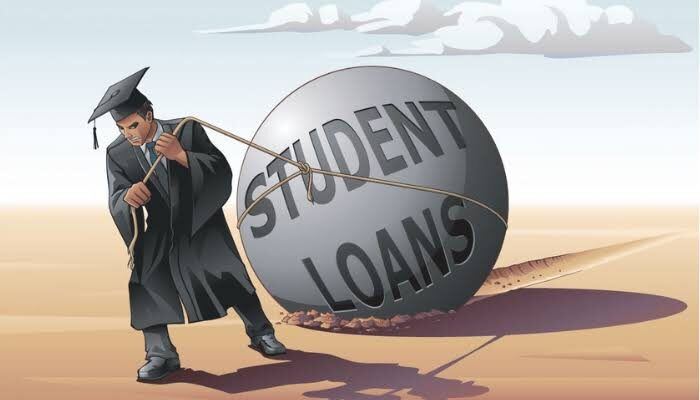
Amidst the excitement over the Nigeria Education Loan Fund (NELFUND), students have raised concerns over the scheme, with complaints about read more NELFUND: Students sigh fees hike, debt dog loan scheme, others
Amidst the excitement over the Nigeria Education Loan Fund (NELFUND), students have raised concerns over the scheme, with complaints about rising tuition fees, fears of mounting debt and disparities in the amounts disbursed overshadowing the gains recorded. Students who spoke with BusinessDy expressed delight over the introduction of the loan, but decried the concomitants challenges arising with it. A serving NYSC member, who gave his name only as Azim, described his experience with NELFUND as a mixture of relief, hesitation, and responsibility. “Looking back at my university journey, the financial pressure did not become significant immediately. In 100 level at the University of Ibadan, school fees were relatively affordable, ranging from about N20,000 to N50,000. At that point, paying school fees was not a major concern. “The real financial pressure came in my 400 level. At that point, the amount required for school fees rose significantly, reaching approximately N100,000 to N150,000. This was when NELFUND became relevant to my university experience,” he said. Azim said NELFUND helped reduce his immediate financial pressure of completing his education. However, he disclosed that the experience also made him think seriously about the responsibility that comes after graduation. “Knowing that the funds eventually have to be repaid makes the support feel less like free financial assistance and more like an investment that must be accounted for. NELFUND is therefore a valuable initiative because it can prevent students from being forced to abandon their education for financial difficulties. “But for a student who receives funding continuously from 100 to 500 level, repayment after graduation could represent a significant portion of their early-career income,” he said. Adediran Babatunde said that NELFUND has been both helpful and challenging. He disclosed that the fund provided him major financial relief during his time at the university. He revealed that the university’s management continued to encourage students to take advantage of the NELFUND to meet their financial obligations. However, underneath, they were increasing the fees. “By the time I reached 400 level, the fees that were approximately N28,000 at my 200 level had increased to over N100,000. This is roughly 300 percent increase. Besides, the laboratory and studio fees were also increased. “Another issue was the amount reflected on the NELFUND platform in some instances, appeared to be significantly higher than the actual school fees. For example, instead of an amount of around N120,000, the platform could show N200,000,” he said. However, the unfortunate thing according him, is that any excess amount recorded on the NELFUND platform could not be withdrawn by the student for other educational or personal expenses. Bankole, another beneficiary of NELFUN, explained that his experience shaped his view of loans, describing it as being useful, especially for indigent students, who genuinely cannot afford their education. However, he expressed his worry about the level of debt students can accumulate over the years. “If a student begins to collect the loan from 100 level, the total repayment obligation by the time he or her graduates, would become substantial. “For someone entering an uncertain job market, that debt can become another major financial burden immediately after university,” he said. A student of the Federal University, Oye-Ekiti, explained that in the face of the student loan, the university management has increased the fees rather ridiculously, and introduced the payment of commission along with the fees. “The university has decided to continue with its proposed 30 percent increment of fees amid the student loan introduction; many students see this, as an attack on the Nigerian education system. “We’re given a resumption date of October 5, and we’re told there’ll be an extra service charge for our payments. I don’t know what the extra charge is about,” she explained. According to NELFUND, the fundamental aim of the fund is to ensure educational equity, providing an opportunity for financially disadvantaged students to start and complete their studies, just like their counterparts from more affluent backgrounds. The goal is to prevent underprivileged students from dropping out due to financial constraints during their research. As NELFUND continues to expand its reach, the coming months will be critical in determining whether the student-loan scheme can deliver sustainable relief amid rising education costs and concerns over repayment. Stakeholders will be watching closely for stronger funding, greater transparency and efficient disbursement, while students hope the initiative evolves into a dependable pathway to accessing higher education without leaving beneficiaries burdened by unmanageable debt. Related News AI revolution: Equipping students, others for the future of work Lights, Hymns, and Emerald Tributes: How Lagos said goodbye to screen legend, Olu Jacobs Top 5 ranked Nigerian footballers worth combined N275bn in 2026 Charles Ogwo Charles Ogwo is a proactive journalist, driving education, and business innovations for over 10 years. He leads initiatives leveraging tech to enhance storytelling and build topnotch performing team. Charles is passionate about harnessing technology to inform, engage and empower communities. Share
Students who spoke with BusinessDy expressed delight over the introduction of the loan, but decried the concomitants challenges arising with it. A serving NYSC member, who gave his name only as Azim, described his experience with NELFUND as a mixture of relief, hesitation, and responsibility. “Looking back at my university journey, the financial pressure did not become significant immediately. In 100 level at the University of Ibadan, school fees were relatively affordable, ranging from about N20,000 to N50,000. At that point, paying school fees was not a major concern. “The real financial pressure came in my 400 level. At that point, the amount required for school fees rose significantly, reaching approximately N100,000 to N150,000. This was when NELFUND became relevant to my university experience,” he said. Azim said NELFUND helped reduce his immediate financial pressure of completing his education. However, he disclosed that the experience also made him think seriously about the responsibility that comes after graduation. “Knowing that the funds eventually have to be repaid makes the support feel less like free financial assistance and more like an investment that must be accounted for. NELFUND is therefore a valuable initiative because it can prevent students from being forced to abandon their education for financial difficulties. “But for a student who receives funding continuously from 100 to 500 level, repayment after graduation could represent a significant portion of their early-career income,” he said. Adediran Babatunde said that NELFUND has been both helpful and challenging. He disclosed that the fund provided him major financial relief during his time at the university. He revealed that the university’s management continued to encourage students to take advantage of the NELFUND to meet their financial obligations. However, underneath, they were increasing the fees. “By the time I reached 400 level, the fees that were approximately N28,000 at my 200 level had increased to over N100,000. This is roughly 300 percent increase. Besides, the laboratory and studio fees were also increased. “Another issue was the amount reflected on the NELFUND platform in some instances, appeared to be significantly higher than the actual school fees. For example, instead of an amount of around N120,000, the platform could show N200,000,” he said. However, the unfortunate thing according him, is that any excess amount recorded on the NELFUND platform could not be withdrawn by the student for other educational or personal expenses. Bankole, another beneficiary of NELFUN, explained that his experience shaped his view of loans, describing it as being useful, especially for indigent students, who genuinely cannot afford their education. However, he expressed his worry about the level of debt students can accumulate over the years. “If a student begins to collect the loan from 100 level, the total repayment obligation by the time he or her graduates, would become substantial. “For someone entering an uncertain job market, that debt can become another major financial burden immediately after university,” he said. A student of the Federal University, Oye-Ekiti, explained that in the face of the student loan, the university management has increased the fees rather ridiculously, and introduced the payment of commission along with the fees. “The university has decided to continue with its proposed 30 percent increment of fees amid the student loan introduction; many students see this, as an attack on the Nigerian education system. “We’re given a resumption date of October 5, and we’re told there’ll be an extra service charge for our payments. I don’t know what the extra charge is about,” she explained. According to NELFUND, the fundamental aim of the fund is to ensure educational equity, providing an opportunity for financially disadvantaged students to start and complete their studies, just like their counterparts from more affluent backgrounds. The goal is to prevent underprivileged students from dropping out due to financial constraints during their research. As NELFUND continues to expand its reach, the coming months will be critical in determining whether the student-loan scheme can deliver sustainable relief amid rising education costs and concerns over repayment. Stakeholders will be watching closely for stronger funding, greater transparency and efficient disbursement, while students hope the initiative evolves into a dependable pathway to accessing higher education without leaving beneficiaries burdened by unmanageable debt. Related News AI revolution: Equipping students, others for the future of work Lights, Hymns, and Emerald Tributes: How Lagos said goodbye to screen legend, Olu Jacobs Top 5 ranked Nigerian footballers worth combined N275bn in 2026 Charles Ogwo Charles Ogwo is a proactive journalist, driving education, and business innovations for over 10 years. He leads initiatives leveraging tech to enhance storytelling and build topnotch performing team. Charles is passionate about harnessing technology to inform, engage and empower communities. Share
A serving NYSC member, who gave his name only as Azim, described his experience with NELFUND as a mixture of relief, hesitation, and responsibility. “Looking back at my university journey, the financial pressure did not become significant immediately. In 100 level at the University of Ibadan, school fees were relatively affordable, ranging from about N20,000 to N50,000. At that point, paying school fees was not a major concern. “The real financial pressure came in my 400 level. At that point, the amount required for school fees rose significantly, reaching approximately N100,000 to N150,000. This was when NELFUND became relevant to my university experience,” he said. Azim said NELFUND helped reduce his immediate financial pressure of completing his education. However, he disclosed that the experience also made him think seriously about the responsibility that comes after graduation. “Knowing that the funds eventually have to be repaid makes the support feel less like free financial assistance and more like an investment that must be accounted for. NELFUND is therefore a valuable initiative because it can prevent students from being forced to abandon their education for financial difficulties. “But for a student who receives funding continuously from 100 to 500 level, repayment after graduation could represent a significant portion of their early-career income,” he said. Adediran Babatunde said that NELFUND has been both helpful and challenging. He disclosed that the fund provided him major financial relief during his time at the university. He revealed that the university’s management continued to encourage students to take advantage of the NELFUND to meet their financial obligations. However, underneath, they were increasing the fees. “By the time I reached 400 level, the fees that were approximately N28,000 at my 200 level had increased to over N100,000. This is roughly 300 percent increase. Besides, the laboratory and studio fees were also increased. “Another issue was the amount reflected on the NELFUND platform in some instances, appeared to be significantly higher than the actual school fees. For example, instead of an amount of around N120,000, the platform could show N200,000,” he said. However, the unfortunate thing according him, is that any excess amount recorded on the NELFUND platform could not be withdrawn by the student for other educational or personal expenses. Bankole, another beneficiary of NELFUN, explained that his experience shaped his view of loans, describing it as being useful, especially for indigent students, who genuinely cannot afford their education. However, he expressed his worry about the level of debt students can accumulate over the years. “If a student begins to collect the loan from 100 level, the total repayment obligation by the time he or her graduates, would become substantial. “For someone entering an uncertain job market, that debt can become another major financial burden immediately after university,” he said. A student of the Federal University, Oye-Ekiti, explained that in the face of the student loan, the university management has increased the fees rather ridiculously, and introduced the payment of commission along with the fees. “The university has decided to continue with its proposed 30 percent increment of fees amid the student loan introduction; many students see this, as an attack on the Nigerian education system. “We’re given a resumption date of October 5, and we’re told there’ll be an extra service charge for our payments. I don’t know what the extra charge is about,” she explained. According to NELFUND, the fundamental aim of the fund is to ensure educational equity, providing an opportunity for financially disadvantaged students to start and complete their studies, just like their counterparts from more affluent backgrounds. The goal is to prevent underprivileged students from dropping out due to financial constraints during their research. As NELFUND continues to expand its reach, the coming months will be critical in determining whether the student-loan scheme can deliver sustainable relief amid rising education costs and concerns over repayment. Stakeholders will be watching closely for stronger funding, greater transparency and efficient disbursement, while students hope the initiative evolves into a dependable pathway to accessing higher education without leaving beneficiaries burdened by unmanageable debt. Related News AI revolution: Equipping students, others for the future of work Lights, Hymns, and Emerald Tributes: How Lagos said goodbye to screen legend, Olu Jacobs Top 5 ranked Nigerian footballers worth combined N275bn in 2026 Charles Ogwo Charles Ogwo is a proactive journalist, driving education, and business innovations for over 10 years. He leads initiatives leveraging tech to enhance storytelling and build topnotch performing team. Charles is passionate about harnessing technology to inform, engage and empower communities. Share
“Looking back at my university journey, the financial pressure did not become significant immediately. In 100 level at the University of Ibadan, school fees were relatively affordable, ranging from about N20,000 to N50,000. At that point, paying school fees was not a major concern. “The real financial pressure came in my 400 level. At that point, the amount required for school fees rose significantly, reaching approximately N100,000 to N150,000. This was when NELFUND became relevant to my university experience,” he said. Azim said NELFUND helped reduce his immediate financial pressure of completing his education. However, he disclosed that the experience also made him think seriously about the responsibility that comes after graduation. “Knowing that the funds eventually have to be repaid makes the support feel less like free financial assistance and more like an investment that must be accounted for. NELFUND is therefore a valuable initiative because it can prevent students from being forced to abandon their education for financial difficulties. “But for a student who receives funding continuously from 100 to 500 level, repayment after graduation could represent a significant portion of their early-career income,” he said. Adediran Babatunde said that NELFUND has been both helpful and challenging. He disclosed that the fund provided him major financial relief during his time at the university. He revealed that the university’s management continued to encourage students to take advantage of the NELFUND to meet their financial obligations. However, underneath, they were increasing the fees. “By the time I reached 400 level, the fees that were approximately N28,000 at my 200 level had increased to over N100,000. This is roughly 300 percent increase. Besides, the laboratory and studio fees were also increased. “Another issue was the amount reflected on the NELFUND platform in some instances, appeared to be significantly higher than the actual school fees. For example, instead of an amount of around N120,000, the platform could show N200,000,” he said. However, the unfortunate thing according him, is that any excess amount recorded on the NELFUND platform could not be withdrawn by the student for other educational or personal expenses. Bankole, another beneficiary of NELFUN, explained that his experience shaped his view of loans, describing it as being useful, especially for indigent students, who genuinely cannot afford their education. However, he expressed his worry about the level of debt students can accumulate over the years. “If a student begins to collect the loan from 100 level, the total repayment obligation by the time he or her graduates, would become substantial. “For someone entering an uncertain job market, that debt can become another major financial burden immediately after university,” he said. A student of the Federal University, Oye-Ekiti, explained that in the face of the student loan, the university management has increased the fees rather ridiculously, and introduced the payment of commission along with the fees. “The university has decided to continue with its proposed 30 percent increment of fees amid the student loan introduction; many students see this, as an attack on the Nigerian education system. “We’re given a resumption date of October 5, and we’re told there’ll be an extra service charge for our payments. I don’t know what the extra charge is about,” she explained. According to NELFUND, the fundamental aim of the fund is to ensure educational equity, providing an opportunity for financially disadvantaged students to start and complete their studies, just like their counterparts from more affluent backgrounds. The goal is to prevent underprivileged students from dropping out due to financial constraints during their research. As NELFUND continues to expand its reach, the coming months will be critical in determining whether the student-loan scheme can deliver sustainable relief amid rising education costs and concerns over repayment. Stakeholders will be watching closely for stronger funding, greater transparency and efficient disbursement, while students hope the initiative evolves into a dependable pathway to accessing higher education without leaving beneficiaries burdened by unmanageable debt. Related News AI revolution: Equipping students, others for the future of work Lights, Hymns, and Emerald Tributes: How Lagos said goodbye to screen legend, Olu Jacobs Top 5 ranked Nigerian footballers worth combined N275bn in 2026 Charles Ogwo Charles Ogwo is a proactive journalist, driving education, and business innovations for over 10 years. He leads initiatives leveraging tech to enhance storytelling and build topnotch performing team. Charles is passionate about harnessing technology to inform, engage and empower communities. Share
“The real financial pressure came in my 400 level. At that point, the amount required for school fees rose significantly, reaching approximately N100,000 to N150,000. This was when NELFUND became relevant to my university experience,” he said. Azim said NELFUND helped reduce his immediate financial pressure of completing his education. However, he disclosed that the experience also made him think seriously about the responsibility that comes after graduation. “Knowing that the funds eventually have to be repaid makes the support feel less like free financial assistance and more like an investment that must be accounted for. NELFUND is therefore a valuable initiative because it can prevent students from being forced to abandon their education for financial difficulties. “But for a student who receives funding continuously from 100 to 500 level, repayment after graduation could represent a significant portion of their early-career income,” he said. Adediran Babatunde said that NELFUND has been both helpful and challenging. He disclosed that the fund provided him major financial relief during his time at the university. He revealed that the university’s management continued to encourage students to take advantage of the NELFUND to meet their financial obligations. However, underneath, they were increasing the fees. “By the time I reached 400 level, the fees that were approximately N28,000 at my 200 level had increased to over N100,000. This is roughly 300 percent increase. Besides, the laboratory and studio fees were also increased. “Another issue was the amount reflected on the NELFUND platform in some instances, appeared to be significantly higher than the actual school fees. For example, instead of an amount of around N120,000, the platform could show N200,000,” he said. However, the unfortunate thing according him, is that any excess amount recorded on the NELFUND platform could not be withdrawn by the student for other educational or personal expenses. Bankole, another beneficiary of NELFUN, explained that his experience shaped his view of loans, describing it as being useful, especially for indigent students, who genuinely cannot afford their education. However, he expressed his worry about the level of debt students can accumulate over the years. “If a student begins to collect the loan from 100 level, the total repayment obligation by the time he or her graduates, would become substantial. “For someone entering an uncertain job market, that debt can become another major financial burden immediately after university,” he said. A student of the Federal University, Oye-Ekiti, explained that in the face of the student loan, the university management has increased the fees rather ridiculously, and introduced the payment of commission along with the fees. “The university has decided to continue with its proposed 30 percent increment of fees amid the student loan introduction; many students see this, as an attack on the Nigerian education system. “We’re given a resumption date of October 5, and we’re told there’ll be an extra service charge for our payments. I don’t know what the extra charge is about,” she explained. According to NELFUND, the fundamental aim of the fund is to ensure educational equity, providing an opportunity for financially disadvantaged students to start and complete their studies, just like their counterparts from more affluent backgrounds. The goal is to prevent underprivileged students from dropping out due to financial constraints during their research. As NELFUND continues to expand its reach, the coming months will be critical in determining whether the student-loan scheme can deliver sustainable relief amid rising education costs and concerns over repayment. Stakeholders will be watching closely for stronger funding, greater transparency and efficient disbursement, while students hope the initiative evolves into a dependable pathway to accessing higher education without leaving beneficiaries burdened by unmanageable debt. Related News AI revolution: Equipping students, others for the future of work Lights, Hymns, and Emerald Tributes: How Lagos said goodbye to screen legend, Olu Jacobs Top 5 ranked Nigerian footballers worth combined N275bn in 2026 Charles Ogwo Charles Ogwo is a proactive journalist, driving education, and business innovations for over 10 years. He leads initiatives leveraging tech to enhance storytelling and build topnotch performing team. Charles is passionate about harnessing technology to inform, engage and empower communities. Share
Azim said NELFUND helped reduce his immediate financial pressure of completing his education. However, he disclosed that the experience also made him think seriously about the responsibility that comes after graduation. “Knowing that the funds eventually have to be repaid makes the support feel less like free financial assistance and more like an investment that must be accounted for. NELFUND is therefore a valuable initiative because it can prevent students from being forced to abandon their education for financial difficulties. “But for a student who receives funding continuously from 100 to 500 level, repayment after graduation could represent a significant portion of their early-career income,” he said. Adediran Babatunde said that NELFUND has been both helpful and challenging. He disclosed that the fund provided him major financial relief during his time at the university. He revealed that the university’s management continued to encourage students to take advantage of the NELFUND to meet their financial obligations. However, underneath, they were increasing the fees. “By the time I reached 400 level, the fees that were approximately N28,000 at my 200 level had increased to over N100,000. This is roughly 300 percent increase. Besides, the laboratory and studio fees were also increased. “Another issue was the amount reflected on the NELFUND platform in some instances, appeared to be significantly higher than the actual school fees. For example, instead of an amount of around N120,000, the platform could show N200,000,” he said. However, the unfortunate thing according him, is that any excess amount recorded on the NELFUND platform could not be withdrawn by the student for other educational or personal expenses. Bankole, another beneficiary of NELFUN, explained that his experience shaped his view of loans, describing it as being useful, especially for indigent students, who genuinely cannot afford their education. However, he expressed his worry about the level of debt students can accumulate over the years. “If a student begins to collect the loan from 100 level, the total repayment obligation by the time he or her graduates, would become substantial. “For someone entering an uncertain job market, that debt can become another major financial burden immediately after university,” he said. A student of the Federal University, Oye-Ekiti, explained that in the face of the student loan, the university management has increased the fees rather ridiculously, and introduced the payment of commission along with the fees. “The university has decided to continue with its proposed 30 percent increment of fees amid the student loan introduction; many students see this, as an attack on the Nigerian education system. “We’re given a resumption date of October 5, and we’re told there’ll be an extra service charge for our payments. I don’t know what the extra charge is about,” she explained. According to NELFUND, the fundamental aim of the fund is to ensure educational equity, providing an opportunity for financially disadvantaged students to start and complete their studies, just like their counterparts from more affluent backgrounds. The goal is to prevent underprivileged students from dropping out due to financial constraints during their research. As NELFUND continues to expand its reach, the coming months will be critical in determining whether the student-loan scheme can deliver sustainable relief amid rising education costs and concerns over repayment. Stakeholders will be watching closely for stronger funding, greater transparency and efficient disbursement, while students hope the initiative evolves into a dependable pathway to accessing higher education without leaving beneficiaries burdened by unmanageable debt. Related News AI revolution: Equipping students, others for the future of work Lights, Hymns, and Emerald Tributes: How Lagos said goodbye to screen legend, Olu Jacobs Top 5 ranked Nigerian footballers worth combined N275bn in 2026 Charles Ogwo Charles Ogwo is a proactive journalist, driving education, and business innovations for over 10 years. He leads initiatives leveraging tech to enhance storytelling and build topnotch performing team. Charles is passionate about harnessing technology to inform, engage and empower communities. Share
“Knowing that the funds eventually have to be repaid makes the support feel less like free financial assistance and more like an investment that must be accounted for. NELFUND is therefore a valuable initiative because it can prevent students from being forced to abandon their education for financial difficulties. “But for a student who receives funding continuously from 100 to 500 level, repayment after graduation could represent a significant portion of their early-career income,” he said. Adediran Babatunde said that NELFUND has been both helpful and challenging. He disclosed that the fund provided him major financial relief during his time at the university. He revealed that the university’s management continued to encourage students to take advantage of the NELFUND to meet their financial obligations. However, underneath, they were increasing the fees. “By the time I reached 400 level, the fees that were approximately N28,000 at my 200 level had increased to over N100,000. This is roughly 300 percent increase. Besides, the laboratory and studio fees were also increased. “Another issue was the amount reflected on the NELFUND platform in some instances, appeared to be significantly higher than the actual school fees. For example, instead of an amount of around N120,000, the platform could show N200,000,” he said. However, the unfortunate thing according him, is that any excess amount recorded on the NELFUND platform could not be withdrawn by the student for other educational or personal expenses. Bankole, another beneficiary of NELFUN, explained that his experience shaped his view of loans, describing it as being useful, especially for indigent students, who genuinely cannot afford their education. However, he expressed his worry about the level of debt students can accumulate over the years. “If a student begins to collect the loan from 100 level, the total repayment obligation by the time he or her graduates, would become substantial. “For someone entering an uncertain job market, that debt can become another major financial burden immediately after university,” he said. A student of the Federal University, Oye-Ekiti, explained that in the face of the student loan, the university management has increased the fees rather ridiculously, and introduced the payment of commission along with the fees. “The university has decided to continue with its proposed 30 percent increment of fees amid the student loan introduction; many students see this, as an attack on the Nigerian education system. “We’re given a resumption date of October 5, and we’re told there’ll be an extra service charge for our payments. I don’t know what the extra charge is about,” she explained. According to NELFUND, the fundamental aim of the fund is to ensure educational equity, providing an opportunity for financially disadvantaged students to start and complete their studies, just like their counterparts from more affluent backgrounds. The goal is to prevent underprivileged students from dropping out due to financial constraints during their research. As NELFUND continues to expand its reach, the coming months will be critical in determining whether the student-loan scheme can deliver sustainable relief amid rising education costs and concerns over repayment. Stakeholders will be watching closely for stronger funding, greater transparency and efficient disbursement, while students hope the initiative evolves into a dependable pathway to accessing higher education without leaving beneficiaries burdened by unmanageable debt. Related News AI revolution: Equipping students, others for the future of work Lights, Hymns, and Emerald Tributes: How Lagos said goodbye to screen legend, Olu Jacobs Top 5 ranked Nigerian footballers worth combined N275bn in 2026 Charles Ogwo Charles Ogwo is a proactive journalist, driving education, and business innovations for over 10 years. He leads initiatives leveraging tech to enhance storytelling and build topnotch performing team. Charles is passionate about harnessing technology to inform, engage and empower communities. Share
“But for a student who receives funding continuously from 100 to 500 level, repayment after graduation could represent a significant portion of their early-career income,” he said. Adediran Babatunde said that NELFUND has been both helpful and challenging. He disclosed that the fund provided him major financial relief during his time at the university. He revealed that the university’s management continued to encourage students to take advantage of the NELFUND to meet their financial obligations. However, underneath, they were increasing the fees. “By the time I reached 400 level, the fees that were approximately N28,000 at my 200 level had increased to over N100,000. This is roughly 300 percent increase. Besides, the laboratory and studio fees were also increased. “Another issue was the amount reflected on the NELFUND platform in some instances, appeared to be significantly higher than the actual school fees. For example, instead of an amount of around N120,000, the platform could show N200,000,” he said. However, the unfortunate thing according him, is that any excess amount recorded on the NELFUND platform could not be withdrawn by the student for other educational or personal expenses. Bankole, another beneficiary of NELFUN, explained that his experience shaped his view of loans, describing it as being useful, especially for indigent students, who genuinely cannot afford their education. However, he expressed his worry about the level of debt students can accumulate over the years. “If a student begins to collect the loan from 100 level, the total repayment obligation by the time he or her graduates, would become substantial. “For someone entering an uncertain job market, that debt can become another major financial burden immediately after university,” he said. A student of the Federal University, Oye-Ekiti, explained that in the face of the student loan, the university management has increased the fees rather ridiculously, and introduced the payment of commission along with the fees. “The university has decided to continue with its proposed 30 percent increment of fees amid the student loan introduction; many students see this, as an attack on the Nigerian education system. “We’re given a resumption date of October 5, and we’re told there’ll be an extra service charge for our payments. I don’t know what the extra charge is about,” she explained. According to NELFUND, the fundamental aim of the fund is to ensure educational equity, providing an opportunity for financially disadvantaged students to start and complete their studies, just like their counterparts from more affluent backgrounds. The goal is to prevent underprivileged students from dropping out due to financial constraints during their research. As NELFUND continues to expand its reach, the coming months will be critical in determining whether the student-loan scheme can deliver sustainable relief amid rising education costs and concerns over repayment. Stakeholders will be watching closely for stronger funding, greater transparency and efficient disbursement, while students hope the initiative evolves into a dependable pathway to accessing higher education without leaving beneficiaries burdened by unmanageable debt. Related News AI revolution: Equipping students, others for the future of work Lights, Hymns, and Emerald Tributes: How Lagos said goodbye to screen legend, Olu Jacobs Top 5 ranked Nigerian footballers worth combined N275bn in 2026 Charles Ogwo Charles Ogwo is a proactive journalist, driving education, and business innovations for over 10 years. He leads initiatives leveraging tech to enhance storytelling and build topnotch performing team. Charles is passionate about harnessing technology to inform, engage and empower communities. Share
Adediran Babatunde said that NELFUND has been both helpful and challenging. He disclosed that the fund provided him major financial relief during his time at the university. He revealed that the university’s management continued to encourage students to take advantage of the NELFUND to meet their financial obligations. However, underneath, they were increasing the fees. “By the time I reached 400 level, the fees that were approximately N28,000 at my 200 level had increased to over N100,000. This is roughly 300 percent increase. Besides, the laboratory and studio fees were also increased. “Another issue was the amount reflected on the NELFUND platform in some instances, appeared to be significantly higher than the actual school fees. For example, instead of an amount of around N120,000, the platform could show N200,000,” he said. However, the unfortunate thing according him, is that any excess amount recorded on the NELFUND platform could not be withdrawn by the student for other educational or personal expenses. Bankole, another beneficiary of NELFUN, explained that his experience shaped his view of loans, describing it as being useful, especially for indigent students, who genuinely cannot afford their education. However, he expressed his worry about the level of debt students can accumulate over the years. “If a student begins to collect the loan from 100 level, the total repayment obligation by the time he or her graduates, would become substantial. “For someone entering an uncertain job market, that debt can become another major financial burden immediately after university,” he said. A student of the Federal University, Oye-Ekiti, explained that in the face of the student loan, the university management has increased the fees rather ridiculously, and introduced the payment of commission along with the fees. “The university has decided to continue with its proposed 30 percent increment of fees amid the student loan introduction; many students see this, as an attack on the Nigerian education system. “We’re given a resumption date of October 5, and we’re told there’ll be an extra service charge for our payments. I don’t know what the extra charge is about,” she explained. According to NELFUND, the fundamental aim of the fund is to ensure educational equity, providing an opportunity for financially disadvantaged students to start and complete their studies, just like their counterparts from more affluent backgrounds. The goal is to prevent underprivileged students from dropping out due to financial constraints during their research. As NELFUND continues to expand its reach, the coming months will be critical in determining whether the student-loan scheme can deliver sustainable relief amid rising education costs and concerns over repayment. Stakeholders will be watching closely for stronger funding, greater transparency and efficient disbursement, while students hope the initiative evolves into a dependable pathway to accessing higher education without leaving beneficiaries burdened by unmanageable debt. Related News AI revolution: Equipping students, others for the future of work Lights, Hymns, and Emerald Tributes: How Lagos said goodbye to screen legend, Olu Jacobs Top 5 ranked Nigerian footballers worth combined N275bn in 2026 Charles Ogwo Charles Ogwo is a proactive journalist, driving education, and business innovations for over 10 years. He leads initiatives leveraging tech to enhance storytelling and build topnotch performing team. Charles is passionate about harnessing technology to inform, engage and empower communities. Share
He revealed that the university’s management continued to encourage students to take advantage of the NELFUND to meet their financial obligations. However, underneath, they were increasing the fees. “By the time I reached 400 level, the fees that were approximately N28,000 at my 200 level had increased to over N100,000. This is roughly 300 percent increase. Besides, the laboratory and studio fees were also increased. “Another issue was the amount reflected on the NELFUND platform in some instances, appeared to be significantly higher than the actual school fees. For example, instead of an amount of around N120,000, the platform could show N200,000,” he said. However, the unfortunate thing according him, is that any excess amount recorded on the NELFUND platform could not be withdrawn by the student for other educational or personal expenses. Bankole, another beneficiary of NELFUN, explained that his experience shaped his view of loans, describing it as being useful, especially for indigent students, who genuinely cannot afford their education. However, he expressed his worry about the level of debt students can accumulate over the years. “If a student begins to collect the loan from 100 level, the total repayment obligation by the time he or her graduates, would become substantial. “For someone entering an uncertain job market, that debt can become another major financial burden immediately after university,” he said. A student of the Federal University, Oye-Ekiti, explained that in the face of the student loan, the university management has increased the fees rather ridiculously, and introduced the payment of commission along with the fees. “The university has decided to continue with its proposed 30 percent increment of fees amid the student loan introduction; many students see this, as an attack on the Nigerian education system. “We’re given a resumption date of October 5, and we’re told there’ll be an extra service charge for our payments. I don’t know what the extra charge is about,” she explained. According to NELFUND, the fundamental aim of the fund is to ensure educational equity, providing an opportunity for financially disadvantaged students to start and complete their studies, just like their counterparts from more affluent backgrounds. The goal is to prevent underprivileged students from dropping out due to financial constraints during their research. As NELFUND continues to expand its reach, the coming months will be critical in determining whether the student-loan scheme can deliver sustainable relief amid rising education costs and concerns over repayment. Stakeholders will be watching closely for stronger funding, greater transparency and efficient disbursement, while students hope the initiative evolves into a dependable pathway to accessing higher education without leaving beneficiaries burdened by unmanageable debt. Related News AI revolution: Equipping students, others for the future of work Lights, Hymns, and Emerald Tributes: How Lagos said goodbye to screen legend, Olu Jacobs Top 5 ranked Nigerian footballers worth combined N275bn in 2026 Charles Ogwo Charles Ogwo is a proactive journalist, driving education, and business innovations for over 10 years. He leads initiatives leveraging tech to enhance storytelling and build topnotch performing team. Charles is passionate about harnessing technology to inform, engage and empower communities. Share
“By the time I reached 400 level, the fees that were approximately N28,000 at my 200 level had increased to over N100,000. This is roughly 300 percent increase. Besides, the laboratory and studio fees were also increased. “Another issue was the amount reflected on the NELFUND platform in some instances, appeared to be significantly higher than the actual school fees. For example, instead of an amount of around N120,000, the platform could show N200,000,” he said. However, the unfortunate thing according him, is that any excess amount recorded on the NELFUND platform could not be withdrawn by the student for other educational or personal expenses. Bankole, another beneficiary of NELFUN, explained that his experience shaped his view of loans, describing it as being useful, especially for indigent students, who genuinely cannot afford their education. However, he expressed his worry about the level of debt students can accumulate over the years. “If a student begins to collect the loan from 100 level, the total repayment obligation by the time he or her graduates, would become substantial. “For someone entering an uncertain job market, that debt can become another major financial burden immediately after university,” he said. A student of the Federal University, Oye-Ekiti, explained that in the face of the student loan, the university management has increased the fees rather ridiculously, and introduced the payment of commission along with the fees. “The university has decided to continue with its proposed 30 percent increment of fees amid the student loan introduction; many students see this, as an attack on the Nigerian education system. “We’re given a resumption date of October 5, and we’re told there’ll be an extra service charge for our payments. I don’t know what the extra charge is about,” she explained. According to NELFUND, the fundamental aim of the fund is to ensure educational equity, providing an opportunity for financially disadvantaged students to start and complete their studies, just like their counterparts from more affluent backgrounds. The goal is to prevent underprivileged students from dropping out due to financial constraints during their research. As NELFUND continues to expand its reach, the coming months will be critical in determining whether the student-loan scheme can deliver sustainable relief amid rising education costs and concerns over repayment. Stakeholders will be watching closely for stronger funding, greater transparency and efficient disbursement, while students hope the initiative evolves into a dependable pathway to accessing higher education without leaving beneficiaries burdened by unmanageable debt. Related News AI revolution: Equipping students, others for the future of work Lights, Hymns, and Emerald Tributes: How Lagos said goodbye to screen legend, Olu Jacobs Top 5 ranked Nigerian footballers worth combined N275bn in 2026 Charles Ogwo Charles Ogwo is a proactive journalist, driving education, and business innovations for over 10 years. He leads initiatives leveraging tech to enhance storytelling and build topnotch performing team. Charles is passionate about harnessing technology to inform, engage and empower communities. Share
“Another issue was the amount reflected on the NELFUND platform in some instances, appeared to be significantly higher than the actual school fees. For example, instead of an amount of around N120,000, the platform could show N200,000,” he said. However, the unfortunate thing according him, is that any excess amount recorded on the NELFUND platform could not be withdrawn by the student for other educational or personal expenses. Bankole, another beneficiary of NELFUN, explained that his experience shaped his view of loans, describing it as being useful, especially for indigent students, who genuinely cannot afford their education. However, he expressed his worry about the level of debt students can accumulate over the years. “If a student begins to collect the loan from 100 level, the total repayment obligation by the time he or her graduates, would become substantial. “For someone entering an uncertain job market, that debt can become another major financial burden immediately after university,” he said. A student of the Federal University, Oye-Ekiti, explained that in the face of the student loan, the university management has increased the fees rather ridiculously, and introduced the payment of commission along with the fees. “The university has decided to continue with its proposed 30 percent increment of fees amid the student loan introduction; many students see this, as an attack on the Nigerian education system. “We’re given a resumption date of October 5, and we’re told there’ll be an extra service charge for our payments. I don’t know what the extra charge is about,” she explained. According to NELFUND, the fundamental aim of the fund is to ensure educational equity, providing an opportunity for financially disadvantaged students to start and complete their studies, just like their counterparts from more affluent backgrounds. The goal is to prevent underprivileged students from dropping out due to financial constraints during their research. As NELFUND continues to expand its reach, the coming months will be critical in determining whether the student-loan scheme can deliver sustainable relief amid rising education costs and concerns over repayment. Stakeholders will be watching closely for stronger funding, greater transparency and efficient disbursement, while students hope the initiative evolves into a dependable pathway to accessing higher education without leaving beneficiaries burdened by unmanageable debt. Related News AI revolution: Equipping students, others for the future of work Lights, Hymns, and Emerald Tributes: How Lagos said goodbye to screen legend, Olu Jacobs Top 5 ranked Nigerian footballers worth combined N275bn in 2026 Charles Ogwo Charles Ogwo is a proactive journalist, driving education, and business innovations for over 10 years. He leads initiatives leveraging tech to enhance storytelling and build topnotch performing team. Charles is passionate about harnessing technology to inform, engage and empower communities. Share
However, the unfortunate thing according him, is that any excess amount recorded on the NELFUND platform could not be withdrawn by the student for other educational or personal expenses. Bankole, another beneficiary of NELFUN, explained that his experience shaped his view of loans, describing it as being useful, especially for indigent students, who genuinely cannot afford their education. However, he expressed his worry about the level of debt students can accumulate over the years. “If a student begins to collect the loan from 100 level, the total repayment obligation by the time he or her graduates, would become substantial. “For someone entering an uncertain job market, that debt can become another major financial burden immediately after university,” he said. A student of the Federal University, Oye-Ekiti, explained that in the face of the student loan, the university management has increased the fees rather ridiculously, and introduced the payment of commission along with the fees. “The university has decided to continue with its proposed 30 percent increment of fees amid the student loan introduction; many students see this, as an attack on the Nigerian education system. “We’re given a resumption date of October 5, and we’re told there’ll be an extra service charge for our payments. I don’t know what the extra charge is about,” she explained. According to NELFUND, the fundamental aim of the fund is to ensure educational equity, providing an opportunity for financially disadvantaged students to start and complete their studies, just like their counterparts from more affluent backgrounds. The goal is to prevent underprivileged students from dropping out due to financial constraints during their research. As NELFUND continues to expand its reach, the coming months will be critical in determining whether the student-loan scheme can deliver sustainable relief amid rising education costs and concerns over repayment. Stakeholders will be watching closely for stronger funding, greater transparency and efficient disbursement, while students hope the initiative evolves into a dependable pathway to accessing higher education without leaving beneficiaries burdened by unmanageable debt. Related News AI revolution: Equipping students, others for the future of work Lights, Hymns, and Emerald Tributes: How Lagos said goodbye to screen legend, Olu Jacobs Top 5 ranked Nigerian footballers worth combined N275bn in 2026 Charles Ogwo Charles Ogwo is a proactive journalist, driving education, and business innovations for over 10 years. He leads initiatives leveraging tech to enhance storytelling and build topnotch performing team. Charles is passionate about harnessing technology to inform, engage and empower communities. Share
Bankole, another beneficiary of NELFUN, explained that his experience shaped his view of loans, describing it as being useful, especially for indigent students, who genuinely cannot afford their education. However, he expressed his worry about the level of debt students can accumulate over the years. “If a student begins to collect the loan from 100 level, the total repayment obligation by the time he or her graduates, would become substantial. “For someone entering an uncertain job market, that debt can become another major financial burden immediately after university,” he said. A student of the Federal University, Oye-Ekiti, explained that in the face of the student loan, the university management has increased the fees rather ridiculously, and introduced the payment of commission along with the fees. “The university has decided to continue with its proposed 30 percent increment of fees amid the student loan introduction; many students see this, as an attack on the Nigerian education system. “We’re given a resumption date of October 5, and we’re told there’ll be an extra service charge for our payments. I don’t know what the extra charge is about,” she explained. According to NELFUND, the fundamental aim of the fund is to ensure educational equity, providing an opportunity for financially disadvantaged students to start and complete their studies, just like their counterparts from more affluent backgrounds. The goal is to prevent underprivileged students from dropping out due to financial constraints during their research. As NELFUND continues to expand its reach, the coming months will be critical in determining whether the student-loan scheme can deliver sustainable relief amid rising education costs and concerns over repayment. Stakeholders will be watching closely for stronger funding, greater transparency and efficient disbursement, while students hope the initiative evolves into a dependable pathway to accessing higher education without leaving beneficiaries burdened by unmanageable debt. Related News AI revolution: Equipping students, others for the future of work Lights, Hymns, and Emerald Tributes: How Lagos said goodbye to screen legend, Olu Jacobs Top 5 ranked Nigerian footballers worth combined N275bn in 2026 Charles Ogwo Charles Ogwo is a proactive journalist, driving education, and business innovations for over 10 years. He leads initiatives leveraging tech to enhance storytelling and build topnotch performing team. Charles is passionate about harnessing technology to inform, engage and empower communities. Share
However, he expressed his worry about the level of debt students can accumulate over the years. “If a student begins to collect the loan from 100 level, the total repayment obligation by the time he or her graduates, would become substantial. “For someone entering an uncertain job market, that debt can become another major financial burden immediately after university,” he said. A student of the Federal University, Oye-Ekiti, explained that in the face of the student loan, the university management has increased the fees rather ridiculously, and introduced the payment of commission along with the fees. “The university has decided to continue with its proposed 30 percent increment of fees amid the student loan introduction; many students see this, as an attack on the Nigerian education system. “We’re given a resumption date of October 5, and we’re told there’ll be an extra service charge for our payments. I don’t know what the extra charge is about,” she explained. According to NELFUND, the fundamental aim of the fund is to ensure educational equity, providing an opportunity for financially disadvantaged students to start and complete their studies, just like their counterparts from more affluent backgrounds. The goal is to prevent underprivileged students from dropping out due to financial constraints during their research. As NELFUND continues to expand its reach, the coming months will be critical in determining whether the student-loan scheme can deliver sustainable relief amid rising education costs and concerns over repayment. Stakeholders will be watching closely for stronger funding, greater transparency and efficient disbursement, while students hope the initiative evolves into a dependable pathway to accessing higher education without leaving beneficiaries burdened by unmanageable debt. Related News AI revolution: Equipping students, others for the future of work Lights, Hymns, and Emerald Tributes: How Lagos said goodbye to screen legend, Olu Jacobs Top 5 ranked Nigerian footballers worth combined N275bn in 2026 Charles Ogwo Charles Ogwo is a proactive journalist, driving education, and business innovations for over 10 years. He leads initiatives leveraging tech to enhance storytelling and build topnotch performing team. Charles is passionate about harnessing technology to inform, engage and empower communities. Share
“If a student begins to collect the loan from 100 level, the total repayment obligation by the time he or her graduates, would become substantial. “For someone entering an uncertain job market, that debt can become another major financial burden immediately after university,” he said. A student of the Federal University, Oye-Ekiti, explained that in the face of the student loan, the university management has increased the fees rather ridiculously, and introduced the payment of commission along with the fees. “The university has decided to continue with its proposed 30 percent increment of fees amid the student loan introduction; many students see this, as an attack on the Nigerian education system. “We’re given a resumption date of October 5, and we’re told there’ll be an extra service charge for our payments. I don’t know what the extra charge is about,” she explained. According to NELFUND, the fundamental aim of the fund is to ensure educational equity, providing an opportunity for financially disadvantaged students to start and complete their studies, just like their counterparts from more affluent backgrounds. The goal is to prevent underprivileged students from dropping out due to financial constraints during their research. As NELFUND continues to expand its reach, the coming months will be critical in determining whether the student-loan scheme can deliver sustainable relief amid rising education costs and concerns over repayment. Stakeholders will be watching closely for stronger funding, greater transparency and efficient disbursement, while students hope the initiative evolves into a dependable pathway to accessing higher education without leaving beneficiaries burdened by unmanageable debt. Related News AI revolution: Equipping students, others for the future of work Lights, Hymns, and Emerald Tributes: How Lagos said goodbye to screen legend, Olu Jacobs Top 5 ranked Nigerian footballers worth combined N275bn in 2026 Charles Ogwo Charles Ogwo is a proactive journalist, driving education, and business innovations for over 10 years. He leads initiatives leveraging tech to enhance storytelling and build topnotch performing team. Charles is passionate about harnessing technology to inform, engage and empower communities. Share
“For someone entering an uncertain job market, that debt can become another major financial burden immediately after university,” he said. A student of the Federal University, Oye-Ekiti, explained that in the face of the student loan, the university management has increased the fees rather ridiculously, and introduced the payment of commission along with the fees. “The university has decided to continue with its proposed 30 percent increment of fees amid the student loan introduction; many students see this, as an attack on the Nigerian education system. “We’re given a resumption date of October 5, and we’re told there’ll be an extra service charge for our payments. I don’t know what the extra charge is about,” she explained. According to NELFUND, the fundamental aim of the fund is to ensure educational equity, providing an opportunity for financially disadvantaged students to start and complete their studies, just like their counterparts from more affluent backgrounds. The goal is to prevent underprivileged students from dropping out due to financial constraints during their research. As NELFUND continues to expand its reach, the coming months will be critical in determining whether the student-loan scheme can deliver sustainable relief amid rising education costs and concerns over repayment. Stakeholders will be watching closely for stronger funding, greater transparency and efficient disbursement, while students hope the initiative evolves into a dependable pathway to accessing higher education without leaving beneficiaries burdened by unmanageable debt. Related News AI revolution: Equipping students, others for the future of work Lights, Hymns, and Emerald Tributes: How Lagos said goodbye to screen legend, Olu Jacobs Top 5 ranked Nigerian footballers worth combined N275bn in 2026 Charles Ogwo Charles Ogwo is a proactive journalist, driving education, and business innovations for over 10 years. He leads initiatives leveraging tech to enhance storytelling and build topnotch performing team. Charles is passionate about harnessing technology to inform, engage and empower communities. Share
A student of the Federal University, Oye-Ekiti, explained that in the face of the student loan, the university management has increased the fees rather ridiculously, and introduced the payment of commission along with the fees. “The university has decided to continue with its proposed 30 percent increment of fees amid the student loan introduction; many students see this, as an attack on the Nigerian education system. “We’re given a resumption date of October 5, and we’re told there’ll be an extra service charge for our payments. I don’t know what the extra charge is about,” she explained. According to NELFUND, the fundamental aim of the fund is to ensure educational equity, providing an opportunity for financially disadvantaged students to start and complete their studies, just like their counterparts from more affluent backgrounds. The goal is to prevent underprivileged students from dropping out due to financial constraints during their research. As NELFUND continues to expand its reach, the coming months will be critical in determining whether the student-loan scheme can deliver sustainable relief amid rising education costs and concerns over repayment. Stakeholders will be watching closely for stronger funding, greater transparency and efficient disbursement, while students hope the initiative evolves into a dependable pathway to accessing higher education without leaving beneficiaries burdened by unmanageable debt. Related News AI revolution: Equipping students, others for the future of work Lights, Hymns, and Emerald Tributes: How Lagos said goodbye to screen legend, Olu Jacobs Top 5 ranked Nigerian footballers worth combined N275bn in 2026 Charles Ogwo Charles Ogwo is a proactive journalist, driving education, and business innovations for over 10 years. He leads initiatives leveraging tech to enhance storytelling and build topnotch performing team. Charles is passionate about harnessing technology to inform, engage and empower communities. Share
“The university has decided to continue with its proposed 30 percent increment of fees amid the student loan introduction; many students see this, as an attack on the Nigerian education system. “We’re given a resumption date of October 5, and we’re told there’ll be an extra service charge for our payments. I don’t know what the extra charge is about,” she explained. According to NELFUND, the fundamental aim of the fund is to ensure educational equity, providing an opportunity for financially disadvantaged students to start and complete their studies, just like their counterparts from more affluent backgrounds. The goal is to prevent underprivileged students from dropping out due to financial constraints during their research. As NELFUND continues to expand its reach, the coming months will be critical in determining whether the student-loan scheme can deliver sustainable relief amid rising education costs and concerns over repayment. Stakeholders will be watching closely for stronger funding, greater transparency and efficient disbursement, while students hope the initiative evolves into a dependable pathway to accessing higher education without leaving beneficiaries burdened by unmanageable debt. Related News AI revolution: Equipping students, others for the future of work Lights, Hymns, and Emerald Tributes: How Lagos said goodbye to screen legend, Olu Jacobs Top 5 ranked Nigerian footballers worth combined N275bn in 2026 Charles Ogwo Charles Ogwo is a proactive journalist, driving education, and business innovations for over 10 years. He leads initiatives leveraging tech to enhance storytelling and build topnotch performing team. Charles is passionate about harnessing technology to inform, engage and empower communities. Share
“We’re given a resumption date of October 5, and we’re told there’ll be an extra service charge for our payments. I don’t know what the extra charge is about,” she explained. According to NELFUND, the fundamental aim of the fund is to ensure educational equity, providing an opportunity for financially disadvantaged students to start and complete their studies, just like their counterparts from more affluent backgrounds. The goal is to prevent underprivileged students from dropping out due to financial constraints during their research. As NELFUND continues to expand its reach, the coming months will be critical in determining whether the student-loan scheme can deliver sustainable relief amid rising education costs and concerns over repayment. Stakeholders will be watching closely for stronger funding, greater transparency and efficient disbursement, while students hope the initiative evolves into a dependable pathway to accessing higher education without leaving beneficiaries burdened by unmanageable debt. Related News AI revolution: Equipping students, others for the future of work Lights, Hymns, and Emerald Tributes: How Lagos said goodbye to screen legend, Olu Jacobs Top 5 ranked Nigerian footballers worth combined N275bn in 2026 Charles Ogwo Charles Ogwo is a proactive journalist, driving education, and business innovations for over 10 years. He leads initiatives leveraging tech to enhance storytelling and build topnotch performing team. Charles is passionate about harnessing technology to inform, engage and empower communities. Share
According to NELFUND, the fundamental aim of the fund is to ensure educational equity, providing an opportunity for financially disadvantaged students to start and complete their studies, just like their counterparts from more affluent backgrounds. The goal is to prevent underprivileged students from dropping out due to financial constraints during their research. As NELFUND continues to expand its reach, the coming months will be critical in determining whether the student-loan scheme can deliver sustainable relief amid rising education costs and concerns over repayment. Stakeholders will be watching closely for stronger funding, greater transparency and efficient disbursement, while students hope the initiative evolves into a dependable pathway to accessing higher education without leaving beneficiaries burdened by unmanageable debt. Related News AI revolution: Equipping students, others for the future of work Lights, Hymns, and Emerald Tributes: How Lagos said goodbye to screen legend, Olu Jacobs Top 5 ranked Nigerian footballers worth combined N275bn in 2026 Charles Ogwo Charles Ogwo is a proactive journalist, driving education, and business innovations for over 10 years. He leads initiatives leveraging tech to enhance storytelling and build topnotch performing team. Charles is passionate about harnessing technology to inform, engage and empower communities. Share
The goal is to prevent underprivileged students from dropping out due to financial constraints during their research. As NELFUND continues to expand its reach, the coming months will be critical in determining whether the student-loan scheme can deliver sustainable relief amid rising education costs and concerns over repayment. Stakeholders will be watching closely for stronger funding, greater transparency and efficient disbursement, while students hope the initiative evolves into a dependable pathway to accessing higher education without leaving beneficiaries burdened by unmanageable debt. Related News AI revolution: Equipping students, others for the future of work Lights, Hymns, and Emerald Tributes: How Lagos said goodbye to screen legend, Olu Jacobs Top 5 ranked Nigerian footballers worth combined N275bn in 2026 Charles Ogwo Charles Ogwo is a proactive journalist, driving education, and business innovations for over 10 years. He leads initiatives leveraging tech to enhance storytelling and build topnotch performing team. Charles is passionate about harnessing technology to inform, engage and empower communities. Share
As NELFUND continues to expand its reach, the coming months will be critical in determining whether the student-loan scheme can deliver sustainable relief amid rising education costs and concerns over repayment. Stakeholders will be watching closely for stronger funding, greater transparency and efficient disbursement, while students hope the initiative evolves into a dependable pathway to accessing higher education without leaving beneficiaries burdened by unmanageable debt. Related News AI revolution: Equipping students, others for the future of work Lights, Hymns, and Emerald Tributes: How Lagos said goodbye to screen legend, Olu Jacobs Top 5 ranked Nigerian footballers worth combined N275bn in 2026 Charles Ogwo Charles Ogwo is a proactive journalist, driving education, and business innovations for over 10 years. He leads initiatives leveraging tech to enhance storytelling and build topnotch performing team. Charles is passionate about harnessing technology to inform, engage and empower communities. Share
Stakeholders will be watching closely for stronger funding, greater transparency and efficient disbursement, while students hope the initiative evolves into a dependable pathway to accessing higher education without leaving beneficiaries burdened by unmanageable debt. Related News AI revolution: Equipping students, others for the future of work Lights, Hymns, and Emerald Tributes: How Lagos said goodbye to screen legend, Olu Jacobs Top 5 ranked Nigerian footballers worth combined N275bn in 2026 Charles Ogwo Charles Ogwo is a proactive journalist, driving education, and business innovations for over 10 years. He leads initiatives leveraging tech to enhance storytelling and build topnotch performing team. Charles is passionate about harnessing technology to inform, engage and empower communities. Share
Charles Ogwo is a proactive journalist, driving education, and business innovations for over 10 years. He leads initiatives leveraging tech to enhance storytelling and build topnotch performing team. Charles is passionate about harnessing technology to inform, engage and empower communities.