Japan raises permanent residency fee by 1,900%
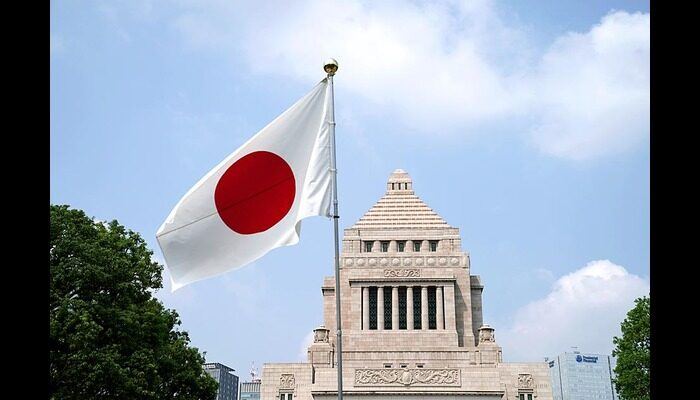
Japan has officially raised its fee for foreigners applying for permanent residency by 1900 percent, a twenty fold increase raising read more Japan raises permanent residency fee by 1,900%
Japan has officially raised its fee for foreigners applying for permanent residency by 1900 percent, a twenty fold increase raising the cost to 200,000 yen ($1,270) from 10,000 yen. The price increase, which went into effect on October 1, is spearheaded by Sanae Takaichi, prime minister of Japan as part of a broad overhaul of national immigration policy. Takaichi addressed public anxieties directly prior to the enforcement date, acknowledging the domestic tension surrounding the expanding foreign workforce. “Some members of the public may feel a sense of concern or unfairness. To address these concerns, the government is working to ensure that its policies toward foreign nationals are orderly, and that both Japanese citizens and foreign residents can live safely and securely.” Earlier this week, the impending deadline triggered massive queues outside immigration offices nationwide, with Tokyo’s main immigration bureau reporting wait times exceeding seven hours as applicants rushed to beat the higher charges. Read also: Canada introduces skilled military recruits category for permanent residency Under the new regulations, standard residency extension and status-change fees, previously fixed at 10,000 yen, have been restructured on a tiered scale based on stay duration, ranging from 10,000 yen for short stays of three months or less up to 75,000 yen for five-year periods. Beyond the cost increases, non-citizens seeking permanent status must now meet elevated income, pension, and Japanese-language requirements. Financially, applicants must now demonstrate a stable income at or above the national average, which stood at 5.75 million yen per household in 2024. Starting in April 2027, additional criteria will enforce basic Japanese-language proficiency and require proof of pension contributions equivalent to 30 years in the employee pension system, though substantial financial assets may offset pension shortfalls. Exemptions and discounts remain available for refugees and applicants facing financial hardship. Read also: Here’re 32 pathways to permanent residency (PR) As Japan faces severe demographic decline and an aging population, the country remains increasingly reliant on international labor to address structural workforce shortages. By the end of 2025, Japan’s foreign resident population surged to a record 4.12 million, representing a 9.5 percent annual increase and heightening domestic political sensitivity around long-term social integration. How to apply for a permanent residency in Japan The required duration of residence varies significantly based on the applicant’s status in Japan. The standard route requires 10 consecutive years of living in the country, with at least 5 of those years on an eligible work or residence status. However, accelerated pathways exist: spouses of Japanese citizens or permanent residents can qualify in as few as 3 years, while highly skilled professionals under the points-based system can apply after 3 years (with 70 to 79 points) or after just 1 year (with 80 or more points). To get permanent residency in Japan, an applicant must apply through the Immigration Services Agency of Japan by meeting core legal criteria, completing a residency period, and providing official documentation. Applicants must also meet core legal, financial, and civic requirements. Read also: Australia prohibits new intakes for academic course used as backdoor for residency Candidates are expected to maintain good conduct with no criminal record, demonstrate an independent livelihood with a stable annual income (typically at least 3 to 3.5 million yen, adjusted for dependents), and show that their residency serves Japan’s national interest. This includes timely payments of taxes, health insurance, and public pension premiums, alongside a growing emphasis on basic Japanese language proficiency and above-average earnings. Applications are to be submitted at the local jurisdictional regional Immigration Services Bureau, and the 200,000 pen paid. Related News UAE’s largest bank weighs syndicating part of Nigeria’s $5bn swap Forbes ranking puts Kenya, Egypt ahead of Africa’s banking giants Lower interest rates could lift corporate profits, tax revenue Ngozi Ekugo Ngozi Ekugo holds an MSc in Management from the University of Hertfordshire. She is also an alumna of University of Lagos, Queen’s College, and an Associate Member of CIPM. Her experience includes a brief exposure in the Human Capital Management division of Goldman Sachs in London. She draws on her cross-sector experience to cover employment trends, career opportunities and international mobility. Share
The price increase, which went into effect on October 1, is spearheaded by Sanae Takaichi, prime minister of Japan as part of a broad overhaul of national immigration policy. Takaichi addressed public anxieties directly prior to the enforcement date, acknowledging the domestic tension surrounding the expanding foreign workforce. “Some members of the public may feel a sense of concern or unfairness. To address these concerns, the government is working to ensure that its policies toward foreign nationals are orderly, and that both Japanese citizens and foreign residents can live safely and securely.” Earlier this week, the impending deadline triggered massive queues outside immigration offices nationwide, with Tokyo’s main immigration bureau reporting wait times exceeding seven hours as applicants rushed to beat the higher charges. Read also: Canada introduces skilled military recruits category for permanent residency Under the new regulations, standard residency extension and status-change fees, previously fixed at 10,000 yen, have been restructured on a tiered scale based on stay duration, ranging from 10,000 yen for short stays of three months or less up to 75,000 yen for five-year periods. Beyond the cost increases, non-citizens seeking permanent status must now meet elevated income, pension, and Japanese-language requirements. Financially, applicants must now demonstrate a stable income at or above the national average, which stood at 5.75 million yen per household in 2024. Starting in April 2027, additional criteria will enforce basic Japanese-language proficiency and require proof of pension contributions equivalent to 30 years in the employee pension system, though substantial financial assets may offset pension shortfalls. Exemptions and discounts remain available for refugees and applicants facing financial hardship. Read also: Here’re 32 pathways to permanent residency (PR) As Japan faces severe demographic decline and an aging population, the country remains increasingly reliant on international labor to address structural workforce shortages. By the end of 2025, Japan’s foreign resident population surged to a record 4.12 million, representing a 9.5 percent annual increase and heightening domestic political sensitivity around long-term social integration. How to apply for a permanent residency in Japan The required duration of residence varies significantly based on the applicant’s status in Japan. The standard route requires 10 consecutive years of living in the country, with at least 5 of those years on an eligible work or residence status. However, accelerated pathways exist: spouses of Japanese citizens or permanent residents can qualify in as few as 3 years, while highly skilled professionals under the points-based system can apply after 3 years (with 70 to 79 points) or after just 1 year (with 80 or more points). To get permanent residency in Japan, an applicant must apply through the Immigration Services Agency of Japan by meeting core legal criteria, completing a residency period, and providing official documentation. Applicants must also meet core legal, financial, and civic requirements. Read also: Australia prohibits new intakes for academic course used as backdoor for residency Candidates are expected to maintain good conduct with no criminal record, demonstrate an independent livelihood with a stable annual income (typically at least 3 to 3.5 million yen, adjusted for dependents), and show that their residency serves Japan’s national interest. This includes timely payments of taxes, health insurance, and public pension premiums, alongside a growing emphasis on basic Japanese language proficiency and above-average earnings. Applications are to be submitted at the local jurisdictional regional Immigration Services Bureau, and the 200,000 pen paid. Related News UAE’s largest bank weighs syndicating part of Nigeria’s $5bn swap Forbes ranking puts Kenya, Egypt ahead of Africa’s banking giants Lower interest rates could lift corporate profits, tax revenue Ngozi Ekugo Ngozi Ekugo holds an MSc in Management from the University of Hertfordshire. She is also an alumna of University of Lagos, Queen’s College, and an Associate Member of CIPM. Her experience includes a brief exposure in the Human Capital Management division of Goldman Sachs in London. She draws on her cross-sector experience to cover employment trends, career opportunities and international mobility. Share
Takaichi addressed public anxieties directly prior to the enforcement date, acknowledging the domestic tension surrounding the expanding foreign workforce. “Some members of the public may feel a sense of concern or unfairness. To address these concerns, the government is working to ensure that its policies toward foreign nationals are orderly, and that both Japanese citizens and foreign residents can live safely and securely.” Earlier this week, the impending deadline triggered massive queues outside immigration offices nationwide, with Tokyo’s main immigration bureau reporting wait times exceeding seven hours as applicants rushed to beat the higher charges. Read also: Canada introduces skilled military recruits category for permanent residency Under the new regulations, standard residency extension and status-change fees, previously fixed at 10,000 yen, have been restructured on a tiered scale based on stay duration, ranging from 10,000 yen for short stays of three months or less up to 75,000 yen for five-year periods. Beyond the cost increases, non-citizens seeking permanent status must now meet elevated income, pension, and Japanese-language requirements. Financially, applicants must now demonstrate a stable income at or above the national average, which stood at 5.75 million yen per household in 2024. Starting in April 2027, additional criteria will enforce basic Japanese-language proficiency and require proof of pension contributions equivalent to 30 years in the employee pension system, though substantial financial assets may offset pension shortfalls. Exemptions and discounts remain available for refugees and applicants facing financial hardship. Read also: Here’re 32 pathways to permanent residency (PR) As Japan faces severe demographic decline and an aging population, the country remains increasingly reliant on international labor to address structural workforce shortages. By the end of 2025, Japan’s foreign resident population surged to a record 4.12 million, representing a 9.5 percent annual increase and heightening domestic political sensitivity around long-term social integration. How to apply for a permanent residency in Japan The required duration of residence varies significantly based on the applicant’s status in Japan. The standard route requires 10 consecutive years of living in the country, with at least 5 of those years on an eligible work or residence status. However, accelerated pathways exist: spouses of Japanese citizens or permanent residents can qualify in as few as 3 years, while highly skilled professionals under the points-based system can apply after 3 years (with 70 to 79 points) or after just 1 year (with 80 or more points). To get permanent residency in Japan, an applicant must apply through the Immigration Services Agency of Japan by meeting core legal criteria, completing a residency period, and providing official documentation. Applicants must also meet core legal, financial, and civic requirements. Read also: Australia prohibits new intakes for academic course used as backdoor for residency Candidates are expected to maintain good conduct with no criminal record, demonstrate an independent livelihood with a stable annual income (typically at least 3 to 3.5 million yen, adjusted for dependents), and show that their residency serves Japan’s national interest. This includes timely payments of taxes, health insurance, and public pension premiums, alongside a growing emphasis on basic Japanese language proficiency and above-average earnings. Applications are to be submitted at the local jurisdictional regional Immigration Services Bureau, and the 200,000 pen paid. Related News UAE’s largest bank weighs syndicating part of Nigeria’s $5bn swap Forbes ranking puts Kenya, Egypt ahead of Africa’s banking giants Lower interest rates could lift corporate profits, tax revenue Ngozi Ekugo Ngozi Ekugo holds an MSc in Management from the University of Hertfordshire. She is also an alumna of University of Lagos, Queen’s College, and an Associate Member of CIPM. Her experience includes a brief exposure in the Human Capital Management division of Goldman Sachs in London. She draws on her cross-sector experience to cover employment trends, career opportunities and international mobility. Share
“Some members of the public may feel a sense of concern or unfairness. To address these concerns, the government is working to ensure that its policies toward foreign nationals are orderly, and that both Japanese citizens and foreign residents can live safely and securely.” Earlier this week, the impending deadline triggered massive queues outside immigration offices nationwide, with Tokyo’s main immigration bureau reporting wait times exceeding seven hours as applicants rushed to beat the higher charges. Read also: Canada introduces skilled military recruits category for permanent residency Under the new regulations, standard residency extension and status-change fees, previously fixed at 10,000 yen, have been restructured on a tiered scale based on stay duration, ranging from 10,000 yen for short stays of three months or less up to 75,000 yen for five-year periods. Beyond the cost increases, non-citizens seeking permanent status must now meet elevated income, pension, and Japanese-language requirements. Financially, applicants must now demonstrate a stable income at or above the national average, which stood at 5.75 million yen per household in 2024. Starting in April 2027, additional criteria will enforce basic Japanese-language proficiency and require proof of pension contributions equivalent to 30 years in the employee pension system, though substantial financial assets may offset pension shortfalls. Exemptions and discounts remain available for refugees and applicants facing financial hardship. Read also: Here’re 32 pathways to permanent residency (PR) As Japan faces severe demographic decline and an aging population, the country remains increasingly reliant on international labor to address structural workforce shortages. By the end of 2025, Japan’s foreign resident population surged to a record 4.12 million, representing a 9.5 percent annual increase and heightening domestic political sensitivity around long-term social integration. How to apply for a permanent residency in Japan The required duration of residence varies significantly based on the applicant’s status in Japan. The standard route requires 10 consecutive years of living in the country, with at least 5 of those years on an eligible work or residence status. However, accelerated pathways exist: spouses of Japanese citizens or permanent residents can qualify in as few as 3 years, while highly skilled professionals under the points-based system can apply after 3 years (with 70 to 79 points) or after just 1 year (with 80 or more points). To get permanent residency in Japan, an applicant must apply through the Immigration Services Agency of Japan by meeting core legal criteria, completing a residency period, and providing official documentation. Applicants must also meet core legal, financial, and civic requirements. Read also: Australia prohibits new intakes for academic course used as backdoor for residency Candidates are expected to maintain good conduct with no criminal record, demonstrate an independent livelihood with a stable annual income (typically at least 3 to 3.5 million yen, adjusted for dependents), and show that their residency serves Japan’s national interest. This includes timely payments of taxes, health insurance, and public pension premiums, alongside a growing emphasis on basic Japanese language proficiency and above-average earnings. Applications are to be submitted at the local jurisdictional regional Immigration Services Bureau, and the 200,000 pen paid. Related News UAE’s largest bank weighs syndicating part of Nigeria’s $5bn swap Forbes ranking puts Kenya, Egypt ahead of Africa’s banking giants Lower interest rates could lift corporate profits, tax revenue Ngozi Ekugo Ngozi Ekugo holds an MSc in Management from the University of Hertfordshire. She is also an alumna of University of Lagos, Queen’s College, and an Associate Member of CIPM. Her experience includes a brief exposure in the Human Capital Management division of Goldman Sachs in London. She draws on her cross-sector experience to cover employment trends, career opportunities and international mobility. Share
Earlier this week, the impending deadline triggered massive queues outside immigration offices nationwide, with Tokyo’s main immigration bureau reporting wait times exceeding seven hours as applicants rushed to beat the higher charges. Read also: Canada introduces skilled military recruits category for permanent residency Under the new regulations, standard residency extension and status-change fees, previously fixed at 10,000 yen, have been restructured on a tiered scale based on stay duration, ranging from 10,000 yen for short stays of three months or less up to 75,000 yen for five-year periods. Beyond the cost increases, non-citizens seeking permanent status must now meet elevated income, pension, and Japanese-language requirements. Financially, applicants must now demonstrate a stable income at or above the national average, which stood at 5.75 million yen per household in 2024. Starting in April 2027, additional criteria will enforce basic Japanese-language proficiency and require proof of pension contributions equivalent to 30 years in the employee pension system, though substantial financial assets may offset pension shortfalls. Exemptions and discounts remain available for refugees and applicants facing financial hardship. Read also: Here’re 32 pathways to permanent residency (PR) As Japan faces severe demographic decline and an aging population, the country remains increasingly reliant on international labor to address structural workforce shortages. By the end of 2025, Japan’s foreign resident population surged to a record 4.12 million, representing a 9.5 percent annual increase and heightening domestic political sensitivity around long-term social integration. How to apply for a permanent residency in Japan The required duration of residence varies significantly based on the applicant’s status in Japan. The standard route requires 10 consecutive years of living in the country, with at least 5 of those years on an eligible work or residence status. However, accelerated pathways exist: spouses of Japanese citizens or permanent residents can qualify in as few as 3 years, while highly skilled professionals under the points-based system can apply after 3 years (with 70 to 79 points) or after just 1 year (with 80 or more points). To get permanent residency in Japan, an applicant must apply through the Immigration Services Agency of Japan by meeting core legal criteria, completing a residency period, and providing official documentation. Applicants must also meet core legal, financial, and civic requirements. Read also: Australia prohibits new intakes for academic course used as backdoor for residency Candidates are expected to maintain good conduct with no criminal record, demonstrate an independent livelihood with a stable annual income (typically at least 3 to 3.5 million yen, adjusted for dependents), and show that their residency serves Japan’s national interest. This includes timely payments of taxes, health insurance, and public pension premiums, alongside a growing emphasis on basic Japanese language proficiency and above-average earnings. Applications are to be submitted at the local jurisdictional regional Immigration Services Bureau, and the 200,000 pen paid. Related News UAE’s largest bank weighs syndicating part of Nigeria’s $5bn swap Forbes ranking puts Kenya, Egypt ahead of Africa’s banking giants Lower interest rates could lift corporate profits, tax revenue Ngozi Ekugo Ngozi Ekugo holds an MSc in Management from the University of Hertfordshire. She is also an alumna of University of Lagos, Queen’s College, and an Associate Member of CIPM. Her experience includes a brief exposure in the Human Capital Management division of Goldman Sachs in London. She draws on her cross-sector experience to cover employment trends, career opportunities and international mobility. Share
Read also: Canada introduces skilled military recruits category for permanent residency Under the new regulations, standard residency extension and status-change fees, previously fixed at 10,000 yen, have been restructured on a tiered scale based on stay duration, ranging from 10,000 yen for short stays of three months or less up to 75,000 yen for five-year periods. Beyond the cost increases, non-citizens seeking permanent status must now meet elevated income, pension, and Japanese-language requirements. Financially, applicants must now demonstrate a stable income at or above the national average, which stood at 5.75 million yen per household in 2024. Starting in April 2027, additional criteria will enforce basic Japanese-language proficiency and require proof of pension contributions equivalent to 30 years in the employee pension system, though substantial financial assets may offset pension shortfalls. Exemptions and discounts remain available for refugees and applicants facing financial hardship. Read also: Here’re 32 pathways to permanent residency (PR) As Japan faces severe demographic decline and an aging population, the country remains increasingly reliant on international labor to address structural workforce shortages. By the end of 2025, Japan’s foreign resident population surged to a record 4.12 million, representing a 9.5 percent annual increase and heightening domestic political sensitivity around long-term social integration. How to apply for a permanent residency in Japan The required duration of residence varies significantly based on the applicant’s status in Japan. The standard route requires 10 consecutive years of living in the country, with at least 5 of those years on an eligible work or residence status. However, accelerated pathways exist: spouses of Japanese citizens or permanent residents can qualify in as few as 3 years, while highly skilled professionals under the points-based system can apply after 3 years (with 70 to 79 points) or after just 1 year (with 80 or more points). To get permanent residency in Japan, an applicant must apply through the Immigration Services Agency of Japan by meeting core legal criteria, completing a residency period, and providing official documentation. Applicants must also meet core legal, financial, and civic requirements. Read also: Australia prohibits new intakes for academic course used as backdoor for residency Candidates are expected to maintain good conduct with no criminal record, demonstrate an independent livelihood with a stable annual income (typically at least 3 to 3.5 million yen, adjusted for dependents), and show that their residency serves Japan’s national interest. This includes timely payments of taxes, health insurance, and public pension premiums, alongside a growing emphasis on basic Japanese language proficiency and above-average earnings. Applications are to be submitted at the local jurisdictional regional Immigration Services Bureau, and the 200,000 pen paid. Related News UAE’s largest bank weighs syndicating part of Nigeria’s $5bn swap Forbes ranking puts Kenya, Egypt ahead of Africa’s banking giants Lower interest rates could lift corporate profits, tax revenue Ngozi Ekugo Ngozi Ekugo holds an MSc in Management from the University of Hertfordshire. She is also an alumna of University of Lagos, Queen’s College, and an Associate Member of CIPM. Her experience includes a brief exposure in the Human Capital Management division of Goldman Sachs in London. She draws on her cross-sector experience to cover employment trends, career opportunities and international mobility. Share
Under the new regulations, standard residency extension and status-change fees, previously fixed at 10,000 yen, have been restructured on a tiered scale based on stay duration, ranging from 10,000 yen for short stays of three months or less up to 75,000 yen for five-year periods. Beyond the cost increases, non-citizens seeking permanent status must now meet elevated income, pension, and Japanese-language requirements. Financially, applicants must now demonstrate a stable income at or above the national average, which stood at 5.75 million yen per household in 2024. Starting in April 2027, additional criteria will enforce basic Japanese-language proficiency and require proof of pension contributions equivalent to 30 years in the employee pension system, though substantial financial assets may offset pension shortfalls. Exemptions and discounts remain available for refugees and applicants facing financial hardship. Read also: Here’re 32 pathways to permanent residency (PR) As Japan faces severe demographic decline and an aging population, the country remains increasingly reliant on international labor to address structural workforce shortages. By the end of 2025, Japan’s foreign resident population surged to a record 4.12 million, representing a 9.5 percent annual increase and heightening domestic political sensitivity around long-term social integration. How to apply for a permanent residency in Japan The required duration of residence varies significantly based on the applicant’s status in Japan. The standard route requires 10 consecutive years of living in the country, with at least 5 of those years on an eligible work or residence status. However, accelerated pathways exist: spouses of Japanese citizens or permanent residents can qualify in as few as 3 years, while highly skilled professionals under the points-based system can apply after 3 years (with 70 to 79 points) or after just 1 year (with 80 or more points). To get permanent residency in Japan, an applicant must apply through the Immigration Services Agency of Japan by meeting core legal criteria, completing a residency period, and providing official documentation. Applicants must also meet core legal, financial, and civic requirements. Read also: Australia prohibits new intakes for academic course used as backdoor for residency Candidates are expected to maintain good conduct with no criminal record, demonstrate an independent livelihood with a stable annual income (typically at least 3 to 3.5 million yen, adjusted for dependents), and show that their residency serves Japan’s national interest. This includes timely payments of taxes, health insurance, and public pension premiums, alongside a growing emphasis on basic Japanese language proficiency and above-average earnings. Applications are to be submitted at the local jurisdictional regional Immigration Services Bureau, and the 200,000 pen paid. Related News UAE’s largest bank weighs syndicating part of Nigeria’s $5bn swap Forbes ranking puts Kenya, Egypt ahead of Africa’s banking giants Lower interest rates could lift corporate profits, tax revenue Ngozi Ekugo Ngozi Ekugo holds an MSc in Management from the University of Hertfordshire. She is also an alumna of University of Lagos, Queen’s College, and an Associate Member of CIPM. Her experience includes a brief exposure in the Human Capital Management division of Goldman Sachs in London. She draws on her cross-sector experience to cover employment trends, career opportunities and international mobility. Share
Beyond the cost increases, non-citizens seeking permanent status must now meet elevated income, pension, and Japanese-language requirements. Financially, applicants must now demonstrate a stable income at or above the national average, which stood at 5.75 million yen per household in 2024. Starting in April 2027, additional criteria will enforce basic Japanese-language proficiency and require proof of pension contributions equivalent to 30 years in the employee pension system, though substantial financial assets may offset pension shortfalls. Exemptions and discounts remain available for refugees and applicants facing financial hardship. Read also: Here’re 32 pathways to permanent residency (PR) As Japan faces severe demographic decline and an aging population, the country remains increasingly reliant on international labor to address structural workforce shortages. By the end of 2025, Japan’s foreign resident population surged to a record 4.12 million, representing a 9.5 percent annual increase and heightening domestic political sensitivity around long-term social integration. How to apply for a permanent residency in Japan The required duration of residence varies significantly based on the applicant’s status in Japan. The standard route requires 10 consecutive years of living in the country, with at least 5 of those years on an eligible work or residence status. However, accelerated pathways exist: spouses of Japanese citizens or permanent residents can qualify in as few as 3 years, while highly skilled professionals under the points-based system can apply after 3 years (with 70 to 79 points) or after just 1 year (with 80 or more points). To get permanent residency in Japan, an applicant must apply through the Immigration Services Agency of Japan by meeting core legal criteria, completing a residency period, and providing official documentation. Applicants must also meet core legal, financial, and civic requirements. Read also: Australia prohibits new intakes for academic course used as backdoor for residency Candidates are expected to maintain good conduct with no criminal record, demonstrate an independent livelihood with a stable annual income (typically at least 3 to 3.5 million yen, adjusted for dependents), and show that their residency serves Japan’s national interest. This includes timely payments of taxes, health insurance, and public pension premiums, alongside a growing emphasis on basic Japanese language proficiency and above-average earnings. Applications are to be submitted at the local jurisdictional regional Immigration Services Bureau, and the 200,000 pen paid. Related News UAE’s largest bank weighs syndicating part of Nigeria’s $5bn swap Forbes ranking puts Kenya, Egypt ahead of Africa’s banking giants Lower interest rates could lift corporate profits, tax revenue Ngozi Ekugo Ngozi Ekugo holds an MSc in Management from the University of Hertfordshire. She is also an alumna of University of Lagos, Queen’s College, and an Associate Member of CIPM. Her experience includes a brief exposure in the Human Capital Management division of Goldman Sachs in London. She draws on her cross-sector experience to cover employment trends, career opportunities and international mobility. Share
Financially, applicants must now demonstrate a stable income at or above the national average, which stood at 5.75 million yen per household in 2024. Starting in April 2027, additional criteria will enforce basic Japanese-language proficiency and require proof of pension contributions equivalent to 30 years in the employee pension system, though substantial financial assets may offset pension shortfalls. Exemptions and discounts remain available for refugees and applicants facing financial hardship. Read also: Here’re 32 pathways to permanent residency (PR) As Japan faces severe demographic decline and an aging population, the country remains increasingly reliant on international labor to address structural workforce shortages. By the end of 2025, Japan’s foreign resident population surged to a record 4.12 million, representing a 9.5 percent annual increase and heightening domestic political sensitivity around long-term social integration. How to apply for a permanent residency in Japan The required duration of residence varies significantly based on the applicant’s status in Japan. The standard route requires 10 consecutive years of living in the country, with at least 5 of those years on an eligible work or residence status. However, accelerated pathways exist: spouses of Japanese citizens or permanent residents can qualify in as few as 3 years, while highly skilled professionals under the points-based system can apply after 3 years (with 70 to 79 points) or after just 1 year (with 80 or more points). To get permanent residency in Japan, an applicant must apply through the Immigration Services Agency of Japan by meeting core legal criteria, completing a residency period, and providing official documentation. Applicants must also meet core legal, financial, and civic requirements. Read also: Australia prohibits new intakes for academic course used as backdoor for residency Candidates are expected to maintain good conduct with no criminal record, demonstrate an independent livelihood with a stable annual income (typically at least 3 to 3.5 million yen, adjusted for dependents), and show that their residency serves Japan’s national interest. This includes timely payments of taxes, health insurance, and public pension premiums, alongside a growing emphasis on basic Japanese language proficiency and above-average earnings. Applications are to be submitted at the local jurisdictional regional Immigration Services Bureau, and the 200,000 pen paid. Related News UAE’s largest bank weighs syndicating part of Nigeria’s $5bn swap Forbes ranking puts Kenya, Egypt ahead of Africa’s banking giants Lower interest rates could lift corporate profits, tax revenue Ngozi Ekugo Ngozi Ekugo holds an MSc in Management from the University of Hertfordshire. She is also an alumna of University of Lagos, Queen’s College, and an Associate Member of CIPM. Her experience includes a brief exposure in the Human Capital Management division of Goldman Sachs in London. She draws on her cross-sector experience to cover employment trends, career opportunities and international mobility. Share
Exemptions and discounts remain available for refugees and applicants facing financial hardship. Read also: Here’re 32 pathways to permanent residency (PR) As Japan faces severe demographic decline and an aging population, the country remains increasingly reliant on international labor to address structural workforce shortages. By the end of 2025, Japan’s foreign resident population surged to a record 4.12 million, representing a 9.5 percent annual increase and heightening domestic political sensitivity around long-term social integration. How to apply for a permanent residency in Japan The required duration of residence varies significantly based on the applicant’s status in Japan. The standard route requires 10 consecutive years of living in the country, with at least 5 of those years on an eligible work or residence status. However, accelerated pathways exist: spouses of Japanese citizens or permanent residents can qualify in as few as 3 years, while highly skilled professionals under the points-based system can apply after 3 years (with 70 to 79 points) or after just 1 year (with 80 or more points). To get permanent residency in Japan, an applicant must apply through the Immigration Services Agency of Japan by meeting core legal criteria, completing a residency period, and providing official documentation. Applicants must also meet core legal, financial, and civic requirements. Read also: Australia prohibits new intakes for academic course used as backdoor for residency Candidates are expected to maintain good conduct with no criminal record, demonstrate an independent livelihood with a stable annual income (typically at least 3 to 3.5 million yen, adjusted for dependents), and show that their residency serves Japan’s national interest. This includes timely payments of taxes, health insurance, and public pension premiums, alongside a growing emphasis on basic Japanese language proficiency and above-average earnings. Applications are to be submitted at the local jurisdictional regional Immigration Services Bureau, and the 200,000 pen paid. Related News UAE’s largest bank weighs syndicating part of Nigeria’s $5bn swap Forbes ranking puts Kenya, Egypt ahead of Africa’s banking giants Lower interest rates could lift corporate profits, tax revenue Ngozi Ekugo Ngozi Ekugo holds an MSc in Management from the University of Hertfordshire. She is also an alumna of University of Lagos, Queen’s College, and an Associate Member of CIPM. Her experience includes a brief exposure in the Human Capital Management division of Goldman Sachs in London. She draws on her cross-sector experience to cover employment trends, career opportunities and international mobility. Share
Read also: Here’re 32 pathways to permanent residency (PR) As Japan faces severe demographic decline and an aging population, the country remains increasingly reliant on international labor to address structural workforce shortages. By the end of 2025, Japan’s foreign resident population surged to a record 4.12 million, representing a 9.5 percent annual increase and heightening domestic political sensitivity around long-term social integration. How to apply for a permanent residency in Japan The required duration of residence varies significantly based on the applicant’s status in Japan. The standard route requires 10 consecutive years of living in the country, with at least 5 of those years on an eligible work or residence status. However, accelerated pathways exist: spouses of Japanese citizens or permanent residents can qualify in as few as 3 years, while highly skilled professionals under the points-based system can apply after 3 years (with 70 to 79 points) or after just 1 year (with 80 or more points). To get permanent residency in Japan, an applicant must apply through the Immigration Services Agency of Japan by meeting core legal criteria, completing a residency period, and providing official documentation. Applicants must also meet core legal, financial, and civic requirements. Read also: Australia prohibits new intakes for academic course used as backdoor for residency Candidates are expected to maintain good conduct with no criminal record, demonstrate an independent livelihood with a stable annual income (typically at least 3 to 3.5 million yen, adjusted for dependents), and show that their residency serves Japan’s national interest. This includes timely payments of taxes, health insurance, and public pension premiums, alongside a growing emphasis on basic Japanese language proficiency and above-average earnings. Applications are to be submitted at the local jurisdictional regional Immigration Services Bureau, and the 200,000 pen paid. Related News UAE’s largest bank weighs syndicating part of Nigeria’s $5bn swap Forbes ranking puts Kenya, Egypt ahead of Africa’s banking giants Lower interest rates could lift corporate profits, tax revenue Ngozi Ekugo Ngozi Ekugo holds an MSc in Management from the University of Hertfordshire. She is also an alumna of University of Lagos, Queen’s College, and an Associate Member of CIPM. Her experience includes a brief exposure in the Human Capital Management division of Goldman Sachs in London. She draws on her cross-sector experience to cover employment trends, career opportunities and international mobility. Share
By the end of 2025, Japan’s foreign resident population surged to a record 4.12 million, representing a 9.5 percent annual increase and heightening domestic political sensitivity around long-term social integration. How to apply for a permanent residency in Japan The required duration of residence varies significantly based on the applicant’s status in Japan. The standard route requires 10 consecutive years of living in the country, with at least 5 of those years on an eligible work or residence status. However, accelerated pathways exist: spouses of Japanese citizens or permanent residents can qualify in as few as 3 years, while highly skilled professionals under the points-based system can apply after 3 years (with 70 to 79 points) or after just 1 year (with 80 or more points). To get permanent residency in Japan, an applicant must apply through the Immigration Services Agency of Japan by meeting core legal criteria, completing a residency period, and providing official documentation. Applicants must also meet core legal, financial, and civic requirements. Read also: Australia prohibits new intakes for academic course used as backdoor for residency Candidates are expected to maintain good conduct with no criminal record, demonstrate an independent livelihood with a stable annual income (typically at least 3 to 3.5 million yen, adjusted for dependents), and show that their residency serves Japan’s national interest. This includes timely payments of taxes, health insurance, and public pension premiums, alongside a growing emphasis on basic Japanese language proficiency and above-average earnings. Applications are to be submitted at the local jurisdictional regional Immigration Services Bureau, and the 200,000 pen paid. Related News UAE’s largest bank weighs syndicating part of Nigeria’s $5bn swap Forbes ranking puts Kenya, Egypt ahead of Africa’s banking giants Lower interest rates could lift corporate profits, tax revenue Ngozi Ekugo Ngozi Ekugo holds an MSc in Management from the University of Hertfordshire. She is also an alumna of University of Lagos, Queen’s College, and an Associate Member of CIPM. Her experience includes a brief exposure in the Human Capital Management division of Goldman Sachs in London. She draws on her cross-sector experience to cover employment trends, career opportunities and international mobility. Share
How to apply for a permanent residency in Japan The required duration of residence varies significantly based on the applicant’s status in Japan. The standard route requires 10 consecutive years of living in the country, with at least 5 of those years on an eligible work or residence status. However, accelerated pathways exist: spouses of Japanese citizens or permanent residents can qualify in as few as 3 years, while highly skilled professionals under the points-based system can apply after 3 years (with 70 to 79 points) or after just 1 year (with 80 or more points). To get permanent residency in Japan, an applicant must apply through the Immigration Services Agency of Japan by meeting core legal criteria, completing a residency period, and providing official documentation. Applicants must also meet core legal, financial, and civic requirements. Read also: Australia prohibits new intakes for academic course used as backdoor for residency Candidates are expected to maintain good conduct with no criminal record, demonstrate an independent livelihood with a stable annual income (typically at least 3 to 3.5 million yen, adjusted for dependents), and show that their residency serves Japan’s national interest. This includes timely payments of taxes, health insurance, and public pension premiums, alongside a growing emphasis on basic Japanese language proficiency and above-average earnings. Applications are to be submitted at the local jurisdictional regional Immigration Services Bureau, and the 200,000 pen paid. Related News UAE’s largest bank weighs syndicating part of Nigeria’s $5bn swap Forbes ranking puts Kenya, Egypt ahead of Africa’s banking giants Lower interest rates could lift corporate profits, tax revenue Ngozi Ekugo Ngozi Ekugo holds an MSc in Management from the University of Hertfordshire. She is also an alumna of University of Lagos, Queen’s College, and an Associate Member of CIPM. Her experience includes a brief exposure in the Human Capital Management division of Goldman Sachs in London. She draws on her cross-sector experience to cover employment trends, career opportunities and international mobility. Share
The required duration of residence varies significantly based on the applicant’s status in Japan. The standard route requires 10 consecutive years of living in the country, with at least 5 of those years on an eligible work or residence status. However, accelerated pathways exist: spouses of Japanese citizens or permanent residents can qualify in as few as 3 years, while highly skilled professionals under the points-based system can apply after 3 years (with 70 to 79 points) or after just 1 year (with 80 or more points). To get permanent residency in Japan, an applicant must apply through the Immigration Services Agency of Japan by meeting core legal criteria, completing a residency period, and providing official documentation. Applicants must also meet core legal, financial, and civic requirements. Read also: Australia prohibits new intakes for academic course used as backdoor for residency Candidates are expected to maintain good conduct with no criminal record, demonstrate an independent livelihood with a stable annual income (typically at least 3 to 3.5 million yen, adjusted for dependents), and show that their residency serves Japan’s national interest. This includes timely payments of taxes, health insurance, and public pension premiums, alongside a growing emphasis on basic Japanese language proficiency and above-average earnings. Applications are to be submitted at the local jurisdictional regional Immigration Services Bureau, and the 200,000 pen paid. Related News UAE’s largest bank weighs syndicating part of Nigeria’s $5bn swap Forbes ranking puts Kenya, Egypt ahead of Africa’s banking giants Lower interest rates could lift corporate profits, tax revenue Ngozi Ekugo Ngozi Ekugo holds an MSc in Management from the University of Hertfordshire. She is also an alumna of University of Lagos, Queen’s College, and an Associate Member of CIPM. Her experience includes a brief exposure in the Human Capital Management division of Goldman Sachs in London. She draws on her cross-sector experience to cover employment trends, career opportunities and international mobility. Share
However, accelerated pathways exist: spouses of Japanese citizens or permanent residents can qualify in as few as 3 years, while highly skilled professionals under the points-based system can apply after 3 years (with 70 to 79 points) or after just 1 year (with 80 or more points). To get permanent residency in Japan, an applicant must apply through the Immigration Services Agency of Japan by meeting core legal criteria, completing a residency period, and providing official documentation. Applicants must also meet core legal, financial, and civic requirements. Read also: Australia prohibits new intakes for academic course used as backdoor for residency Candidates are expected to maintain good conduct with no criminal record, demonstrate an independent livelihood with a stable annual income (typically at least 3 to 3.5 million yen, adjusted for dependents), and show that their residency serves Japan’s national interest. This includes timely payments of taxes, health insurance, and public pension premiums, alongside a growing emphasis on basic Japanese language proficiency and above-average earnings. Applications are to be submitted at the local jurisdictional regional Immigration Services Bureau, and the 200,000 pen paid. Related News UAE’s largest bank weighs syndicating part of Nigeria’s $5bn swap Forbes ranking puts Kenya, Egypt ahead of Africa’s banking giants Lower interest rates could lift corporate profits, tax revenue Ngozi Ekugo Ngozi Ekugo holds an MSc in Management from the University of Hertfordshire. She is also an alumna of University of Lagos, Queen’s College, and an Associate Member of CIPM. Her experience includes a brief exposure in the Human Capital Management division of Goldman Sachs in London. She draws on her cross-sector experience to cover employment trends, career opportunities and international mobility. Share
To get permanent residency in Japan, an applicant must apply through the Immigration Services Agency of Japan by meeting core legal criteria, completing a residency period, and providing official documentation. Applicants must also meet core legal, financial, and civic requirements. Read also: Australia prohibits new intakes for academic course used as backdoor for residency Candidates are expected to maintain good conduct with no criminal record, demonstrate an independent livelihood with a stable annual income (typically at least 3 to 3.5 million yen, adjusted for dependents), and show that their residency serves Japan’s national interest. This includes timely payments of taxes, health insurance, and public pension premiums, alongside a growing emphasis on basic Japanese language proficiency and above-average earnings. Applications are to be submitted at the local jurisdictional regional Immigration Services Bureau, and the 200,000 pen paid. Related News UAE’s largest bank weighs syndicating part of Nigeria’s $5bn swap Forbes ranking puts Kenya, Egypt ahead of Africa’s banking giants Lower interest rates could lift corporate profits, tax revenue Ngozi Ekugo Ngozi Ekugo holds an MSc in Management from the University of Hertfordshire. She is also an alumna of University of Lagos, Queen’s College, and an Associate Member of CIPM. Her experience includes a brief exposure in the Human Capital Management division of Goldman Sachs in London. She draws on her cross-sector experience to cover employment trends, career opportunities and international mobility. Share
Read also: Australia prohibits new intakes for academic course used as backdoor for residency Candidates are expected to maintain good conduct with no criminal record, demonstrate an independent livelihood with a stable annual income (typically at least 3 to 3.5 million yen, adjusted for dependents), and show that their residency serves Japan’s national interest. This includes timely payments of taxes, health insurance, and public pension premiums, alongside a growing emphasis on basic Japanese language proficiency and above-average earnings. Applications are to be submitted at the local jurisdictional regional Immigration Services Bureau, and the 200,000 pen paid. Related News UAE’s largest bank weighs syndicating part of Nigeria’s $5bn swap Forbes ranking puts Kenya, Egypt ahead of Africa’s banking giants Lower interest rates could lift corporate profits, tax revenue Ngozi Ekugo Ngozi Ekugo holds an MSc in Management from the University of Hertfordshire. She is also an alumna of University of Lagos, Queen’s College, and an Associate Member of CIPM. Her experience includes a brief exposure in the Human Capital Management division of Goldman Sachs in London. She draws on her cross-sector experience to cover employment trends, career opportunities and international mobility. Share
Candidates are expected to maintain good conduct with no criminal record, demonstrate an independent livelihood with a stable annual income (typically at least 3 to 3.5 million yen, adjusted for dependents), and show that their residency serves Japan’s national interest. This includes timely payments of taxes, health insurance, and public pension premiums, alongside a growing emphasis on basic Japanese language proficiency and above-average earnings. Applications are to be submitted at the local jurisdictional regional Immigration Services Bureau, and the 200,000 pen paid. Related News UAE’s largest bank weighs syndicating part of Nigeria’s $5bn swap Forbes ranking puts Kenya, Egypt ahead of Africa’s banking giants Lower interest rates could lift corporate profits, tax revenue Ngozi Ekugo Ngozi Ekugo holds an MSc in Management from the University of Hertfordshire. She is also an alumna of University of Lagos, Queen’s College, and an Associate Member of CIPM. Her experience includes a brief exposure in the Human Capital Management division of Goldman Sachs in London. She draws on her cross-sector experience to cover employment trends, career opportunities and international mobility. Share
This includes timely payments of taxes, health insurance, and public pension premiums, alongside a growing emphasis on basic Japanese language proficiency and above-average earnings. Applications are to be submitted at the local jurisdictional regional Immigration Services Bureau, and the 200,000 pen paid. Related News UAE’s largest bank weighs syndicating part of Nigeria’s $5bn swap Forbes ranking puts Kenya, Egypt ahead of Africa’s banking giants Lower interest rates could lift corporate profits, tax revenue Ngozi Ekugo Ngozi Ekugo holds an MSc in Management from the University of Hertfordshire. She is also an alumna of University of Lagos, Queen’s College, and an Associate Member of CIPM. Her experience includes a brief exposure in the Human Capital Management division of Goldman Sachs in London. She draws on her cross-sector experience to cover employment trends, career opportunities and international mobility. Share
Applications are to be submitted at the local jurisdictional regional Immigration Services Bureau, and the 200,000 pen paid. Related News UAE’s largest bank weighs syndicating part of Nigeria’s $5bn swap Forbes ranking puts Kenya, Egypt ahead of Africa’s banking giants Lower interest rates could lift corporate profits, tax revenue Ngozi Ekugo Ngozi Ekugo holds an MSc in Management from the University of Hertfordshire. She is also an alumna of University of Lagos, Queen’s College, and an Associate Member of CIPM. Her experience includes a brief exposure in the Human Capital Management division of Goldman Sachs in London. She draws on her cross-sector experience to cover employment trends, career opportunities and international mobility. Share
Ngozi Ekugo holds an MSc in Management from the University of Hertfordshire. She is also an alumna of University of Lagos, Queen’s College, and an Associate Member of CIPM. Her experience includes a brief exposure in the Human Capital Management division of Goldman Sachs in London. She draws on her cross-sector experience to cover employment trends, career opportunities and international mobility.