Radda signs N828.58bn Katsina 2027 appropriation law
Dikko Umaru Radda, Governor of Katsina State on Wednesday signed the State’s 2027 Appropriation Law of N828.58 billion, following its read more Radda signs N828.58bn Katsina 2027 appropriation law
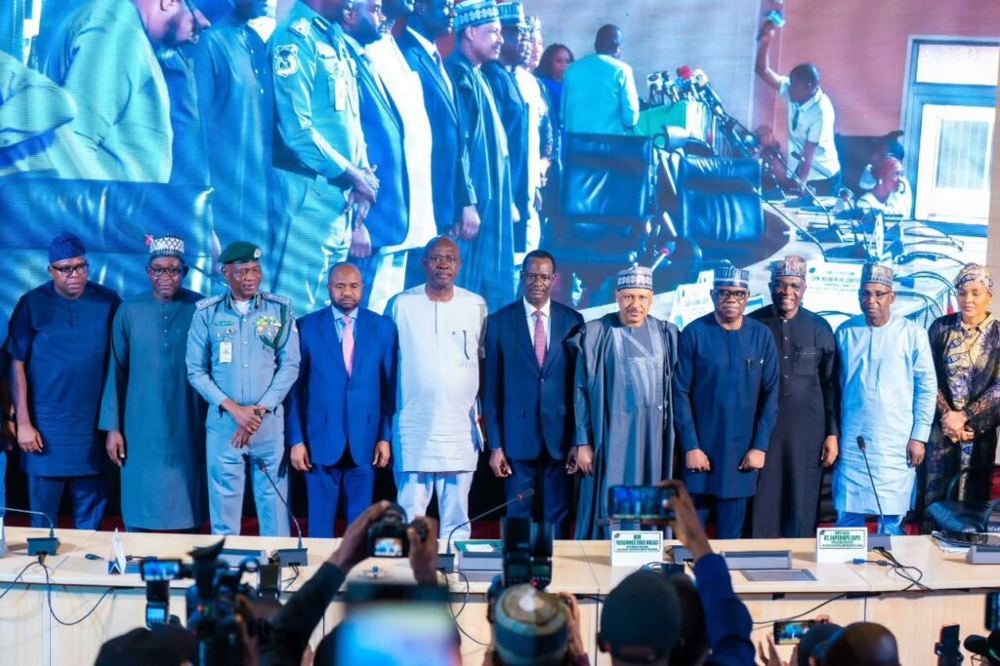
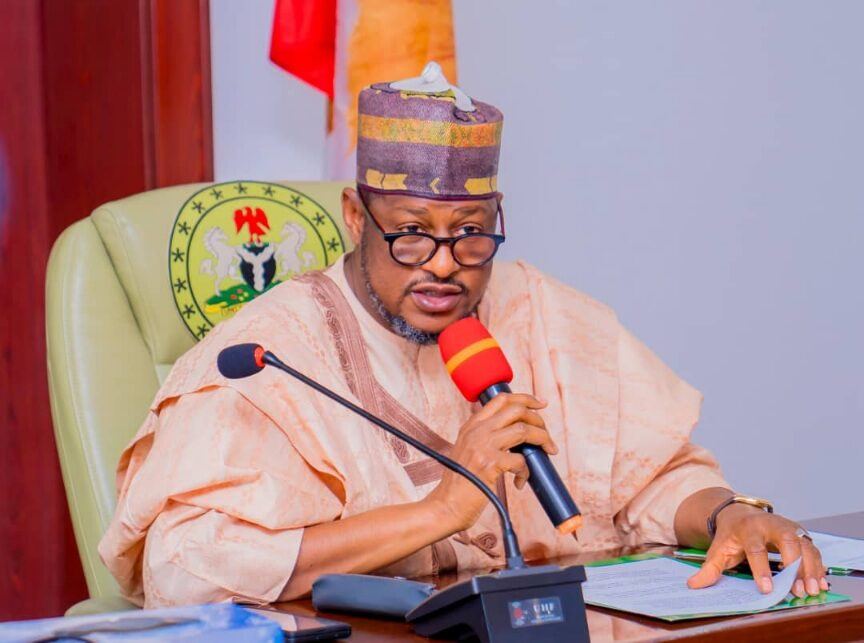
Dikko Umaru Radda, Governor of Katsina State on Wednesday signed the State’s 2027 Appropriation Law of N828.58 billion, following its passage by the Katsina State House of Assembly. The appropriation comprises N190.73 billion for recurrent expenditure and N637.85 billion for capital expenditure, representing about 23% and 77% of the total budget respectively. The figures are slightly lower than the N828.64 billion proposal earlier presented by Governor Radda to the Assembly. The original proposal similarly allocated about 77% to capital projects. Presenting the appropriation law to the governor, Nasir Yahaya Daura, Speaker of the Assembly, said the legislature had completed the necessary legislative processes before passing the budget. He said, “The Honourable House has approved the total budget of N828,578,844,091.48. This consists of N190,726,262,820.44 for current expenditure and N637,852,581,271.03 for capital expenditure.” Daura commended the governor for the administration’s cooperation with the legislature and described the early passage and signing of the appropriation law as significant. He also reaffirmed the Assembly’s support for the administration and called on residents to continue supporting government programmes. Responding, Radda thanked the Speaker and members of the Assembly for what he described as their cooperation throughout the budget process. The governor said the 2027 budget went through three stages, beginning with consultations with residents across the State’s 361 Electoral Wards and 34 Local Government Areas. “This is the budget of the people which has been scrutinised by the people and is the people’s opinion,” Radda said. According to him, the second stage involved ministries, departments and agencies defending their budget proposals, while the third stage was the scrutiny and passage of the proposals by the State House of Assembly. Governor Radda said the process was designed to ensure that public funds were allocated according to identified needs. He added that the Assembly’s passage of the budget had now made it legally binding on the government and expressed hope that implementing agencies would execute the projects and programmes promptly. “This budget has gone into three layers. The first layer of the budget is the people’s budget. This is the budget that has gone to 361 Wards of the State and 34 Local Governments. We listened to them, we heard their needs, we put everything together at the state level and presented it,” he said. The governor said the 2027 appropriation would focus on responding to priorities identified by residents, in line with the administration’s development agenda. The budget proposal presented in September had earmarked major allocations to education, works and housing, agriculture, health and rural development, with the five sectors accounting for more than half of the proposed capital expenditure. Governor Radda also commended the Commissioner for Budget and Economic Planning and other members of the executive for preparing the budget proposal early. He said the signing marked an improvement over the previous year, when the 2026 appropriation was signed later in the year. The governor urged ministries, departments and agencies to ensure timely implementation of the approved provisions, stressing that the ultimate objective was to translate the budget into tangible development for residents. Related News Yilwatda, Mark differ on Nigeria’s direction, task ahead Bayero’s procession deepens tension in Kano as supporters destroy Tinubu, Yusuf’s posters Kaduna upgrades 17 PHCs as N147.9bn health budget faces impact test Share
The appropriation comprises N190.73 billion for recurrent expenditure and N637.85 billion for capital expenditure, representing about 23% and 77% of the total budget respectively. The figures are slightly lower than the N828.64 billion proposal earlier presented by Governor Radda to the Assembly. The original proposal similarly allocated about 77% to capital projects. Presenting the appropriation law to the governor, Nasir Yahaya Daura, Speaker of the Assembly, said the legislature had completed the necessary legislative processes before passing the budget. He said, “The Honourable House has approved the total budget of N828,578,844,091.48. This consists of N190,726,262,820.44 for current expenditure and N637,852,581,271.03 for capital expenditure.” Daura commended the governor for the administration’s cooperation with the legislature and described the early passage and signing of the appropriation law as significant. He also reaffirmed the Assembly’s support for the administration and called on residents to continue supporting government programmes. Responding, Radda thanked the Speaker and members of the Assembly for what he described as their cooperation throughout the budget process. The governor said the 2027 budget went through three stages, beginning with consultations with residents across the State’s 361 Electoral Wards and 34 Local Government Areas. “This is the budget of the people which has been scrutinised by the people and is the people’s opinion,” Radda said. According to him, the second stage involved ministries, departments and agencies defending their budget proposals, while the third stage was the scrutiny and passage of the proposals by the State House of Assembly. Governor Radda said the process was designed to ensure that public funds were allocated according to identified needs. He added that the Assembly’s passage of the budget had now made it legally binding on the government and expressed hope that implementing agencies would execute the projects and programmes promptly. “This budget has gone into three layers. The first layer of the budget is the people’s budget. This is the budget that has gone to 361 Wards of the State and 34 Local Governments. We listened to them, we heard their needs, we put everything together at the state level and presented it,” he said. The governor said the 2027 appropriation would focus on responding to priorities identified by residents, in line with the administration’s development agenda. The budget proposal presented in September had earmarked major allocations to education, works and housing, agriculture, health and rural development, with the five sectors accounting for more than half of the proposed capital expenditure. Governor Radda also commended the Commissioner for Budget and Economic Planning and other members of the executive for preparing the budget proposal early. He said the signing marked an improvement over the previous year, when the 2026 appropriation was signed later in the year. The governor urged ministries, departments and agencies to ensure timely implementation of the approved provisions, stressing that the ultimate objective was to translate the budget into tangible development for residents. Related News Yilwatda, Mark differ on Nigeria’s direction, task ahead Bayero’s procession deepens tension in Kano as supporters destroy Tinubu, Yusuf’s posters Kaduna upgrades 17 PHCs as N147.9bn health budget faces impact test Share
The figures are slightly lower than the N828.64 billion proposal earlier presented by Governor Radda to the Assembly. The original proposal similarly allocated about 77% to capital projects. Presenting the appropriation law to the governor, Nasir Yahaya Daura, Speaker of the Assembly, said the legislature had completed the necessary legislative processes before passing the budget. He said, “The Honourable House has approved the total budget of N828,578,844,091.48. This consists of N190,726,262,820.44 for current expenditure and N637,852,581,271.03 for capital expenditure.” Daura commended the governor for the administration’s cooperation with the legislature and described the early passage and signing of the appropriation law as significant. He also reaffirmed the Assembly’s support for the administration and called on residents to continue supporting government programmes. Responding, Radda thanked the Speaker and members of the Assembly for what he described as their cooperation throughout the budget process. The governor said the 2027 budget went through three stages, beginning with consultations with residents across the State’s 361 Electoral Wards and 34 Local Government Areas. “This is the budget of the people which has been scrutinised by the people and is the people’s opinion,” Radda said. According to him, the second stage involved ministries, departments and agencies defending their budget proposals, while the third stage was the scrutiny and passage of the proposals by the State House of Assembly. Governor Radda said the process was designed to ensure that public funds were allocated according to identified needs. He added that the Assembly’s passage of the budget had now made it legally binding on the government and expressed hope that implementing agencies would execute the projects and programmes promptly. “This budget has gone into three layers. The first layer of the budget is the people’s budget. This is the budget that has gone to 361 Wards of the State and 34 Local Governments. We listened to them, we heard their needs, we put everything together at the state level and presented it,” he said. The governor said the 2027 appropriation would focus on responding to priorities identified by residents, in line with the administration’s development agenda. The budget proposal presented in September had earmarked major allocations to education, works and housing, agriculture, health and rural development, with the five sectors accounting for more than half of the proposed capital expenditure. Governor Radda also commended the Commissioner for Budget and Economic Planning and other members of the executive for preparing the budget proposal early. He said the signing marked an improvement over the previous year, when the 2026 appropriation was signed later in the year. The governor urged ministries, departments and agencies to ensure timely implementation of the approved provisions, stressing that the ultimate objective was to translate the budget into tangible development for residents. Related News Yilwatda, Mark differ on Nigeria’s direction, task ahead Bayero’s procession deepens tension in Kano as supporters destroy Tinubu, Yusuf’s posters Kaduna upgrades 17 PHCs as N147.9bn health budget faces impact test Share
Presenting the appropriation law to the governor, Nasir Yahaya Daura, Speaker of the Assembly, said the legislature had completed the necessary legislative processes before passing the budget. He said, “The Honourable House has approved the total budget of N828,578,844,091.48. This consists of N190,726,262,820.44 for current expenditure and N637,852,581,271.03 for capital expenditure.” Daura commended the governor for the administration’s cooperation with the legislature and described the early passage and signing of the appropriation law as significant. He also reaffirmed the Assembly’s support for the administration and called on residents to continue supporting government programmes. Responding, Radda thanked the Speaker and members of the Assembly for what he described as their cooperation throughout the budget process. The governor said the 2027 budget went through three stages, beginning with consultations with residents across the State’s 361 Electoral Wards and 34 Local Government Areas. “This is the budget of the people which has been scrutinised by the people and is the people’s opinion,” Radda said. According to him, the second stage involved ministries, departments and agencies defending their budget proposals, while the third stage was the scrutiny and passage of the proposals by the State House of Assembly. Governor Radda said the process was designed to ensure that public funds were allocated according to identified needs. He added that the Assembly’s passage of the budget had now made it legally binding on the government and expressed hope that implementing agencies would execute the projects and programmes promptly. “This budget has gone into three layers. The first layer of the budget is the people’s budget. This is the budget that has gone to 361 Wards of the State and 34 Local Governments. We listened to them, we heard their needs, we put everything together at the state level and presented it,” he said. The governor said the 2027 appropriation would focus on responding to priorities identified by residents, in line with the administration’s development agenda. The budget proposal presented in September had earmarked major allocations to education, works and housing, agriculture, health and rural development, with the five sectors accounting for more than half of the proposed capital expenditure. Governor Radda also commended the Commissioner for Budget and Economic Planning and other members of the executive for preparing the budget proposal early. He said the signing marked an improvement over the previous year, when the 2026 appropriation was signed later in the year. The governor urged ministries, departments and agencies to ensure timely implementation of the approved provisions, stressing that the ultimate objective was to translate the budget into tangible development for residents. Related News Yilwatda, Mark differ on Nigeria’s direction, task ahead Bayero’s procession deepens tension in Kano as supporters destroy Tinubu, Yusuf’s posters Kaduna upgrades 17 PHCs as N147.9bn health budget faces impact test Share
He said, “The Honourable House has approved the total budget of N828,578,844,091.48. This consists of N190,726,262,820.44 for current expenditure and N637,852,581,271.03 for capital expenditure.” Daura commended the governor for the administration’s cooperation with the legislature and described the early passage and signing of the appropriation law as significant. He also reaffirmed the Assembly’s support for the administration and called on residents to continue supporting government programmes. Responding, Radda thanked the Speaker and members of the Assembly for what he described as their cooperation throughout the budget process. The governor said the 2027 budget went through three stages, beginning with consultations with residents across the State’s 361 Electoral Wards and 34 Local Government Areas. “This is the budget of the people which has been scrutinised by the people and is the people’s opinion,” Radda said. According to him, the second stage involved ministries, departments and agencies defending their budget proposals, while the third stage was the scrutiny and passage of the proposals by the State House of Assembly. Governor Radda said the process was designed to ensure that public funds were allocated according to identified needs. He added that the Assembly’s passage of the budget had now made it legally binding on the government and expressed hope that implementing agencies would execute the projects and programmes promptly. “This budget has gone into three layers. The first layer of the budget is the people’s budget. This is the budget that has gone to 361 Wards of the State and 34 Local Governments. We listened to them, we heard their needs, we put everything together at the state level and presented it,” he said. The governor said the 2027 appropriation would focus on responding to priorities identified by residents, in line with the administration’s development agenda. The budget proposal presented in September had earmarked major allocations to education, works and housing, agriculture, health and rural development, with the five sectors accounting for more than half of the proposed capital expenditure. Governor Radda also commended the Commissioner for Budget and Economic Planning and other members of the executive for preparing the budget proposal early. He said the signing marked an improvement over the previous year, when the 2026 appropriation was signed later in the year. The governor urged ministries, departments and agencies to ensure timely implementation of the approved provisions, stressing that the ultimate objective was to translate the budget into tangible development for residents. Related News Yilwatda, Mark differ on Nigeria’s direction, task ahead Bayero’s procession deepens tension in Kano as supporters destroy Tinubu, Yusuf’s posters Kaduna upgrades 17 PHCs as N147.9bn health budget faces impact test Share
Daura commended the governor for the administration’s cooperation with the legislature and described the early passage and signing of the appropriation law as significant. He also reaffirmed the Assembly’s support for the administration and called on residents to continue supporting government programmes. Responding, Radda thanked the Speaker and members of the Assembly for what he described as their cooperation throughout the budget process. The governor said the 2027 budget went through three stages, beginning with consultations with residents across the State’s 361 Electoral Wards and 34 Local Government Areas. “This is the budget of the people which has been scrutinised by the people and is the people’s opinion,” Radda said. According to him, the second stage involved ministries, departments and agencies defending their budget proposals, while the third stage was the scrutiny and passage of the proposals by the State House of Assembly. Governor Radda said the process was designed to ensure that public funds were allocated according to identified needs. He added that the Assembly’s passage of the budget had now made it legally binding on the government and expressed hope that implementing agencies would execute the projects and programmes promptly. “This budget has gone into three layers. The first layer of the budget is the people’s budget. This is the budget that has gone to 361 Wards of the State and 34 Local Governments. We listened to them, we heard their needs, we put everything together at the state level and presented it,” he said. The governor said the 2027 appropriation would focus on responding to priorities identified by residents, in line with the administration’s development agenda. The budget proposal presented in September had earmarked major allocations to education, works and housing, agriculture, health and rural development, with the five sectors accounting for more than half of the proposed capital expenditure. Governor Radda also commended the Commissioner for Budget and Economic Planning and other members of the executive for preparing the budget proposal early. He said the signing marked an improvement over the previous year, when the 2026 appropriation was signed later in the year. The governor urged ministries, departments and agencies to ensure timely implementation of the approved provisions, stressing that the ultimate objective was to translate the budget into tangible development for residents. Related News Yilwatda, Mark differ on Nigeria’s direction, task ahead Bayero’s procession deepens tension in Kano as supporters destroy Tinubu, Yusuf’s posters Kaduna upgrades 17 PHCs as N147.9bn health budget faces impact test Share
He also reaffirmed the Assembly’s support for the administration and called on residents to continue supporting government programmes. Responding, Radda thanked the Speaker and members of the Assembly for what he described as their cooperation throughout the budget process. The governor said the 2027 budget went through three stages, beginning with consultations with residents across the State’s 361 Electoral Wards and 34 Local Government Areas. “This is the budget of the people which has been scrutinised by the people and is the people’s opinion,” Radda said. According to him, the second stage involved ministries, departments and agencies defending their budget proposals, while the third stage was the scrutiny and passage of the proposals by the State House of Assembly. Governor Radda said the process was designed to ensure that public funds were allocated according to identified needs. He added that the Assembly’s passage of the budget had now made it legally binding on the government and expressed hope that implementing agencies would execute the projects and programmes promptly. “This budget has gone into three layers. The first layer of the budget is the people’s budget. This is the budget that has gone to 361 Wards of the State and 34 Local Governments. We listened to them, we heard their needs, we put everything together at the state level and presented it,” he said. The governor said the 2027 appropriation would focus on responding to priorities identified by residents, in line with the administration’s development agenda. The budget proposal presented in September had earmarked major allocations to education, works and housing, agriculture, health and rural development, with the five sectors accounting for more than half of the proposed capital expenditure. Governor Radda also commended the Commissioner for Budget and Economic Planning and other members of the executive for preparing the budget proposal early. He said the signing marked an improvement over the previous year, when the 2026 appropriation was signed later in the year. The governor urged ministries, departments and agencies to ensure timely implementation of the approved provisions, stressing that the ultimate objective was to translate the budget into tangible development for residents. Related News Yilwatda, Mark differ on Nigeria’s direction, task ahead Bayero’s procession deepens tension in Kano as supporters destroy Tinubu, Yusuf’s posters Kaduna upgrades 17 PHCs as N147.9bn health budget faces impact test Share
Responding, Radda thanked the Speaker and members of the Assembly for what he described as their cooperation throughout the budget process. The governor said the 2027 budget went through three stages, beginning with consultations with residents across the State’s 361 Electoral Wards and 34 Local Government Areas. “This is the budget of the people which has been scrutinised by the people and is the people’s opinion,” Radda said. According to him, the second stage involved ministries, departments and agencies defending their budget proposals, while the third stage was the scrutiny and passage of the proposals by the State House of Assembly. Governor Radda said the process was designed to ensure that public funds were allocated according to identified needs. He added that the Assembly’s passage of the budget had now made it legally binding on the government and expressed hope that implementing agencies would execute the projects and programmes promptly. “This budget has gone into three layers. The first layer of the budget is the people’s budget. This is the budget that has gone to 361 Wards of the State and 34 Local Governments. We listened to them, we heard their needs, we put everything together at the state level and presented it,” he said. The governor said the 2027 appropriation would focus on responding to priorities identified by residents, in line with the administration’s development agenda. The budget proposal presented in September had earmarked major allocations to education, works and housing, agriculture, health and rural development, with the five sectors accounting for more than half of the proposed capital expenditure. Governor Radda also commended the Commissioner for Budget and Economic Planning and other members of the executive for preparing the budget proposal early. He said the signing marked an improvement over the previous year, when the 2026 appropriation was signed later in the year. The governor urged ministries, departments and agencies to ensure timely implementation of the approved provisions, stressing that the ultimate objective was to translate the budget into tangible development for residents. Related News Yilwatda, Mark differ on Nigeria’s direction, task ahead Bayero’s procession deepens tension in Kano as supporters destroy Tinubu, Yusuf’s posters Kaduna upgrades 17 PHCs as N147.9bn health budget faces impact test Share
The governor said the 2027 budget went through three stages, beginning with consultations with residents across the State’s 361 Electoral Wards and 34 Local Government Areas. “This is the budget of the people which has been scrutinised by the people and is the people’s opinion,” Radda said. According to him, the second stage involved ministries, departments and agencies defending their budget proposals, while the third stage was the scrutiny and passage of the proposals by the State House of Assembly. Governor Radda said the process was designed to ensure that public funds were allocated according to identified needs. He added that the Assembly’s passage of the budget had now made it legally binding on the government and expressed hope that implementing agencies would execute the projects and programmes promptly. “This budget has gone into three layers. The first layer of the budget is the people’s budget. This is the budget that has gone to 361 Wards of the State and 34 Local Governments. We listened to them, we heard their needs, we put everything together at the state level and presented it,” he said. The governor said the 2027 appropriation would focus on responding to priorities identified by residents, in line with the administration’s development agenda. The budget proposal presented in September had earmarked major allocations to education, works and housing, agriculture, health and rural development, with the five sectors accounting for more than half of the proposed capital expenditure. Governor Radda also commended the Commissioner for Budget and Economic Planning and other members of the executive for preparing the budget proposal early. He said the signing marked an improvement over the previous year, when the 2026 appropriation was signed later in the year. The governor urged ministries, departments and agencies to ensure timely implementation of the approved provisions, stressing that the ultimate objective was to translate the budget into tangible development for residents. Related News Yilwatda, Mark differ on Nigeria’s direction, task ahead Bayero’s procession deepens tension in Kano as supporters destroy Tinubu, Yusuf’s posters Kaduna upgrades 17 PHCs as N147.9bn health budget faces impact test Share
“This is the budget of the people which has been scrutinised by the people and is the people’s opinion,” Radda said. According to him, the second stage involved ministries, departments and agencies defending their budget proposals, while the third stage was the scrutiny and passage of the proposals by the State House of Assembly. Governor Radda said the process was designed to ensure that public funds were allocated according to identified needs. He added that the Assembly’s passage of the budget had now made it legally binding on the government and expressed hope that implementing agencies would execute the projects and programmes promptly. “This budget has gone into three layers. The first layer of the budget is the people’s budget. This is the budget that has gone to 361 Wards of the State and 34 Local Governments. We listened to them, we heard their needs, we put everything together at the state level and presented it,” he said. The governor said the 2027 appropriation would focus on responding to priorities identified by residents, in line with the administration’s development agenda. The budget proposal presented in September had earmarked major allocations to education, works and housing, agriculture, health and rural development, with the five sectors accounting for more than half of the proposed capital expenditure. Governor Radda also commended the Commissioner for Budget and Economic Planning and other members of the executive for preparing the budget proposal early. He said the signing marked an improvement over the previous year, when the 2026 appropriation was signed later in the year. The governor urged ministries, departments and agencies to ensure timely implementation of the approved provisions, stressing that the ultimate objective was to translate the budget into tangible development for residents. Related News Yilwatda, Mark differ on Nigeria’s direction, task ahead Bayero’s procession deepens tension in Kano as supporters destroy Tinubu, Yusuf’s posters Kaduna upgrades 17 PHCs as N147.9bn health budget faces impact test Share
According to him, the second stage involved ministries, departments and agencies defending their budget proposals, while the third stage was the scrutiny and passage of the proposals by the State House of Assembly. Governor Radda said the process was designed to ensure that public funds were allocated according to identified needs. He added that the Assembly’s passage of the budget had now made it legally binding on the government and expressed hope that implementing agencies would execute the projects and programmes promptly. “This budget has gone into three layers. The first layer of the budget is the people’s budget. This is the budget that has gone to 361 Wards of the State and 34 Local Governments. We listened to them, we heard their needs, we put everything together at the state level and presented it,” he said. The governor said the 2027 appropriation would focus on responding to priorities identified by residents, in line with the administration’s development agenda. The budget proposal presented in September had earmarked major allocations to education, works and housing, agriculture, health and rural development, with the five sectors accounting for more than half of the proposed capital expenditure. Governor Radda also commended the Commissioner for Budget and Economic Planning and other members of the executive for preparing the budget proposal early. He said the signing marked an improvement over the previous year, when the 2026 appropriation was signed later in the year. The governor urged ministries, departments and agencies to ensure timely implementation of the approved provisions, stressing that the ultimate objective was to translate the budget into tangible development for residents. Related News Yilwatda, Mark differ on Nigeria’s direction, task ahead Bayero’s procession deepens tension in Kano as supporters destroy Tinubu, Yusuf’s posters Kaduna upgrades 17 PHCs as N147.9bn health budget faces impact test Share
Governor Radda said the process was designed to ensure that public funds were allocated according to identified needs. He added that the Assembly’s passage of the budget had now made it legally binding on the government and expressed hope that implementing agencies would execute the projects and programmes promptly. “This budget has gone into three layers. The first layer of the budget is the people’s budget. This is the budget that has gone to 361 Wards of the State and 34 Local Governments. We listened to them, we heard their needs, we put everything together at the state level and presented it,” he said. The governor said the 2027 appropriation would focus on responding to priorities identified by residents, in line with the administration’s development agenda. The budget proposal presented in September had earmarked major allocations to education, works and housing, agriculture, health and rural development, with the five sectors accounting for more than half of the proposed capital expenditure. Governor Radda also commended the Commissioner for Budget and Economic Planning and other members of the executive for preparing the budget proposal early. He said the signing marked an improvement over the previous year, when the 2026 appropriation was signed later in the year. The governor urged ministries, departments and agencies to ensure timely implementation of the approved provisions, stressing that the ultimate objective was to translate the budget into tangible development for residents. Related News Yilwatda, Mark differ on Nigeria’s direction, task ahead Bayero’s procession deepens tension in Kano as supporters destroy Tinubu, Yusuf’s posters Kaduna upgrades 17 PHCs as N147.9bn health budget faces impact test Share
He added that the Assembly’s passage of the budget had now made it legally binding on the government and expressed hope that implementing agencies would execute the projects and programmes promptly. “This budget has gone into three layers. The first layer of the budget is the people’s budget. This is the budget that has gone to 361 Wards of the State and 34 Local Governments. We listened to them, we heard their needs, we put everything together at the state level and presented it,” he said. The governor said the 2027 appropriation would focus on responding to priorities identified by residents, in line with the administration’s development agenda. The budget proposal presented in September had earmarked major allocations to education, works and housing, agriculture, health and rural development, with the five sectors accounting for more than half of the proposed capital expenditure. Governor Radda also commended the Commissioner for Budget and Economic Planning and other members of the executive for preparing the budget proposal early. He said the signing marked an improvement over the previous year, when the 2026 appropriation was signed later in the year. The governor urged ministries, departments and agencies to ensure timely implementation of the approved provisions, stressing that the ultimate objective was to translate the budget into tangible development for residents. Related News Yilwatda, Mark differ on Nigeria’s direction, task ahead Bayero’s procession deepens tension in Kano as supporters destroy Tinubu, Yusuf’s posters Kaduna upgrades 17 PHCs as N147.9bn health budget faces impact test Share
“This budget has gone into three layers. The first layer of the budget is the people’s budget. This is the budget that has gone to 361 Wards of the State and 34 Local Governments. We listened to them, we heard their needs, we put everything together at the state level and presented it,” he said. The governor said the 2027 appropriation would focus on responding to priorities identified by residents, in line with the administration’s development agenda. The budget proposal presented in September had earmarked major allocations to education, works and housing, agriculture, health and rural development, with the five sectors accounting for more than half of the proposed capital expenditure. Governor Radda also commended the Commissioner for Budget and Economic Planning and other members of the executive for preparing the budget proposal early. He said the signing marked an improvement over the previous year, when the 2026 appropriation was signed later in the year. The governor urged ministries, departments and agencies to ensure timely implementation of the approved provisions, stressing that the ultimate objective was to translate the budget into tangible development for residents. Related News Yilwatda, Mark differ on Nigeria’s direction, task ahead Bayero’s procession deepens tension in Kano as supporters destroy Tinubu, Yusuf’s posters Kaduna upgrades 17 PHCs as N147.9bn health budget faces impact test Share
The governor said the 2027 appropriation would focus on responding to priorities identified by residents, in line with the administration’s development agenda. The budget proposal presented in September had earmarked major allocations to education, works and housing, agriculture, health and rural development, with the five sectors accounting for more than half of the proposed capital expenditure. Governor Radda also commended the Commissioner for Budget and Economic Planning and other members of the executive for preparing the budget proposal early. He said the signing marked an improvement over the previous year, when the 2026 appropriation was signed later in the year. The governor urged ministries, departments and agencies to ensure timely implementation of the approved provisions, stressing that the ultimate objective was to translate the budget into tangible development for residents. Related News Yilwatda, Mark differ on Nigeria’s direction, task ahead Bayero’s procession deepens tension in Kano as supporters destroy Tinubu, Yusuf’s posters Kaduna upgrades 17 PHCs as N147.9bn health budget faces impact test Share
The budget proposal presented in September had earmarked major allocations to education, works and housing, agriculture, health and rural development, with the five sectors accounting for more than half of the proposed capital expenditure. Governor Radda also commended the Commissioner for Budget and Economic Planning and other members of the executive for preparing the budget proposal early. He said the signing marked an improvement over the previous year, when the 2026 appropriation was signed later in the year. The governor urged ministries, departments and agencies to ensure timely implementation of the approved provisions, stressing that the ultimate objective was to translate the budget into tangible development for residents. Related News Yilwatda, Mark differ on Nigeria’s direction, task ahead Bayero’s procession deepens tension in Kano as supporters destroy Tinubu, Yusuf’s posters Kaduna upgrades 17 PHCs as N147.9bn health budget faces impact test Share
Governor Radda also commended the Commissioner for Budget and Economic Planning and other members of the executive for preparing the budget proposal early. He said the signing marked an improvement over the previous year, when the 2026 appropriation was signed later in the year. The governor urged ministries, departments and agencies to ensure timely implementation of the approved provisions, stressing that the ultimate objective was to translate the budget into tangible development for residents. Related News Yilwatda, Mark differ on Nigeria’s direction, task ahead Bayero’s procession deepens tension in Kano as supporters destroy Tinubu, Yusuf’s posters Kaduna upgrades 17 PHCs as N147.9bn health budget faces impact test Share
He said the signing marked an improvement over the previous year, when the 2026 appropriation was signed later in the year. The governor urged ministries, departments and agencies to ensure timely implementation of the approved provisions, stressing that the ultimate objective was to translate the budget into tangible development for residents. Related News Yilwatda, Mark differ on Nigeria’s direction, task ahead Bayero’s procession deepens tension in Kano as supporters destroy Tinubu, Yusuf’s posters Kaduna upgrades 17 PHCs as N147.9bn health budget faces impact test Share
The governor urged ministries, departments and agencies to ensure timely implementation of the approved provisions, stressing that the ultimate objective was to translate the budget into tangible development for residents. Related News Yilwatda, Mark differ on Nigeria’s direction, task ahead Bayero’s procession deepens tension in Kano as supporters destroy Tinubu, Yusuf’s posters Kaduna upgrades 17 PHCs as N147.9bn health budget faces impact test Share