Citic Capital's Zhang predicts buyout funds will lead China's next market cycle
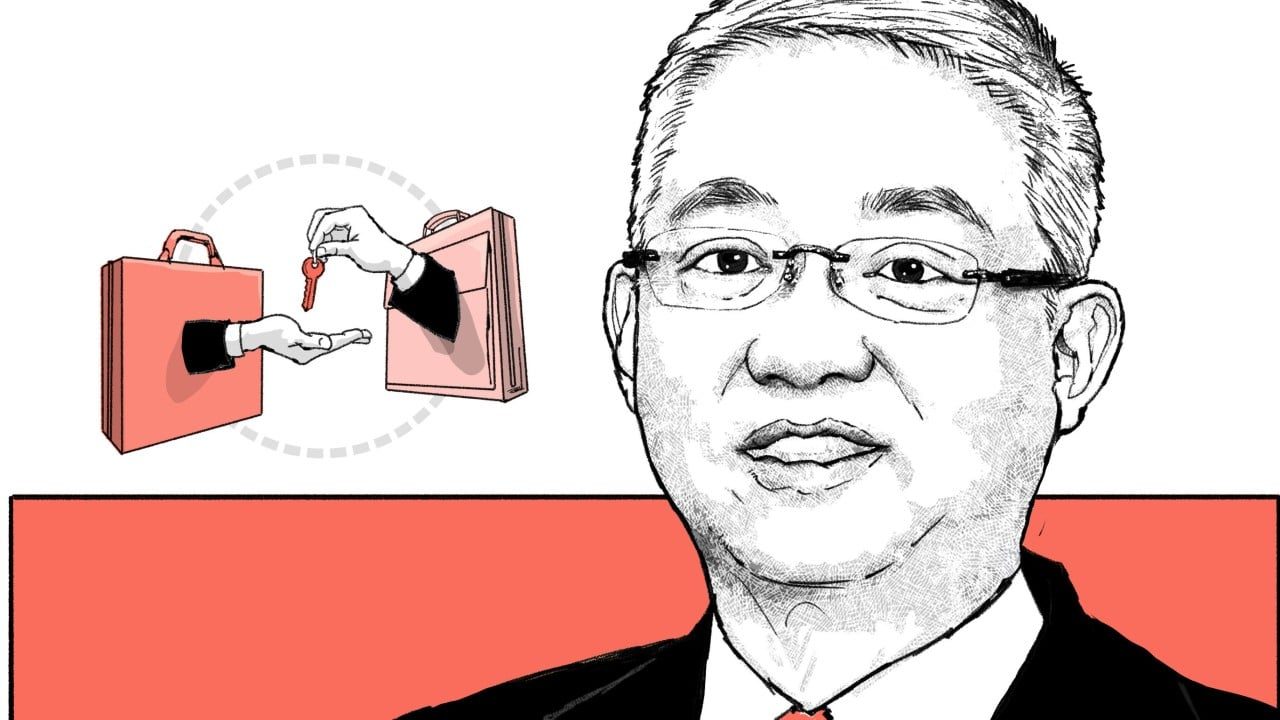
Citic Capital CEO Zhang Yichen said buyout funds will eclipse initial public offerings as the primary driver of China’s next capital cycle, signaling a structural shift for investors as the country pivots away from bank-led financing.
Buyout funds, rather than initial public offerings, are poised to define China’s upcoming capital market cycle, according to Zhang Yichen, chairman and chief executive of Citic Capital Holdings. The veteran investor, who also chairs Trustar Capital, shared this outlook during China’s annual "two sessions" legislative meetings in Beijing.
For market participants, this forecast signals a fundamental recalibration in how capital will be deployed and extracted in the world's second-largest economy. Zhang attributed the coming shift to a structural flaw in China's financial system: a historical reliance on bank-led, indirect financing. Because banks typically do not provide the equity necessary for leveraged buyouts, the market has fundamentally lacked long-duration capital.
Overcoming this deficit requires a concerted pivot toward direct and equity financing to build a foundation for patient capital. However, Zhang cautioned market participants that simply extending holding periods does not qualify as patient capital. "It requires both long-term capital and the capability to create value within companies," he said.
This distinction places a heavier operational burden on private equity managers. To succeed in this new cycle, institutions managing buyout funds must actively empower their portfolio companies. Zhang emphasized that this requires delivering tangible improvements in corporate governance, providing hands-on operational support and offering strategic guidance, rather than passively waiting for public market valuations to rise.
The evolving capital structure is also altering how foreign businesses access Chinese consumers. Zhang noted that escalating geopolitical tensions are severely complicating traditional cross-border deals. In response, global brands are increasingly abandoning direct ownership in favor of relying on local partners to navigate the market.
Zhang’s perspective on this dynamic is informed by his direct operational experience. He currently heads the McDonald’s master franchise business in mainland China and Hong Kong, alongside managing Harbin Pharmaceutical Group. These roles demonstrate the specific type of large-scale, locally-managed buyout that he expects to become the standard template for multinational entry and expansion.
As an independent non-executive director on the board of the Hong Kong Exchanges and Clearing, Zhang’s perspective also informs the ongoing debate over Hong Kong’s strategic role as a global financial centre. A structural shift away from IPOs toward buyout-driven exits would require significant adaptation from the city's capital markets infrastructure to remain a viable funding and liquidity hub.