FG pushes for overhaul of Nigeria’s agricultural extension system to boost farm yields
The Federal Government has called for an immediate transition away from viewing agricultural extension as a series of short-term, donor-dependent read more FG pushes for overhaul of Nigeria’s agricultural extension system to boost farm yields
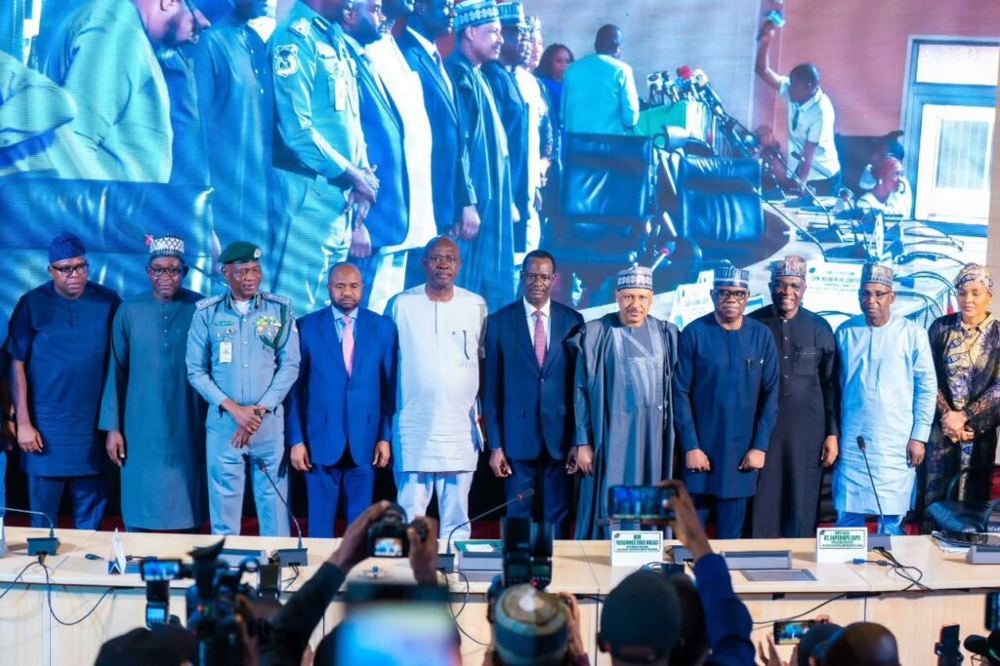
The Federal Government has called for an immediate transition away from viewing agricultural extension as a series of short-term, donor-dependent projects, urging instead to establish a lasting infrastructure that boosts crop yields and guarantees long-term national food security. Speaking on Wednesday at the Africa Agribusiness Extension Summit 2026, held in Abuja, Abubakar Kyari, the Minister of Agriculture and Food Security, stated that expanding physical farmland alone can no longer feed Nigeria’s rapidly expanding population. Kyari, who traced Nigeria’s agricultural extension history back to the early 1900s, noted that extension officers were once deeply trusted figures in farming communities. During the peak of the World Bank-backed Agricultural Development Projects (ADPs), the system operated at a manageable ratio of one agent to roughly 1,000-1,500 farm households. According to him, the situation has changed considerably, with one extension agent now sometimes expected to serve between 5,000 and 10,000 farmers. “No field officer, however committed, can meaningfully serve that number through physical visits alone,” Kyari said, emphasizing that boosting yields depends on delivering real-time, accurate agronomic advice directly to smallholder farmers. “Nigeria’s experience reflects a wider African challenge. Our farmers need more specialised knowledge at the very time that conventional extension systems are being asked to reach more people across greater distances with limited resources. “The question before us is therefore not whether Africa still needs extension. It is how we build an extension system capable of serving African agriculture at the scale of our future demands,” he said. The minister emphasized the need for a transition from extension as a conventional government service to an enduring infrastructure capable of combining professional expertise, technology, data and partnerships. He said Nigeria had already begun deploying digital tools to bridge the widening gap between extension agents and farmers. According to him, more than 100,000 farmers in six states currently receive weekly text messages through the Federal Department of Agricultural Extension, the Nigerian Meteorological Agency (NiMet) and private partners on expected rainfall and measures to protect their crops. He added that the Federal Government was rolling out a digital agricultural extension platform capable of providing advice through text and voice in Hausa, Igbo, Yoruba and Pidgin. The minister also disclosed that more than 1,000 digital extension agents equipped with tablets had been deployed with the support of the National Agricultural Development Fund, while 774 agricultural desk officers were serving across the country’s local government areas. In his remarks, Tajudeen Yahaya, Chief Executive Officer and Co-Founder of Extension Africa, said the event was designed to change the conversation around agricultural extension from merely discussing services to building the infrastructure, partnerships and systems required to sustain those services. He identified people, technology, data and partnerships as the four pillars around which sustainable agricultural advisory infrastructure should be built. Yahaya said the summit was intended to provide a platform for stakeholders to discuss the future of extension services and develop practical approaches to strengthening advisory infrastructure across Africa. One of the objectives of the summit is to promote investment in the four pillars and facilitate dialogue on the policies, institutions and collaborative business models required to strengthen agricultural advisory systems. The summit also advocates for infrastructure labs focused on the shared advisory workforce, trusted data systems, technology-enabled advisory infrastructure and commercially viable advisory models. The Chief Operating Officer and Co-Founder of Extension Africa, Isa Abdulsamad, said greater adoption of AI and digital extension advisory services was necessary not only for farmers but also for businesses to ensure the sustainability of agricultural programmes and solutions. He said the summit brought businesses and regulators together to develop an “orchestration platform” capable of integrating research outputs and tailoring them to farmers’ circumstances. Abdulsamad said Extension Africa’s Iroko AI had been designed to allow farmers using both basic phones and smartphones to access advisory information through interactive voice response systems and applications. He said farmers could also escalate complex issues to extension agents through existing farmer helplines and decentralised agricultural development structures. According to him, one of the major challenges facing agricultural advisory systems across Africa was the proliferation of siloed solutions. He said the goal was therefore to develop an interoperable system through which different platforms could integrate rather than reproduce existing solutions independently. Also speaking at the event, Samaila Tehinshe, Director of the Federal Department of Agricultural Extension Services, represented by Christiana Malgwi, Deputy Director, said strengthening extension delivery was central to achieving food security, higher productivity, employment creation and resilient food systems. Malgwi said digital platforms, learning tools and climate information services were already expanding farmers’ access to timely agricultural information. She also disclosed that the Ministry, in partnership with relevant stakeholders including the Women Farmers Advancement Network (WOFAN), was working towards the passage of an agricultural extension bill currently before the National Assembly. The summit is expected to provide a platform for stakeholders to develop a shared framework for sustainable agricultural advisory infrastructure and strengthen coordination across government, industry, research, technology, and development institutions. Related News When labour becomes a veto on public-sector reform Revitalising Nigeria’s insurance sector: A call for action Nigeria at 66: Nations, like companies, need institutions stronger than individuals Share
Speaking on Wednesday at the Africa Agribusiness Extension Summit 2026, held in Abuja, Abubakar Kyari, the Minister of Agriculture and Food Security, stated that expanding physical farmland alone can no longer feed Nigeria’s rapidly expanding population. Kyari, who traced Nigeria’s agricultural extension history back to the early 1900s, noted that extension officers were once deeply trusted figures in farming communities. During the peak of the World Bank-backed Agricultural Development Projects (ADPs), the system operated at a manageable ratio of one agent to roughly 1,000-1,500 farm households. According to him, the situation has changed considerably, with one extension agent now sometimes expected to serve between 5,000 and 10,000 farmers. “No field officer, however committed, can meaningfully serve that number through physical visits alone,” Kyari said, emphasizing that boosting yields depends on delivering real-time, accurate agronomic advice directly to smallholder farmers. “Nigeria’s experience reflects a wider African challenge. Our farmers need more specialised knowledge at the very time that conventional extension systems are being asked to reach more people across greater distances with limited resources. “The question before us is therefore not whether Africa still needs extension. It is how we build an extension system capable of serving African agriculture at the scale of our future demands,” he said. The minister emphasized the need for a transition from extension as a conventional government service to an enduring infrastructure capable of combining professional expertise, technology, data and partnerships. He said Nigeria had already begun deploying digital tools to bridge the widening gap between extension agents and farmers. According to him, more than 100,000 farmers in six states currently receive weekly text messages through the Federal Department of Agricultural Extension, the Nigerian Meteorological Agency (NiMet) and private partners on expected rainfall and measures to protect their crops. He added that the Federal Government was rolling out a digital agricultural extension platform capable of providing advice through text and voice in Hausa, Igbo, Yoruba and Pidgin. The minister also disclosed that more than 1,000 digital extension agents equipped with tablets had been deployed with the support of the National Agricultural Development Fund, while 774 agricultural desk officers were serving across the country’s local government areas. In his remarks, Tajudeen Yahaya, Chief Executive Officer and Co-Founder of Extension Africa, said the event was designed to change the conversation around agricultural extension from merely discussing services to building the infrastructure, partnerships and systems required to sustain those services. He identified people, technology, data and partnerships as the four pillars around which sustainable agricultural advisory infrastructure should be built. Yahaya said the summit was intended to provide a platform for stakeholders to discuss the future of extension services and develop practical approaches to strengthening advisory infrastructure across Africa. One of the objectives of the summit is to promote investment in the four pillars and facilitate dialogue on the policies, institutions and collaborative business models required to strengthen agricultural advisory systems. The summit also advocates for infrastructure labs focused on the shared advisory workforce, trusted data systems, technology-enabled advisory infrastructure and commercially viable advisory models. The Chief Operating Officer and Co-Founder of Extension Africa, Isa Abdulsamad, said greater adoption of AI and digital extension advisory services was necessary not only for farmers but also for businesses to ensure the sustainability of agricultural programmes and solutions. He said the summit brought businesses and regulators together to develop an “orchestration platform” capable of integrating research outputs and tailoring them to farmers’ circumstances. Abdulsamad said Extension Africa’s Iroko AI had been designed to allow farmers using both basic phones and smartphones to access advisory information through interactive voice response systems and applications. He said farmers could also escalate complex issues to extension agents through existing farmer helplines and decentralised agricultural development structures. According to him, one of the major challenges facing agricultural advisory systems across Africa was the proliferation of siloed solutions. He said the goal was therefore to develop an interoperable system through which different platforms could integrate rather than reproduce existing solutions independently. Also speaking at the event, Samaila Tehinshe, Director of the Federal Department of Agricultural Extension Services, represented by Christiana Malgwi, Deputy Director, said strengthening extension delivery was central to achieving food security, higher productivity, employment creation and resilient food systems. Malgwi said digital platforms, learning tools and climate information services were already expanding farmers’ access to timely agricultural information. She also disclosed that the Ministry, in partnership with relevant stakeholders including the Women Farmers Advancement Network (WOFAN), was working towards the passage of an agricultural extension bill currently before the National Assembly. The summit is expected to provide a platform for stakeholders to develop a shared framework for sustainable agricultural advisory infrastructure and strengthen coordination across government, industry, research, technology, and development institutions. Related News When labour becomes a veto on public-sector reform Revitalising Nigeria’s insurance sector: A call for action Nigeria at 66: Nations, like companies, need institutions stronger than individuals Share
Kyari, who traced Nigeria’s agricultural extension history back to the early 1900s, noted that extension officers were once deeply trusted figures in farming communities. During the peak of the World Bank-backed Agricultural Development Projects (ADPs), the system operated at a manageable ratio of one agent to roughly 1,000-1,500 farm households. According to him, the situation has changed considerably, with one extension agent now sometimes expected to serve between 5,000 and 10,000 farmers. “No field officer, however committed, can meaningfully serve that number through physical visits alone,” Kyari said, emphasizing that boosting yields depends on delivering real-time, accurate agronomic advice directly to smallholder farmers. “Nigeria’s experience reflects a wider African challenge. Our farmers need more specialised knowledge at the very time that conventional extension systems are being asked to reach more people across greater distances with limited resources. “The question before us is therefore not whether Africa still needs extension. It is how we build an extension system capable of serving African agriculture at the scale of our future demands,” he said. The minister emphasized the need for a transition from extension as a conventional government service to an enduring infrastructure capable of combining professional expertise, technology, data and partnerships. He said Nigeria had already begun deploying digital tools to bridge the widening gap between extension agents and farmers. According to him, more than 100,000 farmers in six states currently receive weekly text messages through the Federal Department of Agricultural Extension, the Nigerian Meteorological Agency (NiMet) and private partners on expected rainfall and measures to protect their crops. He added that the Federal Government was rolling out a digital agricultural extension platform capable of providing advice through text and voice in Hausa, Igbo, Yoruba and Pidgin. The minister also disclosed that more than 1,000 digital extension agents equipped with tablets had been deployed with the support of the National Agricultural Development Fund, while 774 agricultural desk officers were serving across the country’s local government areas. In his remarks, Tajudeen Yahaya, Chief Executive Officer and Co-Founder of Extension Africa, said the event was designed to change the conversation around agricultural extension from merely discussing services to building the infrastructure, partnerships and systems required to sustain those services. He identified people, technology, data and partnerships as the four pillars around which sustainable agricultural advisory infrastructure should be built. Yahaya said the summit was intended to provide a platform for stakeholders to discuss the future of extension services and develop practical approaches to strengthening advisory infrastructure across Africa. One of the objectives of the summit is to promote investment in the four pillars and facilitate dialogue on the policies, institutions and collaborative business models required to strengthen agricultural advisory systems. The summit also advocates for infrastructure labs focused on the shared advisory workforce, trusted data systems, technology-enabled advisory infrastructure and commercially viable advisory models. The Chief Operating Officer and Co-Founder of Extension Africa, Isa Abdulsamad, said greater adoption of AI and digital extension advisory services was necessary not only for farmers but also for businesses to ensure the sustainability of agricultural programmes and solutions. He said the summit brought businesses and regulators together to develop an “orchestration platform” capable of integrating research outputs and tailoring them to farmers’ circumstances. Abdulsamad said Extension Africa’s Iroko AI had been designed to allow farmers using both basic phones and smartphones to access advisory information through interactive voice response systems and applications. He said farmers could also escalate complex issues to extension agents through existing farmer helplines and decentralised agricultural development structures. According to him, one of the major challenges facing agricultural advisory systems across Africa was the proliferation of siloed solutions. He said the goal was therefore to develop an interoperable system through which different platforms could integrate rather than reproduce existing solutions independently. Also speaking at the event, Samaila Tehinshe, Director of the Federal Department of Agricultural Extension Services, represented by Christiana Malgwi, Deputy Director, said strengthening extension delivery was central to achieving food security, higher productivity, employment creation and resilient food systems. Malgwi said digital platforms, learning tools and climate information services were already expanding farmers’ access to timely agricultural information. She also disclosed that the Ministry, in partnership with relevant stakeholders including the Women Farmers Advancement Network (WOFAN), was working towards the passage of an agricultural extension bill currently before the National Assembly. The summit is expected to provide a platform for stakeholders to develop a shared framework for sustainable agricultural advisory infrastructure and strengthen coordination across government, industry, research, technology, and development institutions. Related News When labour becomes a veto on public-sector reform Revitalising Nigeria’s insurance sector: A call for action Nigeria at 66: Nations, like companies, need institutions stronger than individuals Share
According to him, the situation has changed considerably, with one extension agent now sometimes expected to serve between 5,000 and 10,000 farmers. “No field officer, however committed, can meaningfully serve that number through physical visits alone,” Kyari said, emphasizing that boosting yields depends on delivering real-time, accurate agronomic advice directly to smallholder farmers. “Nigeria’s experience reflects a wider African challenge. Our farmers need more specialised knowledge at the very time that conventional extension systems are being asked to reach more people across greater distances with limited resources. “The question before us is therefore not whether Africa still needs extension. It is how we build an extension system capable of serving African agriculture at the scale of our future demands,” he said. The minister emphasized the need for a transition from extension as a conventional government service to an enduring infrastructure capable of combining professional expertise, technology, data and partnerships. He said Nigeria had already begun deploying digital tools to bridge the widening gap between extension agents and farmers. According to him, more than 100,000 farmers in six states currently receive weekly text messages through the Federal Department of Agricultural Extension, the Nigerian Meteorological Agency (NiMet) and private partners on expected rainfall and measures to protect their crops. He added that the Federal Government was rolling out a digital agricultural extension platform capable of providing advice through text and voice in Hausa, Igbo, Yoruba and Pidgin. The minister also disclosed that more than 1,000 digital extension agents equipped with tablets had been deployed with the support of the National Agricultural Development Fund, while 774 agricultural desk officers were serving across the country’s local government areas. In his remarks, Tajudeen Yahaya, Chief Executive Officer and Co-Founder of Extension Africa, said the event was designed to change the conversation around agricultural extension from merely discussing services to building the infrastructure, partnerships and systems required to sustain those services. He identified people, technology, data and partnerships as the four pillars around which sustainable agricultural advisory infrastructure should be built. Yahaya said the summit was intended to provide a platform for stakeholders to discuss the future of extension services and develop practical approaches to strengthening advisory infrastructure across Africa. One of the objectives of the summit is to promote investment in the four pillars and facilitate dialogue on the policies, institutions and collaborative business models required to strengthen agricultural advisory systems. The summit also advocates for infrastructure labs focused on the shared advisory workforce, trusted data systems, technology-enabled advisory infrastructure and commercially viable advisory models. The Chief Operating Officer and Co-Founder of Extension Africa, Isa Abdulsamad, said greater adoption of AI and digital extension advisory services was necessary not only for farmers but also for businesses to ensure the sustainability of agricultural programmes and solutions. He said the summit brought businesses and regulators together to develop an “orchestration platform” capable of integrating research outputs and tailoring them to farmers’ circumstances. Abdulsamad said Extension Africa’s Iroko AI had been designed to allow farmers using both basic phones and smartphones to access advisory information through interactive voice response systems and applications. He said farmers could also escalate complex issues to extension agents through existing farmer helplines and decentralised agricultural development structures. According to him, one of the major challenges facing agricultural advisory systems across Africa was the proliferation of siloed solutions. He said the goal was therefore to develop an interoperable system through which different platforms could integrate rather than reproduce existing solutions independently. Also speaking at the event, Samaila Tehinshe, Director of the Federal Department of Agricultural Extension Services, represented by Christiana Malgwi, Deputy Director, said strengthening extension delivery was central to achieving food security, higher productivity, employment creation and resilient food systems. Malgwi said digital platforms, learning tools and climate information services were already expanding farmers’ access to timely agricultural information. She also disclosed that the Ministry, in partnership with relevant stakeholders including the Women Farmers Advancement Network (WOFAN), was working towards the passage of an agricultural extension bill currently before the National Assembly. The summit is expected to provide a platform for stakeholders to develop a shared framework for sustainable agricultural advisory infrastructure and strengthen coordination across government, industry, research, technology, and development institutions. Related News When labour becomes a veto on public-sector reform Revitalising Nigeria’s insurance sector: A call for action Nigeria at 66: Nations, like companies, need institutions stronger than individuals Share
“No field officer, however committed, can meaningfully serve that number through physical visits alone,” Kyari said, emphasizing that boosting yields depends on delivering real-time, accurate agronomic advice directly to smallholder farmers. “Nigeria’s experience reflects a wider African challenge. Our farmers need more specialised knowledge at the very time that conventional extension systems are being asked to reach more people across greater distances with limited resources. “The question before us is therefore not whether Africa still needs extension. It is how we build an extension system capable of serving African agriculture at the scale of our future demands,” he said. The minister emphasized the need for a transition from extension as a conventional government service to an enduring infrastructure capable of combining professional expertise, technology, data and partnerships. He said Nigeria had already begun deploying digital tools to bridge the widening gap between extension agents and farmers. According to him, more than 100,000 farmers in six states currently receive weekly text messages through the Federal Department of Agricultural Extension, the Nigerian Meteorological Agency (NiMet) and private partners on expected rainfall and measures to protect their crops. He added that the Federal Government was rolling out a digital agricultural extension platform capable of providing advice through text and voice in Hausa, Igbo, Yoruba and Pidgin. The minister also disclosed that more than 1,000 digital extension agents equipped with tablets had been deployed with the support of the National Agricultural Development Fund, while 774 agricultural desk officers were serving across the country’s local government areas. In his remarks, Tajudeen Yahaya, Chief Executive Officer and Co-Founder of Extension Africa, said the event was designed to change the conversation around agricultural extension from merely discussing services to building the infrastructure, partnerships and systems required to sustain those services. He identified people, technology, data and partnerships as the four pillars around which sustainable agricultural advisory infrastructure should be built. Yahaya said the summit was intended to provide a platform for stakeholders to discuss the future of extension services and develop practical approaches to strengthening advisory infrastructure across Africa. One of the objectives of the summit is to promote investment in the four pillars and facilitate dialogue on the policies, institutions and collaborative business models required to strengthen agricultural advisory systems. The summit also advocates for infrastructure labs focused on the shared advisory workforce, trusted data systems, technology-enabled advisory infrastructure and commercially viable advisory models. The Chief Operating Officer and Co-Founder of Extension Africa, Isa Abdulsamad, said greater adoption of AI and digital extension advisory services was necessary not only for farmers but also for businesses to ensure the sustainability of agricultural programmes and solutions. He said the summit brought businesses and regulators together to develop an “orchestration platform” capable of integrating research outputs and tailoring them to farmers’ circumstances. Abdulsamad said Extension Africa’s Iroko AI had been designed to allow farmers using both basic phones and smartphones to access advisory information through interactive voice response systems and applications. He said farmers could also escalate complex issues to extension agents through existing farmer helplines and decentralised agricultural development structures. According to him, one of the major challenges facing agricultural advisory systems across Africa was the proliferation of siloed solutions. He said the goal was therefore to develop an interoperable system through which different platforms could integrate rather than reproduce existing solutions independently. Also speaking at the event, Samaila Tehinshe, Director of the Federal Department of Agricultural Extension Services, represented by Christiana Malgwi, Deputy Director, said strengthening extension delivery was central to achieving food security, higher productivity, employment creation and resilient food systems. Malgwi said digital platforms, learning tools and climate information services were already expanding farmers’ access to timely agricultural information. She also disclosed that the Ministry, in partnership with relevant stakeholders including the Women Farmers Advancement Network (WOFAN), was working towards the passage of an agricultural extension bill currently before the National Assembly. The summit is expected to provide a platform for stakeholders to develop a shared framework for sustainable agricultural advisory infrastructure and strengthen coordination across government, industry, research, technology, and development institutions. Related News When labour becomes a veto on public-sector reform Revitalising Nigeria’s insurance sector: A call for action Nigeria at 66: Nations, like companies, need institutions stronger than individuals Share
“Nigeria’s experience reflects a wider African challenge. Our farmers need more specialised knowledge at the very time that conventional extension systems are being asked to reach more people across greater distances with limited resources. “The question before us is therefore not whether Africa still needs extension. It is how we build an extension system capable of serving African agriculture at the scale of our future demands,” he said. The minister emphasized the need for a transition from extension as a conventional government service to an enduring infrastructure capable of combining professional expertise, technology, data and partnerships. He said Nigeria had already begun deploying digital tools to bridge the widening gap between extension agents and farmers. According to him, more than 100,000 farmers in six states currently receive weekly text messages through the Federal Department of Agricultural Extension, the Nigerian Meteorological Agency (NiMet) and private partners on expected rainfall and measures to protect their crops. He added that the Federal Government was rolling out a digital agricultural extension platform capable of providing advice through text and voice in Hausa, Igbo, Yoruba and Pidgin. The minister also disclosed that more than 1,000 digital extension agents equipped with tablets had been deployed with the support of the National Agricultural Development Fund, while 774 agricultural desk officers were serving across the country’s local government areas. In his remarks, Tajudeen Yahaya, Chief Executive Officer and Co-Founder of Extension Africa, said the event was designed to change the conversation around agricultural extension from merely discussing services to building the infrastructure, partnerships and systems required to sustain those services. He identified people, technology, data and partnerships as the four pillars around which sustainable agricultural advisory infrastructure should be built. Yahaya said the summit was intended to provide a platform for stakeholders to discuss the future of extension services and develop practical approaches to strengthening advisory infrastructure across Africa. One of the objectives of the summit is to promote investment in the four pillars and facilitate dialogue on the policies, institutions and collaborative business models required to strengthen agricultural advisory systems. The summit also advocates for infrastructure labs focused on the shared advisory workforce, trusted data systems, technology-enabled advisory infrastructure and commercially viable advisory models. The Chief Operating Officer and Co-Founder of Extension Africa, Isa Abdulsamad, said greater adoption of AI and digital extension advisory services was necessary not only for farmers but also for businesses to ensure the sustainability of agricultural programmes and solutions. He said the summit brought businesses and regulators together to develop an “orchestration platform” capable of integrating research outputs and tailoring them to farmers’ circumstances. Abdulsamad said Extension Africa’s Iroko AI had been designed to allow farmers using both basic phones and smartphones to access advisory information through interactive voice response systems and applications. He said farmers could also escalate complex issues to extension agents through existing farmer helplines and decentralised agricultural development structures. According to him, one of the major challenges facing agricultural advisory systems across Africa was the proliferation of siloed solutions. He said the goal was therefore to develop an interoperable system through which different platforms could integrate rather than reproduce existing solutions independently. Also speaking at the event, Samaila Tehinshe, Director of the Federal Department of Agricultural Extension Services, represented by Christiana Malgwi, Deputy Director, said strengthening extension delivery was central to achieving food security, higher productivity, employment creation and resilient food systems. Malgwi said digital platforms, learning tools and climate information services were already expanding farmers’ access to timely agricultural information. She also disclosed that the Ministry, in partnership with relevant stakeholders including the Women Farmers Advancement Network (WOFAN), was working towards the passage of an agricultural extension bill currently before the National Assembly. The summit is expected to provide a platform for stakeholders to develop a shared framework for sustainable agricultural advisory infrastructure and strengthen coordination across government, industry, research, technology, and development institutions. Related News When labour becomes a veto on public-sector reform Revitalising Nigeria’s insurance sector: A call for action Nigeria at 66: Nations, like companies, need institutions stronger than individuals Share
“The question before us is therefore not whether Africa still needs extension. It is how we build an extension system capable of serving African agriculture at the scale of our future demands,” he said. The minister emphasized the need for a transition from extension as a conventional government service to an enduring infrastructure capable of combining professional expertise, technology, data and partnerships. He said Nigeria had already begun deploying digital tools to bridge the widening gap between extension agents and farmers. According to him, more than 100,000 farmers in six states currently receive weekly text messages through the Federal Department of Agricultural Extension, the Nigerian Meteorological Agency (NiMet) and private partners on expected rainfall and measures to protect their crops. He added that the Federal Government was rolling out a digital agricultural extension platform capable of providing advice through text and voice in Hausa, Igbo, Yoruba and Pidgin. The minister also disclosed that more than 1,000 digital extension agents equipped with tablets had been deployed with the support of the National Agricultural Development Fund, while 774 agricultural desk officers were serving across the country’s local government areas. In his remarks, Tajudeen Yahaya, Chief Executive Officer and Co-Founder of Extension Africa, said the event was designed to change the conversation around agricultural extension from merely discussing services to building the infrastructure, partnerships and systems required to sustain those services. He identified people, technology, data and partnerships as the four pillars around which sustainable agricultural advisory infrastructure should be built. Yahaya said the summit was intended to provide a platform for stakeholders to discuss the future of extension services and develop practical approaches to strengthening advisory infrastructure across Africa. One of the objectives of the summit is to promote investment in the four pillars and facilitate dialogue on the policies, institutions and collaborative business models required to strengthen agricultural advisory systems. The summit also advocates for infrastructure labs focused on the shared advisory workforce, trusted data systems, technology-enabled advisory infrastructure and commercially viable advisory models. The Chief Operating Officer and Co-Founder of Extension Africa, Isa Abdulsamad, said greater adoption of AI and digital extension advisory services was necessary not only for farmers but also for businesses to ensure the sustainability of agricultural programmes and solutions. He said the summit brought businesses and regulators together to develop an “orchestration platform” capable of integrating research outputs and tailoring them to farmers’ circumstances. Abdulsamad said Extension Africa’s Iroko AI had been designed to allow farmers using both basic phones and smartphones to access advisory information through interactive voice response systems and applications. He said farmers could also escalate complex issues to extension agents through existing farmer helplines and decentralised agricultural development structures. According to him, one of the major challenges facing agricultural advisory systems across Africa was the proliferation of siloed solutions. He said the goal was therefore to develop an interoperable system through which different platforms could integrate rather than reproduce existing solutions independently. Also speaking at the event, Samaila Tehinshe, Director of the Federal Department of Agricultural Extension Services, represented by Christiana Malgwi, Deputy Director, said strengthening extension delivery was central to achieving food security, higher productivity, employment creation and resilient food systems. Malgwi said digital platforms, learning tools and climate information services were already expanding farmers’ access to timely agricultural information. She also disclosed that the Ministry, in partnership with relevant stakeholders including the Women Farmers Advancement Network (WOFAN), was working towards the passage of an agricultural extension bill currently before the National Assembly. The summit is expected to provide a platform for stakeholders to develop a shared framework for sustainable agricultural advisory infrastructure and strengthen coordination across government, industry, research, technology, and development institutions. Related News When labour becomes a veto on public-sector reform Revitalising Nigeria’s insurance sector: A call for action Nigeria at 66: Nations, like companies, need institutions stronger than individuals Share
The minister emphasized the need for a transition from extension as a conventional government service to an enduring infrastructure capable of combining professional expertise, technology, data and partnerships. He said Nigeria had already begun deploying digital tools to bridge the widening gap between extension agents and farmers. According to him, more than 100,000 farmers in six states currently receive weekly text messages through the Federal Department of Agricultural Extension, the Nigerian Meteorological Agency (NiMet) and private partners on expected rainfall and measures to protect their crops. He added that the Federal Government was rolling out a digital agricultural extension platform capable of providing advice through text and voice in Hausa, Igbo, Yoruba and Pidgin. The minister also disclosed that more than 1,000 digital extension agents equipped with tablets had been deployed with the support of the National Agricultural Development Fund, while 774 agricultural desk officers were serving across the country’s local government areas. In his remarks, Tajudeen Yahaya, Chief Executive Officer and Co-Founder of Extension Africa, said the event was designed to change the conversation around agricultural extension from merely discussing services to building the infrastructure, partnerships and systems required to sustain those services. He identified people, technology, data and partnerships as the four pillars around which sustainable agricultural advisory infrastructure should be built. Yahaya said the summit was intended to provide a platform for stakeholders to discuss the future of extension services and develop practical approaches to strengthening advisory infrastructure across Africa. One of the objectives of the summit is to promote investment in the four pillars and facilitate dialogue on the policies, institutions and collaborative business models required to strengthen agricultural advisory systems. The summit also advocates for infrastructure labs focused on the shared advisory workforce, trusted data systems, technology-enabled advisory infrastructure and commercially viable advisory models. The Chief Operating Officer and Co-Founder of Extension Africa, Isa Abdulsamad, said greater adoption of AI and digital extension advisory services was necessary not only for farmers but also for businesses to ensure the sustainability of agricultural programmes and solutions. He said the summit brought businesses and regulators together to develop an “orchestration platform” capable of integrating research outputs and tailoring them to farmers’ circumstances. Abdulsamad said Extension Africa’s Iroko AI had been designed to allow farmers using both basic phones and smartphones to access advisory information through interactive voice response systems and applications. He said farmers could also escalate complex issues to extension agents through existing farmer helplines and decentralised agricultural development structures. According to him, one of the major challenges facing agricultural advisory systems across Africa was the proliferation of siloed solutions. He said the goal was therefore to develop an interoperable system through which different platforms could integrate rather than reproduce existing solutions independently. Also speaking at the event, Samaila Tehinshe, Director of the Federal Department of Agricultural Extension Services, represented by Christiana Malgwi, Deputy Director, said strengthening extension delivery was central to achieving food security, higher productivity, employment creation and resilient food systems. Malgwi said digital platforms, learning tools and climate information services were already expanding farmers’ access to timely agricultural information. She also disclosed that the Ministry, in partnership with relevant stakeholders including the Women Farmers Advancement Network (WOFAN), was working towards the passage of an agricultural extension bill currently before the National Assembly. The summit is expected to provide a platform for stakeholders to develop a shared framework for sustainable agricultural advisory infrastructure and strengthen coordination across government, industry, research, technology, and development institutions. Related News When labour becomes a veto on public-sector reform Revitalising Nigeria’s insurance sector: A call for action Nigeria at 66: Nations, like companies, need institutions stronger than individuals Share
He said Nigeria had already begun deploying digital tools to bridge the widening gap between extension agents and farmers. According to him, more than 100,000 farmers in six states currently receive weekly text messages through the Federal Department of Agricultural Extension, the Nigerian Meteorological Agency (NiMet) and private partners on expected rainfall and measures to protect their crops. He added that the Federal Government was rolling out a digital agricultural extension platform capable of providing advice through text and voice in Hausa, Igbo, Yoruba and Pidgin. The minister also disclosed that more than 1,000 digital extension agents equipped with tablets had been deployed with the support of the National Agricultural Development Fund, while 774 agricultural desk officers were serving across the country’s local government areas. In his remarks, Tajudeen Yahaya, Chief Executive Officer and Co-Founder of Extension Africa, said the event was designed to change the conversation around agricultural extension from merely discussing services to building the infrastructure, partnerships and systems required to sustain those services. He identified people, technology, data and partnerships as the four pillars around which sustainable agricultural advisory infrastructure should be built. Yahaya said the summit was intended to provide a platform for stakeholders to discuss the future of extension services and develop practical approaches to strengthening advisory infrastructure across Africa. One of the objectives of the summit is to promote investment in the four pillars and facilitate dialogue on the policies, institutions and collaborative business models required to strengthen agricultural advisory systems. The summit also advocates for infrastructure labs focused on the shared advisory workforce, trusted data systems, technology-enabled advisory infrastructure and commercially viable advisory models. The Chief Operating Officer and Co-Founder of Extension Africa, Isa Abdulsamad, said greater adoption of AI and digital extension advisory services was necessary not only for farmers but also for businesses to ensure the sustainability of agricultural programmes and solutions. He said the summit brought businesses and regulators together to develop an “orchestration platform” capable of integrating research outputs and tailoring them to farmers’ circumstances. Abdulsamad said Extension Africa’s Iroko AI had been designed to allow farmers using both basic phones and smartphones to access advisory information through interactive voice response systems and applications. He said farmers could also escalate complex issues to extension agents through existing farmer helplines and decentralised agricultural development structures. According to him, one of the major challenges facing agricultural advisory systems across Africa was the proliferation of siloed solutions. He said the goal was therefore to develop an interoperable system through which different platforms could integrate rather than reproduce existing solutions independently. Also speaking at the event, Samaila Tehinshe, Director of the Federal Department of Agricultural Extension Services, represented by Christiana Malgwi, Deputy Director, said strengthening extension delivery was central to achieving food security, higher productivity, employment creation and resilient food systems. Malgwi said digital platforms, learning tools and climate information services were already expanding farmers’ access to timely agricultural information. She also disclosed that the Ministry, in partnership with relevant stakeholders including the Women Farmers Advancement Network (WOFAN), was working towards the passage of an agricultural extension bill currently before the National Assembly. The summit is expected to provide a platform for stakeholders to develop a shared framework for sustainable agricultural advisory infrastructure and strengthen coordination across government, industry, research, technology, and development institutions. Related News When labour becomes a veto on public-sector reform Revitalising Nigeria’s insurance sector: A call for action Nigeria at 66: Nations, like companies, need institutions stronger than individuals Share
According to him, more than 100,000 farmers in six states currently receive weekly text messages through the Federal Department of Agricultural Extension, the Nigerian Meteorological Agency (NiMet) and private partners on expected rainfall and measures to protect their crops. He added that the Federal Government was rolling out a digital agricultural extension platform capable of providing advice through text and voice in Hausa, Igbo, Yoruba and Pidgin. The minister also disclosed that more than 1,000 digital extension agents equipped with tablets had been deployed with the support of the National Agricultural Development Fund, while 774 agricultural desk officers were serving across the country’s local government areas. In his remarks, Tajudeen Yahaya, Chief Executive Officer and Co-Founder of Extension Africa, said the event was designed to change the conversation around agricultural extension from merely discussing services to building the infrastructure, partnerships and systems required to sustain those services. He identified people, technology, data and partnerships as the four pillars around which sustainable agricultural advisory infrastructure should be built. Yahaya said the summit was intended to provide a platform for stakeholders to discuss the future of extension services and develop practical approaches to strengthening advisory infrastructure across Africa. One of the objectives of the summit is to promote investment in the four pillars and facilitate dialogue on the policies, institutions and collaborative business models required to strengthen agricultural advisory systems. The summit also advocates for infrastructure labs focused on the shared advisory workforce, trusted data systems, technology-enabled advisory infrastructure and commercially viable advisory models. The Chief Operating Officer and Co-Founder of Extension Africa, Isa Abdulsamad, said greater adoption of AI and digital extension advisory services was necessary not only for farmers but also for businesses to ensure the sustainability of agricultural programmes and solutions. He said the summit brought businesses and regulators together to develop an “orchestration platform” capable of integrating research outputs and tailoring them to farmers’ circumstances. Abdulsamad said Extension Africa’s Iroko AI had been designed to allow farmers using both basic phones and smartphones to access advisory information through interactive voice response systems and applications. He said farmers could also escalate complex issues to extension agents through existing farmer helplines and decentralised agricultural development structures. According to him, one of the major challenges facing agricultural advisory systems across Africa was the proliferation of siloed solutions. He said the goal was therefore to develop an interoperable system through which different platforms could integrate rather than reproduce existing solutions independently. Also speaking at the event, Samaila Tehinshe, Director of the Federal Department of Agricultural Extension Services, represented by Christiana Malgwi, Deputy Director, said strengthening extension delivery was central to achieving food security, higher productivity, employment creation and resilient food systems. Malgwi said digital platforms, learning tools and climate information services were already expanding farmers’ access to timely agricultural information. She also disclosed that the Ministry, in partnership with relevant stakeholders including the Women Farmers Advancement Network (WOFAN), was working towards the passage of an agricultural extension bill currently before the National Assembly. The summit is expected to provide a platform for stakeholders to develop a shared framework for sustainable agricultural advisory infrastructure and strengthen coordination across government, industry, research, technology, and development institutions. Related News When labour becomes a veto on public-sector reform Revitalising Nigeria’s insurance sector: A call for action Nigeria at 66: Nations, like companies, need institutions stronger than individuals Share
He added that the Federal Government was rolling out a digital agricultural extension platform capable of providing advice through text and voice in Hausa, Igbo, Yoruba and Pidgin. The minister also disclosed that more than 1,000 digital extension agents equipped with tablets had been deployed with the support of the National Agricultural Development Fund, while 774 agricultural desk officers were serving across the country’s local government areas. In his remarks, Tajudeen Yahaya, Chief Executive Officer and Co-Founder of Extension Africa, said the event was designed to change the conversation around agricultural extension from merely discussing services to building the infrastructure, partnerships and systems required to sustain those services. He identified people, technology, data and partnerships as the four pillars around which sustainable agricultural advisory infrastructure should be built. Yahaya said the summit was intended to provide a platform for stakeholders to discuss the future of extension services and develop practical approaches to strengthening advisory infrastructure across Africa. One of the objectives of the summit is to promote investment in the four pillars and facilitate dialogue on the policies, institutions and collaborative business models required to strengthen agricultural advisory systems. The summit also advocates for infrastructure labs focused on the shared advisory workforce, trusted data systems, technology-enabled advisory infrastructure and commercially viable advisory models. The Chief Operating Officer and Co-Founder of Extension Africa, Isa Abdulsamad, said greater adoption of AI and digital extension advisory services was necessary not only for farmers but also for businesses to ensure the sustainability of agricultural programmes and solutions. He said the summit brought businesses and regulators together to develop an “orchestration platform” capable of integrating research outputs and tailoring them to farmers’ circumstances. Abdulsamad said Extension Africa’s Iroko AI had been designed to allow farmers using both basic phones and smartphones to access advisory information through interactive voice response systems and applications. He said farmers could also escalate complex issues to extension agents through existing farmer helplines and decentralised agricultural development structures. According to him, one of the major challenges facing agricultural advisory systems across Africa was the proliferation of siloed solutions. He said the goal was therefore to develop an interoperable system through which different platforms could integrate rather than reproduce existing solutions independently. Also speaking at the event, Samaila Tehinshe, Director of the Federal Department of Agricultural Extension Services, represented by Christiana Malgwi, Deputy Director, said strengthening extension delivery was central to achieving food security, higher productivity, employment creation and resilient food systems. Malgwi said digital platforms, learning tools and climate information services were already expanding farmers’ access to timely agricultural information. She also disclosed that the Ministry, in partnership with relevant stakeholders including the Women Farmers Advancement Network (WOFAN), was working towards the passage of an agricultural extension bill currently before the National Assembly. The summit is expected to provide a platform for stakeholders to develop a shared framework for sustainable agricultural advisory infrastructure and strengthen coordination across government, industry, research, technology, and development institutions. Related News When labour becomes a veto on public-sector reform Revitalising Nigeria’s insurance sector: A call for action Nigeria at 66: Nations, like companies, need institutions stronger than individuals Share
The minister also disclosed that more than 1,000 digital extension agents equipped with tablets had been deployed with the support of the National Agricultural Development Fund, while 774 agricultural desk officers were serving across the country’s local government areas. In his remarks, Tajudeen Yahaya, Chief Executive Officer and Co-Founder of Extension Africa, said the event was designed to change the conversation around agricultural extension from merely discussing services to building the infrastructure, partnerships and systems required to sustain those services. He identified people, technology, data and partnerships as the four pillars around which sustainable agricultural advisory infrastructure should be built. Yahaya said the summit was intended to provide a platform for stakeholders to discuss the future of extension services and develop practical approaches to strengthening advisory infrastructure across Africa. One of the objectives of the summit is to promote investment in the four pillars and facilitate dialogue on the policies, institutions and collaborative business models required to strengthen agricultural advisory systems. The summit also advocates for infrastructure labs focused on the shared advisory workforce, trusted data systems, technology-enabled advisory infrastructure and commercially viable advisory models. The Chief Operating Officer and Co-Founder of Extension Africa, Isa Abdulsamad, said greater adoption of AI and digital extension advisory services was necessary not only for farmers but also for businesses to ensure the sustainability of agricultural programmes and solutions. He said the summit brought businesses and regulators together to develop an “orchestration platform” capable of integrating research outputs and tailoring them to farmers’ circumstances. Abdulsamad said Extension Africa’s Iroko AI had been designed to allow farmers using both basic phones and smartphones to access advisory information through interactive voice response systems and applications. He said farmers could also escalate complex issues to extension agents through existing farmer helplines and decentralised agricultural development structures. According to him, one of the major challenges facing agricultural advisory systems across Africa was the proliferation of siloed solutions. He said the goal was therefore to develop an interoperable system through which different platforms could integrate rather than reproduce existing solutions independently. Also speaking at the event, Samaila Tehinshe, Director of the Federal Department of Agricultural Extension Services, represented by Christiana Malgwi, Deputy Director, said strengthening extension delivery was central to achieving food security, higher productivity, employment creation and resilient food systems. Malgwi said digital platforms, learning tools and climate information services were already expanding farmers’ access to timely agricultural information. She also disclosed that the Ministry, in partnership with relevant stakeholders including the Women Farmers Advancement Network (WOFAN), was working towards the passage of an agricultural extension bill currently before the National Assembly. The summit is expected to provide a platform for stakeholders to develop a shared framework for sustainable agricultural advisory infrastructure and strengthen coordination across government, industry, research, technology, and development institutions. Related News When labour becomes a veto on public-sector reform Revitalising Nigeria’s insurance sector: A call for action Nigeria at 66: Nations, like companies, need institutions stronger than individuals Share
In his remarks, Tajudeen Yahaya, Chief Executive Officer and Co-Founder of Extension Africa, said the event was designed to change the conversation around agricultural extension from merely discussing services to building the infrastructure, partnerships and systems required to sustain those services. He identified people, technology, data and partnerships as the four pillars around which sustainable agricultural advisory infrastructure should be built. Yahaya said the summit was intended to provide a platform for stakeholders to discuss the future of extension services and develop practical approaches to strengthening advisory infrastructure across Africa. One of the objectives of the summit is to promote investment in the four pillars and facilitate dialogue on the policies, institutions and collaborative business models required to strengthen agricultural advisory systems. The summit also advocates for infrastructure labs focused on the shared advisory workforce, trusted data systems, technology-enabled advisory infrastructure and commercially viable advisory models. The Chief Operating Officer and Co-Founder of Extension Africa, Isa Abdulsamad, said greater adoption of AI and digital extension advisory services was necessary not only for farmers but also for businesses to ensure the sustainability of agricultural programmes and solutions. He said the summit brought businesses and regulators together to develop an “orchestration platform” capable of integrating research outputs and tailoring them to farmers’ circumstances. Abdulsamad said Extension Africa’s Iroko AI had been designed to allow farmers using both basic phones and smartphones to access advisory information through interactive voice response systems and applications. He said farmers could also escalate complex issues to extension agents through existing farmer helplines and decentralised agricultural development structures. According to him, one of the major challenges facing agricultural advisory systems across Africa was the proliferation of siloed solutions. He said the goal was therefore to develop an interoperable system through which different platforms could integrate rather than reproduce existing solutions independently. Also speaking at the event, Samaila Tehinshe, Director of the Federal Department of Agricultural Extension Services, represented by Christiana Malgwi, Deputy Director, said strengthening extension delivery was central to achieving food security, higher productivity, employment creation and resilient food systems. Malgwi said digital platforms, learning tools and climate information services were already expanding farmers’ access to timely agricultural information. She also disclosed that the Ministry, in partnership with relevant stakeholders including the Women Farmers Advancement Network (WOFAN), was working towards the passage of an agricultural extension bill currently before the National Assembly. The summit is expected to provide a platform for stakeholders to develop a shared framework for sustainable agricultural advisory infrastructure and strengthen coordination across government, industry, research, technology, and development institutions. Related News When labour becomes a veto on public-sector reform Revitalising Nigeria’s insurance sector: A call for action Nigeria at 66: Nations, like companies, need institutions stronger than individuals Share
He identified people, technology, data and partnerships as the four pillars around which sustainable agricultural advisory infrastructure should be built. Yahaya said the summit was intended to provide a platform for stakeholders to discuss the future of extension services and develop practical approaches to strengthening advisory infrastructure across Africa. One of the objectives of the summit is to promote investment in the four pillars and facilitate dialogue on the policies, institutions and collaborative business models required to strengthen agricultural advisory systems. The summit also advocates for infrastructure labs focused on the shared advisory workforce, trusted data systems, technology-enabled advisory infrastructure and commercially viable advisory models. The Chief Operating Officer and Co-Founder of Extension Africa, Isa Abdulsamad, said greater adoption of AI and digital extension advisory services was necessary not only for farmers but also for businesses to ensure the sustainability of agricultural programmes and solutions. He said the summit brought businesses and regulators together to develop an “orchestration platform” capable of integrating research outputs and tailoring them to farmers’ circumstances. Abdulsamad said Extension Africa’s Iroko AI had been designed to allow farmers using both basic phones and smartphones to access advisory information through interactive voice response systems and applications. He said farmers could also escalate complex issues to extension agents through existing farmer helplines and decentralised agricultural development structures. According to him, one of the major challenges facing agricultural advisory systems across Africa was the proliferation of siloed solutions. He said the goal was therefore to develop an interoperable system through which different platforms could integrate rather than reproduce existing solutions independently. Also speaking at the event, Samaila Tehinshe, Director of the Federal Department of Agricultural Extension Services, represented by Christiana Malgwi, Deputy Director, said strengthening extension delivery was central to achieving food security, higher productivity, employment creation and resilient food systems. Malgwi said digital platforms, learning tools and climate information services were already expanding farmers’ access to timely agricultural information. She also disclosed that the Ministry, in partnership with relevant stakeholders including the Women Farmers Advancement Network (WOFAN), was working towards the passage of an agricultural extension bill currently before the National Assembly. The summit is expected to provide a platform for stakeholders to develop a shared framework for sustainable agricultural advisory infrastructure and strengthen coordination across government, industry, research, technology, and development institutions. Related News When labour becomes a veto on public-sector reform Revitalising Nigeria’s insurance sector: A call for action Nigeria at 66: Nations, like companies, need institutions stronger than individuals Share
Yahaya said the summit was intended to provide a platform for stakeholders to discuss the future of extension services and develop practical approaches to strengthening advisory infrastructure across Africa. One of the objectives of the summit is to promote investment in the four pillars and facilitate dialogue on the policies, institutions and collaborative business models required to strengthen agricultural advisory systems. The summit also advocates for infrastructure labs focused on the shared advisory workforce, trusted data systems, technology-enabled advisory infrastructure and commercially viable advisory models. The Chief Operating Officer and Co-Founder of Extension Africa, Isa Abdulsamad, said greater adoption of AI and digital extension advisory services was necessary not only for farmers but also for businesses to ensure the sustainability of agricultural programmes and solutions. He said the summit brought businesses and regulators together to develop an “orchestration platform” capable of integrating research outputs and tailoring them to farmers’ circumstances. Abdulsamad said Extension Africa’s Iroko AI had been designed to allow farmers using both basic phones and smartphones to access advisory information through interactive voice response systems and applications. He said farmers could also escalate complex issues to extension agents through existing farmer helplines and decentralised agricultural development structures. According to him, one of the major challenges facing agricultural advisory systems across Africa was the proliferation of siloed solutions. He said the goal was therefore to develop an interoperable system through which different platforms could integrate rather than reproduce existing solutions independently. Also speaking at the event, Samaila Tehinshe, Director of the Federal Department of Agricultural Extension Services, represented by Christiana Malgwi, Deputy Director, said strengthening extension delivery was central to achieving food security, higher productivity, employment creation and resilient food systems. Malgwi said digital platforms, learning tools and climate information services were already expanding farmers’ access to timely agricultural information. She also disclosed that the Ministry, in partnership with relevant stakeholders including the Women Farmers Advancement Network (WOFAN), was working towards the passage of an agricultural extension bill currently before the National Assembly. The summit is expected to provide a platform for stakeholders to develop a shared framework for sustainable agricultural advisory infrastructure and strengthen coordination across government, industry, research, technology, and development institutions. Related News When labour becomes a veto on public-sector reform Revitalising Nigeria’s insurance sector: A call for action Nigeria at 66: Nations, like companies, need institutions stronger than individuals Share
One of the objectives of the summit is to promote investment in the four pillars and facilitate dialogue on the policies, institutions and collaborative business models required to strengthen agricultural advisory systems. The summit also advocates for infrastructure labs focused on the shared advisory workforce, trusted data systems, technology-enabled advisory infrastructure and commercially viable advisory models. The Chief Operating Officer and Co-Founder of Extension Africa, Isa Abdulsamad, said greater adoption of AI and digital extension advisory services was necessary not only for farmers but also for businesses to ensure the sustainability of agricultural programmes and solutions. He said the summit brought businesses and regulators together to develop an “orchestration platform” capable of integrating research outputs and tailoring them to farmers’ circumstances. Abdulsamad said Extension Africa’s Iroko AI had been designed to allow farmers using both basic phones and smartphones to access advisory information through interactive voice response systems and applications. He said farmers could also escalate complex issues to extension agents through existing farmer helplines and decentralised agricultural development structures. According to him, one of the major challenges facing agricultural advisory systems across Africa was the proliferation of siloed solutions. He said the goal was therefore to develop an interoperable system through which different platforms could integrate rather than reproduce existing solutions independently. Also speaking at the event, Samaila Tehinshe, Director of the Federal Department of Agricultural Extension Services, represented by Christiana Malgwi, Deputy Director, said strengthening extension delivery was central to achieving food security, higher productivity, employment creation and resilient food systems. Malgwi said digital platforms, learning tools and climate information services were already expanding farmers’ access to timely agricultural information. She also disclosed that the Ministry, in partnership with relevant stakeholders including the Women Farmers Advancement Network (WOFAN), was working towards the passage of an agricultural extension bill currently before the National Assembly. The summit is expected to provide a platform for stakeholders to develop a shared framework for sustainable agricultural advisory infrastructure and strengthen coordination across government, industry, research, technology, and development institutions. Related News When labour becomes a veto on public-sector reform Revitalising Nigeria’s insurance sector: A call for action Nigeria at 66: Nations, like companies, need institutions stronger than individuals Share
The summit also advocates for infrastructure labs focused on the shared advisory workforce, trusted data systems, technology-enabled advisory infrastructure and commercially viable advisory models. The Chief Operating Officer and Co-Founder of Extension Africa, Isa Abdulsamad, said greater adoption of AI and digital extension advisory services was necessary not only for farmers but also for businesses to ensure the sustainability of agricultural programmes and solutions. He said the summit brought businesses and regulators together to develop an “orchestration platform” capable of integrating research outputs and tailoring them to farmers’ circumstances. Abdulsamad said Extension Africa’s Iroko AI had been designed to allow farmers using both basic phones and smartphones to access advisory information through interactive voice response systems and applications. He said farmers could also escalate complex issues to extension agents through existing farmer helplines and decentralised agricultural development structures. According to him, one of the major challenges facing agricultural advisory systems across Africa was the proliferation of siloed solutions. He said the goal was therefore to develop an interoperable system through which different platforms could integrate rather than reproduce existing solutions independently. Also speaking at the event, Samaila Tehinshe, Director of the Federal Department of Agricultural Extension Services, represented by Christiana Malgwi, Deputy Director, said strengthening extension delivery was central to achieving food security, higher productivity, employment creation and resilient food systems. Malgwi said digital platforms, learning tools and climate information services were already expanding farmers’ access to timely agricultural information. She also disclosed that the Ministry, in partnership with relevant stakeholders including the Women Farmers Advancement Network (WOFAN), was working towards the passage of an agricultural extension bill currently before the National Assembly. The summit is expected to provide a platform for stakeholders to develop a shared framework for sustainable agricultural advisory infrastructure and strengthen coordination across government, industry, research, technology, and development institutions. Related News When labour becomes a veto on public-sector reform Revitalising Nigeria’s insurance sector: A call for action Nigeria at 66: Nations, like companies, need institutions stronger than individuals Share
The Chief Operating Officer and Co-Founder of Extension Africa, Isa Abdulsamad, said greater adoption of AI and digital extension advisory services was necessary not only for farmers but also for businesses to ensure the sustainability of agricultural programmes and solutions. He said the summit brought businesses and regulators together to develop an “orchestration platform” capable of integrating research outputs and tailoring them to farmers’ circumstances. Abdulsamad said Extension Africa’s Iroko AI had been designed to allow farmers using both basic phones and smartphones to access advisory information through interactive voice response systems and applications. He said farmers could also escalate complex issues to extension agents through existing farmer helplines and decentralised agricultural development structures. According to him, one of the major challenges facing agricultural advisory systems across Africa was the proliferation of siloed solutions. He said the goal was therefore to develop an interoperable system through which different platforms could integrate rather than reproduce existing solutions independently. Also speaking at the event, Samaila Tehinshe, Director of the Federal Department of Agricultural Extension Services, represented by Christiana Malgwi, Deputy Director, said strengthening extension delivery was central to achieving food security, higher productivity, employment creation and resilient food systems. Malgwi said digital platforms, learning tools and climate information services were already expanding farmers’ access to timely agricultural information. She also disclosed that the Ministry, in partnership with relevant stakeholders including the Women Farmers Advancement Network (WOFAN), was working towards the passage of an agricultural extension bill currently before the National Assembly. The summit is expected to provide a platform for stakeholders to develop a shared framework for sustainable agricultural advisory infrastructure and strengthen coordination across government, industry, research, technology, and development institutions. Related News When labour becomes a veto on public-sector reform Revitalising Nigeria’s insurance sector: A call for action Nigeria at 66: Nations, like companies, need institutions stronger than individuals Share
He said the summit brought businesses and regulators together to develop an “orchestration platform” capable of integrating research outputs and tailoring them to farmers’ circumstances. Abdulsamad said Extension Africa’s Iroko AI had been designed to allow farmers using both basic phones and smartphones to access advisory information through interactive voice response systems and applications. He said farmers could also escalate complex issues to extension agents through existing farmer helplines and decentralised agricultural development structures. According to him, one of the major challenges facing agricultural advisory systems across Africa was the proliferation of siloed solutions. He said the goal was therefore to develop an interoperable system through which different platforms could integrate rather than reproduce existing solutions independently. Also speaking at the event, Samaila Tehinshe, Director of the Federal Department of Agricultural Extension Services, represented by Christiana Malgwi, Deputy Director, said strengthening extension delivery was central to achieving food security, higher productivity, employment creation and resilient food systems. Malgwi said digital platforms, learning tools and climate information services were already expanding farmers’ access to timely agricultural information. She also disclosed that the Ministry, in partnership with relevant stakeholders including the Women Farmers Advancement Network (WOFAN), was working towards the passage of an agricultural extension bill currently before the National Assembly. The summit is expected to provide a platform for stakeholders to develop a shared framework for sustainable agricultural advisory infrastructure and strengthen coordination across government, industry, research, technology, and development institutions. Related News When labour becomes a veto on public-sector reform Revitalising Nigeria’s insurance sector: A call for action Nigeria at 66: Nations, like companies, need institutions stronger than individuals Share
Abdulsamad said Extension Africa’s Iroko AI had been designed to allow farmers using both basic phones and smartphones to access advisory information through interactive voice response systems and applications. He said farmers could also escalate complex issues to extension agents through existing farmer helplines and decentralised agricultural development structures. According to him, one of the major challenges facing agricultural advisory systems across Africa was the proliferation of siloed solutions. He said the goal was therefore to develop an interoperable system through which different platforms could integrate rather than reproduce existing solutions independently. Also speaking at the event, Samaila Tehinshe, Director of the Federal Department of Agricultural Extension Services, represented by Christiana Malgwi, Deputy Director, said strengthening extension delivery was central to achieving food security, higher productivity, employment creation and resilient food systems. Malgwi said digital platforms, learning tools and climate information services were already expanding farmers’ access to timely agricultural information. She also disclosed that the Ministry, in partnership with relevant stakeholders including the Women Farmers Advancement Network (WOFAN), was working towards the passage of an agricultural extension bill currently before the National Assembly. The summit is expected to provide a platform for stakeholders to develop a shared framework for sustainable agricultural advisory infrastructure and strengthen coordination across government, industry, research, technology, and development institutions. Related News When labour becomes a veto on public-sector reform Revitalising Nigeria’s insurance sector: A call for action Nigeria at 66: Nations, like companies, need institutions stronger than individuals Share
He said farmers could also escalate complex issues to extension agents through existing farmer helplines and decentralised agricultural development structures. According to him, one of the major challenges facing agricultural advisory systems across Africa was the proliferation of siloed solutions. He said the goal was therefore to develop an interoperable system through which different platforms could integrate rather than reproduce existing solutions independently. Also speaking at the event, Samaila Tehinshe, Director of the Federal Department of Agricultural Extension Services, represented by Christiana Malgwi, Deputy Director, said strengthening extension delivery was central to achieving food security, higher productivity, employment creation and resilient food systems. Malgwi said digital platforms, learning tools and climate information services were already expanding farmers’ access to timely agricultural information. She also disclosed that the Ministry, in partnership with relevant stakeholders including the Women Farmers Advancement Network (WOFAN), was working towards the passage of an agricultural extension bill currently before the National Assembly. The summit is expected to provide a platform for stakeholders to develop a shared framework for sustainable agricultural advisory infrastructure and strengthen coordination across government, industry, research, technology, and development institutions. Related News When labour becomes a veto on public-sector reform Revitalising Nigeria’s insurance sector: A call for action Nigeria at 66: Nations, like companies, need institutions stronger than individuals Share
According to him, one of the major challenges facing agricultural advisory systems across Africa was the proliferation of siloed solutions. He said the goal was therefore to develop an interoperable system through which different platforms could integrate rather than reproduce existing solutions independently. Also speaking at the event, Samaila Tehinshe, Director of the Federal Department of Agricultural Extension Services, represented by Christiana Malgwi, Deputy Director, said strengthening extension delivery was central to achieving food security, higher productivity, employment creation and resilient food systems. Malgwi said digital platforms, learning tools and climate information services were already expanding farmers’ access to timely agricultural information. She also disclosed that the Ministry, in partnership with relevant stakeholders including the Women Farmers Advancement Network (WOFAN), was working towards the passage of an agricultural extension bill currently before the National Assembly. The summit is expected to provide a platform for stakeholders to develop a shared framework for sustainable agricultural advisory infrastructure and strengthen coordination across government, industry, research, technology, and development institutions. Related News When labour becomes a veto on public-sector reform Revitalising Nigeria’s insurance sector: A call for action Nigeria at 66: Nations, like companies, need institutions stronger than individuals Share
Also speaking at the event, Samaila Tehinshe, Director of the Federal Department of Agricultural Extension Services, represented by Christiana Malgwi, Deputy Director, said strengthening extension delivery was central to achieving food security, higher productivity, employment creation and resilient food systems. Malgwi said digital platforms, learning tools and climate information services were already expanding farmers’ access to timely agricultural information. She also disclosed that the Ministry, in partnership with relevant stakeholders including the Women Farmers Advancement Network (WOFAN), was working towards the passage of an agricultural extension bill currently before the National Assembly. The summit is expected to provide a platform for stakeholders to develop a shared framework for sustainable agricultural advisory infrastructure and strengthen coordination across government, industry, research, technology, and development institutions. Related News When labour becomes a veto on public-sector reform Revitalising Nigeria’s insurance sector: A call for action Nigeria at 66: Nations, like companies, need institutions stronger than individuals Share
Malgwi said digital platforms, learning tools and climate information services were already expanding farmers’ access to timely agricultural information. She also disclosed that the Ministry, in partnership with relevant stakeholders including the Women Farmers Advancement Network (WOFAN), was working towards the passage of an agricultural extension bill currently before the National Assembly. The summit is expected to provide a platform for stakeholders to develop a shared framework for sustainable agricultural advisory infrastructure and strengthen coordination across government, industry, research, technology, and development institutions. Related News When labour becomes a veto on public-sector reform Revitalising Nigeria’s insurance sector: A call for action Nigeria at 66: Nations, like companies, need institutions stronger than individuals Share
She also disclosed that the Ministry, in partnership with relevant stakeholders including the Women Farmers Advancement Network (WOFAN), was working towards the passage of an agricultural extension bill currently before the National Assembly. The summit is expected to provide a platform for stakeholders to develop a shared framework for sustainable agricultural advisory infrastructure and strengthen coordination across government, industry, research, technology, and development institutions. Related News When labour becomes a veto on public-sector reform Revitalising Nigeria’s insurance sector: A call for action Nigeria at 66: Nations, like companies, need institutions stronger than individuals Share
The summit is expected to provide a platform for stakeholders to develop a shared framework for sustainable agricultural advisory infrastructure and strengthen coordination across government, industry, research, technology, and development institutions. Related News When labour becomes a veto on public-sector reform Revitalising Nigeria’s insurance sector: A call for action Nigeria at 66: Nations, like companies, need institutions stronger than individuals Share