SNG boss demands swift execution to Unlock $250bn gas economy as firm bags Integrated Company of the Year Award
For Nigeria to move beyond its perpetual status as a nation of untapped natural potential and establish itself as Africa’s read more SNG boss demands swift execution to Unlock $250bn gas economy as firm bags Integrated Company of the Year Award
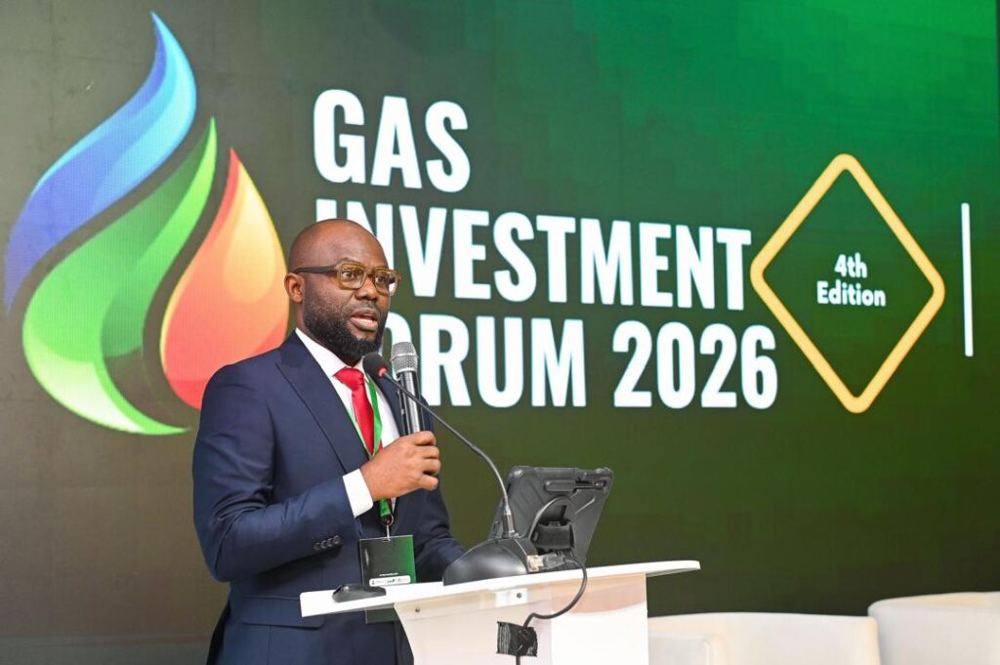
For Nigeria to move beyond its perpetual status as a nation of untapped natural potential and establish itself as Africa’s global gas powerhouse, the country must urgently shift its focus from policy declarations to disciplined project execution, reliable infrastructure, and bankable commercial frameworks. This was the central submission of Ralph Gbobo, Managing Director of Shell Nigeria Gas (SNG), whose sponsor’s goodwill message and keynote address was delivered by Chidiebere Okocha, Head of Corporate Relations at SNG, who represented the Managing Director at the Gas Investment Forum yesterday in Abuja. Speaking under the event’s central theme, “Positioning Nigeria as Africa’s Global Gas Powerhouse,” the SNG boss stressed that Nigeria’s vast natural gas reserves will yield no tangible economic value until they are safely transported to factories, power plants, and industrial clusters across the country. The call to action comes as Shell Nigeria Gas received the Integrated Company of the Year Award at the event. The award was received on behalf of the Managing Director, SNG, by Noredia Douglas-Jombo, Media and Communications Adviser, SNG, a recognition that underscores the company’s expanding footprint in domestic gas distribution and industrial monetization. Addressing an audience of high-level government officials, including the Special Adviser to the President on Energy, cabinet ministers, regulatory heads, industry captains, and international investors, Gbobo pointed out that as Nigeria navigates the second half of its designated ‘Decade of Gas,’ the fundamental question facing policymakers and operators is no longer whether an opportunity exists, but how quickly and effectively the nation can translate its ambitions into market-ready realities. “Nigeria is richly endowed with gas. But resources in the ground do not, by themselves, create economic value,” Gbobo stated. “Value is created when gas reaches a factory, when it powers a productive enterprise, when it supports manufacturing, when it enables new investment, when it creates jobs and improves the competitiveness of Nigerian businesses. That is the real measure of a gas powerhouse.” He argued that gas must be viewed as far more than a basic energy source, describing it as a vital industrial feedstock, an enabler of national energy security, a catalyst for economic diversification, and the bedrock of Nigeria’s long-term global competitiveness. To bridge the gap between policy ambition and practical market development, the SNG chief outlined four strategic imperatives that must define the next phase of Nigeria’s gas development agenda, which include creating an investment climate rooted in confidence, synchronizing infrastructure expansion with demand, making execution the defining national priority, and adopting collaboration as an operational model. Highlighting the capital-intensive nature of gas infrastructure, Gbobo warned that global investment capital is increasingly mobile and competitive. For Nigeria to secure needed funds, it must offer institutional investors an environment built on regulatory predictability, commercial viability, and transparent processes. “Gas infrastructure requires significant capital, long-term commitment and disciplined execution,” he remarked. “Policy ambition is important, but policy must ultimately translate into conditions that allow credible projects to secure funding, reach final investment decisions, and proceed to execution. Nigeria will strengthen its position as a preferred gas investment destination when investors can see not only the scale of the opportunity, but also a clear and dependable pathway for delivering it.” Gbobo cautioned against building infrastructure in isolation, noting that pipelines, distribution networks, and processing plants must be directly linked to bankable markets to remain viable. “We must connect gas supply to industrial clusters, manufacturing centres, power projects, and other productive demand areas,” Gbobo urged. “Supply without bankable demand will not deliver sustainable investment. Demand without reliable infrastructure will constrain growth. The strongest projects are those that align supply, infrastructure, customers, and commercial structures from the outset.” Moving away from theoretical discussion, Gbobo insisted that Nigeria’s gas sector requires an unwavering focus on project delivery, early stakeholder engagement, regulatory harmonization, and customer-centric design. He highlighted SNG’s own track record as proof that gas infrastructure succeeds when anchored around customer needs and trusted partnerships. SNG currently powers industrial manufacturing hubs across Ogun, Lagos, Rivers, and Abia States, while actively pursuing network extensions into new commercial corridors. “Our objective is not merely to extend pipelines,” Gbobo explained. “It is to bring reliable gas closer to businesses, support industrial productivity, and help create the conditions in which customers can invest and grow with confidence.” Addressing the complex value chain of the gas sector, Gbobo stressed that no single entity, whether government, regulator, producer, or financier, can drive the transition alone. He called for an operational model where policy, regulation, capital, technology, and end-user demand converge seamlessly. “Collaboration must move beyond dialogue,” he emphasized. “It must shorten decision-making, resolve constraints, and accelerate project delivery.” In his concluding remarks, Gbobo reminded delegates that the global investment community judges nations by project delivery rather than reserve volumes. He reiterated Shell Nigeria Gas’s continued commitment to deepening domestic gas utilization, expanding distribution networks, and collaborating with government entities and industrial clients. “Positioning Nigeria as Africa’s global gas powerhouse will not be achieved solely by the size of our reserves,” Gbobo asserted. “It will be achieved by the reliability of our gas supply, the reach and resilience of our infrastructure, the competitiveness of our commercial and regulatory environment, the strength of our domestic market, and, most importantly, our ability to deliver projects from concept to operation.” He urged forum participants to leave the conference with actionable outcomes, including accelerating strategic projects, eliminating investment bottlenecks, establishing functional commercial structures, and connecting more industrial manufacturing plants to domestic gas supplies. “The opportunity is before us. The resources are available. The market is significant. The capability exists,” Gbobo concluded. “What is required now is the collective will to execute. If we forge ahead and lead together, Nigeria will not merely aspire to become Africa’s global gas powerhouse, she will build the infrastructure, markets, and investor confidence required to become one.” Share
This was the central submission of Ralph Gbobo, Managing Director of Shell Nigeria Gas (SNG), whose sponsor’s goodwill message and keynote address was delivered by Chidiebere Okocha, Head of Corporate Relations at SNG, who represented the Managing Director at the Gas Investment Forum yesterday in Abuja. Speaking under the event’s central theme, “Positioning Nigeria as Africa’s Global Gas Powerhouse,” the SNG boss stressed that Nigeria’s vast natural gas reserves will yield no tangible economic value until they are safely transported to factories, power plants, and industrial clusters across the country. The call to action comes as Shell Nigeria Gas received the Integrated Company of the Year Award at the event. The award was received on behalf of the Managing Director, SNG, by Noredia Douglas-Jombo, Media and Communications Adviser, SNG, a recognition that underscores the company’s expanding footprint in domestic gas distribution and industrial monetization. Addressing an audience of high-level government officials, including the Special Adviser to the President on Energy, cabinet ministers, regulatory heads, industry captains, and international investors, Gbobo pointed out that as Nigeria navigates the second half of its designated ‘Decade of Gas,’ the fundamental question facing policymakers and operators is no longer whether an opportunity exists, but how quickly and effectively the nation can translate its ambitions into market-ready realities. “Nigeria is richly endowed with gas. But resources in the ground do not, by themselves, create economic value,” Gbobo stated. “Value is created when gas reaches a factory, when it powers a productive enterprise, when it supports manufacturing, when it enables new investment, when it creates jobs and improves the competitiveness of Nigerian businesses. That is the real measure of a gas powerhouse.” He argued that gas must be viewed as far more than a basic energy source, describing it as a vital industrial feedstock, an enabler of national energy security, a catalyst for economic diversification, and the bedrock of Nigeria’s long-term global competitiveness. To bridge the gap between policy ambition and practical market development, the SNG chief outlined four strategic imperatives that must define the next phase of Nigeria’s gas development agenda, which include creating an investment climate rooted in confidence, synchronizing infrastructure expansion with demand, making execution the defining national priority, and adopting collaboration as an operational model. Highlighting the capital-intensive nature of gas infrastructure, Gbobo warned that global investment capital is increasingly mobile and competitive. For Nigeria to secure needed funds, it must offer institutional investors an environment built on regulatory predictability, commercial viability, and transparent processes. “Gas infrastructure requires significant capital, long-term commitment and disciplined execution,” he remarked. “Policy ambition is important, but policy must ultimately translate into conditions that allow credible projects to secure funding, reach final investment decisions, and proceed to execution. Nigeria will strengthen its position as a preferred gas investment destination when investors can see not only the scale of the opportunity, but also a clear and dependable pathway for delivering it.” Gbobo cautioned against building infrastructure in isolation, noting that pipelines, distribution networks, and processing plants must be directly linked to bankable markets to remain viable. “We must connect gas supply to industrial clusters, manufacturing centres, power projects, and other productive demand areas,” Gbobo urged. “Supply without bankable demand will not deliver sustainable investment. Demand without reliable infrastructure will constrain growth. The strongest projects are those that align supply, infrastructure, customers, and commercial structures from the outset.” Moving away from theoretical discussion, Gbobo insisted that Nigeria’s gas sector requires an unwavering focus on project delivery, early stakeholder engagement, regulatory harmonization, and customer-centric design. He highlighted SNG’s own track record as proof that gas infrastructure succeeds when anchored around customer needs and trusted partnerships. SNG currently powers industrial manufacturing hubs across Ogun, Lagos, Rivers, and Abia States, while actively pursuing network extensions into new commercial corridors. “Our objective is not merely to extend pipelines,” Gbobo explained. “It is to bring reliable gas closer to businesses, support industrial productivity, and help create the conditions in which customers can invest and grow with confidence.” Addressing the complex value chain of the gas sector, Gbobo stressed that no single entity, whether government, regulator, producer, or financier, can drive the transition alone. He called for an operational model where policy, regulation, capital, technology, and end-user demand converge seamlessly. “Collaboration must move beyond dialogue,” he emphasized. “It must shorten decision-making, resolve constraints, and accelerate project delivery.” In his concluding remarks, Gbobo reminded delegates that the global investment community judges nations by project delivery rather than reserve volumes. He reiterated Shell Nigeria Gas’s continued commitment to deepening domestic gas utilization, expanding distribution networks, and collaborating with government entities and industrial clients. “Positioning Nigeria as Africa’s global gas powerhouse will not be achieved solely by the size of our reserves,” Gbobo asserted. “It will be achieved by the reliability of our gas supply, the reach and resilience of our infrastructure, the competitiveness of our commercial and regulatory environment, the strength of our domestic market, and, most importantly, our ability to deliver projects from concept to operation.” He urged forum participants to leave the conference with actionable outcomes, including accelerating strategic projects, eliminating investment bottlenecks, establishing functional commercial structures, and connecting more industrial manufacturing plants to domestic gas supplies. “The opportunity is before us. The resources are available. The market is significant. The capability exists,” Gbobo concluded. “What is required now is the collective will to execute. If we forge ahead and lead together, Nigeria will not merely aspire to become Africa’s global gas powerhouse, she will build the infrastructure, markets, and investor confidence required to become one.” Share
Speaking under the event’s central theme, “Positioning Nigeria as Africa’s Global Gas Powerhouse,” the SNG boss stressed that Nigeria’s vast natural gas reserves will yield no tangible economic value until they are safely transported to factories, power plants, and industrial clusters across the country. The call to action comes as Shell Nigeria Gas received the Integrated Company of the Year Award at the event. The award was received on behalf of the Managing Director, SNG, by Noredia Douglas-Jombo, Media and Communications Adviser, SNG, a recognition that underscores the company’s expanding footprint in domestic gas distribution and industrial monetization. Addressing an audience of high-level government officials, including the Special Adviser to the President on Energy, cabinet ministers, regulatory heads, industry captains, and international investors, Gbobo pointed out that as Nigeria navigates the second half of its designated ‘Decade of Gas,’ the fundamental question facing policymakers and operators is no longer whether an opportunity exists, but how quickly and effectively the nation can translate its ambitions into market-ready realities. “Nigeria is richly endowed with gas. But resources in the ground do not, by themselves, create economic value,” Gbobo stated. “Value is created when gas reaches a factory, when it powers a productive enterprise, when it supports manufacturing, when it enables new investment, when it creates jobs and improves the competitiveness of Nigerian businesses. That is the real measure of a gas powerhouse.” He argued that gas must be viewed as far more than a basic energy source, describing it as a vital industrial feedstock, an enabler of national energy security, a catalyst for economic diversification, and the bedrock of Nigeria’s long-term global competitiveness. To bridge the gap between policy ambition and practical market development, the SNG chief outlined four strategic imperatives that must define the next phase of Nigeria’s gas development agenda, which include creating an investment climate rooted in confidence, synchronizing infrastructure expansion with demand, making execution the defining national priority, and adopting collaboration as an operational model. Highlighting the capital-intensive nature of gas infrastructure, Gbobo warned that global investment capital is increasingly mobile and competitive. For Nigeria to secure needed funds, it must offer institutional investors an environment built on regulatory predictability, commercial viability, and transparent processes. “Gas infrastructure requires significant capital, long-term commitment and disciplined execution,” he remarked. “Policy ambition is important, but policy must ultimately translate into conditions that allow credible projects to secure funding, reach final investment decisions, and proceed to execution. Nigeria will strengthen its position as a preferred gas investment destination when investors can see not only the scale of the opportunity, but also a clear and dependable pathway for delivering it.” Gbobo cautioned against building infrastructure in isolation, noting that pipelines, distribution networks, and processing plants must be directly linked to bankable markets to remain viable. “We must connect gas supply to industrial clusters, manufacturing centres, power projects, and other productive demand areas,” Gbobo urged. “Supply without bankable demand will not deliver sustainable investment. Demand without reliable infrastructure will constrain growth. The strongest projects are those that align supply, infrastructure, customers, and commercial structures from the outset.” Moving away from theoretical discussion, Gbobo insisted that Nigeria’s gas sector requires an unwavering focus on project delivery, early stakeholder engagement, regulatory harmonization, and customer-centric design. He highlighted SNG’s own track record as proof that gas infrastructure succeeds when anchored around customer needs and trusted partnerships. SNG currently powers industrial manufacturing hubs across Ogun, Lagos, Rivers, and Abia States, while actively pursuing network extensions into new commercial corridors. “Our objective is not merely to extend pipelines,” Gbobo explained. “It is to bring reliable gas closer to businesses, support industrial productivity, and help create the conditions in which customers can invest and grow with confidence.” Addressing the complex value chain of the gas sector, Gbobo stressed that no single entity, whether government, regulator, producer, or financier, can drive the transition alone. He called for an operational model where policy, regulation, capital, technology, and end-user demand converge seamlessly. “Collaboration must move beyond dialogue,” he emphasized. “It must shorten decision-making, resolve constraints, and accelerate project delivery.” In his concluding remarks, Gbobo reminded delegates that the global investment community judges nations by project delivery rather than reserve volumes. He reiterated Shell Nigeria Gas’s continued commitment to deepening domestic gas utilization, expanding distribution networks, and collaborating with government entities and industrial clients. “Positioning Nigeria as Africa’s global gas powerhouse will not be achieved solely by the size of our reserves,” Gbobo asserted. “It will be achieved by the reliability of our gas supply, the reach and resilience of our infrastructure, the competitiveness of our commercial and regulatory environment, the strength of our domestic market, and, most importantly, our ability to deliver projects from concept to operation.” He urged forum participants to leave the conference with actionable outcomes, including accelerating strategic projects, eliminating investment bottlenecks, establishing functional commercial structures, and connecting more industrial manufacturing plants to domestic gas supplies. “The opportunity is before us. The resources are available. The market is significant. The capability exists,” Gbobo concluded. “What is required now is the collective will to execute. If we forge ahead and lead together, Nigeria will not merely aspire to become Africa’s global gas powerhouse, she will build the infrastructure, markets, and investor confidence required to become one.” Share
The call to action comes as Shell Nigeria Gas received the Integrated Company of the Year Award at the event. The award was received on behalf of the Managing Director, SNG, by Noredia Douglas-Jombo, Media and Communications Adviser, SNG, a recognition that underscores the company’s expanding footprint in domestic gas distribution and industrial monetization. Addressing an audience of high-level government officials, including the Special Adviser to the President on Energy, cabinet ministers, regulatory heads, industry captains, and international investors, Gbobo pointed out that as Nigeria navigates the second half of its designated ‘Decade of Gas,’ the fundamental question facing policymakers and operators is no longer whether an opportunity exists, but how quickly and effectively the nation can translate its ambitions into market-ready realities. “Nigeria is richly endowed with gas. But resources in the ground do not, by themselves, create economic value,” Gbobo stated. “Value is created when gas reaches a factory, when it powers a productive enterprise, when it supports manufacturing, when it enables new investment, when it creates jobs and improves the competitiveness of Nigerian businesses. That is the real measure of a gas powerhouse.” He argued that gas must be viewed as far more than a basic energy source, describing it as a vital industrial feedstock, an enabler of national energy security, a catalyst for economic diversification, and the bedrock of Nigeria’s long-term global competitiveness. To bridge the gap between policy ambition and practical market development, the SNG chief outlined four strategic imperatives that must define the next phase of Nigeria’s gas development agenda, which include creating an investment climate rooted in confidence, synchronizing infrastructure expansion with demand, making execution the defining national priority, and adopting collaboration as an operational model. Highlighting the capital-intensive nature of gas infrastructure, Gbobo warned that global investment capital is increasingly mobile and competitive. For Nigeria to secure needed funds, it must offer institutional investors an environment built on regulatory predictability, commercial viability, and transparent processes. “Gas infrastructure requires significant capital, long-term commitment and disciplined execution,” he remarked. “Policy ambition is important, but policy must ultimately translate into conditions that allow credible projects to secure funding, reach final investment decisions, and proceed to execution. Nigeria will strengthen its position as a preferred gas investment destination when investors can see not only the scale of the opportunity, but also a clear and dependable pathway for delivering it.” Gbobo cautioned against building infrastructure in isolation, noting that pipelines, distribution networks, and processing plants must be directly linked to bankable markets to remain viable. “We must connect gas supply to industrial clusters, manufacturing centres, power projects, and other productive demand areas,” Gbobo urged. “Supply without bankable demand will not deliver sustainable investment. Demand without reliable infrastructure will constrain growth. The strongest projects are those that align supply, infrastructure, customers, and commercial structures from the outset.” Moving away from theoretical discussion, Gbobo insisted that Nigeria’s gas sector requires an unwavering focus on project delivery, early stakeholder engagement, regulatory harmonization, and customer-centric design. He highlighted SNG’s own track record as proof that gas infrastructure succeeds when anchored around customer needs and trusted partnerships. SNG currently powers industrial manufacturing hubs across Ogun, Lagos, Rivers, and Abia States, while actively pursuing network extensions into new commercial corridors. “Our objective is not merely to extend pipelines,” Gbobo explained. “It is to bring reliable gas closer to businesses, support industrial productivity, and help create the conditions in which customers can invest and grow with confidence.” Addressing the complex value chain of the gas sector, Gbobo stressed that no single entity, whether government, regulator, producer, or financier, can drive the transition alone. He called for an operational model where policy, regulation, capital, technology, and end-user demand converge seamlessly. “Collaboration must move beyond dialogue,” he emphasized. “It must shorten decision-making, resolve constraints, and accelerate project delivery.” In his concluding remarks, Gbobo reminded delegates that the global investment community judges nations by project delivery rather than reserve volumes. He reiterated Shell Nigeria Gas’s continued commitment to deepening domestic gas utilization, expanding distribution networks, and collaborating with government entities and industrial clients. “Positioning Nigeria as Africa’s global gas powerhouse will not be achieved solely by the size of our reserves,” Gbobo asserted. “It will be achieved by the reliability of our gas supply, the reach and resilience of our infrastructure, the competitiveness of our commercial and regulatory environment, the strength of our domestic market, and, most importantly, our ability to deliver projects from concept to operation.” He urged forum participants to leave the conference with actionable outcomes, including accelerating strategic projects, eliminating investment bottlenecks, establishing functional commercial structures, and connecting more industrial manufacturing plants to domestic gas supplies. “The opportunity is before us. The resources are available. The market is significant. The capability exists,” Gbobo concluded. “What is required now is the collective will to execute. If we forge ahead and lead together, Nigeria will not merely aspire to become Africa’s global gas powerhouse, she will build the infrastructure, markets, and investor confidence required to become one.” Share
Addressing an audience of high-level government officials, including the Special Adviser to the President on Energy, cabinet ministers, regulatory heads, industry captains, and international investors, Gbobo pointed out that as Nigeria navigates the second half of its designated ‘Decade of Gas,’ the fundamental question facing policymakers and operators is no longer whether an opportunity exists, but how quickly and effectively the nation can translate its ambitions into market-ready realities. “Nigeria is richly endowed with gas. But resources in the ground do not, by themselves, create economic value,” Gbobo stated. “Value is created when gas reaches a factory, when it powers a productive enterprise, when it supports manufacturing, when it enables new investment, when it creates jobs and improves the competitiveness of Nigerian businesses. That is the real measure of a gas powerhouse.” He argued that gas must be viewed as far more than a basic energy source, describing it as a vital industrial feedstock, an enabler of national energy security, a catalyst for economic diversification, and the bedrock of Nigeria’s long-term global competitiveness. To bridge the gap between policy ambition and practical market development, the SNG chief outlined four strategic imperatives that must define the next phase of Nigeria’s gas development agenda, which include creating an investment climate rooted in confidence, synchronizing infrastructure expansion with demand, making execution the defining national priority, and adopting collaboration as an operational model. Highlighting the capital-intensive nature of gas infrastructure, Gbobo warned that global investment capital is increasingly mobile and competitive. For Nigeria to secure needed funds, it must offer institutional investors an environment built on regulatory predictability, commercial viability, and transparent processes. “Gas infrastructure requires significant capital, long-term commitment and disciplined execution,” he remarked. “Policy ambition is important, but policy must ultimately translate into conditions that allow credible projects to secure funding, reach final investment decisions, and proceed to execution. Nigeria will strengthen its position as a preferred gas investment destination when investors can see not only the scale of the opportunity, but also a clear and dependable pathway for delivering it.” Gbobo cautioned against building infrastructure in isolation, noting that pipelines, distribution networks, and processing plants must be directly linked to bankable markets to remain viable. “We must connect gas supply to industrial clusters, manufacturing centres, power projects, and other productive demand areas,” Gbobo urged. “Supply without bankable demand will not deliver sustainable investment. Demand without reliable infrastructure will constrain growth. The strongest projects are those that align supply, infrastructure, customers, and commercial structures from the outset.” Moving away from theoretical discussion, Gbobo insisted that Nigeria’s gas sector requires an unwavering focus on project delivery, early stakeholder engagement, regulatory harmonization, and customer-centric design. He highlighted SNG’s own track record as proof that gas infrastructure succeeds when anchored around customer needs and trusted partnerships. SNG currently powers industrial manufacturing hubs across Ogun, Lagos, Rivers, and Abia States, while actively pursuing network extensions into new commercial corridors. “Our objective is not merely to extend pipelines,” Gbobo explained. “It is to bring reliable gas closer to businesses, support industrial productivity, and help create the conditions in which customers can invest and grow with confidence.” Addressing the complex value chain of the gas sector, Gbobo stressed that no single entity, whether government, regulator, producer, or financier, can drive the transition alone. He called for an operational model where policy, regulation, capital, technology, and end-user demand converge seamlessly. “Collaboration must move beyond dialogue,” he emphasized. “It must shorten decision-making, resolve constraints, and accelerate project delivery.” In his concluding remarks, Gbobo reminded delegates that the global investment community judges nations by project delivery rather than reserve volumes. He reiterated Shell Nigeria Gas’s continued commitment to deepening domestic gas utilization, expanding distribution networks, and collaborating with government entities and industrial clients. “Positioning Nigeria as Africa’s global gas powerhouse will not be achieved solely by the size of our reserves,” Gbobo asserted. “It will be achieved by the reliability of our gas supply, the reach and resilience of our infrastructure, the competitiveness of our commercial and regulatory environment, the strength of our domestic market, and, most importantly, our ability to deliver projects from concept to operation.” He urged forum participants to leave the conference with actionable outcomes, including accelerating strategic projects, eliminating investment bottlenecks, establishing functional commercial structures, and connecting more industrial manufacturing plants to domestic gas supplies. “The opportunity is before us. The resources are available. The market is significant. The capability exists,” Gbobo concluded. “What is required now is the collective will to execute. If we forge ahead and lead together, Nigeria will not merely aspire to become Africa’s global gas powerhouse, she will build the infrastructure, markets, and investor confidence required to become one.” Share
“Nigeria is richly endowed with gas. But resources in the ground do not, by themselves, create economic value,” Gbobo stated. “Value is created when gas reaches a factory, when it powers a productive enterprise, when it supports manufacturing, when it enables new investment, when it creates jobs and improves the competitiveness of Nigerian businesses. That is the real measure of a gas powerhouse.” He argued that gas must be viewed as far more than a basic energy source, describing it as a vital industrial feedstock, an enabler of national energy security, a catalyst for economic diversification, and the bedrock of Nigeria’s long-term global competitiveness. To bridge the gap between policy ambition and practical market development, the SNG chief outlined four strategic imperatives that must define the next phase of Nigeria’s gas development agenda, which include creating an investment climate rooted in confidence, synchronizing infrastructure expansion with demand, making execution the defining national priority, and adopting collaboration as an operational model. Highlighting the capital-intensive nature of gas infrastructure, Gbobo warned that global investment capital is increasingly mobile and competitive. For Nigeria to secure needed funds, it must offer institutional investors an environment built on regulatory predictability, commercial viability, and transparent processes. “Gas infrastructure requires significant capital, long-term commitment and disciplined execution,” he remarked. “Policy ambition is important, but policy must ultimately translate into conditions that allow credible projects to secure funding, reach final investment decisions, and proceed to execution. Nigeria will strengthen its position as a preferred gas investment destination when investors can see not only the scale of the opportunity, but also a clear and dependable pathway for delivering it.” Gbobo cautioned against building infrastructure in isolation, noting that pipelines, distribution networks, and processing plants must be directly linked to bankable markets to remain viable. “We must connect gas supply to industrial clusters, manufacturing centres, power projects, and other productive demand areas,” Gbobo urged. “Supply without bankable demand will not deliver sustainable investment. Demand without reliable infrastructure will constrain growth. The strongest projects are those that align supply, infrastructure, customers, and commercial structures from the outset.” Moving away from theoretical discussion, Gbobo insisted that Nigeria’s gas sector requires an unwavering focus on project delivery, early stakeholder engagement, regulatory harmonization, and customer-centric design. He highlighted SNG’s own track record as proof that gas infrastructure succeeds when anchored around customer needs and trusted partnerships. SNG currently powers industrial manufacturing hubs across Ogun, Lagos, Rivers, and Abia States, while actively pursuing network extensions into new commercial corridors. “Our objective is not merely to extend pipelines,” Gbobo explained. “It is to bring reliable gas closer to businesses, support industrial productivity, and help create the conditions in which customers can invest and grow with confidence.” Addressing the complex value chain of the gas sector, Gbobo stressed that no single entity, whether government, regulator, producer, or financier, can drive the transition alone. He called for an operational model where policy, regulation, capital, technology, and end-user demand converge seamlessly. “Collaboration must move beyond dialogue,” he emphasized. “It must shorten decision-making, resolve constraints, and accelerate project delivery.” In his concluding remarks, Gbobo reminded delegates that the global investment community judges nations by project delivery rather than reserve volumes. He reiterated Shell Nigeria Gas’s continued commitment to deepening domestic gas utilization, expanding distribution networks, and collaborating with government entities and industrial clients. “Positioning Nigeria as Africa’s global gas powerhouse will not be achieved solely by the size of our reserves,” Gbobo asserted. “It will be achieved by the reliability of our gas supply, the reach and resilience of our infrastructure, the competitiveness of our commercial and regulatory environment, the strength of our domestic market, and, most importantly, our ability to deliver projects from concept to operation.” He urged forum participants to leave the conference with actionable outcomes, including accelerating strategic projects, eliminating investment bottlenecks, establishing functional commercial structures, and connecting more industrial manufacturing plants to domestic gas supplies. “The opportunity is before us. The resources are available. The market is significant. The capability exists,” Gbobo concluded. “What is required now is the collective will to execute. If we forge ahead and lead together, Nigeria will not merely aspire to become Africa’s global gas powerhouse, she will build the infrastructure, markets, and investor confidence required to become one.” Share
He argued that gas must be viewed as far more than a basic energy source, describing it as a vital industrial feedstock, an enabler of national energy security, a catalyst for economic diversification, and the bedrock of Nigeria’s long-term global competitiveness. To bridge the gap between policy ambition and practical market development, the SNG chief outlined four strategic imperatives that must define the next phase of Nigeria’s gas development agenda, which include creating an investment climate rooted in confidence, synchronizing infrastructure expansion with demand, making execution the defining national priority, and adopting collaboration as an operational model. Highlighting the capital-intensive nature of gas infrastructure, Gbobo warned that global investment capital is increasingly mobile and competitive. For Nigeria to secure needed funds, it must offer institutional investors an environment built on regulatory predictability, commercial viability, and transparent processes. “Gas infrastructure requires significant capital, long-term commitment and disciplined execution,” he remarked. “Policy ambition is important, but policy must ultimately translate into conditions that allow credible projects to secure funding, reach final investment decisions, and proceed to execution. Nigeria will strengthen its position as a preferred gas investment destination when investors can see not only the scale of the opportunity, but also a clear and dependable pathway for delivering it.” Gbobo cautioned against building infrastructure in isolation, noting that pipelines, distribution networks, and processing plants must be directly linked to bankable markets to remain viable. “We must connect gas supply to industrial clusters, manufacturing centres, power projects, and other productive demand areas,” Gbobo urged. “Supply without bankable demand will not deliver sustainable investment. Demand without reliable infrastructure will constrain growth. The strongest projects are those that align supply, infrastructure, customers, and commercial structures from the outset.” Moving away from theoretical discussion, Gbobo insisted that Nigeria’s gas sector requires an unwavering focus on project delivery, early stakeholder engagement, regulatory harmonization, and customer-centric design. He highlighted SNG’s own track record as proof that gas infrastructure succeeds when anchored around customer needs and trusted partnerships. SNG currently powers industrial manufacturing hubs across Ogun, Lagos, Rivers, and Abia States, while actively pursuing network extensions into new commercial corridors. “Our objective is not merely to extend pipelines,” Gbobo explained. “It is to bring reliable gas closer to businesses, support industrial productivity, and help create the conditions in which customers can invest and grow with confidence.” Addressing the complex value chain of the gas sector, Gbobo stressed that no single entity, whether government, regulator, producer, or financier, can drive the transition alone. He called for an operational model where policy, regulation, capital, technology, and end-user demand converge seamlessly. “Collaboration must move beyond dialogue,” he emphasized. “It must shorten decision-making, resolve constraints, and accelerate project delivery.” In his concluding remarks, Gbobo reminded delegates that the global investment community judges nations by project delivery rather than reserve volumes. He reiterated Shell Nigeria Gas’s continued commitment to deepening domestic gas utilization, expanding distribution networks, and collaborating with government entities and industrial clients. “Positioning Nigeria as Africa’s global gas powerhouse will not be achieved solely by the size of our reserves,” Gbobo asserted. “It will be achieved by the reliability of our gas supply, the reach and resilience of our infrastructure, the competitiveness of our commercial and regulatory environment, the strength of our domestic market, and, most importantly, our ability to deliver projects from concept to operation.” He urged forum participants to leave the conference with actionable outcomes, including accelerating strategic projects, eliminating investment bottlenecks, establishing functional commercial structures, and connecting more industrial manufacturing plants to domestic gas supplies. “The opportunity is before us. The resources are available. The market is significant. The capability exists,” Gbobo concluded. “What is required now is the collective will to execute. If we forge ahead and lead together, Nigeria will not merely aspire to become Africa’s global gas powerhouse, she will build the infrastructure, markets, and investor confidence required to become one.” Share
To bridge the gap between policy ambition and practical market development, the SNG chief outlined four strategic imperatives that must define the next phase of Nigeria’s gas development agenda, which include creating an investment climate rooted in confidence, synchronizing infrastructure expansion with demand, making execution the defining national priority, and adopting collaboration as an operational model. Highlighting the capital-intensive nature of gas infrastructure, Gbobo warned that global investment capital is increasingly mobile and competitive. For Nigeria to secure needed funds, it must offer institutional investors an environment built on regulatory predictability, commercial viability, and transparent processes. “Gas infrastructure requires significant capital, long-term commitment and disciplined execution,” he remarked. “Policy ambition is important, but policy must ultimately translate into conditions that allow credible projects to secure funding, reach final investment decisions, and proceed to execution. Nigeria will strengthen its position as a preferred gas investment destination when investors can see not only the scale of the opportunity, but also a clear and dependable pathway for delivering it.” Gbobo cautioned against building infrastructure in isolation, noting that pipelines, distribution networks, and processing plants must be directly linked to bankable markets to remain viable. “We must connect gas supply to industrial clusters, manufacturing centres, power projects, and other productive demand areas,” Gbobo urged. “Supply without bankable demand will not deliver sustainable investment. Demand without reliable infrastructure will constrain growth. The strongest projects are those that align supply, infrastructure, customers, and commercial structures from the outset.” Moving away from theoretical discussion, Gbobo insisted that Nigeria’s gas sector requires an unwavering focus on project delivery, early stakeholder engagement, regulatory harmonization, and customer-centric design. He highlighted SNG’s own track record as proof that gas infrastructure succeeds when anchored around customer needs and trusted partnerships. SNG currently powers industrial manufacturing hubs across Ogun, Lagos, Rivers, and Abia States, while actively pursuing network extensions into new commercial corridors. “Our objective is not merely to extend pipelines,” Gbobo explained. “It is to bring reliable gas closer to businesses, support industrial productivity, and help create the conditions in which customers can invest and grow with confidence.” Addressing the complex value chain of the gas sector, Gbobo stressed that no single entity, whether government, regulator, producer, or financier, can drive the transition alone. He called for an operational model where policy, regulation, capital, technology, and end-user demand converge seamlessly. “Collaboration must move beyond dialogue,” he emphasized. “It must shorten decision-making, resolve constraints, and accelerate project delivery.” In his concluding remarks, Gbobo reminded delegates that the global investment community judges nations by project delivery rather than reserve volumes. He reiterated Shell Nigeria Gas’s continued commitment to deepening domestic gas utilization, expanding distribution networks, and collaborating with government entities and industrial clients. “Positioning Nigeria as Africa’s global gas powerhouse will not be achieved solely by the size of our reserves,” Gbobo asserted. “It will be achieved by the reliability of our gas supply, the reach and resilience of our infrastructure, the competitiveness of our commercial and regulatory environment, the strength of our domestic market, and, most importantly, our ability to deliver projects from concept to operation.” He urged forum participants to leave the conference with actionable outcomes, including accelerating strategic projects, eliminating investment bottlenecks, establishing functional commercial structures, and connecting more industrial manufacturing plants to domestic gas supplies. “The opportunity is before us. The resources are available. The market is significant. The capability exists,” Gbobo concluded. “What is required now is the collective will to execute. If we forge ahead and lead together, Nigeria will not merely aspire to become Africa’s global gas powerhouse, she will build the infrastructure, markets, and investor confidence required to become one.” Share
Highlighting the capital-intensive nature of gas infrastructure, Gbobo warned that global investment capital is increasingly mobile and competitive. For Nigeria to secure needed funds, it must offer institutional investors an environment built on regulatory predictability, commercial viability, and transparent processes. “Gas infrastructure requires significant capital, long-term commitment and disciplined execution,” he remarked. “Policy ambition is important, but policy must ultimately translate into conditions that allow credible projects to secure funding, reach final investment decisions, and proceed to execution. Nigeria will strengthen its position as a preferred gas investment destination when investors can see not only the scale of the opportunity, but also a clear and dependable pathway for delivering it.” Gbobo cautioned against building infrastructure in isolation, noting that pipelines, distribution networks, and processing plants must be directly linked to bankable markets to remain viable. “We must connect gas supply to industrial clusters, manufacturing centres, power projects, and other productive demand areas,” Gbobo urged. “Supply without bankable demand will not deliver sustainable investment. Demand without reliable infrastructure will constrain growth. The strongest projects are those that align supply, infrastructure, customers, and commercial structures from the outset.” Moving away from theoretical discussion, Gbobo insisted that Nigeria’s gas sector requires an unwavering focus on project delivery, early stakeholder engagement, regulatory harmonization, and customer-centric design. He highlighted SNG’s own track record as proof that gas infrastructure succeeds when anchored around customer needs and trusted partnerships. SNG currently powers industrial manufacturing hubs across Ogun, Lagos, Rivers, and Abia States, while actively pursuing network extensions into new commercial corridors. “Our objective is not merely to extend pipelines,” Gbobo explained. “It is to bring reliable gas closer to businesses, support industrial productivity, and help create the conditions in which customers can invest and grow with confidence.” Addressing the complex value chain of the gas sector, Gbobo stressed that no single entity, whether government, regulator, producer, or financier, can drive the transition alone. He called for an operational model where policy, regulation, capital, technology, and end-user demand converge seamlessly. “Collaboration must move beyond dialogue,” he emphasized. “It must shorten decision-making, resolve constraints, and accelerate project delivery.” In his concluding remarks, Gbobo reminded delegates that the global investment community judges nations by project delivery rather than reserve volumes. He reiterated Shell Nigeria Gas’s continued commitment to deepening domestic gas utilization, expanding distribution networks, and collaborating with government entities and industrial clients. “Positioning Nigeria as Africa’s global gas powerhouse will not be achieved solely by the size of our reserves,” Gbobo asserted. “It will be achieved by the reliability of our gas supply, the reach and resilience of our infrastructure, the competitiveness of our commercial and regulatory environment, the strength of our domestic market, and, most importantly, our ability to deliver projects from concept to operation.” He urged forum participants to leave the conference with actionable outcomes, including accelerating strategic projects, eliminating investment bottlenecks, establishing functional commercial structures, and connecting more industrial manufacturing plants to domestic gas supplies. “The opportunity is before us. The resources are available. The market is significant. The capability exists,” Gbobo concluded. “What is required now is the collective will to execute. If we forge ahead and lead together, Nigeria will not merely aspire to become Africa’s global gas powerhouse, she will build the infrastructure, markets, and investor confidence required to become one.” Share
“Gas infrastructure requires significant capital, long-term commitment and disciplined execution,” he remarked. “Policy ambition is important, but policy must ultimately translate into conditions that allow credible projects to secure funding, reach final investment decisions, and proceed to execution. Nigeria will strengthen its position as a preferred gas investment destination when investors can see not only the scale of the opportunity, but also a clear and dependable pathway for delivering it.” Gbobo cautioned against building infrastructure in isolation, noting that pipelines, distribution networks, and processing plants must be directly linked to bankable markets to remain viable. “We must connect gas supply to industrial clusters, manufacturing centres, power projects, and other productive demand areas,” Gbobo urged. “Supply without bankable demand will not deliver sustainable investment. Demand without reliable infrastructure will constrain growth. The strongest projects are those that align supply, infrastructure, customers, and commercial structures from the outset.” Moving away from theoretical discussion, Gbobo insisted that Nigeria’s gas sector requires an unwavering focus on project delivery, early stakeholder engagement, regulatory harmonization, and customer-centric design. He highlighted SNG’s own track record as proof that gas infrastructure succeeds when anchored around customer needs and trusted partnerships. SNG currently powers industrial manufacturing hubs across Ogun, Lagos, Rivers, and Abia States, while actively pursuing network extensions into new commercial corridors. “Our objective is not merely to extend pipelines,” Gbobo explained. “It is to bring reliable gas closer to businesses, support industrial productivity, and help create the conditions in which customers can invest and grow with confidence.” Addressing the complex value chain of the gas sector, Gbobo stressed that no single entity, whether government, regulator, producer, or financier, can drive the transition alone. He called for an operational model where policy, regulation, capital, technology, and end-user demand converge seamlessly. “Collaboration must move beyond dialogue,” he emphasized. “It must shorten decision-making, resolve constraints, and accelerate project delivery.” In his concluding remarks, Gbobo reminded delegates that the global investment community judges nations by project delivery rather than reserve volumes. He reiterated Shell Nigeria Gas’s continued commitment to deepening domestic gas utilization, expanding distribution networks, and collaborating with government entities and industrial clients. “Positioning Nigeria as Africa’s global gas powerhouse will not be achieved solely by the size of our reserves,” Gbobo asserted. “It will be achieved by the reliability of our gas supply, the reach and resilience of our infrastructure, the competitiveness of our commercial and regulatory environment, the strength of our domestic market, and, most importantly, our ability to deliver projects from concept to operation.” He urged forum participants to leave the conference with actionable outcomes, including accelerating strategic projects, eliminating investment bottlenecks, establishing functional commercial structures, and connecting more industrial manufacturing plants to domestic gas supplies. “The opportunity is before us. The resources are available. The market is significant. The capability exists,” Gbobo concluded. “What is required now is the collective will to execute. If we forge ahead and lead together, Nigeria will not merely aspire to become Africa’s global gas powerhouse, she will build the infrastructure, markets, and investor confidence required to become one.” Share
Gbobo cautioned against building infrastructure in isolation, noting that pipelines, distribution networks, and processing plants must be directly linked to bankable markets to remain viable. “We must connect gas supply to industrial clusters, manufacturing centres, power projects, and other productive demand areas,” Gbobo urged. “Supply without bankable demand will not deliver sustainable investment. Demand without reliable infrastructure will constrain growth. The strongest projects are those that align supply, infrastructure, customers, and commercial structures from the outset.” Moving away from theoretical discussion, Gbobo insisted that Nigeria’s gas sector requires an unwavering focus on project delivery, early stakeholder engagement, regulatory harmonization, and customer-centric design. He highlighted SNG’s own track record as proof that gas infrastructure succeeds when anchored around customer needs and trusted partnerships. SNG currently powers industrial manufacturing hubs across Ogun, Lagos, Rivers, and Abia States, while actively pursuing network extensions into new commercial corridors. “Our objective is not merely to extend pipelines,” Gbobo explained. “It is to bring reliable gas closer to businesses, support industrial productivity, and help create the conditions in which customers can invest and grow with confidence.” Addressing the complex value chain of the gas sector, Gbobo stressed that no single entity, whether government, regulator, producer, or financier, can drive the transition alone. He called for an operational model where policy, regulation, capital, technology, and end-user demand converge seamlessly. “Collaboration must move beyond dialogue,” he emphasized. “It must shorten decision-making, resolve constraints, and accelerate project delivery.” In his concluding remarks, Gbobo reminded delegates that the global investment community judges nations by project delivery rather than reserve volumes. He reiterated Shell Nigeria Gas’s continued commitment to deepening domestic gas utilization, expanding distribution networks, and collaborating with government entities and industrial clients. “Positioning Nigeria as Africa’s global gas powerhouse will not be achieved solely by the size of our reserves,” Gbobo asserted. “It will be achieved by the reliability of our gas supply, the reach and resilience of our infrastructure, the competitiveness of our commercial and regulatory environment, the strength of our domestic market, and, most importantly, our ability to deliver projects from concept to operation.” He urged forum participants to leave the conference with actionable outcomes, including accelerating strategic projects, eliminating investment bottlenecks, establishing functional commercial structures, and connecting more industrial manufacturing plants to domestic gas supplies. “The opportunity is before us. The resources are available. The market is significant. The capability exists,” Gbobo concluded. “What is required now is the collective will to execute. If we forge ahead and lead together, Nigeria will not merely aspire to become Africa’s global gas powerhouse, she will build the infrastructure, markets, and investor confidence required to become one.” Share
“We must connect gas supply to industrial clusters, manufacturing centres, power projects, and other productive demand areas,” Gbobo urged. “Supply without bankable demand will not deliver sustainable investment. Demand without reliable infrastructure will constrain growth. The strongest projects are those that align supply, infrastructure, customers, and commercial structures from the outset.” Moving away from theoretical discussion, Gbobo insisted that Nigeria’s gas sector requires an unwavering focus on project delivery, early stakeholder engagement, regulatory harmonization, and customer-centric design. He highlighted SNG’s own track record as proof that gas infrastructure succeeds when anchored around customer needs and trusted partnerships. SNG currently powers industrial manufacturing hubs across Ogun, Lagos, Rivers, and Abia States, while actively pursuing network extensions into new commercial corridors. “Our objective is not merely to extend pipelines,” Gbobo explained. “It is to bring reliable gas closer to businesses, support industrial productivity, and help create the conditions in which customers can invest and grow with confidence.” Addressing the complex value chain of the gas sector, Gbobo stressed that no single entity, whether government, regulator, producer, or financier, can drive the transition alone. He called for an operational model where policy, regulation, capital, technology, and end-user demand converge seamlessly. “Collaboration must move beyond dialogue,” he emphasized. “It must shorten decision-making, resolve constraints, and accelerate project delivery.” In his concluding remarks, Gbobo reminded delegates that the global investment community judges nations by project delivery rather than reserve volumes. He reiterated Shell Nigeria Gas’s continued commitment to deepening domestic gas utilization, expanding distribution networks, and collaborating with government entities and industrial clients. “Positioning Nigeria as Africa’s global gas powerhouse will not be achieved solely by the size of our reserves,” Gbobo asserted. “It will be achieved by the reliability of our gas supply, the reach and resilience of our infrastructure, the competitiveness of our commercial and regulatory environment, the strength of our domestic market, and, most importantly, our ability to deliver projects from concept to operation.” He urged forum participants to leave the conference with actionable outcomes, including accelerating strategic projects, eliminating investment bottlenecks, establishing functional commercial structures, and connecting more industrial manufacturing plants to domestic gas supplies. “The opportunity is before us. The resources are available. The market is significant. The capability exists,” Gbobo concluded. “What is required now is the collective will to execute. If we forge ahead and lead together, Nigeria will not merely aspire to become Africa’s global gas powerhouse, she will build the infrastructure, markets, and investor confidence required to become one.” Share
He highlighted SNG’s own track record as proof that gas infrastructure succeeds when anchored around customer needs and trusted partnerships. SNG currently powers industrial manufacturing hubs across Ogun, Lagos, Rivers, and Abia States, while actively pursuing network extensions into new commercial corridors. “Our objective is not merely to extend pipelines,” Gbobo explained. “It is to bring reliable gas closer to businesses, support industrial productivity, and help create the conditions in which customers can invest and grow with confidence.” Addressing the complex value chain of the gas sector, Gbobo stressed that no single entity, whether government, regulator, producer, or financier, can drive the transition alone. He called for an operational model where policy, regulation, capital, technology, and end-user demand converge seamlessly. “Collaboration must move beyond dialogue,” he emphasized. “It must shorten decision-making, resolve constraints, and accelerate project delivery.” In his concluding remarks, Gbobo reminded delegates that the global investment community judges nations by project delivery rather than reserve volumes. He reiterated Shell Nigeria Gas’s continued commitment to deepening domestic gas utilization, expanding distribution networks, and collaborating with government entities and industrial clients. “Positioning Nigeria as Africa’s global gas powerhouse will not be achieved solely by the size of our reserves,” Gbobo asserted. “It will be achieved by the reliability of our gas supply, the reach and resilience of our infrastructure, the competitiveness of our commercial and regulatory environment, the strength of our domestic market, and, most importantly, our ability to deliver projects from concept to operation.” He urged forum participants to leave the conference with actionable outcomes, including accelerating strategic projects, eliminating investment bottlenecks, establishing functional commercial structures, and connecting more industrial manufacturing plants to domestic gas supplies. “The opportunity is before us. The resources are available. The market is significant. The capability exists,” Gbobo concluded. “What is required now is the collective will to execute. If we forge ahead and lead together, Nigeria will not merely aspire to become Africa’s global gas powerhouse, she will build the infrastructure, markets, and investor confidence required to become one.” Share
“Our objective is not merely to extend pipelines,” Gbobo explained. “It is to bring reliable gas closer to businesses, support industrial productivity, and help create the conditions in which customers can invest and grow with confidence.” Addressing the complex value chain of the gas sector, Gbobo stressed that no single entity, whether government, regulator, producer, or financier, can drive the transition alone. He called for an operational model where policy, regulation, capital, technology, and end-user demand converge seamlessly. “Collaboration must move beyond dialogue,” he emphasized. “It must shorten decision-making, resolve constraints, and accelerate project delivery.” In his concluding remarks, Gbobo reminded delegates that the global investment community judges nations by project delivery rather than reserve volumes. He reiterated Shell Nigeria Gas’s continued commitment to deepening domestic gas utilization, expanding distribution networks, and collaborating with government entities and industrial clients. “Positioning Nigeria as Africa’s global gas powerhouse will not be achieved solely by the size of our reserves,” Gbobo asserted. “It will be achieved by the reliability of our gas supply, the reach and resilience of our infrastructure, the competitiveness of our commercial and regulatory environment, the strength of our domestic market, and, most importantly, our ability to deliver projects from concept to operation.” He urged forum participants to leave the conference with actionable outcomes, including accelerating strategic projects, eliminating investment bottlenecks, establishing functional commercial structures, and connecting more industrial manufacturing plants to domestic gas supplies. “The opportunity is before us. The resources are available. The market is significant. The capability exists,” Gbobo concluded. “What is required now is the collective will to execute. If we forge ahead and lead together, Nigeria will not merely aspire to become Africa’s global gas powerhouse, she will build the infrastructure, markets, and investor confidence required to become one.” Share
Addressing the complex value chain of the gas sector, Gbobo stressed that no single entity, whether government, regulator, producer, or financier, can drive the transition alone. He called for an operational model where policy, regulation, capital, technology, and end-user demand converge seamlessly. “Collaboration must move beyond dialogue,” he emphasized. “It must shorten decision-making, resolve constraints, and accelerate project delivery.” In his concluding remarks, Gbobo reminded delegates that the global investment community judges nations by project delivery rather than reserve volumes. He reiterated Shell Nigeria Gas’s continued commitment to deepening domestic gas utilization, expanding distribution networks, and collaborating with government entities and industrial clients. “Positioning Nigeria as Africa’s global gas powerhouse will not be achieved solely by the size of our reserves,” Gbobo asserted. “It will be achieved by the reliability of our gas supply, the reach and resilience of our infrastructure, the competitiveness of our commercial and regulatory environment, the strength of our domestic market, and, most importantly, our ability to deliver projects from concept to operation.” He urged forum participants to leave the conference with actionable outcomes, including accelerating strategic projects, eliminating investment bottlenecks, establishing functional commercial structures, and connecting more industrial manufacturing plants to domestic gas supplies. “The opportunity is before us. The resources are available. The market is significant. The capability exists,” Gbobo concluded. “What is required now is the collective will to execute. If we forge ahead and lead together, Nigeria will not merely aspire to become Africa’s global gas powerhouse, she will build the infrastructure, markets, and investor confidence required to become one.” Share
He called for an operational model where policy, regulation, capital, technology, and end-user demand converge seamlessly. “Collaboration must move beyond dialogue,” he emphasized. “It must shorten decision-making, resolve constraints, and accelerate project delivery.” In his concluding remarks, Gbobo reminded delegates that the global investment community judges nations by project delivery rather than reserve volumes. He reiterated Shell Nigeria Gas’s continued commitment to deepening domestic gas utilization, expanding distribution networks, and collaborating with government entities and industrial clients. “Positioning Nigeria as Africa’s global gas powerhouse will not be achieved solely by the size of our reserves,” Gbobo asserted. “It will be achieved by the reliability of our gas supply, the reach and resilience of our infrastructure, the competitiveness of our commercial and regulatory environment, the strength of our domestic market, and, most importantly, our ability to deliver projects from concept to operation.” He urged forum participants to leave the conference with actionable outcomes, including accelerating strategic projects, eliminating investment bottlenecks, establishing functional commercial structures, and connecting more industrial manufacturing plants to domestic gas supplies. “The opportunity is before us. The resources are available. The market is significant. The capability exists,” Gbobo concluded. “What is required now is the collective will to execute. If we forge ahead and lead together, Nigeria will not merely aspire to become Africa’s global gas powerhouse, she will build the infrastructure, markets, and investor confidence required to become one.” Share
In his concluding remarks, Gbobo reminded delegates that the global investment community judges nations by project delivery rather than reserve volumes. He reiterated Shell Nigeria Gas’s continued commitment to deepening domestic gas utilization, expanding distribution networks, and collaborating with government entities and industrial clients. “Positioning Nigeria as Africa’s global gas powerhouse will not be achieved solely by the size of our reserves,” Gbobo asserted. “It will be achieved by the reliability of our gas supply, the reach and resilience of our infrastructure, the competitiveness of our commercial and regulatory environment, the strength of our domestic market, and, most importantly, our ability to deliver projects from concept to operation.” He urged forum participants to leave the conference with actionable outcomes, including accelerating strategic projects, eliminating investment bottlenecks, establishing functional commercial structures, and connecting more industrial manufacturing plants to domestic gas supplies. “The opportunity is before us. The resources are available. The market is significant. The capability exists,” Gbobo concluded. “What is required now is the collective will to execute. If we forge ahead and lead together, Nigeria will not merely aspire to become Africa’s global gas powerhouse, she will build the infrastructure, markets, and investor confidence required to become one.” Share
“Positioning Nigeria as Africa’s global gas powerhouse will not be achieved solely by the size of our reserves,” Gbobo asserted. “It will be achieved by the reliability of our gas supply, the reach and resilience of our infrastructure, the competitiveness of our commercial and regulatory environment, the strength of our domestic market, and, most importantly, our ability to deliver projects from concept to operation.” He urged forum participants to leave the conference with actionable outcomes, including accelerating strategic projects, eliminating investment bottlenecks, establishing functional commercial structures, and connecting more industrial manufacturing plants to domestic gas supplies. “The opportunity is before us. The resources are available. The market is significant. The capability exists,” Gbobo concluded. “What is required now is the collective will to execute. If we forge ahead and lead together, Nigeria will not merely aspire to become Africa’s global gas powerhouse, she will build the infrastructure, markets, and investor confidence required to become one.” Share
He urged forum participants to leave the conference with actionable outcomes, including accelerating strategic projects, eliminating investment bottlenecks, establishing functional commercial structures, and connecting more industrial manufacturing plants to domestic gas supplies. “The opportunity is before us. The resources are available. The market is significant. The capability exists,” Gbobo concluded. “What is required now is the collective will to execute. If we forge ahead and lead together, Nigeria will not merely aspire to become Africa’s global gas powerhouse, she will build the infrastructure, markets, and investor confidence required to become one.” Share
“The opportunity is before us. The resources are available. The market is significant. The capability exists,” Gbobo concluded. “What is required now is the collective will to execute. If we forge ahead and lead together, Nigeria will not merely aspire to become Africa’s global gas powerhouse, she will build the infrastructure, markets, and investor confidence required to become one.” Share