Cedar LNG clears regulator approval for 25% capacity hike
Cedar LNG has secured regulatory approval to expand its Canadian export terminal's capacity by a quarter, underscoring strong Asian demand and deepening government support for North American gas exports.
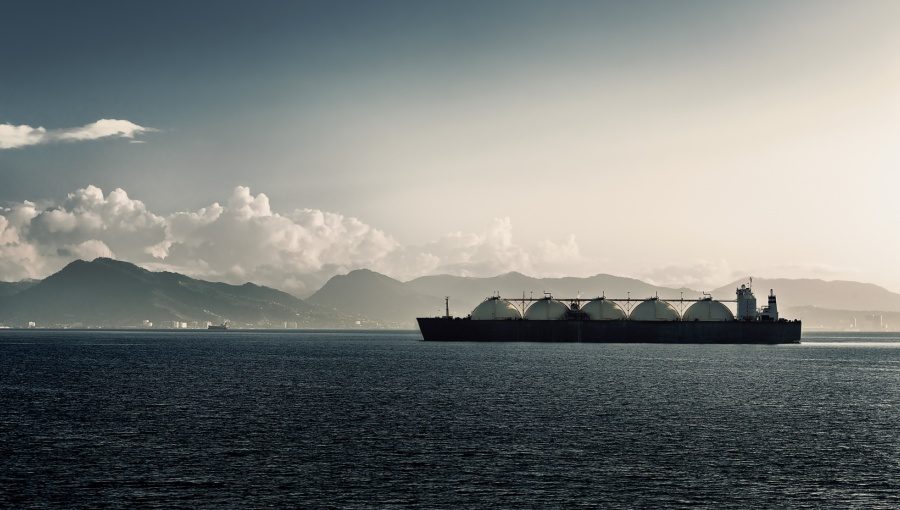
Cedar LNG, a joint venture between the Haisla Nation and Pembina Pipeline Corporation, has received approval from British Columbia’s environmental regulator to increase its planned production capacity by 25%. The floating export terminal, located roughly 700 km north of Vancouver on the traditional territory of the Haisla Nation in Kitimat, took a positive final investment decision in June 2024. With this regulatory clearance, the facility will now process up to 3.75 million tonnes per year (tpy) when operations begin in 2028, up from an initial target of 3 million tpy.
The decision to scale up the project before it becomes operational signals robust forward demand for North American gas supplies. The commercial viability of the expanded capacity is underpinned by a portfolio of long-term offtake agreements already secured by the developers.
In November, Malaysian state-run energy company Petronas signed a 20-year deal to purchase 1 million tpy of LNG from the facility. US petroleum company Ovintiv subsequently agreed in December to buy 0.5 million tpy of liquefaction capacity for a 12-year term starting in 2028. These contracts provide a stable revenue baseline that makes the 25% expansion attractive to the joint venture partners and potential future customers.
Accommodating the higher output requires a corresponding increase in natural gas feedstock. Cedar LNG will now receive about 500 million cubic feet, or 14.2 million cubic metres, of gas per day, up from a previously planned 400 million cubic feet (11.3 million cubic metres). This volume will be delivered via a 670 km pipeline originating from the Montney shale formation in northeastern British Columbia, a route shared with the neighboring LNG Canada project.
The regulatory approval aligns with a coordinated push by Canadian authorities to fast-track the country's LNG export infrastructure. Earlier in July, the federal government and British Columbia inked a cooperation agreement specifically designed to accelerate the development of four large LNG projects, including Cedar LNG and LNG Canada Phase 2. Furthermore, Ottawa earmarked a $200 million contribution to the Cedar LNG project in May 2025.
For market participants, the expansion solidifies British Columbia's emergence as a strategic gateway for Montney basin gas to reach Asian markets. With Asian energy firms actively securing supply chains in the region, Cedar LNG's increased scale enhances its competitiveness against rival export projects, while locking in long-term demand for domestic producers.