NDIC shifts from claims payer to risk minimiser to prevent bank failures
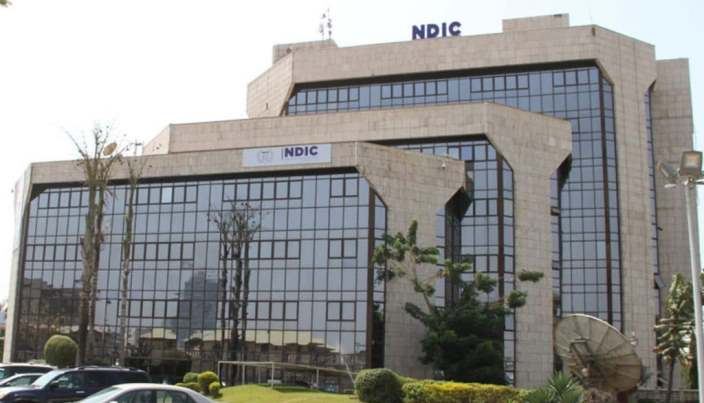
The Nigeria Deposit Insurance Corporation (NDIC) has shifted its role from primarily paying claims after bank failures to becoming a read more NDIC shifts from claims payer to risk minimiser to prevent bank failures
The Nigeria Deposit Insurance Corporation (NDIC) has shifted its role from primarily paying claims after bank failures to becoming a “risk minimiser” focused on identifying vulnerabilities early and preventing banking problems from escalating into systemic crises. Thompson Oludare Sunday, managing director/chief executive, NDIC, stated this on Wednesday at the Corporation’s Special Day during the 21st Abuja International Trade Fair. Sunday said the Corporation had continued to strengthen its institutional framework in line with global best practices to ensure that Nigeria’s banking system remained safe, sound and resilient. “NDIC has positioned itself to serve as not merely a payer of claims after bank failure, but as a Risk Minimizer. One that identifies vulnerabilities early, strengthens safeguards and works to prevent institutional problems from escalating into systemic crises,” he said. According to him, the Corporation’s strengthened framework includes the deployment of Risk-Based Supervision, an enhanced Differential Premium Assessment System, the Single Customer View Framework, a full Distress Resolution suite and the Bank Liquidation Management System. He added that stronger inter-agency collaboration, particularly with the Central Bank of Nigeria (CBN) and other members of the financial safety-net architecture, was also central to the Corporation’s approach. The NDIC boss said the Corporation’s mandate of deposit guarantee, bank supervision in collaboration with the CBN, failure resolution and bank liquidation remained critical to maintaining confidence in the financial system. He said every thriving business needed a trusted financial system capable of safeguarding working capital, facilitating payments and supporting access to credit for investment and expansion. Sunday noted that the NDIC had also strengthened depositor protection by increasing the maximum insured deposit limit in 2024 to N5 million per depositor per Deposit Money Bank and Mobile Money Operator, while the limit for Microfinance Banks, Primary Mortgage Banks and Payment Service Banks was raised to N2 million per depositor per institution. He said the enhanced coverage provides full protection for more than 98 percent of depositors across insured institutions, helping to protect households, small businesses and other vulnerable depositors from the immediate consequences of bank failure. For depositors whose balances exceed the insured limits, Sunday said the NDIC would continue to pay liquidation dividends from recoveries made through debts owed to failed institutions and the disposal of their physical assets. He said the Corporation was also transforming the reimbursement process through technology, including the deployment of BVN, Single Customer View, NIBSS infrastructure and other digital solutions. According to him, verified depositors of failed banks can now receive their insured deposits within days of a bank’s closure, compared with the more cumbersome manual processes previously associated with reimbursement. Sunday further urged Nigerians to keep their money with licensed and regulated financial institutions, warning against entrusting savings to unlicensed fund managers and schemes offering extraordinary or unrealistic returns. He said the proliferation and collapse of Ponzi schemes had repeatedly demonstrated the financial and emotional consequences of placing hard-earned resources in unregulated schemes. “If an investment promise sounds too good to be true, Nigerians should pause, ask questions and verify before committing their money,” he said. The NDIC chief also highlighted the Corporation’s upgraded website, launched on September 19, as part of efforts to make depositor protection more accessible and technology-driven. He said the platform provides information on enhanced deposit insurance coverage, automated claims-processing features and a directory for checking institutions insured by the NDIC. It also provides access to key services, including filing claims, checking banks, reporting failed banks and accessing frequently asked questions, while an AI-powered virtual assistant has been incorporated to improve interaction with users. Sunday, however, stressed that technology and regulation alone could not guarantee financial security, describing financial literacy as the first line of defence for depositors and business owners. He encouraged businesses and members of the public to strengthen their financial literacy, use digital financial services responsibly, maintain sound financial practices and engage regulatory institutions whenever they require guidance. Related News Berger Paints chairman says innovation must deliver new solutions, not just new products Women’s board representation must translate into economic power, TEWS convener says El-Rufai: Power, life lessons, a sermon from detention and Peter Obi Hope Moses-Ashike Hope Moses-Ashike is an Associate Editor, Banking and Finance, with more than a decade of experience reporting on Nigeria’s financial system and broader economy. She closely tracks market movements, monetary policy decisions, company disclosures, regulatory actions, economic indicators, and global developments, and interprets what they mean for businesses, investors, policymakers, and households. Her reporting helps readers understand complex issues such as inflation trends, foreign exchange market dynamics, interest rate decisions, bank performance, and investment risks. She also covers major international events and periodically travels to Washington, D.C., to report on the World Bank/IMF Spring and Annual Meetings. Her dedication to financial journalism has earned her multiple recognitions and invitations to high-level professional development programmes. She is an alumna of the International Visitors Leadership Programme (IVLP) in the United States and holds an Advanced Financial Journalism Certificate from the Press Association Training in London, UK. Her other notable achievements include completing the Lagos Business School CMC Programme, the Bloomberg Media Africa Initiative Programme, and a Master Class in Journalism at Rhodes University in South Africa. Share
Thompson Oludare Sunday, managing director/chief executive, NDIC, stated this on Wednesday at the Corporation’s Special Day during the 21st Abuja International Trade Fair. Sunday said the Corporation had continued to strengthen its institutional framework in line with global best practices to ensure that Nigeria’s banking system remained safe, sound and resilient. “NDIC has positioned itself to serve as not merely a payer of claims after bank failure, but as a Risk Minimizer. One that identifies vulnerabilities early, strengthens safeguards and works to prevent institutional problems from escalating into systemic crises,” he said. According to him, the Corporation’s strengthened framework includes the deployment of Risk-Based Supervision, an enhanced Differential Premium Assessment System, the Single Customer View Framework, a full Distress Resolution suite and the Bank Liquidation Management System. He added that stronger inter-agency collaboration, particularly with the Central Bank of Nigeria (CBN) and other members of the financial safety-net architecture, was also central to the Corporation’s approach. The NDIC boss said the Corporation’s mandate of deposit guarantee, bank supervision in collaboration with the CBN, failure resolution and bank liquidation remained critical to maintaining confidence in the financial system. He said every thriving business needed a trusted financial system capable of safeguarding working capital, facilitating payments and supporting access to credit for investment and expansion. Sunday noted that the NDIC had also strengthened depositor protection by increasing the maximum insured deposit limit in 2024 to N5 million per depositor per Deposit Money Bank and Mobile Money Operator, while the limit for Microfinance Banks, Primary Mortgage Banks and Payment Service Banks was raised to N2 million per depositor per institution. He said the enhanced coverage provides full protection for more than 98 percent of depositors across insured institutions, helping to protect households, small businesses and other vulnerable depositors from the immediate consequences of bank failure. For depositors whose balances exceed the insured limits, Sunday said the NDIC would continue to pay liquidation dividends from recoveries made through debts owed to failed institutions and the disposal of their physical assets. He said the Corporation was also transforming the reimbursement process through technology, including the deployment of BVN, Single Customer View, NIBSS infrastructure and other digital solutions. According to him, verified depositors of failed banks can now receive their insured deposits within days of a bank’s closure, compared with the more cumbersome manual processes previously associated with reimbursement. Sunday further urged Nigerians to keep their money with licensed and regulated financial institutions, warning against entrusting savings to unlicensed fund managers and schemes offering extraordinary or unrealistic returns. He said the proliferation and collapse of Ponzi schemes had repeatedly demonstrated the financial and emotional consequences of placing hard-earned resources in unregulated schemes. “If an investment promise sounds too good to be true, Nigerians should pause, ask questions and verify before committing their money,” he said. The NDIC chief also highlighted the Corporation’s upgraded website, launched on September 19, as part of efforts to make depositor protection more accessible and technology-driven. He said the platform provides information on enhanced deposit insurance coverage, automated claims-processing features and a directory for checking institutions insured by the NDIC. It also provides access to key services, including filing claims, checking banks, reporting failed banks and accessing frequently asked questions, while an AI-powered virtual assistant has been incorporated to improve interaction with users. Sunday, however, stressed that technology and regulation alone could not guarantee financial security, describing financial literacy as the first line of defence for depositors and business owners. He encouraged businesses and members of the public to strengthen their financial literacy, use digital financial services responsibly, maintain sound financial practices and engage regulatory institutions whenever they require guidance. Related News Berger Paints chairman says innovation must deliver new solutions, not just new products Women’s board representation must translate into economic power, TEWS convener says El-Rufai: Power, life lessons, a sermon from detention and Peter Obi Hope Moses-Ashike Hope Moses-Ashike is an Associate Editor, Banking and Finance, with more than a decade of experience reporting on Nigeria’s financial system and broader economy. She closely tracks market movements, monetary policy decisions, company disclosures, regulatory actions, economic indicators, and global developments, and interprets what they mean for businesses, investors, policymakers, and households. Her reporting helps readers understand complex issues such as inflation trends, foreign exchange market dynamics, interest rate decisions, bank performance, and investment risks. She also covers major international events and periodically travels to Washington, D.C., to report on the World Bank/IMF Spring and Annual Meetings. Her dedication to financial journalism has earned her multiple recognitions and invitations to high-level professional development programmes. She is an alumna of the International Visitors Leadership Programme (IVLP) in the United States and holds an Advanced Financial Journalism Certificate from the Press Association Training in London, UK. Her other notable achievements include completing the Lagos Business School CMC Programme, the Bloomberg Media Africa Initiative Programme, and a Master Class in Journalism at Rhodes University in South Africa. Share
Sunday said the Corporation had continued to strengthen its institutional framework in line with global best practices to ensure that Nigeria’s banking system remained safe, sound and resilient. “NDIC has positioned itself to serve as not merely a payer of claims after bank failure, but as a Risk Minimizer. One that identifies vulnerabilities early, strengthens safeguards and works to prevent institutional problems from escalating into systemic crises,” he said. According to him, the Corporation’s strengthened framework includes the deployment of Risk-Based Supervision, an enhanced Differential Premium Assessment System, the Single Customer View Framework, a full Distress Resolution suite and the Bank Liquidation Management System. He added that stronger inter-agency collaboration, particularly with the Central Bank of Nigeria (CBN) and other members of the financial safety-net architecture, was also central to the Corporation’s approach. The NDIC boss said the Corporation’s mandate of deposit guarantee, bank supervision in collaboration with the CBN, failure resolution and bank liquidation remained critical to maintaining confidence in the financial system. He said every thriving business needed a trusted financial system capable of safeguarding working capital, facilitating payments and supporting access to credit for investment and expansion. Sunday noted that the NDIC had also strengthened depositor protection by increasing the maximum insured deposit limit in 2024 to N5 million per depositor per Deposit Money Bank and Mobile Money Operator, while the limit for Microfinance Banks, Primary Mortgage Banks and Payment Service Banks was raised to N2 million per depositor per institution. He said the enhanced coverage provides full protection for more than 98 percent of depositors across insured institutions, helping to protect households, small businesses and other vulnerable depositors from the immediate consequences of bank failure. For depositors whose balances exceed the insured limits, Sunday said the NDIC would continue to pay liquidation dividends from recoveries made through debts owed to failed institutions and the disposal of their physical assets. He said the Corporation was also transforming the reimbursement process through technology, including the deployment of BVN, Single Customer View, NIBSS infrastructure and other digital solutions. According to him, verified depositors of failed banks can now receive their insured deposits within days of a bank’s closure, compared with the more cumbersome manual processes previously associated with reimbursement. Sunday further urged Nigerians to keep their money with licensed and regulated financial institutions, warning against entrusting savings to unlicensed fund managers and schemes offering extraordinary or unrealistic returns. He said the proliferation and collapse of Ponzi schemes had repeatedly demonstrated the financial and emotional consequences of placing hard-earned resources in unregulated schemes. “If an investment promise sounds too good to be true, Nigerians should pause, ask questions and verify before committing their money,” he said. The NDIC chief also highlighted the Corporation’s upgraded website, launched on September 19, as part of efforts to make depositor protection more accessible and technology-driven. He said the platform provides information on enhanced deposit insurance coverage, automated claims-processing features and a directory for checking institutions insured by the NDIC. It also provides access to key services, including filing claims, checking banks, reporting failed banks and accessing frequently asked questions, while an AI-powered virtual assistant has been incorporated to improve interaction with users. Sunday, however, stressed that technology and regulation alone could not guarantee financial security, describing financial literacy as the first line of defence for depositors and business owners. He encouraged businesses and members of the public to strengthen their financial literacy, use digital financial services responsibly, maintain sound financial practices and engage regulatory institutions whenever they require guidance. Related News Berger Paints chairman says innovation must deliver new solutions, not just new products Women’s board representation must translate into economic power, TEWS convener says El-Rufai: Power, life lessons, a sermon from detention and Peter Obi Hope Moses-Ashike Hope Moses-Ashike is an Associate Editor, Banking and Finance, with more than a decade of experience reporting on Nigeria’s financial system and broader economy. She closely tracks market movements, monetary policy decisions, company disclosures, regulatory actions, economic indicators, and global developments, and interprets what they mean for businesses, investors, policymakers, and households. Her reporting helps readers understand complex issues such as inflation trends, foreign exchange market dynamics, interest rate decisions, bank performance, and investment risks. She also covers major international events and periodically travels to Washington, D.C., to report on the World Bank/IMF Spring and Annual Meetings. Her dedication to financial journalism has earned her multiple recognitions and invitations to high-level professional development programmes. She is an alumna of the International Visitors Leadership Programme (IVLP) in the United States and holds an Advanced Financial Journalism Certificate from the Press Association Training in London, UK. Her other notable achievements include completing the Lagos Business School CMC Programme, the Bloomberg Media Africa Initiative Programme, and a Master Class in Journalism at Rhodes University in South Africa. Share
“NDIC has positioned itself to serve as not merely a payer of claims after bank failure, but as a Risk Minimizer. One that identifies vulnerabilities early, strengthens safeguards and works to prevent institutional problems from escalating into systemic crises,” he said. According to him, the Corporation’s strengthened framework includes the deployment of Risk-Based Supervision, an enhanced Differential Premium Assessment System, the Single Customer View Framework, a full Distress Resolution suite and the Bank Liquidation Management System. He added that stronger inter-agency collaboration, particularly with the Central Bank of Nigeria (CBN) and other members of the financial safety-net architecture, was also central to the Corporation’s approach. The NDIC boss said the Corporation’s mandate of deposit guarantee, bank supervision in collaboration with the CBN, failure resolution and bank liquidation remained critical to maintaining confidence in the financial system. He said every thriving business needed a trusted financial system capable of safeguarding working capital, facilitating payments and supporting access to credit for investment and expansion. Sunday noted that the NDIC had also strengthened depositor protection by increasing the maximum insured deposit limit in 2024 to N5 million per depositor per Deposit Money Bank and Mobile Money Operator, while the limit for Microfinance Banks, Primary Mortgage Banks and Payment Service Banks was raised to N2 million per depositor per institution. He said the enhanced coverage provides full protection for more than 98 percent of depositors across insured institutions, helping to protect households, small businesses and other vulnerable depositors from the immediate consequences of bank failure. For depositors whose balances exceed the insured limits, Sunday said the NDIC would continue to pay liquidation dividends from recoveries made through debts owed to failed institutions and the disposal of their physical assets. He said the Corporation was also transforming the reimbursement process through technology, including the deployment of BVN, Single Customer View, NIBSS infrastructure and other digital solutions. According to him, verified depositors of failed banks can now receive their insured deposits within days of a bank’s closure, compared with the more cumbersome manual processes previously associated with reimbursement. Sunday further urged Nigerians to keep their money with licensed and regulated financial institutions, warning against entrusting savings to unlicensed fund managers and schemes offering extraordinary or unrealistic returns. He said the proliferation and collapse of Ponzi schemes had repeatedly demonstrated the financial and emotional consequences of placing hard-earned resources in unregulated schemes. “If an investment promise sounds too good to be true, Nigerians should pause, ask questions and verify before committing their money,” he said. The NDIC chief also highlighted the Corporation’s upgraded website, launched on September 19, as part of efforts to make depositor protection more accessible and technology-driven. He said the platform provides information on enhanced deposit insurance coverage, automated claims-processing features and a directory for checking institutions insured by the NDIC. It also provides access to key services, including filing claims, checking banks, reporting failed banks and accessing frequently asked questions, while an AI-powered virtual assistant has been incorporated to improve interaction with users. Sunday, however, stressed that technology and regulation alone could not guarantee financial security, describing financial literacy as the first line of defence for depositors and business owners. He encouraged businesses and members of the public to strengthen their financial literacy, use digital financial services responsibly, maintain sound financial practices and engage regulatory institutions whenever they require guidance. Related News Berger Paints chairman says innovation must deliver new solutions, not just new products Women’s board representation must translate into economic power, TEWS convener says El-Rufai: Power, life lessons, a sermon from detention and Peter Obi Hope Moses-Ashike Hope Moses-Ashike is an Associate Editor, Banking and Finance, with more than a decade of experience reporting on Nigeria’s financial system and broader economy. She closely tracks market movements, monetary policy decisions, company disclosures, regulatory actions, economic indicators, and global developments, and interprets what they mean for businesses, investors, policymakers, and households. Her reporting helps readers understand complex issues such as inflation trends, foreign exchange market dynamics, interest rate decisions, bank performance, and investment risks. She also covers major international events and periodically travels to Washington, D.C., to report on the World Bank/IMF Spring and Annual Meetings. Her dedication to financial journalism has earned her multiple recognitions and invitations to high-level professional development programmes. She is an alumna of the International Visitors Leadership Programme (IVLP) in the United States and holds an Advanced Financial Journalism Certificate from the Press Association Training in London, UK. Her other notable achievements include completing the Lagos Business School CMC Programme, the Bloomberg Media Africa Initiative Programme, and a Master Class in Journalism at Rhodes University in South Africa. Share
According to him, the Corporation’s strengthened framework includes the deployment of Risk-Based Supervision, an enhanced Differential Premium Assessment System, the Single Customer View Framework, a full Distress Resolution suite and the Bank Liquidation Management System. He added that stronger inter-agency collaboration, particularly with the Central Bank of Nigeria (CBN) and other members of the financial safety-net architecture, was also central to the Corporation’s approach. The NDIC boss said the Corporation’s mandate of deposit guarantee, bank supervision in collaboration with the CBN, failure resolution and bank liquidation remained critical to maintaining confidence in the financial system. He said every thriving business needed a trusted financial system capable of safeguarding working capital, facilitating payments and supporting access to credit for investment and expansion. Sunday noted that the NDIC had also strengthened depositor protection by increasing the maximum insured deposit limit in 2024 to N5 million per depositor per Deposit Money Bank and Mobile Money Operator, while the limit for Microfinance Banks, Primary Mortgage Banks and Payment Service Banks was raised to N2 million per depositor per institution. He said the enhanced coverage provides full protection for more than 98 percent of depositors across insured institutions, helping to protect households, small businesses and other vulnerable depositors from the immediate consequences of bank failure. For depositors whose balances exceed the insured limits, Sunday said the NDIC would continue to pay liquidation dividends from recoveries made through debts owed to failed institutions and the disposal of their physical assets. He said the Corporation was also transforming the reimbursement process through technology, including the deployment of BVN, Single Customer View, NIBSS infrastructure and other digital solutions. According to him, verified depositors of failed banks can now receive their insured deposits within days of a bank’s closure, compared with the more cumbersome manual processes previously associated with reimbursement. Sunday further urged Nigerians to keep their money with licensed and regulated financial institutions, warning against entrusting savings to unlicensed fund managers and schemes offering extraordinary or unrealistic returns. He said the proliferation and collapse of Ponzi schemes had repeatedly demonstrated the financial and emotional consequences of placing hard-earned resources in unregulated schemes. “If an investment promise sounds too good to be true, Nigerians should pause, ask questions and verify before committing their money,” he said. The NDIC chief also highlighted the Corporation’s upgraded website, launched on September 19, as part of efforts to make depositor protection more accessible and technology-driven. He said the platform provides information on enhanced deposit insurance coverage, automated claims-processing features and a directory for checking institutions insured by the NDIC. It also provides access to key services, including filing claims, checking banks, reporting failed banks and accessing frequently asked questions, while an AI-powered virtual assistant has been incorporated to improve interaction with users. Sunday, however, stressed that technology and regulation alone could not guarantee financial security, describing financial literacy as the first line of defence for depositors and business owners. He encouraged businesses and members of the public to strengthen their financial literacy, use digital financial services responsibly, maintain sound financial practices and engage regulatory institutions whenever they require guidance. Related News Berger Paints chairman says innovation must deliver new solutions, not just new products Women’s board representation must translate into economic power, TEWS convener says El-Rufai: Power, life lessons, a sermon from detention and Peter Obi Hope Moses-Ashike Hope Moses-Ashike is an Associate Editor, Banking and Finance, with more than a decade of experience reporting on Nigeria’s financial system and broader economy. She closely tracks market movements, monetary policy decisions, company disclosures, regulatory actions, economic indicators, and global developments, and interprets what they mean for businesses, investors, policymakers, and households. Her reporting helps readers understand complex issues such as inflation trends, foreign exchange market dynamics, interest rate decisions, bank performance, and investment risks. She also covers major international events and periodically travels to Washington, D.C., to report on the World Bank/IMF Spring and Annual Meetings. Her dedication to financial journalism has earned her multiple recognitions and invitations to high-level professional development programmes. She is an alumna of the International Visitors Leadership Programme (IVLP) in the United States and holds an Advanced Financial Journalism Certificate from the Press Association Training in London, UK. Her other notable achievements include completing the Lagos Business School CMC Programme, the Bloomberg Media Africa Initiative Programme, and a Master Class in Journalism at Rhodes University in South Africa. Share
He added that stronger inter-agency collaboration, particularly with the Central Bank of Nigeria (CBN) and other members of the financial safety-net architecture, was also central to the Corporation’s approach. The NDIC boss said the Corporation’s mandate of deposit guarantee, bank supervision in collaboration with the CBN, failure resolution and bank liquidation remained critical to maintaining confidence in the financial system. He said every thriving business needed a trusted financial system capable of safeguarding working capital, facilitating payments and supporting access to credit for investment and expansion. Sunday noted that the NDIC had also strengthened depositor protection by increasing the maximum insured deposit limit in 2024 to N5 million per depositor per Deposit Money Bank and Mobile Money Operator, while the limit for Microfinance Banks, Primary Mortgage Banks and Payment Service Banks was raised to N2 million per depositor per institution. He said the enhanced coverage provides full protection for more than 98 percent of depositors across insured institutions, helping to protect households, small businesses and other vulnerable depositors from the immediate consequences of bank failure. For depositors whose balances exceed the insured limits, Sunday said the NDIC would continue to pay liquidation dividends from recoveries made through debts owed to failed institutions and the disposal of their physical assets. He said the Corporation was also transforming the reimbursement process through technology, including the deployment of BVN, Single Customer View, NIBSS infrastructure and other digital solutions. According to him, verified depositors of failed banks can now receive their insured deposits within days of a bank’s closure, compared with the more cumbersome manual processes previously associated with reimbursement. Sunday further urged Nigerians to keep their money with licensed and regulated financial institutions, warning against entrusting savings to unlicensed fund managers and schemes offering extraordinary or unrealistic returns. He said the proliferation and collapse of Ponzi schemes had repeatedly demonstrated the financial and emotional consequences of placing hard-earned resources in unregulated schemes. “If an investment promise sounds too good to be true, Nigerians should pause, ask questions and verify before committing their money,” he said. The NDIC chief also highlighted the Corporation’s upgraded website, launched on September 19, as part of efforts to make depositor protection more accessible and technology-driven. He said the platform provides information on enhanced deposit insurance coverage, automated claims-processing features and a directory for checking institutions insured by the NDIC. It also provides access to key services, including filing claims, checking banks, reporting failed banks and accessing frequently asked questions, while an AI-powered virtual assistant has been incorporated to improve interaction with users. Sunday, however, stressed that technology and regulation alone could not guarantee financial security, describing financial literacy as the first line of defence for depositors and business owners. He encouraged businesses and members of the public to strengthen their financial literacy, use digital financial services responsibly, maintain sound financial practices and engage regulatory institutions whenever they require guidance. Related News Berger Paints chairman says innovation must deliver new solutions, not just new products Women’s board representation must translate into economic power, TEWS convener says El-Rufai: Power, life lessons, a sermon from detention and Peter Obi Hope Moses-Ashike Hope Moses-Ashike is an Associate Editor, Banking and Finance, with more than a decade of experience reporting on Nigeria’s financial system and broader economy. She closely tracks market movements, monetary policy decisions, company disclosures, regulatory actions, economic indicators, and global developments, and interprets what they mean for businesses, investors, policymakers, and households. Her reporting helps readers understand complex issues such as inflation trends, foreign exchange market dynamics, interest rate decisions, bank performance, and investment risks. She also covers major international events and periodically travels to Washington, D.C., to report on the World Bank/IMF Spring and Annual Meetings. Her dedication to financial journalism has earned her multiple recognitions and invitations to high-level professional development programmes. She is an alumna of the International Visitors Leadership Programme (IVLP) in the United States and holds an Advanced Financial Journalism Certificate from the Press Association Training in London, UK. Her other notable achievements include completing the Lagos Business School CMC Programme, the Bloomberg Media Africa Initiative Programme, and a Master Class in Journalism at Rhodes University in South Africa. Share
The NDIC boss said the Corporation’s mandate of deposit guarantee, bank supervision in collaboration with the CBN, failure resolution and bank liquidation remained critical to maintaining confidence in the financial system. He said every thriving business needed a trusted financial system capable of safeguarding working capital, facilitating payments and supporting access to credit for investment and expansion. Sunday noted that the NDIC had also strengthened depositor protection by increasing the maximum insured deposit limit in 2024 to N5 million per depositor per Deposit Money Bank and Mobile Money Operator, while the limit for Microfinance Banks, Primary Mortgage Banks and Payment Service Banks was raised to N2 million per depositor per institution. He said the enhanced coverage provides full protection for more than 98 percent of depositors across insured institutions, helping to protect households, small businesses and other vulnerable depositors from the immediate consequences of bank failure. For depositors whose balances exceed the insured limits, Sunday said the NDIC would continue to pay liquidation dividends from recoveries made through debts owed to failed institutions and the disposal of their physical assets. He said the Corporation was also transforming the reimbursement process through technology, including the deployment of BVN, Single Customer View, NIBSS infrastructure and other digital solutions. According to him, verified depositors of failed banks can now receive their insured deposits within days of a bank’s closure, compared with the more cumbersome manual processes previously associated with reimbursement. Sunday further urged Nigerians to keep their money with licensed and regulated financial institutions, warning against entrusting savings to unlicensed fund managers and schemes offering extraordinary or unrealistic returns. He said the proliferation and collapse of Ponzi schemes had repeatedly demonstrated the financial and emotional consequences of placing hard-earned resources in unregulated schemes. “If an investment promise sounds too good to be true, Nigerians should pause, ask questions and verify before committing their money,” he said. The NDIC chief also highlighted the Corporation’s upgraded website, launched on September 19, as part of efforts to make depositor protection more accessible and technology-driven. He said the platform provides information on enhanced deposit insurance coverage, automated claims-processing features and a directory for checking institutions insured by the NDIC. It also provides access to key services, including filing claims, checking banks, reporting failed banks and accessing frequently asked questions, while an AI-powered virtual assistant has been incorporated to improve interaction with users. Sunday, however, stressed that technology and regulation alone could not guarantee financial security, describing financial literacy as the first line of defence for depositors and business owners. He encouraged businesses and members of the public to strengthen their financial literacy, use digital financial services responsibly, maintain sound financial practices and engage regulatory institutions whenever they require guidance. Related News Berger Paints chairman says innovation must deliver new solutions, not just new products Women’s board representation must translate into economic power, TEWS convener says El-Rufai: Power, life lessons, a sermon from detention and Peter Obi Hope Moses-Ashike Hope Moses-Ashike is an Associate Editor, Banking and Finance, with more than a decade of experience reporting on Nigeria’s financial system and broader economy. She closely tracks market movements, monetary policy decisions, company disclosures, regulatory actions, economic indicators, and global developments, and interprets what they mean for businesses, investors, policymakers, and households. Her reporting helps readers understand complex issues such as inflation trends, foreign exchange market dynamics, interest rate decisions, bank performance, and investment risks. She also covers major international events and periodically travels to Washington, D.C., to report on the World Bank/IMF Spring and Annual Meetings. Her dedication to financial journalism has earned her multiple recognitions and invitations to high-level professional development programmes. She is an alumna of the International Visitors Leadership Programme (IVLP) in the United States and holds an Advanced Financial Journalism Certificate from the Press Association Training in London, UK. Her other notable achievements include completing the Lagos Business School CMC Programme, the Bloomberg Media Africa Initiative Programme, and a Master Class in Journalism at Rhodes University in South Africa. Share
He said every thriving business needed a trusted financial system capable of safeguarding working capital, facilitating payments and supporting access to credit for investment and expansion. Sunday noted that the NDIC had also strengthened depositor protection by increasing the maximum insured deposit limit in 2024 to N5 million per depositor per Deposit Money Bank and Mobile Money Operator, while the limit for Microfinance Banks, Primary Mortgage Banks and Payment Service Banks was raised to N2 million per depositor per institution. He said the enhanced coverage provides full protection for more than 98 percent of depositors across insured institutions, helping to protect households, small businesses and other vulnerable depositors from the immediate consequences of bank failure. For depositors whose balances exceed the insured limits, Sunday said the NDIC would continue to pay liquidation dividends from recoveries made through debts owed to failed institutions and the disposal of their physical assets. He said the Corporation was also transforming the reimbursement process through technology, including the deployment of BVN, Single Customer View, NIBSS infrastructure and other digital solutions. According to him, verified depositors of failed banks can now receive their insured deposits within days of a bank’s closure, compared with the more cumbersome manual processes previously associated with reimbursement. Sunday further urged Nigerians to keep their money with licensed and regulated financial institutions, warning against entrusting savings to unlicensed fund managers and schemes offering extraordinary or unrealistic returns. He said the proliferation and collapse of Ponzi schemes had repeatedly demonstrated the financial and emotional consequences of placing hard-earned resources in unregulated schemes. “If an investment promise sounds too good to be true, Nigerians should pause, ask questions and verify before committing their money,” he said. The NDIC chief also highlighted the Corporation’s upgraded website, launched on September 19, as part of efforts to make depositor protection more accessible and technology-driven. He said the platform provides information on enhanced deposit insurance coverage, automated claims-processing features and a directory for checking institutions insured by the NDIC. It also provides access to key services, including filing claims, checking banks, reporting failed banks and accessing frequently asked questions, while an AI-powered virtual assistant has been incorporated to improve interaction with users. Sunday, however, stressed that technology and regulation alone could not guarantee financial security, describing financial literacy as the first line of defence for depositors and business owners. He encouraged businesses and members of the public to strengthen their financial literacy, use digital financial services responsibly, maintain sound financial practices and engage regulatory institutions whenever they require guidance. Related News Berger Paints chairman says innovation must deliver new solutions, not just new products Women’s board representation must translate into economic power, TEWS convener says El-Rufai: Power, life lessons, a sermon from detention and Peter Obi Hope Moses-Ashike Hope Moses-Ashike is an Associate Editor, Banking and Finance, with more than a decade of experience reporting on Nigeria’s financial system and broader economy. She closely tracks market movements, monetary policy decisions, company disclosures, regulatory actions, economic indicators, and global developments, and interprets what they mean for businesses, investors, policymakers, and households. Her reporting helps readers understand complex issues such as inflation trends, foreign exchange market dynamics, interest rate decisions, bank performance, and investment risks. She also covers major international events and periodically travels to Washington, D.C., to report on the World Bank/IMF Spring and Annual Meetings. Her dedication to financial journalism has earned her multiple recognitions and invitations to high-level professional development programmes. She is an alumna of the International Visitors Leadership Programme (IVLP) in the United States and holds an Advanced Financial Journalism Certificate from the Press Association Training in London, UK. Her other notable achievements include completing the Lagos Business School CMC Programme, the Bloomberg Media Africa Initiative Programme, and a Master Class in Journalism at Rhodes University in South Africa. Share
Sunday noted that the NDIC had also strengthened depositor protection by increasing the maximum insured deposit limit in 2024 to N5 million per depositor per Deposit Money Bank and Mobile Money Operator, while the limit for Microfinance Banks, Primary Mortgage Banks and Payment Service Banks was raised to N2 million per depositor per institution. He said the enhanced coverage provides full protection for more than 98 percent of depositors across insured institutions, helping to protect households, small businesses and other vulnerable depositors from the immediate consequences of bank failure. For depositors whose balances exceed the insured limits, Sunday said the NDIC would continue to pay liquidation dividends from recoveries made through debts owed to failed institutions and the disposal of their physical assets. He said the Corporation was also transforming the reimbursement process through technology, including the deployment of BVN, Single Customer View, NIBSS infrastructure and other digital solutions. According to him, verified depositors of failed banks can now receive their insured deposits within days of a bank’s closure, compared with the more cumbersome manual processes previously associated with reimbursement. Sunday further urged Nigerians to keep their money with licensed and regulated financial institutions, warning against entrusting savings to unlicensed fund managers and schemes offering extraordinary or unrealistic returns. He said the proliferation and collapse of Ponzi schemes had repeatedly demonstrated the financial and emotional consequences of placing hard-earned resources in unregulated schemes. “If an investment promise sounds too good to be true, Nigerians should pause, ask questions and verify before committing their money,” he said. The NDIC chief also highlighted the Corporation’s upgraded website, launched on September 19, as part of efforts to make depositor protection more accessible and technology-driven. He said the platform provides information on enhanced deposit insurance coverage, automated claims-processing features and a directory for checking institutions insured by the NDIC. It also provides access to key services, including filing claims, checking banks, reporting failed banks and accessing frequently asked questions, while an AI-powered virtual assistant has been incorporated to improve interaction with users. Sunday, however, stressed that technology and regulation alone could not guarantee financial security, describing financial literacy as the first line of defence for depositors and business owners. He encouraged businesses and members of the public to strengthen their financial literacy, use digital financial services responsibly, maintain sound financial practices and engage regulatory institutions whenever they require guidance. Related News Berger Paints chairman says innovation must deliver new solutions, not just new products Women’s board representation must translate into economic power, TEWS convener says El-Rufai: Power, life lessons, a sermon from detention and Peter Obi Hope Moses-Ashike Hope Moses-Ashike is an Associate Editor, Banking and Finance, with more than a decade of experience reporting on Nigeria’s financial system and broader economy. She closely tracks market movements, monetary policy decisions, company disclosures, regulatory actions, economic indicators, and global developments, and interprets what they mean for businesses, investors, policymakers, and households. Her reporting helps readers understand complex issues such as inflation trends, foreign exchange market dynamics, interest rate decisions, bank performance, and investment risks. She also covers major international events and periodically travels to Washington, D.C., to report on the World Bank/IMF Spring and Annual Meetings. Her dedication to financial journalism has earned her multiple recognitions and invitations to high-level professional development programmes. She is an alumna of the International Visitors Leadership Programme (IVLP) in the United States and holds an Advanced Financial Journalism Certificate from the Press Association Training in London, UK. Her other notable achievements include completing the Lagos Business School CMC Programme, the Bloomberg Media Africa Initiative Programme, and a Master Class in Journalism at Rhodes University in South Africa. Share
He said the enhanced coverage provides full protection for more than 98 percent of depositors across insured institutions, helping to protect households, small businesses and other vulnerable depositors from the immediate consequences of bank failure. For depositors whose balances exceed the insured limits, Sunday said the NDIC would continue to pay liquidation dividends from recoveries made through debts owed to failed institutions and the disposal of their physical assets. He said the Corporation was also transforming the reimbursement process through technology, including the deployment of BVN, Single Customer View, NIBSS infrastructure and other digital solutions. According to him, verified depositors of failed banks can now receive their insured deposits within days of a bank’s closure, compared with the more cumbersome manual processes previously associated with reimbursement. Sunday further urged Nigerians to keep their money with licensed and regulated financial institutions, warning against entrusting savings to unlicensed fund managers and schemes offering extraordinary or unrealistic returns. He said the proliferation and collapse of Ponzi schemes had repeatedly demonstrated the financial and emotional consequences of placing hard-earned resources in unregulated schemes. “If an investment promise sounds too good to be true, Nigerians should pause, ask questions and verify before committing their money,” he said. The NDIC chief also highlighted the Corporation’s upgraded website, launched on September 19, as part of efforts to make depositor protection more accessible and technology-driven. He said the platform provides information on enhanced deposit insurance coverage, automated claims-processing features and a directory for checking institutions insured by the NDIC. It also provides access to key services, including filing claims, checking banks, reporting failed banks and accessing frequently asked questions, while an AI-powered virtual assistant has been incorporated to improve interaction with users. Sunday, however, stressed that technology and regulation alone could not guarantee financial security, describing financial literacy as the first line of defence for depositors and business owners. He encouraged businesses and members of the public to strengthen their financial literacy, use digital financial services responsibly, maintain sound financial practices and engage regulatory institutions whenever they require guidance. Related News Berger Paints chairman says innovation must deliver new solutions, not just new products Women’s board representation must translate into economic power, TEWS convener says El-Rufai: Power, life lessons, a sermon from detention and Peter Obi Hope Moses-Ashike Hope Moses-Ashike is an Associate Editor, Banking and Finance, with more than a decade of experience reporting on Nigeria’s financial system and broader economy. She closely tracks market movements, monetary policy decisions, company disclosures, regulatory actions, economic indicators, and global developments, and interprets what they mean for businesses, investors, policymakers, and households. Her reporting helps readers understand complex issues such as inflation trends, foreign exchange market dynamics, interest rate decisions, bank performance, and investment risks. She also covers major international events and periodically travels to Washington, D.C., to report on the World Bank/IMF Spring and Annual Meetings. Her dedication to financial journalism has earned her multiple recognitions and invitations to high-level professional development programmes. She is an alumna of the International Visitors Leadership Programme (IVLP) in the United States and holds an Advanced Financial Journalism Certificate from the Press Association Training in London, UK. Her other notable achievements include completing the Lagos Business School CMC Programme, the Bloomberg Media Africa Initiative Programme, and a Master Class in Journalism at Rhodes University in South Africa. Share
For depositors whose balances exceed the insured limits, Sunday said the NDIC would continue to pay liquidation dividends from recoveries made through debts owed to failed institutions and the disposal of their physical assets. He said the Corporation was also transforming the reimbursement process through technology, including the deployment of BVN, Single Customer View, NIBSS infrastructure and other digital solutions. According to him, verified depositors of failed banks can now receive their insured deposits within days of a bank’s closure, compared with the more cumbersome manual processes previously associated with reimbursement. Sunday further urged Nigerians to keep their money with licensed and regulated financial institutions, warning against entrusting savings to unlicensed fund managers and schemes offering extraordinary or unrealistic returns. He said the proliferation and collapse of Ponzi schemes had repeatedly demonstrated the financial and emotional consequences of placing hard-earned resources in unregulated schemes. “If an investment promise sounds too good to be true, Nigerians should pause, ask questions and verify before committing their money,” he said. The NDIC chief also highlighted the Corporation’s upgraded website, launched on September 19, as part of efforts to make depositor protection more accessible and technology-driven. He said the platform provides information on enhanced deposit insurance coverage, automated claims-processing features and a directory for checking institutions insured by the NDIC. It also provides access to key services, including filing claims, checking banks, reporting failed banks and accessing frequently asked questions, while an AI-powered virtual assistant has been incorporated to improve interaction with users. Sunday, however, stressed that technology and regulation alone could not guarantee financial security, describing financial literacy as the first line of defence for depositors and business owners. He encouraged businesses and members of the public to strengthen their financial literacy, use digital financial services responsibly, maintain sound financial practices and engage regulatory institutions whenever they require guidance. Related News Berger Paints chairman says innovation must deliver new solutions, not just new products Women’s board representation must translate into economic power, TEWS convener says El-Rufai: Power, life lessons, a sermon from detention and Peter Obi Hope Moses-Ashike Hope Moses-Ashike is an Associate Editor, Banking and Finance, with more than a decade of experience reporting on Nigeria’s financial system and broader economy. She closely tracks market movements, monetary policy decisions, company disclosures, regulatory actions, economic indicators, and global developments, and interprets what they mean for businesses, investors, policymakers, and households. Her reporting helps readers understand complex issues such as inflation trends, foreign exchange market dynamics, interest rate decisions, bank performance, and investment risks. She also covers major international events and periodically travels to Washington, D.C., to report on the World Bank/IMF Spring and Annual Meetings. Her dedication to financial journalism has earned her multiple recognitions and invitations to high-level professional development programmes. She is an alumna of the International Visitors Leadership Programme (IVLP) in the United States and holds an Advanced Financial Journalism Certificate from the Press Association Training in London, UK. Her other notable achievements include completing the Lagos Business School CMC Programme, the Bloomberg Media Africa Initiative Programme, and a Master Class in Journalism at Rhodes University in South Africa. Share
He said the Corporation was also transforming the reimbursement process through technology, including the deployment of BVN, Single Customer View, NIBSS infrastructure and other digital solutions. According to him, verified depositors of failed banks can now receive their insured deposits within days of a bank’s closure, compared with the more cumbersome manual processes previously associated with reimbursement. Sunday further urged Nigerians to keep their money with licensed and regulated financial institutions, warning against entrusting savings to unlicensed fund managers and schemes offering extraordinary or unrealistic returns. He said the proliferation and collapse of Ponzi schemes had repeatedly demonstrated the financial and emotional consequences of placing hard-earned resources in unregulated schemes. “If an investment promise sounds too good to be true, Nigerians should pause, ask questions and verify before committing their money,” he said. The NDIC chief also highlighted the Corporation’s upgraded website, launched on September 19, as part of efforts to make depositor protection more accessible and technology-driven. He said the platform provides information on enhanced deposit insurance coverage, automated claims-processing features and a directory for checking institutions insured by the NDIC. It also provides access to key services, including filing claims, checking banks, reporting failed banks and accessing frequently asked questions, while an AI-powered virtual assistant has been incorporated to improve interaction with users. Sunday, however, stressed that technology and regulation alone could not guarantee financial security, describing financial literacy as the first line of defence for depositors and business owners. He encouraged businesses and members of the public to strengthen their financial literacy, use digital financial services responsibly, maintain sound financial practices and engage regulatory institutions whenever they require guidance. Related News Berger Paints chairman says innovation must deliver new solutions, not just new products Women’s board representation must translate into economic power, TEWS convener says El-Rufai: Power, life lessons, a sermon from detention and Peter Obi Hope Moses-Ashike Hope Moses-Ashike is an Associate Editor, Banking and Finance, with more than a decade of experience reporting on Nigeria’s financial system and broader economy. She closely tracks market movements, monetary policy decisions, company disclosures, regulatory actions, economic indicators, and global developments, and interprets what they mean for businesses, investors, policymakers, and households. Her reporting helps readers understand complex issues such as inflation trends, foreign exchange market dynamics, interest rate decisions, bank performance, and investment risks. She also covers major international events and periodically travels to Washington, D.C., to report on the World Bank/IMF Spring and Annual Meetings. Her dedication to financial journalism has earned her multiple recognitions and invitations to high-level professional development programmes. She is an alumna of the International Visitors Leadership Programme (IVLP) in the United States and holds an Advanced Financial Journalism Certificate from the Press Association Training in London, UK. Her other notable achievements include completing the Lagos Business School CMC Programme, the Bloomberg Media Africa Initiative Programme, and a Master Class in Journalism at Rhodes University in South Africa. Share
According to him, verified depositors of failed banks can now receive their insured deposits within days of a bank’s closure, compared with the more cumbersome manual processes previously associated with reimbursement. Sunday further urged Nigerians to keep their money with licensed and regulated financial institutions, warning against entrusting savings to unlicensed fund managers and schemes offering extraordinary or unrealistic returns. He said the proliferation and collapse of Ponzi schemes had repeatedly demonstrated the financial and emotional consequences of placing hard-earned resources in unregulated schemes. “If an investment promise sounds too good to be true, Nigerians should pause, ask questions and verify before committing their money,” he said. The NDIC chief also highlighted the Corporation’s upgraded website, launched on September 19, as part of efforts to make depositor protection more accessible and technology-driven. He said the platform provides information on enhanced deposit insurance coverage, automated claims-processing features and a directory for checking institutions insured by the NDIC. It also provides access to key services, including filing claims, checking banks, reporting failed banks and accessing frequently asked questions, while an AI-powered virtual assistant has been incorporated to improve interaction with users. Sunday, however, stressed that technology and regulation alone could not guarantee financial security, describing financial literacy as the first line of defence for depositors and business owners. He encouraged businesses and members of the public to strengthen their financial literacy, use digital financial services responsibly, maintain sound financial practices and engage regulatory institutions whenever they require guidance. Related News Berger Paints chairman says innovation must deliver new solutions, not just new products Women’s board representation must translate into economic power, TEWS convener says El-Rufai: Power, life lessons, a sermon from detention and Peter Obi Hope Moses-Ashike Hope Moses-Ashike is an Associate Editor, Banking and Finance, with more than a decade of experience reporting on Nigeria’s financial system and broader economy. She closely tracks market movements, monetary policy decisions, company disclosures, regulatory actions, economic indicators, and global developments, and interprets what they mean for businesses, investors, policymakers, and households. Her reporting helps readers understand complex issues such as inflation trends, foreign exchange market dynamics, interest rate decisions, bank performance, and investment risks. She also covers major international events and periodically travels to Washington, D.C., to report on the World Bank/IMF Spring and Annual Meetings. Her dedication to financial journalism has earned her multiple recognitions and invitations to high-level professional development programmes. She is an alumna of the International Visitors Leadership Programme (IVLP) in the United States and holds an Advanced Financial Journalism Certificate from the Press Association Training in London, UK. Her other notable achievements include completing the Lagos Business School CMC Programme, the Bloomberg Media Africa Initiative Programme, and a Master Class in Journalism at Rhodes University in South Africa. Share
Sunday further urged Nigerians to keep their money with licensed and regulated financial institutions, warning against entrusting savings to unlicensed fund managers and schemes offering extraordinary or unrealistic returns. He said the proliferation and collapse of Ponzi schemes had repeatedly demonstrated the financial and emotional consequences of placing hard-earned resources in unregulated schemes. “If an investment promise sounds too good to be true, Nigerians should pause, ask questions and verify before committing their money,” he said. The NDIC chief also highlighted the Corporation’s upgraded website, launched on September 19, as part of efforts to make depositor protection more accessible and technology-driven. He said the platform provides information on enhanced deposit insurance coverage, automated claims-processing features and a directory for checking institutions insured by the NDIC. It also provides access to key services, including filing claims, checking banks, reporting failed banks and accessing frequently asked questions, while an AI-powered virtual assistant has been incorporated to improve interaction with users. Sunday, however, stressed that technology and regulation alone could not guarantee financial security, describing financial literacy as the first line of defence for depositors and business owners. He encouraged businesses and members of the public to strengthen their financial literacy, use digital financial services responsibly, maintain sound financial practices and engage regulatory institutions whenever they require guidance. Related News Berger Paints chairman says innovation must deliver new solutions, not just new products Women’s board representation must translate into economic power, TEWS convener says El-Rufai: Power, life lessons, a sermon from detention and Peter Obi Hope Moses-Ashike Hope Moses-Ashike is an Associate Editor, Banking and Finance, with more than a decade of experience reporting on Nigeria’s financial system and broader economy. She closely tracks market movements, monetary policy decisions, company disclosures, regulatory actions, economic indicators, and global developments, and interprets what they mean for businesses, investors, policymakers, and households. Her reporting helps readers understand complex issues such as inflation trends, foreign exchange market dynamics, interest rate decisions, bank performance, and investment risks. She also covers major international events and periodically travels to Washington, D.C., to report on the World Bank/IMF Spring and Annual Meetings. Her dedication to financial journalism has earned her multiple recognitions and invitations to high-level professional development programmes. She is an alumna of the International Visitors Leadership Programme (IVLP) in the United States and holds an Advanced Financial Journalism Certificate from the Press Association Training in London, UK. Her other notable achievements include completing the Lagos Business School CMC Programme, the Bloomberg Media Africa Initiative Programme, and a Master Class in Journalism at Rhodes University in South Africa. Share
He said the proliferation and collapse of Ponzi schemes had repeatedly demonstrated the financial and emotional consequences of placing hard-earned resources in unregulated schemes. “If an investment promise sounds too good to be true, Nigerians should pause, ask questions and verify before committing their money,” he said. The NDIC chief also highlighted the Corporation’s upgraded website, launched on September 19, as part of efforts to make depositor protection more accessible and technology-driven. He said the platform provides information on enhanced deposit insurance coverage, automated claims-processing features and a directory for checking institutions insured by the NDIC. It also provides access to key services, including filing claims, checking banks, reporting failed banks and accessing frequently asked questions, while an AI-powered virtual assistant has been incorporated to improve interaction with users. Sunday, however, stressed that technology and regulation alone could not guarantee financial security, describing financial literacy as the first line of defence for depositors and business owners. He encouraged businesses and members of the public to strengthen their financial literacy, use digital financial services responsibly, maintain sound financial practices and engage regulatory institutions whenever they require guidance. Related News Berger Paints chairman says innovation must deliver new solutions, not just new products Women’s board representation must translate into economic power, TEWS convener says El-Rufai: Power, life lessons, a sermon from detention and Peter Obi Hope Moses-Ashike Hope Moses-Ashike is an Associate Editor, Banking and Finance, with more than a decade of experience reporting on Nigeria’s financial system and broader economy. She closely tracks market movements, monetary policy decisions, company disclosures, regulatory actions, economic indicators, and global developments, and interprets what they mean for businesses, investors, policymakers, and households. Her reporting helps readers understand complex issues such as inflation trends, foreign exchange market dynamics, interest rate decisions, bank performance, and investment risks. She also covers major international events and periodically travels to Washington, D.C., to report on the World Bank/IMF Spring and Annual Meetings. Her dedication to financial journalism has earned her multiple recognitions and invitations to high-level professional development programmes. She is an alumna of the International Visitors Leadership Programme (IVLP) in the United States and holds an Advanced Financial Journalism Certificate from the Press Association Training in London, UK. Her other notable achievements include completing the Lagos Business School CMC Programme, the Bloomberg Media Africa Initiative Programme, and a Master Class in Journalism at Rhodes University in South Africa. Share
“If an investment promise sounds too good to be true, Nigerians should pause, ask questions and verify before committing their money,” he said. The NDIC chief also highlighted the Corporation’s upgraded website, launched on September 19, as part of efforts to make depositor protection more accessible and technology-driven. He said the platform provides information on enhanced deposit insurance coverage, automated claims-processing features and a directory for checking institutions insured by the NDIC. It also provides access to key services, including filing claims, checking banks, reporting failed banks and accessing frequently asked questions, while an AI-powered virtual assistant has been incorporated to improve interaction with users. Sunday, however, stressed that technology and regulation alone could not guarantee financial security, describing financial literacy as the first line of defence for depositors and business owners. He encouraged businesses and members of the public to strengthen their financial literacy, use digital financial services responsibly, maintain sound financial practices and engage regulatory institutions whenever they require guidance. Related News Berger Paints chairman says innovation must deliver new solutions, not just new products Women’s board representation must translate into economic power, TEWS convener says El-Rufai: Power, life lessons, a sermon from detention and Peter Obi Hope Moses-Ashike Hope Moses-Ashike is an Associate Editor, Banking and Finance, with more than a decade of experience reporting on Nigeria’s financial system and broader economy. She closely tracks market movements, monetary policy decisions, company disclosures, regulatory actions, economic indicators, and global developments, and interprets what they mean for businesses, investors, policymakers, and households. Her reporting helps readers understand complex issues such as inflation trends, foreign exchange market dynamics, interest rate decisions, bank performance, and investment risks. She also covers major international events and periodically travels to Washington, D.C., to report on the World Bank/IMF Spring and Annual Meetings. Her dedication to financial journalism has earned her multiple recognitions and invitations to high-level professional development programmes. She is an alumna of the International Visitors Leadership Programme (IVLP) in the United States and holds an Advanced Financial Journalism Certificate from the Press Association Training in London, UK. Her other notable achievements include completing the Lagos Business School CMC Programme, the Bloomberg Media Africa Initiative Programme, and a Master Class in Journalism at Rhodes University in South Africa. Share
The NDIC chief also highlighted the Corporation’s upgraded website, launched on September 19, as part of efforts to make depositor protection more accessible and technology-driven. He said the platform provides information on enhanced deposit insurance coverage, automated claims-processing features and a directory for checking institutions insured by the NDIC. It also provides access to key services, including filing claims, checking banks, reporting failed banks and accessing frequently asked questions, while an AI-powered virtual assistant has been incorporated to improve interaction with users. Sunday, however, stressed that technology and regulation alone could not guarantee financial security, describing financial literacy as the first line of defence for depositors and business owners. He encouraged businesses and members of the public to strengthen their financial literacy, use digital financial services responsibly, maintain sound financial practices and engage regulatory institutions whenever they require guidance. Related News Berger Paints chairman says innovation must deliver new solutions, not just new products Women’s board representation must translate into economic power, TEWS convener says El-Rufai: Power, life lessons, a sermon from detention and Peter Obi Hope Moses-Ashike Hope Moses-Ashike is an Associate Editor, Banking and Finance, with more than a decade of experience reporting on Nigeria’s financial system and broader economy. She closely tracks market movements, monetary policy decisions, company disclosures, regulatory actions, economic indicators, and global developments, and interprets what they mean for businesses, investors, policymakers, and households. Her reporting helps readers understand complex issues such as inflation trends, foreign exchange market dynamics, interest rate decisions, bank performance, and investment risks. She also covers major international events and periodically travels to Washington, D.C., to report on the World Bank/IMF Spring and Annual Meetings. Her dedication to financial journalism has earned her multiple recognitions and invitations to high-level professional development programmes. She is an alumna of the International Visitors Leadership Programme (IVLP) in the United States and holds an Advanced Financial Journalism Certificate from the Press Association Training in London, UK. Her other notable achievements include completing the Lagos Business School CMC Programme, the Bloomberg Media Africa Initiative Programme, and a Master Class in Journalism at Rhodes University in South Africa. Share
He said the platform provides information on enhanced deposit insurance coverage, automated claims-processing features and a directory for checking institutions insured by the NDIC. It also provides access to key services, including filing claims, checking banks, reporting failed banks and accessing frequently asked questions, while an AI-powered virtual assistant has been incorporated to improve interaction with users. Sunday, however, stressed that technology and regulation alone could not guarantee financial security, describing financial literacy as the first line of defence for depositors and business owners. He encouraged businesses and members of the public to strengthen their financial literacy, use digital financial services responsibly, maintain sound financial practices and engage regulatory institutions whenever they require guidance. Related News Berger Paints chairman says innovation must deliver new solutions, not just new products Women’s board representation must translate into economic power, TEWS convener says El-Rufai: Power, life lessons, a sermon from detention and Peter Obi Hope Moses-Ashike Hope Moses-Ashike is an Associate Editor, Banking and Finance, with more than a decade of experience reporting on Nigeria’s financial system and broader economy. She closely tracks market movements, monetary policy decisions, company disclosures, regulatory actions, economic indicators, and global developments, and interprets what they mean for businesses, investors, policymakers, and households. Her reporting helps readers understand complex issues such as inflation trends, foreign exchange market dynamics, interest rate decisions, bank performance, and investment risks. She also covers major international events and periodically travels to Washington, D.C., to report on the World Bank/IMF Spring and Annual Meetings. Her dedication to financial journalism has earned her multiple recognitions and invitations to high-level professional development programmes. She is an alumna of the International Visitors Leadership Programme (IVLP) in the United States and holds an Advanced Financial Journalism Certificate from the Press Association Training in London, UK. Her other notable achievements include completing the Lagos Business School CMC Programme, the Bloomberg Media Africa Initiative Programme, and a Master Class in Journalism at Rhodes University in South Africa. Share
It also provides access to key services, including filing claims, checking banks, reporting failed banks and accessing frequently asked questions, while an AI-powered virtual assistant has been incorporated to improve interaction with users. Sunday, however, stressed that technology and regulation alone could not guarantee financial security, describing financial literacy as the first line of defence for depositors and business owners. He encouraged businesses and members of the public to strengthen their financial literacy, use digital financial services responsibly, maintain sound financial practices and engage regulatory institutions whenever they require guidance. Related News Berger Paints chairman says innovation must deliver new solutions, not just new products Women’s board representation must translate into economic power, TEWS convener says El-Rufai: Power, life lessons, a sermon from detention and Peter Obi Hope Moses-Ashike Hope Moses-Ashike is an Associate Editor, Banking and Finance, with more than a decade of experience reporting on Nigeria’s financial system and broader economy. She closely tracks market movements, monetary policy decisions, company disclosures, regulatory actions, economic indicators, and global developments, and interprets what they mean for businesses, investors, policymakers, and households. Her reporting helps readers understand complex issues such as inflation trends, foreign exchange market dynamics, interest rate decisions, bank performance, and investment risks. She also covers major international events and periodically travels to Washington, D.C., to report on the World Bank/IMF Spring and Annual Meetings. Her dedication to financial journalism has earned her multiple recognitions and invitations to high-level professional development programmes. She is an alumna of the International Visitors Leadership Programme (IVLP) in the United States and holds an Advanced Financial Journalism Certificate from the Press Association Training in London, UK. Her other notable achievements include completing the Lagos Business School CMC Programme, the Bloomberg Media Africa Initiative Programme, and a Master Class in Journalism at Rhodes University in South Africa. Share
Sunday, however, stressed that technology and regulation alone could not guarantee financial security, describing financial literacy as the first line of defence for depositors and business owners. He encouraged businesses and members of the public to strengthen their financial literacy, use digital financial services responsibly, maintain sound financial practices and engage regulatory institutions whenever they require guidance. Related News Berger Paints chairman says innovation must deliver new solutions, not just new products Women’s board representation must translate into economic power, TEWS convener says El-Rufai: Power, life lessons, a sermon from detention and Peter Obi Hope Moses-Ashike Hope Moses-Ashike is an Associate Editor, Banking and Finance, with more than a decade of experience reporting on Nigeria’s financial system and broader economy. She closely tracks market movements, monetary policy decisions, company disclosures, regulatory actions, economic indicators, and global developments, and interprets what they mean for businesses, investors, policymakers, and households. Her reporting helps readers understand complex issues such as inflation trends, foreign exchange market dynamics, interest rate decisions, bank performance, and investment risks. She also covers major international events and periodically travels to Washington, D.C., to report on the World Bank/IMF Spring and Annual Meetings. Her dedication to financial journalism has earned her multiple recognitions and invitations to high-level professional development programmes. She is an alumna of the International Visitors Leadership Programme (IVLP) in the United States and holds an Advanced Financial Journalism Certificate from the Press Association Training in London, UK. Her other notable achievements include completing the Lagos Business School CMC Programme, the Bloomberg Media Africa Initiative Programme, and a Master Class in Journalism at Rhodes University in South Africa. Share
He encouraged businesses and members of the public to strengthen their financial literacy, use digital financial services responsibly, maintain sound financial practices and engage regulatory institutions whenever they require guidance. Related News Berger Paints chairman says innovation must deliver new solutions, not just new products Women’s board representation must translate into economic power, TEWS convener says El-Rufai: Power, life lessons, a sermon from detention and Peter Obi Hope Moses-Ashike Hope Moses-Ashike is an Associate Editor, Banking and Finance, with more than a decade of experience reporting on Nigeria’s financial system and broader economy. She closely tracks market movements, monetary policy decisions, company disclosures, regulatory actions, economic indicators, and global developments, and interprets what they mean for businesses, investors, policymakers, and households. Her reporting helps readers understand complex issues such as inflation trends, foreign exchange market dynamics, interest rate decisions, bank performance, and investment risks. She also covers major international events and periodically travels to Washington, D.C., to report on the World Bank/IMF Spring and Annual Meetings. Her dedication to financial journalism has earned her multiple recognitions and invitations to high-level professional development programmes. She is an alumna of the International Visitors Leadership Programme (IVLP) in the United States and holds an Advanced Financial Journalism Certificate from the Press Association Training in London, UK. Her other notable achievements include completing the Lagos Business School CMC Programme, the Bloomberg Media Africa Initiative Programme, and a Master Class in Journalism at Rhodes University in South Africa. Share
Hope Moses-Ashike is an Associate Editor, Banking and Finance, with more than a decade of experience reporting on Nigeria’s financial system and broader economy. She closely tracks market movements, monetary policy decisions, company disclosures, regulatory actions, economic indicators, and global developments, and interprets what they mean for businesses, investors, policymakers, and households. Her reporting helps readers understand complex issues such as inflation trends, foreign exchange market dynamics, interest rate decisions, bank performance, and investment risks. She also covers major international events and periodically travels to Washington, D.C., to report on the World Bank/IMF Spring and Annual Meetings. Her dedication to financial journalism has earned her multiple recognitions and invitations to high-level professional development programmes. She is an alumna of the International Visitors Leadership Programme (IVLP) in the United States and holds an Advanced Financial Journalism Certificate from the Press Association Training in London, UK. Her other notable achievements include completing the Lagos Business School CMC Programme, the Bloomberg Media Africa Initiative Programme, and a Master Class in Journalism at Rhodes University in South Africa.