FG sets 22-metric framework for national university ranking
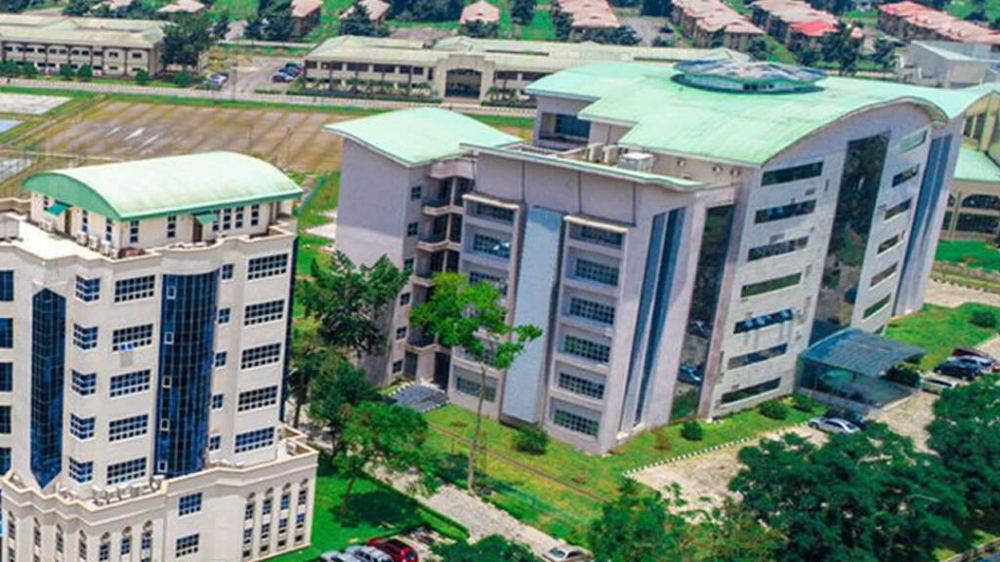
The Federal Government has commenced a national ranking of Nigerian universities using 22 performance indicators, as part of efforts to read more FG sets 22-metric framework for national university ranking
The Federal Government has commenced a national ranking of Nigerian universities using 22 performance indicators, as part of efforts to benchmark institutional performance and strengthen the competitiveness of the country’s tertiary education system. The exercise, coordinated by the Nigerian Tertiary Education Ranking Advisory Committee (NiTERAC) under the Federal Ministry of Education, is expected to provide a domestic framework for assessing universities and identifying areas requiring improvement. Peter Okebukola, chairman of NiTERAC, disclosed this in a presentation on Nigeria’s performance in the 2027 Times Higher Education World University Rankings dated September 30, 2026. Okebukola said the national ranking followed a directive from Tunji Alausa, minister of education, and would cover universities, polytechnics and colleges of education. “As directed by Tunji Alausa, Minister of Education, the Nigerian Tertiary Education Ranking Advisory Committee has started the process of the 2026 ranking of Nigerian universities, polytechnics and colleges of education,” he said. He said the exercise was designed to stimulate healthy competition among tertiary institutions while positioning Nigeria’s tertiary education system for improved performance in global rankings. According to him, the university ranking will be based on 22 indicators, with the weightings agreed with the League of Directors of Academic Planning. The three subsector rankings are scheduled for completion before December 15, 2026, following data collection, validation and finalisation of the assessment framework. The expansion of the exercise to polytechnics and colleges of education represents a broader approach to measuring performance across Nigeria’s tertiary education system, rather than focusing exclusively on universities. The development comes against the backdrop of Nigeria’s performance in the 2027 Times Higher Education World University Rankings. According to Okebukola’s presentation, 29 Nigerian universities were featured in the latest rankings, up from 24 in the previous edition, making Nigeria the most represented country in sub-Saharan Africa. The University of Ibadan, University of Lagos and Covenant University were placed in the 801-1,000 global band, while four other Nigerian universities were placed in the 1,001-1,200 category. Another 32 Nigerian universities were listed in the Reporter category, bringing the number of institutions that either submitted data or engaged with the ranking process to 61. Reporter status applies to institutions that have provided data but do not meet one or more requirements for inclusion in the ranked tables. The presentation noted that only 29 of the 328 universities listed by the National Universities Commission appeared in the ranked category. It identified research funding, publication productivity, institutional data management and international collaboration among areas requiring sustained attention across the sector. The presentation also highlighted variations among institutions in teaching, research quality, industry engagement and international outlook. The national ranking is expected to give tertiary institutions a domestic benchmark for measuring their performance, identifying gaps and developing strategies for improvement. With the three subsector rankings targeted for completion before December 15, the exercise is expected to culminate in a national assessment of universities, polytechnics and colleges of education based on agreed performance indicators. Share
The exercise, coordinated by the Nigerian Tertiary Education Ranking Advisory Committee (NiTERAC) under the Federal Ministry of Education, is expected to provide a domestic framework for assessing universities and identifying areas requiring improvement. Peter Okebukola, chairman of NiTERAC, disclosed this in a presentation on Nigeria’s performance in the 2027 Times Higher Education World University Rankings dated September 30, 2026. Okebukola said the national ranking followed a directive from Tunji Alausa, minister of education, and would cover universities, polytechnics and colleges of education. “As directed by Tunji Alausa, Minister of Education, the Nigerian Tertiary Education Ranking Advisory Committee has started the process of the 2026 ranking of Nigerian universities, polytechnics and colleges of education,” he said. He said the exercise was designed to stimulate healthy competition among tertiary institutions while positioning Nigeria’s tertiary education system for improved performance in global rankings. According to him, the university ranking will be based on 22 indicators, with the weightings agreed with the League of Directors of Academic Planning. The three subsector rankings are scheduled for completion before December 15, 2026, following data collection, validation and finalisation of the assessment framework. The expansion of the exercise to polytechnics and colleges of education represents a broader approach to measuring performance across Nigeria’s tertiary education system, rather than focusing exclusively on universities. The development comes against the backdrop of Nigeria’s performance in the 2027 Times Higher Education World University Rankings. According to Okebukola’s presentation, 29 Nigerian universities were featured in the latest rankings, up from 24 in the previous edition, making Nigeria the most represented country in sub-Saharan Africa. The University of Ibadan, University of Lagos and Covenant University were placed in the 801-1,000 global band, while four other Nigerian universities were placed in the 1,001-1,200 category. Another 32 Nigerian universities were listed in the Reporter category, bringing the number of institutions that either submitted data or engaged with the ranking process to 61. Reporter status applies to institutions that have provided data but do not meet one or more requirements for inclusion in the ranked tables. The presentation noted that only 29 of the 328 universities listed by the National Universities Commission appeared in the ranked category. It identified research funding, publication productivity, institutional data management and international collaboration among areas requiring sustained attention across the sector. The presentation also highlighted variations among institutions in teaching, research quality, industry engagement and international outlook. The national ranking is expected to give tertiary institutions a domestic benchmark for measuring their performance, identifying gaps and developing strategies for improvement. With the three subsector rankings targeted for completion before December 15, the exercise is expected to culminate in a national assessment of universities, polytechnics and colleges of education based on agreed performance indicators. Share
Peter Okebukola, chairman of NiTERAC, disclosed this in a presentation on Nigeria’s performance in the 2027 Times Higher Education World University Rankings dated September 30, 2026. Okebukola said the national ranking followed a directive from Tunji Alausa, minister of education, and would cover universities, polytechnics and colleges of education. “As directed by Tunji Alausa, Minister of Education, the Nigerian Tertiary Education Ranking Advisory Committee has started the process of the 2026 ranking of Nigerian universities, polytechnics and colleges of education,” he said. He said the exercise was designed to stimulate healthy competition among tertiary institutions while positioning Nigeria’s tertiary education system for improved performance in global rankings. According to him, the university ranking will be based on 22 indicators, with the weightings agreed with the League of Directors of Academic Planning. The three subsector rankings are scheduled for completion before December 15, 2026, following data collection, validation and finalisation of the assessment framework. The expansion of the exercise to polytechnics and colleges of education represents a broader approach to measuring performance across Nigeria’s tertiary education system, rather than focusing exclusively on universities. The development comes against the backdrop of Nigeria’s performance in the 2027 Times Higher Education World University Rankings. According to Okebukola’s presentation, 29 Nigerian universities were featured in the latest rankings, up from 24 in the previous edition, making Nigeria the most represented country in sub-Saharan Africa. The University of Ibadan, University of Lagos and Covenant University were placed in the 801-1,000 global band, while four other Nigerian universities were placed in the 1,001-1,200 category. Another 32 Nigerian universities were listed in the Reporter category, bringing the number of institutions that either submitted data or engaged with the ranking process to 61. Reporter status applies to institutions that have provided data but do not meet one or more requirements for inclusion in the ranked tables. The presentation noted that only 29 of the 328 universities listed by the National Universities Commission appeared in the ranked category. It identified research funding, publication productivity, institutional data management and international collaboration among areas requiring sustained attention across the sector. The presentation also highlighted variations among institutions in teaching, research quality, industry engagement and international outlook. The national ranking is expected to give tertiary institutions a domestic benchmark for measuring their performance, identifying gaps and developing strategies for improvement. With the three subsector rankings targeted for completion before December 15, the exercise is expected to culminate in a national assessment of universities, polytechnics and colleges of education based on agreed performance indicators. Share
Okebukola said the national ranking followed a directive from Tunji Alausa, minister of education, and would cover universities, polytechnics and colleges of education. “As directed by Tunji Alausa, Minister of Education, the Nigerian Tertiary Education Ranking Advisory Committee has started the process of the 2026 ranking of Nigerian universities, polytechnics and colleges of education,” he said. He said the exercise was designed to stimulate healthy competition among tertiary institutions while positioning Nigeria’s tertiary education system for improved performance in global rankings. According to him, the university ranking will be based on 22 indicators, with the weightings agreed with the League of Directors of Academic Planning. The three subsector rankings are scheduled for completion before December 15, 2026, following data collection, validation and finalisation of the assessment framework. The expansion of the exercise to polytechnics and colleges of education represents a broader approach to measuring performance across Nigeria’s tertiary education system, rather than focusing exclusively on universities. The development comes against the backdrop of Nigeria’s performance in the 2027 Times Higher Education World University Rankings. According to Okebukola’s presentation, 29 Nigerian universities were featured in the latest rankings, up from 24 in the previous edition, making Nigeria the most represented country in sub-Saharan Africa. The University of Ibadan, University of Lagos and Covenant University were placed in the 801-1,000 global band, while four other Nigerian universities were placed in the 1,001-1,200 category. Another 32 Nigerian universities were listed in the Reporter category, bringing the number of institutions that either submitted data or engaged with the ranking process to 61. Reporter status applies to institutions that have provided data but do not meet one or more requirements for inclusion in the ranked tables. The presentation noted that only 29 of the 328 universities listed by the National Universities Commission appeared in the ranked category. It identified research funding, publication productivity, institutional data management and international collaboration among areas requiring sustained attention across the sector. The presentation also highlighted variations among institutions in teaching, research quality, industry engagement and international outlook. The national ranking is expected to give tertiary institutions a domestic benchmark for measuring their performance, identifying gaps and developing strategies for improvement. With the three subsector rankings targeted for completion before December 15, the exercise is expected to culminate in a national assessment of universities, polytechnics and colleges of education based on agreed performance indicators. Share
“As directed by Tunji Alausa, Minister of Education, the Nigerian Tertiary Education Ranking Advisory Committee has started the process of the 2026 ranking of Nigerian universities, polytechnics and colleges of education,” he said. He said the exercise was designed to stimulate healthy competition among tertiary institutions while positioning Nigeria’s tertiary education system for improved performance in global rankings. According to him, the university ranking will be based on 22 indicators, with the weightings agreed with the League of Directors of Academic Planning. The three subsector rankings are scheduled for completion before December 15, 2026, following data collection, validation and finalisation of the assessment framework. The expansion of the exercise to polytechnics and colleges of education represents a broader approach to measuring performance across Nigeria’s tertiary education system, rather than focusing exclusively on universities. The development comes against the backdrop of Nigeria’s performance in the 2027 Times Higher Education World University Rankings. According to Okebukola’s presentation, 29 Nigerian universities were featured in the latest rankings, up from 24 in the previous edition, making Nigeria the most represented country in sub-Saharan Africa. The University of Ibadan, University of Lagos and Covenant University were placed in the 801-1,000 global band, while four other Nigerian universities were placed in the 1,001-1,200 category. Another 32 Nigerian universities were listed in the Reporter category, bringing the number of institutions that either submitted data or engaged with the ranking process to 61. Reporter status applies to institutions that have provided data but do not meet one or more requirements for inclusion in the ranked tables. The presentation noted that only 29 of the 328 universities listed by the National Universities Commission appeared in the ranked category. It identified research funding, publication productivity, institutional data management and international collaboration among areas requiring sustained attention across the sector. The presentation also highlighted variations among institutions in teaching, research quality, industry engagement and international outlook. The national ranking is expected to give tertiary institutions a domestic benchmark for measuring their performance, identifying gaps and developing strategies for improvement. With the three subsector rankings targeted for completion before December 15, the exercise is expected to culminate in a national assessment of universities, polytechnics and colleges of education based on agreed performance indicators. Share
He said the exercise was designed to stimulate healthy competition among tertiary institutions while positioning Nigeria’s tertiary education system for improved performance in global rankings. According to him, the university ranking will be based on 22 indicators, with the weightings agreed with the League of Directors of Academic Planning. The three subsector rankings are scheduled for completion before December 15, 2026, following data collection, validation and finalisation of the assessment framework. The expansion of the exercise to polytechnics and colleges of education represents a broader approach to measuring performance across Nigeria’s tertiary education system, rather than focusing exclusively on universities. The development comes against the backdrop of Nigeria’s performance in the 2027 Times Higher Education World University Rankings. According to Okebukola’s presentation, 29 Nigerian universities were featured in the latest rankings, up from 24 in the previous edition, making Nigeria the most represented country in sub-Saharan Africa. The University of Ibadan, University of Lagos and Covenant University were placed in the 801-1,000 global band, while four other Nigerian universities were placed in the 1,001-1,200 category. Another 32 Nigerian universities were listed in the Reporter category, bringing the number of institutions that either submitted data or engaged with the ranking process to 61. Reporter status applies to institutions that have provided data but do not meet one or more requirements for inclusion in the ranked tables. The presentation noted that only 29 of the 328 universities listed by the National Universities Commission appeared in the ranked category. It identified research funding, publication productivity, institutional data management and international collaboration among areas requiring sustained attention across the sector. The presentation also highlighted variations among institutions in teaching, research quality, industry engagement and international outlook. The national ranking is expected to give tertiary institutions a domestic benchmark for measuring their performance, identifying gaps and developing strategies for improvement. With the three subsector rankings targeted for completion before December 15, the exercise is expected to culminate in a national assessment of universities, polytechnics and colleges of education based on agreed performance indicators. Share
According to him, the university ranking will be based on 22 indicators, with the weightings agreed with the League of Directors of Academic Planning. The three subsector rankings are scheduled for completion before December 15, 2026, following data collection, validation and finalisation of the assessment framework. The expansion of the exercise to polytechnics and colleges of education represents a broader approach to measuring performance across Nigeria’s tertiary education system, rather than focusing exclusively on universities. The development comes against the backdrop of Nigeria’s performance in the 2027 Times Higher Education World University Rankings. According to Okebukola’s presentation, 29 Nigerian universities were featured in the latest rankings, up from 24 in the previous edition, making Nigeria the most represented country in sub-Saharan Africa. The University of Ibadan, University of Lagos and Covenant University were placed in the 801-1,000 global band, while four other Nigerian universities were placed in the 1,001-1,200 category. Another 32 Nigerian universities were listed in the Reporter category, bringing the number of institutions that either submitted data or engaged with the ranking process to 61. Reporter status applies to institutions that have provided data but do not meet one or more requirements for inclusion in the ranked tables. The presentation noted that only 29 of the 328 universities listed by the National Universities Commission appeared in the ranked category. It identified research funding, publication productivity, institutional data management and international collaboration among areas requiring sustained attention across the sector. The presentation also highlighted variations among institutions in teaching, research quality, industry engagement and international outlook. The national ranking is expected to give tertiary institutions a domestic benchmark for measuring their performance, identifying gaps and developing strategies for improvement. With the three subsector rankings targeted for completion before December 15, the exercise is expected to culminate in a national assessment of universities, polytechnics and colleges of education based on agreed performance indicators. Share
The three subsector rankings are scheduled for completion before December 15, 2026, following data collection, validation and finalisation of the assessment framework. The expansion of the exercise to polytechnics and colleges of education represents a broader approach to measuring performance across Nigeria’s tertiary education system, rather than focusing exclusively on universities. The development comes against the backdrop of Nigeria’s performance in the 2027 Times Higher Education World University Rankings. According to Okebukola’s presentation, 29 Nigerian universities were featured in the latest rankings, up from 24 in the previous edition, making Nigeria the most represented country in sub-Saharan Africa. The University of Ibadan, University of Lagos and Covenant University were placed in the 801-1,000 global band, while four other Nigerian universities were placed in the 1,001-1,200 category. Another 32 Nigerian universities were listed in the Reporter category, bringing the number of institutions that either submitted data or engaged with the ranking process to 61. Reporter status applies to institutions that have provided data but do not meet one or more requirements for inclusion in the ranked tables. The presentation noted that only 29 of the 328 universities listed by the National Universities Commission appeared in the ranked category. It identified research funding, publication productivity, institutional data management and international collaboration among areas requiring sustained attention across the sector. The presentation also highlighted variations among institutions in teaching, research quality, industry engagement and international outlook. The national ranking is expected to give tertiary institutions a domestic benchmark for measuring their performance, identifying gaps and developing strategies for improvement. With the three subsector rankings targeted for completion before December 15, the exercise is expected to culminate in a national assessment of universities, polytechnics and colleges of education based on agreed performance indicators. Share
The expansion of the exercise to polytechnics and colleges of education represents a broader approach to measuring performance across Nigeria’s tertiary education system, rather than focusing exclusively on universities. The development comes against the backdrop of Nigeria’s performance in the 2027 Times Higher Education World University Rankings. According to Okebukola’s presentation, 29 Nigerian universities were featured in the latest rankings, up from 24 in the previous edition, making Nigeria the most represented country in sub-Saharan Africa. The University of Ibadan, University of Lagos and Covenant University were placed in the 801-1,000 global band, while four other Nigerian universities were placed in the 1,001-1,200 category. Another 32 Nigerian universities were listed in the Reporter category, bringing the number of institutions that either submitted data or engaged with the ranking process to 61. Reporter status applies to institutions that have provided data but do not meet one or more requirements for inclusion in the ranked tables. The presentation noted that only 29 of the 328 universities listed by the National Universities Commission appeared in the ranked category. It identified research funding, publication productivity, institutional data management and international collaboration among areas requiring sustained attention across the sector. The presentation also highlighted variations among institutions in teaching, research quality, industry engagement and international outlook. The national ranking is expected to give tertiary institutions a domestic benchmark for measuring their performance, identifying gaps and developing strategies for improvement. With the three subsector rankings targeted for completion before December 15, the exercise is expected to culminate in a national assessment of universities, polytechnics and colleges of education based on agreed performance indicators. Share
The development comes against the backdrop of Nigeria’s performance in the 2027 Times Higher Education World University Rankings. According to Okebukola’s presentation, 29 Nigerian universities were featured in the latest rankings, up from 24 in the previous edition, making Nigeria the most represented country in sub-Saharan Africa. The University of Ibadan, University of Lagos and Covenant University were placed in the 801-1,000 global band, while four other Nigerian universities were placed in the 1,001-1,200 category. Another 32 Nigerian universities were listed in the Reporter category, bringing the number of institutions that either submitted data or engaged with the ranking process to 61. Reporter status applies to institutions that have provided data but do not meet one or more requirements for inclusion in the ranked tables. The presentation noted that only 29 of the 328 universities listed by the National Universities Commission appeared in the ranked category. It identified research funding, publication productivity, institutional data management and international collaboration among areas requiring sustained attention across the sector. The presentation also highlighted variations among institutions in teaching, research quality, industry engagement and international outlook. The national ranking is expected to give tertiary institutions a domestic benchmark for measuring their performance, identifying gaps and developing strategies for improvement. With the three subsector rankings targeted for completion before December 15, the exercise is expected to culminate in a national assessment of universities, polytechnics and colleges of education based on agreed performance indicators. Share
According to Okebukola’s presentation, 29 Nigerian universities were featured in the latest rankings, up from 24 in the previous edition, making Nigeria the most represented country in sub-Saharan Africa. The University of Ibadan, University of Lagos and Covenant University were placed in the 801-1,000 global band, while four other Nigerian universities were placed in the 1,001-1,200 category. Another 32 Nigerian universities were listed in the Reporter category, bringing the number of institutions that either submitted data or engaged with the ranking process to 61. Reporter status applies to institutions that have provided data but do not meet one or more requirements for inclusion in the ranked tables. The presentation noted that only 29 of the 328 universities listed by the National Universities Commission appeared in the ranked category. It identified research funding, publication productivity, institutional data management and international collaboration among areas requiring sustained attention across the sector. The presentation also highlighted variations among institutions in teaching, research quality, industry engagement and international outlook. The national ranking is expected to give tertiary institutions a domestic benchmark for measuring their performance, identifying gaps and developing strategies for improvement. With the three subsector rankings targeted for completion before December 15, the exercise is expected to culminate in a national assessment of universities, polytechnics and colleges of education based on agreed performance indicators. Share
The University of Ibadan, University of Lagos and Covenant University were placed in the 801-1,000 global band, while four other Nigerian universities were placed in the 1,001-1,200 category. Another 32 Nigerian universities were listed in the Reporter category, bringing the number of institutions that either submitted data or engaged with the ranking process to 61. Reporter status applies to institutions that have provided data but do not meet one or more requirements for inclusion in the ranked tables. The presentation noted that only 29 of the 328 universities listed by the National Universities Commission appeared in the ranked category. It identified research funding, publication productivity, institutional data management and international collaboration among areas requiring sustained attention across the sector. The presentation also highlighted variations among institutions in teaching, research quality, industry engagement and international outlook. The national ranking is expected to give tertiary institutions a domestic benchmark for measuring their performance, identifying gaps and developing strategies for improvement. With the three subsector rankings targeted for completion before December 15, the exercise is expected to culminate in a national assessment of universities, polytechnics and colleges of education based on agreed performance indicators. Share
Another 32 Nigerian universities were listed in the Reporter category, bringing the number of institutions that either submitted data or engaged with the ranking process to 61. Reporter status applies to institutions that have provided data but do not meet one or more requirements for inclusion in the ranked tables. The presentation noted that only 29 of the 328 universities listed by the National Universities Commission appeared in the ranked category. It identified research funding, publication productivity, institutional data management and international collaboration among areas requiring sustained attention across the sector. The presentation also highlighted variations among institutions in teaching, research quality, industry engagement and international outlook. The national ranking is expected to give tertiary institutions a domestic benchmark for measuring their performance, identifying gaps and developing strategies for improvement. With the three subsector rankings targeted for completion before December 15, the exercise is expected to culminate in a national assessment of universities, polytechnics and colleges of education based on agreed performance indicators. Share
Reporter status applies to institutions that have provided data but do not meet one or more requirements for inclusion in the ranked tables. The presentation noted that only 29 of the 328 universities listed by the National Universities Commission appeared in the ranked category. It identified research funding, publication productivity, institutional data management and international collaboration among areas requiring sustained attention across the sector. The presentation also highlighted variations among institutions in teaching, research quality, industry engagement and international outlook. The national ranking is expected to give tertiary institutions a domestic benchmark for measuring their performance, identifying gaps and developing strategies for improvement. With the three subsector rankings targeted for completion before December 15, the exercise is expected to culminate in a national assessment of universities, polytechnics and colleges of education based on agreed performance indicators. Share
The presentation noted that only 29 of the 328 universities listed by the National Universities Commission appeared in the ranked category. It identified research funding, publication productivity, institutional data management and international collaboration among areas requiring sustained attention across the sector. The presentation also highlighted variations among institutions in teaching, research quality, industry engagement and international outlook. The national ranking is expected to give tertiary institutions a domestic benchmark for measuring their performance, identifying gaps and developing strategies for improvement. With the three subsector rankings targeted for completion before December 15, the exercise is expected to culminate in a national assessment of universities, polytechnics and colleges of education based on agreed performance indicators. Share
It identified research funding, publication productivity, institutional data management and international collaboration among areas requiring sustained attention across the sector. The presentation also highlighted variations among institutions in teaching, research quality, industry engagement and international outlook. The national ranking is expected to give tertiary institutions a domestic benchmark for measuring their performance, identifying gaps and developing strategies for improvement. With the three subsector rankings targeted for completion before December 15, the exercise is expected to culminate in a national assessment of universities, polytechnics and colleges of education based on agreed performance indicators. Share
The presentation also highlighted variations among institutions in teaching, research quality, industry engagement and international outlook. The national ranking is expected to give tertiary institutions a domestic benchmark for measuring their performance, identifying gaps and developing strategies for improvement. With the three subsector rankings targeted for completion before December 15, the exercise is expected to culminate in a national assessment of universities, polytechnics and colleges of education based on agreed performance indicators. Share
The national ranking is expected to give tertiary institutions a domestic benchmark for measuring their performance, identifying gaps and developing strategies for improvement. With the three subsector rankings targeted for completion before December 15, the exercise is expected to culminate in a national assessment of universities, polytechnics and colleges of education based on agreed performance indicators. Share
With the three subsector rankings targeted for completion before December 15, the exercise is expected to culminate in a national assessment of universities, polytechnics and colleges of education based on agreed performance indicators. Share