EU carbon tweak adds 2.4bn tonnes, rattles green steel investors
The European Commission's proposed slowdown of the EU carbon market threatens the economic foundation of Europe's leading green steel industry by adding roughly 2.4 billion tonnes of CO2 allowances and delaying the phase-out of fossil emissions by a decade.
On Friday, the European Commission proposed altering the EU Emissions Trading System, slowing the annual decline of the carbon cap. Under current law, the cap shrinks by 4.4 percent from 2028. The new proposal drops that rate to 3.7 percent from 2031 and just 1.7 percent from 2036, while extending free allowances for heavy industry by four years to 2038.
Though framed as a technical adjustment, the arithmetic shifts the market substantially. Independent analysis shows the changes would create roughly 2.4 billion extra emission allowances, pushing the date the main cap hits zero from around 2040 to roughly 2050. At Friday's carbon price, that surplus carries a notional value of about 190 billion euros.
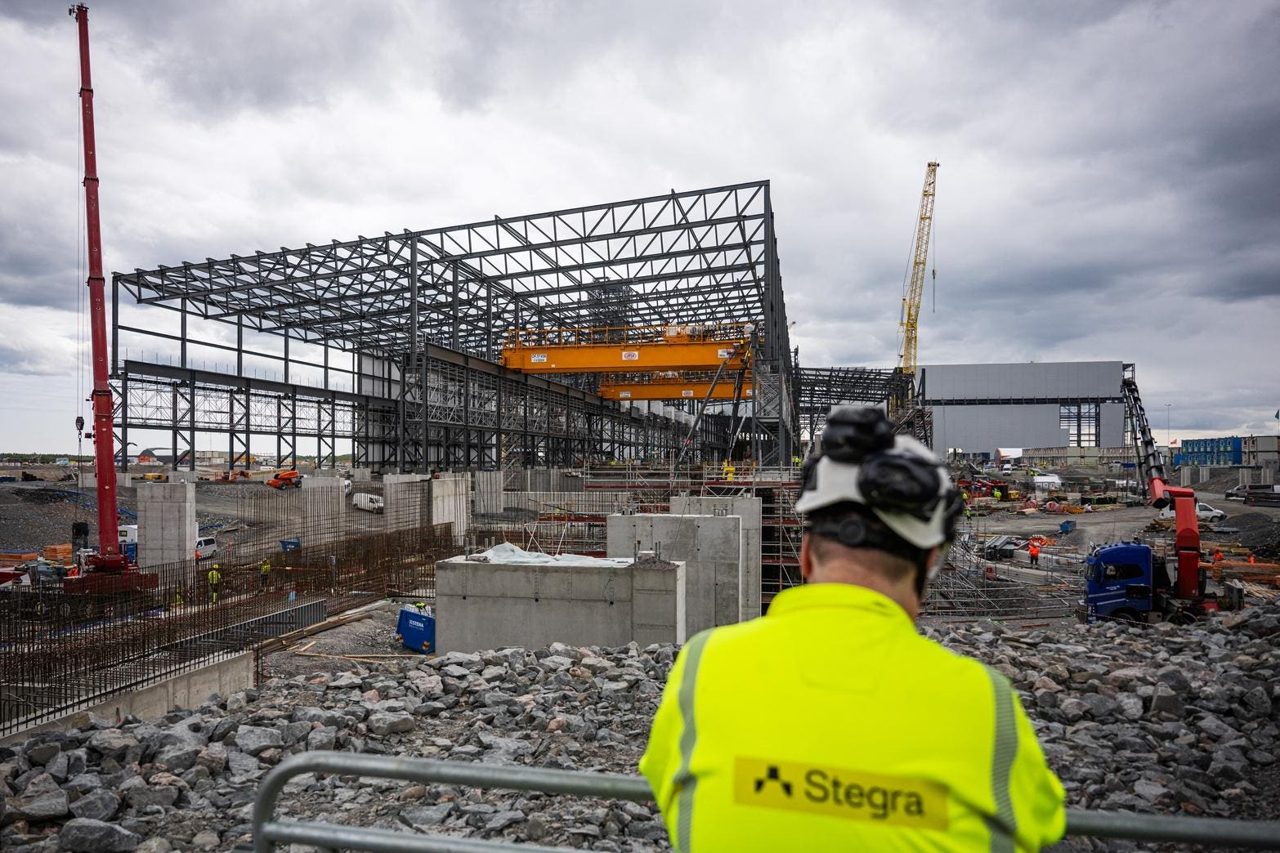
This directly complicates the investment thesis for Europe’s green steel sector, which accounts for about two-thirds of the world’s planned hydrogen-based capacity. Companies like Stegra and SSAB are building roughly 11 billion euros worth of hydrogen-powered plants in northern Sweden. Their business models rely on legislated allowance scarcity to make coal-based steel prohibitively expensive by 2040.
Political and financial backers reacted swiftly. Swedish Prime Minister Ulf Kristersson stated the proposal "is unfair to Swedish companies that have been at the forefront" of the transition. He and Finnish Prime Minister Petteri Orpo had previously warned Commission President Ursula von der Leyen that eroding the framework "would penalise early movers and send a deeply unfortunate and damaging signal" to investors.
The capital behind these projects is institutional, not speculative. A consortium led by Wallenberg Investments closed a 1.4 billion euro round for Stegra in June, with Jacob Wallenberg publicly warning against ETS changes just weeks prior. MEP Isabella Lövin summarized the investor sentiment bluntly: "Europe is changing the rules in the middle of the game."
Stegra noted it planned for various price scenarios and would remain profitable, while SSAB is still analyzing the text. The proposal does require at least half of member states' ETS revenues to fund industrial transition. However, the Commission’s own models confirm the revised trajectory yields 911 million tonnes more cumulative emissions by 2040, forcing Europe's flagship clean industrial projects to publicly reassure investors they can survive the bloc's own climate policy.