Pipeline boom cuts Mideast oil reliance on Strait of Hormuz
Middle Eastern exporters are fast-tracking massive pipeline projects to permanently bypass the Strait of Hormuz, a structural shift that will reshape global crude supply chains and erode Iran's leverage over energy markets.
Global oil markets are rapidly building an infrastructure network to neutralize the Strait of Hormuz, as commercial shipping continues to reject a U.S.-backed military corridor through the contested waterway. On Friday, zero vessels used the American route while Iran’s channel recorded seven transits, leaving the 20 million barrels-per-day chokepoint effectively closed to standard maritime traffic.
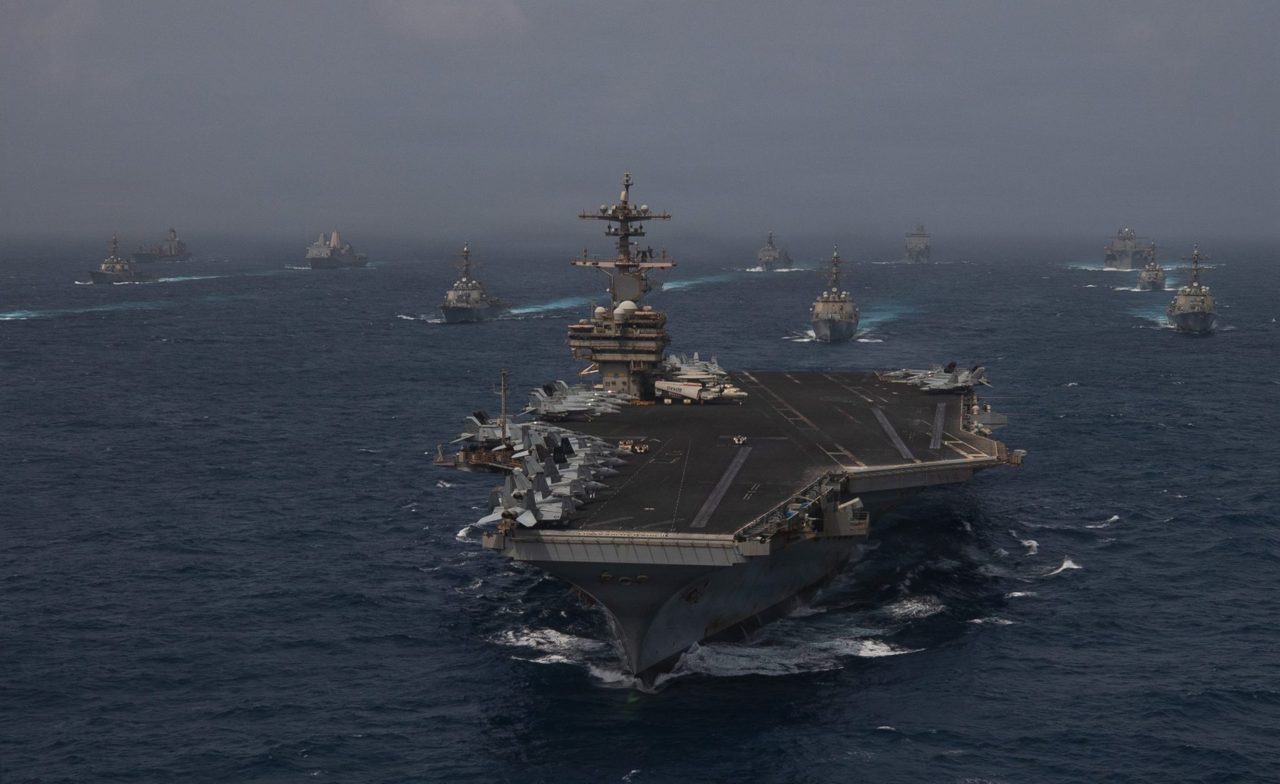
The U.S. military has failed to convince commercial fleets to brave Iranian drone and missile strikes. Over marine radio, the military stated that “U.S. forces are prepared to maintain freedom of navigation and safeguard lawful commerce in accordance with international law. The southern route of the strait remains open.”
The market response was blunt, with one seafarer replying, “F— off,” according to a reviewed recording. India has barred its citizens from crewing strait transits after an Iranian attack killed a sailor. The chair of the Japan Foreign Trade Council has similarly designated the area a no-go zone for commercial ships.
Rather than waiting for a military resolution, the physical oil market is adapting. Traders initially tapped stockpiles and deployed dark ships to evade detection, but the long-term solution is a massive regional pipeline buildout. Land-based routes like Saudi Arabia’s East-West pipeline and the UAE’s Habshan-Fujairah pipeline have already picked up slack.
In a striking shift, thousands of trucks are now moving crude from Iraq to Mediterranean ports. This has pushed Syria’s share of Middle East volumes above 25%, up from zero just months ago.
Capacity expansion accelerates
This infrastructure push is accelerating. The UAE’s new West-East pipeline is 50% complete and could open early next year, according to Kpler, adding to expanded Habshan-Fujairah capacity. Saudi Arabia is similarly bulking up its East-West pipeline. Kuwait is in talks with Saudi Arabia and the UAE to route its exports through these expanding networks.
New Mediterranean corridors are also emerging to move crude entirely outside the Gulf. A consortium including Chevron is evaluating the rebuild of a pipeline from Kirkuk in northern Iraq to the Syrian port of Baniyas.
Separately, Turkey has proposed extending the Kirkuk-Ceyhan pipeline south to Basra. Goldman Sachs estimates that these regional projects will insulate over 45% of pre-war Gulf exports by late next year.
By 2028, that coverage could reach 60%, with an accelerated scenario hitting 75%. The bank noted a regional median construction time of 2.5 years, “with construction typically occurring more rapidly in response to supply disruptions.”
For energy investors, the implication is clear. The risk premium attached to Hormuz disruptions will prove increasingly temporary as capital flows into overland alternatives, permanently engineering Iran's geographic leverage out of the global oil trade.