$10 glasses could unlock $27bn in global garment output
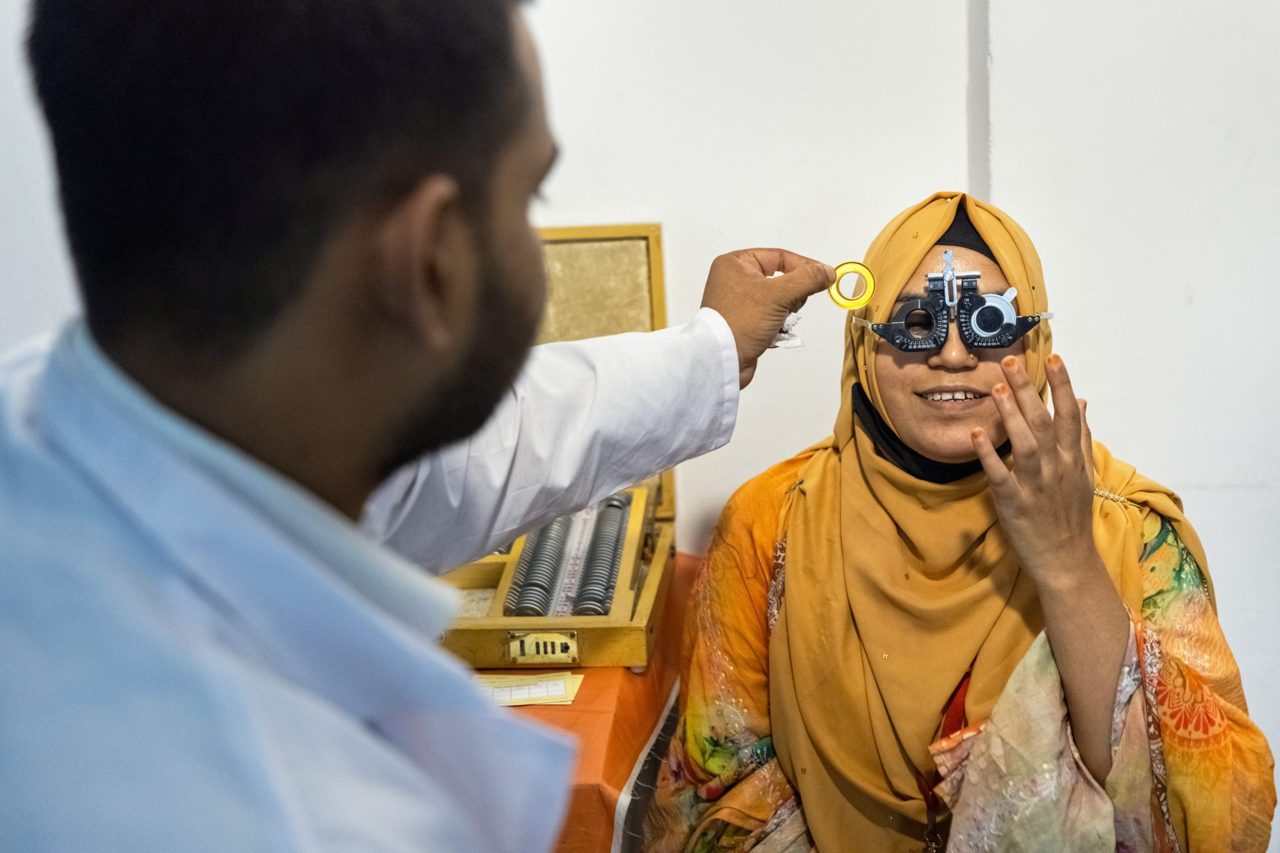
Bangladeshi garment manufacturers are supplying workers with low-cost reading glasses, a workplace intervention that research shows yields a six percent productivity boost and could add $27 billion to global annual output.
Factory owners in Bangladesh, home to the world's second-largest garment industry, are partnering with a nonprofit to provide reading glasses to workers struggling with age-related short-sightedness. The initiative, led by VisionSpring and the Bangladesh Garment Manufacturers and Exporters Association, aims to correct a widespread but overlooked barrier to manufacturing efficiency.
Roughly one in three of Bangladesh's 4 million garment workers need glasses but lack them, according to VisionSpring. The country's garment sector accounts for 11% of its gross domestic product, meaning even marginal efficiency gains carry significant economic weight.
The financial case for the intervention is detailed in a randomized controlled trial in India, co-authored by VisionSpring chief executive Ella Gudwin and published in April in the British Journal of Ophthalmology. The study found that providing reading glasses to sewing machine operators increased productivity by 6% while reducing errors. For every $1 spent on screening and eyewear, factories realized $3.37 in productivity gains over 12 weeks.
Projecting those returns, researchers estimate that expanding similar vision programs across the global textile and garment industry could generate $27 billion in additional annual output. Gudwin noted that workers often delay treatment because they incorrectly assume eyeglasses are an expensive luxury rather than an essential workplace tool.
Major manufacturers are moving to integrate vision care into their standard operations. Masco Group has screened 5,000 workers and distributed glasses to about 30% of them, with plans to expand the program to its remaining workforce of over 20,000 employees. “We don’t consider it a cost. It is an investment. If the workers are working with better vision, their productivity and workplace safety will improve, and eventually this will translate into better productivity and profit for the company,” said Fahima Akhter, a director at Masco.
By bringing eye screenings directly onto the factory floor, companies can eliminate cost and access barriers for an aging workforce. Akhter argued that the broader sector should adopt the practice as a standard benefit. “Having a clear vision is not a luxury, it is a necessity now,” she said.