DRAM supply shortage to persist until 2028 as HBM devours capacity
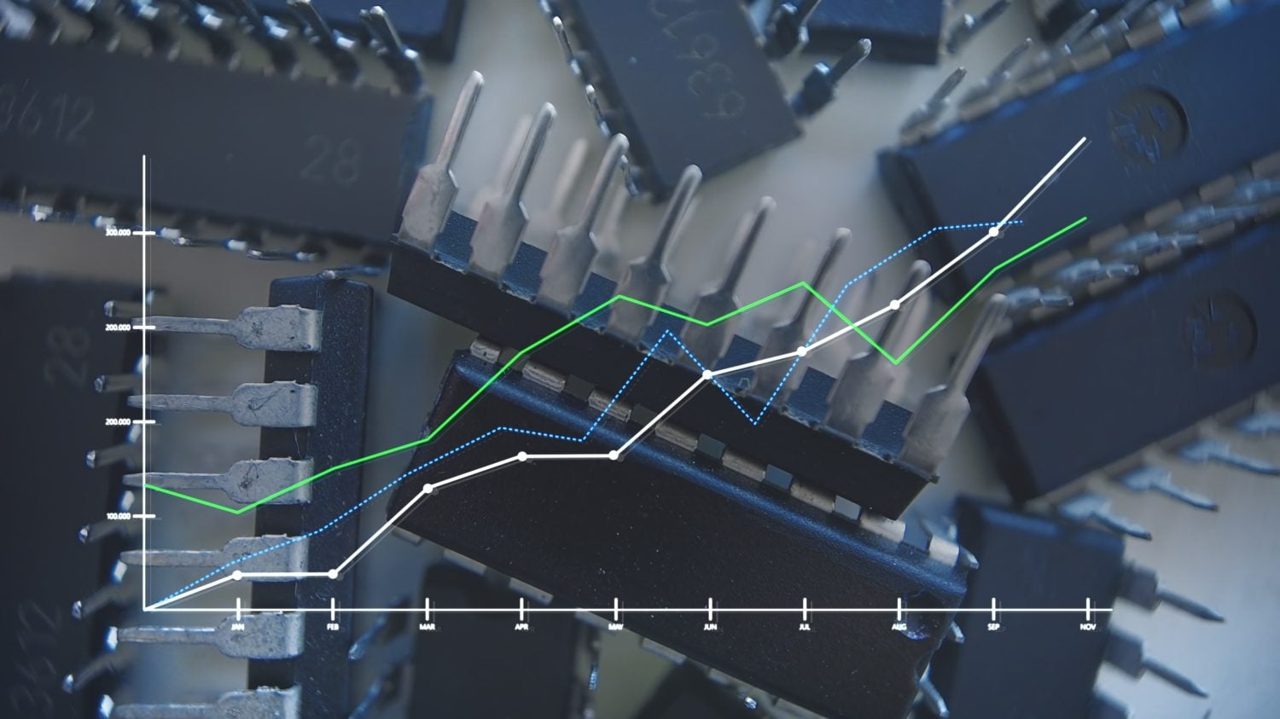
Surging demand for high-bandwidth memory is cannibalizing standard DRAM production, pushing a market rebalance out to 2028 and signaling sustained pricing power for top chipmakers.
The global DRAM market will remain tightly constrained through at least 2028. The rapid expansion of artificial intelligence infrastructure is forcing chipmakers to divert production capacity toward premium high-bandwidth memory, leaving standard memory in short supply.
By the end of 2027, HBM production is expected to consume 30% of total DRAM wafer capacity at the industry’s three largest manufacturers, according to TrendForce. Because HBM requires more advanced manufacturing processes and uses more wafers per bit than standard memory, this reallocation leaves the broader market unable to keep pace. TrendForce estimates HBM will account for 9% of total DRAM bit supply in 2026, climbing to 13% in 2027, yet overall supply is still projected to meet only about 60% of total demand by the close of 2027.
This structural squeeze differs sharply from previous semiconductor boom cycles. Rather than triggering aggressive, broad-based capacity expansion that typically leads to oversupply, manufacturers are exercising discipline by targeting investments specifically at AI-related memory. Industry capital spending is forecast to rise from $53.7 billion in 2025 to $61.3 billion in 2026, but the bulk of that funding is earmarked for HBM rather than increasing output of conventional DDR5 memory.
A slow path to equilibrium
Building new fabrication facilities takes between 12 and 24 months to reach peak output, meaning near-term relief for buyers of standard memory is unlikely. Analysts at UBS do not expect overall DRAM supply and demand to balance until the second quarter of 2028.
The demand drivers, meanwhile, show no signs of fading. Cloud providers and enterprises are reserving HBM capacity years in advance. Morgan Stanley projects that memory chips will account for 40% of all AI capital expenditures by 2030, indicating that the current shortage is the early stage of a prolonged shift in data center economics rather than a temporary spike.
The pricing power generated by this imbalance is already bolstering the bottom lines of the sector’s dominant players. Counterpoint Research data shows Samsung controls roughly 38% of the global DRAM market, followed by SK Hynix at 29% and Micron Technology at 22%. All three have reported recent earnings strength driven primarily by AI demand, a dynamic that appears set to endure as standard memory supplies remain restricted by the industry's pivot to premium chips.