EU Pledges to Triple Energy Storage Capacity to Avert Renewable Market Volatility
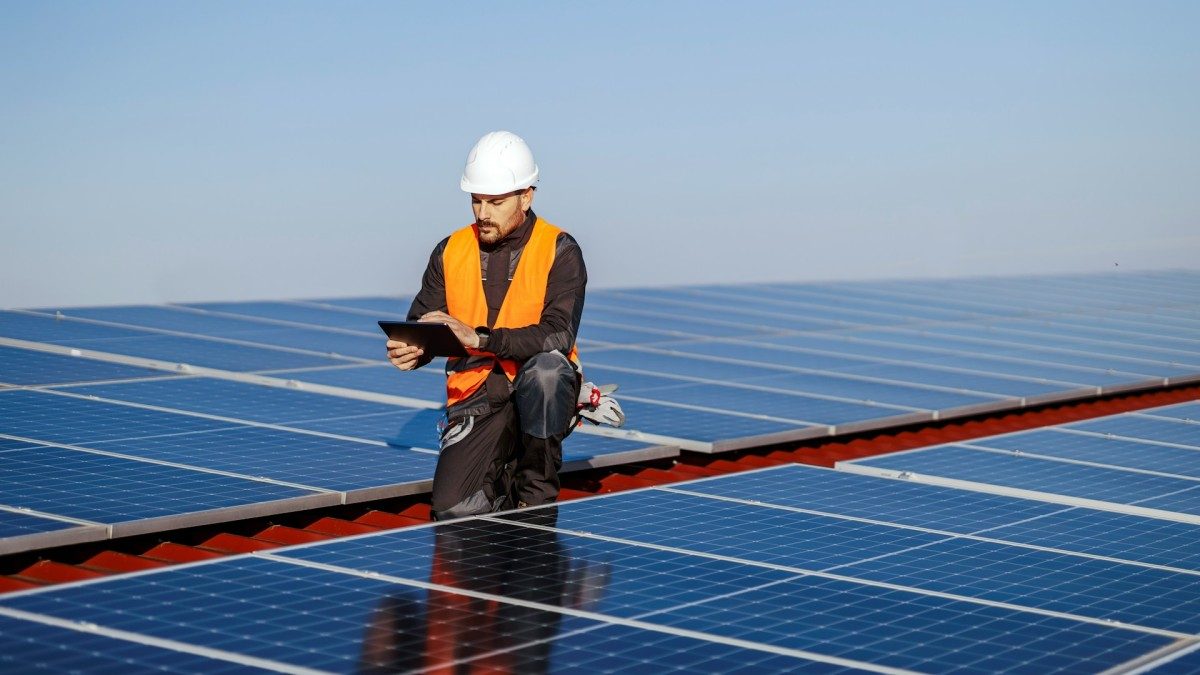
European Union energy ministers have agreed to triple the bloc’s energy storage capacity by 2028 to prevent market volatility and secure returns on renewable investments amid rising demand.
European Union energy ministers signed an agreement last month to triple the bloc’s energy storage capacity. Member states pledged to add between 30 and 35 gigawatt-hours of new capacity by 2028. This initiative aims to bridge the gap between the EU’s current 55 gigawatt-hours of storage and the estimated 200 gigawatt-hours required by 2030.
Rapid expansion of wind and solar installations has outpaced the development of supportive grid infrastructure. This mismatch has resulted in wasted surplus energy during peak production hours. Consequently, the region has seen an increasing incidence of negative energy prices, creating turmoil for utilities and deterring future capital investment in the renewable sector.
Last year, Europe recorded a historic number of hours with negative energy prices. During these periods, utilities effectively paid consumers up to €20 per megawatt hour to absorb excess power. While beneficial for end users, this dynamic severely undermines the financial viability of renewable energy projects.
Supply and Demand Mismatch
The root of this volatility lies in the variable nature of wind and solar generation. Production relies on uncontrollable factors such as weather and time of day, which frequently misalign with consumption patterns. Energy storage systems are essential to capture surplus midday generation and feed it back into the grid during evening demand peaks.
Market flexibility is becoming increasingly critical as Europe navigates its third energy crisis in four years. Demand is being driven higher by intense heat waves and the expanding energy requirements of artificial intelligence data centers. Policymakers are determined to meet this round-the-clock demand without increasing reliance on foreign energy imports.
Walburga Hemetsberger, CEO of SolarPowerEurope, stated that the EU has established a clear political direction by turning storage into a delivery priority. This shift is vital for energy security, as renewables currently supply 44 per cent of EU electricity. However, the bloc still imports approximately 55 per cent of its total energy, including oil and gas.
Industry analysts warn that Europe’s electricity markets could face greater volatility in the third quarter of 2026. Weather conditions, high solar output, and limited flexibility resources threaten to widen the gap between midday renewable generation and evening demand peaks. Deploying adequate storage is now a financial imperative to stabilize prices and protect investor confidence.