Tether faces US delisting risk as GENIUS Act regulators miss deadlines
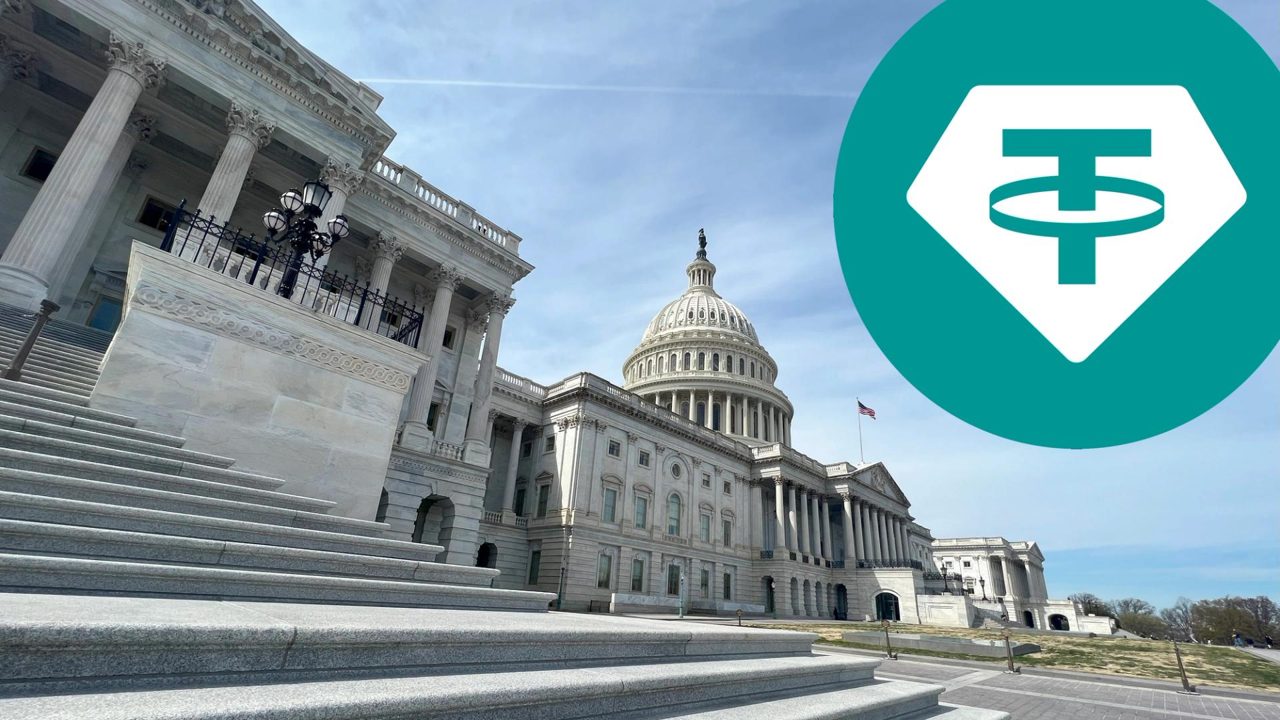
The first anniversary of the U.S. GENIUS Act has passed without finalized rules, leaving market leader Tether racing to overhaul its reserve structure or risk losing access to American crypto exchanges.
The GENIUS Act reached its one-year mark on Saturday, but federal financial regulators have failed to finalize the stablecoin rules originally due by this date. The delay leaves the world’s largest stablecoin, Tether’s USDT, facing a high-stakes compliance crunch with an uncertain timeline.
To operate legally under the new framework, the El Salvador-based issuer must dramatically restructure its backing. Recent disclosures indicate roughly a quarter of USDT’s reserves are held in assets like bitcoin, precious metals, and lending products that will not satisfy GENIUS Act standards.
Exactly when Tether must prove compliance remains a subject of debate among legal experts. “Upon the effectiveness of the GENIUS Act, foreign issuers will need to immediately comply with lawful orders to seize and freeze coins held by illicit actors, but they will have a runway of approximately two more years to prepare for the additional requirements so that their coins may remain eligible for listing on U.S. centralized trading platforms,” said Justin Levine, a lawyer at Davis Polk.
Those full requirements are steep. Foreign issuers will ultimately need their home regulators certified as comparable by the U.S. Treasury Secretary, must register with the Office of the Comptroller of the Currency, and are required to hold their reserves within U.S. institutions.
Institutional capital is unlikely to wait for the final deadline to resolve this ambiguity. “Non-compliant stablecoins cannot be used by U.S. institutions when the safe harbor expires in 2028, but we don't expect the market to wait," said Kevin Wysocki, head of policy at Anchorage Digital. He expects institutions to migrate to compliant, bank-issued digital dollars well ahead of that date.
For crypto exchanges, the calculus is complex. “We're going to spend the money on lawyers and lobbyists until someone walks up to our door and forces us to delist these non-U.S. issuers,” said Trevor Tanifum, a managing principal at FS Vector, describing the likely stance of major platforms that rely heavily on non-U.S. liquidity. Smaller platforms with lower risk appetites are expected to simply delist non-compliant tokens.
Tether’s main rival, the U.S.-based Circle, is already moving to pre-comply with the incoming regime. While Tether launched a compliant U.S. token called USAT this year, its usage remains low. “Tether will comply with the GENIUS Act," CEO Paolo Ardoino said at the White House last year, but the company declined to provide an update on its strategy this week.