World Cup Drives 5.3% Spending Jump in US Host Cities
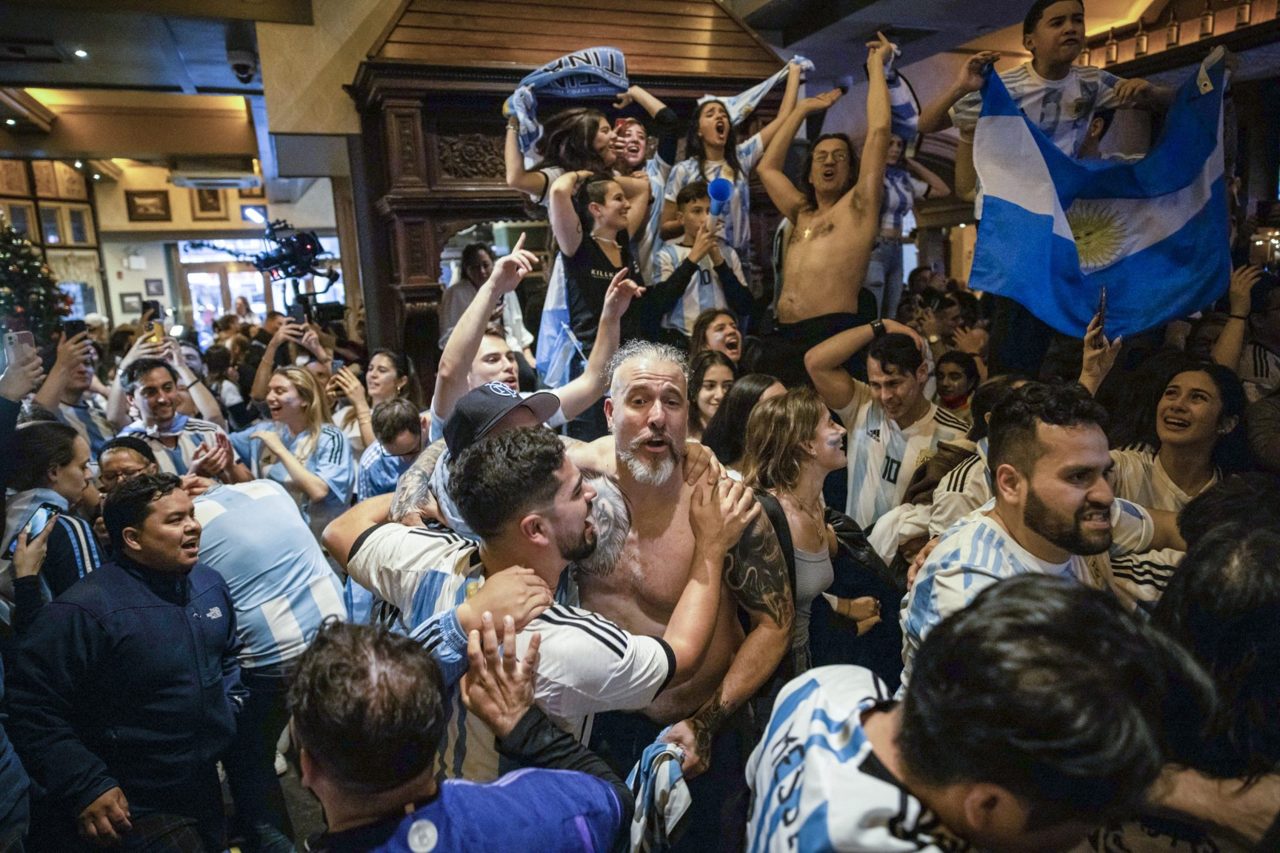
Card spending at restaurants and stores in the 11 US host cities accelerated past the national average, offering a rare summer revenue lifeline to small businesses.
Brick-and-mortar retailers, bars, and restaurants across the 11 US World Cup host cities saw spending rise 5.3% year-over-year in the three weeks ending June 27, according to a Bank of America note. That growth outpaced the 3.8% increase seen in the rest of the country, reversing a trend from the prior three weeks where host cities had trailed nationally.
The data points to a concentrated, localized stimulus for small merchants rather than broad corporate gains. Los Angeles and New York captured the bulk of the upside, tied to Team USA matches and high-profile fixtures. New York's economy also absorbed at least $380 million from the Knicks' championship run, further compounding the regional boost. Seattle saw minimal movement, largely because its retail spending baseline was already elevated before the tournament began.
Supply chains strain under surge
For individual operators, the sudden demand tested inventory management and supply chains. The Samuel Adams Taproom in Boston sold 7,000 pints of its flagship lager, emptying 99 kegs and two full tanks, equivalent to another 30 kegs, and requiring five emergency deliveries. The location served roughly 10,000 pints total, about four times the volume of a standard holiday weekend. “Who knew that would be such a fun thing to actually run out of beer,” said Devon Savage, the brand's communications manager.
Nearby, the Glynn Hospitality Group moved more than 500 kegs of Bud Light across its venues in June alone. In Kansas City, Joe’s Kansas City Barbecue prepped over 400 slabs of ribs per location to meet a 20% to 25% demand surge, up from a typical 300 to 320. The chain ultimately turned away hundreds of customers on its final Sunday open because it ran out of supplies like bread and to-go utensils. “I don’t think we’ve had anything like that for the length of six weeks,” said Eric Tadda, the chain’s marketing director.
The event also altered seasonal business patterns for operators accustomed to summer lulls. Philadelphia lounge Midnight & The Wicked typically generates only about $30,000 in a slow summer week. During Brazil’s group-stage match against Haiti, aided by Pennsylvania extending bar hours to 4 a.m., the venue pulled in roughly $80,000 in sales, and close to $110,000 after taxes and tips. “I would do a full week on that, and I did that in one night,” said owner Artem Ustayev.