Nymbl Seeks Funding as Protein Ice Cream Market Expands
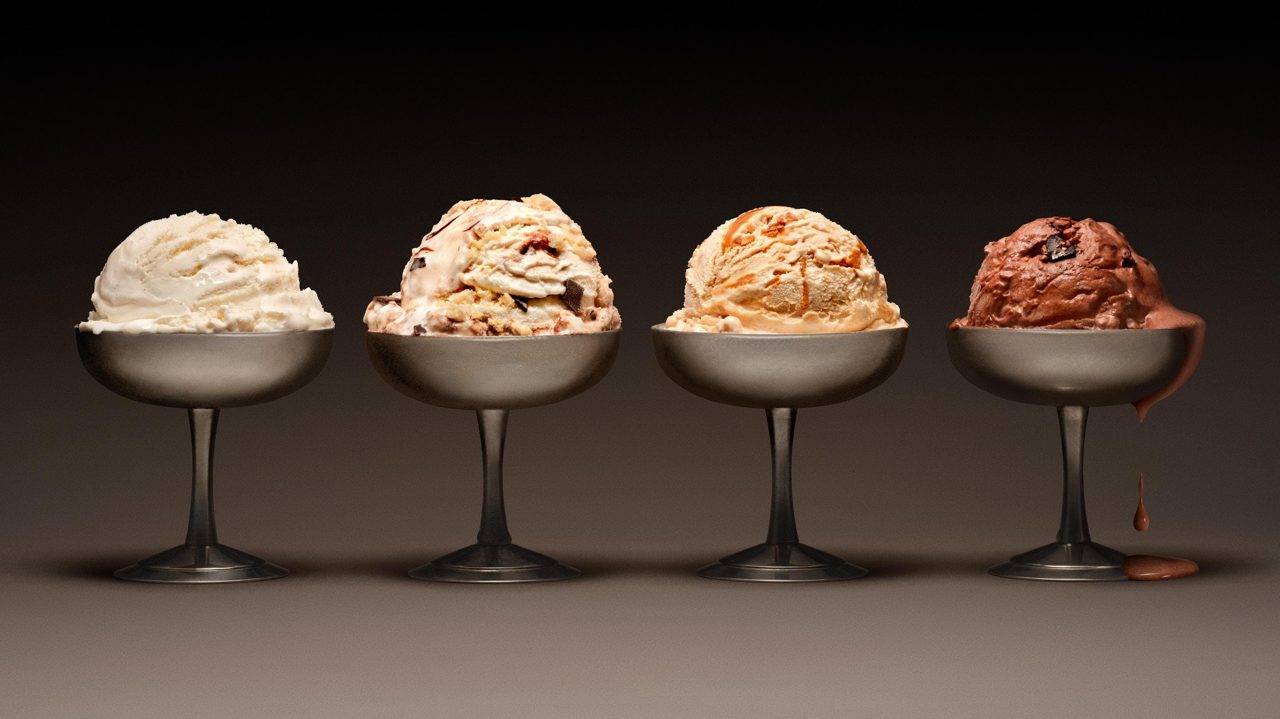
Protein-infused ice cream brands like Nymbl and David Protein are scaling rapidly, signaling a lucrative new subcategory within the $114.4 billion U.S. protein market.
A wave of established food companies and startups is launching protein-infused ice cream, attempting to capture shifting consumer demand in a sector where appetite is currently outpacing supply. Brands such as Rivo, Nymble, Blue Bell and Foothills Creamery have debuted frozen desserts packing 11 to 15 grams of protein per serving. The broader U.S. protein market was valued at $114.4 billion in 2024 and is projected to grow at an annual rate of 1.9% through 2028, according to Mintel.
The commercial potential of the category is on display at David Protein, a two-year-old brand on track to exceed $300 million in 2026 sales. The company's latest frozen dessert launch sold out online in 28 minutes under a $90, six-pint minimum order. This rapid sales growth follows a March decision by plaintiffs to voluntarily drop a lawsuit alleging the company misrepresented calorie and fat content on its labels; David Protein said at the time it remained “confident in the accuracy of our nutrition labeling.”
David Protein achieved its product profile by using an indigestible fat substitute called EPG and zero-calorie sweeteners to deliver 10 grams of protein and 210 calories per pint. “We knew we had the best version [of frozen dessert] when people stopped talking about the macros first and started reacting to it like dessert,” said Peter Rahal, founder and CEO of David Protein. To build consumer awareness, the company bypassed paid influencer marketing in favor of targeted sampling, including a high-profile appearance at the Cannes Film Festival.
For smaller entrants, the trend represents an opportunity to attract venture capital. Nymbl, a self-funded brand currently soft-launching in New York City, will begin seeking outside funding this autumn. Founder Rania Nasis, a former healthcare startup worker, developed the product initially for demographics prone to protein deficiency, such as women and patients recovering from illness.
Expanding protein into ice cream presents specific manufacturing hurdles, as whey proteins can alter texture and cause grittiness or crystallization. Nymbl overcomes this by using milk protein concentrate, whey protein isolate, and a French-style recipe heavy in egg yolks to maintain a dense texture. Rivo, which is distributed nationally through Sprouts, utilizes milk protein concentrate and chicory root fiber for a probiotic benefit.
The new products reflect a broader shift in the "better-for-you" food sector, where nutritional metrics alone no longer guarantee consumer adoption. “Historically, better-for-you has been about very few calories. Taste has not been paramount,” Nasis said. “We're seeing a shift now where taste is becoming important, and people are saying, 'I'm not willing to sacrifice taste for a better-for-you option.'”