Shekel surge makes Tel Aviv priciest as yen weakness cheapens Tokyo
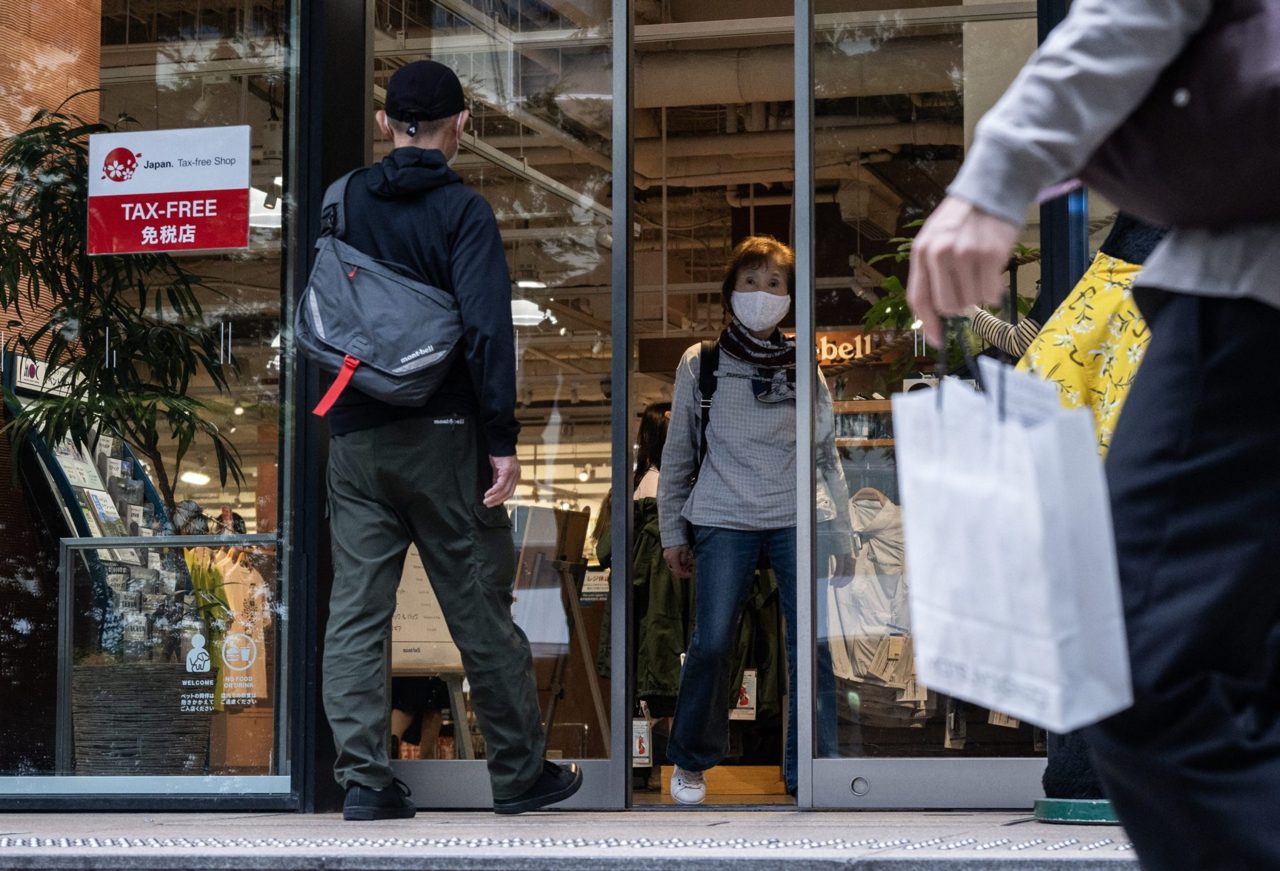
A new Deutsche Bank report shows how the shekel's 30% rise against the dollar has made Tel Aviv the world's most expensive city for basic goods, while a 51% yen collapse has turned Tokyo into a global bargain, highlighting the deep structural forces shaping consumer markets.
Tel Aviv is now the most expensive city in the world to buy a McDonald's combo meal at $20.90, while Tokyo sits at the very bottom at $4.90, according to a new Deutsche Bank report. The 71% surge in Tel Aviv's fast-food price since 2016 is primarily the result of a 30% appreciation of the shekel against the dollar since 2012.
The shekel gained 13% against the dollar in the last year alone despite the war in Gaza, bolstered by strong domestic tech and defense industries. A 50% jump in the Israeli stock market over the past year, compared to a 20% rise in the S&P 500, triggered a significant shift of capital back into shekel-denominated assets. "The asset allocation has moved to more Israelis because of the performance of the Israeli stock market, which was exceptional and was kind of a one-time change," said Zvi Eckstein, a former Bank of Israel deputy governor.
However, the currency is only part of the equation for Tel Aviv's extreme costs. Domestic policy and severe supply constraints are the primary drivers of the city's high cost of living. The Israel Land Authority controls over 90% of Israeli land, consistently prioritizing commercial over residential development. Meanwhile, agricultural imports face an average tariff of 7.5%, with dairy tariffs hitting 42%.
While net salaries in Tel Aviv have jumped 137% since 2012, housing costs are outpacing wage growth. The city's property price-to-income ratio ranks just 57th out of 69 global cities surveyed. "Israel’s basket of goods, the consumer basket, has been very expensive," Eckstein noted.
Tokyo's structural cheapening
Tokyo presents the exact opposite macroeconomic dynamic. The yen has lost 51% of its value against the dollar since 2012 as the central bank maintained ultra-loose monetary policy to combat persistent deflation.
Deutsche Bank's relative price index for Tokyo plummeted from 173 in the mid-1990s to just 60 today. A three-bedroom apartment in central Tokyo now costs about a quarter of a comparable unit in New York, and the city is the cheapest place on earth to buy an iPhone.
This currency collapse has supercharged tourism, turning it into Japan's second-largest export. For domestic workers, however, the math is harsh. Net salaries in dollar terms have fallen 18% since 2016, dropping Tokyo's wage ranking to 39th globally, below Madrid.
To counteract its shrinking, aging workforce, Japan is being forced into aggressive technological adoption. “Ultimately, Japan’s back is against the wall demographically,” the Deutsche Bank researchers wrote. “This makes aggressive AI adoption not just a competitive advantage, but a strict economic necessity for the country’s survival over the next two decades.”