81st UNGA: Nigeria seeks to rewrite 1945 UN power structure
Nigeria is calling for a fundamental reform of the United Nations’ global power structure, arguing that an institution created around read more 81st UNGA: Nigeria seeks to rewrite 1945 UN power structure
Nigeria is calling for a fundamental reform of the United Nations’ global power structure, arguing that an institution created around the balance of power in 1945 must reflect the realities of today.
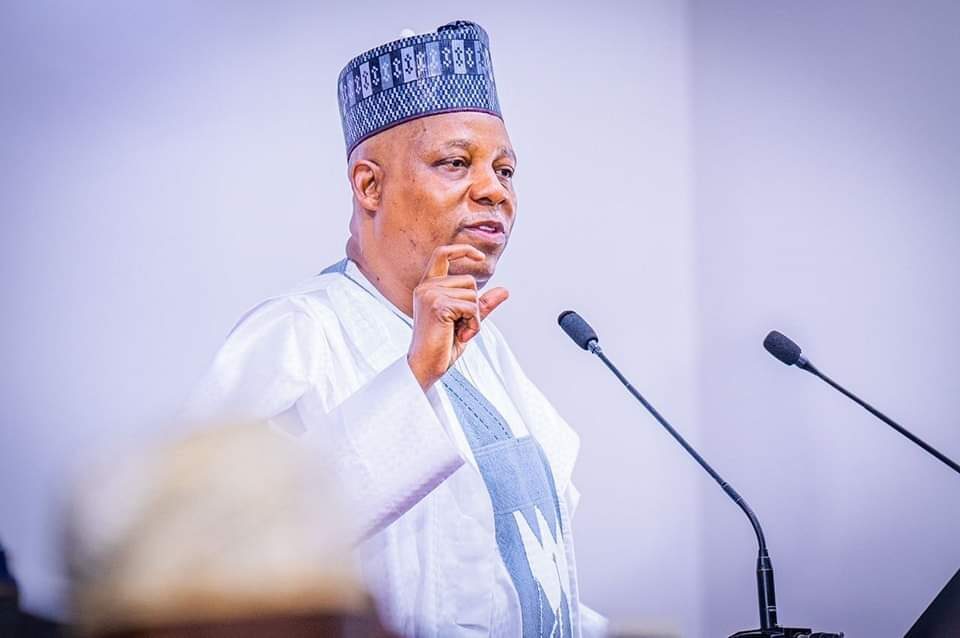
Delivering President Bola Ahmed Tinubu’s national statement at the 81st United Nations General Assembly in New York, Vice President Kashim Shettima said reform of the UN must begin with the reconstitution of the Security Council.
“The world of 2026 cannot remain captive to the distribution of power in 1945,” Shettima said, arguing that Africa cannot continue to feature prominently on the Council’s agenda while remaining excluded from permanent membership.
Nigeria is seeking at least two permanent seats for Africa, with the full rights and responsibilities of permanent membership, including veto power for as long as the veto remains. It is also demanding five non-permanent seats for the continent.
The position is supported by the African Union, which has called for at least two permanent African seats with veto rights while the veto remains, alongside five non-permanent seats.
Read also: Shettima charges new ECOWAS Commission team on regional unity and integration
However, changing the structure of the Security Council faces significant diplomatic challenges.
The Council currently has 15 members, including five permanent members, China, France, Russia, the United Kingdom and the United States, all of which have veto powers.
The future of the veto remains one of the major issues in the reform debate. Proposals have included extending the veto to new permanent members, withholding it from them, abolishing it or limiting its use.
Africa’s position is that if the veto remains, any new African permanent members should have the same rights.
The debate also raises questions about Nigeria’s own diplomatic engagement.
President Tinubu has missed the UN General Assembly for three consecutive years, with Shettima representing him. The Presidency has maintained that the Vice-President has the President’s full mandate and that his representation does not diminish Nigeria’s diplomatic standing.
However, some analysts have highlighted the value of presidential participation in high-level international diplomacy.
Professor Ayo Olukoju, Professor of History and Strategic Studies at the University of Lagos, has described the General Assembly as a major diplomatic platform where direct engagement between national leaders can help advance negotiations.
Former Foreign Service officer Iliyasu Gadu has similarly argued that presidential-level diplomacy can be important where international decisions require the authority and personal engagement of the President.
Kelechi Nwogu, a research fellow at the Nigerian Institute of International Affairs, said Tinubu’s absence has implications for Nigeria’s international visibility and could reduce opportunities for direct engagement with other leaders.
Professor Joshua Bolarinwa of the Nigerian Institute of International Affairs, however, has argued that Nigeria can be adequately represented by the Vice-President, Foreign Affairs Minister or its Permanent Representative to the UN.
The debate therefore extends beyond whether the President should personally attend the General Assembly. It raises broader questions about how Nigeria can combine presidential engagement, professional diplomacy and multilateral representation to advance its interests.
For Nigeria and Africa, the push for permanent representation goes beyond an annual speech. It is a challenge to a global system created in 1945, but changing that system will require sustained negotiations and sufficient international support.
As Nigeria calls for a greater African voice at the UN, the debate at home also centres on how effectively the country is using every available diplomatic channel to pursue that objective.