Banco de Guatemala Leverages Art Heritage to Signal Institutional Depth
Banco de Guatemala has opened a free public exhibition of its 800-piece art collection to mark its 80th anniversary, joining other Latin American central banks in using cultural heritage to project institutional stability and attract foreign investment.
Banco de Guatemala has opened a free exhibition of roughly 70 works from its institutional collection, marking the central bank’s 80th anniversary. The exhibition, "Patrimonio Artístico," runs until 7 August at the bank’s headquarters in Guatemala City. It was inaugurated by Álvaro González Ricci, president of the Monetary Board and the central bank.
For a monetary authority typically focused on interest rates and macroeconomic stability, public art exhibitions serve a specific strategic purpose. By opening its doors and showcasing a collection of nearly 800 works, the bank is projecting institutional depth and long-term thinking. This type of outreach signals confidence and transparency to foreign investors, policy watchers, and expatriates assessing the country’s civic environment.
The anniversary programme extends beyond free gallery access to include the direct monetisation of heritage assets. In June, the bank issued a limited-edition silver coin priced at Q750 (US$97), restricted to 3,000 pieces, which sold out online within days. A separate series of five silver coins honouring national artists has a total mintage of 12,500 pieces, with full sets priced at Q2,000 (US$258). The rapid sell-out demonstrates a tangible domestic market for financial products tied to national identity.
Guatemala’s approach mirrors a broader regional trend among state financial institutions in Latin America. The Banco de la República in Colombia and the Banco Central del Ecuador both operate prominent cultural centres. In frontier and emerging markets, these initiatives function as soft-power instruments designed to bolster national branding, support the tourism sector, and attract foreign direct investment.
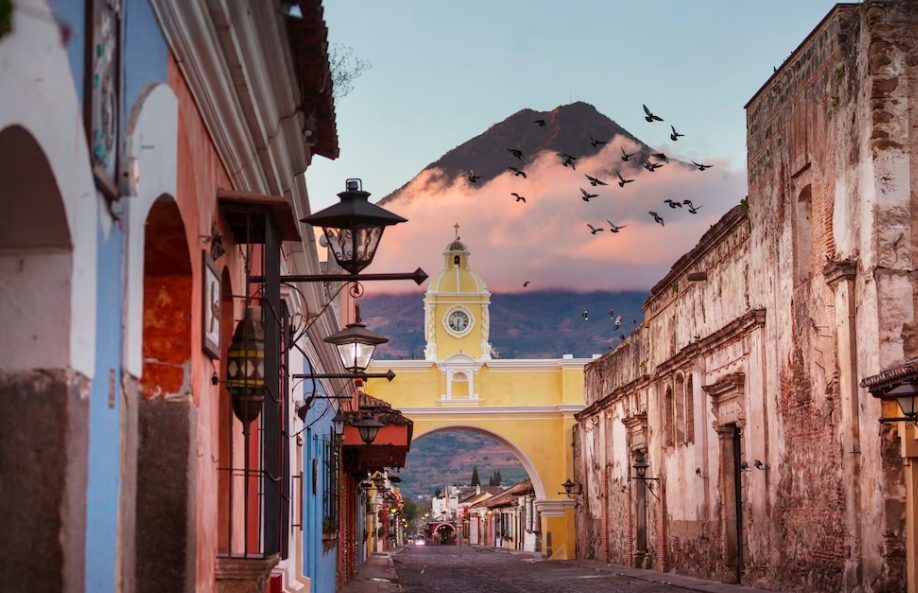
The current exhibition’s timing coincides with the Festival de la Luz in nearby Antigua, a major event that draws international visitors. While there is no operational link between the two, the parallel scheduling strengthens Guatemala’s profile as a unified heritage destination during a key mid-July cultural season.
The bank’s cultural programming will continue into the fourth quarter. An exhibition featuring 64 works by students and faculty from five national art schools is scheduled for October. For market professionals, the key indicator is whether this sustained cultural investment translates into heightened international visibility and ultimately drives greater foreign capital into the economy.