Africa secures $900m in clean cooking finance to test blended capital models
A new $900 million clean cooking pledge brings total African commitments past $3.1 billion, testing whether blended finance structures can attract private capital to the continent's massive consumer energy gap.
African nations and development partners announced $900 million in new clean cooking commitments at an IEA-convened meeting, pushing total pledges beyond $3.1 billion since 2024.
Of the $2.2 billion initially mobilized in Paris last year, roughly $740 million has already been disbursed across 22 countries. IEA Executive Director Fatih Birol cited "growing momentum" for the transition away from polluting fuels.
The new capital relies on a blended architecture combining concessional finance, climate grants, domestic public funds, and private investment routed through carbon markets and results-based financing. This mix is being closely monitored by investors as a test case for scaling private capital in African consumer sectors, a historical challenge compared to utility-scale renewables.
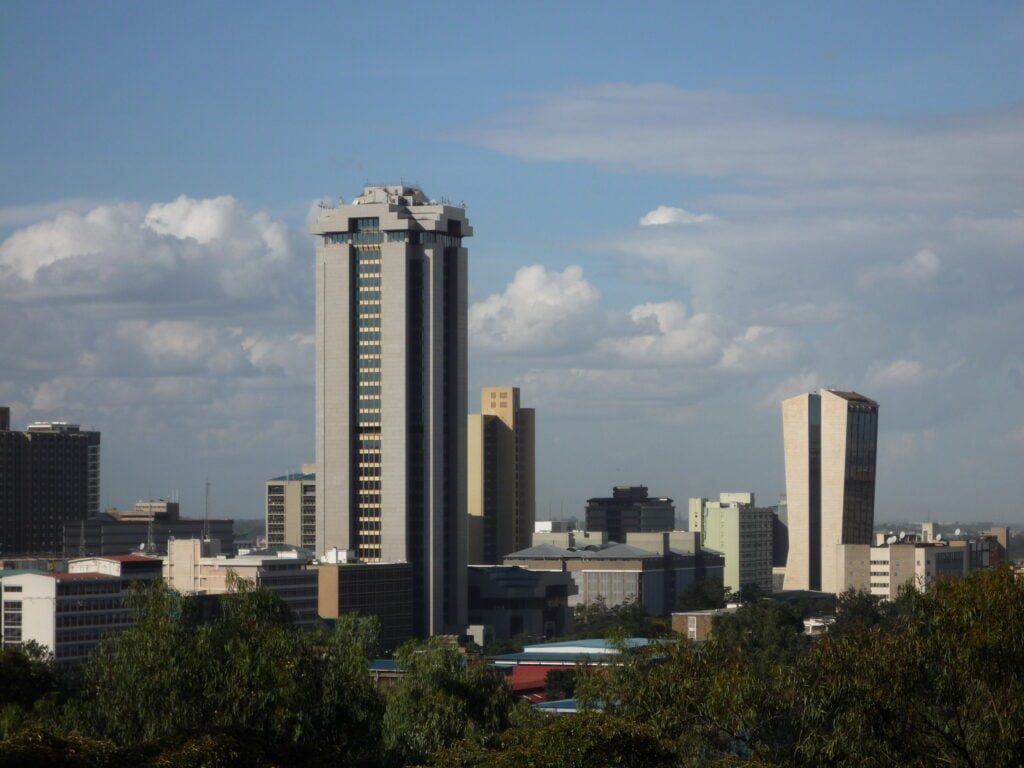
Kenya is positioning itself as the primary proving ground. President William Ruto has targeted universal clean cooking access by 2028, backed by a $435 million household implementation budget. Ruto told the IEA gathering that achieving this requires close to $400 million for households, plus a further $600 million to transition institutions like schools and hospitals.
A World Bank-backed facility managed by SNV Netherlands has already demonstrated this model on the ground. By offering 50 percent retail subsidies since September 2024, the program has recorded over 22,000 clean cooking sales in underserved counties.
The financing also reflects shifting geopolitical currents. Saudi Arabia granted Kenya $20 million through its Middle East Green Initiative to expand LPG stove distribution. This fills a vacuum left by an 85 percent decline in Chinese development finance for African energy over the past decade, with Gulf and Western actors using clean cooking as an entry point for broader energy relationships.
Despite the momentum, the capital remains a down payment rather than a solution. The OECD estimates $2.5 billion annually is required just for household devices, while 70 percent of Africans still lack clean cooking access. Furthermore, the IEA estimates that by 2030, $28 billion per year in concessional capital will be required to mobilize $90 billion in private investment across all African clean energy.
Kenya’s ability to absorb these funds will dictate whether similar blended-finance plays can be replicated in Uganda and Tanzania. Internationally, the expanding market presents clear supply-chain openings: Brazil’s established bioethanol cooking and LPG distribution networks make its firms natural partners in this emerging global architecture.