Trade duties and Iran war drive US fresh produce inflation to 32%
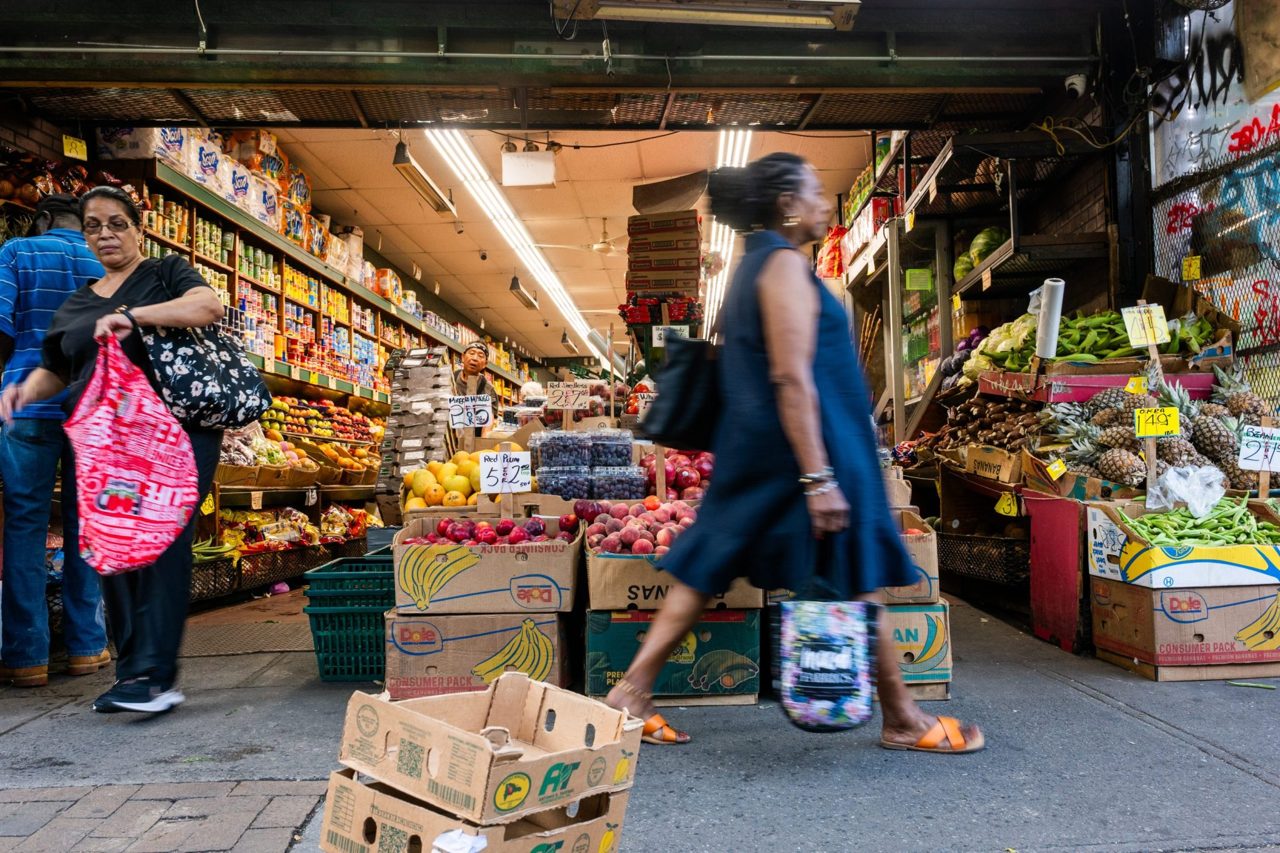
A compounding mix of tariffs, geopolitical energy shocks and severe weather has pushed U.S. fresh produce prices up by as much as 32%, squeezing farmer margins and forcing consumers to abandon fresh goods for cheaper alternatives.
U.S. fresh produce prices surged over the 12 months ending in June 2026, with lettuce jumping 32% and tomatoes rising 20%, according to the Bureau of Labor Statistics. The broader fresh vegetable category climbed 10%, while apples and citrus increased 7% and 6% respectively.
This inflation is driven by a complex mix of trade policy, geopolitical shocks, and severe weather. Early 2026 freezes in Florida hit a wide swath of crops, including strawberries and sweet corn. However, the most acute price spikes reflect deliberate supply chain interventions. In June 2025, the U.S. Commerce Department withdrew from the U.S.-Mexico Tomato Suspension Agreement, imposing a 17% antidumping duty on Mexican tomatoes. Since Mexico supplies roughly three-quarters of U.S. tomato imports, the policy successfully restricted supply, imports dropped 13% year over year, but shifted the cost directly to U.S. consumers.
Beyond tariffs, agricultural inputs are experiencing severe price volatility due to the Iran war. Disruptions to shipping and oil flows through the Strait of Hormuz helped push domestic fuel prices up 27% year over year. The conflict also rocked global fertilizer markets, with nitrogen fertilizer prices spiking 46% and overall fertilizer prices paid to manufacturers jumping more than 20% in June 2026.
These escalating logistics and input costs are squeezing agricultural producers. Farms already face upward wage pressure from chronic labor shortages in a highly labor-intensive sector. Furthermore, refrigerated truck rates, a critical logistics bottleneck for perishable goods, climbed 20% year over year, as reported by the Department of Agriculture. Because production costs represent only about one-third of the retail price of fresh produce, farmers lack the pricing power to fully pass these expenses downstream.
The sustained inflation at the checkout line is now forcing behavioral shifts among consumers. A May 2026 survey indicated that one in three U.S. households reduced their fresh produce purchases, with one in five specifically substituting fresh goods with frozen alternatives. While processed and frozen produce inflation remained muted at 3% and 2.4% respectively, the migration away from fresh goods highlights how overlapping macroeconomic and geopolitical pressures are restructuring consumer demand.