Apple funnels $165B annual cash flow into new robotics push
Apple is leveraging an annualized $165 billion cash flow to fund a long-term robotics division, offering investors a potential new growth vector.
Apple is assembling a specialized robotics team under senior principal research engineer Jeremy Fishel. The group is explicitly tasked with tackling "some of the most difficult, but high-impact challenges in robotics." This marks a tangible step in the technology giant's strategy to evolve beyond its traditional consumer electronics segments.
This strategic pivot is underpinned by formidable financial resources. For the first half of fiscal 2026, Apple generated $82.7 billion in operating cash flow, putting it on an annualized run rate of $165 billion. The company closed the second quarter with a cash buffer of $146.5 billion, providing significant headroom for expensive, multi-year hardware development.
That balance sheet strength gives Apple the latitude to fund capital-intensive research without impacting its financial stability. Wall Street is already tracking the potential upside of this diversification. In November 2025, Morgan Stanley projected that Apple's "robotics revenue can reach $130 billion by 2040."
The robotics investment arrives as Apple's primary business demonstrates sustained momentum. First-half fiscal 2026 revenue reached $254.9 billion, a 16% year-over-year increase. While the iPhone remains the dominant revenue driver alongside Services, sales are geographically diversified, with the Americas accounting for 41% of revenue, Europe contributing 26%, and Greater China making up 18%.
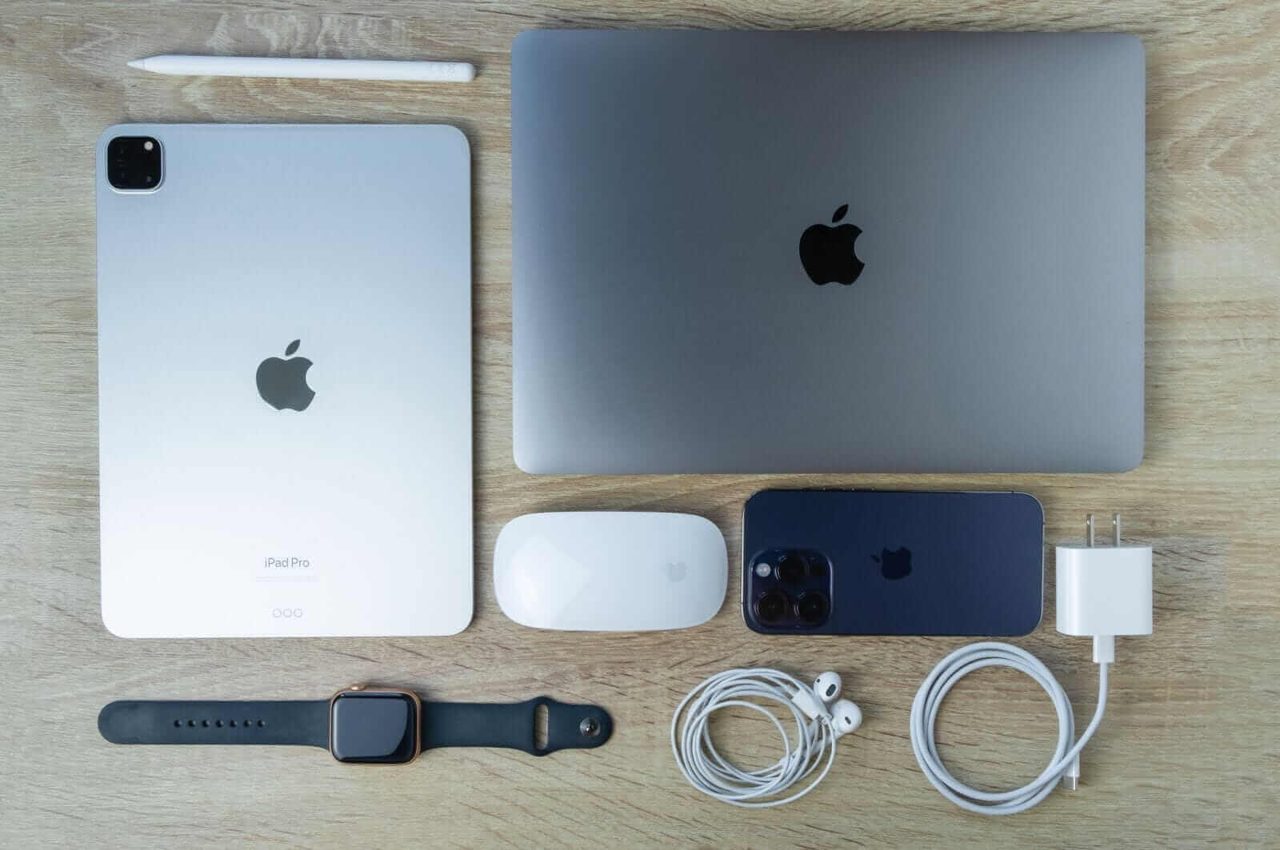
Apple continues to refresh its existing hardware portfolio to protect these core cash flows. The second quarter saw the release of the iPad Air, iPhone 17e, MacBook Pro, MacBook Air, MacBook Neo, and AirPods Max. Underpinning this product cadence is a heavy commitment to research, with Q2 2026 R&D expenses equating to approximately 10% of net sales.
For a company with a $4.9 trillion market capitalization, finding adjacent markets large enough to drive meaningful growth is a persistent challenge. Robotics fits that mandate. Crucially, Apple's ability to self-fund this long-term bet entirely from its current cash flow machine significantly reduces the execution risk typically associated with entering new hardware categories.