PepsiCo sales drop flags margin risk for US convenience stores
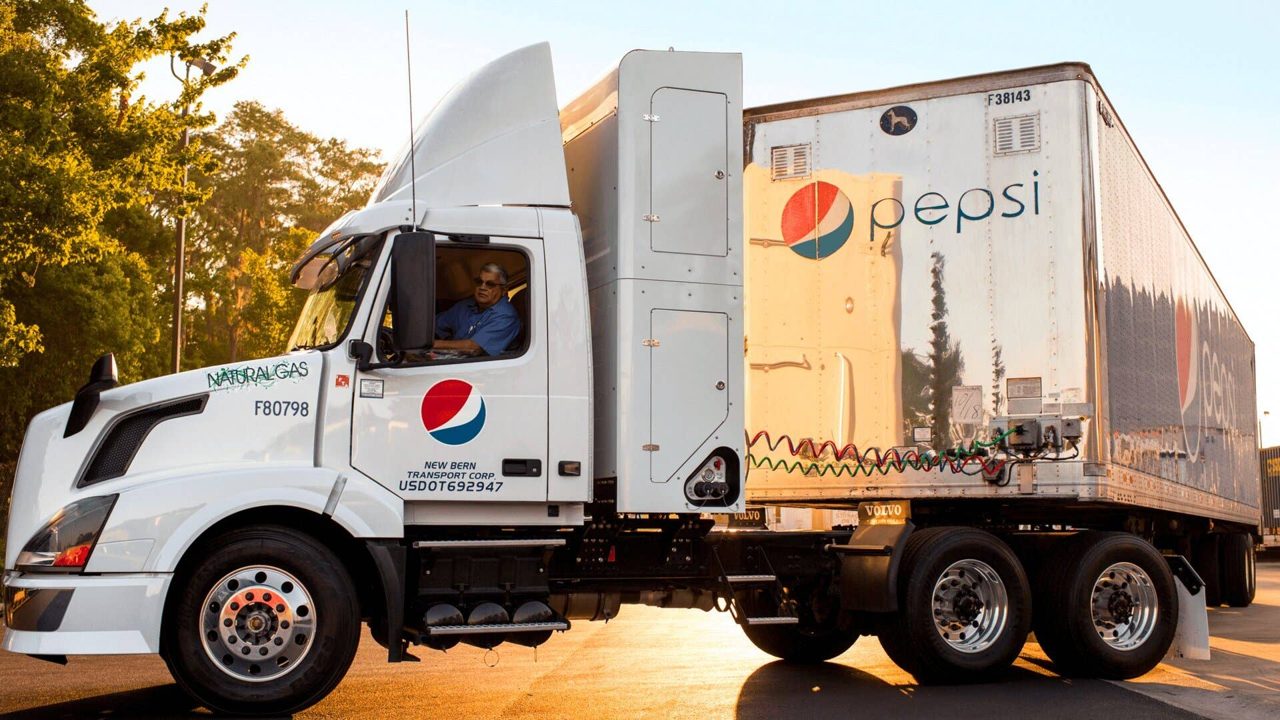
PepsiCo reported a decline in convenience store purchases linked to elevated fuel costs, signaling a potential hit to the high-margin sales that underpin the sector's profitability.
PepsiCo is experiencing a notable slowdown in impulse purchases at US convenience stores, a trend directly driven by sustained high gasoline prices that should alarm investors in the broader retail fuel sector.
During the company's second-quarter earnings call, CEO Ramon Laguarta detailed a distinct shift in American consumer behavior. "In certain convenience stores and some other independent [stores], we're seeing a slowdown of the conversion of traffic into purchases," he stated. Laguarta specifically identified these impulse channels as having a strong correlation with the price of gas, noting that consumers are simply driving away without buying snacks or drinks.
The macroeconomic data supports this corporate observation. The US national average for a gallon of regular gasoline has remained above $3.50 since March, according to AAA. Historical analysis from Black Box Intelligence's April 2026 Out of the Box report shows that this specific price point acts as a tipping point; restaurant traffic historically declines once fuel crosses this threshold. Furthermore, a recent Bank of America Consumer Checkpoint report indicated that elevated gasoline bills are forcing households to aggressively trim discretionary budgets, cutting back on food services and even trading down in grocery spending.
Margin pressure for retailers
This shift in consumer spending carries outsized implications for convenience store operators like 7-Eleven. The underlying business model of a convenience store relies on a fundamental margin split. Fuel sales drive foot traffic but generate notoriously thin profit margins. The actual financial engine of these retail locations is the conversion of those drivers into buyers of high-margin items such as packaged snacks, fountain drinks, and prepared foods.
When consumers enter a store but fail to complete a purchase, retailers lose the only part of the transaction that generates meaningful profit. If PepsiCo, a dominant supplier in this space, is seeing a broad deceleration in conversion rates, convenience store chains are almost certainly seeing a corresponding compression in their bottom lines.
PepsiCo is attempting to counter the weakness by leaning into affordability strategies. "We're working with our customer partners in solutions to convert more of the traffic in the store, bundles, linking to meals, solutions to address that particular channel," Laguarta explained.
However, this strategy faces a mathematical hurdle in the current inflationary environment. While product bundles effectively lower the per-unit cost and offer perceived value, they still require a higher absolute cash outlay from the consumer at the register compared to buying a single item. For a household actively trimming discretionary spending due to high fuel costs, a larger total transaction may actually deter rather than encourage a purchase.
Until fuel prices retreat significantly, convenience store chains face a structural threat to their most lucrative revenue streams. Market professionals should expect the sector's profitability to remain closely tethered to the pump, as fuel volume alone will not shield earnings if high-margin impulse sales continue to stagnate.