Nigerians dying in droves from preventable gridlocks
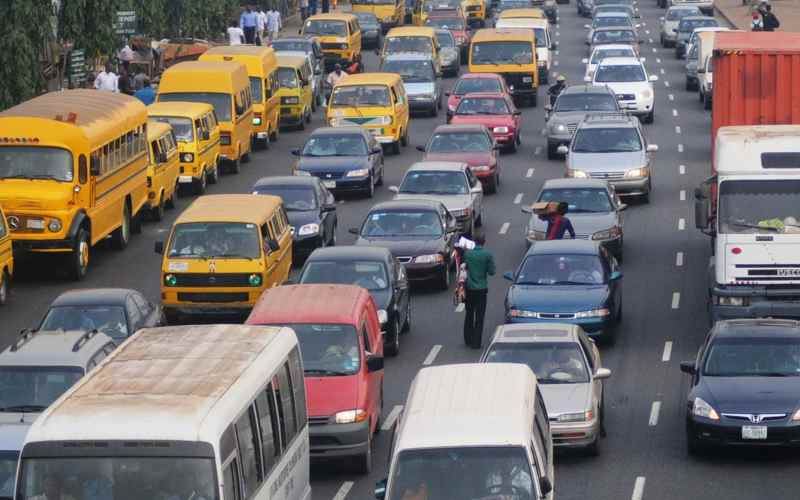
Through the years, the Lagos-Ibadan Expressway has become almost a ritual project in the political and infrastructure calculations of successive read more Nigerians dying in droves from preventable gridlocks
Through the years, the Lagos-Ibadan Expressway has become almost a ritual project in the political and infrastructure calculations of successive administrations. Remember the eight years of President Olusegun Obasanjo, when billions of naira were voted for the Lagos-Ibadan Expressway, with promises to shorten travel time and provide an enduring road. Then came the Umaru Musa Yar’Adua-Goodluck Jonathan years, and more billions were committed to the same road. Funnily, during the eight years Babatunde Fashola served as Minister of Works under President Muhammadu Buhari, billions were again committed to the expressway. Sadly, under the current administration, billions are still being deployed for repairs and rehabilitation of the same road. The question Nigerians now ask is simple, when will this road finally become a road that works? The latest Kara Bridge experience has again exposed the weakness in our approach. Repairs to damaged expansion joints began on September 8, 2026, and motorists were warned to expect delays. But within hours, traffic stretched from Kara towards 7Up and beyond, with some motorists spending almost four hours on what should have been a routine journey. On September 5, three people were killed and 10 others injured in a multiple-vehicle crash on the road. On September 15, another seven-vehicle crash at Kara Bridge brought traffic to a standstill, spilling over two days. The problem, therefore, is bigger than one bridge, one contractor, or one accident. This September alone, the unofficial number of people who may have suffered medical emergencies, accidents, or other consequences while trapped in traffic on this corridor is difficult to establish. There is no reliable statistical category for people who collapse or die because they were trapped for hours in gridlock. Yet the reality is visible. On both sides of the traffic, one sees exhausted motorists sitting behind their steering wheels for hours. Sometimes, commuters may not immediately realise that a driver has suffered a medical emergency. Some motorists are forced to trek long distances. Others sleep inside their vehicles. And when traffic stands still for hours, another danger emerges, impatience. Drivers begin making dangerous manoeuvres. Motorists drive against traffic. Commercial vehicles squeeze through impossible spaces. Motorcycles and pedestrians compete for whatever space remains. A minor accident becomes a major obstruction, and a major obstruction becomes a nightmare. The statistics show why this should not be treated casually. The Federal Road Safety Corps recorded 9,570 road traffic crashes and 5,421 deaths in 2024, with another 31,154 people injured. That is an average of almost 15 deaths every day from reported road crashes. However, these deaths cannot all be attributed to gridlock or poor roads. The FRSC has described some crashes as avoidable when drivers observe speed limits, maintain their vehicles, and obey traffic rules. But this is precisely why the government must take the road environment seriously. More pathetic is that the Lagos-Ibadan Expressway is not alone as an avenue for sending innocent Nigerians to their untimely deaths. A brief travelogue will bring more understanding to this. Leaving Benin City on September 15 for Lagos at 8:30 am cannot be said to be late in the day. But reaching the Ovia River Bridge on the Benin-Lagos Federal Highway and discovering that movement is impossible can instantly destroy the calculation of an entire journey. Travellers then have to turn back and search for alternative routes. Going back towards Benin City and accessing another route to connect the Benin-Ore corridor can take hours, particularly where alternative roads are themselves in terrible condition. In such circumstances, some commuters will inevitably encounter accidents that may never enter any official statistics. This is one of the greatest problems with Nigeria’s road crisis. Government measures are often smaller than what Nigerians actually experience. Back on the Lagos-Ibadan Expressway, some people die on the wheels, perhaps from fatigue or medical emergencies. Others arrive home in the early hours of the following day. Some simply sleep on the highway, despite having embarked on a journey that should ordinarily take only a few hours. Workers travelling through these corridors can be seen trekking home around midnight. One cannot help but ask: when will such people leave home for work the next morning? This has implications beyond inconvenience. Every hour wasted in traffic is an hour removed from productivity. Perishable goods spoil; transport costs rise; fuel is wasted; businesses lose working hours; children spend less time with their parents; emergency patients face greater risks; drivers become fatigued, while the psychological burden of commuting increases. The national economy pays for every kilometre of unnecessary traffic. The question now is, apart from the insecurity plaguing us on all sides, how long will our leaders neglect their responsibilities and allow Nigerians to die or suffer daily from preventable situations? Why is there no sufficient sense of urgency when repairs are going on? Nobody is saying roads should not be repaired. Indeed, the Federal Ministry of Works was right to address the defective Kara Bridge expansion joints before they became an even greater structural danger. The government said the damaged joints had exceeded their service life and posed risks to motorists. But repairing a road should not mean abandoning the people who use it. Traffic management must be part of road construction. Emergency lanes should be protected. Broken-down vehicles must be removed quickly. Towing equipment should be permanently stationed around major bottlenecks. Traffic agencies must coordinate rather than operate in isolation. Motorists should receive timely information about diversions and expected delays. Nigeria already has some of the ingredients. FRSC operates emergency ambulance services and roadside clinics, while its road-safety systems increasingly use technology and real-time information. What is required is to make these systems work consistently and visibly where Nigerians need them most. Across the states, especially in Lagos and Edo, internal roads are also crying for attention, raising questions about the responsibilities of local government authorities. A nation cannot continue to spend billions on major highways while roads connecting communities to those highways become impassable. How long will our leaders continue telling Nigerians to bear this “temporary pain” when the pain keeps returning? In a nation where citizens already provide many things for themselves, if the government tells Nigerians to provide their own roads, perhaps they will. But Nigerians should at least be given a conducive environment to work, invest, travel, and live. The ideal situation is not a Nigeria without road repairs but a Nigeria where road repairs do not become national emergencies; where a five-hour journey does not become an overnight ordeal; where an ambulance is not trapped behind a kilometre-long queue, and where a citizen can travel without wondering whether the road itself has become a threat to life. Nigerians are not asking for miracles. They are asking the government to make movement predictable, roads safe, and infrastructure functional. Nigerians are dying carelessly by the day. The tragedy is that some of these deaths and hardships are preventable. Let our leaders show they are still human. Related News The interinstitutional void (3): Making government whole Reputation is built in ordinary moments 2027: The crude populism of Atiku’s kitchen-sink strategy Osa Victor Obayagbona Socio-cultural Affairs Share
Funnily, during the eight years Babatunde Fashola served as Minister of Works under President Muhammadu Buhari, billions were again committed to the expressway. Sadly, under the current administration, billions are still being deployed for repairs and rehabilitation of the same road. The question Nigerians now ask is simple, when will this road finally become a road that works? The latest Kara Bridge experience has again exposed the weakness in our approach. Repairs to damaged expansion joints began on September 8, 2026, and motorists were warned to expect delays. But within hours, traffic stretched from Kara towards 7Up and beyond, with some motorists spending almost four hours on what should have been a routine journey. On September 5, three people were killed and 10 others injured in a multiple-vehicle crash on the road. On September 15, another seven-vehicle crash at Kara Bridge brought traffic to a standstill, spilling over two days. The problem, therefore, is bigger than one bridge, one contractor, or one accident. This September alone, the unofficial number of people who may have suffered medical emergencies, accidents, or other consequences while trapped in traffic on this corridor is difficult to establish. There is no reliable statistical category for people who collapse or die because they were trapped for hours in gridlock. Yet the reality is visible. On both sides of the traffic, one sees exhausted motorists sitting behind their steering wheels for hours. Sometimes, commuters may not immediately realise that a driver has suffered a medical emergency. Some motorists are forced to trek long distances. Others sleep inside their vehicles. And when traffic stands still for hours, another danger emerges, impatience. Drivers begin making dangerous manoeuvres. Motorists drive against traffic. Commercial vehicles squeeze through impossible spaces. Motorcycles and pedestrians compete for whatever space remains. A minor accident becomes a major obstruction, and a major obstruction becomes a nightmare. The statistics show why this should not be treated casually. The Federal Road Safety Corps recorded 9,570 road traffic crashes and 5,421 deaths in 2024, with another 31,154 people injured. That is an average of almost 15 deaths every day from reported road crashes. However, these deaths cannot all be attributed to gridlock or poor roads. The FRSC has described some crashes as avoidable when drivers observe speed limits, maintain their vehicles, and obey traffic rules. But this is precisely why the government must take the road environment seriously. More pathetic is that the Lagos-Ibadan Expressway is not alone as an avenue for sending innocent Nigerians to their untimely deaths. A brief travelogue will bring more understanding to this. Leaving Benin City on September 15 for Lagos at 8:30 am cannot be said to be late in the day. But reaching the Ovia River Bridge on the Benin-Lagos Federal Highway and discovering that movement is impossible can instantly destroy the calculation of an entire journey. Travellers then have to turn back and search for alternative routes. Going back towards Benin City and accessing another route to connect the Benin-Ore corridor can take hours, particularly where alternative roads are themselves in terrible condition. In such circumstances, some commuters will inevitably encounter accidents that may never enter any official statistics. This is one of the greatest problems with Nigeria’s road crisis. Government measures are often smaller than what Nigerians actually experience. Back on the Lagos-Ibadan Expressway, some people die on the wheels, perhaps from fatigue or medical emergencies. Others arrive home in the early hours of the following day. Some simply sleep on the highway, despite having embarked on a journey that should ordinarily take only a few hours. Workers travelling through these corridors can be seen trekking home around midnight. One cannot help but ask: when will such people leave home for work the next morning? This has implications beyond inconvenience. Every hour wasted in traffic is an hour removed from productivity. Perishable goods spoil; transport costs rise; fuel is wasted; businesses lose working hours; children spend less time with their parents; emergency patients face greater risks; drivers become fatigued, while the psychological burden of commuting increases. The national economy pays for every kilometre of unnecessary traffic. The question now is, apart from the insecurity plaguing us on all sides, how long will our leaders neglect their responsibilities and allow Nigerians to die or suffer daily from preventable situations? Why is there no sufficient sense of urgency when repairs are going on? Nobody is saying roads should not be repaired. Indeed, the Federal Ministry of Works was right to address the defective Kara Bridge expansion joints before they became an even greater structural danger. The government said the damaged joints had exceeded their service life and posed risks to motorists. But repairing a road should not mean abandoning the people who use it. Traffic management must be part of road construction. Emergency lanes should be protected. Broken-down vehicles must be removed quickly. Towing equipment should be permanently stationed around major bottlenecks. Traffic agencies must coordinate rather than operate in isolation. Motorists should receive timely information about diversions and expected delays. Nigeria already has some of the ingredients. FRSC operates emergency ambulance services and roadside clinics, while its road-safety systems increasingly use technology and real-time information. What is required is to make these systems work consistently and visibly where Nigerians need them most. Across the states, especially in Lagos and Edo, internal roads are also crying for attention, raising questions about the responsibilities of local government authorities. A nation cannot continue to spend billions on major highways while roads connecting communities to those highways become impassable. How long will our leaders continue telling Nigerians to bear this “temporary pain” when the pain keeps returning? In a nation where citizens already provide many things for themselves, if the government tells Nigerians to provide their own roads, perhaps they will. But Nigerians should at least be given a conducive environment to work, invest, travel, and live. The ideal situation is not a Nigeria without road repairs but a Nigeria where road repairs do not become national emergencies; where a five-hour journey does not become an overnight ordeal; where an ambulance is not trapped behind a kilometre-long queue, and where a citizen can travel without wondering whether the road itself has become a threat to life. Nigerians are not asking for miracles. They are asking the government to make movement predictable, roads safe, and infrastructure functional. Nigerians are dying carelessly by the day. The tragedy is that some of these deaths and hardships are preventable. Let our leaders show they are still human. Related News The interinstitutional void (3): Making government whole Reputation is built in ordinary moments 2027: The crude populism of Atiku’s kitchen-sink strategy Osa Victor Obayagbona Socio-cultural Affairs Share
The question Nigerians now ask is simple, when will this road finally become a road that works? The latest Kara Bridge experience has again exposed the weakness in our approach. Repairs to damaged expansion joints began on September 8, 2026, and motorists were warned to expect delays. But within hours, traffic stretched from Kara towards 7Up and beyond, with some motorists spending almost four hours on what should have been a routine journey. On September 5, three people were killed and 10 others injured in a multiple-vehicle crash on the road. On September 15, another seven-vehicle crash at Kara Bridge brought traffic to a standstill, spilling over two days. The problem, therefore, is bigger than one bridge, one contractor, or one accident. This September alone, the unofficial number of people who may have suffered medical emergencies, accidents, or other consequences while trapped in traffic on this corridor is difficult to establish. There is no reliable statistical category for people who collapse or die because they were trapped for hours in gridlock. Yet the reality is visible. On both sides of the traffic, one sees exhausted motorists sitting behind their steering wheels for hours. Sometimes, commuters may not immediately realise that a driver has suffered a medical emergency. Some motorists are forced to trek long distances. Others sleep inside their vehicles. And when traffic stands still for hours, another danger emerges, impatience. Drivers begin making dangerous manoeuvres. Motorists drive against traffic. Commercial vehicles squeeze through impossible spaces. Motorcycles and pedestrians compete for whatever space remains. A minor accident becomes a major obstruction, and a major obstruction becomes a nightmare. The statistics show why this should not be treated casually. The Federal Road Safety Corps recorded 9,570 road traffic crashes and 5,421 deaths in 2024, with another 31,154 people injured. That is an average of almost 15 deaths every day from reported road crashes. However, these deaths cannot all be attributed to gridlock or poor roads. The FRSC has described some crashes as avoidable when drivers observe speed limits, maintain their vehicles, and obey traffic rules. But this is precisely why the government must take the road environment seriously. More pathetic is that the Lagos-Ibadan Expressway is not alone as an avenue for sending innocent Nigerians to their untimely deaths. A brief travelogue will bring more understanding to this. Leaving Benin City on September 15 for Lagos at 8:30 am cannot be said to be late in the day. But reaching the Ovia River Bridge on the Benin-Lagos Federal Highway and discovering that movement is impossible can instantly destroy the calculation of an entire journey. Travellers then have to turn back and search for alternative routes. Going back towards Benin City and accessing another route to connect the Benin-Ore corridor can take hours, particularly where alternative roads are themselves in terrible condition. In such circumstances, some commuters will inevitably encounter accidents that may never enter any official statistics. This is one of the greatest problems with Nigeria’s road crisis. Government measures are often smaller than what Nigerians actually experience. Back on the Lagos-Ibadan Expressway, some people die on the wheels, perhaps from fatigue or medical emergencies. Others arrive home in the early hours of the following day. Some simply sleep on the highway, despite having embarked on a journey that should ordinarily take only a few hours. Workers travelling through these corridors can be seen trekking home around midnight. One cannot help but ask: when will such people leave home for work the next morning? This has implications beyond inconvenience. Every hour wasted in traffic is an hour removed from productivity. Perishable goods spoil; transport costs rise; fuel is wasted; businesses lose working hours; children spend less time with their parents; emergency patients face greater risks; drivers become fatigued, while the psychological burden of commuting increases. The national economy pays for every kilometre of unnecessary traffic. The question now is, apart from the insecurity plaguing us on all sides, how long will our leaders neglect their responsibilities and allow Nigerians to die or suffer daily from preventable situations? Why is there no sufficient sense of urgency when repairs are going on? Nobody is saying roads should not be repaired. Indeed, the Federal Ministry of Works was right to address the defective Kara Bridge expansion joints before they became an even greater structural danger. The government said the damaged joints had exceeded their service life and posed risks to motorists. But repairing a road should not mean abandoning the people who use it. Traffic management must be part of road construction. Emergency lanes should be protected. Broken-down vehicles must be removed quickly. Towing equipment should be permanently stationed around major bottlenecks. Traffic agencies must coordinate rather than operate in isolation. Motorists should receive timely information about diversions and expected delays. Nigeria already has some of the ingredients. FRSC operates emergency ambulance services and roadside clinics, while its road-safety systems increasingly use technology and real-time information. What is required is to make these systems work consistently and visibly where Nigerians need them most. Across the states, especially in Lagos and Edo, internal roads are also crying for attention, raising questions about the responsibilities of local government authorities. A nation cannot continue to spend billions on major highways while roads connecting communities to those highways become impassable. How long will our leaders continue telling Nigerians to bear this “temporary pain” when the pain keeps returning? In a nation where citizens already provide many things for themselves, if the government tells Nigerians to provide their own roads, perhaps they will. But Nigerians should at least be given a conducive environment to work, invest, travel, and live. The ideal situation is not a Nigeria without road repairs but a Nigeria where road repairs do not become national emergencies; where a five-hour journey does not become an overnight ordeal; where an ambulance is not trapped behind a kilometre-long queue, and where a citizen can travel without wondering whether the road itself has become a threat to life. Nigerians are not asking for miracles. They are asking the government to make movement predictable, roads safe, and infrastructure functional. Nigerians are dying carelessly by the day. The tragedy is that some of these deaths and hardships are preventable. Let our leaders show they are still human. Related News The interinstitutional void (3): Making government whole Reputation is built in ordinary moments 2027: The crude populism of Atiku’s kitchen-sink strategy Osa Victor Obayagbona Socio-cultural Affairs Share
The latest Kara Bridge experience has again exposed the weakness in our approach. Repairs to damaged expansion joints began on September 8, 2026, and motorists were warned to expect delays. But within hours, traffic stretched from Kara towards 7Up and beyond, with some motorists spending almost four hours on what should have been a routine journey. On September 5, three people were killed and 10 others injured in a multiple-vehicle crash on the road. On September 15, another seven-vehicle crash at Kara Bridge brought traffic to a standstill, spilling over two days. The problem, therefore, is bigger than one bridge, one contractor, or one accident. This September alone, the unofficial number of people who may have suffered medical emergencies, accidents, or other consequences while trapped in traffic on this corridor is difficult to establish. There is no reliable statistical category for people who collapse or die because they were trapped for hours in gridlock. Yet the reality is visible. On both sides of the traffic, one sees exhausted motorists sitting behind their steering wheels for hours. Sometimes, commuters may not immediately realise that a driver has suffered a medical emergency. Some motorists are forced to trek long distances. Others sleep inside their vehicles. And when traffic stands still for hours, another danger emerges, impatience. Drivers begin making dangerous manoeuvres. Motorists drive against traffic. Commercial vehicles squeeze through impossible spaces. Motorcycles and pedestrians compete for whatever space remains. A minor accident becomes a major obstruction, and a major obstruction becomes a nightmare. The statistics show why this should not be treated casually. The Federal Road Safety Corps recorded 9,570 road traffic crashes and 5,421 deaths in 2024, with another 31,154 people injured. That is an average of almost 15 deaths every day from reported road crashes. However, these deaths cannot all be attributed to gridlock or poor roads. The FRSC has described some crashes as avoidable when drivers observe speed limits, maintain their vehicles, and obey traffic rules. But this is precisely why the government must take the road environment seriously. More pathetic is that the Lagos-Ibadan Expressway is not alone as an avenue for sending innocent Nigerians to their untimely deaths. A brief travelogue will bring more understanding to this. Leaving Benin City on September 15 for Lagos at 8:30 am cannot be said to be late in the day. But reaching the Ovia River Bridge on the Benin-Lagos Federal Highway and discovering that movement is impossible can instantly destroy the calculation of an entire journey. Travellers then have to turn back and search for alternative routes. Going back towards Benin City and accessing another route to connect the Benin-Ore corridor can take hours, particularly where alternative roads are themselves in terrible condition. In such circumstances, some commuters will inevitably encounter accidents that may never enter any official statistics. This is one of the greatest problems with Nigeria’s road crisis. Government measures are often smaller than what Nigerians actually experience. Back on the Lagos-Ibadan Expressway, some people die on the wheels, perhaps from fatigue or medical emergencies. Others arrive home in the early hours of the following day. Some simply sleep on the highway, despite having embarked on a journey that should ordinarily take only a few hours. Workers travelling through these corridors can be seen trekking home around midnight. One cannot help but ask: when will such people leave home for work the next morning? This has implications beyond inconvenience. Every hour wasted in traffic is an hour removed from productivity. Perishable goods spoil; transport costs rise; fuel is wasted; businesses lose working hours; children spend less time with their parents; emergency patients face greater risks; drivers become fatigued, while the psychological burden of commuting increases. The national economy pays for every kilometre of unnecessary traffic. The question now is, apart from the insecurity plaguing us on all sides, how long will our leaders neglect their responsibilities and allow Nigerians to die or suffer daily from preventable situations? Why is there no sufficient sense of urgency when repairs are going on? Nobody is saying roads should not be repaired. Indeed, the Federal Ministry of Works was right to address the defective Kara Bridge expansion joints before they became an even greater structural danger. The government said the damaged joints had exceeded their service life and posed risks to motorists. But repairing a road should not mean abandoning the people who use it. Traffic management must be part of road construction. Emergency lanes should be protected. Broken-down vehicles must be removed quickly. Towing equipment should be permanently stationed around major bottlenecks. Traffic agencies must coordinate rather than operate in isolation. Motorists should receive timely information about diversions and expected delays. Nigeria already has some of the ingredients. FRSC operates emergency ambulance services and roadside clinics, while its road-safety systems increasingly use technology and real-time information. What is required is to make these systems work consistently and visibly where Nigerians need them most. Across the states, especially in Lagos and Edo, internal roads are also crying for attention, raising questions about the responsibilities of local government authorities. A nation cannot continue to spend billions on major highways while roads connecting communities to those highways become impassable. How long will our leaders continue telling Nigerians to bear this “temporary pain” when the pain keeps returning? In a nation where citizens already provide many things for themselves, if the government tells Nigerians to provide their own roads, perhaps they will. But Nigerians should at least be given a conducive environment to work, invest, travel, and live. The ideal situation is not a Nigeria without road repairs but a Nigeria where road repairs do not become national emergencies; where a five-hour journey does not become an overnight ordeal; where an ambulance is not trapped behind a kilometre-long queue, and where a citizen can travel without wondering whether the road itself has become a threat to life. Nigerians are not asking for miracles. They are asking the government to make movement predictable, roads safe, and infrastructure functional. Nigerians are dying carelessly by the day. The tragedy is that some of these deaths and hardships are preventable. Let our leaders show they are still human. Related News The interinstitutional void (3): Making government whole Reputation is built in ordinary moments 2027: The crude populism of Atiku’s kitchen-sink strategy Osa Victor Obayagbona Socio-cultural Affairs Share
On September 5, three people were killed and 10 others injured in a multiple-vehicle crash on the road. On September 15, another seven-vehicle crash at Kara Bridge brought traffic to a standstill, spilling over two days. The problem, therefore, is bigger than one bridge, one contractor, or one accident. This September alone, the unofficial number of people who may have suffered medical emergencies, accidents, or other consequences while trapped in traffic on this corridor is difficult to establish. There is no reliable statistical category for people who collapse or die because they were trapped for hours in gridlock. Yet the reality is visible. On both sides of the traffic, one sees exhausted motorists sitting behind their steering wheels for hours. Sometimes, commuters may not immediately realise that a driver has suffered a medical emergency. Some motorists are forced to trek long distances. Others sleep inside their vehicles. And when traffic stands still for hours, another danger emerges, impatience. Drivers begin making dangerous manoeuvres. Motorists drive against traffic. Commercial vehicles squeeze through impossible spaces. Motorcycles and pedestrians compete for whatever space remains. A minor accident becomes a major obstruction, and a major obstruction becomes a nightmare. The statistics show why this should not be treated casually. The Federal Road Safety Corps recorded 9,570 road traffic crashes and 5,421 deaths in 2024, with another 31,154 people injured. That is an average of almost 15 deaths every day from reported road crashes. However, these deaths cannot all be attributed to gridlock or poor roads. The FRSC has described some crashes as avoidable when drivers observe speed limits, maintain their vehicles, and obey traffic rules. But this is precisely why the government must take the road environment seriously. More pathetic is that the Lagos-Ibadan Expressway is not alone as an avenue for sending innocent Nigerians to their untimely deaths. A brief travelogue will bring more understanding to this. Leaving Benin City on September 15 for Lagos at 8:30 am cannot be said to be late in the day. But reaching the Ovia River Bridge on the Benin-Lagos Federal Highway and discovering that movement is impossible can instantly destroy the calculation of an entire journey. Travellers then have to turn back and search for alternative routes. Going back towards Benin City and accessing another route to connect the Benin-Ore corridor can take hours, particularly where alternative roads are themselves in terrible condition. In such circumstances, some commuters will inevitably encounter accidents that may never enter any official statistics. This is one of the greatest problems with Nigeria’s road crisis. Government measures are often smaller than what Nigerians actually experience. Back on the Lagos-Ibadan Expressway, some people die on the wheels, perhaps from fatigue or medical emergencies. Others arrive home in the early hours of the following day. Some simply sleep on the highway, despite having embarked on a journey that should ordinarily take only a few hours. Workers travelling through these corridors can be seen trekking home around midnight. One cannot help but ask: when will such people leave home for work the next morning? This has implications beyond inconvenience. Every hour wasted in traffic is an hour removed from productivity. Perishable goods spoil; transport costs rise; fuel is wasted; businesses lose working hours; children spend less time with their parents; emergency patients face greater risks; drivers become fatigued, while the psychological burden of commuting increases. The national economy pays for every kilometre of unnecessary traffic. The question now is, apart from the insecurity plaguing us on all sides, how long will our leaders neglect their responsibilities and allow Nigerians to die or suffer daily from preventable situations? Why is there no sufficient sense of urgency when repairs are going on? Nobody is saying roads should not be repaired. Indeed, the Federal Ministry of Works was right to address the defective Kara Bridge expansion joints before they became an even greater structural danger. The government said the damaged joints had exceeded their service life and posed risks to motorists. But repairing a road should not mean abandoning the people who use it. Traffic management must be part of road construction. Emergency lanes should be protected. Broken-down vehicles must be removed quickly. Towing equipment should be permanently stationed around major bottlenecks. Traffic agencies must coordinate rather than operate in isolation. Motorists should receive timely information about diversions and expected delays. Nigeria already has some of the ingredients. FRSC operates emergency ambulance services and roadside clinics, while its road-safety systems increasingly use technology and real-time information. What is required is to make these systems work consistently and visibly where Nigerians need them most. Across the states, especially in Lagos and Edo, internal roads are also crying for attention, raising questions about the responsibilities of local government authorities. A nation cannot continue to spend billions on major highways while roads connecting communities to those highways become impassable. How long will our leaders continue telling Nigerians to bear this “temporary pain” when the pain keeps returning? In a nation where citizens already provide many things for themselves, if the government tells Nigerians to provide their own roads, perhaps they will. But Nigerians should at least be given a conducive environment to work, invest, travel, and live. The ideal situation is not a Nigeria without road repairs but a Nigeria where road repairs do not become national emergencies; where a five-hour journey does not become an overnight ordeal; where an ambulance is not trapped behind a kilometre-long queue, and where a citizen can travel without wondering whether the road itself has become a threat to life. Nigerians are not asking for miracles. They are asking the government to make movement predictable, roads safe, and infrastructure functional. Nigerians are dying carelessly by the day. The tragedy is that some of these deaths and hardships are preventable. Let our leaders show they are still human. Related News The interinstitutional void (3): Making government whole Reputation is built in ordinary moments 2027: The crude populism of Atiku’s kitchen-sink strategy Osa Victor Obayagbona Socio-cultural Affairs Share
The problem, therefore, is bigger than one bridge, one contractor, or one accident. This September alone, the unofficial number of people who may have suffered medical emergencies, accidents, or other consequences while trapped in traffic on this corridor is difficult to establish. There is no reliable statistical category for people who collapse or die because they were trapped for hours in gridlock. Yet the reality is visible. On both sides of the traffic, one sees exhausted motorists sitting behind their steering wheels for hours. Sometimes, commuters may not immediately realise that a driver has suffered a medical emergency. Some motorists are forced to trek long distances. Others sleep inside their vehicles. And when traffic stands still for hours, another danger emerges, impatience. Drivers begin making dangerous manoeuvres. Motorists drive against traffic. Commercial vehicles squeeze through impossible spaces. Motorcycles and pedestrians compete for whatever space remains. A minor accident becomes a major obstruction, and a major obstruction becomes a nightmare. The statistics show why this should not be treated casually. The Federal Road Safety Corps recorded 9,570 road traffic crashes and 5,421 deaths in 2024, with another 31,154 people injured. That is an average of almost 15 deaths every day from reported road crashes. However, these deaths cannot all be attributed to gridlock or poor roads. The FRSC has described some crashes as avoidable when drivers observe speed limits, maintain their vehicles, and obey traffic rules. But this is precisely why the government must take the road environment seriously. More pathetic is that the Lagos-Ibadan Expressway is not alone as an avenue for sending innocent Nigerians to their untimely deaths. A brief travelogue will bring more understanding to this. Leaving Benin City on September 15 for Lagos at 8:30 am cannot be said to be late in the day. But reaching the Ovia River Bridge on the Benin-Lagos Federal Highway and discovering that movement is impossible can instantly destroy the calculation of an entire journey. Travellers then have to turn back and search for alternative routes. Going back towards Benin City and accessing another route to connect the Benin-Ore corridor can take hours, particularly where alternative roads are themselves in terrible condition. In such circumstances, some commuters will inevitably encounter accidents that may never enter any official statistics. This is one of the greatest problems with Nigeria’s road crisis. Government measures are often smaller than what Nigerians actually experience. Back on the Lagos-Ibadan Expressway, some people die on the wheels, perhaps from fatigue or medical emergencies. Others arrive home in the early hours of the following day. Some simply sleep on the highway, despite having embarked on a journey that should ordinarily take only a few hours. Workers travelling through these corridors can be seen trekking home around midnight. One cannot help but ask: when will such people leave home for work the next morning? This has implications beyond inconvenience. Every hour wasted in traffic is an hour removed from productivity. Perishable goods spoil; transport costs rise; fuel is wasted; businesses lose working hours; children spend less time with their parents; emergency patients face greater risks; drivers become fatigued, while the psychological burden of commuting increases. The national economy pays for every kilometre of unnecessary traffic. The question now is, apart from the insecurity plaguing us on all sides, how long will our leaders neglect their responsibilities and allow Nigerians to die or suffer daily from preventable situations? Why is there no sufficient sense of urgency when repairs are going on? Nobody is saying roads should not be repaired. Indeed, the Federal Ministry of Works was right to address the defective Kara Bridge expansion joints before they became an even greater structural danger. The government said the damaged joints had exceeded their service life and posed risks to motorists. But repairing a road should not mean abandoning the people who use it. Traffic management must be part of road construction. Emergency lanes should be protected. Broken-down vehicles must be removed quickly. Towing equipment should be permanently stationed around major bottlenecks. Traffic agencies must coordinate rather than operate in isolation. Motorists should receive timely information about diversions and expected delays. Nigeria already has some of the ingredients. FRSC operates emergency ambulance services and roadside clinics, while its road-safety systems increasingly use technology and real-time information. What is required is to make these systems work consistently and visibly where Nigerians need them most. Across the states, especially in Lagos and Edo, internal roads are also crying for attention, raising questions about the responsibilities of local government authorities. A nation cannot continue to spend billions on major highways while roads connecting communities to those highways become impassable. How long will our leaders continue telling Nigerians to bear this “temporary pain” when the pain keeps returning? In a nation where citizens already provide many things for themselves, if the government tells Nigerians to provide their own roads, perhaps they will. But Nigerians should at least be given a conducive environment to work, invest, travel, and live. The ideal situation is not a Nigeria without road repairs but a Nigeria where road repairs do not become national emergencies; where a five-hour journey does not become an overnight ordeal; where an ambulance is not trapped behind a kilometre-long queue, and where a citizen can travel without wondering whether the road itself has become a threat to life. Nigerians are not asking for miracles. They are asking the government to make movement predictable, roads safe, and infrastructure functional. Nigerians are dying carelessly by the day. The tragedy is that some of these deaths and hardships are preventable. Let our leaders show they are still human. Related News The interinstitutional void (3): Making government whole Reputation is built in ordinary moments 2027: The crude populism of Atiku’s kitchen-sink strategy Osa Victor Obayagbona Socio-cultural Affairs Share
This September alone, the unofficial number of people who may have suffered medical emergencies, accidents, or other consequences while trapped in traffic on this corridor is difficult to establish. There is no reliable statistical category for people who collapse or die because they were trapped for hours in gridlock. Yet the reality is visible. On both sides of the traffic, one sees exhausted motorists sitting behind their steering wheels for hours. Sometimes, commuters may not immediately realise that a driver has suffered a medical emergency. Some motorists are forced to trek long distances. Others sleep inside their vehicles. And when traffic stands still for hours, another danger emerges, impatience. Drivers begin making dangerous manoeuvres. Motorists drive against traffic. Commercial vehicles squeeze through impossible spaces. Motorcycles and pedestrians compete for whatever space remains. A minor accident becomes a major obstruction, and a major obstruction becomes a nightmare. The statistics show why this should not be treated casually. The Federal Road Safety Corps recorded 9,570 road traffic crashes and 5,421 deaths in 2024, with another 31,154 people injured. That is an average of almost 15 deaths every day from reported road crashes. However, these deaths cannot all be attributed to gridlock or poor roads. The FRSC has described some crashes as avoidable when drivers observe speed limits, maintain their vehicles, and obey traffic rules. But this is precisely why the government must take the road environment seriously. More pathetic is that the Lagos-Ibadan Expressway is not alone as an avenue for sending innocent Nigerians to their untimely deaths. A brief travelogue will bring more understanding to this. Leaving Benin City on September 15 for Lagos at 8:30 am cannot be said to be late in the day. But reaching the Ovia River Bridge on the Benin-Lagos Federal Highway and discovering that movement is impossible can instantly destroy the calculation of an entire journey. Travellers then have to turn back and search for alternative routes. Going back towards Benin City and accessing another route to connect the Benin-Ore corridor can take hours, particularly where alternative roads are themselves in terrible condition. In such circumstances, some commuters will inevitably encounter accidents that may never enter any official statistics. This is one of the greatest problems with Nigeria’s road crisis. Government measures are often smaller than what Nigerians actually experience. Back on the Lagos-Ibadan Expressway, some people die on the wheels, perhaps from fatigue or medical emergencies. Others arrive home in the early hours of the following day. Some simply sleep on the highway, despite having embarked on a journey that should ordinarily take only a few hours. Workers travelling through these corridors can be seen trekking home around midnight. One cannot help but ask: when will such people leave home for work the next morning? This has implications beyond inconvenience. Every hour wasted in traffic is an hour removed from productivity. Perishable goods spoil; transport costs rise; fuel is wasted; businesses lose working hours; children spend less time with their parents; emergency patients face greater risks; drivers become fatigued, while the psychological burden of commuting increases. The national economy pays for every kilometre of unnecessary traffic. The question now is, apart from the insecurity plaguing us on all sides, how long will our leaders neglect their responsibilities and allow Nigerians to die or suffer daily from preventable situations? Why is there no sufficient sense of urgency when repairs are going on? Nobody is saying roads should not be repaired. Indeed, the Federal Ministry of Works was right to address the defective Kara Bridge expansion joints before they became an even greater structural danger. The government said the damaged joints had exceeded their service life and posed risks to motorists. But repairing a road should not mean abandoning the people who use it. Traffic management must be part of road construction. Emergency lanes should be protected. Broken-down vehicles must be removed quickly. Towing equipment should be permanently stationed around major bottlenecks. Traffic agencies must coordinate rather than operate in isolation. Motorists should receive timely information about diversions and expected delays. Nigeria already has some of the ingredients. FRSC operates emergency ambulance services and roadside clinics, while its road-safety systems increasingly use technology and real-time information. What is required is to make these systems work consistently and visibly where Nigerians need them most. Across the states, especially in Lagos and Edo, internal roads are also crying for attention, raising questions about the responsibilities of local government authorities. A nation cannot continue to spend billions on major highways while roads connecting communities to those highways become impassable. How long will our leaders continue telling Nigerians to bear this “temporary pain” when the pain keeps returning? In a nation where citizens already provide many things for themselves, if the government tells Nigerians to provide their own roads, perhaps they will. But Nigerians should at least be given a conducive environment to work, invest, travel, and live. The ideal situation is not a Nigeria without road repairs but a Nigeria where road repairs do not become national emergencies; where a five-hour journey does not become an overnight ordeal; where an ambulance is not trapped behind a kilometre-long queue, and where a citizen can travel without wondering whether the road itself has become a threat to life. Nigerians are not asking for miracles. They are asking the government to make movement predictable, roads safe, and infrastructure functional. Nigerians are dying carelessly by the day. The tragedy is that some of these deaths and hardships are preventable. Let our leaders show they are still human. Related News The interinstitutional void (3): Making government whole Reputation is built in ordinary moments 2027: The crude populism of Atiku’s kitchen-sink strategy Osa Victor Obayagbona Socio-cultural Affairs Share
On both sides of the traffic, one sees exhausted motorists sitting behind their steering wheels for hours. Sometimes, commuters may not immediately realise that a driver has suffered a medical emergency. Some motorists are forced to trek long distances. Others sleep inside their vehicles. And when traffic stands still for hours, another danger emerges, impatience. Drivers begin making dangerous manoeuvres. Motorists drive against traffic. Commercial vehicles squeeze through impossible spaces. Motorcycles and pedestrians compete for whatever space remains. A minor accident becomes a major obstruction, and a major obstruction becomes a nightmare. The statistics show why this should not be treated casually. The Federal Road Safety Corps recorded 9,570 road traffic crashes and 5,421 deaths in 2024, with another 31,154 people injured. That is an average of almost 15 deaths every day from reported road crashes. However, these deaths cannot all be attributed to gridlock or poor roads. The FRSC has described some crashes as avoidable when drivers observe speed limits, maintain their vehicles, and obey traffic rules. But this is precisely why the government must take the road environment seriously. More pathetic is that the Lagos-Ibadan Expressway is not alone as an avenue for sending innocent Nigerians to their untimely deaths. A brief travelogue will bring more understanding to this. Leaving Benin City on September 15 for Lagos at 8:30 am cannot be said to be late in the day. But reaching the Ovia River Bridge on the Benin-Lagos Federal Highway and discovering that movement is impossible can instantly destroy the calculation of an entire journey. Travellers then have to turn back and search for alternative routes. Going back towards Benin City and accessing another route to connect the Benin-Ore corridor can take hours, particularly where alternative roads are themselves in terrible condition. In such circumstances, some commuters will inevitably encounter accidents that may never enter any official statistics. This is one of the greatest problems with Nigeria’s road crisis. Government measures are often smaller than what Nigerians actually experience. Back on the Lagos-Ibadan Expressway, some people die on the wheels, perhaps from fatigue or medical emergencies. Others arrive home in the early hours of the following day. Some simply sleep on the highway, despite having embarked on a journey that should ordinarily take only a few hours. Workers travelling through these corridors can be seen trekking home around midnight. One cannot help but ask: when will such people leave home for work the next morning? This has implications beyond inconvenience. Every hour wasted in traffic is an hour removed from productivity. Perishable goods spoil; transport costs rise; fuel is wasted; businesses lose working hours; children spend less time with their parents; emergency patients face greater risks; drivers become fatigued, while the psychological burden of commuting increases. The national economy pays for every kilometre of unnecessary traffic. The question now is, apart from the insecurity plaguing us on all sides, how long will our leaders neglect their responsibilities and allow Nigerians to die or suffer daily from preventable situations? Why is there no sufficient sense of urgency when repairs are going on? Nobody is saying roads should not be repaired. Indeed, the Federal Ministry of Works was right to address the defective Kara Bridge expansion joints before they became an even greater structural danger. The government said the damaged joints had exceeded their service life and posed risks to motorists. But repairing a road should not mean abandoning the people who use it. Traffic management must be part of road construction. Emergency lanes should be protected. Broken-down vehicles must be removed quickly. Towing equipment should be permanently stationed around major bottlenecks. Traffic agencies must coordinate rather than operate in isolation. Motorists should receive timely information about diversions and expected delays. Nigeria already has some of the ingredients. FRSC operates emergency ambulance services and roadside clinics, while its road-safety systems increasingly use technology and real-time information. What is required is to make these systems work consistently and visibly where Nigerians need them most. Across the states, especially in Lagos and Edo, internal roads are also crying for attention, raising questions about the responsibilities of local government authorities. A nation cannot continue to spend billions on major highways while roads connecting communities to those highways become impassable. How long will our leaders continue telling Nigerians to bear this “temporary pain” when the pain keeps returning? In a nation where citizens already provide many things for themselves, if the government tells Nigerians to provide their own roads, perhaps they will. But Nigerians should at least be given a conducive environment to work, invest, travel, and live. The ideal situation is not a Nigeria without road repairs but a Nigeria where road repairs do not become national emergencies; where a five-hour journey does not become an overnight ordeal; where an ambulance is not trapped behind a kilometre-long queue, and where a citizen can travel without wondering whether the road itself has become a threat to life. Nigerians are not asking for miracles. They are asking the government to make movement predictable, roads safe, and infrastructure functional. Nigerians are dying carelessly by the day. The tragedy is that some of these deaths and hardships are preventable. Let our leaders show they are still human. Related News The interinstitutional void (3): Making government whole Reputation is built in ordinary moments 2027: The crude populism of Atiku’s kitchen-sink strategy Osa Victor Obayagbona Socio-cultural Affairs Share
The statistics show why this should not be treated casually. The Federal Road Safety Corps recorded 9,570 road traffic crashes and 5,421 deaths in 2024, with another 31,154 people injured. That is an average of almost 15 deaths every day from reported road crashes. However, these deaths cannot all be attributed to gridlock or poor roads. The FRSC has described some crashes as avoidable when drivers observe speed limits, maintain their vehicles, and obey traffic rules. But this is precisely why the government must take the road environment seriously. More pathetic is that the Lagos-Ibadan Expressway is not alone as an avenue for sending innocent Nigerians to their untimely deaths. A brief travelogue will bring more understanding to this. Leaving Benin City on September 15 for Lagos at 8:30 am cannot be said to be late in the day. But reaching the Ovia River Bridge on the Benin-Lagos Federal Highway and discovering that movement is impossible can instantly destroy the calculation of an entire journey. Travellers then have to turn back and search for alternative routes. Going back towards Benin City and accessing another route to connect the Benin-Ore corridor can take hours, particularly where alternative roads are themselves in terrible condition. In such circumstances, some commuters will inevitably encounter accidents that may never enter any official statistics. This is one of the greatest problems with Nigeria’s road crisis. Government measures are often smaller than what Nigerians actually experience. Back on the Lagos-Ibadan Expressway, some people die on the wheels, perhaps from fatigue or medical emergencies. Others arrive home in the early hours of the following day. Some simply sleep on the highway, despite having embarked on a journey that should ordinarily take only a few hours. Workers travelling through these corridors can be seen trekking home around midnight. One cannot help but ask: when will such people leave home for work the next morning? This has implications beyond inconvenience. Every hour wasted in traffic is an hour removed from productivity. Perishable goods spoil; transport costs rise; fuel is wasted; businesses lose working hours; children spend less time with their parents; emergency patients face greater risks; drivers become fatigued, while the psychological burden of commuting increases. The national economy pays for every kilometre of unnecessary traffic. The question now is, apart from the insecurity plaguing us on all sides, how long will our leaders neglect their responsibilities and allow Nigerians to die or suffer daily from preventable situations? Why is there no sufficient sense of urgency when repairs are going on? Nobody is saying roads should not be repaired. Indeed, the Federal Ministry of Works was right to address the defective Kara Bridge expansion joints before they became an even greater structural danger. The government said the damaged joints had exceeded their service life and posed risks to motorists. But repairing a road should not mean abandoning the people who use it. Traffic management must be part of road construction. Emergency lanes should be protected. Broken-down vehicles must be removed quickly. Towing equipment should be permanently stationed around major bottlenecks. Traffic agencies must coordinate rather than operate in isolation. Motorists should receive timely information about diversions and expected delays. Nigeria already has some of the ingredients. FRSC operates emergency ambulance services and roadside clinics, while its road-safety systems increasingly use technology and real-time information. What is required is to make these systems work consistently and visibly where Nigerians need them most. Across the states, especially in Lagos and Edo, internal roads are also crying for attention, raising questions about the responsibilities of local government authorities. A nation cannot continue to spend billions on major highways while roads connecting communities to those highways become impassable. How long will our leaders continue telling Nigerians to bear this “temporary pain” when the pain keeps returning? In a nation where citizens already provide many things for themselves, if the government tells Nigerians to provide their own roads, perhaps they will. But Nigerians should at least be given a conducive environment to work, invest, travel, and live. The ideal situation is not a Nigeria without road repairs but a Nigeria where road repairs do not become national emergencies; where a five-hour journey does not become an overnight ordeal; where an ambulance is not trapped behind a kilometre-long queue, and where a citizen can travel without wondering whether the road itself has become a threat to life. Nigerians are not asking for miracles. They are asking the government to make movement predictable, roads safe, and infrastructure functional. Nigerians are dying carelessly by the day. The tragedy is that some of these deaths and hardships are preventable. Let our leaders show they are still human. Related News The interinstitutional void (3): Making government whole Reputation is built in ordinary moments 2027: The crude populism of Atiku’s kitchen-sink strategy Osa Victor Obayagbona Socio-cultural Affairs Share
The Federal Road Safety Corps recorded 9,570 road traffic crashes and 5,421 deaths in 2024, with another 31,154 people injured. That is an average of almost 15 deaths every day from reported road crashes. However, these deaths cannot all be attributed to gridlock or poor roads. The FRSC has described some crashes as avoidable when drivers observe speed limits, maintain their vehicles, and obey traffic rules. But this is precisely why the government must take the road environment seriously. More pathetic is that the Lagos-Ibadan Expressway is not alone as an avenue for sending innocent Nigerians to their untimely deaths. A brief travelogue will bring more understanding to this. Leaving Benin City on September 15 for Lagos at 8:30 am cannot be said to be late in the day. But reaching the Ovia River Bridge on the Benin-Lagos Federal Highway and discovering that movement is impossible can instantly destroy the calculation of an entire journey. Travellers then have to turn back and search for alternative routes. Going back towards Benin City and accessing another route to connect the Benin-Ore corridor can take hours, particularly where alternative roads are themselves in terrible condition. In such circumstances, some commuters will inevitably encounter accidents that may never enter any official statistics. This is one of the greatest problems with Nigeria’s road crisis. Government measures are often smaller than what Nigerians actually experience. Back on the Lagos-Ibadan Expressway, some people die on the wheels, perhaps from fatigue or medical emergencies. Others arrive home in the early hours of the following day. Some simply sleep on the highway, despite having embarked on a journey that should ordinarily take only a few hours. Workers travelling through these corridors can be seen trekking home around midnight. One cannot help but ask: when will such people leave home for work the next morning? This has implications beyond inconvenience. Every hour wasted in traffic is an hour removed from productivity. Perishable goods spoil; transport costs rise; fuel is wasted; businesses lose working hours; children spend less time with their parents; emergency patients face greater risks; drivers become fatigued, while the psychological burden of commuting increases. The national economy pays for every kilometre of unnecessary traffic. The question now is, apart from the insecurity plaguing us on all sides, how long will our leaders neglect their responsibilities and allow Nigerians to die or suffer daily from preventable situations? Why is there no sufficient sense of urgency when repairs are going on? Nobody is saying roads should not be repaired. Indeed, the Federal Ministry of Works was right to address the defective Kara Bridge expansion joints before they became an even greater structural danger. The government said the damaged joints had exceeded their service life and posed risks to motorists. But repairing a road should not mean abandoning the people who use it. Traffic management must be part of road construction. Emergency lanes should be protected. Broken-down vehicles must be removed quickly. Towing equipment should be permanently stationed around major bottlenecks. Traffic agencies must coordinate rather than operate in isolation. Motorists should receive timely information about diversions and expected delays. Nigeria already has some of the ingredients. FRSC operates emergency ambulance services and roadside clinics, while its road-safety systems increasingly use technology and real-time information. What is required is to make these systems work consistently and visibly where Nigerians need them most. Across the states, especially in Lagos and Edo, internal roads are also crying for attention, raising questions about the responsibilities of local government authorities. A nation cannot continue to spend billions on major highways while roads connecting communities to those highways become impassable. How long will our leaders continue telling Nigerians to bear this “temporary pain” when the pain keeps returning? In a nation where citizens already provide many things for themselves, if the government tells Nigerians to provide their own roads, perhaps they will. But Nigerians should at least be given a conducive environment to work, invest, travel, and live. The ideal situation is not a Nigeria without road repairs but a Nigeria where road repairs do not become national emergencies; where a five-hour journey does not become an overnight ordeal; where an ambulance is not trapped behind a kilometre-long queue, and where a citizen can travel without wondering whether the road itself has become a threat to life. Nigerians are not asking for miracles. They are asking the government to make movement predictable, roads safe, and infrastructure functional. Nigerians are dying carelessly by the day. The tragedy is that some of these deaths and hardships are preventable. Let our leaders show they are still human. Related News The interinstitutional void (3): Making government whole Reputation is built in ordinary moments 2027: The crude populism of Atiku’s kitchen-sink strategy Osa Victor Obayagbona Socio-cultural Affairs Share
However, these deaths cannot all be attributed to gridlock or poor roads. The FRSC has described some crashes as avoidable when drivers observe speed limits, maintain their vehicles, and obey traffic rules. But this is precisely why the government must take the road environment seriously. More pathetic is that the Lagos-Ibadan Expressway is not alone as an avenue for sending innocent Nigerians to their untimely deaths. A brief travelogue will bring more understanding to this. Leaving Benin City on September 15 for Lagos at 8:30 am cannot be said to be late in the day. But reaching the Ovia River Bridge on the Benin-Lagos Federal Highway and discovering that movement is impossible can instantly destroy the calculation of an entire journey. Travellers then have to turn back and search for alternative routes. Going back towards Benin City and accessing another route to connect the Benin-Ore corridor can take hours, particularly where alternative roads are themselves in terrible condition. In such circumstances, some commuters will inevitably encounter accidents that may never enter any official statistics. This is one of the greatest problems with Nigeria’s road crisis. Government measures are often smaller than what Nigerians actually experience. Back on the Lagos-Ibadan Expressway, some people die on the wheels, perhaps from fatigue or medical emergencies. Others arrive home in the early hours of the following day. Some simply sleep on the highway, despite having embarked on a journey that should ordinarily take only a few hours. Workers travelling through these corridors can be seen trekking home around midnight. One cannot help but ask: when will such people leave home for work the next morning? This has implications beyond inconvenience. Every hour wasted in traffic is an hour removed from productivity. Perishable goods spoil; transport costs rise; fuel is wasted; businesses lose working hours; children spend less time with their parents; emergency patients face greater risks; drivers become fatigued, while the psychological burden of commuting increases. The national economy pays for every kilometre of unnecessary traffic. The question now is, apart from the insecurity plaguing us on all sides, how long will our leaders neglect their responsibilities and allow Nigerians to die or suffer daily from preventable situations? Why is there no sufficient sense of urgency when repairs are going on? Nobody is saying roads should not be repaired. Indeed, the Federal Ministry of Works was right to address the defective Kara Bridge expansion joints before they became an even greater structural danger. The government said the damaged joints had exceeded their service life and posed risks to motorists. But repairing a road should not mean abandoning the people who use it. Traffic management must be part of road construction. Emergency lanes should be protected. Broken-down vehicles must be removed quickly. Towing equipment should be permanently stationed around major bottlenecks. Traffic agencies must coordinate rather than operate in isolation. Motorists should receive timely information about diversions and expected delays. Nigeria already has some of the ingredients. FRSC operates emergency ambulance services and roadside clinics, while its road-safety systems increasingly use technology and real-time information. What is required is to make these systems work consistently and visibly where Nigerians need them most. Across the states, especially in Lagos and Edo, internal roads are also crying for attention, raising questions about the responsibilities of local government authorities. A nation cannot continue to spend billions on major highways while roads connecting communities to those highways become impassable. How long will our leaders continue telling Nigerians to bear this “temporary pain” when the pain keeps returning? In a nation where citizens already provide many things for themselves, if the government tells Nigerians to provide their own roads, perhaps they will. But Nigerians should at least be given a conducive environment to work, invest, travel, and live. The ideal situation is not a Nigeria without road repairs but a Nigeria where road repairs do not become national emergencies; where a five-hour journey does not become an overnight ordeal; where an ambulance is not trapped behind a kilometre-long queue, and where a citizen can travel without wondering whether the road itself has become a threat to life. Nigerians are not asking for miracles. They are asking the government to make movement predictable, roads safe, and infrastructure functional. Nigerians are dying carelessly by the day. The tragedy is that some of these deaths and hardships are preventable. Let our leaders show they are still human. Related News The interinstitutional void (3): Making government whole Reputation is built in ordinary moments 2027: The crude populism of Atiku’s kitchen-sink strategy Osa Victor Obayagbona Socio-cultural Affairs Share
More pathetic is that the Lagos-Ibadan Expressway is not alone as an avenue for sending innocent Nigerians to their untimely deaths. A brief travelogue will bring more understanding to this. Leaving Benin City on September 15 for Lagos at 8:30 am cannot be said to be late in the day. But reaching the Ovia River Bridge on the Benin-Lagos Federal Highway and discovering that movement is impossible can instantly destroy the calculation of an entire journey. Travellers then have to turn back and search for alternative routes. Going back towards Benin City and accessing another route to connect the Benin-Ore corridor can take hours, particularly where alternative roads are themselves in terrible condition. In such circumstances, some commuters will inevitably encounter accidents that may never enter any official statistics. This is one of the greatest problems with Nigeria’s road crisis. Government measures are often smaller than what Nigerians actually experience. Back on the Lagos-Ibadan Expressway, some people die on the wheels, perhaps from fatigue or medical emergencies. Others arrive home in the early hours of the following day. Some simply sleep on the highway, despite having embarked on a journey that should ordinarily take only a few hours. Workers travelling through these corridors can be seen trekking home around midnight. One cannot help but ask: when will such people leave home for work the next morning? This has implications beyond inconvenience. Every hour wasted in traffic is an hour removed from productivity. Perishable goods spoil; transport costs rise; fuel is wasted; businesses lose working hours; children spend less time with their parents; emergency patients face greater risks; drivers become fatigued, while the psychological burden of commuting increases. The national economy pays for every kilometre of unnecessary traffic. The question now is, apart from the insecurity plaguing us on all sides, how long will our leaders neglect their responsibilities and allow Nigerians to die or suffer daily from preventable situations? Why is there no sufficient sense of urgency when repairs are going on? Nobody is saying roads should not be repaired. Indeed, the Federal Ministry of Works was right to address the defective Kara Bridge expansion joints before they became an even greater structural danger. The government said the damaged joints had exceeded their service life and posed risks to motorists. But repairing a road should not mean abandoning the people who use it. Traffic management must be part of road construction. Emergency lanes should be protected. Broken-down vehicles must be removed quickly. Towing equipment should be permanently stationed around major bottlenecks. Traffic agencies must coordinate rather than operate in isolation. Motorists should receive timely information about diversions and expected delays. Nigeria already has some of the ingredients. FRSC operates emergency ambulance services and roadside clinics, while its road-safety systems increasingly use technology and real-time information. What is required is to make these systems work consistently and visibly where Nigerians need them most. Across the states, especially in Lagos and Edo, internal roads are also crying for attention, raising questions about the responsibilities of local government authorities. A nation cannot continue to spend billions on major highways while roads connecting communities to those highways become impassable. How long will our leaders continue telling Nigerians to bear this “temporary pain” when the pain keeps returning? In a nation where citizens already provide many things for themselves, if the government tells Nigerians to provide their own roads, perhaps they will. But Nigerians should at least be given a conducive environment to work, invest, travel, and live. The ideal situation is not a Nigeria without road repairs but a Nigeria where road repairs do not become national emergencies; where a five-hour journey does not become an overnight ordeal; where an ambulance is not trapped behind a kilometre-long queue, and where a citizen can travel without wondering whether the road itself has become a threat to life. Nigerians are not asking for miracles. They are asking the government to make movement predictable, roads safe, and infrastructure functional. Nigerians are dying carelessly by the day. The tragedy is that some of these deaths and hardships are preventable. Let our leaders show they are still human. Related News The interinstitutional void (3): Making government whole Reputation is built in ordinary moments 2027: The crude populism of Atiku’s kitchen-sink strategy Osa Victor Obayagbona Socio-cultural Affairs Share
Leaving Benin City on September 15 for Lagos at 8:30 am cannot be said to be late in the day. But reaching the Ovia River Bridge on the Benin-Lagos Federal Highway and discovering that movement is impossible can instantly destroy the calculation of an entire journey. Travellers then have to turn back and search for alternative routes. Going back towards Benin City and accessing another route to connect the Benin-Ore corridor can take hours, particularly where alternative roads are themselves in terrible condition. In such circumstances, some commuters will inevitably encounter accidents that may never enter any official statistics. This is one of the greatest problems with Nigeria’s road crisis. Government measures are often smaller than what Nigerians actually experience. Back on the Lagos-Ibadan Expressway, some people die on the wheels, perhaps from fatigue or medical emergencies. Others arrive home in the early hours of the following day. Some simply sleep on the highway, despite having embarked on a journey that should ordinarily take only a few hours. Workers travelling through these corridors can be seen trekking home around midnight. One cannot help but ask: when will such people leave home for work the next morning? This has implications beyond inconvenience. Every hour wasted in traffic is an hour removed from productivity. Perishable goods spoil; transport costs rise; fuel is wasted; businesses lose working hours; children spend less time with their parents; emergency patients face greater risks; drivers become fatigued, while the psychological burden of commuting increases. The national economy pays for every kilometre of unnecessary traffic. The question now is, apart from the insecurity plaguing us on all sides, how long will our leaders neglect their responsibilities and allow Nigerians to die or suffer daily from preventable situations? Why is there no sufficient sense of urgency when repairs are going on? Nobody is saying roads should not be repaired. Indeed, the Federal Ministry of Works was right to address the defective Kara Bridge expansion joints before they became an even greater structural danger. The government said the damaged joints had exceeded their service life and posed risks to motorists. But repairing a road should not mean abandoning the people who use it. Traffic management must be part of road construction. Emergency lanes should be protected. Broken-down vehicles must be removed quickly. Towing equipment should be permanently stationed around major bottlenecks. Traffic agencies must coordinate rather than operate in isolation. Motorists should receive timely information about diversions and expected delays. Nigeria already has some of the ingredients. FRSC operates emergency ambulance services and roadside clinics, while its road-safety systems increasingly use technology and real-time information. What is required is to make these systems work consistently and visibly where Nigerians need them most. Across the states, especially in Lagos and Edo, internal roads are also crying for attention, raising questions about the responsibilities of local government authorities. A nation cannot continue to spend billions on major highways while roads connecting communities to those highways become impassable. How long will our leaders continue telling Nigerians to bear this “temporary pain” when the pain keeps returning? In a nation where citizens already provide many things for themselves, if the government tells Nigerians to provide their own roads, perhaps they will. But Nigerians should at least be given a conducive environment to work, invest, travel, and live. The ideal situation is not a Nigeria without road repairs but a Nigeria where road repairs do not become national emergencies; where a five-hour journey does not become an overnight ordeal; where an ambulance is not trapped behind a kilometre-long queue, and where a citizen can travel without wondering whether the road itself has become a threat to life. Nigerians are not asking for miracles. They are asking the government to make movement predictable, roads safe, and infrastructure functional. Nigerians are dying carelessly by the day. The tragedy is that some of these deaths and hardships are preventable. Let our leaders show they are still human. Related News The interinstitutional void (3): Making government whole Reputation is built in ordinary moments 2027: The crude populism of Atiku’s kitchen-sink strategy Osa Victor Obayagbona Socio-cultural Affairs Share
Travellers then have to turn back and search for alternative routes. Going back towards Benin City and accessing another route to connect the Benin-Ore corridor can take hours, particularly where alternative roads are themselves in terrible condition. In such circumstances, some commuters will inevitably encounter accidents that may never enter any official statistics. This is one of the greatest problems with Nigeria’s road crisis. Government measures are often smaller than what Nigerians actually experience. Back on the Lagos-Ibadan Expressway, some people die on the wheels, perhaps from fatigue or medical emergencies. Others arrive home in the early hours of the following day. Some simply sleep on the highway, despite having embarked on a journey that should ordinarily take only a few hours. Workers travelling through these corridors can be seen trekking home around midnight. One cannot help but ask: when will such people leave home for work the next morning? This has implications beyond inconvenience. Every hour wasted in traffic is an hour removed from productivity. Perishable goods spoil; transport costs rise; fuel is wasted; businesses lose working hours; children spend less time with their parents; emergency patients face greater risks; drivers become fatigued, while the psychological burden of commuting increases. The national economy pays for every kilometre of unnecessary traffic. The question now is, apart from the insecurity plaguing us on all sides, how long will our leaders neglect their responsibilities and allow Nigerians to die or suffer daily from preventable situations? Why is there no sufficient sense of urgency when repairs are going on? Nobody is saying roads should not be repaired. Indeed, the Federal Ministry of Works was right to address the defective Kara Bridge expansion joints before they became an even greater structural danger. The government said the damaged joints had exceeded their service life and posed risks to motorists. But repairing a road should not mean abandoning the people who use it. Traffic management must be part of road construction. Emergency lanes should be protected. Broken-down vehicles must be removed quickly. Towing equipment should be permanently stationed around major bottlenecks. Traffic agencies must coordinate rather than operate in isolation. Motorists should receive timely information about diversions and expected delays. Nigeria already has some of the ingredients. FRSC operates emergency ambulance services and roadside clinics, while its road-safety systems increasingly use technology and real-time information. What is required is to make these systems work consistently and visibly where Nigerians need them most. Across the states, especially in Lagos and Edo, internal roads are also crying for attention, raising questions about the responsibilities of local government authorities. A nation cannot continue to spend billions on major highways while roads connecting communities to those highways become impassable. How long will our leaders continue telling Nigerians to bear this “temporary pain” when the pain keeps returning? In a nation where citizens already provide many things for themselves, if the government tells Nigerians to provide their own roads, perhaps they will. But Nigerians should at least be given a conducive environment to work, invest, travel, and live. The ideal situation is not a Nigeria without road repairs but a Nigeria where road repairs do not become national emergencies; where a five-hour journey does not become an overnight ordeal; where an ambulance is not trapped behind a kilometre-long queue, and where a citizen can travel without wondering whether the road itself has become a threat to life. Nigerians are not asking for miracles. They are asking the government to make movement predictable, roads safe, and infrastructure functional. Nigerians are dying carelessly by the day. The tragedy is that some of these deaths and hardships are preventable. Let our leaders show they are still human. Related News The interinstitutional void (3): Making government whole Reputation is built in ordinary moments 2027: The crude populism of Atiku’s kitchen-sink strategy Osa Victor Obayagbona Socio-cultural Affairs Share
In such circumstances, some commuters will inevitably encounter accidents that may never enter any official statistics. This is one of the greatest problems with Nigeria’s road crisis. Government measures are often smaller than what Nigerians actually experience. Back on the Lagos-Ibadan Expressway, some people die on the wheels, perhaps from fatigue or medical emergencies. Others arrive home in the early hours of the following day. Some simply sleep on the highway, despite having embarked on a journey that should ordinarily take only a few hours. Workers travelling through these corridors can be seen trekking home around midnight. One cannot help but ask: when will such people leave home for work the next morning? This has implications beyond inconvenience. Every hour wasted in traffic is an hour removed from productivity. Perishable goods spoil; transport costs rise; fuel is wasted; businesses lose working hours; children spend less time with their parents; emergency patients face greater risks; drivers become fatigued, while the psychological burden of commuting increases. The national economy pays for every kilometre of unnecessary traffic. The question now is, apart from the insecurity plaguing us on all sides, how long will our leaders neglect their responsibilities and allow Nigerians to die or suffer daily from preventable situations? Why is there no sufficient sense of urgency when repairs are going on? Nobody is saying roads should not be repaired. Indeed, the Federal Ministry of Works was right to address the defective Kara Bridge expansion joints before they became an even greater structural danger. The government said the damaged joints had exceeded their service life and posed risks to motorists. But repairing a road should not mean abandoning the people who use it. Traffic management must be part of road construction. Emergency lanes should be protected. Broken-down vehicles must be removed quickly. Towing equipment should be permanently stationed around major bottlenecks. Traffic agencies must coordinate rather than operate in isolation. Motorists should receive timely information about diversions and expected delays. Nigeria already has some of the ingredients. FRSC operates emergency ambulance services and roadside clinics, while its road-safety systems increasingly use technology and real-time information. What is required is to make these systems work consistently and visibly where Nigerians need them most. Across the states, especially in Lagos and Edo, internal roads are also crying for attention, raising questions about the responsibilities of local government authorities. A nation cannot continue to spend billions on major highways while roads connecting communities to those highways become impassable. How long will our leaders continue telling Nigerians to bear this “temporary pain” when the pain keeps returning? In a nation where citizens already provide many things for themselves, if the government tells Nigerians to provide their own roads, perhaps they will. But Nigerians should at least be given a conducive environment to work, invest, travel, and live. The ideal situation is not a Nigeria without road repairs but a Nigeria where road repairs do not become national emergencies; where a five-hour journey does not become an overnight ordeal; where an ambulance is not trapped behind a kilometre-long queue, and where a citizen can travel without wondering whether the road itself has become a threat to life. Nigerians are not asking for miracles. They are asking the government to make movement predictable, roads safe, and infrastructure functional. Nigerians are dying carelessly by the day. The tragedy is that some of these deaths and hardships are preventable. Let our leaders show they are still human. Related News The interinstitutional void (3): Making government whole Reputation is built in ordinary moments 2027: The crude populism of Atiku’s kitchen-sink strategy Osa Victor Obayagbona Socio-cultural Affairs Share
This is one of the greatest problems with Nigeria’s road crisis. Government measures are often smaller than what Nigerians actually experience. Back on the Lagos-Ibadan Expressway, some people die on the wheels, perhaps from fatigue or medical emergencies. Others arrive home in the early hours of the following day. Some simply sleep on the highway, despite having embarked on a journey that should ordinarily take only a few hours. Workers travelling through these corridors can be seen trekking home around midnight. One cannot help but ask: when will such people leave home for work the next morning? This has implications beyond inconvenience. Every hour wasted in traffic is an hour removed from productivity. Perishable goods spoil; transport costs rise; fuel is wasted; businesses lose working hours; children spend less time with their parents; emergency patients face greater risks; drivers become fatigued, while the psychological burden of commuting increases. The national economy pays for every kilometre of unnecessary traffic. The question now is, apart from the insecurity plaguing us on all sides, how long will our leaders neglect their responsibilities and allow Nigerians to die or suffer daily from preventable situations? Why is there no sufficient sense of urgency when repairs are going on? Nobody is saying roads should not be repaired. Indeed, the Federal Ministry of Works was right to address the defective Kara Bridge expansion joints before they became an even greater structural danger. The government said the damaged joints had exceeded their service life and posed risks to motorists. But repairing a road should not mean abandoning the people who use it. Traffic management must be part of road construction. Emergency lanes should be protected. Broken-down vehicles must be removed quickly. Towing equipment should be permanently stationed around major bottlenecks. Traffic agencies must coordinate rather than operate in isolation. Motorists should receive timely information about diversions and expected delays. Nigeria already has some of the ingredients. FRSC operates emergency ambulance services and roadside clinics, while its road-safety systems increasingly use technology and real-time information. What is required is to make these systems work consistently and visibly where Nigerians need them most. Across the states, especially in Lagos and Edo, internal roads are also crying for attention, raising questions about the responsibilities of local government authorities. A nation cannot continue to spend billions on major highways while roads connecting communities to those highways become impassable. How long will our leaders continue telling Nigerians to bear this “temporary pain” when the pain keeps returning? In a nation where citizens already provide many things for themselves, if the government tells Nigerians to provide their own roads, perhaps they will. But Nigerians should at least be given a conducive environment to work, invest, travel, and live. The ideal situation is not a Nigeria without road repairs but a Nigeria where road repairs do not become national emergencies; where a five-hour journey does not become an overnight ordeal; where an ambulance is not trapped behind a kilometre-long queue, and where a citizen can travel without wondering whether the road itself has become a threat to life. Nigerians are not asking for miracles. They are asking the government to make movement predictable, roads safe, and infrastructure functional. Nigerians are dying carelessly by the day. The tragedy is that some of these deaths and hardships are preventable. Let our leaders show they are still human. Related News The interinstitutional void (3): Making government whole Reputation is built in ordinary moments 2027: The crude populism of Atiku’s kitchen-sink strategy Osa Victor Obayagbona Socio-cultural Affairs Share
Back on the Lagos-Ibadan Expressway, some people die on the wheels, perhaps from fatigue or medical emergencies. Others arrive home in the early hours of the following day. Some simply sleep on the highway, despite having embarked on a journey that should ordinarily take only a few hours. Workers travelling through these corridors can be seen trekking home around midnight. One cannot help but ask: when will such people leave home for work the next morning? This has implications beyond inconvenience. Every hour wasted in traffic is an hour removed from productivity. Perishable goods spoil; transport costs rise; fuel is wasted; businesses lose working hours; children spend less time with their parents; emergency patients face greater risks; drivers become fatigued, while the psychological burden of commuting increases. The national economy pays for every kilometre of unnecessary traffic. The question now is, apart from the insecurity plaguing us on all sides, how long will our leaders neglect their responsibilities and allow Nigerians to die or suffer daily from preventable situations? Why is there no sufficient sense of urgency when repairs are going on? Nobody is saying roads should not be repaired. Indeed, the Federal Ministry of Works was right to address the defective Kara Bridge expansion joints before they became an even greater structural danger. The government said the damaged joints had exceeded their service life and posed risks to motorists. But repairing a road should not mean abandoning the people who use it. Traffic management must be part of road construction. Emergency lanes should be protected. Broken-down vehicles must be removed quickly. Towing equipment should be permanently stationed around major bottlenecks. Traffic agencies must coordinate rather than operate in isolation. Motorists should receive timely information about diversions and expected delays. Nigeria already has some of the ingredients. FRSC operates emergency ambulance services and roadside clinics, while its road-safety systems increasingly use technology and real-time information. What is required is to make these systems work consistently and visibly where Nigerians need them most. Across the states, especially in Lagos and Edo, internal roads are also crying for attention, raising questions about the responsibilities of local government authorities. A nation cannot continue to spend billions on major highways while roads connecting communities to those highways become impassable. How long will our leaders continue telling Nigerians to bear this “temporary pain” when the pain keeps returning? In a nation where citizens already provide many things for themselves, if the government tells Nigerians to provide their own roads, perhaps they will. But Nigerians should at least be given a conducive environment to work, invest, travel, and live. The ideal situation is not a Nigeria without road repairs but a Nigeria where road repairs do not become national emergencies; where a five-hour journey does not become an overnight ordeal; where an ambulance is not trapped behind a kilometre-long queue, and where a citizen can travel without wondering whether the road itself has become a threat to life. Nigerians are not asking for miracles. They are asking the government to make movement predictable, roads safe, and infrastructure functional. Nigerians are dying carelessly by the day. The tragedy is that some of these deaths and hardships are preventable. Let our leaders show they are still human. Related News The interinstitutional void (3): Making government whole Reputation is built in ordinary moments 2027: The crude populism of Atiku’s kitchen-sink strategy Osa Victor Obayagbona Socio-cultural Affairs Share
Workers travelling through these corridors can be seen trekking home around midnight. One cannot help but ask: when will such people leave home for work the next morning? This has implications beyond inconvenience. Every hour wasted in traffic is an hour removed from productivity. Perishable goods spoil; transport costs rise; fuel is wasted; businesses lose working hours; children spend less time with their parents; emergency patients face greater risks; drivers become fatigued, while the psychological burden of commuting increases. The national economy pays for every kilometre of unnecessary traffic. The question now is, apart from the insecurity plaguing us on all sides, how long will our leaders neglect their responsibilities and allow Nigerians to die or suffer daily from preventable situations? Why is there no sufficient sense of urgency when repairs are going on? Nobody is saying roads should not be repaired. Indeed, the Federal Ministry of Works was right to address the defective Kara Bridge expansion joints before they became an even greater structural danger. The government said the damaged joints had exceeded their service life and posed risks to motorists. But repairing a road should not mean abandoning the people who use it. Traffic management must be part of road construction. Emergency lanes should be protected. Broken-down vehicles must be removed quickly. Towing equipment should be permanently stationed around major bottlenecks. Traffic agencies must coordinate rather than operate in isolation. Motorists should receive timely information about diversions and expected delays. Nigeria already has some of the ingredients. FRSC operates emergency ambulance services and roadside clinics, while its road-safety systems increasingly use technology and real-time information. What is required is to make these systems work consistently and visibly where Nigerians need them most. Across the states, especially in Lagos and Edo, internal roads are also crying for attention, raising questions about the responsibilities of local government authorities. A nation cannot continue to spend billions on major highways while roads connecting communities to those highways become impassable. How long will our leaders continue telling Nigerians to bear this “temporary pain” when the pain keeps returning? In a nation where citizens already provide many things for themselves, if the government tells Nigerians to provide their own roads, perhaps they will. But Nigerians should at least be given a conducive environment to work, invest, travel, and live. The ideal situation is not a Nigeria without road repairs but a Nigeria where road repairs do not become national emergencies; where a five-hour journey does not become an overnight ordeal; where an ambulance is not trapped behind a kilometre-long queue, and where a citizen can travel without wondering whether the road itself has become a threat to life. Nigerians are not asking for miracles. They are asking the government to make movement predictable, roads safe, and infrastructure functional. Nigerians are dying carelessly by the day. The tragedy is that some of these deaths and hardships are preventable. Let our leaders show they are still human. Related News The interinstitutional void (3): Making government whole Reputation is built in ordinary moments 2027: The crude populism of Atiku’s kitchen-sink strategy Osa Victor Obayagbona Socio-cultural Affairs Share
One cannot help but ask: when will such people leave home for work the next morning? This has implications beyond inconvenience. Every hour wasted in traffic is an hour removed from productivity. Perishable goods spoil; transport costs rise; fuel is wasted; businesses lose working hours; children spend less time with their parents; emergency patients face greater risks; drivers become fatigued, while the psychological burden of commuting increases. The national economy pays for every kilometre of unnecessary traffic. The question now is, apart from the insecurity plaguing us on all sides, how long will our leaders neglect their responsibilities and allow Nigerians to die or suffer daily from preventable situations? Why is there no sufficient sense of urgency when repairs are going on? Nobody is saying roads should not be repaired. Indeed, the Federal Ministry of Works was right to address the defective Kara Bridge expansion joints before they became an even greater structural danger. The government said the damaged joints had exceeded their service life and posed risks to motorists. But repairing a road should not mean abandoning the people who use it. Traffic management must be part of road construction. Emergency lanes should be protected. Broken-down vehicles must be removed quickly. Towing equipment should be permanently stationed around major bottlenecks. Traffic agencies must coordinate rather than operate in isolation. Motorists should receive timely information about diversions and expected delays. Nigeria already has some of the ingredients. FRSC operates emergency ambulance services and roadside clinics, while its road-safety systems increasingly use technology and real-time information. What is required is to make these systems work consistently and visibly where Nigerians need them most. Across the states, especially in Lagos and Edo, internal roads are also crying for attention, raising questions about the responsibilities of local government authorities. A nation cannot continue to spend billions on major highways while roads connecting communities to those highways become impassable. How long will our leaders continue telling Nigerians to bear this “temporary pain” when the pain keeps returning? In a nation where citizens already provide many things for themselves, if the government tells Nigerians to provide their own roads, perhaps they will. But Nigerians should at least be given a conducive environment to work, invest, travel, and live. The ideal situation is not a Nigeria without road repairs but a Nigeria where road repairs do not become national emergencies; where a five-hour journey does not become an overnight ordeal; where an ambulance is not trapped behind a kilometre-long queue, and where a citizen can travel without wondering whether the road itself has become a threat to life. Nigerians are not asking for miracles. They are asking the government to make movement predictable, roads safe, and infrastructure functional. Nigerians are dying carelessly by the day. The tragedy is that some of these deaths and hardships are preventable. Let our leaders show they are still human. Related News The interinstitutional void (3): Making government whole Reputation is built in ordinary moments 2027: The crude populism of Atiku’s kitchen-sink strategy Osa Victor Obayagbona Socio-cultural Affairs Share
This has implications beyond inconvenience. Every hour wasted in traffic is an hour removed from productivity. Perishable goods spoil; transport costs rise; fuel is wasted; businesses lose working hours; children spend less time with their parents; emergency patients face greater risks; drivers become fatigued, while the psychological burden of commuting increases. The national economy pays for every kilometre of unnecessary traffic. The question now is, apart from the insecurity plaguing us on all sides, how long will our leaders neglect their responsibilities and allow Nigerians to die or suffer daily from preventable situations? Why is there no sufficient sense of urgency when repairs are going on? Nobody is saying roads should not be repaired. Indeed, the Federal Ministry of Works was right to address the defective Kara Bridge expansion joints before they became an even greater structural danger. The government said the damaged joints had exceeded their service life and posed risks to motorists. But repairing a road should not mean abandoning the people who use it. Traffic management must be part of road construction. Emergency lanes should be protected. Broken-down vehicles must be removed quickly. Towing equipment should be permanently stationed around major bottlenecks. Traffic agencies must coordinate rather than operate in isolation. Motorists should receive timely information about diversions and expected delays. Nigeria already has some of the ingredients. FRSC operates emergency ambulance services and roadside clinics, while its road-safety systems increasingly use technology and real-time information. What is required is to make these systems work consistently and visibly where Nigerians need them most. Across the states, especially in Lagos and Edo, internal roads are also crying for attention, raising questions about the responsibilities of local government authorities. A nation cannot continue to spend billions on major highways while roads connecting communities to those highways become impassable. How long will our leaders continue telling Nigerians to bear this “temporary pain” when the pain keeps returning? In a nation where citizens already provide many things for themselves, if the government tells Nigerians to provide their own roads, perhaps they will. But Nigerians should at least be given a conducive environment to work, invest, travel, and live. The ideal situation is not a Nigeria without road repairs but a Nigeria where road repairs do not become national emergencies; where a five-hour journey does not become an overnight ordeal; where an ambulance is not trapped behind a kilometre-long queue, and where a citizen can travel without wondering whether the road itself has become a threat to life. Nigerians are not asking for miracles. They are asking the government to make movement predictable, roads safe, and infrastructure functional. Nigerians are dying carelessly by the day. The tragedy is that some of these deaths and hardships are preventable. Let our leaders show they are still human. Related News The interinstitutional void (3): Making government whole Reputation is built in ordinary moments 2027: The crude populism of Atiku’s kitchen-sink strategy Osa Victor Obayagbona Socio-cultural Affairs Share
The question now is, apart from the insecurity plaguing us on all sides, how long will our leaders neglect their responsibilities and allow Nigerians to die or suffer daily from preventable situations? Why is there no sufficient sense of urgency when repairs are going on? Nobody is saying roads should not be repaired. Indeed, the Federal Ministry of Works was right to address the defective Kara Bridge expansion joints before they became an even greater structural danger. The government said the damaged joints had exceeded their service life and posed risks to motorists. But repairing a road should not mean abandoning the people who use it. Traffic management must be part of road construction. Emergency lanes should be protected. Broken-down vehicles must be removed quickly. Towing equipment should be permanently stationed around major bottlenecks. Traffic agencies must coordinate rather than operate in isolation. Motorists should receive timely information about diversions and expected delays. Nigeria already has some of the ingredients. FRSC operates emergency ambulance services and roadside clinics, while its road-safety systems increasingly use technology and real-time information. What is required is to make these systems work consistently and visibly where Nigerians need them most. Across the states, especially in Lagos and Edo, internal roads are also crying for attention, raising questions about the responsibilities of local government authorities. A nation cannot continue to spend billions on major highways while roads connecting communities to those highways become impassable. How long will our leaders continue telling Nigerians to bear this “temporary pain” when the pain keeps returning? In a nation where citizens already provide many things for themselves, if the government tells Nigerians to provide their own roads, perhaps they will. But Nigerians should at least be given a conducive environment to work, invest, travel, and live. The ideal situation is not a Nigeria without road repairs but a Nigeria where road repairs do not become national emergencies; where a five-hour journey does not become an overnight ordeal; where an ambulance is not trapped behind a kilometre-long queue, and where a citizen can travel without wondering whether the road itself has become a threat to life. Nigerians are not asking for miracles. They are asking the government to make movement predictable, roads safe, and infrastructure functional. Nigerians are dying carelessly by the day. The tragedy is that some of these deaths and hardships are preventable. Let our leaders show they are still human. Related News The interinstitutional void (3): Making government whole Reputation is built in ordinary moments 2027: The crude populism of Atiku’s kitchen-sink strategy Osa Victor Obayagbona Socio-cultural Affairs Share
Nobody is saying roads should not be repaired. Indeed, the Federal Ministry of Works was right to address the defective Kara Bridge expansion joints before they became an even greater structural danger. The government said the damaged joints had exceeded their service life and posed risks to motorists. But repairing a road should not mean abandoning the people who use it. Traffic management must be part of road construction. Emergency lanes should be protected. Broken-down vehicles must be removed quickly. Towing equipment should be permanently stationed around major bottlenecks. Traffic agencies must coordinate rather than operate in isolation. Motorists should receive timely information about diversions and expected delays. Nigeria already has some of the ingredients. FRSC operates emergency ambulance services and roadside clinics, while its road-safety systems increasingly use technology and real-time information. What is required is to make these systems work consistently and visibly where Nigerians need them most. Across the states, especially in Lagos and Edo, internal roads are also crying for attention, raising questions about the responsibilities of local government authorities. A nation cannot continue to spend billions on major highways while roads connecting communities to those highways become impassable. How long will our leaders continue telling Nigerians to bear this “temporary pain” when the pain keeps returning? In a nation where citizens already provide many things for themselves, if the government tells Nigerians to provide their own roads, perhaps they will. But Nigerians should at least be given a conducive environment to work, invest, travel, and live. The ideal situation is not a Nigeria without road repairs but a Nigeria where road repairs do not become national emergencies; where a five-hour journey does not become an overnight ordeal; where an ambulance is not trapped behind a kilometre-long queue, and where a citizen can travel without wondering whether the road itself has become a threat to life. Nigerians are not asking for miracles. They are asking the government to make movement predictable, roads safe, and infrastructure functional. Nigerians are dying carelessly by the day. The tragedy is that some of these deaths and hardships are preventable. Let our leaders show they are still human. Related News The interinstitutional void (3): Making government whole Reputation is built in ordinary moments 2027: The crude populism of Atiku’s kitchen-sink strategy Osa Victor Obayagbona Socio-cultural Affairs Share
But repairing a road should not mean abandoning the people who use it. Traffic management must be part of road construction. Emergency lanes should be protected. Broken-down vehicles must be removed quickly. Towing equipment should be permanently stationed around major bottlenecks. Traffic agencies must coordinate rather than operate in isolation. Motorists should receive timely information about diversions and expected delays. Nigeria already has some of the ingredients. FRSC operates emergency ambulance services and roadside clinics, while its road-safety systems increasingly use technology and real-time information. What is required is to make these systems work consistently and visibly where Nigerians need them most. Across the states, especially in Lagos and Edo, internal roads are also crying for attention, raising questions about the responsibilities of local government authorities. A nation cannot continue to spend billions on major highways while roads connecting communities to those highways become impassable. How long will our leaders continue telling Nigerians to bear this “temporary pain” when the pain keeps returning? In a nation where citizens already provide many things for themselves, if the government tells Nigerians to provide their own roads, perhaps they will. But Nigerians should at least be given a conducive environment to work, invest, travel, and live. The ideal situation is not a Nigeria without road repairs but a Nigeria where road repairs do not become national emergencies; where a five-hour journey does not become an overnight ordeal; where an ambulance is not trapped behind a kilometre-long queue, and where a citizen can travel without wondering whether the road itself has become a threat to life. Nigerians are not asking for miracles. They are asking the government to make movement predictable, roads safe, and infrastructure functional. Nigerians are dying carelessly by the day. The tragedy is that some of these deaths and hardships are preventable. Let our leaders show they are still human. Related News The interinstitutional void (3): Making government whole Reputation is built in ordinary moments 2027: The crude populism of Atiku’s kitchen-sink strategy Osa Victor Obayagbona Socio-cultural Affairs Share
Nigeria already has some of the ingredients. FRSC operates emergency ambulance services and roadside clinics, while its road-safety systems increasingly use technology and real-time information. What is required is to make these systems work consistently and visibly where Nigerians need them most. Across the states, especially in Lagos and Edo, internal roads are also crying for attention, raising questions about the responsibilities of local government authorities. A nation cannot continue to spend billions on major highways while roads connecting communities to those highways become impassable. How long will our leaders continue telling Nigerians to bear this “temporary pain” when the pain keeps returning? In a nation where citizens already provide many things for themselves, if the government tells Nigerians to provide their own roads, perhaps they will. But Nigerians should at least be given a conducive environment to work, invest, travel, and live. The ideal situation is not a Nigeria without road repairs but a Nigeria where road repairs do not become national emergencies; where a five-hour journey does not become an overnight ordeal; where an ambulance is not trapped behind a kilometre-long queue, and where a citizen can travel without wondering whether the road itself has become a threat to life. Nigerians are not asking for miracles. They are asking the government to make movement predictable, roads safe, and infrastructure functional. Nigerians are dying carelessly by the day. The tragedy is that some of these deaths and hardships are preventable. Let our leaders show they are still human. Related News The interinstitutional void (3): Making government whole Reputation is built in ordinary moments 2027: The crude populism of Atiku’s kitchen-sink strategy Osa Victor Obayagbona Socio-cultural Affairs Share
Across the states, especially in Lagos and Edo, internal roads are also crying for attention, raising questions about the responsibilities of local government authorities. A nation cannot continue to spend billions on major highways while roads connecting communities to those highways become impassable. How long will our leaders continue telling Nigerians to bear this “temporary pain” when the pain keeps returning? In a nation where citizens already provide many things for themselves, if the government tells Nigerians to provide their own roads, perhaps they will. But Nigerians should at least be given a conducive environment to work, invest, travel, and live. The ideal situation is not a Nigeria without road repairs but a Nigeria where road repairs do not become national emergencies; where a five-hour journey does not become an overnight ordeal; where an ambulance is not trapped behind a kilometre-long queue, and where a citizen can travel without wondering whether the road itself has become a threat to life. Nigerians are not asking for miracles. They are asking the government to make movement predictable, roads safe, and infrastructure functional. Nigerians are dying carelessly by the day. The tragedy is that some of these deaths and hardships are preventable. Let our leaders show they are still human. Related News The interinstitutional void (3): Making government whole Reputation is built in ordinary moments 2027: The crude populism of Atiku’s kitchen-sink strategy Osa Victor Obayagbona Socio-cultural Affairs Share
How long will our leaders continue telling Nigerians to bear this “temporary pain” when the pain keeps returning? In a nation where citizens already provide many things for themselves, if the government tells Nigerians to provide their own roads, perhaps they will. But Nigerians should at least be given a conducive environment to work, invest, travel, and live. The ideal situation is not a Nigeria without road repairs but a Nigeria where road repairs do not become national emergencies; where a five-hour journey does not become an overnight ordeal; where an ambulance is not trapped behind a kilometre-long queue, and where a citizen can travel without wondering whether the road itself has become a threat to life. Nigerians are not asking for miracles. They are asking the government to make movement predictable, roads safe, and infrastructure functional. Nigerians are dying carelessly by the day. The tragedy is that some of these deaths and hardships are preventable. Let our leaders show they are still human. Related News The interinstitutional void (3): Making government whole Reputation is built in ordinary moments 2027: The crude populism of Atiku’s kitchen-sink strategy Osa Victor Obayagbona Socio-cultural Affairs Share
In a nation where citizens already provide many things for themselves, if the government tells Nigerians to provide their own roads, perhaps they will. But Nigerians should at least be given a conducive environment to work, invest, travel, and live. The ideal situation is not a Nigeria without road repairs but a Nigeria where road repairs do not become national emergencies; where a five-hour journey does not become an overnight ordeal; where an ambulance is not trapped behind a kilometre-long queue, and where a citizen can travel without wondering whether the road itself has become a threat to life. Nigerians are not asking for miracles. They are asking the government to make movement predictable, roads safe, and infrastructure functional. Nigerians are dying carelessly by the day. The tragedy is that some of these deaths and hardships are preventable. Let our leaders show they are still human. Related News The interinstitutional void (3): Making government whole Reputation is built in ordinary moments 2027: The crude populism of Atiku’s kitchen-sink strategy Osa Victor Obayagbona Socio-cultural Affairs Share
The ideal situation is not a Nigeria without road repairs but a Nigeria where road repairs do not become national emergencies; where a five-hour journey does not become an overnight ordeal; where an ambulance is not trapped behind a kilometre-long queue, and where a citizen can travel without wondering whether the road itself has become a threat to life. Nigerians are not asking for miracles. They are asking the government to make movement predictable, roads safe, and infrastructure functional. Nigerians are dying carelessly by the day. The tragedy is that some of these deaths and hardships are preventable. Let our leaders show they are still human. Related News The interinstitutional void (3): Making government whole Reputation is built in ordinary moments 2027: The crude populism of Atiku’s kitchen-sink strategy Osa Victor Obayagbona Socio-cultural Affairs Share
Nigerians are not asking for miracles. They are asking the government to make movement predictable, roads safe, and infrastructure functional. Nigerians are dying carelessly by the day. The tragedy is that some of these deaths and hardships are preventable. Let our leaders show they are still human. Related News The interinstitutional void (3): Making government whole Reputation is built in ordinary moments 2027: The crude populism of Atiku’s kitchen-sink strategy Osa Victor Obayagbona Socio-cultural Affairs Share
Nigerians are dying carelessly by the day. The tragedy is that some of these deaths and hardships are preventable. Let our leaders show they are still human. Related News The interinstitutional void (3): Making government whole Reputation is built in ordinary moments 2027: The crude populism of Atiku’s kitchen-sink strategy Osa Victor Obayagbona Socio-cultural Affairs Share
Let our leaders show they are still human. Related News The interinstitutional void (3): Making government whole Reputation is built in ordinary moments 2027: The crude populism of Atiku’s kitchen-sink strategy Osa Victor Obayagbona Socio-cultural Affairs Share