Dollar Tree to shut 75 locations, admits 42% of stores substandard
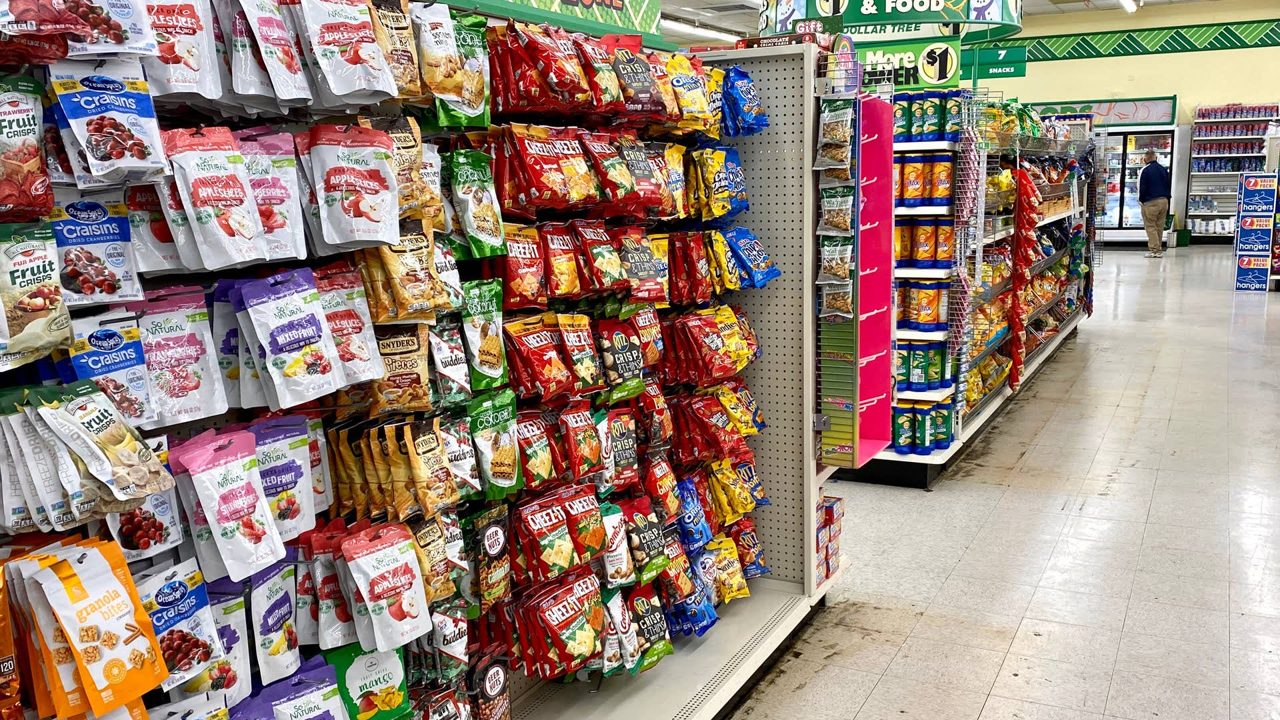
Dollar Tree is closing 75 locations in 2026 after its chief executive admitted that a vast portion of its retail footprint fails to meet internal standards, signaling a costly but necessary operational reset.
Dollar Tree will close 75 locations in 2026 as part of a broader effort to overhaul what its chief executive openly concedes is a deeply flawed store base. The decision puts the discount chain on a path of operational contrition, prioritizing physical store quality over raw footprint expansion.
For a discount retailer where the physical store is the primary product, acknowledging widespread operational shortcomings represents a significant strategic pivot. The move signals to shareholders that management is willing to absorb short-term closure costs to protect long-term brand equity.
During the company's first-quarter earnings call, CEO Michael Creedon addressed the sheer scale of the problem to Scot Ciccarelli, an analyst at Truist Securities. "If the average retailer is chasing 15% to 20% of their stores, we were chasing 42% below our standard," Creedon said in response.
The company has since made measurable headway in shrinking that deficient footprint. "That's less than 1/3 today," Creedon said. "So we haven't broken that out. But I'll tell you right now, that's less than 1/3, still not where we want it to be, but significant improvement."
The strategy draws inevitable parallels to historic corporate turnaround campaigns, such as Domino's 2009 "Pizza Turnaround," where a brand publicly admitted to offering an inferior core product to force internal change. However, Dollar Tree's admission carries heavier financial implications for capital markets.
Upgrading or closing physical retail spaces requires sustained capital expenditure and exacts a direct toll on operating margins, a reality far more cumbersome than reformulating a food recipe. While the public admission of substandard stores is a risky maneuver, it sets a clear benchmark against which investors can track management's execution.
The market will now focus on the pace of these 2026 closures and the capital required to elevate the remaining locations. Bringing the substandard store metric closer to the industry average of 15% to 20% will be the definitive test of this turnaround's success.